Public Steam disclosure research24,658 disclosures tracked
Where do games disclose AI use?
Search developers’ Steam disclosures, compare classified AI use across
games, and follow recorded changes.
This index adds cross-game classifications and statistics to
statements published on individual store pages.
Groups reflect automatic analysis of public disclosures; mature records are excluded. These counts do not measure AI use across all of Steam.
Missing or unclear statements cannot establish whether a game uses AI.
Desert Springs uses AI-assisted tools in parts of its development: some UI icons and Images were made with AI image generation. All of it was reviewed and edited by the developer. 2D art, level design, game design and codes are human made. No content is generated by AI while the game runs.
As a solo developer AI helped me with:
- fine tuning text and Steam store descriptions
- solve complex coding issues
- visuals are not "ai" generated, but all visuals are programmatically generated within my own software, and the scripts that do that, are optimised by AI coding tools
Generative AI was used during development to create various visual assets featured in the game. The game maps and some UI elements were created manually by the developer. Generative AI was used as a content creation tool, while the final assets were integrated and adapted by the developer for use in the game.
Generative AI tools were used during development to assist with localization and the creation of some game assets. Generative AI is not used to generate content during gameplay, and the game does not connect to external AI services during execution.
Generative AI was used to create selected promotional artwork for the Steam store page and to assist with the localization of store text. All generated content was reviewed and edited by the developer. No generative AI is used during gameplay, and the game does not connect to external AI services.
Generative AI is used in the creation of some visual assets, including in-game cinematics, background images, and character illustrations. It is also used to assist with writing and translating some in-game text. This content is created during development and included in the game. The game does not generate new content using generative AI during gameplay.
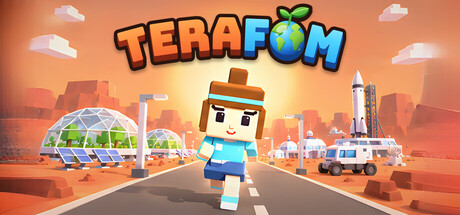
Terafom was developed with the help of generative AI tools. Some of the artwork, 3D models, in-game text and translations, voice, music and sound effects were created with AI assistance and reviewed by the developer. During gameplay, the in-game AI helper character answers players' questions about the game using third-party AI services (Google Gemini, DeepSeek, OpenAI), and its answers are spoken with an AI-generated voice.
Generative AI tools were used during development to create artwork, icons, 3D assets, written content, and trailer narration. This content is reviewed, refined, and integrated under the developer’s creative direction. The game does not generate AI content during gameplay.
Made by one developer with a little help from AI! Some artwork and text started life in generative AI tools, then got edited and polished by hand. Nothing is generated while you play.
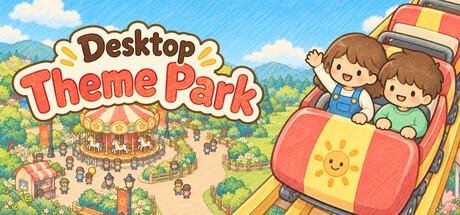
We used AI tools to help create artwork, music, and text, including translations. We selected and refined the visuals to fit Desktop Theme Park’s cartoon style.
This game used AI to make it possible to be developed by one person in reasonable time, with the hope that more people will join later to replace the AI part.
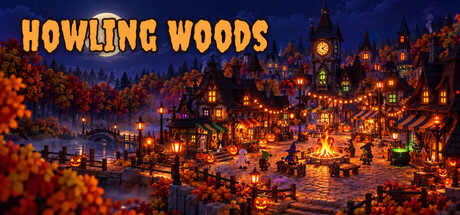
Parts of Howling Woods were made with generative AI during development: its music and sound effects, its interface icons and store art, some of its set-piece models, and parts of its code. All of it was reviewed and reworked by hand, and nothing is generated while you play.
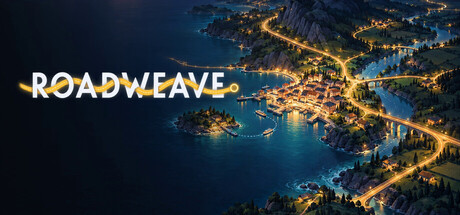
Some visual assets and the music in Roadweave were created with the help of generative AI tools during development: the key art, logo, store and library artwork, icons and achievement badges were made with image tools, and the soundtrack with a music tool. Every asset was selected and edited by the developer before release.
Generative AI is not used while you play. Maps are built by the game's own procedural generator from a seed — ordinary game code, not AI.
A small amount of artwork and text included in the game was created using generative AI during development. All such content is pre-generated. The game does not generate AI content during gameplay or connect to external AI services.
Gród is designed, built and tested by a solo developer. Every rule, system and pixel of the game follows my own vision.
AI tools helped with parts of the production: the voice lines, the music and some store artwork were created with generative AI, then selected, edited and fitted into the game by me. The in-game pixel art is drawn by the game's own code, with no AI image generators.
Screenshots and GIFs show real gameplay. The game does not use generative AI while you play.
Generative AI was used to assist with the localization of some store page content. The generated translations were reviewed and edited before publication.
Generative AI tools were used during development to assist with the creation of some 2D visual assets and development-related content. All AI-assisted content is reviewed and integrated by the development team.
- AI is used to help write scripts that create or modify some 3D models. In addition to creating many, I also personally refine and finish all models in Blender.
All additional art is human-made:
- Artwork: Created by me and my niece, with some icons licensed from the Unity Asset Store.
- Steam capsule artwork is by @Camilieroart
- Sound effects were created by myself and Kris McNaney, with additional sounds licensed from Uppbeat’s human-made library.
- Original music by Kris McNaney, with additional tracks licensed from Uppbeat’s human-made library.
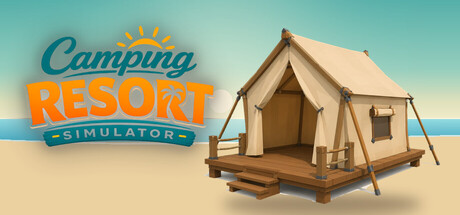
Some content in Camping Resort Simulator was made with the help of generative AI tools and then reviewed and reworked by the developer:
- base 3D models for some buildings, props and characters, retouched by hand;
- the music of the in-game radio;
- the first draft of the translations;
- some promotional artwork.
Nothing is generated by AI while you play.
Generative AI was used during development to create and refine some 2D visual assets, such as building artwork, icons, and promotional graphics. All AI-generated content was reviewed, edited, and integrated by the developer. The game does not generate AI content during gameplay.
Parts of this game's content were produced with generative AI tools.
No content is generated at runtime. Every asset shipped with the game was produced, reviewed and approved prior to release.
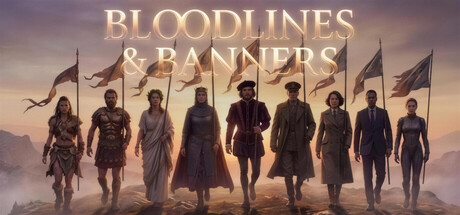
Bloodlines & Banners is designed, architected, and coded by one person. Generative AI is used as a production tool for volume, with portraits, illustration, music, cinematics, voice, and a share of the in-game prose, at a scale a solo developer could not otherwise afford or commission. It is not used to make creative decisions. The art direction is a single locked style anchor authored by hand and enforced across every asset. The game design, the systems architecture, the historical research, the balance, and every line of the server and client are human work. In-game text is a mixed case, and we set that out plainly rather than round it up to “human-written”. We are stating this up front, unprompted, because we would rather a partner evaluate the game knowing exactly what it is than discover it later.
Generative AI was used during development to assist with the creation and refinement of some visual assets. All AI-assisted content was selected, reviewed, edited, and integrated by the development team. The game does not use generative AI in real time during gameplay.
Generative AI was used to create three pre-generated images used in the game: the splash screen, loading screen, and main menu background. No other game content was generated using AI, and the game does not generate AI content during gameplay.
Some store page promotional images and capsule artwork were created with generative AI. All in-game assets, models and UI graphics are manually created by the development team. No AI-generated content will be produced during gameplay.
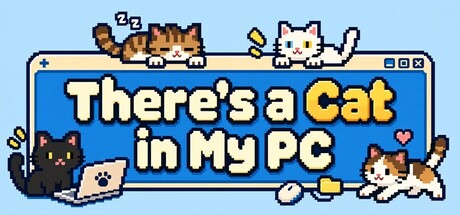
This game's cat characters are based on art assets we created, expanded with generative AI into a variety of patterns and colors. Generative AI image tools were also used at the concept stage for the store page's capsule images and icons.
Players can also optionally register their own free Google API key to chat with their cats or check today's fortune. This feature connects live to Google's Gemini API while the game is running to generate responses; the rest of the game can be enjoyed the same way without registering a key.
The game was 100% designed and tested by me and my kids. I did use AI tools to help create the logo, some of the 3d objects in the game (portion of the buildings) and the voice narration in the trailer.
Some pre-production assets were generated with AI tools and then hand-finished by the team: 3D character bodies (Tripo) that were re-rigged, textured and animated by hand; concept and brand imagery (OpenAI image generation) redrawn or composited by hand; voice lines and sound effects (ElevenLabs); and music (Suno) under a commercial licence. No AI content is generated during gameplay, and the game connects to no AI service.
Interface text and the English translation were drafted with an AI assistant and reviewed by the developer. No art, audio or content is AI generated, and nothing is generated at runtime.
Generative AI was used during development to create visual and 3D assets, background music, sound effects, and localized text, including store and marketing materials. The game does not generate AI content during gameplay or connect to external AI services.
Part of this game's written content was drafted with generative AI tools — some of the in-game text and the English and Japanese localisations — and was then reviewed and edited by the developer. All of it is pre-generated: the game calls no AI model at runtime, nothing is created live by AI while you play, and the computer-controlled opponents are a hand-written, rule-based system. In-game art is original procedural drawing or licensed third-party assets (a third-party icon library under CC BY 3.0); music is licensed from Kevin MacLeod (CC BY 3.0); sound effects are CC0; and the store capsule images are drawn procedurally inside the engine. Full asset credits are shown in the game's "Assets & License" screen.