
Disclosure
Some sound effects and images were created with the help of AI tools.
- Creator
- Taverna Games
- Reviews
- -
- Added
- Oct 7, 2026
Public Steam disclosure research 24,658 disclosures tracked
Search developers’ Steam disclosures, compare classified AI use across games, and follow recorded changes. This index adds cross-game classifications and statistics to statements published on individual store pages.
Code help, debugging and other development work.
Capsule art, trailers and promotional material.
Pre-made art, audio, writing and other game assets.
Interactive or runtime AI features disclosed by the developer.
Groups reflect automatic analysis of public disclosures; mature records are excluded. These counts do not measure AI use across all of Steam. Missing or unclear statements cannot establish whether a game uses AI.
Some sound effects and images were created with the help of AI tools.
Uses for some scripting Uses for some audio
This game contains content created with the assistance of AI tools. AI was used during development to assist with programming, visual assets, and other creative elements. All generated content was reviewed, edited, and integrated by the dev.
The card illustrations were made with an AI image tool from our own low-poly style references, then reviewed and placed by hand. All other art, the map, characters, interface, voices and writing were made by people. Store art and screenshots are captured from the game itself. I'm hoping I can replace the card art by proper human art before full release.
Deckbound was designed and directed by a solo developer. Generative AI was used as a tool during development to help write in-game text (card, item and enemy descriptions), and produce the pixel artwork. All of it was reviewed, edited and curated by hand. The game itself does not use AI while you play — nothing is generated in real time.
Pre-generated content: some 3D models (character/boss bodies and props) were generated with AI and then cleaned up, rigged and textured by hand in Blender and Unity; some voice lines and sound effects were generated with AI voice/SFX tools; parts of the trailer footage were AI-assisted; in-game text translations for some languages were produced with AI assistance and reviewed. No content is generated live while the game is running.
Most of the visual assets in this game (character illustrations, background art, UI assets, etc.) were created using AI image generation tools. Game design, programming, scenario writing, and combat balancing were done by the developer.
Some 3D models, textures and animations were AI-generated, then edited by human artists in our team.
Some artwork used on this store page and in marketing materials (key art and capsule images), and some in-game 2D art such as item icons, was created with the help of generative AI tools and then selected, edited and composited by the developer. The game does not generate any AI content during gameplay and does not connect to any AI service.
Asharven's code, in-game text, logo and store text were created with the help of AI tools and reviewed by the developer. 3D models, animations, textures, icons, effects and music are licensed assets made by people. The game does not generate content with AI while it is running.
Pre-generated content only, nothing is generated while the game runs. Most of the pixel art for monsters, bosses, world objects (shrines, totems, traps, items), boon card art and the three hero cats was generated with PixelLab (an AI pixel-art tool) from text prompts and from our own hand-drawn references, then hand-corrected, quantized to the game's palette and animated frame by frame. The music and all sound effects are synthesized procedurally in our own code (no AI). Purchased asset packs (tiles, UI) are hand-drawn by their artists. No AI-generated text, voices or story.
Generative AI tools were used during development to assist with the creation and editing of some text content and graphical materials used in the game and its related assets.
localization
AI coding tools help write and maintain the game's plugin code, and parts of the in-game text like NPC combinatorial string banks and translations were written with AI assistance, all being reviewed manully by the developer.
Generative AI is used during development to create visual and music assets for the game and its promotional materials. It is not used to create the scenario, written text, or voices. All AI-generated assets are pre-generated; the game does not generate content or connect to external AI services during gameplay.
Glyphtrip is made by a studio of three: one human and two silicon genius-toddlers. The soundtrack stems were generated with AI and mixed and mastered by hand. The translations and custom font were made with AI.
Some scenery, creature and equipment sprites, as well as some quest texts, were created with the help of generative AI tools, then manually edited and reviewed before integration. Playable characters (Liberated Pixel Cup), music and main texts are human-created works. During play, some NPCs offer optional, private text conversations generated by external AI services through our game server. A short memory summary may be generated to help that NPC remember previous conversations with the same player. These conversations are separate from scripted quest dialogue and cannot grant quests, items or rewards. This feature has usage limits and carries no additional charge.
AI was used as a support tool during development (code assistance and initial image generation). All artwork was individually reworked by hand, and no content is generated live during gameplay.
The store capsule artwork (and the app/shortcut icons cropped from it) was created with AI image generation tools. All in-game content — art, models, audio, writing — was not AI generated.
AI tools assisted with some of the game's art and writing.
Generative AI was used during development to create some promotional artwork, including Steam store capsule images and logo variations. Generative AI is not used during gameplay, and no AI-generated content is created in real time.
Generative AI was used to create the illustrations, as well as a small portion of the character artwork and dialogue. This content was created during development. The game does not generate AI content during gameplay.
Crawlgan uses generative AI for pre-made content only. All artwork, music and sound effects in the game and on this store page were created with generative AI tools, then selected and edited by the developer. The game text and store page are translated into other languages with AI assistance. Nothing is generated by AI while you play.
Character, monster, and item artwork in this game was pre-generated using AI image generation tools (FLUX.1). No AI-generated content is created live during gameplay, and the game does not connect to any third-party AI service at runtime.
This game uses Generative AI for most 2D artwork and UI elements. All characters, enemies and environments were created fully without the use of AI.
This game used AI to make it possible to be developed by one person in reasonable time, with the hope that more people will join later to replace the AI part.
Audio and music are AI generated.
Generative AI tools were used during development to create or assist with character illustrations, some character sprites and other visual assets, store and promotional artwork, background music, and portions of localized text. These assets were selected, processed and integrated by the developer. The game does not generate AI content during play and does not connect to external AI services at runtime.
The game's art assets (tile, monster and item sprite atlases) were produced during development using OpenAI's image generation service. We then processed the output ourselves into transparent PNGs and assembled them into atlases, which ship as static assets inside the build. The game does not call any AI service at runtime and contains no live-generated content. Every generated image was manually reviewed and corrected before being added to the atlas. Apart from the art, the code, game design, balance and text involve no AI-generated content.
Generative AI was used to assist in creating some of the 2D artwork used for this game's store page and marketing assets (store capsule art and icon bases). All such assets were reviewed, edited and composited by the developer. The game itself does not generate content with AI at runtime.
AI was used to create pre-generated artwork for Steam Community Items, including Trading Cards.
Some artwork and marketing assets for Fallen Crowns were created with the assistance of generative AI tools. All AI-assisted assets were reviewed and edited by the developer before inclusion. The game does not use AI to generate content live during gameplay.
Art Resource, BGM, Store Asset
Some assets in this work are AI-generated
A Light in the Gloam uses pre-generated AI content. Nothing is generated while the game is running, and the game makes no network calls of any kind. Visual art: all in-game art was generated with OpenAI's image model (gpt-image-1) from prompts written by hand, then processed by our own scripts, which downscale it, quantise it to a fixed palette and trim it before it is placed in the game. This covers 14 character portraits, 43 enemy and boss sprites, 63 item icons, 27 wall, floor and ceiling textures, 10 dungeon props, 21 achievement emblems, and 14 town and title backdrops. The store capsules and the client icons are crops of the title-screen generation rather than new images. Music and sound: all 14 music tracks were generated with ElevenLabs' music model and all 47 sound effects with ElevenLabs' sound-effects model, both from written prompts and both post-processed by our own scripts for level and length. There is no voice acting and no synthesised speech anywhere in the game. Writing and translation: the game's text, meaning item and monster descriptions, dialogue, menus and the story, was written with the assistance of a large language model and then edited by hand. The Brazilian Portuguese translation was produced the same way and reviewed against the English.
Store page capsule images and some in-game sound effects were generated using AI
Frontier was conceived, designed, directed, and extensively play tested by a solo developer. Generative AI was used as the primary production tool to implement that vision, including programming, artwork, audio, writing, and other game assets. Every aspect of the game was developed through an iterative human-directed process, with the developer specifying requirements, reviewing results, requesting revisions, making design decisions, integrating systems, and personally testing and approving the final content. No generative AI is used during gameplay.
Deep Lantern contains some pre-generated visual assets created or assisted with generative AI, including certain textures, interface or illustrative visual elements, which were then reviewed, edited, and integrated manually by the developer. The game does not use live generative AI during gameplay, and players cannot generate content in-game using AI.
Generative AI was used to create content such as artwork and sound.
Some promotional artwork on this store page was created using generative AI tools. All in-game assets (characters, environments, effects) are original or licensed third-party content.
This product contains AI generated scene art and sound design.
In-game visuals and audio were developed with AI assistance.
Hero Chains of Destiny includes pre-generated content created with the assistance of generative AI tools during development. This includes selected artwork, music, and sound effects. All generated content is reviewed, curated, and approved by the developer before being included in the game.
Some of the game's artwork, including characters, monsters, items and backgrounds, was created with the help of generative AI tools and then edited and refined by our team; none of it is used as raw AI output. Parts of the in-game text and translations were also produced with AI assistance. No AI content is generated during gameplay.
The game contains pre-generated artwork and AI-assisted narrative/localization created during development under human direction. The assets were iteratively selected, composed, edited and reviewed for this project. Prompts requested generic original fantasy subjects and did not request existing characters, logos, or the imitation of a named living artist. No generative AI service runs during gameplay and players cannot submit prompts.
Most of the game's visual art and sound was pre-generated with AI tools and then selected, edited and placed by the developer: the dungeon panoramas, room props, floors, town and building plates, character portraits, walk and combat sprite sheets, monster, boss and villager sprites, item, skill and stack icons, combat and reward effects, and the store page art were generated with the FLUX.1 image model through fal.ai and animated with AutoSprite; the sound effects, ambience beds, voice barks and music were generated with ElevenLabs. Every generated file, the tool that made it and the prompt that asked for it are recorded in the game's files (assets/README.md and assets/PROMPTS.md). All game text, design, rules and code are written by people. Nothing is generated while you play: the game contains no live AI generation and calls no AI service at runtime.
Some code and textures were initially generated by AI and then manually revised and polished.
some code and text translation used AI
Pre-generated AI content includes equipment illustrations, skill icons, clothing surface textures, short English character-selection voice lines, and Steam capsule and library artwork. AI tools also assisted with store-page text and translations. The game does not generate AI content or connect to AI services during gameplay.
A handful of key art pieces, concept illustrations, and store-page graphics were generated with AI image-generation software to help communicate. This use of AI is limited strictly to marketing materials.
| Title⇅ | Disclosure | Creator⇅ | Src | Reviews⇅ | Added↓ |
|---|---|---|---|---|---|
 Cryptward Online In-game content artaudio | Some sound effects and images were created with the help of AI tools. | Taverna Games | - | Oct 7, 2026 | |
 Druidika Unclear codeaudio | Uses for some scripting
Uses for some audio | Fort Chuck Entertainment | - | Oct 7, 2026 | |
 Iwanu Ga Hana In-game content artcode | This game contains content created with the assistance of AI tools. AI was used during development to assist with programming, visual assets, and other creative elements. All generated content was reviewed, edited, and integrated by the dev. | ISEKAI Games | - | Oct 7, 2026 | |
 After Troy In-game content art | The card illustrations were made with an AI image tool from our own low-poly style references, then reviewed and placed by hand. All other art, the map, characters, interface, voices and writing were made by people. Store art and screenshots are captured from the game itself. I'm hoping I can replace the card art by proper human art before full release. | Ruben Van Den Broucke | - | Oct 7, 2026 | |
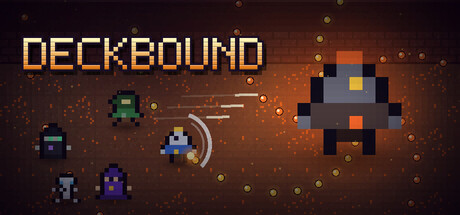 Deckbound In-game content arttext | Deckbound was designed and directed by a solo developer. Generative AI was used as a tool during development to help write in-game text (card, item and enemy descriptions), and produce the pixel artwork. All of it was reviewed, edited and curated by hand. The game itself does not use AI while you play — nothing is generated in real time. | Yuri Murray-Alves | - | Oct 7, 2026 | |
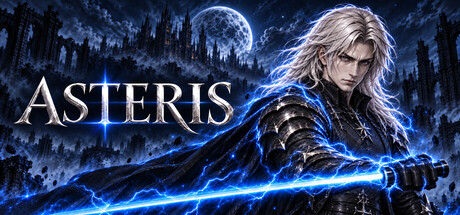 ASTERIS In-game content artaudiotext | Pre-generated content: some 3D models (character/boss bodies and props) were generated with AI and then cleaned up, rigged and textured by hand in Blender and Unity; some voice lines and sound effects were generated with AI voice/SFX tools; parts of the trailer footage were AI-assisted; in-game text translations for some languages were produced with AI assistance and reviewed. No content is generated live while the game is running. | ARCENCIEL | - | Oct 7, 2026 | |
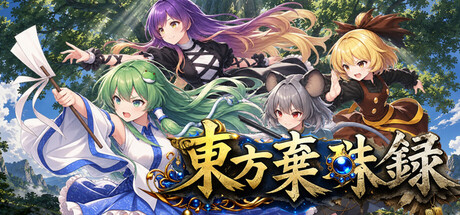 東方棄珠録 In-game content art | Most of the visual assets in this game (character illustrations, background art, UI assets, etc.) were created using AI image generation tools. Game design, programming, scenario writing, and combat balancing were done by the developer. | ノーズアンダーザブラック | - | Oct 7, 2026 | |
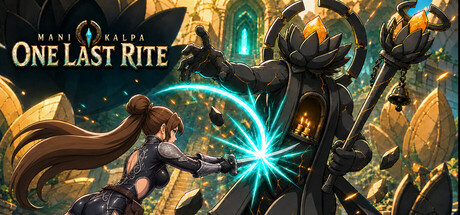 Mani Kalpa: One Last Rite In-game content art | Some 3D models, textures and animations were AI-generated, then edited by human artists in our team. | Bhavil Gupta | - | Oct 7, 2026 | |
 HAMSTER: CLAW In-game content art | Some artwork used on this store page and in marketing materials (key art and capsule images), and some in-game 2D art such as item icons, was created with the help of generative AI tools and then selected, edited and composited by the developer. The game does not generate any AI content during gameplay and does not connect to any AI service. | PickGet | - | Oct 6, 2026 | |
 Asharven In-game content arttext | Asharven's code, in-game text, logo and store text were created with the help of AI tools and reviewed by the developer. 3D models, animations, textures, icons, effects and music are licensed assets made by people. The game does not generate content with AI while it is running. | Fibteq, Inc. | - | Oct 6, 2026 | |
 Catacrawl In-game content art | Pre-generated content only, nothing is generated while the game runs. Most of the pixel art for monsters, bosses, world objects (shrines, totems, traps, items), boon card art and the three hero cats was generated with PixelLab (an AI pixel-art tool) from text prompts and from our own hand-drawn references, then hand-corrected, quantized to the game's palette and animated frame by frame. The music and all sound effects are synthesized procedurally in our own code (no AI). Purchased asset packs (tiles, UI) are hand-drawn by their artists. No AI-generated text, voices or story. | eedee | - | Oct 6, 2026 | |
 Skeleton Crew: Castle Heist In-game content textart | Generative AI tools were used during development to assist with the creation and editing of some text content and graphical materials used in the game and its related assets. | Courtney Keyes Studios | - | Oct 6, 2026 | |
 Dice Knight In-game content text | localization | Summit Games Interactive | - | Oct 6, 2026 | |
 Hypernet Explorer In-game content textcode | AI coding tools help write and maintain the game's plugin code, and parts of the in-game text like NPC combinatorial string banks and translations were written with AI assistance, all being reviewed manully by the developer. | Nocoldiz | - | Oct 5, 2026 | |
 ARIA - Origin Paradox In-game content artaudio | Generative AI is used during development to create visual and music assets for the game and its promotional materials. It is not used to create the scenario, written text, or voices. All AI-generated assets are pre-generated; the game does not generate content or connect to external AI services during gameplay. | HeartWarmWorkS | - | Oct 4, 2026 | |
 Glyphtrip In-game content audiotext | Glyphtrip is made by a studio of three: one human and two silicon genius-toddlers. The soundtrack stems were generated with AI and mixed and mastered by hand. The translations and custom font were made with AI. | Well-Read Varangians | - | Oct 4, 2026 | |
 Valenya Online Live AI arttext | Some scenery, creature and equipment sprites, as well as some quest texts, were created with the help of generative AI tools, then manually edited and reviewed before integration. Playable characters (Liberated Pixel Cup), music and main texts are human-created works.
During play, some NPCs offer optional, private text conversations generated by external AI services through our game server. A short memory summary may be generated to help that NPC remember previous conversations with the same player. These conversations are separate from scripted quest dialogue and cannot grant quests, items or rewards. This feature has usage limits and carries no additional charge. | Aurélien Souville | - | Oct 4, 2026 | |
 Heartreave In-game content artcode | AI was used as a support tool during development (code assistance and initial image generation). All artwork was individually reworked by hand, and no content is generated live during gameplay. | Ebon Anvil | - | Oct 4, 2026 | |
 Starscar In-game content art | The store capsule artwork (and the app/shortcut icons cropped from it) was created with AI image generation tools. All in-game content — art, models, audio, writing — was not AI generated. | Mars Rover Games | - | Oct 4, 2026 | |
 Magehold Fairwinds In-game content arttext | AI tools assisted with some of the game's art and writing. | Pixel Play Studio | - | Oct 3, 2026 | |
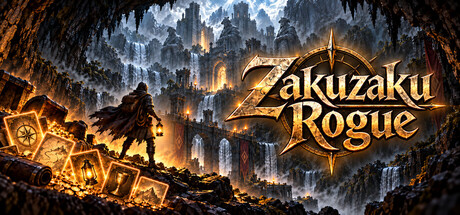 Zakuzaku Rogue Store/marketing art | Generative AI was used during development to create some promotional artwork, including Steam store capsule images and logo variations. Generative AI is not used during gameplay, and no AI-generated content is created in real time. | nekosuko | - | Oct 3, 2026 | |
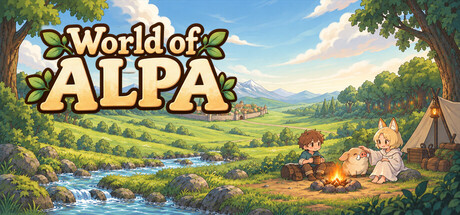 World of ALPA In-game content arttext | Generative AI was used to create the illustrations, as well as a small portion of the character artwork and dialogue. This content was created during development. The game does not generate AI content during gameplay. | Nater Studio | - | Oct 3, 2026 | |
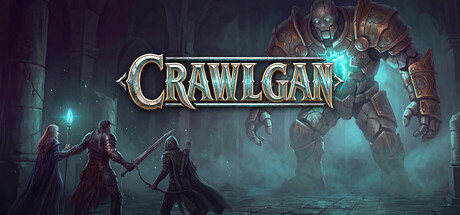 Crawlgan In-game content artaudiotext | Crawlgan uses generative AI for pre-made content only. All artwork, music and sound effects in the game and on this store page were created with generative AI tools, then selected and edited by the developer. The game text and store page are translated into other languages with AI assistance. Nothing is generated by AI while you play. | Haz Studio | - | Oct 3, 2026 | |
 FGD - Forever Grind Dungeon In-game content art | Character, monster, and item artwork in this game was pre-generated using AI image generation tools (FLUX.1). No AI-generated content is created live during gameplay, and the game does not connect to any third-party AI service at runtime. | Tresette | - | Oct 3, 2026 | |
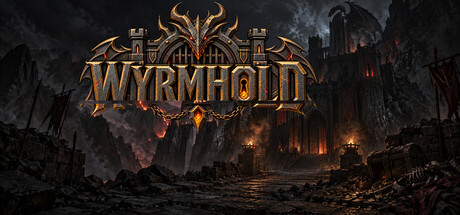 Wyrmhold In-game content art | This game uses Generative AI for most 2D artwork and UI elements. All characters, enemies and environments were created fully without the use of AI. | DHG Game Studio | - | Oct 3, 2026 | |
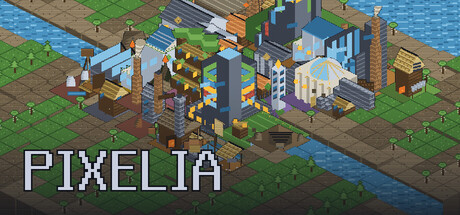 Pixelia Unclear | This game used AI to make it possible to be developed by one person in reasonable time, with the hope that more people will join later to replace the AI part. | Eduardo Morais | - | Oct 3, 2026 | |
 Veilborn In-game content audio | Audio and music are AI generated. | Xootic | - | Oct 1, 2026 | |
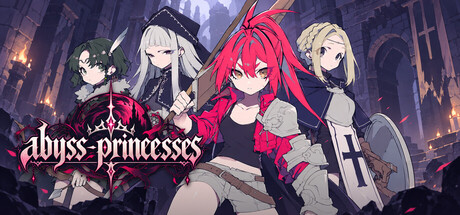 Idle Abyss Princesses In-game content artaudiotext | Generative AI tools were used during development to create or assist with character illustrations, some character sprites and other visual assets, store and promotional artwork, background music, and portions of localized text. These assets were selected, processed and integrated by the developer. The game does not generate AI content during play and does not connect to external AI services at runtime. | Peter | - | Oct 1, 2026 | |
 Hauberk锁甲地牢 In-game content art | The game's art assets (tile, monster and item sprite atlases) were produced during development using OpenAI's image generation service. We then processed the output ourselves into transparent PNGs and assembled them into atlases, which ship as static assets inside the build. The game does not call any AI service at runtime and contains no live-generated content. Every generated image was manually reviewed and corrected before being added to the atlas. Apart from the art, the code, game design, balance and text involve no AI-generated content. | BAI XIAN LE | - | Oct 1, 2026 | |
 箭无穷:Arrows Without End In-game content art | Generative AI was used to assist in creating some of the 2D artwork used for this game's store page and marketing assets (store capsule art and icon bases). All such assets were reviewed, edited and composited by the developer. The game itself does not generate content with AI at runtime. | Chen Jiandong | - | Oct 1, 2026 | |
 Dungeon Forge Store/marketing art | AI was used to create pre-generated artwork for Steam Community Items, including Trading Cards. | Rogue Against World | - | Oct 1, 2026 | |
 Fallen Crowns Store/marketing art | Some artwork and marketing assets for Fallen Crowns were created with the assistance of generative AI tools. All AI-assisted assets were reviewed and edited by the developer before inclusion. The game does not use AI to generate content live during gameplay. | Demonia Game Studios | - | Oct 1, 2026 | |
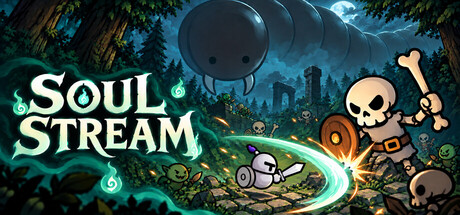 Soul Stream Unclear artaudio | Art Resource, BGM, Store Asset | Enter the Game Studios | - | Oct 1, 2026 | |
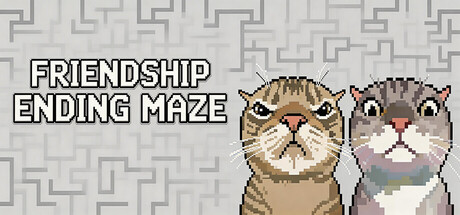 FRIENDSHIP ENDING MAZE In-game content | Some assets in this work are AI-generated | Game_Artisan | - | Sep 30, 2026 | |
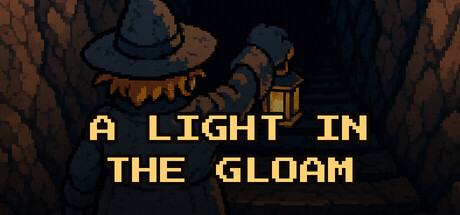 A Light in the Gloam In-game content artaudiotext | A Light in the Gloam uses pre-generated AI content. Nothing is generated while the game is running, and the game makes no network calls of any kind.
Visual art: all in-game art was generated with OpenAI's image model (gpt-image-1) from prompts written by hand, then processed by our own scripts, which downscale it, quantise it to a fixed palette and trim it before it is placed in the game. This covers 14 character portraits, 43 enemy and boss sprites, 63 item icons, 27 wall, floor and ceiling textures, 10 dungeon props, 21 achievement emblems, and 14 town and title backdrops. The store capsules and the client icons are crops of the title-screen generation rather than new images.
Music and sound: all 14 music tracks were generated with ElevenLabs' music model and all 47 sound effects with ElevenLabs' sound-effects model, both from written prompts and both post-processed by our own scripts for level and length. There is no voice acting and no synthesised speech anywhere in the game.
Writing and translation: the game's text, meaning item and monster descriptions, dialogue, menus and the story, was written with the assistance of a large language model and then edited by hand. The Brazilian Portuguese translation was produced the same way and reviewed against the English. | Petersen Projects | - | Sep 30, 2026 | |
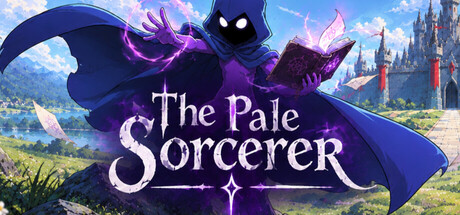 The Pale Sorcerer In-game content artaudio | Store page capsule images and some in-game sound effects were generated using AI | akameC | - | Sep 30, 2026 | |
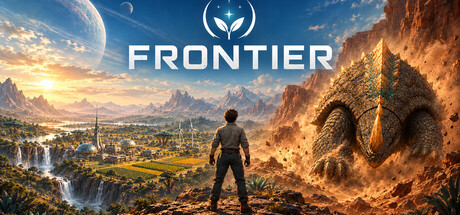 Frontier In-game content artaudiotextcode | Frontier was conceived, designed, directed, and extensively play tested by a solo developer. Generative AI was used as the primary production tool to implement that vision, including programming, artwork, audio, writing, and other game assets. Every aspect of the game was developed through an iterative human-directed process, with the developer specifying requirements, reviewing results, requesting revisions, making design decisions, integrating systems, and personally testing and approving the final content. No generative AI is used during gameplay. | Gunthrek | - | Sep 30, 2026 | |
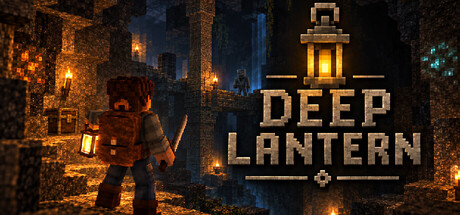 Deep Lantern In-game content art | Deep Lantern contains some pre-generated visual assets created or assisted with generative AI, including certain textures, interface or illustrative visual elements, which were then reviewed, edited, and integrated manually by the developer.
The game does not use live generative AI during gameplay, and players cannot generate content in-game using AI. | Deep Lantern | - | Sep 30, 2026 | |
 ROGRID In-game content artaudio | Generative AI was used to create content such as artwork and sound. | QuickTurtle Co., Ltd. | - | Sep 30, 2026 | |
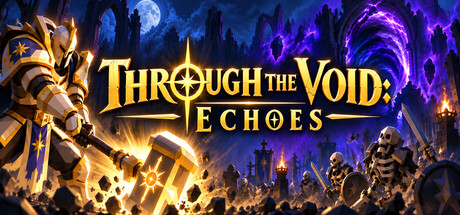 Through the Void: Echoes In-game content art | Some promotional artwork on this store page was created using generative AI tools. All in-game assets (characters, environments, effects) are original or licensed third-party content. | TON | - | Sep 30, 2026 | |
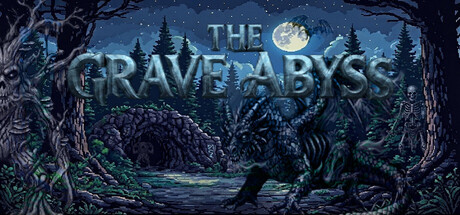 The Grave Abyss In-game content artaudio | This product contains AI generated scene art and sound design. | devbasix | - | Sep 30, 2026 | |
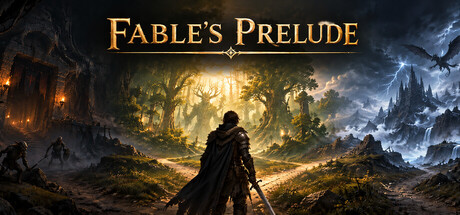 Fable's Prelude In-game content artaudio | In-game visuals and audio were developed with AI assistance. | Cupixel | - | Sep 30, 2026 | |
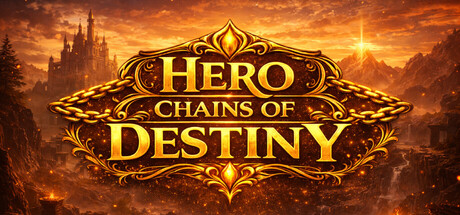 Hero Chains of Destiny In-game content artaudio | Hero Chains of Destiny includes pre-generated content created with the assistance of generative AI tools during development. This includes selected artwork, music, and sound effects. All generated content is reviewed, curated, and approved by the developer before being included in the game. | TavernCatGames | - | Sep 29, 2026 | |
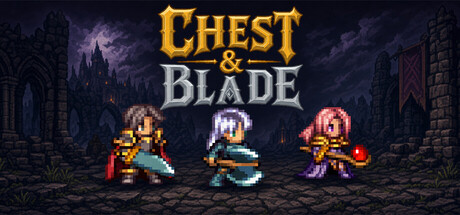 Chest & Blade In-game content arttext | Some of the game's artwork, including characters, monsters, items and backgrounds, was created with the help of generative AI tools and then edited and refined by our team; none of it is used as raw AI output. Parts of the in-game text and translations were also produced with AI assistance. No AI content is generated during gameplay. | Misto Games | - | Sep 29, 2026 | |
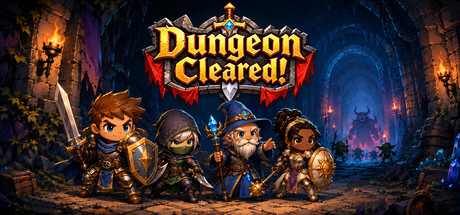 Dungeon Cleared! In-game content arttext | The game contains pre-generated artwork and AI-assisted narrative/localization created during development under human direction.
The assets were iteratively selected, composed, edited and reviewed for this project.
Prompts requested generic original fantasy subjects and did not request existing characters, logos, or the imitation of a named living artist.
No generative AI service runs during gameplay and players cannot submit prompts. | Macs | - | Sep 28, 2026 | |
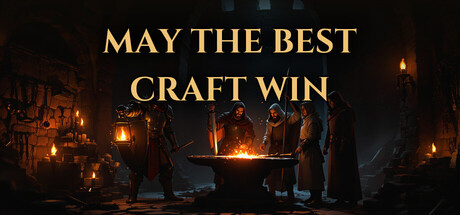 May the Best Craft Win In-game content artaudio | Most of the game's visual art and sound was pre-generated with AI tools and then selected, edited and placed by the developer: the dungeon panoramas, room props, floors, town and building plates, character portraits, walk and combat sprite sheets, monster, boss and villager sprites, item, skill and stack icons, combat and reward effects, and the store page art were generated with the FLUX.1 image model through fal.ai and animated with AutoSprite; the sound effects, ambience beds, voice barks and music were generated with ElevenLabs. Every generated file, the tool that made it and the prompt that asked for it are recorded in the game's files (assets/README.md and assets/PROMPTS.md). All game text, design, rules and code are written by people. Nothing is generated while you play: the game contains no live AI generation and calls no AI service at runtime. | SCVI Media | - | Sep 28, 2026 | |
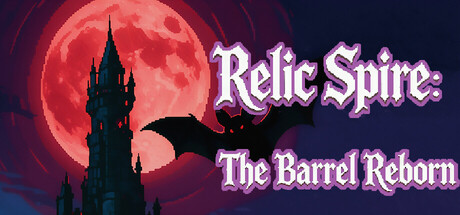 碎物魔塔:开局一只桶 In-game content artcode | Some code and textures were initially generated by AI and then manually revised and polished. | 散木 | - | Sep 28, 2026 | |
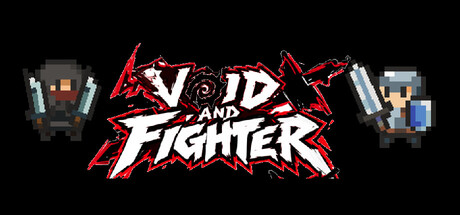 Void and Fighter In-game content codetext | some code and text translation used AI | Never Knows Game | - | Sep 28, 2026 | |
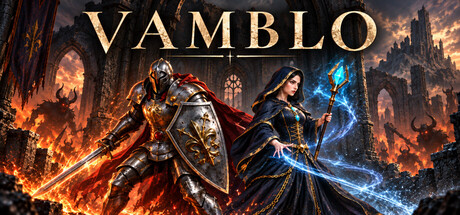 Vamblo In-game content artaudiotext | Pre-generated AI content includes equipment illustrations, skill icons, clothing surface textures, short English character-selection voice lines, and Steam capsule and library artwork. AI tools also assisted with store-page text and translations. The game does not generate AI content or connect to AI services during gameplay. | firearlydev | - | Sep 27, 2026 | |
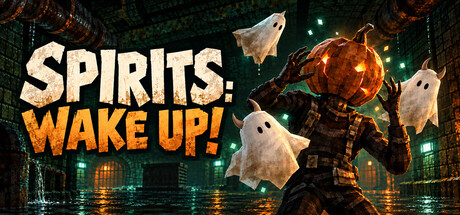 Spirits: Wake Up! Store/marketing art | A handful of key art pieces, concept illustrations, and store-page graphics were generated with AI image-generation software to help communicate. This use of AI is limited strictly to marketing materials. | DodoModo | - | Sep 27, 2026 |


