Public Steam disclosure research24,658 disclosures tracked
Where do games disclose AI use?
Search developers’ Steam disclosures, compare classified AI use across
games, and follow recorded changes.
This index adds cross-game classifications and statistics to
statements published on individual store pages.
Groups reflect automatic analysis of public disclosures; mature records are excluded. These counts do not measure AI use across all of Steam.
Missing or unclear statements cannot establish whether a game uses AI.
Generative AI tools were used during development to assist with portions of the game’s pre-generated 2D character and promotional artwork, localization drafts, and code. All AI-assisted material was reviewed, selected, and edited by the developer before inclusion. The game does not generate AI content during gameplay.
Generative AI tools were used during development to create artwork, character voices, sound effects, and portions of the written content. AI-generated artwork is also used in the store page and promotional materials. These assets are prepared in advance; the game does not generate AI content or connect to generative AI services during gameplay.
Game music was pre-generated using AI tools and edited during development. Select non-English/German text localizations were pre-translated using AI translation tools and reviewed.
This game incorporates AI assistance in its development. The overall vision and execution remain that of the developer.
All language translations were done using Claude. If there are any mistranslations, please contact me to fix them!
Generative AI tools were used during development to assist with the creation and iteration of some game assets and development code. AI-assisted content included in the final game is pre-generated and reviewed by the developer. The game does not generate AI content during gameplay.
Kana Cross uses generative AI in the following ways, all reviewed by a person before release:
• Music: the game's background music was created using generative AI music tools.
• Localization: some of the Visual Novel and game's dictionary word meanings and translations.
Generative AI was used to create the background artwork in the Steam store and library images, and the Drift Quest logo, which also appears in the game. AI tools were also used during development: AI coding assistants helped write the game's code, the store description was written with AI assistance, and the game and store texts were translated into 29 languages and reviewed with AI. AI also helped write some of the game's English text, such as quest, item and spell names. The in-game interface and icon art comes from licensed asset packs, and the music is licensed from Phat Phrog Studios. No content is generated by AI while you play.
Character, monster, and item artwork in this game was pre-generated using AI image generation tools (FLUX.1). No AI-generated content is created live during gameplay, and the game does not connect to any third-party AI service at runtime.
This game uses generative AI as part of its content creation pipeline. Some elements of the store page cover art were generated using AI and then combined with additional artwork created by our designer. Certain in-game environment textures were processed using AI-assisted tools as part of the texturing workflow. Character voices were recorded by our own team and then processed with AI-based voice conversion to transform them into different character voices. All AI-assisted content was reviewed and refined by our team before being included in the final game.
Generative AI was used as a development tool for selected visual assets and concept artwork, as well as for assistance during development. All AI-assisted content was reviewed, edited, and integrated by the developer.
This game contains content created with the assistance of AI tools. AI was used during development to assist with programming, visual assets, and other creative elements. All generated content was reviewed, edited, and integrated by the dev.
The current soundtrack and its album-cover artwork were generated with AI music and image tools and selected by the developer. I am looking to commission original music from human artists; if you make music and would like to hear your tracks in BrickAmp, get in touch at team@brickamp.com. Some level layouts and visual effects were drafted with AI-assisted coding tools and hand-reviewed. All of this content is pre-generated and ships with the game. Nothing is generated live during play, and the game does not connect to any AI service.
HELIOBANE was made with the help of generative AI tools.
- Assets: AI was used to generate some of the game's assets, including artwork, voice lines, sound effects, in-game text and translations. Artwork was edited and fitted to the game's 32-colour palette and style before use.
- Music: the soundtrack was made with a custom tracker built for agentic work, by an AI trained on a curated collection of public-domain tracker (MOD) music.
- Some store page and marketing art is also AI-assisted.
Nothing is generated while you play. All content is fixed in the build, and the game does not connect to any AI service.
Generative AI tools were used to assist in the creation and refinement of some pre-rendered artwork and interface elements. AI-generated music is also used, and AI tools assisted with store-page text and localization. All AI-assisted content was selected, edited, and reviewed by the developer. The game does not generate AI content during gameplay.
The game engine is written with substantial AI assistance.
Some dialogues and quest texts are AI generated, and are successively replaced by human-written dialogue. Every piece of flavor text has a label that states the author (human or ai).
The 3D character models are currently generated with AI, and then transformed through a custom pipeline to work with the text-based graphics and CPU rendering. It is possible to replace them with manually crafted models.
This game includes assets created with generative AI during development (official music, song artwork, and drum animations). Nothing is generated while you play, and the game does not connect to an AI service at runtime. Players cannot send prompts to any AI.
AI models have been used to validate, optimize, rank and test the puzzles and the simulation engine. Soundtrack is procedurally generated music using the same engine that simulates the electronics, powered by the C~ language.
The original 1998 version of Avalon was created entirely by hand, including its graphics, music, story, gameplay, game engine and even its custom music software. Avalon: Legacy Edition retains many of these original assets. Generative AI was used to create or refine much of the updated visual, audio and written content. No content is generated live during gameplay.
Some of this game's art was stylized or created with AI image generation tools from original prompts and project reference material: character portraits, tables, backgrounds, and Steam store and community artwork. Initial translations were AI-assisted. All of it was edited and reviewed before shipping. The soundtrack is chip-synth music generated at build time by the game's own code, no audio model and no sampled audio in the shipped files. Several tracks are AI-stylized arrangements of original songs written by a member of the development team; others were composed with AI assistance to our direction. Nothing is generated by AI while you play.
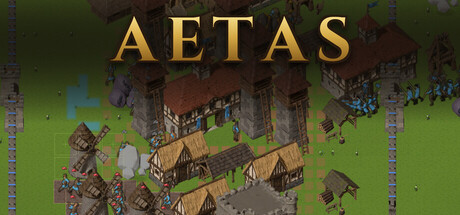
Aetas is designed, directed and built by a single developer. Generative AI was used as a development assistant: it helped write code and tools, the in-game texts and their English/Dutch localization, and the store page texts, all under the developer's direction and review. No AI image generation was used: all sprites and tiles are hand-drawn Liberated Pixel Cup art by human artists (credited in the game folder), or assembled programmatically from that art. The trailer music was produced by a synthesis script. The game does not generate any content with AI during gameplay and does not connect to any AI service.
Some of the game's pre-made content and the store page texts were created with the help of generative AI tools, and then reviewed and edited by our team. No content is generated by AI while you play.
Generative AI has been used in the development of Companion Baduk for occasional placeholder graphics, elements of companion character backstories, the promotional trailer, and some sound effects.
PROF-MAN contains pre-generated visual artwork and voice audio created with the assistance of generative AI tools. Visual assets were created and directed by the developer and subsequently edited and refined as part of the game's art production process. The Professor's voice was created using ElevenLabs. No AI-generated content is created during gameplay.
Generative AI tools were used during development to assist with the creation and refinement of some game content and assets. All AI-assisted content was reviewed and integrated by the development team before being included in the game.
I use generative technologies strictly in a supporting role, including: brain-storming; editing text; altering images; research; transcription…
Generated assets are never the first seed nor the last product of any content in my games.
I use generative technologies strictly in a supporting role, including: brain-storming; editing text; altering images; research; transcription…
Generated assets are never the first seed nor the last product of any content in my games.
Some visual assets and promotional artwork included in the game were created or assisted with generative AI tools during development. These assets were subsequently edited, adjusted, animated, and integrated by the developer. The game does not use generative AI to create content during gameplay.