


Disclosure
Generative AI is used to create and improve marketing artwork, and to draft and translate store descriptions and interface text. No AI content is generated during gameplay.
- Creator
- Heavy Feather Games
- Reviews
- -
- Added
- Oct 30, 2026
Public Steam disclosure research 27,109 disclosures tracked
Search developers’ Steam disclosures, compare classified AI use across games, and follow recorded changes. This index adds cross-game classifications and statistics to statements published on individual store pages.
Code help, debugging and other development work.
Capsule art, trailers and promotional material.
Pre-made art, audio, writing and other game assets.
Interactive or runtime AI features disclosed by the developer.
Groups reflect automatic analysis of public disclosures; mature records are excluded. These counts do not measure AI use across all of Steam. Missing or unclear statements cannot establish whether a game uses AI.
Generative AI is used to create and improve marketing artwork, and to draft and translate store descriptions and interface text. No AI content is generated during gameplay.
Some of the images, audio and translations were made with the help of generative AI tools. Nothing is generated while you play.
AI tool assisted in translating the store page into 19 different languages.
AI disclosure. Sleighline was designed by Bogeywombat at Testameles Studios and built as an experiment in AI-led development: Claude Code (Anthropic's AI coding agent) wrote the game's code and store text from the studio's design, with the studio directing, playtesting and approving every step. The music, the sound effects, Santa's chuckle and his narration of the opening story (synthetic voices; the narration is converted from Bogeywombat's own reading) were generated with ElevenLabs. Some store artwork was generated with PixelLab. The studio's logo and its turtle-badger mascot, which also hides in the game as a small code-drawn silhouette, were designed as AI-generated images (DALL-E, via ChatGPT). The rooftop art is drawn by the game's own code. The illustrations in the intro story were made by restyling and tracing AI-generated images (OpenAI's GPT image model) into the game's own art style. Nothing is generated by AI while you play.
Parts of the store page text and the on-screen slideshow in one store clip were drafted with AI help, then edited by the developer. The game's art, models, music and sound effects are made by the developer or by credited artists, listed in the game's credits. Nothing is generated by AI while you play.
The game's pixel art, its 31 music tracks, the engine sounds, the interface texts and the translations into 19 languages were made with the help of AI assistants. The assistants wrote programs that draw the art and compose and synthesize the music from code. No image, music or voice generation models were used, and these programs use no third-party images or recordings. The store graphics and the trailer are made from the game's own footage. The game does not generate any content with AI while it runs.
The store page artwork (capsules, banner) and the game icon were produced with an AI image tool from original renders of the game, then retouched by hand. The 3D models of the rabbit and the robots were created with Tripo3D from original drawings. The game itself does not generate any content with AI while you play. All text, music, sound effects and code are the work of Cylon6.
This game uses AI-generated translations for localization purposes. Menus, level names, act names, messages, and information on the game's Steam Page are translated into different languages with the use of AI.
The game content was extensively created with generative AI. This includes 3D models, textures, artwork and marketing materials, audio, text and localization. The content was created in advance during development.
The subject paintings are reproductions of public-domain works whose copyright has expired. The anime-style versions were created with the help of generative AI, based on those originals. Generative AI was also used for some character art, the background music, and translation into some languages.
I use AI to help me with translations and coding.
Generative AI tools were used during development to create the sky panoramas, several 3D models and textures, the music and sound effects, and the store art. No AI content is generated while you play.
AI tools created the models, textures, skies, art, music and sound effects during development. No AI content is generated during gameplay.
Gemwise includes pre-generated music, visual artwork, and localized text created with generative AI tools. These assets were selected, edited, processed, integrated, and reviewed by the developer. The game does not generate AI content during gameplay and does not connect to external AI services.
Some of the in-game text and the store page text were written with the help of AI tools and edited by the developer. All artwork and sound are drawn and synthesized by the game's own code; no image, audio or video generators were used. Nothing is generated by AI while you play.
Hardpack Rally is made by solo developer Andre Gomes with assistance from AI tools, including Claude, ChatGPT and Codex. These tools help write game code and scripts that create the cars and scenery. No AI generates content while you play.
Trivia Mania was designed, directed, reviewed and tested by a solo developer. AI tools supported the drafting, editing and fact-checking of the questions and answers, and helped make the game's art and sound. No AI is embedded in the game and nothing is generated while you play.
Generative AI was used to create in-game background images and translations, as well as some store and library images. No generative AI is used during gameplay.
Roadshift was developed with assistance from generative AI tools (such as Large Language Models) to help write and structure the source code and draft store descriptions, as well as generating in-game images, assets, art, and 3D models. The game does not feature live, runtime generative AI.
Generative AI tools were used exclusively to create static, pre-generated illustrative images for the application's Tips section and Steam store/marketing assets. These are the only AI-generated materials included with the product or presented to users. NitroCore Synapse does not generate AI content at runtime and does not connect to external AI services.
Generative AI tools were used during development to assist with programming, debugging, and development iteration. No generative AI is used during gameplay, no live AI-generated content is produced, and the game does not connect to external AI services during play.
The music was written with generative AI.
Generative AI was used only to assist with the localization of in-game text. All AI-assisted translations are manually reviewed and edited by the developer before being included in the game. No generative AI is used to generate content during gameplay.
Generative AI tools were used during development to create some artwork, including character art, environments, and promotional images. These are pre-made assets. No content is generated by AI during gameplay.
Generative AI tools were used throughout development to create all of the game's visual art assets and program code, as well as localization and promotional materials. All outputs were directed, reviewed, edited, tested, and integrated under the developer's supervision. The game does not generate AI content during gameplay or connect to external AI services.
Generative AI was used in the development of this game. No generative AI runs during gameplay, and the game does not connect to any external AI service.
Generative AI tools were used for pre-rendered character portraits, title/key artwork and other game illustrations, portions of promotional video and audio, marketing artwork, and assistance with localized text. These assets and text were reviewed and edited for the game. Orderfall does not generate AI content during gameplay or connect to an external AI service. The live-action-style Captain Cook teaser is dramatized promotional footage; the game itself uses pixel-art graphics.
Generative AI was used as part of the development process to assist with the creation of some visual and audio assets. AI-generated outputs are reviewed, selected, edited and integrated by the developer to fit the game's visual and creative direction. Flow Foundry does not use generative AI to create content live during gameplay.
This game contains pre-generated AI-assisted content used during development, including gameplay code, selected in-game and UI text/localization, generated sound effects, and AI-assisted visual materials for Steam community/store assets such as achievement icons. No AI content is generated live during gameplay, and the game does not connect to external AI services at runtime.
Some images and audio were generated using AI.
This game includes content created with the help of AI during development. Images (34): backgrounds, the logo and in-game objects were created using OpenAI's image generation (gpt-image), then edited by the developer. 34 of the 66 sprites in the shipping build originate this way. UI elements and one texture (13) and sound effects (21): these were designed by AI (Claude) and implemented as the developer's own program code. They are not the output of an image or audio generation model; the shapes and waveforms are produced by deterministic processing. The game does not generate any content with AI at runtime. Music is licensed from a purchased royalty-free library and involves no AI. Stage design is the developer's own work.
Some pre-rendered 2D art was created with the assistance of generative AI tools: the playable characters' animation frames, world backgrounds and tile art were generated from the developer's original character and world designs, then hand-edited, aligned and baked into final game assets by the developer. A small number of sound effects were also created with AI audio tools and then mixed by hand. The store page capsule images are composed from the same AI-assisted paintings plus hand-set typography. All AI-assisted content is pre-rendered, was reviewed by the developer before shipping, and no content is generated by AI at runtime.
Source code and store page copy were written with AI assistance (Claude), reviewed and edited by the developer before shipping. No AI-generated artwork, music, voice or narrative content ships in this game. All in-game visuals are hand-written shaders and code-drawn geometry; sound effects are procedurally synthesised by a deterministic script; music is licensed from a human artist; fonts are licensed typefaces. No generative AI runs at runtime.
Generative AI tools were used to assist in the creation of promotional store assets (such as store banners and visual graphics). Additionally, AI-assisted tools were used during development to help write and optimize procedural C# code for dynamic map generation and environment layout variation. The game itself does not generate content or call external AI models in real-time while running.
AI-generated art object
We view artificial intelligence solely as a supportive tool. Generative AI was used only as a supportive tool for certain visual designs and language translation. Artificial intelligence helped with grammar corrections in in-game text; these corrections were then carefully reviewed and edited manually.
Cover art, store page imagery and music were created with AI generation tools. All game design, writing and gameplay systems were created by the developer.
AI was used to assist with localization and some written text. All art, animation, music, sound effects, and level design were created entirely by me. All AI-assisted content was reviewed and edited by me, and several translations were additionally checked by native speakers. The game does not generate AI content during gameplay and does not connect to any external AI services.
BirdBots uses generative AI tools during development to assist in the creation of certain promotional images, visual concepts, illustrations, and marketing materials. All AI-generated content has been reviewed, edited, and integrated by the developer. AI is not used during gameplay and does not affect the game's mechanics.
Generative AI was used only for creating some logos and images. All generated assets were reviewed and refined by the developer before being included in the game.
AI tools were used during development to assist with writing code, and to produce two categories of content shipped with the game: the original synthwave soundtrack (composed with AI music generation, curated and selected by the developer) and the interface translations for the non-English languages (reviewed by the developer). Some store page text was also drafted with AI assistance. All in-game worlds are generated procedurally by hand-written algorithms — no AI content is generated at runtime.
This game was built in a basement by a dad of 3 with claude, gemini, grok, copilot and chat gpt, all pitched in with various parts. some of the backgrounds and icons atrwork had ai refinement in the process but were all reformatted and redrawn as conceptualized by dev
Snot Pop! is an indie project. Like many independent developers, generative AI was used as a tool among many during development; for brainstorming, writing, art and audio design, and working through balancing problems. AI was not the game designer or orchestrator of the project. All content was reviewed, directed, altered, and approved before inclusion. Everything in the game reflects deliberate creative decisions made by the developer.
Some text on this Steam store page and in related marketing materials was drafted with the help of generative AI tools and then reviewed and edited by the developer. The game's artwork, characters, animations, and audio are created by the developer and are not AI-generated. The game does not use generative AI to create any content during gameplay.
Some of the images in this game are created using artificial intelligence.
AI was used only to enhance storyboard artwork and loading screen images.
Generative AI is used across this game's development — including store-page marketing artwork, in-game art (cards, UI elements), sound effects, and source code. All AI-generated content is human-directed, reviewed, and edited by the developer. No AI runs at game time; everything ships as static, pre-rendered assets.
I have used Claude Code to create the game itself code and assets.
Loopfall uses generative AI for select shipped content: • Music — created in collaboration with ElevenLabs. • Sound effects — generated with ElevenLabs Sound Effects. • Localization — store text and in-game UI strings are translated from English to 14 other languages via the Anthropic Claude API. All AI-generated content is pre-rendered and baked into the build — no live AI runs at runtime. Every asset is licensed under each provider's commercial-use terms and was reviewed by the developer before release.
Some visual assets were made with AI assistance.
| Title⇅ | Disclosure | Creator⇅ | Src | Reviews⇅ | Added↓ |
|---|---|---|---|---|---|
 Too Many Roaches Store/marketing arttext | Generative AI is used to create and improve marketing artwork, and to draft and translate store descriptions and interface text. No AI content is generated during gameplay. | Heavy Feather Games | - | Oct 30, 2026 | |
 Salmon Samurai In-game content artaudiotext | Some of the images, audio and translations were made with the help of generative AI tools. Nothing is generated while you play. | PWNR Games | - | Oct 30, 2026 | |
 SYNCOPE Store/marketing text | AI tool assisted in translating the store page into 19 different languages. | Hasie | - | Oct 30, 2026 | |
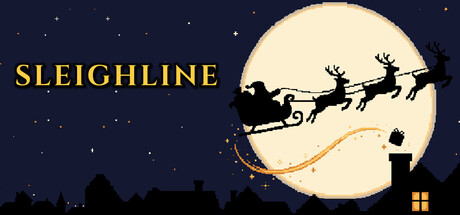 Sleighline In-game content arttextaudio | AI disclosure. Sleighline was designed by Bogeywombat at Testameles Studios and built as an experiment in AI-led development: Claude Code (Anthropic's AI coding agent) wrote the game's code and store text from the studio's design, with the studio directing, playtesting and approving every step. The music, the sound effects, Santa's chuckle and his narration of the opening story (synthetic voices; the narration is converted from Bogeywombat's own reading) were generated with ElevenLabs. Some store artwork was generated with PixelLab. The studio's logo and its turtle-badger mascot, which also hides in the game as a small code-drawn silhouette, were designed as AI-generated images (DALL-E, via ChatGPT). The rooftop art is drawn by the game's own code. The illustrations in the intro story were made by restyling and tracing AI-generated images (OpenAI's GPT image model) into the game's own art style. Nothing is generated by AI while you play. | Testameles Studios | - | Oct 27, 2026 | |
 Desktop Destruction Store/marketing text | Parts of the store page text and the on-screen slideshow in one store clip were drafted with AI help, then edited by the developer. The game's art, models, music and sound effects are made by the developer or by credited artists, listed in the game's credits. Nothing is generated by AI while you play. | BIT TWISTED | - | Oct 27, 2026 | |
 Gravity Defied Reincarnation In-game content artaudiotext | The game's pixel art, its 31 music tracks, the engine sounds, the interface texts and the translations into 19 languages were made with the help of AI assistants. The assistants wrote programs that draw the art and compose and synthesize the music from code. No image, music or voice generation models were used, and these programs use no third-party images or recordings. The store graphics and the trailer are made from the game's own footage. The game does not generate any content with AI while it runs. | Akademic Games | - | Oct 25, 2026 | |
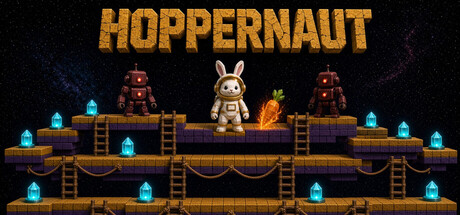 Hoppernaut In-game content art | The store page artwork (capsules, banner) and the game icon were produced with an AI image tool from original renders of the game, then retouched by hand. The 3D models of the rabbit and the robots were created with Tripo3D from original drawings. The game itself does not generate any content with AI while you play. All text, music, sound effects and code are the work of Cylon6. | Cylon6 | - | Oct 24, 2026 | |
 SuNaKuru In-game content text | This game uses AI-generated translations for localization purposes. Menus, level names, act names, messages, and information on the game's Steam Page are translated into different languages with the use of AI. | OOMAA | - | Oct 24, 2026 | |
 T.S.K Commander In-game content artaudiotext | The game content was extensively created with generative AI. This includes 3D models, textures, artwork and marketing materials, audio, text and localization. The content was created in advance during development. | Corevant Studio | - | Oct 18, 2026 | |
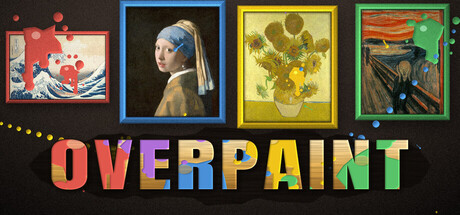 OVERPAINT In-game content artaudiotext | The subject paintings are reproductions of public-domain works whose copyright has expired. The anime-style versions were created with the help of generative AI, based on those originals. Generative AI was also used for some character art, the background music, and translation into some languages. | SF Create | - | Oct 16, 2026 | |
 Carve! In-game content codetext | I use AI to help me with translations and coding. | Steven Rydel | - | Oct 15, 2026 | |
 Squall Riders In-game content artaudio | Generative AI tools were used during development to create the sky panoramas, several 3D models and textures, the music and sound effects, and the store art. No AI content is generated while you play. | Bitmagic | - | Oct 12, 2026 | |
 Trick or Roll In-game content artaudio | AI tools created the models, textures, skies, art, music and sound effects during development. No AI content is generated during gameplay. | Bitmagic | - | Oct 10, 2026 | |
 Gemwise In-game content audioarttext | Gemwise includes pre-generated music, visual artwork, and localized text created with generative AI tools. These assets were selected, edited, processed, integrated, and reviewed by the developer. The game does not generate AI content during gameplay and does not connect to external AI services. | Triox Studio | - | Oct 7, 2026 | |
 Chopsticks In-game content text | Some of the in-game text and the store page text were written with the help of AI tools and edited by the developer. All artwork and sound are drawn and synthesized by the game's own code; no image, audio or video generators were used. Nothing is generated by AI while you play. | Sharkey | - | Oct 3, 2026 | |
 Hardpack Rally In-game content codeart | Hardpack Rally is made by solo developer Andre Gomes with assistance from AI tools, including Claude, ChatGPT and Codex. These tools help write game code and scripts that create the cars and scenery. No AI generates content while you play. | Andre Gomes | - | Oct 1, 2026 | |
 Trivia Mania Dev only textartaudio | Trivia Mania was designed, directed, reviewed and tested by a solo developer. AI tools supported the drafting, editing and fact-checking of the questions and answers, and helped make the game's art and sound. No AI is embedded in the game and nothing is generated while you play. | Trivia Mania | - | Oct 1, 2026 | |
 PUYON In-game content arttext | Generative AI was used to create in-game background images and translations, as well as some store and library images. No generative AI is used during gameplay. | tommy_karasu | - | Oct 1, 2026 | |
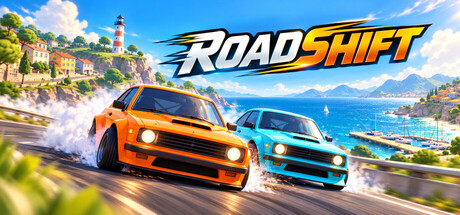 Roadshift In-game content artcodetext | Roadshift was developed with assistance from generative AI tools (such as Large Language Models) to help write and structure the source code and draft store descriptions, as well as generating in-game images, assets, art, and 3D models. The game does not feature live, runtime generative AI. | RVLWorks | - | Sep 25, 2026 | |
 NitroCore Synapse™ Store/marketing art | Generative AI tools were used exclusively to create static, pre-generated illustrative images for the application's Tips section and Steam store/marketing assets. These are the only AI-generated materials included with the product or presented to users. NitroCore Synapse does not generate AI content at runtime and does not connect to external AI services. | NitroLabs Tecnologia | - | Sep 24, 2026 | |
 Where's WigglyJiggly Dev only code | Generative AI tools were used during development to assist with programming, debugging, and development iteration. No generative AI is used during gameplay, no live AI-generated content is produced, and the game does not connect to external AI services during play. | CurlyGames | - | Sep 18, 2026 | |
 Rogue's Climb In-game content audio | The music was written with generative AI. | Nestwell Studio LLC | - | Sep 17, 2026 | |
 Clever Ball In-game content text | Generative AI was used only to assist with the localization of in-game text. All AI-assisted translations are manually reviewed and edited by the developer before being included in the game. No generative AI is used to generate content during gameplay. | Riaru Games | - | Sep 16, 2026 | |
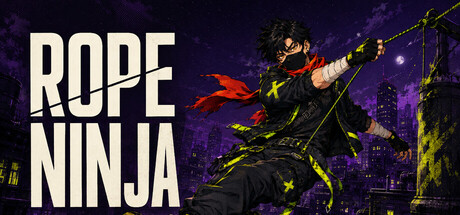 Rope Ninja In-game content art | Generative AI tools were used during development to create some artwork, including character art, environments, and promotional images. These are pre-made assets. No content is generated by AI during gameplay. | MightyBig | - | Sep 15, 2026 | |
 Ember Crown In-game content artcodetext | Generative AI tools were used throughout development to create all of the game's visual art assets and program code, as well as localization and promotional materials. All outputs were directed, reviewed, edited, tested, and integrated under the developer's supervision. The game does not generate AI content during gameplay or connect to external AI services. | PrismDiscus Studio | - | Sep 12, 2026 | |
 Thread the Wall Dev only | Generative AI was used in the development of this game.
No generative AI runs during gameplay, and the game does not connect to any
external AI service. | Plain Studio | - | Sep 10, 2026 | |
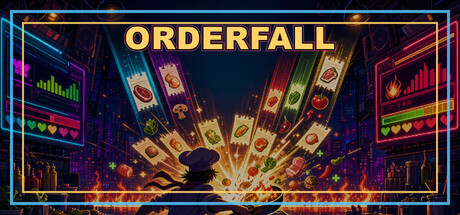 Orderfall In-game content arttextaudio | Generative AI tools were used for pre-rendered character portraits, title/key artwork and other game illustrations, portions of promotional video and audio, marketing artwork, and assistance with localized text. These assets and text were reviewed and edited for the game. Orderfall does not generate AI content during gameplay or connect to an external AI service. The live-action-style Captain Cook teaser is dramatized promotional footage; the game itself uses pixel-art graphics. | IHABAPLAN | - | Sep 9, 2026 | |
 Flow Foundry In-game content artaudio | Generative AI was used as part of the development process to assist with the creation of some visual and audio assets. AI-generated outputs are reviewed, selected, edited and integrated by the developer to fit the game's visual and creative direction. Flow Foundry does not use generative AI to create content live during gameplay. | Flowling Studio | - | Aug 31, 2026 | |
 Orb Rush VR In-game content artcodeaudiotext | This game contains pre-generated AI-assisted content used during development, including gameplay code, selected in-game and UI text/localization, generated sound effects, and AI-assisted visual materials for Steam community/store assets such as achievement icons. No AI content is generated live during gameplay, and the game does not connect to external AI services at runtime. | R-S | - | Aug 30, 2026 | |
 Gaming DNA & ESTI Unclear artaudio | Some images and audio were generated using AI. | Goblet Studio | - | Aug 30, 2026 | |
 PumpUp Fugu In-game content artaudio | This game includes content created with the help of AI during development.
Images (34): backgrounds, the logo and in-game objects were created using OpenAI's image generation (gpt-image), then edited by the developer.
34 of the 66 sprites in the shipping build originate this way.
UI elements and one texture (13) and sound effects (21): these were designed by AI (Claude) and implemented as the developer's own program code. They are not the output of an image or audio generation model; the shapes and waveforms are produced by deterministic processing.
The game does not generate any content with AI at runtime.
Music is licensed from a purchased royalty-free library and involves no
AI. Stage design is the developer's own work. | O-Planning | - | Aug 28, 2026 | |
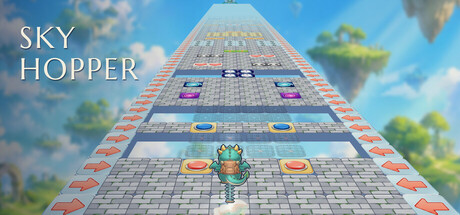 Sky Hopper In-game content artaudio | Some pre-rendered 2D art was created with the assistance of generative AI tools: the playable characters' animation frames, world backgrounds and tile art were generated from the developer's original character and world designs, then hand-edited, aligned and baked into final game assets by the developer. A small number of sound effects were also created with AI audio tools and then mixed by hand. The store page capsule images are composed from the same AI-assisted paintings plus hand-set typography. All AI-assisted content is pre-rendered, was reviewed by the developer before shipping, and no content is generated by AI at runtime. | Evermore Studio Games | - | Aug 28, 2026 | |
 Rushmark Dev only code | Source code and store page copy were written with AI assistance (Claude), reviewed and edited by the developer before shipping. No AI-generated artwork, music, voice or narrative content ships in this game. All in-game visuals are hand-written shaders and code-drawn geometry; sound effects are procedurally synthesised by a deterministic script; music is licensed from a human artist; fonts are licensed typefaces. No generative AI runs at runtime. | Beyond Bounds Digital | - | Aug 19, 2026 | |
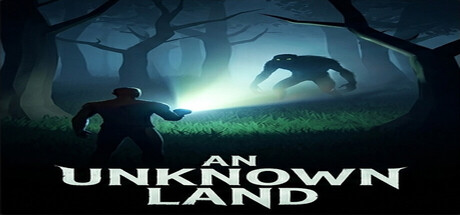 An Unknown Land Store/marketing artcode | Generative AI tools were used to assist in the creation of promotional store assets (such as store banners and visual graphics). Additionally, AI-assisted tools were used during development to help write and optimize procedural C# code for dynamic map generation and environment layout variation. The game itself does not generate content or call external AI models in real-time while running. | Luiz Augusto Arce | - | Aug 19, 2026 | |
 Carry Bros: Find It Together In-game content art | AI-generated art object | Red Suns Tech | - | Aug 14, 2026 | |
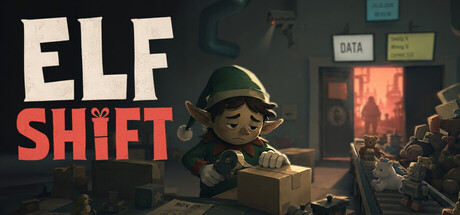 Elf Shift In-game content arttext | We view artificial intelligence solely as a supportive tool. Generative AI was used only as a supportive tool for certain visual designs and language translation.
Artificial intelligence helped with grammar corrections in in-game text; these corrections were then carefully reviewed and edited manually. | Kiki Games | - | Aug 11, 2026 | |
 FRANKED! In-game content artaudio | Cover art, store page imagery and music were created with AI generation tools. All game design, writing and gameplay systems were created by the developer. | Endpaper | - | Aug 11, 2026 | |
 20 Trials to Heaven In-game content text | AI was used to assist with localization and some written text. All art, animation, music, sound effects, and level design were created entirely by me. All AI-assisted content was reviewed and edited by me, and several translations were additionally checked by native speakers.
The game does not generate AI content during gameplay and does not connect to any external AI services. | Rodel Pacheco | 19 | Aug 8, 2026 | |
 BIRDBOTS In-game content art | BirdBots uses generative AI tools during development to assist in the creation of certain promotional images, visual concepts, illustrations, and marketing materials. All AI-generated content has been reviewed, edited, and integrated by the developer. AI is not used during gameplay and does not affect the game's mechanics. | DogSoul Studios | - | Aug 7, 2026 | |
 Geometry Run In-game content art | Generative AI was used only for creating some logos and images. All generated assets were reviewed and refined by the developer before being included in the game. | CorteBlu | - | Jul 29, 2026 | |
 Escape Sequence In-game content audiotext | AI tools were used during development to assist with writing code, and to produce two categories of content shipped with the game: the original synthwave soundtrack (composed with AI music generation, curated and selected by the developer) and the interface translations for the non-English languages (reviewed by the developer). Some store page text was also drafted with AI assistance. All in-game worlds are generated procedurally by hand-written algorithms — no AI content is generated at runtime. | One Mind Games | - | Jul 29, 2026 | |
 Skunked: Way of the Spray In-game content artcode | This game was built in a basement by a dad of 3 with claude, gemini, grok, copilot and chat gpt, all pitched in with various parts. some of the backgrounds and icons atrwork had ai refinement in the process but were all reformatted and redrawn as conceptualized by dev | Mephitideus Interactive LLC | - | Jul 20, 2026 | |
 Snot Pop! In-game content artaudiotextcode | Snot Pop! is an indie project. Like many independent developers, generative AI was used as a tool among many during development; for brainstorming, writing, art and audio design, and working through balancing problems. AI was not the game designer or orchestrator of the project. All content was reviewed, directed, altered, and approved before inclusion. Everything in the game reflects deliberate creative decisions made by the developer. | Decent Enough Games | - | Jul 17, 2026 | |
 Sniper Game | Some text on this Steam store page and in related marketing materials was drafted with the help of
generative AI tools and then reviewed and edited by the developer. The game's artwork, characters,
animations, and audio are created by the developer and are not AI-generated. The game does not use
generative AI to create any content during gameplay. | Coral Art Studio | - | Jul 8, 2026 | |
 Clubbed Seal In-game content art | Some of the images in this game are created using artificial intelligence. | Kazakov Studios | - | Jun 16, 2026 | |
 Explosive Track Store/marketing art | AI was used only to enhance storyboard artwork and loading screen images. | UY Studios | - | Jun 8, 2026 | |
 MSO FreeCell Arena In-game content artaudiocode | Generative AI is used across this game's development — including store-page marketing artwork, in-game art (cards, UI elements), sound effects, and source code. All AI-generated content is human-directed, reviewed, and edited by the developer. No AI runs at game time; everything ships as static, pre-rendered assets. | MSO Games | - | Jun 7, 2026 | |
 Endless Snake In-game content codeart | I have used Claude Code to create the game itself code and assets. | Pinch Games | - | May 23, 2026 | |
 Loopfall In-game content audiotext | Loopfall uses generative AI for select shipped content:
• Music — created in collaboration with ElevenLabs.
• Sound effects — generated with ElevenLabs Sound Effects.
• Localization — store text and in-game UI strings are translated from English to 14 other languages via the Anthropic Claude API.
All AI-generated content is pre-rendered and baked into the build — no live AI runs at runtime. Every asset is licensed under each provider's commercial-use terms and was reviewed by the developer before release. | Lukas Korba | - | May 23, 2026 | |
 Zigdig In-game content art | Some visual assets were made with AI assistance. | stehudz | - | May 23, 2026 |


