
Disclosure
AI assisted during rapid iteration developments for References, Connection Logic, and some Assets.
- Creator
- SpellLab Studio
- Reviews
- -
- Added
- Oct 7, 2026
Public Steam disclosure research 24,658 disclosures tracked
Search developers’ Steam disclosures, compare classified AI use across games, and follow recorded changes. This index adds cross-game classifications and statistics to statements published on individual store pages.
Code help, debugging and other development work.
Capsule art, trailers and promotional material.
Pre-made art, audio, writing and other game assets.
Interactive or runtime AI features disclosed by the developer.
Groups reflect automatic analysis of public disclosures; mature records are excluded. These counts do not measure AI use across all of Steam. Missing or unclear statements cannot establish whether a game uses AI.
AI assisted during rapid iteration developments for References, Connection Logic, and some Assets.
Battles of Arunia uses AI-generated artwork created during development, including card illustrations, character portraits, backgrounds and interface artwork. We plan to replace some placeholder artwork during Early Access, including through voluntary community contributions used with permission. The game does not generate AI content during gameplay.
Generative AI tools were used during production to create character artwork, portraits, and some of the game's illustrations and visual assets. AI tools also assisted with the story, dialogue, and store-page copy, including its English version. These are pre-generated materials; the game does not use generative AI to create new content during gameplay.
graphics and text
AI tools were used during development to assist in creating and iterating on some pre-generated assets. These assets were subsequently selected, edited, integrated, and reviewed by the developers before inclusion in the game. The game does not generate AI content during gameplay.
Generative AI assisted the creation of some card and character illustrations, environments, CG artwork, UI and marketing art, music and sound effects, written text and localization, and Mandarin and English voices for characters, tutorials, announcements and bond stories, including narration. These assets are pre-generated, selected, edited and integrated during development. The game does not generate content at runtime or connect to external generative AI services. AI opponents use local game rules and strategy code.
Generative AI was used as part of the process of creating some sprites and visual assets, which were then edited and adapted by the team to keep them consistent with the game's final art style.
Some game assets were created using AI generative tools. AI-generated visual assets were subsequently painted over, edited, and composited manually by the developer in Photoshop/Photopea. AI was also used to assist with localized text translations.
Some of the game's artwork was created with the help of AI image tools, and was then chosen, edited and placed by the developer. AI tools were also used to help translate the game's text into French, German, Spanish, Portuguese and Chinese. Nothing is generated while you play.
We used AI to generate the code, UI assets, localization, and promotional materials for this project (the reference images for the AI were sourced from *Oath of Miko*).
This game uses Generative AI for most 2D artwork and UI elements. All characters, enemies and environments were created fully without the use of AI.
As a solo developer I have been using some generative AI tools to support the design of some card illustrations and backgrounds. These assets are prepared before release and through early access I intend to replace the majority of these assets with alternatives, where appropriate. Siegehand does not generate content using AI during gameplay.
Some background images, 3D models, background music, and program used AI.
Artificial intelligence tools were used to generate some of the sprites and images used in this game.
Pre-generated content only. No AI generated content is produced at runtime during gameplay. Some in-game text and its English localization were drafted with AI assistance and edited by the team. All art, including card art, backgrounds, icons and UI, is created by our artist. AI image tools were used as visual reference during concept work only; no AI generated image ships in the game. No AI models are used for music or sound effects.
This game is a solo-developed hobby project. Generative AI tools were used as part of the production workflow, including assistance with code, audio, and base visual assets. No generative AI output is used as a final in-game asset; all assets were manually edited, and integrated by the developer. The story, dialogue, and all other written in-game content were written by the developer. All gameplay design, creative direction, balancing, and final content decisions were made by the developer.
Hero Chains of Destiny includes pre-generated content created with the assistance of generative AI tools during development. This includes selected artwork, music, and sound effects. All generated content is reviewed, curated, and approved by the developer before being included in the game.
Ai used to create the Steam page art and all the cards art in the game.
Generative AI was used to create sounds and materials in this game.
backgrounds and logo created by AI.
Generative AI was used during development to assist with the creation and refinement of some visual assets. All AI-assisted content was selected, reviewed, edited, and integrated by the development team. The game does not use generative AI in real time during gameplay.
Generative AI was used solely to create placeholder card artwork during development, allowing the team to focus on refining the gameplay. The final card artwork will be created by human artists.
Generative AI was used to generate in-game card illustrations, graphical assets, and all programming code. The game design, world-building, and lore were created directly by the developer. (게임 내 카드 일러스트와 그래픽 에셋 제작, 그리고 프로그래밍 코딩 전반에 생성형 AI를 활용했습니다. 게임 기획 및 배경 세계관 설정은 직접 작성했습니다.)
The game utilizes AI-generated content (such as concept illustrations, capsule art, and certain user interface asset variations) during the development process to enhance visual presentation.
This game uses pre-generated AI-assisted artwork for character portraits, store images, and some illustrations. No AI content is generated during gameplay.
Generative AI was used for artwork creation and localization.
SMASH & GRAB uses generative AI for pre-generated content that is reviewed and edited by the team before it ships. Card portraits and their collectible variants, the rival figures and props, the key art, and the store capsules were produced with image and 3D generation tools (Meshy, OpenArt) from our own prompts and references. Voice lines use synthetic voices from ElevenLabs; no real person's voice was cloned. The music beds were generated with ElevenLabs, and the store trailer was assembled from AI-generated clips (Kling via OpenArt). Card names, bios, and other in-game text were drafted with a large language model and edited by the team. Nothing is generated while you play: the game does not create content live.
This game uses generative AI as part of the development process. ChatGPT was used for planning, specification review, and the creation of some base visual assets, while Codex was used to assist with code generation, implementation, and testing. Some visual assets were generated as base material and then edited and refined in tools such as Photoshop. SOUNDRAW was used for some background music, and ElevenLabs was used for some sound effects. All AI-generated content was created during development. The game does not use generative AI to create content in real time during gameplay. Final design, editing, implementation, and selection decisions were made by the developer.
We use artificial intelligence solely as a supporting tool. Artificial intelligence was used for grammar corrections in in-game text and the preparation of store visuals.
我们使用了AI生成美术资产。剧情无任何AI生成内容。
Almost all graphic elements in the game were created using artificial intelligence tools and subsequently refined in graphic editing software to ensure visual consistency. Non-English translations are generated automatically. No AI-generated content is created in real time during gameplay. All graphical assets are static and pre-rendered.
Generative AI was used to create some of the image assets used in the game.
This demo uses generative AI tools to create most of the character art, illustrations, and visual assets. All AI-generated content has been reviewed and edited by the development team to ensure quality and compliance with Steam policies. No illegal or infringing material is included.
Card illustrations, portraits, faction banners and store capsule artwork were created with generative AI image tools, then curated, edited and integrated by the developer. All game design, rules, card text, writing and music selection are human-made. No AI-generated content is produced at runtime.
Generative AI was used to create musical compositions for fictional K-pop groups. All such content was created in advance; the AI does not generate new content during gameplay.
Some of the card artwork in this game is created with the assistance of generative AI tools, and then reviewed and refined by the developer.
Grimhold's artwork is created by commissioned human artists, and its music is human-made licensed audio. Generative AI tools were used to assist in writing portions of the game's descriptive text and creature lore. All gameplay, code, and design are human-made. The game does not generate any AI content during play and does not connect to external AI services.
The game uses generative AI to create molecular structures during gameplay. Molecules are procedurally generated by a generative AI model embedded locally within the game and operating as part of the game’s molecular design system. The in-game generative AI system is used exclusively for molecular structure generation and does not generate dialogue, artwork, music, or other narrative content during gameplay. During development, generative AI tools were used to assist with artwork preparation, text polishing, and UI code development.
AI was used to help with logos and game development.
Generative AI tools were used during the development of MINTHAVEN to assist with creating and iterating visual assets, including concept art and card artwork. AI-generated content is reviewed, edited, and integrated by the development team. No generative AI content is created in real time during gameplay.
Ravens of War uses generative AI to create some of the artwork and illustrations used in the game, including card artwork. This content is pre-generated and included as part of the game; the game does not generate new AI content during gameplay.
The game's art assets were created with the assistance of AI tools, including ChatGPT and Tencent Hunyuan. The game's music and sound effects were generated using Suno. Localized text for languages other than Chinese was translated with the assistance of ChatGPT. AI-assisted programming tools, including ChatGPT, were also used during the game's development.
Generative AI tools were used during development as part of the production workflow for pre-generated visual, 3D, audio, written, and localization content included in the game. All final content was selected, reviewed, edited, adapted, and integrated as part of the game's development process. No generative AI systems run during gameplay and no content is generated dynamically for players.
Generative AI tools were used during development to assist in creating some of the game's visual art assets, primarily including certain card illustrations and related image assets. AI-generated content is used only during the development process and is not generated live while the game is running. All AI-assisted assets included in the final game are manually reviewed, selected, adjusted, and approved by the developer before being added to the game.
Used for steam capsule images and card artworks TEMPORARILY. All AI generated assets will be replaced on release if estimated revenue can atleast fund it.
Generative AI was used to create some of the illustrations featured on collectible cards. The card layouts and designs were manually created and edited.
Some pre-generated artwork and audio included in MyHiStory were created with the assistance of generative AI during development. These assets were selected, reviewed, and curated by the developer before inclusion in the game. MyHiStory does not use generative AI to generate content or code while the game is running.
Translations for the game are generated with the help of artificial intelligence.
Some character and creature artwork was created using a combination of hand-drawn illustration and generative AI tools.
Some visual assets in the game, including certain card illustrations and UI elements, were created with the assistance of generative AI tools. These assets were generated during development and are included as pre-generated content in the game.
| Title⇅ | Disclosure | Creator⇅ | Src | Reviews⇅ | Added↓ |
|---|---|---|---|---|---|
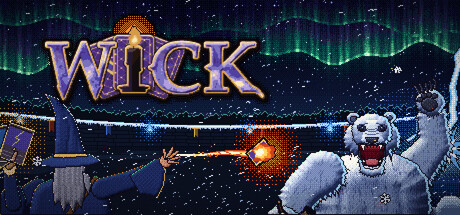 WICK: Wizards into Cards that Kill Unclear | AI assisted during rapid iteration developments for References, Connection Logic, and some Assets. | SpellLab Studio | - | Oct 7, 2026 | |
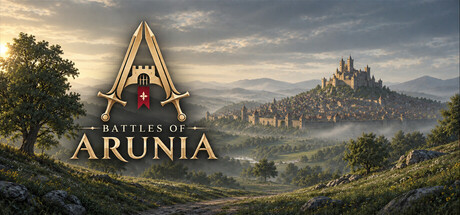 Battles of Arunia In-game content art | Battles of Arunia uses AI-generated artwork created during development, including card illustrations, character portraits, backgrounds and interface artwork. We plan to replace some placeholder artwork during Early Access, including through voluntary community contributions used with permission. The game does not generate AI content during gameplay. | Battles of Arunia | - | Oct 6, 2026 | |
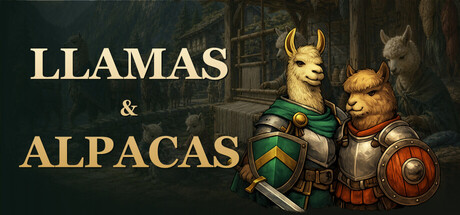 LLamas & Alpacas In-game content arttext | Generative AI tools were used during production to create character artwork, portraits, and some of the game's illustrations and visual assets. AI tools also assisted with the story, dialogue, and store-page copy, including its English version. These are pre-generated materials; the game does not use generative AI to create new content during gameplay. | Dream Factory Solutions | - | Oct 6, 2026 | |
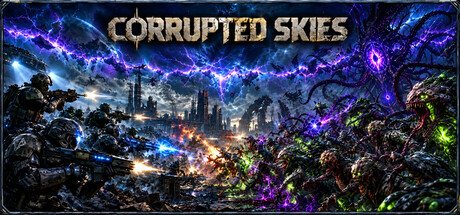 Corrupted Skies Unclear arttext | graphics and text | Zbili Studio | - | Oct 6, 2026 | |
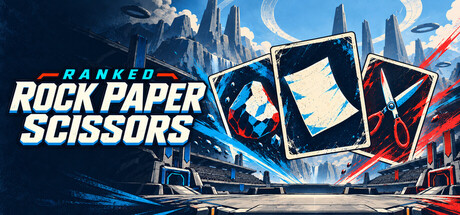 Ranked Rock Paper Scissors In-game content art | AI tools were used during development to assist in creating and iterating on some pre-generated assets. These assets were subsequently selected, edited, integrated, and reviewed by the developers before inclusion in the game. The game does not generate AI content during gameplay. | zomgbab | - | Oct 6, 2026 | |
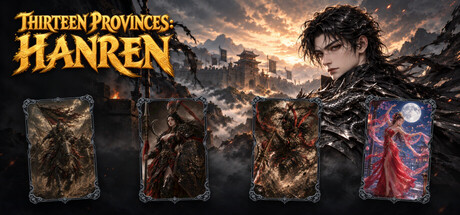 十三州·汉刃 In-game content artaudiotext | Generative AI assisted the creation of some card and character illustrations, environments, CG artwork, UI and marketing art, music and sound effects, written text and localization, and Mandarin and English voices for characters, tutorials, announcements and bond stories, including narration. These assets are pre-generated, selected, edited and integrated during development. The game does not generate content at runtime or connect to external generative AI services. AI opponents use local game rules and strategy code. | 十三州制作组 | - | Oct 6, 2026 | |
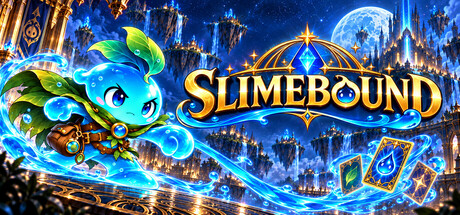 Slimebound In-game content art | Generative AI was used as part of the process of creating some sprites and visual assets, which were then edited and adapted by the team to keep them consistent with the game's final art style. | Frostrune Studios | - | Oct 4, 2026 | |
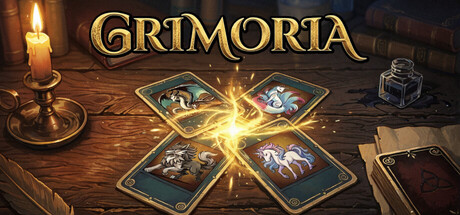 Grimoria - Online Card Game In-game content arttext | Some game assets were created using AI generative tools. AI-generated visual assets were subsequently painted over, edited, and composited manually by the developer in Photoshop/Photopea. AI was also used to assist with localized text translations. | EmberVeil Games | - | Oct 4, 2026 | |
 CrossVeil In-game content arttext | Some of the game's artwork was created with the help of AI image tools, and was then chosen, edited and placed by the developer. AI tools were also used to help translate the game's text into French, German, Spanish, Portuguese and Chinese. Nothing is generated while you play. | Paulie Productions | - | Oct 3, 2026 | |
 Simple Card TCG Craft In-game content codearttext | We used AI to generate the code, UI assets, localization, and promotional materials for this project (the reference images for the AI were sourced from *Oath of Miko*). | PotS | - | Oct 3, 2026 | |
 Wyrmhold In-game content art | This game uses Generative AI for most 2D artwork and UI elements. All characters, enemies and environments were created fully without the use of AI. | DHG Game Studio | - | Oct 3, 2026 | |
 Siegehand In-game content art | As a solo developer I have been using some generative AI tools to support the design of some card illustrations and backgrounds. These assets are prepared before release and through early access I intend to replace the majority of these assets with alternatives, where appropriate. Siegehand does not generate content using AI during gameplay. | Kessel Studio Games | - | Oct 3, 2026 | |
 The Round-Card King In-game content artaudiocode | Some background images, 3D models, background music, and program used AI. | MistMillis | - | Oct 1, 2026 | |
 BOZÓ! In-game content art | Artificial intelligence tools were used to generate some of the sprites and images used in this game. | Lililoka | - | Oct 1, 2026 | |
 DiceZ Royale In-game content textart | Pre-generated content only. No AI generated content is produced at runtime during gameplay.
Some in-game text and its English localization were drafted with AI assistance and edited by the team.
All art, including card art, backgrounds, icons and UI, is created by our artist. AI image tools were used as visual reference during concept work only; no AI generated image ships in the game. No AI models are used for music or sound effects. | Zeroot Studios | - | Sep 30, 2026 | |
 INKTRICK In-game content artaudiocode | This game is a solo-developed hobby project. Generative AI tools were used as part of the production workflow, including assistance with code, audio, and base visual assets. No generative AI output is used as a final in-game asset; all assets were manually edited, and integrated by the developer. The story, dialogue, and all other written in-game content were written by the developer. All gameplay design, creative direction, balancing, and final content decisions were made by the developer. | zweipilot | - | Sep 30, 2026 | |
 Hero Chains of Destiny In-game content artaudio | Hero Chains of Destiny includes pre-generated content created with the assistance of generative AI tools during development. This includes selected artwork, music, and sound effects. All generated content is reviewed, curated, and approved by the developer before being included in the game. | TavernCatGames | - | Sep 29, 2026 | |
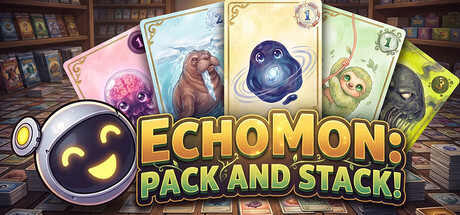 EchoMon: Pack & Stack! In-game content art | Ai used to create the Steam page art and all the cards art in the game. | Binary Lunar | - | Sep 28, 2026 | |
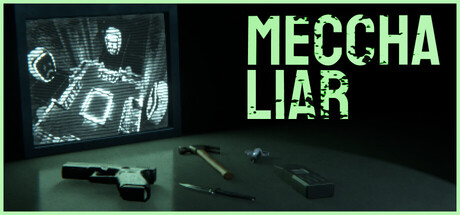 MECCHA LIAR In-game content audioart | Generative AI was used to create sounds and materials in this game. | HEXIT | - | Sep 28, 2026 | |
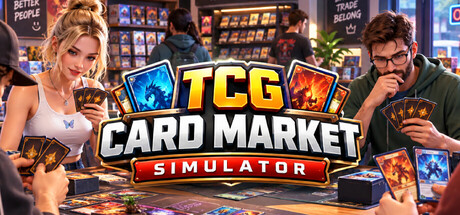 TCG Card Market Simulator Store/marketing art | backgrounds and logo created by AI. | Chef Interactive | - | Sep 27, 2026 | |
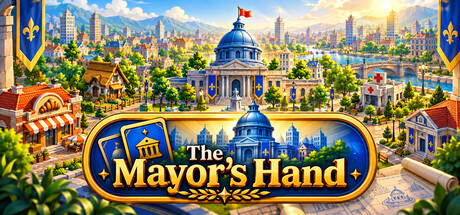 The Mayor’s Hand In-game content art | Generative AI was used during development to assist with the creation and refinement of some visual assets. All AI-assisted content was selected, reviewed, edited, and integrated by the development team. The game does not use generative AI in real time during gameplay. | JustCodeIt | - | Sep 27, 2026 | |
 Project Paladin Dev only art | Generative AI was used solely to create placeholder card artwork during development, allowing the team to focus on refining the gameplay. The final card artwork will be created by human artists. | Nebo Games | - | Sep 25, 2026 | |
 VALHALLA ARCHIVE: CCG In-game content artcode | Generative AI was used to generate in-game card illustrations, graphical assets, and all programming code. The game design, world-building, and lore were created directly by the developer.
(게임 내 카드 일러스트와 그래픽 에셋 제작, 그리고 프로그래밍 코딩 전반에 생성형 AI를 활용했습니다. 게임 기획 및 배경 세계관 설정은 직접 작성했습니다.) | VALHALLA ARCHIVE | - | Sep 24, 2026 | |
 TCG Football Card Shop Simulator - Prologue Store/marketing art | The game utilizes AI-generated content (such as concept illustrations, capsule art, and certain user interface asset variations) during the development process to enhance visual presentation. | Tueron Games | - | Sep 24, 2026 | |
 阵前·三国 In-game content art | This game uses pre-generated AI-assisted artwork for character portraits, store images, and some illustrations. No AI content is generated during gameplay. | 阵前游戏 | - | Sep 24, 2026 | |
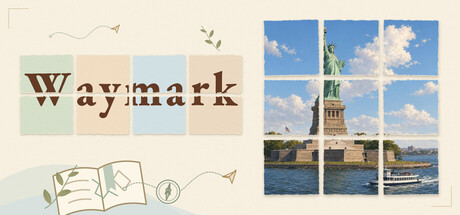 Waymark In-game content arttext | Generative AI was used for artwork creation and localization. | Polaris Lore | - | Sep 22, 2026 | |
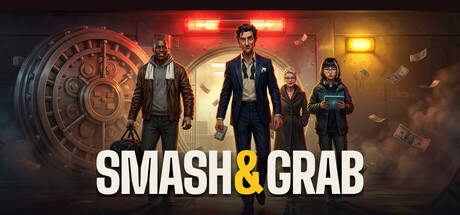 Smash & Grab In-game content artaudiotext | SMASH & GRAB uses generative AI for pre-generated content that is reviewed and edited by the team before it ships. Card portraits and their collectible variants, the rival figures and props, the key art, and the store capsules were produced with image and 3D generation tools (Meshy, OpenArt) from our own prompts and references. Voice lines use synthetic voices from ElevenLabs; no real person's voice was cloned. The music beds were generated with ElevenLabs, and the store trailer was assembled from AI-generated clips (Kling via OpenArt). Card names, bios, and other in-game text were drafted with a large language model and edited by the team. Nothing is generated while you play: the game does not create content live. | Hashbang Games | - | Sep 22, 2026 | |
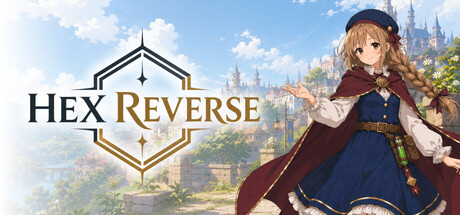 Hex Reverse In-game content artaudiocode | This game uses generative AI as part of the development process. ChatGPT was used for planning, specification review, and the creation of some base visual assets, while Codex was used to assist with code generation, implementation, and testing.
Some visual assets were generated as base material and then edited and refined in tools such as Photoshop. SOUNDRAW was used for some background music, and ElevenLabs was used for some sound effects.
All AI-generated content was created during development. The game does not use generative AI to create content in real time during gameplay. Final design, editing, implementation, and selection decisions were made by the developer. | IsaoWorks | - | Sep 22, 2026 | |
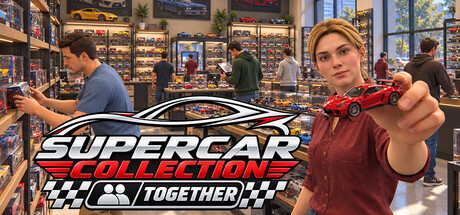 Supercar Collection Together In-game content textart | We use artificial intelligence solely as a supporting tool.
Artificial intelligence was used for grammar corrections in in-game text and the preparation of store visuals. | Kiki Games | - | Sep 22, 2026 | |
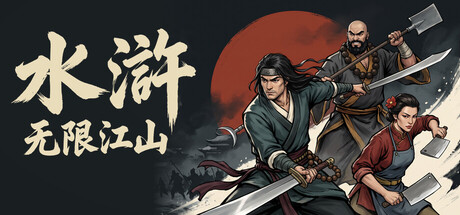 水浒:无限江山 In-game content art | 我们使用了AI生成美术资产。剧情无任何AI生成内容。 | 梁山工作室 | - | Sep 21, 2026 | |
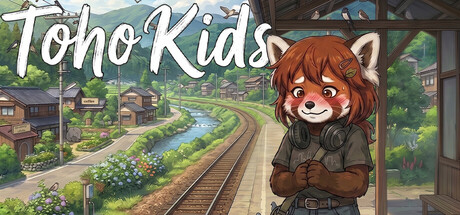 TohoKids In-game content arttext | Almost all graphic elements in the game were created using artificial intelligence tools and subsequently refined in graphic editing software to ensure visual consistency. Non-English translations are generated automatically.
No AI-generated content is created in real time during gameplay. All graphical assets are static and pre-rendered. | MonardoFunClub | - | Sep 20, 2026 | |
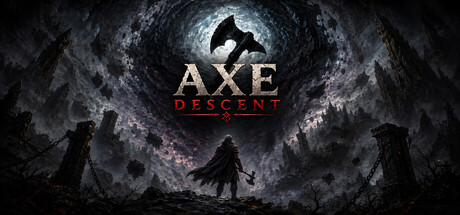 AXE DESCENT In-game content art | Generative AI was used to create some of the image assets used in the game. | GGGsoft5 | - | Sep 18, 2026 | |
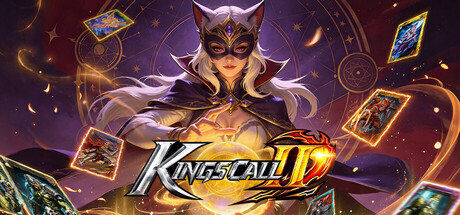 Kings Call 2 In-game content art | This demo uses generative AI tools to create most of the character art, illustrations, and visual assets. All AI-generated content has been reviewed and edited by the development team to ensure quality and compliance with Steam policies. No illegal or infringing material is included. | X Star Game Limited | - | Sep 16, 2026 | |
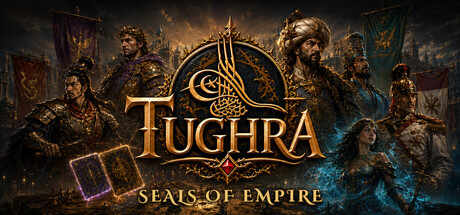 Tughra: Seals of Empire In-game content arttext | Card illustrations, portraits, faction banners and store capsule artwork were created with generative AI image tools, then curated, edited and integrated by the developer. All game design, rules, card text, writing and music selection are human-made. No AI-generated content is produced at runtime. | Nine Gates Studio | - | Sep 15, 2026 | |
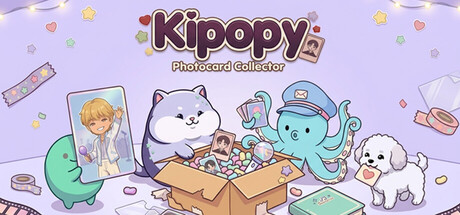 Kipopy: Photocard Collector In-game content audio | Generative AI was used to create musical compositions for fictional K-pop groups. All such content was created in advance; the AI does not generate new content during gameplay. | Kipopy | - | Sep 15, 2026 | |
 Evons In-game content art | Some of the card artwork in this game is created with the assistance of generative AI tools, and then reviewed and refined by the developer. | Evons Games | - | Sep 12, 2026 | |
 Grimhold In-game content text | Grimhold's artwork is created by commissioned human artists, and its music is human-made licensed audio. Generative AI tools were used to assist in writing portions of the game's descriptive text and creature lore. All gameplay, code, and design are human-made. The game does not generate any AI content during play and does not connect to external AI services. | Elzerath Studio | - | Sep 12, 2026 | |
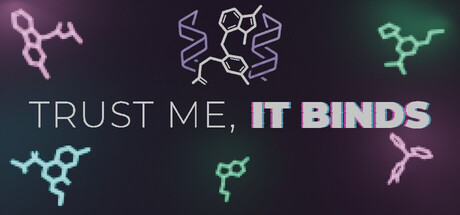 Trust Me, It Binds Live AI arttextcode | The game uses generative AI to create molecular structures during gameplay. Molecules are procedurally generated by a generative AI model embedded locally within the game and operating as part of the game’s molecular design system.
The in-game generative AI system is used exclusively for molecular structure generation and does not generate dialogue, artwork, music, or other narrative content during gameplay.
During development, generative AI tools were used to assist with artwork preparation, text polishing, and UI code development. | Membrizard | - | Sep 12, 2026 | |
 Cardboard Leagues Unclear art | AI was used to help with logos and game development. | Scriblr LLC | - | Sep 12, 2026 | |
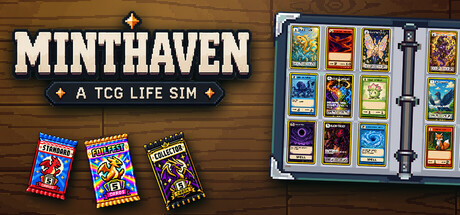 MINTHAVEN: A TCG Life Sim In-game content art | Generative AI tools were used during the development of MINTHAVEN to assist with creating and iterating visual assets, including concept art and card artwork. AI-generated content is reviewed, edited, and integrated by the development team. No generative AI content is created in real time during gameplay. | Paper Nook Games | - | Sep 9, 2026 | |
 Ravens of War In-game content art | Ravens of War uses generative AI to create some of the artwork and illustrations used in the game, including card artwork. This content is pre-generated and included as part of the game; the game does not generate new AI content during gameplay. | Ángel Jiménez | - | Sep 3, 2026 | |
 CCR - Cosmic Card Realm In-game content artaudiotextcode | The game's art assets were created with the assistance of AI tools, including ChatGPT and Tencent Hunyuan. The game's music and sound effects were generated using Suno. Localized text for languages other than Chinese was translated with the assistance of ChatGPT. AI-assisted programming tools, including ChatGPT, were also used during the game's development. | Nan | - | Sep 3, 2026 | |
 Overround In-game content artaudiotext | Generative AI tools were used during development as part of the production workflow for pre-generated visual, 3D, audio, written, and localization content included in the game. All final content was selected, reviewed, edited, adapted, and integrated as part of the game's development process. No generative AI systems run during gameplay and no content is generated dynamically for players. | RottenLuck Studio | - | Sep 1, 2026 | |
 妈妈,我真的在学外语 In-game content art | Generative AI tools were used during development to assist in creating some of the game's visual art assets, primarily including certain card illustrations and related image assets. AI-generated content is used only during the development process and is not generated live while the game is running. All AI-assisted assets included in the final game are manually reviewed, selected, adjusted, and approved by the developer before being added to the game. | MiracleHeart Studio | - | Aug 29, 2026 | |
 TCG Card Collection: Tidy Up Store/marketing art | Used for steam capsule images and card artworks TEMPORARILY. All AI generated assets will be replaced on release if estimated revenue can atleast fund it. | EXP Interactive | - | Aug 29, 2026 | |
 TCG Card Chaos In-game content art | Generative AI was used to create some of the illustrations featured on collectible cards. The card layouts and designs were manually created and edited. | Odd Forge Games | - | Aug 28, 2026 | |
 MyHiStory In-game content artaudio | Some pre-generated artwork and audio included in MyHiStory were created with the assistance of generative AI during development. These assets were selected, reviewed, and curated by the developer before inclusion in the game. MyHiStory does not use generative AI to generate content or code while the game is running. | BurnRiver | - | Aug 28, 2026 | |
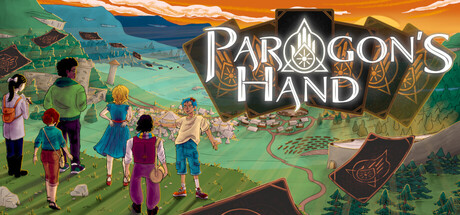 Paragon's Hand In-game content text | Translations for the game are generated with the help of artificial intelligence. | Myriad Tales | - | Aug 27, 2026 | |
 Aethercrypt In-game content art | Some character and creature artwork was created using a combination of hand-drawn illustration and generative AI tools. | AtneGames | - | Aug 24, 2026 | |
 ANONYMOUS CARD (TCG) In-game content art | Some visual assets in the game, including certain card illustrations and UI elements, were created with the assistance of generative AI tools. These assets were generated during development and are included as pre-generated content in the game. | ルーたん | - | Aug 24, 2026 |


