Public Steam disclosure research24,658 disclosures tracked
Where do games disclose AI use?
Search developers’ Steam disclosures, compare classified AI use across
games, and follow recorded changes.
This index adds cross-game classifications and statistics to
statements published on individual store pages.
Groups reflect automatic analysis of public disclosures; mature records are excluded. These counts do not measure AI use across all of Steam.
Missing or unclear statements cannot establish whether a game uses AI.
Generative AI tools were used during development to assist with the creation and refinement of selected visual assets, artwork, and localization. AI-generated material is reviewed and adjusted before inclusion in the game.
Some sprite artwork was created with generative AI tools during development. SPLIT-S does not generate AI content during gameplay or connect to external AI services.
Generative AI was used during development to help create a limited number of assets, such as some 2D art, textures. All AI-assisted content was reviewed and edited by our team.
The vast majority of this game—including original game design, programming, character creation, dialogue, custom audio, and overall creative direction—was fully developed and crafted by the author.
Artificial Intelligence tools were used strictly as an auxiliary production aid for:
Audio & Sound: Selective background music tracks and specific ambient sound effects to complement the game's soundscape.
All core gameplay, visual assets, character designs, and mechanics are 100% original, hand-crafted work.
Some pre-generated promotional artwork and the game icon were created with generative AI. Gameplay screenshots and trailer footage are captured directly from the game. The game does not generate content during play.
Generative AI tools were used during development to create images and music. These are pre-generated assets included in the game and/or its store and promotional materials. The game does not generate AI content during gameplay or connect to external AI services while playing.
This game was made by a solo developer with the help of generative AI tools. AI was used to create the store page images and videos, the in-game audio and visual assets, language translations, and the majority of the code. The game concept, design, and every gameplay decision are my own, and I reviewed and refined all AI-generated content.
Generative AI tools were used during development to assist with portions of programming and store-page text. All AI-assisted material was reviewed, edited, tested, and integrated by the developer. No generative AI is used during gameplay.
This game uses a mix of human and generative AI tools. AI was used in some visual art assets, code generation, and portions of the store page text. All writing in the game, voice acting, and music are fully human-created.
Generative AI was used primarily to assist in the creation of some visual assets and images used in the game, including illustrations, UI artwork, and promotional materials. AI-generated images were manually reviewed, selected, edited, and adjusted by the developer before being integrated into the game.
The game does not use generative AI to create content in real time during gameplay.
This game used generative AI for asset creation during development. The HQ statue's 3D model was created with Meshy AI, and background music was composed with Suno AI. Most in-game icons and images were created using Google Gemini and ChatGPT.
Generative AI tools were used to create some pre-generated static artwork displayed as mission images in the campaign menu. All gameplay visuals, screenshots, and gameplay footage are rendered directly from the game. No AI-generated content is created during gameplay
Some steps of the art production used AI tools, for example to create or upscale backgrounds and illustrations that were then refined by hand, and for first drafts of language translations. No AI content is generated during gameplay.
Some visual effect textures in this game were generated using AI image tools and then edited by hand before being used. All other content - character and environment art, animation, models, music, sound and writing was created with love by humans. All AI-assisted assets were reviewed and edited before inclusion.
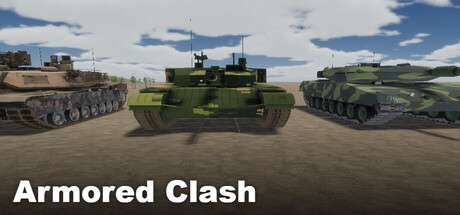
Some 2D artwork and visual assets in Tank Commander: Major FOE were created with the assistance of generative AI tools. These assets were reviewed, selected, edited, and integrated by the developer. The game does not generate AI content during gameplay and does not connect to external AI services while being played.
Generative AI was used to assist in creating promotional artwork for the Steam store page and marketing assets. No live-generated AI content is used during gameplay.
We cautiously use AI for extending our 2D elements such as icons. We always start with OUR art first. All in game 3D art is created by artists or uses asset packs from various asset stores.
Generative AI-assisted tools were used during development to assist with programming tasks and to create or refine selected 3D models. All AI-assisted code and 3D assets were reviewed, edited, tested, and integrated by the development team. AI-assisted tools were also used for selected Steam marketing artwork. The game does not generate content with AI during gameplay and does not connect to an external AI service.
WarpRacer may include pre-generated visual assets created with assistance from generative AI tools. It does not use generative AI to create content or code during gameplay, and it does not connect to external AI services during gameplay.
Generative AI tools were used to help create some of our promotional artwork, such as the store capsule and key art. AI is used to develop intelligence of the enemy bot players in the arena. It was reviewed and selected by our team. No AI content is generated during gameplay.
・Translated text in the following languages:
English, French, German, Italian, Spanish, Chinese (Simplified), Chinese (Traditional), Korean, Russian
・Generation of title screen background images
・Generation of images for some module icons
Neon Chase is solo developer game. Every environment, menu, lighting model, weapon, and enemy vehicles were built as 3D models using Blender. The game design, system mechanics, style, gameplay, bug fixing and features of the game are mine.
AI tools were used for some of the audio, this includes the sound effects, spoken dialogue and music which were edited and integrated by me but developed with the help of Suno for the music and Elevenlabs for the sound effects.
No content is generated using AI whilst running the game.
Generative AI tools were used during development to help create some visual assets, including environment textures, branding and promotional artwork, as well as store copy and localization. These materials are selected, reviewed and integrated by the developer. Gameplay screenshots are captured from the game. No generative AI content is created during play, and the game does not connect to external AI services.
Generative AI tools were used to create content in this game, including art, sound, in-game text, and the copy on this store page. All of it is reviewed by the developer before release. Nothing is generated by AI while you play.
Generative AI tools were used during development to assist with selected pre-generated visual references, 3D vehicle and cosmetic assets, promotional images and video, and draft localization. All AI-assisted content was reviewed, edited, curated, and integrated by the developer. The game does not generate AI content during gameplay and does not connect to external AI services.
Generative AI was used to assist in the creation of some visual assets used in the game. AI-assisted assets were reviewed and prepared by the development team for use in the game.
Some game assets — including weapon/UI icons, character voice lines, and key art — were created with the
assistance of generative AI tools. All AI-generated content was reviewed and edited by the development team.
No AI-generated images, models, or audio appear in the game or on this Steam page. Music is composed and arranged by me in BandLab. UI and VFX are handmade or generated procedurally with code, including the breaking waves shaped by hand.
Otherwise, I code Shorebreaker with AI assistance: the design decisions are mine, and AI helps me work through, implement, and debug them. For self-marketing, some of my social media videos use AI voiceover from CapCut because I can't wake the baby.
Generative AI tools were used during development to assist with portions of the game’s interface and narrative text, programming, procedurally constructed 2D visual elements, and marketing materials. All included content was reviewed, edited, and integrated by the developer. Tide & Crown does not generate AI content during gameplay and does not connect to external AI services.
Generative AI was used to assist in creating all pre-rendered artwork, including environment backgrounds, menu and branding art, icons, and promotional/title-card images. These assets were reviewed and integrated by the developer. No content is generated during gameplay, and the game does not connect to external AI services.
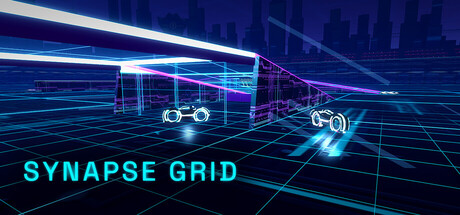
Some of the art, music, voice-over and cinematic clips in Synapse Grid were produced with generative AI tools during development, then edited, curated and directed for release. Nothing is generated while you play.
The tools used, and what each produced:
Google Gemini - concept art and texture reference
ACE-Step - original music tracks
MiniMax-Music3 - original music tiles
IndexTTS - cast voice-over
MiniMax H3 (via ComfyUI) - tutorial and transmission video clips
All of this content was generated for this project. No third party's personal media, voice or likeness is used. The same list is shown in the game's own credits screen.
Separately, the opponent riders use a neural network trained by self-play. That system decides how a bike steers; it does not generate any art, audio or text that you see or hear.
This game includes some static images and audio materials that were pre-generated by AI tools during the development stage and have been incorporated into the game. They were not generated in real time.
Generative AI tools were used during development to assist with portions of programming code and to draft portions of the store-page text. All outputs were reviewed and edited by the development team. No AI-generated artwork, audio, or other visual assets are included in the released game or store materials. The game does not use generative AI during gameplay.
Generative AI tools were used during development to create and edit some visual assets and promotional artwork, and to assist with portions of the game's code. All AI-assisted content was reviewed and curated by the developer. The game does not generate AI content during gameplay.
Some visual artwork and marketing assets were created or edited with generative AI under developer direction. All gameplay systems are authored, and no content is generated during gameplay.
No Generative AI art was used in-game or in any of the promotional material. However, ai-assisted tools were used in development for coding assistance and image editing tasks such as upscaling and cleanup of screenshots to be used in capsule arts.
Generative AI was used to assist in creating some pre-rendered artwork, including environment backgrounds, menu and branding art, icons, and promotional/title-card images. These assets were reviewed and integrated by the developer. No content is generated during gameplay, and the game does not connect to external AI services.
As a solo indie developer, I used Generative AI tools during development to create certain icons and UI graphic elements in order to streamline the visual pipeline and reduce overall development time. All AI-generated assets are pre-generated static images included directly in the game files; no AI content is generated live during gameplay.