Public Steam disclosure research25,380 disclosures tracked
Where do games disclose AI use?
Search developers’ Steam disclosures, compare classified AI use across
games, and follow recorded changes.
This index adds cross-game classifications and statistics to
statements published on individual store pages.
Groups reflect automatic analysis of public disclosures; mature records are excluded. These counts do not measure AI use across all of Steam.
Missing or unclear statements cannot establish whether a game uses AI.
The core art direction and a portion of the artwork were hand-drawn by the developer, and AI was used to produce additional assets in a matching style, which were then reviewed, edited and integrated by hand. The game's music was generated with AI tools. No AI content is generated live while the game is running.
Character animations are generated with an AI motion model (Kimodo) and then cleaned up and retargeted by our team. Character voice-overs are created with AI text-to-speech and directed and edited by our team. All 3D models, buildings, textures and writing are made by us. No AI content is generated live during gameplay.
Sound effects, some character voices and music in the game were made with generative AI tools (ElevenLabs). Everything is pre-generated during development; nothing is generated while you play.
This game was made by a solo developer with the help of AI tools. Some of the pixel art was drawn by hand by the developer and then revised with AI tools. Other art (including the logo, interface icons, menu backgrounds and some terrain tiles) was created with an AI pixel-art tool and then edited by the developer. The music and sound effects are synthesized in code, and were composed and designed with the help of an AI assistant. Some in-game text, such as the Field Guide and tutorial tips, was drafted with AI assistance and edited by the developer. No AI is used while you play: nothing is generated live, and the game never connects to an AI service.
Generative AI tools were used during development to create pre-rendered visual assets, UI elements, and marketing materials. All generated assets were reviewed, finalized, and statically integrated into the game build prior to release. No content is generated in real-time or dynamically during gameplay.
Some visual assets were created with the assistance of generative AI during development, while others were created manually. AI-assisted assets were reviewed and adjusted by the developer. The game does not generate AI content during gameplay.
Pre-generated AI tools were used during development to assist with the creation and refinement of selected visual assets, localization text, and marketing materials. All AI-assisted content was reviewed, edited, and integrated by the developer before inclusion in the game or store materials. The game does not generate AI content in real time during gameplay.
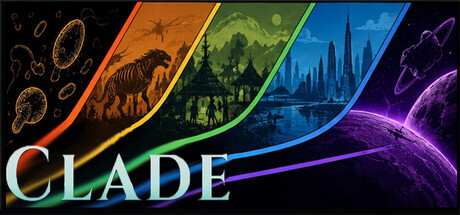
Clade is made by a small independent developer. During development, AI tools were used to help write some of the game's code, and to create some placeholder 3D models and text. All placeholder art is being replaced with handmade work, and this note will be updated as that happens. The game does not generate any content with AI while you play. The computer controlled empires are traditional game AI written for Clade, not generative AI.
Generative AI-assisted tools were used during development to support programming, localization and store-page text, and the creation or refinement of some visual game assets. All AI-assisted output was reviewed, edited, tested and integrated by the developer. No content is generated by AI during gameplay, and the game does not connect to external AI services.
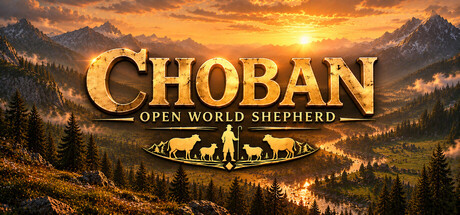
Choban uses generative AI to power conversations and interactions with certain NPCs. AI-generated dialogue is used to create more natural, dynamic, and context-aware responses during gameplay. All core gameplay systems, quests, progression, world generation, and game mechanics are designed by the developers and are not generated by AI. AI is used solely to enhance NPC interactions and player immersion.
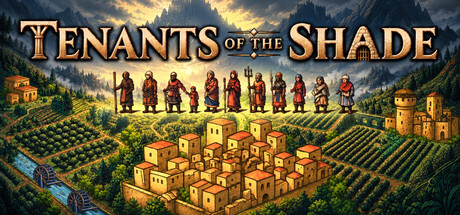
I've spent years developing *Tenants of the Shade*, and our team has devoted thousands of hours to programming, artwork, and music. We also use generative AI tools to assist with editing and creating select assets, including some in-game icons and 3D models, as well as promotional materials.
The game is still in development, and these assets may change before release. We welcome questions about our creative process on Discord or in the Steam Community forums.
As a solo developer AI helped me with:
- fine tuning text and Steam store descriptions
- solve complex coding issues
- visuals are not "ai" generated, but all visuals are programmatically generated within my own software, and the scripts that do that, are optimised by AI coding tools
Generative AI was used to help create some images on the Steam store page and some visual assets and objects in the game. AI tools also assisted with debugging during development. The game does not generate AI content during play.
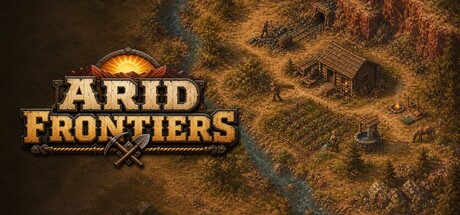
Generative AI was used to create some pre-rendered artwork, including store and promotional art and selected in-game visuals such as terrain, resources, animals, and characters, as well as some music and audio assets. These assets are prepared before play. Arid Frontiers does not generate content with AI during gameplay or connect to a third-party generative AI service during play; pawn behavior, colony simulation, combat, wildlife, and events are driven by programmed game systems.
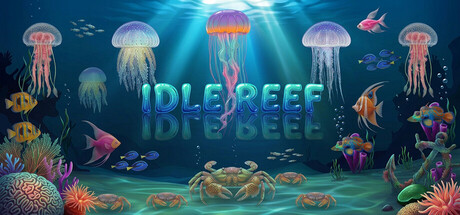
During the development of our game, generative AI tools were used to assist in creating certain 2D underwater background visuals, store page graphics. Additionally, AI-based language models were utilized for writing the store page descriptions and localizing the game into various languages. All AI-generated content was manually reviewed and edited before being implemented into the game or the store page.
Generative AI is used in the creation of some visual assets, including in-game cinematics, background images, and character illustrations. It is also used to assist with writing and translating some in-game text. This content is created during development and included in the game. The game does not generate new content using generative AI during gameplay.
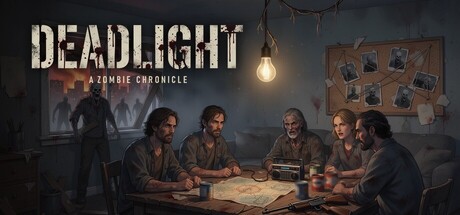
Some of Deadlight's artwork was created with the help of generative AI. This includes the key art, the store and library capsules, and the ten location paintings on the expedition screen. The images were generated with a locally run image model, then chosen, cleaned up and colour-graded by hand. The store page text and its translations were drafted with AI assistance and edited by the developer. No content is generated by AI while you play.
Use of Generative AI & AI Credits
This game uses AI to generate in-game dialogue text and small gameplay extension modules ("evolution modules"). AI features consume AI credits.
You can get AI credits via small in-game purchases processed by Steam, or connect your own AI service at no extra cost — the settings menu lets you enter a custom API URL and key (any OpenAI-compatible endpoint), in which case usage is billed directly by your provider and no credits are consumed.
AI-generated code runs in a strictly sandboxed environment with a limited set of game APIs, and every output must pass the game's validation and test gates before taking effect. AI features can be disabled at any time.
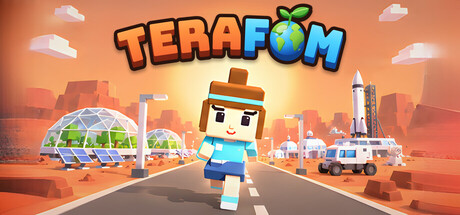
Terafom was developed with the help of generative AI tools. Some of the artwork, 3D models, in-game text and translations, voice, music and sound effects were created with AI assistance and reviewed by the developer. During gameplay, the in-game AI helper character answers players' questions about the game using third-party AI services (Google Gemini, DeepSeek, OpenAI), and its answers are spoken with an AI-generated voice.
Some sprites, event card illustrations, background music and sound effects were created with locally-run generative AI models (Stable Diffusion XL, ACE-Step, Stable Audio Open) and then edited by the developer. No generative AI is used while the game is running.
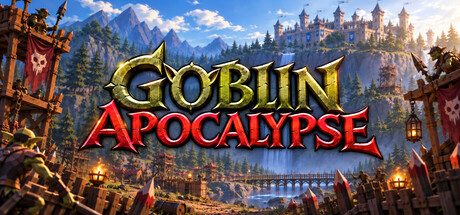
AI is used to assist with the localization and translation of the game's store page and in game text. It is also used to assist with some simple voice interactions, such as goblin growls and battle cries, as well as basic texture adjustments that fit the game's low poly visual style.
AI was used during the development of the game mainly for code optimization and improvements. To a limited extent, AI was also used to create some graphics and to improve the appearance of a small number of interface elements.
Ratiator is made by a small independent studio, and generative AI is one of the tools that lets a tiny team build a world this big. Every piece of AI-assisted content was directed, selected and refined by us to match our own art direction and design.
Artwork: backgrounds, UI elements, event illustrations, icons and key art were created with AI image tools from our concepts and art direction, then curated, edited and assembled by hand.
3D models: our rats and their household-junk weapons and armour started as AI-generated 3D models built from our concept art. We then rigged, fitted, animated and tuned them with our own tools, so every rat moves and fights the way we designed it.
Animation: a few short cinematic clips and the living light in some backgrounds (flickering lanterns, flowing water) were made with AI video tools and blended into our original paintings.
Writing: story and event texts were drafted with the help of an AI writing assistant, then edited and shaped by us to fit the world and its humour.
Nothing in the game is generated by AI while you play. Every fight, rat and story event is driven by the game's own systems, and no player data is sent to any AI service.
Generative AI was used to assist with the localization of some store page content. The generated translations were reviewed and edited before publication.
Some of the artworks, such as textures and illustrative elements, were created or enhanced using AI-based tools. All generated content has been reviewed, edited, and integrated to ensure consistency with the overall visual style and quality of the game.
No AI is used during gameplay.
Some visual assets in this game were generated using AI. Specifically: planet sprites/textures are AI-generated. All other in-game art is purchased/licensed, not AI-generated, and all audio is purchased/licensed, not AI-generated.
As a solo developer with a very limited budget, the character voices were temporarily generated using AI voice synthesis (ElevenLabs).
Our goal is to replace all generated voices with performances by human voice actors as soon as the project secures sufficient funding (through sales, crowdfunding, or community support). Thank you for your understanding and for supporting indie game development!
No generative AI content is created in real time while the game is running.
- AI is used to help write scripts that create or modify some 3D models. In addition to creating many, I also personally refine and finish all models in Blender.
All additional art is human-made:
- Artwork: Created by me and my niece, with some icons licensed from the Unity Asset Store.
- Steam capsule artwork is by @Camilieroart
- Sound effects were created by myself and Kris McNaney, with additional sounds licensed from Uppbeat’s human-made library.
- Original music by Kris McNaney, with additional tracks licensed from Uppbeat’s human-made library.
Generative AI was used to create three pre-generated images used in the game: the splash screen, loading screen, and main menu background. No other game content was generated using AI, and the game does not generate AI content during gameplay.
Generative AI was used for pre-generated Steam store promotional artwork, library artwork, and application icons. No AI content is generated during gameplay, and the game does not connect to external AI services.
Generative AI tools were used for selected visual assets, promotional artwork, trailer voices, and text/localization drafts. This content is pre-generated and reviewed during development. The game does not generate AI content during play or connect to an external AI service.
Interface text and the English translation were drafted with an AI assistant and reviewed by the developer. No art, audio or content is AI generated, and nothing is generated at runtime.
The core art direction and a portion of the artwork were hand-drawn by the developer, and AI was used to produce additional assets in a matching style, which were then reviewed, edited and integrated by hand. The game's music was generated with AI tools. No AI content is generated live while the game is running.
Character animations are generated with an AI motion model (Kimodo) and then cleaned up and retargeted by our team. Character voice-overs are created with AI text-to-speech and directed and edited by our team. All 3D models, buildings, textures and writing are made by us. No AI content is generated live during gameplay.
Sound effects, some character voices and music in the game were made with generative AI tools (ElevenLabs). Everything is pre-generated during development; nothing is generated while you play.
This game was made by a solo developer with the help of AI tools. Some of the pixel art was drawn by hand by the developer and then revised with AI tools. Other art (including the logo, interface icons, menu backgrounds and some terrain tiles) was created with an AI pixel-art tool and then edited by the developer. The music and sound effects are synthesized in code, and were composed and designed with the help of an AI assistant. Some in-game text, such as the Field Guide and tutorial tips, was drafted with AI assistance and edited by the developer. No AI is used while you play: nothing is generated live, and the game never connects to an AI service.
Generative AI tools were used during development to create pre-rendered visual assets, UI elements, and marketing materials. All generated assets were reviewed, finalized, and statically integrated into the game build prior to release. No content is generated in real-time or dynamically during gameplay.
Some visual assets were created with the assistance of generative AI during development, while others were created manually. AI-assisted assets were reviewed and adjusted by the developer. The game does not generate AI content during gameplay.
Pre-generated AI tools were used during development to assist with the creation and refinement of selected visual assets, localization text, and marketing materials. All AI-assisted content was reviewed, edited, and integrated by the developer before inclusion in the game or store materials. The game does not generate AI content in real time during gameplay.
Clade is made by a small independent developer. During development, AI tools were used to help write some of the game's code, and to create some placeholder 3D models and text. All placeholder art is being replaced with handmade work, and this note will be updated as that happens. The game does not generate any content with AI while you play. The computer controlled empires are traditional game AI written for Clade, not generative AI.
Generative AI-assisted tools were used during development to support programming, localization and store-page text, and the creation or refinement of some visual game assets. All AI-assisted output was reviewed, edited, tested and integrated by the developer. No content is generated by AI during gameplay, and the game does not connect to external AI services.
Choban uses generative AI to power conversations and interactions with certain NPCs. AI-generated dialogue is used to create more natural, dynamic, and context-aware responses during gameplay. All core gameplay systems, quests, progression, world generation, and game mechanics are designed by the developers and are not generated by AI. AI is used solely to enhance NPC interactions and player immersion.
I've spent years developing *Tenants of the Shade*, and our team has devoted thousands of hours to programming, artwork, and music. We also use generative AI tools to assist with editing and creating select assets, including some in-game icons and 3D models, as well as promotional materials.
The game is still in development, and these assets may change before release. We welcome questions about our creative process on Discord or in the Steam Community forums.
As a solo developer AI helped me with:
- fine tuning text and Steam store descriptions
- solve complex coding issues
- visuals are not "ai" generated, but all visuals are programmatically generated within my own software, and the scripts that do that, are optimised by AI coding tools
Generative AI was used to help create some images on the Steam store page and some visual assets and objects in the game. AI tools also assisted with debugging during development. The game does not generate AI content during play.
Generative AI was used to create some pre-rendered artwork, including store and promotional art and selected in-game visuals such as terrain, resources, animals, and characters, as well as some music and audio assets. These assets are prepared before play. Arid Frontiers does not generate content with AI during gameplay or connect to a third-party generative AI service during play; pawn behavior, colony simulation, combat, wildlife, and events are driven by programmed game systems.
During the development of our game, generative AI tools were used to assist in creating certain 2D underwater background visuals, store page graphics. Additionally, AI-based language models were utilized for writing the store page descriptions and localizing the game into various languages. All AI-generated content was manually reviewed and edited before being implemented into the game or the store page.
Generative AI is used in the creation of some visual assets, including in-game cinematics, background images, and character illustrations. It is also used to assist with writing and translating some in-game text. This content is created during development and included in the game. The game does not generate new content using generative AI during gameplay.
Some of Deadlight's artwork was created with the help of generative AI. This includes the key art, the store and library capsules, and the ten location paintings on the expedition screen. The images were generated with a locally run image model, then chosen, cleaned up and colour-graded by hand. The store page text and its translations were drafted with AI assistance and edited by the developer. No content is generated by AI while you play.
Use of Generative AI & AI Credits
This game uses AI to generate in-game dialogue text and small gameplay extension modules ("evolution modules"). AI features consume AI credits.
You can get AI credits via small in-game purchases processed by Steam, or connect your own AI service at no extra cost — the settings menu lets you enter a custom API URL and key (any OpenAI-compatible endpoint), in which case usage is billed directly by your provider and no credits are consumed.
AI-generated code runs in a strictly sandboxed environment with a limited set of game APIs, and every output must pass the game's validation and test gates before taking effect. AI features can be disabled at any time.
Terafom was developed with the help of generative AI tools. Some of the artwork, 3D models, in-game text and translations, voice, music and sound effects were created with AI assistance and reviewed by the developer. During gameplay, the in-game AI helper character answers players' questions about the game using third-party AI services (Google Gemini, DeepSeek, OpenAI), and its answers are spoken with an AI-generated voice.
Some sprites, event card illustrations, background music and sound effects were created with locally-run generative AI models (Stable Diffusion XL, ACE-Step, Stable Audio Open) and then edited by the developer. No generative AI is used while the game is running.
AI is used to assist with the localization and translation of the game's store page and in game text. It is also used to assist with some simple voice interactions, such as goblin growls and battle cries, as well as basic texture adjustments that fit the game's low poly visual style.
AI was used during the development of the game mainly for code optimization and improvements. To a limited extent, AI was also used to create some graphics and to improve the appearance of a small number of interface elements.
Ratiator is made by a small independent studio, and generative AI is one of the tools that lets a tiny team build a world this big. Every piece of AI-assisted content was directed, selected and refined by us to match our own art direction and design.
Artwork: backgrounds, UI elements, event illustrations, icons and key art were created with AI image tools from our concepts and art direction, then curated, edited and assembled by hand.
3D models: our rats and their household-junk weapons and armour started as AI-generated 3D models built from our concept art. We then rigged, fitted, animated and tuned them with our own tools, so every rat moves and fights the way we designed it.
Animation: a few short cinematic clips and the living light in some backgrounds (flickering lanterns, flowing water) were made with AI video tools and blended into our original paintings.
Writing: story and event texts were drafted with the help of an AI writing assistant, then edited and shaped by us to fit the world and its humour.
Nothing in the game is generated by AI while you play. Every fight, rat and story event is driven by the game's own systems, and no player data is sent to any AI service.
Generative AI was used to assist with the localization of some store page content. The generated translations were reviewed and edited before publication.
Some of the artworks, such as textures and illustrative elements, were created or enhanced using AI-based tools. All generated content has been reviewed, edited, and integrated to ensure consistency with the overall visual style and quality of the game.
No AI is used during gameplay.
Some visual assets in this game were generated using AI. Specifically: planet sprites/textures are AI-generated. All other in-game art is purchased/licensed, not AI-generated, and all audio is purchased/licensed, not AI-generated.
As a solo developer with a very limited budget, the character voices were temporarily generated using AI voice synthesis (ElevenLabs).
Our goal is to replace all generated voices with performances by human voice actors as soon as the project secures sufficient funding (through sales, crowdfunding, or community support). Thank you for your understanding and for supporting indie game development!
No generative AI content is created in real time while the game is running.
- AI is used to help write scripts that create or modify some 3D models. In addition to creating many, I also personally refine and finish all models in Blender.
All additional art is human-made:
- Artwork: Created by me and my niece, with some icons licensed from the Unity Asset Store.
- Steam capsule artwork is by @Camilieroart
- Sound effects were created by myself and Kris McNaney, with additional sounds licensed from Uppbeat’s human-made library.
- Original music by Kris McNaney, with additional tracks licensed from Uppbeat’s human-made library.
Generative AI was used to create three pre-generated images used in the game: the splash screen, loading screen, and main menu background. No other game content was generated using AI, and the game does not generate AI content during gameplay.
Generative AI was used for pre-generated Steam store promotional artwork, library artwork, and application icons. No AI content is generated during gameplay, and the game does not connect to external AI services.
Generative AI tools were used for selected visual assets, promotional artwork, trailer voices, and text/localization drafts. This content is pre-generated and reviewed during development. The game does not generate AI content during play or connect to an external AI service.
Interface text and the English translation were drafted with an AI assistant and reviewed by the developer. No art, audio or content is AI generated, and nothing is generated at runtime.