Public Steam disclosure research25,380 disclosures tracked
Where do games disclose AI use?
Search developers’ Steam disclosures, compare classified AI use across
games, and follow recorded changes.
This index adds cross-game classifications and statistics to
statements published on individual store pages.
Groups reflect automatic analysis of public disclosures; mature records are excluded. These counts do not measure AI use across all of Steam.
Missing or unclear statements cannot establish whether a game uses AI.
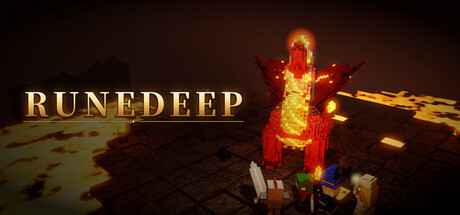
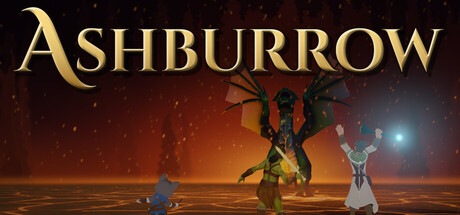
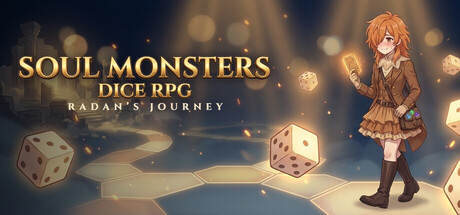
The intro cinematic and the artwork taken from it (used on this store page) were generated with AI video tools from the game's own 3D models, as were some illustrations and icons of the interface. The soundtrack was composed with an AI music tool, and the translations were made with AI assistance. No AI generates content while you play.
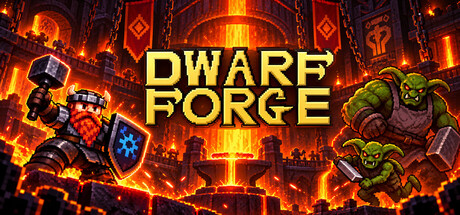
Some of the pixel art in the game (background scenes and character portraits) and the store page key art were created with the help of generative AI tools and then edited and assembled by hand. No AI content is generated while you play.
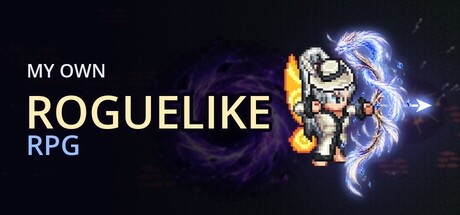
This game uses generative AI tools to assist in creating some content: pixel-art visuals (character, enemy, and card artwork, icons, and backgrounds) via PixelLab, and sound effects via ElevenLabs. All AI-assisted content was reviewed and curated by the developer before being included in the game.
This game's 3D models, music, sound effects, and in-game text (dialogue, item names and descriptions) were created with the help of generative AI, under the developer's direction and review. The store images and trailer use this in-game content.
Some included character, animal, creature and sample images were created with generative AI and then edited and prepared for the product. Generative AI also assisted with localization. MEMEMINT does not generate new images or text with generative AI during use and does not connect to a third-party generative AI service. Its local background-removal feature uses a non-generative segmentation model.
Some of the background music, the in-game translations and parts of the store text were created with the help of generative AI tools, then reviewed and edited by the developer.
Generative AI tools were used to assist in the creation and refinement of selected visual assets, including Steam store artwork, promotional graphics, and some graphical elements. All AI-assisted content was reviewed and curated by the developer before being used. The game does not use generative AI to create content in real time during gameplay.
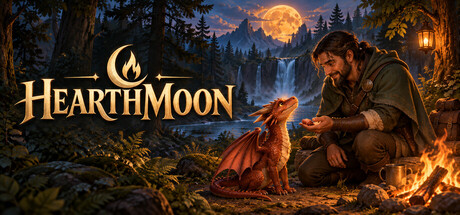
HearthMoon uses AI to generate NPC dialogue during gameplay and synthesize NPC voices. Spoken input is transcribed so villagers and the dragon companion can respond to the player. AI-assisted artwork and writing are also used in development and in store-page marketing. Conversations are experimental and responses may be inconsistent.
Some illustrations in the game were created using generative AI. The developer selected and adjusted the generated images before incorporating them into the game.
Pre-generated AI-assisted illustrations are used in some in-game artwork and in Steam store and library artwork, including capsule images, the logo, and achievement icons. Gameplay screenshots were captured directly from the game. The game does not generate AI content during play.
Generative AI was used during development to help create some of the game's images, 3D models, animations, background music, sound effects, and story and dialogue text, and to translate in-game text. This includes generating images and models, as well as creating environment models, background music, and some sound effects using AI-written scripts. The story and dialogue use AI-generated text, edited as needed. Translations were created and revised during development and included in the game. This content was created in advance during development; the game does not generate content using generative AI during gameplay. Generative AI was also used to create promotional images and translate store descriptions into multiple languages for the Steam store.
Generative AI was used to create some art assets (the title screen background and the store capsule images). The game does not use AI to generate any content at runtime.
The game's art assets (tile, monster and item sprite atlases) were produced during development using OpenAI's image generation service. We then processed the output ourselves into transparent PNGs and assembled them into atlases, which ship as static assets inside the build. The game does not call any AI service at runtime and contains no live-generated content. Every generated image was manually reviewed and corrected before being added to the atlas. Apart from the art, the code, game design, balance and text involve no AI-generated content.
As with most VTT systems, users are welcome to import assets made anywhere. Phroller makes it easier than ever. You can just drag the image or model files into the VTT directly from your browser or file system!
I want to encourage supporting real artists where we can though. As such I do my best to collaborate with real creatives on the vast Phroller libraries. Each one of the assets in the library has a field showing the artist behind it. If you like their work, please consider checking them out. Many of them are open for commissions as well! However, I cannot guarantee that assets or part of those assets were created with no AI use at all. A large amount of the assets are made before 2022 though, so we should be safe there.
While I do my best to make Phroller as user friendly as possible, it does still require a ton of instructions and manuals. Frontier models are used to keep some of the text up to date across rapid early access development. Sorry if it sounds robotic!
Generative AI tools were used in parts of the developer's workflow: some texture source images (such as water splash sprites and certain ground materials) originate from AI image tools, and the dragon character's base mesh was initially created with AI assistance. All of this content was then extensively hand-edited, sculpted, rigged and integrated by the developer. Some music tracks were generated with Suno (licensed under a paid subscription). The world itself, the environment models and the game's art direction are hand-made. The game does not generate any content at runtime.
No generative AI content ships in the game itself — all in-game art, music, sound effects, writing, and design were created by the developer. Generative AI was used only to create some of the store/marketing capsule images.
Generative AI tools were used during development to create pre-generated artwork
and visual assets used in the game and its Steam store materials.
All AI-generated assets included in the final game were reviewed and selected by
the developer before use.
No generative AI content is created during gameplay, and the game does not connect
to any external AI services.
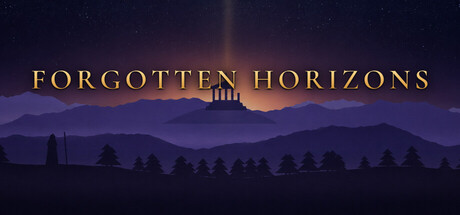
Generative AI tools were used during the development of Forgotten Horizons to assist with the creation of some content. AI-generated content was reviewed and edited by the development team before being included in the game or its store and marketing materials. The game does not generate AI content in real time during gameplay.
Generative AI tools were used during development to assist with programming, writing in-game dialogue and descriptive text, translation into multiple languages, implementing graphics and sound effects, and creating promotional artwork and descriptions for the Steam store page.
These materials were created and incorporated during development. The game does not use generative AI to create new dialogue, images, or audio during gameplay. The autonomous behavior of residents and monsters, as well as their context-sensitive conversations, is driven by pre-programmed game logic and pre-written dialogue.
Generative AI was used during development for some visual and audio assets.
During gameplay, narrative text and character dialogue are generated in real time by a third-party AI model selected and configured by the player.
Some 3D character models and a few environment assets in this game were created with the help of generative AI tools, then manually edited, rigged and refined by the developer. Some promotional images were also produced with AI assistance. All AI-generated content was reviewed to ensure it does not infringe third-party rights.
Generative AI tools were used to create illustrations, brief pre-rendered animated sequences, and some store and promotional artwork under the author's direction, selection, and editing. AI tools were also used to assist with translation and language editing. The original novel and its story were written by Takahiro Yonemura. No content is generated by AI while the application is running.
Generative AI assists in creating some visual assets, music, sound effects and narrative text during development. The art assets currently shown are temporary placeholders used solely to test our technical pipeline and do not represent the final visuals.
Some of this game's written text, including this store page and some in-game descriptions, was drafted with the help of an AI assistant and then edited by hand. The rest is not AI-generated: the pixel art is hand-drawn or from licensed asset packs, the audio comes from a licensed sound pack, and every screenshot and capsule image is composed from real in-game captures. Nothing is generated while you play.
We use AI to polish and iterate on the human prepared concepts, textures, sometimes the achieved final version is used in game.
For game code, occasionally, we use a reliable snippet based generation, reviewed and ebmedded into the game by developers, for maximum stability.
Store page text (the short and long descriptions) was drafted with the help of a generative AI language model, then reviewed and edited by the developer before publication.
All art and audio that ships inside the game is human-made and licensed: the creature-family icons are by Lorc and Delapouite from game-icons.net (CC BY 3.0), and the sound effects are by Kenney (CC0). The store and library capsule images were composed programmatically from the game's own icon.
The game generates no content at runtime.
This game contains pre-rendered AI-generated content: some sound effects and store page artwork were created with generative AI tools, then reviewed and edited by the developer. No content is generated by AI in real time during gameplay.
This game was created by a real human, using the Codex development environment. Contains lots of generated artwork and descriptive text, as well as gameplay refinements gained through AI powered balance testing.
AI is used only for text translation/localization (in-game and store page), with every line reviewed and edited by the developer.
No AI-generated graphics, music, audio, or live content generation are used in the game.
Ravens of War uses generative AI to create some of the artwork and illustrations used in the game, including card artwork. This content is pre-generated and included as part of the game; the game does not generate new AI content during gameplay.
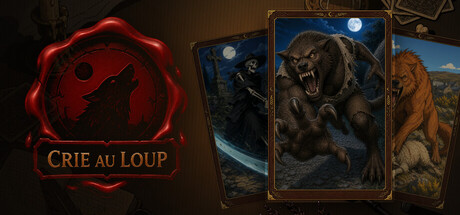
Crie au loup is made with AI, from the first prototype to the illustrations. That is not a manufacturing detail: it is as much the project as the game itself.
My role is not a craftsman's: I painted no card, and I did not write the code line by line. I designed the system, I direct it, I arbitrate and I verify. Deciding what makes it into the game, what gets redone, what gets cut: that is production work, and it is mine.
What is generated: the creature and location artwork, the interface, a large share of the code and the writing. What is measured rather than assumed: card balance, computed over thousands of simulated matches before every update. What is verified: the historical sources behind every legend, published one by one on the official site, where you can open them and prove me wrong.
What is never generated is your match. No image, no text and no game decision comes out of a model while you play: the engine is deterministic, and the solo opponent is a classic program applying the rules.
Crie au loup is one of the projects I run around generative AI, and the only one you can play. The making-of is documented without varnish in the devlog on the official site.
All artwork, sprites, terrain, animations and audio are procedurally generated by our own deterministic tools or licensed/purchased from human-made sources. No generative AI images or audio are used. AI assistance was used for drafting and prototyping, all of which is reviewed and further iterated by a human. No AI models run while the game is played.
Generative AI was used to assist in creating pre-generated visual assets for the game and its promotional materials, including character artwork and event illustrations. It was also used to assist with portions of the game's text and localization. All included content was reviewed and curated by the developer. No content is generated by AI during gameplay.
I am a solo developer balancing this project with another job. To make this game a reality, I have used generative AI tools as an assistant during development, as well as to generate various pre-rendered assets: 2D visual elements (such as item icons, textures, and interface art) and the composition of the orchestral soundtrack.
Some of the 2D artwork in this game — character portraits, monster illustrations, board tiles, backgrounds and store art — was created with the help of generative AI image tools, then reviewed, edited and assembled by the developer. All generated assets were checked before shipping. The game does not generate any content live during play: everything is pre-rendered and included in the build. Game design, rules, code, text and level layout were authored by the developer.
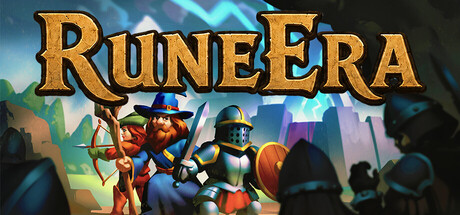
Generative AI tools were used during development to assist with portions of selected sprite artwork and to create some sound effects and background music. All AI-assisted content was generated before release, reviewed and curated by the developer, and edited or integrated into the final game as appropriate. RuneEra does not use AI to generate content while the game is running.
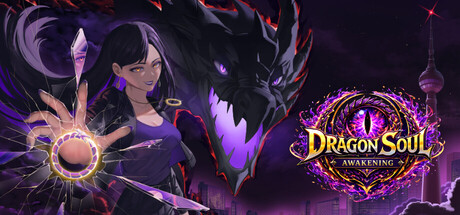
Dragon Soul: Awakening is a solo-developed game that uses generative AI as one of many creative tools during development. The logo, some backgrounds, character sprites, UI elements, and music were created using AI-assisted workflows alongside original writing, design, editing, and human-created artwork. Some AI-assisted assets currently serve as placeholders during development and will be replaced before the full release.
Generative AI tools were used during development to assist with pre-generated content. No generative AI content is created during gameplay, and the game does not connect to external AI services.
Generative AI tools were used during development to assist with selected pre-generated visual assets, promotional and store-page materials, and localization/text. All AI-assisted content was reviewed, edited, curated, and approved by the developer before inclusion. No generative AI is used during gameplay, and the game does not connect to external AI services while running.
The intro cinematic and the artwork taken from it (used on this store page) were generated with AI video tools from the game's own 3D models, as were some illustrations and icons of the interface. The soundtrack was composed with an AI music tool, and the translations were made with AI assistance. No AI generates content while you play.
Some of the pixel art in the game (background scenes and character portraits) and the store page key art were created with the help of generative AI tools and then edited and assembled by hand. No AI content is generated while you play.
This game uses generative AI tools to assist in creating some content: pixel-art visuals (character, enemy, and card artwork, icons, and backgrounds) via PixelLab, and sound effects via ElevenLabs. All AI-assisted content was reviewed and curated by the developer before being included in the game.
This game's 3D models, music, sound effects, and in-game text (dialogue, item names and descriptions) were created with the help of generative AI, under the developer's direction and review. The store images and trailer use this in-game content.
Some included character, animal, creature and sample images were created with generative AI and then edited and prepared for the product. Generative AI also assisted with localization. MEMEMINT does not generate new images or text with generative AI during use and does not connect to a third-party generative AI service. Its local background-removal feature uses a non-generative segmentation model.
Some of the background music, the in-game translations and parts of the store text were created with the help of generative AI tools, then reviewed and edited by the developer.
Generative AI tools were used to assist in the creation and refinement of selected visual assets, including Steam store artwork, promotional graphics, and some graphical elements. All AI-assisted content was reviewed and curated by the developer before being used. The game does not use generative AI to create content in real time during gameplay.
HearthMoon uses AI to generate NPC dialogue during gameplay and synthesize NPC voices. Spoken input is transcribed so villagers and the dragon companion can respond to the player. AI-assisted artwork and writing are also used in development and in store-page marketing. Conversations are experimental and responses may be inconsistent.
Some illustrations in the game were created using generative AI. The developer selected and adjusted the generated images before incorporating them into the game.
Pre-generated AI-assisted illustrations are used in some in-game artwork and in Steam store and library artwork, including capsule images, the logo, and achievement icons. Gameplay screenshots were captured directly from the game. The game does not generate AI content during play.
Generative AI was used during development to help create some of the game's images, 3D models, animations, background music, sound effects, and story and dialogue text, and to translate in-game text. This includes generating images and models, as well as creating environment models, background music, and some sound effects using AI-written scripts. The story and dialogue use AI-generated text, edited as needed. Translations were created and revised during development and included in the game. This content was created in advance during development; the game does not generate content using generative AI during gameplay. Generative AI was also used to create promotional images and translate store descriptions into multiple languages for the Steam store.
Generative AI was used to create some art assets (the title screen background and the store capsule images). The game does not use AI to generate any content at runtime.
The game's art assets (tile, monster and item sprite atlases) were produced during development using OpenAI's image generation service. We then processed the output ourselves into transparent PNGs and assembled them into atlases, which ship as static assets inside the build. The game does not call any AI service at runtime and contains no live-generated content. Every generated image was manually reviewed and corrected before being added to the atlas. Apart from the art, the code, game design, balance and text involve no AI-generated content.
As with most VTT systems, users are welcome to import assets made anywhere. Phroller makes it easier than ever. You can just drag the image or model files into the VTT directly from your browser or file system!
I want to encourage supporting real artists where we can though. As such I do my best to collaborate with real creatives on the vast Phroller libraries. Each one of the assets in the library has a field showing the artist behind it. If you like their work, please consider checking them out. Many of them are open for commissions as well! However, I cannot guarantee that assets or part of those assets were created with no AI use at all. A large amount of the assets are made before 2022 though, so we should be safe there.
While I do my best to make Phroller as user friendly as possible, it does still require a ton of instructions and manuals. Frontier models are used to keep some of the text up to date across rapid early access development. Sorry if it sounds robotic!
Generative AI tools were used in parts of the developer's workflow: some texture source images (such as water splash sprites and certain ground materials) originate from AI image tools, and the dragon character's base mesh was initially created with AI assistance. All of this content was then extensively hand-edited, sculpted, rigged and integrated by the developer. Some music tracks were generated with Suno (licensed under a paid subscription). The world itself, the environment models and the game's art direction are hand-made. The game does not generate any content at runtime.
No generative AI content ships in the game itself — all in-game art, music, sound effects, writing, and design were created by the developer. Generative AI was used only to create some of the store/marketing capsule images.
Generative AI tools were used during development to create pre-generated artwork
and visual assets used in the game and its Steam store materials.
All AI-generated assets included in the final game were reviewed and selected by
the developer before use.
No generative AI content is created during gameplay, and the game does not connect
to any external AI services.
Generative AI tools were used during the development of Forgotten Horizons to assist with the creation of some content. AI-generated content was reviewed and edited by the development team before being included in the game or its store and marketing materials. The game does not generate AI content in real time during gameplay.
Generative AI tools were used during development to assist with programming, writing in-game dialogue and descriptive text, translation into multiple languages, implementing graphics and sound effects, and creating promotional artwork and descriptions for the Steam store page.
These materials were created and incorporated during development. The game does not use generative AI to create new dialogue, images, or audio during gameplay. The autonomous behavior of residents and monsters, as well as their context-sensitive conversations, is driven by pre-programmed game logic and pre-written dialogue.
Generative AI was used during development for some visual and audio assets.
During gameplay, narrative text and character dialogue are generated in real time by a third-party AI model selected and configured by the player.
Some 3D character models and a few environment assets in this game were created with the help of generative AI tools, then manually edited, rigged and refined by the developer. Some promotional images were also produced with AI assistance. All AI-generated content was reviewed to ensure it does not infringe third-party rights.
Generative AI tools were used to create illustrations, brief pre-rendered animated sequences, and some store and promotional artwork under the author's direction, selection, and editing. AI tools were also used to assist with translation and language editing. The original novel and its story were written by Takahiro Yonemura. No content is generated by AI while the application is running.
Generative AI assists in creating some visual assets, music, sound effects and narrative text during development. The art assets currently shown are temporary placeholders used solely to test our technical pipeline and do not represent the final visuals.
Some of this game's written text, including this store page and some in-game descriptions, was drafted with the help of an AI assistant and then edited by hand. The rest is not AI-generated: the pixel art is hand-drawn or from licensed asset packs, the audio comes from a licensed sound pack, and every screenshot and capsule image is composed from real in-game captures. Nothing is generated while you play.
We use AI to polish and iterate on the human prepared concepts, textures, sometimes the achieved final version is used in game.
For game code, occasionally, we use a reliable snippet based generation, reviewed and ebmedded into the game by developers, for maximum stability.
Store page text (the short and long descriptions) was drafted with the help of a generative AI language model, then reviewed and edited by the developer before publication.
All art and audio that ships inside the game is human-made and licensed: the creature-family icons are by Lorc and Delapouite from game-icons.net (CC BY 3.0), and the sound effects are by Kenney (CC0). The store and library capsule images were composed programmatically from the game's own icon.
The game generates no content at runtime.
This game contains pre-rendered AI-generated content: some sound effects and store page artwork were created with generative AI tools, then reviewed and edited by the developer. No content is generated by AI in real time during gameplay.
This game was created by a real human, using the Codex development environment. Contains lots of generated artwork and descriptive text, as well as gameplay refinements gained through AI powered balance testing.
AI is used only for text translation/localization (in-game and store page), with every line reviewed and edited by the developer.
No AI-generated graphics, music, audio, or live content generation are used in the game.
Ravens of War uses generative AI to create some of the artwork and illustrations used in the game, including card artwork. This content is pre-generated and included as part of the game; the game does not generate new AI content during gameplay.
Crie au loup is made with AI, from the first prototype to the illustrations. That is not a manufacturing detail: it is as much the project as the game itself.
My role is not a craftsman's: I painted no card, and I did not write the code line by line. I designed the system, I direct it, I arbitrate and I verify. Deciding what makes it into the game, what gets redone, what gets cut: that is production work, and it is mine.
What is generated: the creature and location artwork, the interface, a large share of the code and the writing. What is measured rather than assumed: card balance, computed over thousands of simulated matches before every update. What is verified: the historical sources behind every legend, published one by one on the official site, where you can open them and prove me wrong.
What is never generated is your match. No image, no text and no game decision comes out of a model while you play: the engine is deterministic, and the solo opponent is a classic program applying the rules.
Crie au loup is one of the projects I run around generative AI, and the only one you can play. The making-of is documented without varnish in the devlog on the official site.
All artwork, sprites, terrain, animations and audio are procedurally generated by our own deterministic tools or licensed/purchased from human-made sources. No generative AI images or audio are used. AI assistance was used for drafting and prototyping, all of which is reviewed and further iterated by a human. No AI models run while the game is played.
Generative AI was used to assist in creating pre-generated visual assets for the game and its promotional materials, including character artwork and event illustrations. It was also used to assist with portions of the game's text and localization. All included content was reviewed and curated by the developer. No content is generated by AI during gameplay.
I am a solo developer balancing this project with another job. To make this game a reality, I have used generative AI tools as an assistant during development, as well as to generate various pre-rendered assets: 2D visual elements (such as item icons, textures, and interface art) and the composition of the orchestral soundtrack.
Some of the 2D artwork in this game — character portraits, monster illustrations, board tiles, backgrounds and store art — was created with the help of generative AI image tools, then reviewed, edited and assembled by the developer. All generated assets were checked before shipping. The game does not generate any content live during play: everything is pre-rendered and included in the build. Game design, rules, code, text and level layout were authored by the developer.
Generative AI tools were used during development to assist with portions of selected sprite artwork and to create some sound effects and background music. All AI-assisted content was generated before release, reviewed and curated by the developer, and edited or integrated into the final game as appropriate. RuneEra does not use AI to generate content while the game is running.
Dragon Soul: Awakening is a solo-developed game that uses generative AI as one of many creative tools during development. The logo, some backgrounds, character sprites, UI elements, and music were created using AI-assisted workflows alongside original writing, design, editing, and human-created artwork. Some AI-assisted assets currently serve as placeholders during development and will be replaced before the full release.
Generative AI tools were used during development to assist with pre-generated content. No generative AI content is created during gameplay, and the game does not connect to external AI services.
Generative AI tools were used during development to assist with selected pre-generated visual assets, promotional and store-page materials, and localization/text. All AI-assisted content was reviewed, edited, curated, and approved by the developer before inclusion. No generative AI is used during gameplay, and the game does not connect to external AI services while running.