Public Steam disclosure research25,376 disclosures tracked
Where do games disclose AI use?
Search developers’ Steam disclosures, compare classified AI use across
games, and follow recorded changes.
This index adds cross-game classifications and statistics to
statements published on individual store pages.
Groups reflect automatic analysis of public disclosures; mature records are excluded. These counts do not measure AI use across all of Steam.
Missing or unclear statements cannot establish whether a game uses AI.
Generative AI tools were used during development to create the sky panoramas, several 3D models and textures, the music and sound effects, and the store art. No AI content is generated while you play.
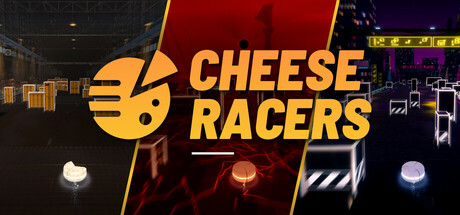
Cheese Racers is designed, directed and reviewed by a solo developer and built with an AI assistant, which wrote the code and drafted much of the text. The visuals (maps, cheese skins, crates) are drawn by that code as the game runs, not by AI image generators. No AI-generated music or voices, and nothing is generated by AI while you play.
Game source code, videos, images, and music in some parts of the game are initially generated using generative AI and then manually edited and refined.
The host's voice lines were generated with an AI text-to-speech service from a script we wrote. Parts of the store page text were drafted with AI assistance and edited by us. All game art, minigames and code are made by the developer; nothing is generated while you play.
Some graphics and sound assets included in this game were created with the assistance of Generative AI and were subsequently reviewed and retouched by humans.
Glyphtrip is made by a studio of three: one human and two silicon genius-toddlers. The soundtrack stems were generated with AI and mixed and mastered by hand. The translations and custom font were made with AI.
The text you read in Crystalysis is written in English and Spanish, then machine-translated into the other eleven languages.
The visuals are drawn procedurally in code, the audio is synthesized while you play. The interface icons were designed with an AI design tool and edited by the developer, and the remaining small bitmaps come from the open Twemoji and Kenney sets..
The game's code and the text on this store page were written with the help of an AI assistant and edited by the developer.
Generative AI was used to assist with portions of the Steam store page text, promotional image editing, and the creation of some in-game artwork. All AI-assisted content was reviewed and edited by the development team before inclusion in the game.
Some visual and text content in KAZENRA was created or refined with the assistance of generative AI tools during development. All such content was reviewed, selected, edited, and integrated by the developer before release. The game does not generate AI content during gameplay.
AI-generated content is used exclusively for promotional/store
library imagery (e.g. store capsule and library artwork). No
in-game assets — textures, models, environments, weapons, or
character art used during gameplay — are AI-generated. All
gameplay-facing art is sourced from licensed marketplace asset
packs or created manually.
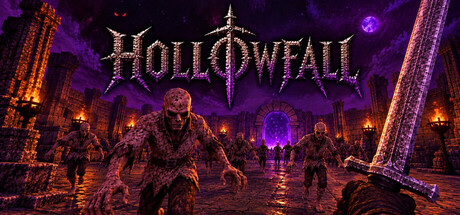
Generative AI tools were used during development to assist with the creation of certain pre-generated visual and 3D art assets used in the game. AI-assisted content is reviewed, selected, edited, and integrated by the developer. Hollowfall does not generate AI content during gameplay.
AI was used for three things only: the first draft of the character models, the two main-menu music tracks, and the game and studio logos. No AI runs while you play.
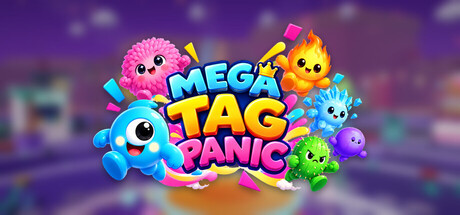
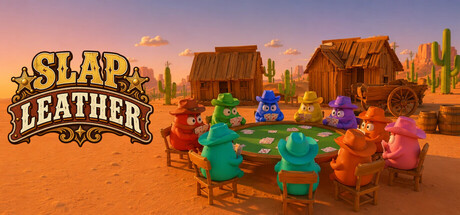
Everything you actually play was designed, built and balanced by the developer: the growing-tagger rule and the charged slap at the heart of the game; 6 game modes; 12 maps that each play by their own rules — a rolling ship, a flooding water tower, an arena that collapses ring by ring, lava that launches you skyward; 10 characters with 10 distinct powers, tuned one by one; bots with three difficulty levels that make the game fully playable solo; 2–10 player online play; a level and shop progression; match photos, match history and replays; and a 15-language localization. The character models were then hand-edited, rigged, height-matched and animated by the developer. The trailer and all screenshots are real gameplay. Sound effects and fonts come from CC0 / open-licensed sources.
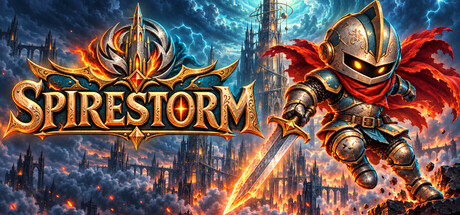
Spirestorm uses pre-generated AI-assisted artwork for characters, enemies, environments, interface illustrations, and promotional images. These assets were selected, edited, animated, and integrated during development. No AI content is generated during gameplay.
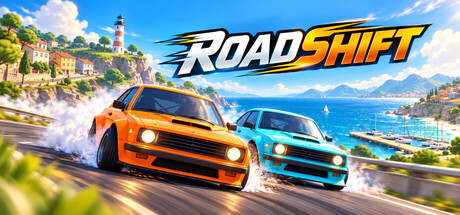
Roadshift was developed with assistance from generative AI tools (such as Large Language Models) to help write and structure the source code and draft store descriptions, as well as generating in-game images, assets, art, and 3D models. The game does not feature live, runtime generative AI.
Generative AI was used to assist in creating promotional artwork for the Steam store page and marketing assets. No live-generated AI content is used during gameplay.
Generative AI-assisted tools were used during development to assist with programming tasks and to create or refine selected 3D models. All AI-assisted code and 3D assets were reviewed, edited, tested, and integrated by the development team. AI-assisted tools were also used for selected Steam marketing artwork. The game does not generate content with AI during gameplay and does not connect to an external AI service.
This game was made with the help of generative AI tools, which were used for its art, music, sound, text and marketing materials. Nothing is generated by AI while you play.
Pre-generated content only. Some 2D art assets in the game (planet, star and interface sprites) and the store page capsule artwork were produced using generative AI image tools, then edited, composited, colour-corrected and integrated by hand. No generative AI runs at runtime and no content is generated live during gameplay. All audio is either licensed under Creative Commons with attribution given in-game, or original.
Generative AI tools were used during development to assist with programming, debugging, and development iteration. No generative AI is used during gameplay, no live AI-generated content is produced, and the game does not connect to external AI services during play.
Generative AI tools were used in the development of this game, including character art and sprites, backgrounds and environment art, sound effects and music, in-game text and narrative content, and store page assets such as screenshots and marketing images. All AI-assisted content was reviewed and curated by the developer before being included in the game.
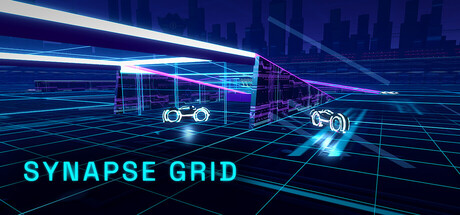
Some of the art, music, voice-over and cinematic clips in Synapse Grid were produced with generative AI tools during development, then edited, curated and directed for release. Nothing is generated while you play.
The tools used, and what each produced:
Google Gemini - concept art and texture reference
ACE-Step - original music tracks
MiniMax-Music3 - original music tiles
IndexTTS - cast voice-over
MiniMax H3 (via ComfyUI) - tutorial and transmission video clips
All of this content was generated for this project. No third party's personal media, voice or likeness is used. The same list is shown in the game's own credits screen.
Separately, the opponent riders use a neural network trained by self-play. That system decides how a bike steers; it does not generate any art, audio or text that you see or hear.
We used an AI diffusion tool in Krita to help create the background for the small capsule shown in search results. Our artist then worked over it with several extra layers, a bit like matte painting. For now, it's a placeholder until our artist finishes the hand-painted version of the small capsule.
The logo and the other capsule images were already hand-painted by our artist. The in-game portraits were also drawn by another artist on our team.
We have a devlog on our website about how we made the capsule artwork and hero portraits, and we'll share the full process on the Steam Community soon too.
The playtest build also includes a few placeholder assets made with AI tools in Krita. Our new UI artist is working on a new UI, so we'll be replacing those placeholders soon. As mentioned above, the hero portraits are also hand-drawn by our artist.
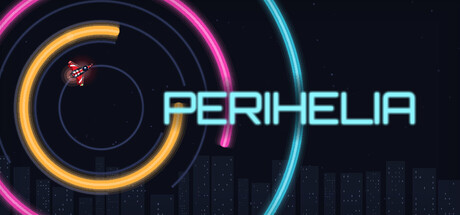
The soundtrack of PERIHELIA was created with the assistance of generative AI music tools. All tracks were curated, edited and integrated by hand, and each ships with a hand-authored beatmap. All other content — art, code, visual effects — is authored directly and drawn procedurally, with no AI involvement.
AI tools were used during development to assist with writing the game's code and text content (including UI text, English/Korean localization, and store page text). All AI-assisted content was created under direct developer supervision and reviewed by the developer. No content is generated by AI at runtime.
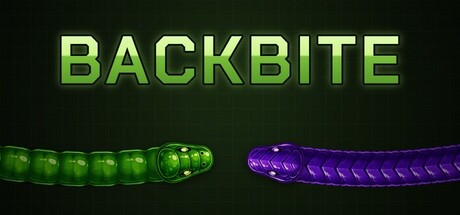
BACKBITE's in-game visual art — the snakes, power-up icons and other graphics —
was created with generative AI image tools and then prepared as sprites for the
game. In-game text was translated into the supported languages with AI
assistance. All music and sound effects come from licensed, human-made audio
libraries.
This game uses generative AI to assist with multilingual translation and to create some of its in-game music. All related content was generated in advance during development and reviewed and edited by the development team.
“AI tools were used to upscale/enhance original artwork created by the developer. The resulting assets were subsequently manually reworked and edited to match the game's intended art direction.”
ART AND AUDIO: no generative image or audio models were used. Every texture, sprite, visual effect and musical note in Mool: Chroma is generated at runtime by the game's own code. The build ships no audio files at all, and the only image files it ships are the bitmap font atlases used to draw text. The store page artwork is rendered by that same code. The code itself was written with AI assistance and reviewed by the developer.
TEXT: AI tools were used to help write text. Some in-game narrative and flavor text was drafted with AI assistance, and the game's non-English translations (Korean, Japanese, Simplified Chinese, German, French, Spanish - Latin America, Portuguese - Brazil, Russian) were AI-generated. All of it was reviewed and edited by the developer before shipping.
Nothing is generated live during gameplay.
This game contains pre-generated AI-assisted content used during development, including gameplay code, selected in-game and UI text/localization, generated sound effects, and AI-assisted visual materials for Steam community/store assets such as achievement icons. No AI content is generated live during gameplay, and the game does not connect to external AI services at runtime.
Some of the 2D artwork and animation frames in this game were produced with the assistance of generative AI tools. Every AI-assisted asset was reviewed and edited by me (the developer) before shipping. The game contains no live-generated AI content — all art, animation, and text are fixed at release and identical for every player.
Generative AI was used during development to assist with coding, promotional artwork, and store-page copy and localization. All outputs were reviewed by the developer.
AI-enabled tools were used during development to assist with asset creation. Some visual and audio assets in the finished game incorporate AI-assisted or AI-generated source material. For more information, visit https://jetgrave.com/ai-use/
All shipped assets are first-party or CC0/OFL-licensed human-made packs. Some 3D
meshes (enemy armor fused onto CC0 base rigs, the drone, weapon models) and the
entire soundtrack are produced by deterministic, first-party procedural build
scripts; those scripts were written with the help of an AI code assistant. No
image-, audio- or voice-generation model produced any shipped asset. The game's
written text — squad comms, item and mission descriptions, narrative screens —
and this store page's copy were drafted with AI assistance under developer
direction, then reviewed and edited by the developer. The game contains no
runtime or live AI generation.
The game's core visual presentation is built around human-created playable character sprite sheets and map artwork, while the level layouts and game design are created by the developer. Generative AI was used for selected pre-generated audio, localization, and supporting visual content such as the logo and key art. No generative AI content is generated during gameplay.
Some of this game's assets were made with the assistance of generative AI tools and were reviewed, curated and hand-finished by the developer. No content is generated while you play.
Source code and store page copy were written with AI assistance (Claude), reviewed and edited by the developer before shipping. No AI-generated artwork, music, voice or narrative content ships in this game. All in-game visuals are hand-written shaders and code-drawn geometry; sound effects are procedurally synthesised by a deterministic script; music is licensed from a human artist; fonts are licensed typefaces. No generative AI runs at runtime.
Generative AI tools were used during development to create the sky panoramas, several 3D models and textures, the music and sound effects, and the store art. No AI content is generated while you play.
Cheese Racers is designed, directed and reviewed by a solo developer and built with an AI assistant, which wrote the code and drafted much of the text. The visuals (maps, cheese skins, crates) are drawn by that code as the game runs, not by AI image generators. No AI-generated music or voices, and nothing is generated by AI while you play.
Game source code, videos, images, and music in some parts of the game are initially generated using generative AI and then manually edited and refined.
The host's voice lines were generated with an AI text-to-speech service from a script we wrote. Parts of the store page text were drafted with AI assistance and edited by us. All game art, minigames and code are made by the developer; nothing is generated while you play.
Some graphics and sound assets included in this game were created with the assistance of Generative AI and were subsequently reviewed and retouched by humans.
Glyphtrip is made by a studio of three: one human and two silicon genius-toddlers. The soundtrack stems were generated with AI and mixed and mastered by hand. The translations and custom font were made with AI.
The text you read in Crystalysis is written in English and Spanish, then machine-translated into the other eleven languages.
The visuals are drawn procedurally in code, the audio is synthesized while you play. The interface icons were designed with an AI design tool and edited by the developer, and the remaining small bitmaps come from the open Twemoji and Kenney sets..
The game's code and the text on this store page were written with the help of an AI assistant and edited by the developer.
Generative AI was used to assist with portions of the Steam store page text, promotional image editing, and the creation of some in-game artwork. All AI-assisted content was reviewed and edited by the development team before inclusion in the game.
Some visual and text content in KAZENRA was created or refined with the assistance of generative AI tools during development. All such content was reviewed, selected, edited, and integrated by the developer before release. The game does not generate AI content during gameplay.
AI-generated content is used exclusively for promotional/store
library imagery (e.g. store capsule and library artwork). No
in-game assets — textures, models, environments, weapons, or
character art used during gameplay — are AI-generated. All
gameplay-facing art is sourced from licensed marketplace asset
packs or created manually.
Generative AI tools were used during development to assist with the creation of certain pre-generated visual and 3D art assets used in the game. AI-assisted content is reviewed, selected, edited, and integrated by the developer. Hollowfall does not generate AI content during gameplay.
AI was used for three things only: the first draft of the character models, the two main-menu music tracks, and the game and studio logos. No AI runs while you play.
Everything you actually play was designed, built and balanced by the developer: the growing-tagger rule and the charged slap at the heart of the game; 6 game modes; 12 maps that each play by their own rules — a rolling ship, a flooding water tower, an arena that collapses ring by ring, lava that launches you skyward; 10 characters with 10 distinct powers, tuned one by one; bots with three difficulty levels that make the game fully playable solo; 2–10 player online play; a level and shop progression; match photos, match history and replays; and a 15-language localization. The character models were then hand-edited, rigged, height-matched and animated by the developer. The trailer and all screenshots are real gameplay. Sound effects and fonts come from CC0 / open-licensed sources.
Spirestorm uses pre-generated AI-assisted artwork for characters, enemies, environments, interface illustrations, and promotional images. These assets were selected, edited, animated, and integrated during development. No AI content is generated during gameplay.
Roadshift was developed with assistance from generative AI tools (such as Large Language Models) to help write and structure the source code and draft store descriptions, as well as generating in-game images, assets, art, and 3D models. The game does not feature live, runtime generative AI.
Generative AI was used to assist in creating promotional artwork for the Steam store page and marketing assets. No live-generated AI content is used during gameplay.
Generative AI-assisted tools were used during development to assist with programming tasks and to create or refine selected 3D models. All AI-assisted code and 3D assets were reviewed, edited, tested, and integrated by the development team. AI-assisted tools were also used for selected Steam marketing artwork. The game does not generate content with AI during gameplay and does not connect to an external AI service.
This game was made with the help of generative AI tools, which were used for its art, music, sound, text and marketing materials. Nothing is generated by AI while you play.
Pre-generated content only. Some 2D art assets in the game (planet, star and interface sprites) and the store page capsule artwork were produced using generative AI image tools, then edited, composited, colour-corrected and integrated by hand. No generative AI runs at runtime and no content is generated live during gameplay. All audio is either licensed under Creative Commons with attribution given in-game, or original.
Generative AI tools were used during development to assist with programming, debugging, and development iteration. No generative AI is used during gameplay, no live AI-generated content is produced, and the game does not connect to external AI services during play.
Generative AI tools were used in the development of this game, including character art and sprites, backgrounds and environment art, sound effects and music, in-game text and narrative content, and store page assets such as screenshots and marketing images. All AI-assisted content was reviewed and curated by the developer before being included in the game.
Some of the art, music, voice-over and cinematic clips in Synapse Grid were produced with generative AI tools during development, then edited, curated and directed for release. Nothing is generated while you play.
The tools used, and what each produced:
Google Gemini - concept art and texture reference
ACE-Step - original music tracks
MiniMax-Music3 - original music tiles
IndexTTS - cast voice-over
MiniMax H3 (via ComfyUI) - tutorial and transmission video clips
All of this content was generated for this project. No third party's personal media, voice or likeness is used. The same list is shown in the game's own credits screen.
Separately, the opponent riders use a neural network trained by self-play. That system decides how a bike steers; it does not generate any art, audio or text that you see or hear.
We used an AI diffusion tool in Krita to help create the background for the small capsule shown in search results. Our artist then worked over it with several extra layers, a bit like matte painting. For now, it's a placeholder until our artist finishes the hand-painted version of the small capsule.
The logo and the other capsule images were already hand-painted by our artist. The in-game portraits were also drawn by another artist on our team.
We have a devlog on our website about how we made the capsule artwork and hero portraits, and we'll share the full process on the Steam Community soon too.
The playtest build also includes a few placeholder assets made with AI tools in Krita. Our new UI artist is working on a new UI, so we'll be replacing those placeholders soon. As mentioned above, the hero portraits are also hand-drawn by our artist.
The soundtrack of PERIHELIA was created with the assistance of generative AI music tools. All tracks were curated, edited and integrated by hand, and each ships with a hand-authored beatmap. All other content — art, code, visual effects — is authored directly and drawn procedurally, with no AI involvement.
AI tools were used during development to assist with writing the game's code and text content (including UI text, English/Korean localization, and store page text). All AI-assisted content was created under direct developer supervision and reviewed by the developer. No content is generated by AI at runtime.
BACKBITE's in-game visual art — the snakes, power-up icons and other graphics —
was created with generative AI image tools and then prepared as sprites for the
game. In-game text was translated into the supported languages with AI
assistance. All music and sound effects come from licensed, human-made audio
libraries.
This game uses generative AI to assist with multilingual translation and to create some of its in-game music. All related content was generated in advance during development and reviewed and edited by the development team.
“AI tools were used to upscale/enhance original artwork created by the developer. The resulting assets were subsequently manually reworked and edited to match the game's intended art direction.”
ART AND AUDIO: no generative image or audio models were used. Every texture, sprite, visual effect and musical note in Mool: Chroma is generated at runtime by the game's own code. The build ships no audio files at all, and the only image files it ships are the bitmap font atlases used to draw text. The store page artwork is rendered by that same code. The code itself was written with AI assistance and reviewed by the developer.
TEXT: AI tools were used to help write text. Some in-game narrative and flavor text was drafted with AI assistance, and the game's non-English translations (Korean, Japanese, Simplified Chinese, German, French, Spanish - Latin America, Portuguese - Brazil, Russian) were AI-generated. All of it was reviewed and edited by the developer before shipping.
Nothing is generated live during gameplay.
This game contains pre-generated AI-assisted content used during development, including gameplay code, selected in-game and UI text/localization, generated sound effects, and AI-assisted visual materials for Steam community/store assets such as achievement icons. No AI content is generated live during gameplay, and the game does not connect to external AI services at runtime.
Some of the 2D artwork and animation frames in this game were produced with the assistance of generative AI tools. Every AI-assisted asset was reviewed and edited by me (the developer) before shipping. The game contains no live-generated AI content — all art, animation, and text are fixed at release and identical for every player.
Generative AI was used during development to assist with coding, promotional artwork, and store-page copy and localization. All outputs were reviewed by the developer.
AI-enabled tools were used during development to assist with asset creation. Some visual and audio assets in the finished game incorporate AI-assisted or AI-generated source material. For more information, visit https://jetgrave.com/ai-use/
All shipped assets are first-party or CC0/OFL-licensed human-made packs. Some 3D
meshes (enemy armor fused onto CC0 base rigs, the drone, weapon models) and the
entire soundtrack are produced by deterministic, first-party procedural build
scripts; those scripts were written with the help of an AI code assistant. No
image-, audio- or voice-generation model produced any shipped asset. The game's
written text — squad comms, item and mission descriptions, narrative screens —
and this store page's copy were drafted with AI assistance under developer
direction, then reviewed and edited by the developer. The game contains no
runtime or live AI generation.
The game's core visual presentation is built around human-created playable character sprite sheets and map artwork, while the level layouts and game design are created by the developer. Generative AI was used for selected pre-generated audio, localization, and supporting visual content such as the logo and key art. No generative AI content is generated during gameplay.
Some of this game's assets were made with the assistance of generative AI tools and were reviewed, curated and hand-finished by the developer. No content is generated while you play.
Source code and store page copy were written with AI assistance (Claude), reviewed and edited by the developer before shipping. No AI-generated artwork, music, voice or narrative content ships in this game. All in-game visuals are hand-written shaders and code-drawn geometry; sound effects are procedurally synthesised by a deterministic script; music is licensed from a human artist; fonts are licensed typefaces. No generative AI runs at runtime.