Public Steam disclosure research25,376 disclosures tracked
Where do games disclose AI use?
Search developers’ Steam disclosures, compare classified AI use across
games, and follow recorded changes.
This index adds cross-game classifications and statistics to
statements published on individual store pages.
Groups reflect automatic analysis of public disclosures; mature records are excluded. These counts do not measure AI use across all of Steam.
Missing or unclear statements cannot establish whether a game uses AI.
Generative AI tools were used extensively during the development of BLACKBELL, including for artwork, writing, audio, code, and production support. All AI-generated content included in the shipped game is pre-generated, selected, edited, and integrated by the developer. The developer is responsible for the game's creative direction, design, curation, quality control, and final implementation.
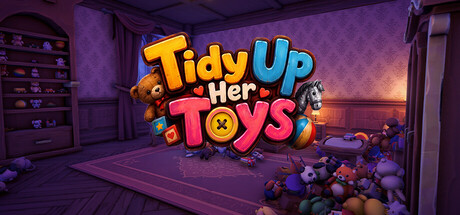
AI-assisted tools were used during the development of Tidy Up Her Toys as part of the creative and production workflow.
AI was utilized to assist with certain aspects of programming and development, music creation, and the production of selected graphical and visual elements. These tools were used to support the development process, experimentation, iteration, and creative production.
The overall game design, direction, implementation, integration, editing, and final creative decisions were handled by the developer. AI-generated and AI-assisted content was reviewed, adapted, and integrated into the game as part of the development process.
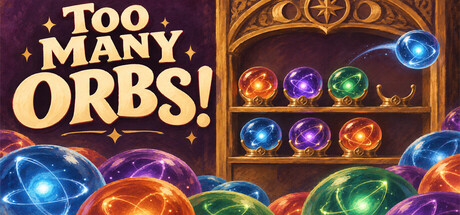
various visual assets and materials for Too Many Orbs! were created with the assistance of generative AI tools.
All AI-generated content was reviewed, refined, and integrated by the developer to ensure consistency with the game's artistic direction and quality standards.
Pre-generated game artwork, including character, background, card, and interface art, was created with generative AI and edited for the game. Generative AI was also used for Steam store and library artwork, the logo, and icons. Gameplay screenshots were captured directly from the game. No AI content is generated during gameplay.
Some visual assets were generated using an in-house image model under our artist’s art direction (trained on open-licensed and proprietary data). Some UI elements were also created or refined using AI-assisted UI tools. We review, select, and edit assets before integrating them into the game.
Some music was created using AI-assisted music tools under our creative direction. We review, select, and edit the outputs before integrating them into the game.
Some in-game visual assets were created with the assistance of generative AI. All AI-assisted content is pre-generated and included in the shipped game; no content is generated during gameplay.
Some 2D artwork and visual assets were created with the assistance of generative AI tools during development and were reviewed and edited by the developer. The game does not generate AI content during gameplay.
The game includes 2D illustrations created with generative AI during development, including characters, enemies and backgrounds. These images were then manually cleaned up, edited and integrated into the game. The game does not generate AI content during gameplay.
The game's pixel art (characters, enemies, bosses, environment tiles and props, effects, UI icons) was created with the help of the AI tool PixelLab and then selected, edited, animated and assembled by the developer. The key art, logo, app icon, music and sound effects were generated with Higgsfield and then edited and mixed by the developer. The trailer's opening and closing cinematic shots are AI-animated from the game's key art. All gameplay, code and design are the developer's own. The game does not generate any content with AI while it runs.
Generative AI tools were used during development to create visual references and assist with the creation of some 3D assets. AI-generated outputs used as source material were further edited, refined, or integrated by the developer before inclusion in the game. Generative AI may also be used to create or assist with some music, sound, and localization assets, with outputs reviewed and edited before inclusion. No generative AI is used at runtime.
Generative AI assisted development, including artwork, writing and translations. This includes in-game and Steam store content. The game does not generate new AI content during play.
Twisted Survivors was designed and made by Six. Some of its art (including the store artwork), music, voice-over and the opening cinematic were created with the help of AI tools, then curated and edited by Six; nothing is generated while you play.
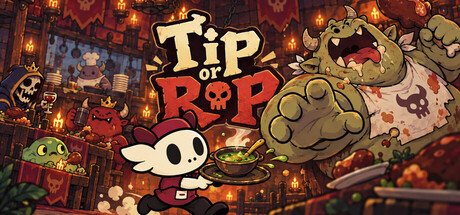
We combined hands-on development with AI tools to help speed up our workflow, including work on artwork, music, text, and translations. Our team designed and built the game, guided its creative direction, and edited and refined the visuals to match TIP or RIP’s cartoon style.
A handful of key art pieces, concept illustrations, and store-page graphics were generated with AI image-generation software to help communicate. This use of AI is limited strictly to marketing materials.
This game uses generative AI tools to assist in the creation of pre-rendered visual assets (concept art, textures, background illustrations, key visuals), sound effects, and background music. All AI-generated content is reviewed, edited, and curated by the developer before being included in the final build. No AI generation occurs during gameplay, and no external AI services are connected at runtime.
Some of this game's art assets and store page text were created with the help of generative AI tools. All AI-assisted material is pre-rendered and reviewed by the developer before release. No content is generated by AI while the game is running.
The illustrations in Dead Market — the 247 card images, the cutscene plates, the premises backdrops and the nine-slice chrome — were generated with image models during development, then selected, corrected, composed and integrated by hand against the game's own manifest. Everything that displays a live value is drawn procedurally in the engine rather than being an image. The spoken lines were synthesised from a written script, one voice per character, and edited into the game.
Nothing is generated while the game runs. There is no model in the build, no network code and no telemetry.
Generative AI tools were used during the creation of some visual materials for the game. These materials were subsequently manually edited, refined, and adapted to match the project’s visual style. The game does not generate AI content during gameplay.
Generative AI was used to assist in the creation of some pre-generated visual assets, including character models, props, environmental assets, and textures. All AI-assisted content was reviewed, edited, and integrated into the game by the developer. The game does not generate AI content during gameplay.
While AI tools were used to assist with the creation of select assets for our game's store page, all featured assets are fully original designs developed by our internal team.
I am a solo developer with ten years of experience, who started out as a 3D artist.
Every piece of 3D art in this game was made by me: the models, the UVs, the LODs. All of the game code and architecture was designed and programmed by me.
I used generative AI to assist me with some of the textures and the music.
This is a solo project with no funding and I wanted it to follow my vision so I needed any help I could get. If I ever could afford to hire people, that is what I am going to do! So we can deliver even better quality games!
We used an AI diffusion tool in Krita to help create the background for the small capsule shown in search results. Our artist then worked over it with several extra layers, a bit like matte painting. For now, it's a placeholder until our artist finishes the hand-painted version of the small capsule.
The logo and the other capsule images were already hand-painted by our artist. The in-game portraits were also drawn by another artist on our team.
We have a devlog on our website about how we made the capsule artwork and hero portraits, and we'll share the full process on the Steam Community soon too.
The playtest build also includes a few placeholder assets made with AI tools in Krita. Our new UI artist is working on a new UI, so we'll be replacing those placeholders soon. As mentioned above, the hero portraits are also hand-drawn by our artist.
Generative AI tools were used during development to create and refine visual artwork and music, and to assist with programming. All final content was directed, selected, edited and integrated by the developer. AI is not used at runtime and the game does not generate new content while you play.
Assistance with the development of:
- Custom procedural 2D animation rig.
- Reinforcement learning (RL) layer for player and NPC animations in hand-authored 2D environments.
- Base designs for sprites and backgrounds (further iterated by hand using digital editing software like photoshop)
No ai tools were used in any capacity for writing or story elements, voice acting, music, or anywhere else.
We use about 15 seconds of AI footage in our trailer. All assets in the game are human authored.
We also use a local, small and offline LLM (meaning: no data ever leaves your computer, and it does not cause significant performance drops) as a Director that controls: enemy spawn and frequency of challenges, essentially choosing when to press with difficulty and when to hold the challenge based on parameters such as player frustration, boredom and an emergence metric.
This mechanic does not generate any text, narrative or story: it is just a mechanic that controls game balance to ensure the best challenge. And you can turn it off on the settings menu, if you want.
AI generation was temporarily used for placeholder assets, sound effects, and code during early development. all of these will be replaced with custom work before the official launch. AI is not used at runtime.
An AI-assisted tool was used to create a preliminary translation pass that was reviewed and revised by human localization professionals.
AI was not and will not be used to generate in-game art, audio, narrative, or gameplay elements.
Uses voice cloning by Speechify.
Uses AI generated images uploaded by other users to Pixabay when there wasn't a better alternative available.
Most such images are for character portraits and similar placeholder assets of secondary importance.
There is no prompt or direct AI usage.
Some visual assets were partially created with the help of generative AI. It was used as a reference for a few alpha brushes, clothing patterns, and some card designs. No output was used as-is — everything was heavily modified and finished by hand. All other content in the game was created entirely by the developer.
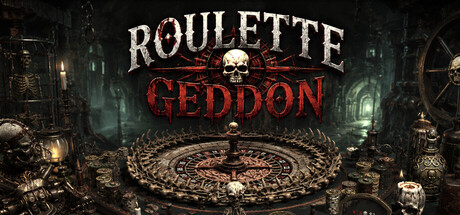
Some pre-generated visual assets used in Roulettegeddon, including portions of promotional artwork and certain in-game visual elements, were created or refined with the assistance of generative AI. The game's gameplay, mechanics, and player progression do not rely on AI-generated content during play.
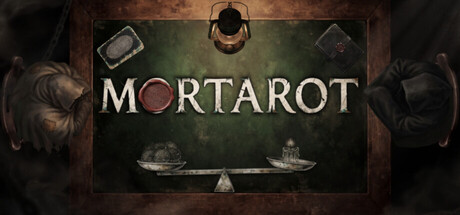
Some of MORTAROT's visual assets were created with the assistance of generative AI image tools and then edited, composited, and refined by hand by the artist. Some interface text and the English localization were drafted with AI assistance and reviewed by the team. AI coding assistants were also used during development. All AI-generated content has been reviewed to ensure that it does not contain infringing or illegal material.
Generative AI was used during development to assist in creating and refining some visual assets and development materials. All AI-assisted content included in the game and its marketing is reviewed, selected, and edited by the developer before publication. No AI-generated content is created during gameplay.
Generative AI tools were used extensively during the development of BLACKBELL, including for artwork, writing, audio, code, and production support. All AI-generated content included in the shipped game is pre-generated, selected, edited, and integrated by the developer. The developer is responsible for the game's creative direction, design, curation, quality control, and final implementation.
AI-assisted tools were used during the development of Tidy Up Her Toys as part of the creative and production workflow.
AI was utilized to assist with certain aspects of programming and development, music creation, and the production of selected graphical and visual elements. These tools were used to support the development process, experimentation, iteration, and creative production.
The overall game design, direction, implementation, integration, editing, and final creative decisions were handled by the developer. AI-generated and AI-assisted content was reviewed, adapted, and integrated into the game as part of the development process.
various visual assets and materials for Too Many Orbs! were created with the assistance of generative AI tools.
All AI-generated content was reviewed, refined, and integrated by the developer to ensure consistency with the game's artistic direction and quality standards.
Pre-generated game artwork, including character, background, card, and interface art, was created with generative AI and edited for the game. Generative AI was also used for Steam store and library artwork, the logo, and icons. Gameplay screenshots were captured directly from the game. No AI content is generated during gameplay.
Some visual assets were generated using an in-house image model under our artist’s art direction (trained on open-licensed and proprietary data). Some UI elements were also created or refined using AI-assisted UI tools. We review, select, and edit assets before integrating them into the game.
Some music was created using AI-assisted music tools under our creative direction. We review, select, and edit the outputs before integrating them into the game.
Some in-game visual assets were created with the assistance of generative AI. All AI-assisted content is pre-generated and included in the shipped game; no content is generated during gameplay.
Some 2D artwork and visual assets were created with the assistance of generative AI tools during development and were reviewed and edited by the developer. The game does not generate AI content during gameplay.
The game includes 2D illustrations created with generative AI during development, including characters, enemies and backgrounds. These images were then manually cleaned up, edited and integrated into the game. The game does not generate AI content during gameplay.
The game's pixel art (characters, enemies, bosses, environment tiles and props, effects, UI icons) was created with the help of the AI tool PixelLab and then selected, edited, animated and assembled by the developer. The key art, logo, app icon, music and sound effects were generated with Higgsfield and then edited and mixed by the developer. The trailer's opening and closing cinematic shots are AI-animated from the game's key art. All gameplay, code and design are the developer's own. The game does not generate any content with AI while it runs.
Generative AI tools were used during development to create visual references and assist with the creation of some 3D assets. AI-generated outputs used as source material were further edited, refined, or integrated by the developer before inclusion in the game. Generative AI may also be used to create or assist with some music, sound, and localization assets, with outputs reviewed and edited before inclusion. No generative AI is used at runtime.
Generative AI assisted development, including artwork, writing and translations. This includes in-game and Steam store content. The game does not generate new AI content during play.
Twisted Survivors was designed and made by Six. Some of its art (including the store artwork), music, voice-over and the opening cinematic were created with the help of AI tools, then curated and edited by Six; nothing is generated while you play.
We combined hands-on development with AI tools to help speed up our workflow, including work on artwork, music, text, and translations. Our team designed and built the game, guided its creative direction, and edited and refined the visuals to match TIP or RIP’s cartoon style.
A handful of key art pieces, concept illustrations, and store-page graphics were generated with AI image-generation software to help communicate. This use of AI is limited strictly to marketing materials.
This game uses generative AI tools to assist in the creation of pre-rendered visual assets (concept art, textures, background illustrations, key visuals), sound effects, and background music. All AI-generated content is reviewed, edited, and curated by the developer before being included in the final build. No AI generation occurs during gameplay, and no external AI services are connected at runtime.
Some of this game's art assets and store page text were created with the help of generative AI tools. All AI-assisted material is pre-rendered and reviewed by the developer before release. No content is generated by AI while the game is running.
The illustrations in Dead Market — the 247 card images, the cutscene plates, the premises backdrops and the nine-slice chrome — were generated with image models during development, then selected, corrected, composed and integrated by hand against the game's own manifest. Everything that displays a live value is drawn procedurally in the engine rather than being an image. The spoken lines were synthesised from a written script, one voice per character, and edited into the game.
Nothing is generated while the game runs. There is no model in the build, no network code and no telemetry.
Generative AI tools were used during the creation of some visual materials for the game. These materials were subsequently manually edited, refined, and adapted to match the project’s visual style. The game does not generate AI content during gameplay.
Generative AI was used to assist in the creation of some pre-generated visual assets, including character models, props, environmental assets, and textures. All AI-assisted content was reviewed, edited, and integrated into the game by the developer. The game does not generate AI content during gameplay.
While AI tools were used to assist with the creation of select assets for our game's store page, all featured assets are fully original designs developed by our internal team.
I am a solo developer with ten years of experience, who started out as a 3D artist.
Every piece of 3D art in this game was made by me: the models, the UVs, the LODs. All of the game code and architecture was designed and programmed by me.
I used generative AI to assist me with some of the textures and the music.
This is a solo project with no funding and I wanted it to follow my vision so I needed any help I could get. If I ever could afford to hire people, that is what I am going to do! So we can deliver even better quality games!
We used an AI diffusion tool in Krita to help create the background for the small capsule shown in search results. Our artist then worked over it with several extra layers, a bit like matte painting. For now, it's a placeholder until our artist finishes the hand-painted version of the small capsule.
The logo and the other capsule images were already hand-painted by our artist. The in-game portraits were also drawn by another artist on our team.
We have a devlog on our website about how we made the capsule artwork and hero portraits, and we'll share the full process on the Steam Community soon too.
The playtest build also includes a few placeholder assets made with AI tools in Krita. Our new UI artist is working on a new UI, so we'll be replacing those placeholders soon. As mentioned above, the hero portraits are also hand-drawn by our artist.
Generative AI tools were used during development to create and refine visual artwork and music, and to assist with programming. All final content was directed, selected, edited and integrated by the developer. AI is not used at runtime and the game does not generate new content while you play.
Assistance with the development of:
- Custom procedural 2D animation rig.
- Reinforcement learning (RL) layer for player and NPC animations in hand-authored 2D environments.
- Base designs for sprites and backgrounds (further iterated by hand using digital editing software like photoshop)
No ai tools were used in any capacity for writing or story elements, voice acting, music, or anywhere else.
We use about 15 seconds of AI footage in our trailer. All assets in the game are human authored.
We also use a local, small and offline LLM (meaning: no data ever leaves your computer, and it does not cause significant performance drops) as a Director that controls: enemy spawn and frequency of challenges, essentially choosing when to press with difficulty and when to hold the challenge based on parameters such as player frustration, boredom and an emergence metric.
This mechanic does not generate any text, narrative or story: it is just a mechanic that controls game balance to ensure the best challenge. And you can turn it off on the settings menu, if you want.
AI generation was temporarily used for placeholder assets, sound effects, and code during early development. all of these will be replaced with custom work before the official launch. AI is not used at runtime.
An AI-assisted tool was used to create a preliminary translation pass that was reviewed and revised by human localization professionals.
AI was not and will not be used to generate in-game art, audio, narrative, or gameplay elements.
Uses voice cloning by Speechify.
Uses AI generated images uploaded by other users to Pixabay when there wasn't a better alternative available.
Most such images are for character portraits and similar placeholder assets of secondary importance.
There is no prompt or direct AI usage.
Some visual assets were partially created with the help of generative AI. It was used as a reference for a few alpha brushes, clothing patterns, and some card designs. No output was used as-is — everything was heavily modified and finished by hand. All other content in the game was created entirely by the developer.
Some pre-generated visual assets used in Roulettegeddon, including portions of promotional artwork and certain in-game visual elements, were created or refined with the assistance of generative AI. The game's gameplay, mechanics, and player progression do not rely on AI-generated content during play.
Some of MORTAROT's visual assets were created with the assistance of generative AI image tools and then edited, composited, and refined by hand by the artist. Some interface text and the English localization were drafted with AI assistance and reviewed by the team. AI coding assistants were also used during development. All AI-generated content has been reviewed to ensure that it does not contain infringing or illegal material.
Generative AI was used during development to assist in creating and refining some visual assets and development materials. All AI-assisted content included in the game and its marketing is reviewed, selected, and edited by the developer before publication. No AI-generated content is created during gameplay.