Public Steam disclosure research25,376 disclosures tracked
Where do games disclose AI use?
Search developers’ Steam disclosures, compare classified AI use across
games, and follow recorded changes.
This index adds cross-game classifications and statistics to
statements published on individual store pages.
Groups reflect automatic analysis of public disclosures; mature records are excluded. These counts do not measure AI use across all of Steam.
Missing or unclear statements cannot establish whether a game uses AI.
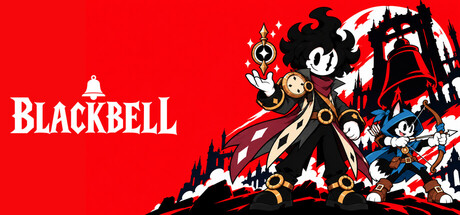
Generative AI tools were used extensively during the development of BLACKBELL, including for artwork, writing, audio, code, and production support. All AI-generated content included in the shipped game is pre-generated, selected, edited, and integrated by the developer. The developer is responsible for the game's creative direction, design, curation, quality control, and final implementation.
Stick Life: Medieval is designed and directed by a solo developer. Some of the game's code, its in-game writing, the artwork the game draws and parts of this store page were made with the help of generative AI tools, and some of its music was made with Suno, an AI music tool. All of it was played, reviewed and edited by the developer. Nothing is generated by AI while you play.
The intro cinematic and the artwork taken from it (used on this store page) were generated with AI video tools from the game's own 3D models, as were some illustrations and icons of the interface. The soundtrack was composed with an AI music tool, and the translations were made with AI assistance. No AI generates content while you play.
This game uses generative AI in the creation of some visual elements, including character illustrations and backgrounds; all results were reviewed and retouched by hand. Voice audio is based on dubbing and recordings by real people, which were then converted or refined using generative AI.
We use generative AI tools as part of STAROPHAGE’s content creation workflow. The final content is selected, refined, and integrated under our development team’s creative direction.
Signarchy was developed with the help of an AI coding assistant (Anthropic's Claude). It was used to write program code and to draft in-game text such as level descriptions, tutorial lines and translations. All of it was directed, reviewed, tested and edited by the developer.
The game itself contains no generative AI. Nothing is generated while you play: the traffic simulation is deterministic and runs entirely on your computer, without any connection to AI services. The 3D models are built procedurally from our own scripts, and road sign artwork follows official national standards.
Some character and equipment models were generated with an AI 3D tool and then rigged, recoloured and edited by hand. The icons were designed with AI tools and drawn in code, and the game's text was written with AI assistance and edited by the developer. Environments use asset packs made by people, sound effects come from a sound pack recorded by people, and the music is synthesised by the game's own code. No AI generates anything while you play.
Generative AI tools were used during development to create certain content included with the game:
Visual Art: Store/capsule art, character portraits, icons, UI illustrations, map visuals, and textures.
Audio: Narrator voiceovers generated using text-to-speech (TTS) tools, and select ambient sounds.
Music: A portion of the in-game music was generated using AI music tools.
Some visual assets were created with the assistance of generative AI during development, while others were created manually. AI-assisted assets were reviewed and adjusted by the developer. The game does not generate AI content during gameplay.
Generative AI tools were used during development to create some artwork, background music, and monster vocal effects. AI tools also assisted with the writing and translation of store-page text. These materials were prepared in advance. The game does not generate AI content or connect to third-party AI services during gameplay.
Some images in the game were generated using AI tools and then refined by the game's developer. All the music in the game was written by the game's developer, but the mastering was done using AI tools. The 3D character models (all except the zombie mutants) were initially generated via AI and later refined and adapted by the game's developer.
The in-game pixel art (fields, characters, vehicles, backgrounds, etc.), sound effects, and skill icons in this title were rendered and composited using a program created by AI under the developer’s direction, and were then reviewed and adjusted by the developer. The AI does not generate any content while the game is being played.
Pre-generated AI was used to create some promotional artwork for the Steam store page. All such assets are reviewed and selected by the developer before publication. The game does not use live-generated AI content during gameplay.
Pre-generated content: generative AI tools were used during development to help create some of the game's 3D models, concept art and illustrations, music, voice lines and sound effects, as well as part of the store artwork and trailer footage. All of this content was selected, edited, integrated and adjusted by hand by the developer. The game's design, writing, story, code and balance are human-made. No content is generated by AI while the game is running.
The key art, story illustrations, kingdom portraits, music, opening film, menu video and its narration were produced with generative AI tools (Ideogram, Lyria, Seedance, Kling and ElevenLabs, through Artlist) and then selected, edited and assembled by the developer. The 3D map, units and buildings are procedural low-poly models built in code, and the sound effects are synthesised in the game. The game was written with the help of an AI coding assistant. No content is generated while the game is running; everything is pre-generated and shipped in the build. No real people's likenesses or voices are used.
AI tools were used during development to create music, selected sound effects and promotional artwork, and to assist with written content and translations. Content is prepared in advance; no AI content is generated during gameplay.
Some of the game's content was created with the help of generative AI tools and then reviewed, edited and integrated by the developer: parts of the 3D unit and vehicle models and their textures, the key art and store artwork, backgrounds, voice lines and music.
Generative AI-assisted tools were used during development to support programming, localization and store-page text, and the creation or refinement of some visual game assets. All AI-assisted output was reviewed, edited, tested and integrated by the developer. No content is generated by AI during gameplay, and the game does not connect to external AI services.
Generative AI tools were used during development to assist with some artwork, text and localization, and English announcer voice clips created using text-to-speech. This content is prepared in advance and used as fixed assets in the game or on its Steam store page. No AI-generated content is created during gameplay.
This game was created with extensive AI assistance. AI-generated and AI-assisted content is used in the game, store artwork, descriptions and trailer. This includes graphics and artwork, text, and contributions to programming, music and trailer production. The trailer and screenshots show actual footage captured from the game. No generative AI content is created during gameplay, and the game does not connect to external AI services while being played.
The game itself contains no AI-generated assets. Generative AI was used only for some promotional artwork on the store page such as posters. This artwork was edited by the development team.
Realm utilizes generative artificial intelligence for various assets, including artwork, and audio. Additionally, the in-game map creator suite features an integrated AI assistant to help creators realize their vision.
Generative AI was used as part of the creative process to assist in the creation of some artwork and visual assets used in the game and its marketing materials.
Desert Springs uses AI-assisted tools in parts of its development: some UI icons and Images were made with AI image generation. All of it was reviewed and edited by the developer. 2D art, level design, game design and codes are human made. No content is generated by AI while the game runs.
During development we used generative AI tools to create content that ships with the game: character, creature and environment art and animation frames (generated, then edited and assembled by the team), the hunters' short voice lines, the music, some sound effects, and drafts of in-game and store text. All AI-generated content was reviewed, edited and integrated by the developers. The game does not generate any content with AI while it is running.
Some visual assets, including map backgrounds, concept art, and hero and creature models, were created with the help of AI image and 3D generation tools. The developer then edited, rigged, animated and integrated them by hand. Some text, including translations into the supported languages and store copy, was drafted with AI assistance and reviewed by the developer. The voice-over in the trailer was generated with an AI voice tool.
The game does not generate any content with AI during gameplay.
Generative AI tools were used during development to assist with the creation and refinement of selected visual assets, artwork, and localization. AI-generated material is reviewed and adjusted before inclusion in the game.
Generative AI was used to help create some images on the Steam store page and some visual assets and objects in the game. AI tools also assisted with debugging during development. The game does not generate AI content during play.
The game's sprites, characters and building artwork were created with generative AI image tools, and the background music tracks were created with generative AI audio tools. All assets were selected and integrated into the game by the developer. Gameplay, design and sound effects were made without generative AI. The game does not generate any AI content during play and does not connect to any AI services.
The store page description was drafted with help from an AI writing assistant and reviewed by the developer. The game includes AI-generated voice audio made with Kokoro TTS from developer-written scripts, including waiting-room broadcasts, public-address announcements, and story voices. The game does not generate new content with AI during play; staff and patient behavior uses authored, rule-based simulation systems. No game art or text is AI-generated.
Pre-generated AI tools assisted with development, including code, interface copy and localization, in-game comic illustrations, and promotional key art, logo, and icon drafts. The developer reviewed and edited all AI-assisted output before inclusion. The game does not generate AI content while running.
Generative AI was used to create selected promotional artwork for the Steam store page and to assist with the localization of store text. All generated content was reviewed and edited by the developer. No generative AI is used during gameplay, and the game does not connect to external AI services.
Some artwork used on this store page and in marketing materials (key art and capsule images), and some in-game 2D art such as item icons, was created with the help of generative AI tools and then selected, edited and composited by the developer. The game does not generate any AI content during gameplay and does not connect to any AI service.
Asharven's code, in-game text, logo and store text were created with the help of AI tools and reviewed by the developer. 3D models, animations, textures, icons, effects and music are licensed assets made by people. The game does not generate content with AI while it is running.
All character and monster art is hand-drawn pixel art (MiniKyara by Atelier Pixerelia), not AI-generated. AI helped with the text, translations and sound. Nothing is generated by AI while you play.
Some sprite artwork was created with generative AI tools during development. SPLIT-S does not generate AI content during gameplay or connect to external AI services.
Pre-Generated AI Content:
During development, generative AI tools were used to create certain 3D character assets. These assets were subsequently integrated and adapted by the development team for use in the game.
Generative AI tools were used extensively during the development of BLACKBELL, including for artwork, writing, audio, code, and production support. All AI-generated content included in the shipped game is pre-generated, selected, edited, and integrated by the developer. The developer is responsible for the game's creative direction, design, curation, quality control, and final implementation.
Stick Life: Medieval is designed and directed by a solo developer. Some of the game's code, its in-game writing, the artwork the game draws and parts of this store page were made with the help of generative AI tools, and some of its music was made with Suno, an AI music tool. All of it was played, reviewed and edited by the developer. Nothing is generated by AI while you play.
The intro cinematic and the artwork taken from it (used on this store page) were generated with AI video tools from the game's own 3D models, as were some illustrations and icons of the interface. The soundtrack was composed with an AI music tool, and the translations were made with AI assistance. No AI generates content while you play.
This game uses generative AI in the creation of some visual elements, including character illustrations and backgrounds; all results were reviewed and retouched by hand. Voice audio is based on dubbing and recordings by real people, which were then converted or refined using generative AI.
We use generative AI tools as part of STAROPHAGE’s content creation workflow. The final content is selected, refined, and integrated under our development team’s creative direction.
Signarchy was developed with the help of an AI coding assistant (Anthropic's Claude). It was used to write program code and to draft in-game text such as level descriptions, tutorial lines and translations. All of it was directed, reviewed, tested and edited by the developer.
The game itself contains no generative AI. Nothing is generated while you play: the traffic simulation is deterministic and runs entirely on your computer, without any connection to AI services. The 3D models are built procedurally from our own scripts, and road sign artwork follows official national standards.
Some character and equipment models were generated with an AI 3D tool and then rigged, recoloured and edited by hand. The icons were designed with AI tools and drawn in code, and the game's text was written with AI assistance and edited by the developer. Environments use asset packs made by people, sound effects come from a sound pack recorded by people, and the music is synthesised by the game's own code. No AI generates anything while you play.
Generative AI tools were used during development to create certain content included with the game:
Visual Art: Store/capsule art, character portraits, icons, UI illustrations, map visuals, and textures.
Audio: Narrator voiceovers generated using text-to-speech (TTS) tools, and select ambient sounds.
Music: A portion of the in-game music was generated using AI music tools.
Some visual assets were created with the assistance of generative AI during development, while others were created manually. AI-assisted assets were reviewed and adjusted by the developer. The game does not generate AI content during gameplay.
Generative AI tools were used during development to create some artwork, background music, and monster vocal effects. AI tools also assisted with the writing and translation of store-page text. These materials were prepared in advance. The game does not generate AI content or connect to third-party AI services during gameplay.
Some images in the game were generated using AI tools and then refined by the game's developer. All the music in the game was written by the game's developer, but the mastering was done using AI tools. The 3D character models (all except the zombie mutants) were initially generated via AI and later refined and adapted by the game's developer.
The in-game pixel art (fields, characters, vehicles, backgrounds, etc.), sound effects, and skill icons in this title were rendered and composited using a program created by AI under the developer’s direction, and were then reviewed and adjusted by the developer. The AI does not generate any content while the game is being played.
Pre-generated AI was used to create some promotional artwork for the Steam store page. All such assets are reviewed and selected by the developer before publication. The game does not use live-generated AI content during gameplay.
Pre-generated content: generative AI tools were used during development to help create some of the game's 3D models, concept art and illustrations, music, voice lines and sound effects, as well as part of the store artwork and trailer footage. All of this content was selected, edited, integrated and adjusted by hand by the developer. The game's design, writing, story, code and balance are human-made. No content is generated by AI while the game is running.
The key art, story illustrations, kingdom portraits, music, opening film, menu video and its narration were produced with generative AI tools (Ideogram, Lyria, Seedance, Kling and ElevenLabs, through Artlist) and then selected, edited and assembled by the developer. The 3D map, units and buildings are procedural low-poly models built in code, and the sound effects are synthesised in the game. The game was written with the help of an AI coding assistant. No content is generated while the game is running; everything is pre-generated and shipped in the build. No real people's likenesses or voices are used.
AI tools were used during development to create music, selected sound effects and promotional artwork, and to assist with written content and translations. Content is prepared in advance; no AI content is generated during gameplay.
Some of the game's content was created with the help of generative AI tools and then reviewed, edited and integrated by the developer: parts of the 3D unit and vehicle models and their textures, the key art and store artwork, backgrounds, voice lines and music.
Generative AI-assisted tools were used during development to support programming, localization and store-page text, and the creation or refinement of some visual game assets. All AI-assisted output was reviewed, edited, tested and integrated by the developer. No content is generated by AI during gameplay, and the game does not connect to external AI services.
Generative AI tools were used during development to assist with some artwork, text and localization, and English announcer voice clips created using text-to-speech. This content is prepared in advance and used as fixed assets in the game or on its Steam store page. No AI-generated content is created during gameplay.
This game was created with extensive AI assistance. AI-generated and AI-assisted content is used in the game, store artwork, descriptions and trailer. This includes graphics and artwork, text, and contributions to programming, music and trailer production. The trailer and screenshots show actual footage captured from the game. No generative AI content is created during gameplay, and the game does not connect to external AI services while being played.
The game itself contains no AI-generated assets. Generative AI was used only for some promotional artwork on the store page such as posters. This artwork was edited by the development team.
Realm utilizes generative artificial intelligence for various assets, including artwork, and audio. Additionally, the in-game map creator suite features an integrated AI assistant to help creators realize their vision.
Generative AI was used as part of the creative process to assist in the creation of some artwork and visual assets used in the game and its marketing materials.
Desert Springs uses AI-assisted tools in parts of its development: some UI icons and Images were made with AI image generation. All of it was reviewed and edited by the developer. 2D art, level design, game design and codes are human made. No content is generated by AI while the game runs.
During development we used generative AI tools to create content that ships with the game: character, creature and environment art and animation frames (generated, then edited and assembled by the team), the hunters' short voice lines, the music, some sound effects, and drafts of in-game and store text. All AI-generated content was reviewed, edited and integrated by the developers. The game does not generate any content with AI while it is running.
Some visual assets, including map backgrounds, concept art, and hero and creature models, were created with the help of AI image and 3D generation tools. The developer then edited, rigged, animated and integrated them by hand. Some text, including translations into the supported languages and store copy, was drafted with AI assistance and reviewed by the developer. The voice-over in the trailer was generated with an AI voice tool.
The game does not generate any content with AI during gameplay.
Generative AI tools were used during development to assist with the creation and refinement of selected visual assets, artwork, and localization. AI-generated material is reviewed and adjusted before inclusion in the game.
Generative AI was used to help create some images on the Steam store page and some visual assets and objects in the game. AI tools also assisted with debugging during development. The game does not generate AI content during play.
The game's sprites, characters and building artwork were created with generative AI image tools, and the background music tracks were created with generative AI audio tools. All assets were selected and integrated into the game by the developer. Gameplay, design and sound effects were made without generative AI. The game does not generate any AI content during play and does not connect to any AI services.
The store page description was drafted with help from an AI writing assistant and reviewed by the developer. The game includes AI-generated voice audio made with Kokoro TTS from developer-written scripts, including waiting-room broadcasts, public-address announcements, and story voices. The game does not generate new content with AI during play; staff and patient behavior uses authored, rule-based simulation systems. No game art or text is AI-generated.
Pre-generated AI tools assisted with development, including code, interface copy and localization, in-game comic illustrations, and promotional key art, logo, and icon drafts. The developer reviewed and edited all AI-assisted output before inclusion. The game does not generate AI content while running.
Generative AI was used to create selected promotional artwork for the Steam store page and to assist with the localization of store text. All generated content was reviewed and edited by the developer. No generative AI is used during gameplay, and the game does not connect to external AI services.
Some artwork used on this store page and in marketing materials (key art and capsule images), and some in-game 2D art such as item icons, was created with the help of generative AI tools and then selected, edited and composited by the developer. The game does not generate any AI content during gameplay and does not connect to any AI service.
Asharven's code, in-game text, logo and store text were created with the help of AI tools and reviewed by the developer. 3D models, animations, textures, icons, effects and music are licensed assets made by people. The game does not generate content with AI while it is running.
All character and monster art is hand-drawn pixel art (MiniKyara by Atelier Pixerelia), not AI-generated. AI helped with the text, translations and sound. Nothing is generated by AI while you play.
Some sprite artwork was created with generative AI tools during development. SPLIT-S does not generate AI content during gameplay or connect to external AI services.
Pre-Generated AI Content:
During development, generative AI tools were used to create certain 3D character assets. These assets were subsequently integrated and adapted by the development team for use in the game.