



Disclosure
AI-generated content is used for artwork, sound, and coding assistance.
- Creator
- MIKAGE STUDIO.
- Reviews
- -
- Added
- Oct 12, 2026
Public Steam disclosure research 25,376 disclosures tracked
Search developers’ Steam disclosures, compare classified AI use across games, and follow recorded changes. This index adds cross-game classifications and statistics to statements published on individual store pages.
Code help, debugging and other development work.
Capsule art, trailers and promotional material.
Pre-made art, audio, writing and other game assets.
Interactive or runtime AI features disclosed by the developer.
Groups reflect automatic analysis of public disclosures; mature records are excluded. These counts do not measure AI use across all of Steam. Missing or unclear statements cannot establish whether a game uses AI.
AI-generated content is used for artwork, sound, and coding assistance.
Some 2D artwork in the game, such as backgrounds, decoration items and illustrations, was made with the help of generative AI image tools and then edited and adjusted by the developer. Some in-game text translations were also produced with AI assistance. All sound and music are created by the game’s own code. No content is generated by AI while you play.
I use generative AI throughout the development of Brassleaf Tactics, including programming, game design, artwork and store-page content. The game includes AI-generated artwork. I set the creative direction, decide what goes into the game, and make the final design decisions, shaping the experience through playtesting, balancing and ongoing refinement. Generative AI is used during development only; no AI-generated content is created while you play.
The game's artwork, audio and other assets are not AI-generated. The game engine is written from scratch over the course of 8 months in C++ and Simple DirectMedia Layer 2; in which Codex assistance was used for programming. No content is generated by AI during gameplay. No AI service is used during gameplay. All AI actions in the game are classic decision tree based intelligence made.
Everything you see and hear in this game - the graphics, the sound effects, the music and the built-in tracks - is produced by our own hand-written generators: drawn and synthesised in code. No generative AI is involved in any of it, and nothing is generated by an AI while the game is running. The computer drivers race on ordinary, hand-written driving logic, not on an AI model. Generative AI was used during development, as an assistant for code and for text: in writing the program code and those generators, in the menu and interface text, in the names of the computer drivers, and in the translation between German and English. Every line of it was reviewed and reworked before it went into the game. The images and the video on this store page are captured from the running game.
The 3D character models and their textures in this game were created using a generative AI tool (Tripo AI), based on original images prepared by the developer. ChatGPT / DALL·E were also used to create UI icons, background art (sky and grass), and some textures. All generated results were reviewed and adjusted by the developer before being included in the game. The game does not generate any AI content at runtime.
No art, audio, levels, or other authored game content was created using generative AI. However, a small local AI model runs during gameplay to interpret the player's commands and control the character accordingly. Rest assured, it's dumb as a rock. It won't take over the world or your computer. It can barely take over the test subject.
AI was used to assist with text translation into Italian, Portuguese, Chinese, Japanese, Korean, Norwegian, Swedish and German. The translations are used in the store page and in-game. No other content in this game uses AI.
Realm utilizes generative artificial intelligence for various assets, including artwork, and audio. Additionally, the in-game map creator suite features an integrated AI assistant to help creators realize their vision.
Base matter does not use AI within the game itself. Some marketing materials and images on the store page have AI used as a general editing tool.
Generative AI tools were used during development to create selected visual assets and music. All generated content was reviewed, selected, edited where necessary, and integrated by the developer.
We use AI to help with community, bug fixes, and general content that will be replaced over time as we continue to develop.
Pre-generated AI was used to assist with some pre-rendered cutscene artwork, in-game art, music, and selected store/library promotional images. All AI-assisted content was reviewed and edited by the developer. The game does not generate AI content during play.
Store images are ai generated.
AI tools were used to assist with programming and generate a small number of textures and menu illustrations. These visual assets were adjusted by hand before being included in the game.
Many assets in the game were generated with AI including weapons, models, and textures. AI systems were also used to create tooling for development.
Pretty much all assets are AI generated. The game was designed and tested by a human.
Skate N Chill uses pre-generated AI artwork and instrumental music created with Suno. AI-generated artwork is also used in store and promotional materials. These assets are prepared before release; no AI content is generated during gameplay.
Generative AI tools were used during development to create part of what you see and hear: the portraits of the fictional players and their faces at different ages, background illustrations, the short ambient videos, the music, the commentator's recorded calls and the surnames he calls out —a synthetic voice that does not belong to any real person— and part of the art on this page. Everything was reviewed, trimmed and edited by hand before going in, and every commentator line was checked with speech recognition to make sure it says what it should. The sound effects are real public-domain recordings. The game does not generate anything with AI while you play.
Generative AI tools were used during development to assist with portions of programming and store-page text. All AI-assisted material was reviewed, edited, tested, and integrated by the developer. No generative AI is used during gameplay.
Generative AI tools were used during development to create and refine some pre-generated visual assets, music, sound effects, and promotional artwork. No text or narrative content was generated using AI. All AI-assisted materials were reviewed, edited, and integrated by the development team. The game does not use generative AI at runtime, and no player input or personal data is sent to any AI service.
Artificial intelligence was used to assist in development, primarily for the front end, and AI generated content is used in game for text and voices via local models ran on the player's system or external models provided by the player.
Generative AI was used to assist with localization. All generated content was reviewed and integrated by the developer.
Serv-Bot's Firewall uses AI tools in its art and media pipeline, always under human direction and review: Sprite art. The game's original hand-authored sprites were upscaled and repainted at native resolution with an image-editing model (Qwen-Image-Edit), then reviewed, corrected and in many cases restored to the originals by hand. Concept art for the six "arsenal" enemy types, the Serv-Bot HUD portraits and the achievement icon motifs were generated with local image models (Z-Image Turbo, Qwen-Image-Edit) from our own designs and reference art, then composited and finished in code. Canon elements such as the Greeb ship in the icons are the game's own sprite art, not generated. Cutscenes. The in-game story videos come from our SIGNAL series. Keyframes were generated with a local image model trained on our own characters, motion with a local video model (Wan 2.2), narration with a text-to-speech model (Kokoro) and music with local music models (ACE-Step, Stable Audio Open). Scripts, story, character designs, editing and direction are ours. Localization. Interface text in 28 languages was machine-translated with an AI model from our English source and has not yet been reviewed by native speakers. Code. Parts of the game's code were written with AI coding assistance, reviewed and tested by the developer. Sound effects are procedurally synthesised, not AI-generated. All AI generation ran on the developer's own hardware; no copyrighted third-party works were used as inputs beyond our own assets and characters.
Localisation was done through AI.
AI tools assisted with pre-rendered artwork, character illustrations, UI, achievement icons, narrative and marketing materials. No AI content is generated during gameplay.
Pre-generated AI was used to assist in creating the game's logo, some 2D UI elements (HUD icons), and the background music for the promotional teaser (using Soundraw). The game's code, 3D assets, core mechanics, and level design are developed without generative AI.
Some store page promotional images and capsule artwork were created with generative AI. All in-game assets, models and UI graphics are manually created by the development team. No AI-generated content will be produced during gameplay.
Generative AI was used in the editing of the main visual image and in the prototyping of some of the music tracks.
Generative AI tools were used to help create some pre-made sound effects and marketing materials, including store-page text and promotional artwork. These are fixed assets prepared during development. The game does not generate AI content during gameplay; its random holes and boundaries are created by procedural game code.
Generative artificial intelligence has been used to create store page thumbnails based on the developer's scene work.
I built my own Agentic AI harness, and then used it to build this game, including some assets & animations etc.. I'm not a developer, I'm a Functional/UX/Graphic Designer that finally found a tool that could help me build my dream games... There is no AI running in the game or generating anything live. I wouldn't consider the game "vibe coded", it has been months of obsessive iterations to ensure the functionality and user experience is of the highest level, which was 100% designed and directed by me, using Agentic AI to build to order. It's far from a "one-shot" prompt hope and prayer... and I think you'll be surprised when you see it.
This game does not generate any content with AI during play. During development, generative AI tools were used under human direction to help create some player-facing content: - Store and marketing artwork (capsule images and similar key art). Outputs were prompted, selected, cropped, and edited by the developer to match the game’s clay board look. - Some written text, including light in-game story dialogue and store-page copy. All text was reviewed and edited before shipping. The playable game itself is a hand-authored, turn-based puzzle: boards, rules, 3D presentation, and sound effects are implemented in code (Three.js meshes and materials; synthesized SFX). Puzzle layouts are designed and verified with a traditional search solver, not a generative model. No third-party likenesses, copyrighted characters, or illegal content are used. All AI-assisted output is reviewed before it appears on the store page or in the game.
BitWise was made by a single developer with AI assistance, under the developer's direction and review. It contains no AI-generated images or voices: the game draws all of its art and synthesizes all of its sound with its own code. Nothing is generated by AI while you play.
AI tools were used in the creation of some sounds and graphics.
Generative AI tools were used during development to help create some visual assets and localized text, including Steam store artwork and achievement icons. This content is prepared in advance and included as fixed assets and text. Crownspat does not use generative AI to create content during gameplay and does not connect to external AI services.
The game's code was written with AI assistance. All game design, gameplay decisions, difficulty tuning, and testing were done by hand by the developer. The game contains no AI-generated art, audio, or text content, and does not generate any content with AI at runtime.
Some of Voxitect's promotional artwork was created with the assistance of generative AI image tools. The game itself contains no generative AI: it generates nothing at runtime, sends nothing to any AI service, and requires no AI account or API key.
Generative AI was used for some in-game textures, localization, and translation.
KiosuneVN ships no generative AI: nothing it draws, composes or exports comes out of an AI model, it makes no calls to any AI service, and nothing you make is collected or sent anywhere. The developer used an AI assistant (Claude) to help write parts of the application's code and this store page's text; every character, sprite, cue and starter script the tools produce comes from hand-built, deterministic engines.
Generative AI was used to create portions of the Steam store capsule and library artwork and the achievement icon artwork. The final assets were reviewed, composed, cropped, and branded by the developer. The game itself does not generate AI content during gameplay.
Pre-generated content only. Store page artwork (capsules, hero image) was created with an image-generation model and then edited by hand. Some in-game art (level backgrounds, some character sprite sheets) was generated with AI tools and hand-edited. UI text for German, French, Spanish, Italian, Polish and Czech was machine-translated with an AI model from the human-written English source and is being reviewed by native speakers. No AI is used at runtime; players cannot generate content with AI in the game.
I've used AI for a lot of things in this project. The code, 3D models, textures, 3D animations, music and more. I know a lot of people don't anything to do with AI so I want to be up front. This is a small pet project, I'm able to create a lot more of my vision than I could without AI. I do not dismiss the reasons people have for rejecting AI.
Some of this game's content was created with generative AI and then reworked and adjusted by hand by the developer. This applies in particular to code, the 3D models and textures, and the music and sound effects. Animations, game rules, simulation, balance and the structure of the game come entirely from the developer.
Some visual assets and all story voice-over audio in this game were generated using AI tools, then curated and edited by the developer. Some store page and marketing assets were also AI-assisted.
This game uses some generative artificial intelligence images
Game covers are made with AI
Pre-generated images and music
Generative AI tools were used during development to assist with some visual assets and written content. All AI-assisted content was reviewed and edited.
This game uses generative artificial intelligence to create some of its visual assets. Specifically, the food images and the number graphics featured in the game were generated using AI tools.
| Title⇅ | Disclosure | Creator⇅ | Src | Reviews⇅ | Added↓ |
|---|---|---|---|---|---|
 SLASH//SYNC In-game content artaudiocode | AI-generated content is used for artwork, sound, and coding assistance. | MIKAGE STUDIO. | - | Oct 12, 2026 | |
 Pop! Jelly PangPang In-game content arttext | Some 2D artwork in the game, such as backgrounds, decoration items and illustrations, was made with the help of generative AI image tools and then edited and adjusted by the developer. Some in-game text translations were also produced with AI assistance. All sound and music are created by the game’s own code. No content is generated by AI while you play. | Jelly PangPang | - | Oct 12, 2026 | |
 Brassleaf Tactics In-game content arttextcode | I use generative AI throughout the development of Brassleaf Tactics, including programming, game design, artwork and store-page content. The game includes AI-generated artwork. I set the creative direction, decide what goes into the game, and make the final design decisions, shaping the experience through playtesting, balancing and ongoing refinement.
Generative AI is used during development only; no AI-generated content is created while you play. | Luke Lachlan Day | - | Oct 11, 2026 | |
 Fleets of Calder Dev only code | The game's artwork, audio and other assets are not AI-generated. The game engine is written from scratch over the course of 8 months in C++ and Simple DirectMedia Layer 2; in which Codex assistance was used for programming. No content is generated by AI during gameplay. No AI service is used during gameplay. All AI actions in the game are classic decision tree based intelligence made. | Strike Wings Games | - | Oct 10, 2026 | |
 Rennspiel In-game content artaudiotext | Everything you see and hear in this game - the graphics, the sound effects, the music and the built-in tracks - is produced by our own hand-written generators: drawn and synthesised in code. No generative AI is involved in any of it, and nothing is generated by an AI while the game is running. The computer drivers race on ordinary, hand-written driving logic, not on an AI model.
Generative AI was used during development, as an assistant for code and for text: in writing the program code and those generators, in the menu and interface text, in the names of the computer drivers, and in the translation between German and English. Every line of it was reviewed and reworked before it went into the game.
The images and the video on this store page are captured from the running game. | schikane | - | Oct 9, 2026 | |
 しろを塗る Castle Paint In-game content art | The 3D character models and their textures in this game were created using a generative AI tool (Tripo AI), based on original images prepared by the developer. ChatGPT / DALL·E were also used to create UI icons, background art (sky and grass), and some textures. All generated results were reviewed and adjusted by the developer before being included in the game. The game does not generate any AI content at runtime. | tatmos | - | Oct 9, 2026 | |
 AI Says code | No art, audio, levels, or other authored game content was created using generative AI.
However, a small local AI model runs during gameplay to interpret the player's commands and control the character accordingly. Rest assured, it's dumb as a rock. It won't take over the world or your computer. It can barely take over the test subject. | Duck Milk | - | Oct 9, 2026 | |
 Attkand In-game content text | AI was used to assist with text translation into Italian, Portuguese, Chinese, Japanese, Korean, Norwegian, Swedish and German. The translations are used in the store page and in-game.
No other content in this game uses AI. | Starhand Games | - | Oct 9, 2026 | |
 Realm Live AI artaudio | Realm utilizes generative artificial intelligence for various assets, including artwork, and audio. Additionally, the in-game map creator suite features an integrated AI assistant to help creators realize their vision. | Realm | - | Oct 7, 2026 | |
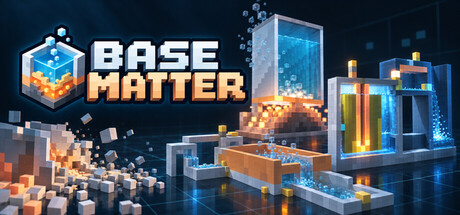 Base Matter Store/marketing art | Base matter does not use AI within the game itself.
Some marketing materials and images on the store page have AI used as a general editing tool. | Mistline Media | - | Oct 7, 2026 | |
 Curvix In-game content artaudio | Generative AI tools were used during development to create selected visual assets and music. All generated content was reviewed, selected, edited where necessary, and integrated by the developer. | NodPlay | - | Oct 7, 2026 | |
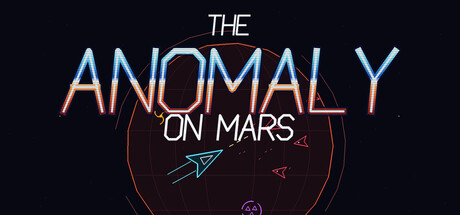 The Anomaly on Mars Unclear | We use AI to help with community, bug fixes, and general content that will be replaced over time as we continue to develop. | nith studio | - | Oct 7, 2026 | |
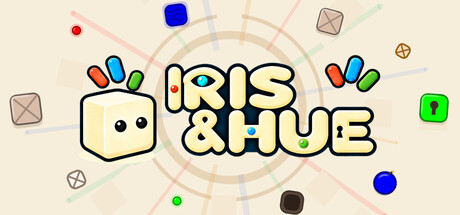 Iris & Hue In-game content artaudio | Pre-generated AI was used to assist with some pre-rendered cutscene artwork, in-game art, music, and selected store/library promotional images. All AI-assisted content was reviewed and edited by the developer. The game does not generate AI content during play. | PupilBox Games | - | Oct 7, 2026 | |
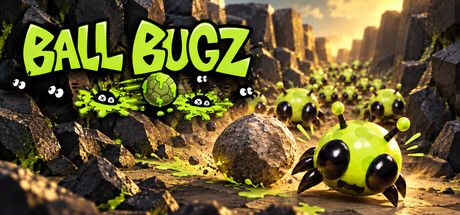 Ball Bugz Store/marketing art | Store images are ai generated. | Crush Bug Studios | - | Oct 5, 2026 | |
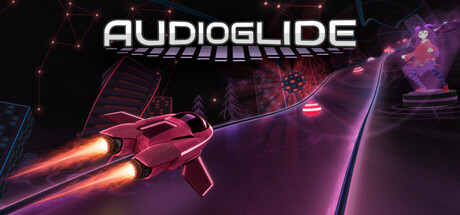 Audioglide In-game content artcode | AI tools were used to assist with programming and generate a small number of textures and menu illustrations. These visual assets were adjusted by hand before being included in the game. | Ospekki | - | Oct 5, 2026 | |
 Ray Ray Zombies In-game content art | Many assets in the game were generated with AI including weapons, models, and textures. AI systems were also used to create tooling for development. | Wow Cool Games | - | Oct 4, 2026 | |
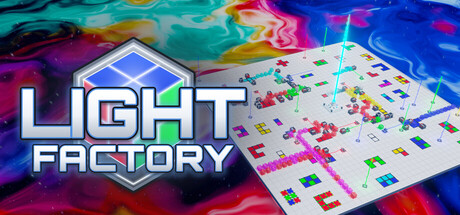 Light Factory In-game content artaudiocodetext | Pretty much all assets are AI generated. The game was designed and tested by a human. | Sean Reilly | - | Oct 3, 2026 | |
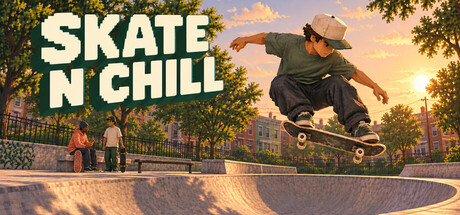 Skate N Chill In-game content artaudio | Skate N Chill uses pre-generated AI artwork and instrumental music created with Suno. AI-generated artwork is also used in store and promotional materials. These assets are prepared before release; no AI content is generated during gameplay. | Off Hours Studio | - | Oct 3, 2026 | |
 Pick & Roll Manager In-game content artaudiotext | Generative AI tools were used during development to create part of what you see and hear: the portraits of the fictional players and their faces at different ages, background illustrations, the short ambient videos, the music, the commentator's recorded calls and the surnames he calls out —a synthetic voice that does not belong to any real person— and part of the art on this page. Everything was reviewed, trimmed and edited by hand before going in, and every commentator line was checked with speech recognition to make sure it says what it should. The sound effects are real public-domain recordings. The game does not generate anything with AI while you play. | Maillard Retro Labs | - | Oct 1, 2026 | |
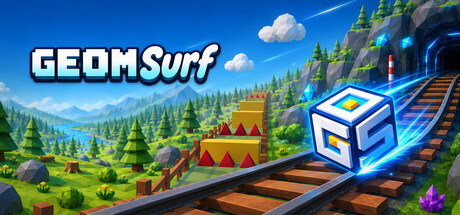 GeomSurf Store/marketing textcode | Generative AI tools were used during development to assist with portions of programming and store-page text. All AI-assisted material was reviewed, edited, tested, and integrated by the developer. No generative AI is used during gameplay. | Geometry Serf | - | Oct 1, 2026 | |
 Parallax In-game content artaudio | Generative AI tools were used during development to create and refine some pre-generated visual assets, music, sound effects, and promotional artwork. No text or narrative content was generated using AI. All AI-assisted materials were reviewed, edited, and integrated by the development team. The game does not use generative AI at runtime, and no player input or personal data is sent to any AI service. | NEUTWORK | - | Oct 1, 2026 | |
 relay Live AI textaudio | Artificial intelligence was used to assist in development, primarily for the front end, and AI generated content is used in game for text and voices via local models ran on the player's system or external models provided by the player. | soli_dstate | - | Sep 30, 2026 | |
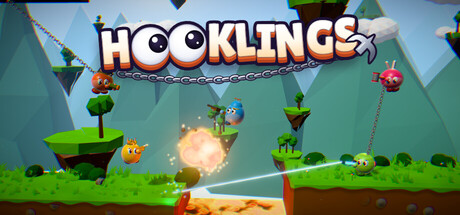 HOOKLINGS In-game content text | Generative AI was used to assist with localization. All generated content was reviewed and integrated by the developer. | GRUND | - | Sep 30, 2026 | |
 The Last Byte: Serv-Bots Firewall In-game content arttextaudiocode | Serv-Bot's Firewall uses AI tools in its art and media pipeline, always under human direction and review:
Sprite art. The game's original hand-authored sprites were upscaled and repainted at native resolution with an image-editing model (Qwen-Image-Edit), then reviewed, corrected and in many cases restored to the originals by hand. Concept art for the six "arsenal" enemy types, the Serv-Bot HUD portraits and the achievement icon motifs were generated with local image models (Z-Image Turbo, Qwen-Image-Edit) from our own designs and reference art, then composited and finished in code. Canon elements such as the Greeb ship in the icons are the game's own sprite art, not generated.
Cutscenes. The in-game story videos come from our SIGNAL series. Keyframes were generated with a local image model trained on our own characters, motion with a local video model (Wan 2.2), narration with a text-to-speech model (Kokoro) and music with local music models (ACE-Step, Stable Audio Open). Scripts, story, character designs, editing and direction are ours.
Localization. Interface text in 28 languages was machine-translated with an AI model from our English source and has not yet been reviewed by native speakers.
Code. Parts of the game's code were written with AI coding assistance, reviewed and tested by the developer.
Sound effects are procedurally synthesised, not AI-generated. All AI generation ran on the developer's own hardware; no copyrighted third-party works were used as inputs beyond our own assets and characters. | Lerk Interactive Studio | - | Sep 30, 2026 | |
 Hurl In-game content text | Localisation was done through AI. | Kiss A Fish | - | Sep 28, 2026 | |
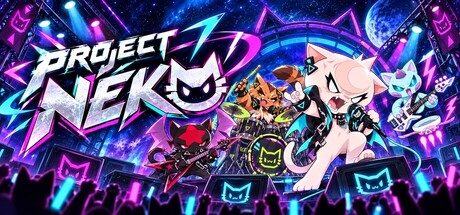 Project Neko In-game content arttext | AI tools assisted with pre-rendered artwork, character illustrations, UI, achievement icons, narrative and marketing materials. No AI content is generated during gameplay. | Nuclear Kitty Games | - | Sep 27, 2026 | |
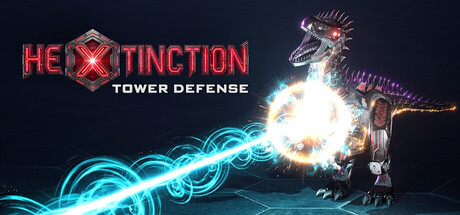 Hextinction: Tower Defense In-game content artaudio | Pre-generated AI was used to assist in creating the game's logo, some 2D UI elements (HUD icons), and the background music for the promotional teaser (using Soundraw). The game's code, 3D assets, core mechanics, and level design are developed without generative AI. | A2L Games | - | Sep 26, 2026 | |
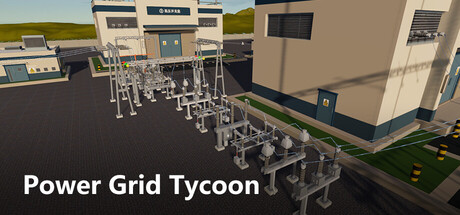 电网大亨 Store/marketing art | Some store page promotional images and capsule artwork were created with generative AI. All in-game assets, models and UI graphics are manually created by the development team. No AI-generated content will be produced during gameplay. | ITCG | - | Sep 25, 2026 | |
 A-Train 9 PRIME LINE In-game content artaudio | Generative AI was used in the editing of the main visual image and in the prototyping of some of the music tracks. | ARTDINK | - | Sep 25, 2026 | |
 Wormhole-in-One In-game content audioarttext | Generative AI tools were used to help create some pre-made sound effects and marketing materials, including store-page text and promotional artwork. These are fixed assets prepared during development. The game does not generate AI content during gameplay; its random holes and boundaries are created by procedural game code. | Keep Making Games | - | Sep 25, 2026 | |
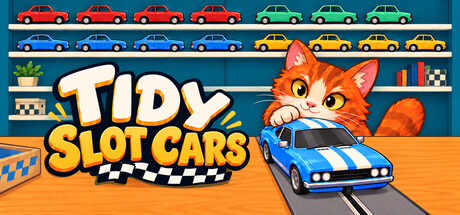 Tidy Slot Cars Store/marketing art | Generative artificial intelligence has been used to create store page thumbnails based on the developer's scene work. | GTGD | - | Sep 24, 2026 | |
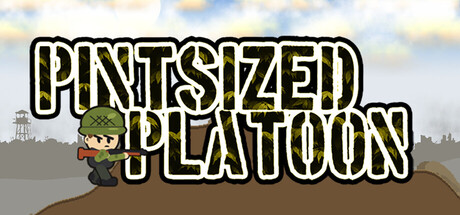 Pintsized Platoon In-game content art | I built my own Agentic AI harness, and then used it to build this game, including some assets & animations etc.. I'm not a developer, I'm a Functional/UX/Graphic Designer that finally found a tool that could help me build my dream games... There is no AI running in the game or generating anything live. I wouldn't consider the game "vibe coded", it has been months of obsessive iterations to ensure the functionality and user experience is of the highest level, which was 100% designed and directed by me, using Agentic AI to build to order. It's far from a "one-shot" prompt hope and prayer... and I think you'll be surprised when you see it. | Unhinged Interactive | - | Sep 24, 2026 | |
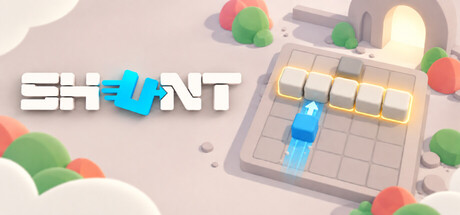 Shunt In-game content arttext | This game does not generate any content with AI during play.
During development, generative AI tools were used under human direction to help create some player-facing content:
- Store and marketing artwork (capsule images and similar key art). Outputs were prompted, selected, cropped, and edited by the developer to match the game’s clay board look.
- Some written text, including light in-game story dialogue and store-page copy. All text was reviewed and edited before shipping.
The playable game itself is a hand-authored, turn-based puzzle: boards, rules, 3D presentation, and sound effects are implemented in code (Three.js meshes and materials; synthesized SFX). Puzzle layouts are designed and verified with a traditional search solver, not a generative model.
No third-party likenesses, copyrighted characters, or illegal content are used. All AI-assisted output is reviewed before it appears on the store page or in the game. | Rudrac Games | - | Sep 24, 2026 | |
 BitWise code | BitWise was made by a single developer with AI assistance, under the developer's direction and review. It contains no AI-generated images or voices: the game draws all of its art and synthesizes all of its sound with its own code. Nothing is generated by AI while you play. | Faint Current | - | Sep 24, 2026 | |
 There Is Eternal War In-game content artaudio | AI tools were used in the creation of some sounds and graphics. | Purri Cat Studio | - | Sep 24, 2026 | |
 Crownspat In-game content arttext | Generative AI tools were used during development to help create some visual assets and localized text, including Steam store artwork and achievement icons. This content is prepared in advance and included as fixed assets and text. Crownspat does not use generative AI to create content during gameplay and does not connect to external AI services. | Gambit Forge | - | Sep 24, 2026 | |
 Fitz's Aim Trainer Dev only code | The game's code was written with AI assistance. All game design, gameplay decisions, difficulty tuning, and testing were done by hand by the developer. The game contains no AI-generated art, audio, or text content, and does not generate any content with AI at runtime. | Fitz | - | Sep 22, 2026 | |
 Voxitect Store/marketing art | Some of Voxitect's promotional artwork was created with the assistance of generative AI image tools. The game itself contains no generative AI: it generates nothing at runtime, sends nothing to any AI service, and requires no AI account or API key. | Voxitect | - | Sep 22, 2026 | |
 Alchemist's Books: Sorting the Old Alchemist's Storage In-game content arttext | Generative AI was used for some in-game textures, localization, and translation. | ZeroSeven | - | Sep 21, 2026 | |
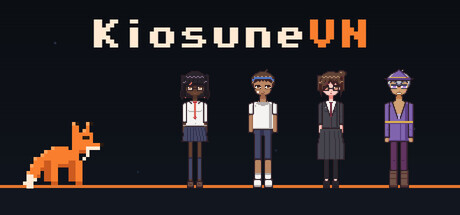 KiosuneVN Dev only codetext | KiosuneVN ships no generative AI: nothing it draws, composes or exports comes out of an AI model, it makes no calls to any AI service, and nothing you make is collected or sent anywhere. The developer used an AI assistant (Claude) to help write parts of the application's code and this store page's text; every character, sprite, cue and starter script the tools produce comes from hand-built, deterministic engines. | MelloStudios | - | Sep 19, 2026 | |
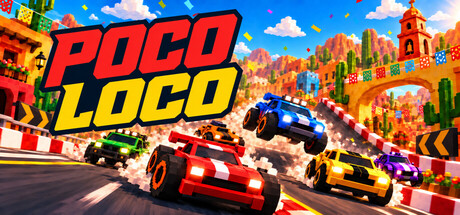 Poco Loco In-game content art | Generative AI was used to create portions of the Steam store capsule and library artwork and the achievement icon artwork. The final assets were reviewed, composed, cropped, and branded by the developer. The game itself does not generate AI content during gameplay. | MindZone | - | Sep 19, 2026 | |
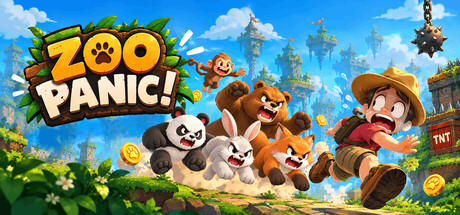 ZOO PANIC In-game content arttext | Pre-generated content only. Store page artwork (capsules, hero image) was created with an image-generation model and then edited by hand. Some in-game art (level backgrounds, some character sprite sheets) was generated with AI tools and hand-edited. UI text for German, French, Spanish, Italian, Polish and Czech was machine-translated with an AI model from the human-written English source and is being reviewed by native speakers. No AI is used at runtime; players cannot generate content with AI in the game. | SGC-gamedev | - | Sep 19, 2026 | |
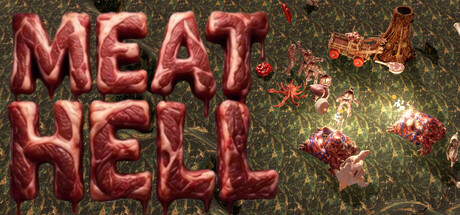 Meat Hell In-game content artaudiocode | I've used AI for a lot of things in this project. The code, 3D models, textures, 3D animations, music and more. I know a lot of people don't anything to do with AI so I want to be up front. This is a small pet project, I'm able to create a lot more of my vision than I could without AI. I do not dismiss the reasons people have for rejecting AI. | Meat Hell Games | - | Sep 18, 2026 | |
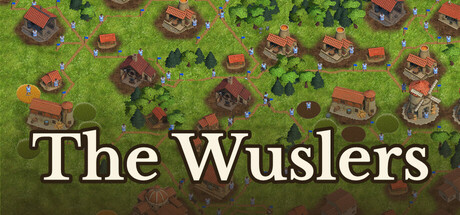 The Wuslers In-game content artaudiocode | Some of this game's content was created with generative AI and then reworked and adjusted by hand by the developer. This applies in particular to code, the 3D models and textures, and the music and sound effects. Animations, game rules, simulation, balance and the structure of the game come entirely from the developer. | Quolz-Systems | - | Sep 18, 2026 | |
 Code Grid In-game content artaudiotext | Some visual assets and all story voice-over audio in this game were generated using AI tools, then curated and edited by the developer. Some store page and marketing assets were also AI-assisted. | NanQi | - | Sep 18, 2026 | |
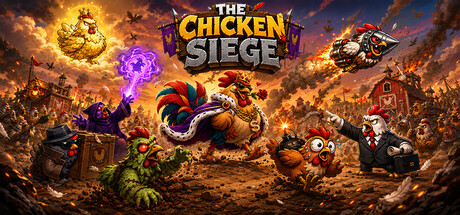 Chicken Siege Unclear art | This game uses some generative artificial intelligence images | IDB Productions | - | Sep 18, 2026 | |
 Goalcrest: Club Management Tycoon Store/marketing art | Game covers are made with AI | Tycoon Managers | - | Sep 18, 2026 | |
 Паучок сторожит уголок In-game content artaudio | Pre-generated images and music | NVG Games | - | Sep 17, 2026 | |
 Oscilloscopia Unclear arttext | Generative AI tools were used during development to assist with some visual assets and written content. All AI-assisted content was reviewed and edited. | Imbölt | - | Sep 16, 2026 | |
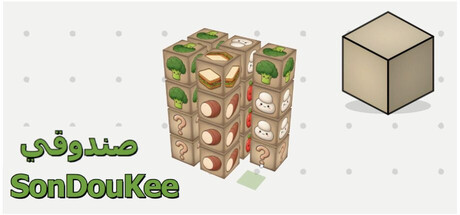 SonDouKee In-game content art | This game uses generative artificial intelligence to create some of its visual assets. Specifically, the food images and the number graphics featured in the game were generated using AI tools. | CooDxRooT | - | Sep 16, 2026 |


