


Disclosure
AI tools were used in making this game.
- Creator
- Claywire Games
- Reviews
- -
- Added
- Oct 12, 2026
Public Steam disclosure research 25,376 disclosures tracked
Search developers’ Steam disclosures, compare classified AI use across games, and follow recorded changes. This index adds cross-game classifications and statistics to statements published on individual store pages.
Code help, debugging and other development work.
Capsule art, trailers and promotional material.
Pre-made art, audio, writing and other game assets.
Interactive or runtime AI features disclosed by the developer.
Groups reflect automatic analysis of public disclosures; mature records are excluded. These counts do not measure AI use across all of Steam. Missing or unclear statements cannot establish whether a game uses AI.
AI tools were used in making this game.
Some pre-generated content was made with AI tools: the store key art and capsule images, the localization into 19 languages, and parts of the in-game and store text. 3D models, sound effects and achievement icons are built procedurally by code written with AI assistance. No AI-generated content is created live while you play.
Generative AI tools were used to help create promotional artwork and store page images for VoxelCraft. AI is not used to generate in-game content, code, or gameplay at runtime.
The promotional image of the game, as well as NPCs and a small number of scene components, are generated by AI.And the opening and closing of the promotional video
AI was used during development to create some of the game's visual artwork and graphical assets. The AI-generated assets are pre-generated and included as static content in the game. No AI content is generated during gameplay, and the game does not connect to or use an AI service at runtime.
Generative AI used in the creation of images and coding.
I used AI for the Code assistance and for Graphics
During development we used procedural and AI-assisted tools to help create some content. The game does not generate any content with AI while you play.
Part of the game's code was generated and optimized with the assistance of AI development tools during the development process. Some store presentation materials (including the game logo, icon, and background images) were also created with the assistance of AI tools and have been manually reviewed to ensure they do not contain infringing content. All in-game art assets are legally purchased from third-party asset stores or obtained from open-source resources, and are used in accordance with the licenses provided by the respective authors.
Some visual assets (artwork and cinematic scenes) and some music and sound effects were created with the help of generative AI tools, then reviewed and curated by the developer. No content is generated by AI during gameplay.
Generative AI was used to create some visual assets, including UI artwork and icons. No AI content is generated during gameplay.
Some assets in Star Stranded Scrappers were created with the help of AI tools. Each one is carefully tailored to match my vision for the game.
Generative AI was used to assist in creating one or two background 3D assets during the development process. All other 3D models, visual effects, and environmental assets were custom-made or sourced entirely from standard digital asset marketplaces like Fab.
Some images shipped in the game were created with generative AI during development and then selected and reviewed by the developer. No other shipped content was generated by AI.
Generative AI tools were used during development to assist with draft text, localization, concept references, and asset iteration. All final content included in the game has been reviewed and edited by the developer. The game does not generate AI content during gameplay.
Due to budget constraints, I’ve had to rely on AI to create the soundtrack and translate the game into languages I don’t speak (all languages except English and Spanish). I know it’s not the same as working with professional musicians and translators, and I’d really like to change that in the future. If the game is well received and gets enough support, I’ll be more than happy to invest part of that support into working with professionals and replacing these AI-generated elements. Thank you for giving the game a chance and for supporting this indie project.
开发阶段使用了ai辅助开发代码
Ive used AI for my Store Page and my title screen, added some of my own flare to it. I used AI for my portraits in game for my shop keepers Everything else was used from a humble bundle I bought back in 2020 - Zombie TDS 2d Game kit
Generative AI tools were used during development to assist with coding, music, dialogue writing, and texture assets. All content has been reviewed and approved by the developer.
Generative AI tools were used during development to assist with programming, gameplay and balance systems, mission and narrative text, UI copy, Korean–English localization, and some store and marketing text. Generative AI was also used to create an early pre-rendered concept image for the game's visual direction. The current in-game character and environment artwork, fonts, music, and most sound effects are human-created assets used under their respective licenses. The game does not generate content with AI at runtime, and players cannot submit prompts or interact with generative AI.
Some capsule artworks were created with the assistance of generative AI and subsequently edited and refined manually.
The game uses generative AI for some of the artwork on the Steam page and for certain audio content within the game.
- Voice Acting - Mech Sprites - Dialogues - SFX
DeepL was used for language translation of the subtitles and also for the text in the Steam store. Some of the voice acting was generated using a paid ElevenLabs subscription.
AI used for code, graphics, audio.
Some promotional concept artwork was generated by AI, no AI is used in-game.
Some of the content in this game was created with the help of generative AI tools. This includes parts of the visual assets (icons, textures and UI images), some audio (music and sound effects), parts of the in-game text (item descriptions, dialogue and story text), and the translations of the game's text into other languages. All of this content was generated during development, then reviewed, edited and assembled by hand before being included in the game. The game itself does not generate any content with AI while you play, and it does not send any player data to AI services.
I've been using Generative AI tools as part of development for things like programming assistance, troubleshooting, research, brainstorming, and some concept exploration. ECHO//syntax is a work of mechanics made from love of the beat-em-up genre from CHROMAGEM. It is designed, directed, assembled, tested, and curated by me. I make the first and final decisions on the game's mechanics, characters, levels, visual direction, and overall design. As a designer that's looking to get a particular feel and experience with this game, I'm looking through and making sure you're getting a good game to play and enjoy.
This game uses generative AI in a limited capacity on the game server in real time. The AI is used solely to generate narrative text: mission names and descriptions, in-world news broadcasts, and some NPC dialogue. All game logic — including mission mechanics, rewards, and balance — is governed by deterministic code and is never decided by AI. If the AI service is unavailable, the game automatically falls back to pre-written text templates. Portions of imagery were produced with the assistance of generative AI.
This game uses AI to generate art materials to enrich game content and accelerate development speed
Generative AI tools were used in the development of this game to assist with creating select artwork, writing promotional/store page descriptions, and localization.
We use AI tools as part of our developer workflow, in some cases for generative textures, 2D or 3D placeholders, in other cases for actual designs to be used in the game, this can also be a mix of both.
During the development process, we may use procedural and AI-based tools to assist with content creation. In all such cases, the final product reflects the creativity and expression of our own development team.
Some of Crashborn's art, audio and base 3D models were created with generative AI tools and edited by hand. They are placeholders being replaced with work from dedicated artists ahead of the 1.0 release. The game does not generate content at runtime.
AI was used to help program the game. All art, assets, and game design decisions did not use any AI.
Generative AI tools were used to assist in the creation of some pre-generated visual assets for this game, including character and enemy artwork, scene and interface backgrounds, item and skill icons, and some promotional artwork for the Steam store. All such assets were manually selected, edited, cropped, adjusted, and reviewed by the developer before being integrated into the game.
Some icons and models were developed with the assistance of AI.
I am a solo developer balancing this project with another job. To make this game a reality, I have used generative AI tools as an assistant during development, as well as to generate various pre-rendered assets: 2D visual elements (such as item icons, textures, and interface art) and the composition of the orchestral soundtrack.
Some assets were fine tuned with the help of AI.
We used AI tools in two places during development, and in neither of them to replace creative work. Our French, Spanish, Italian, Japanese and Korean localisations are made using AI. We also used AI assistance while writing and restructuring parts of our codebase. Everything players see and hear — art, animation, sound, music, game design and all original writing — was made by people.
There is usage of generative AI in two places and everything it produced has been reviewed. The soundtrack was created with the assistance of AI, and some of the writing was drafted with an AI assistant and then edited afterwards: card, UI and help text, the Simplified Chinese translation, and the store page and marketing copy. Nothing else is model output — the logo, the app icon and every visual in the game are drawn by the game's own code from geometry in the source, and the sound effects are synthesized as you play.
AI was used to analyze and help with debugging of networking code, helped in improving artwork and voice lines.
AI was used for inspiration in logos and lore refinement.
Skill icons, character portraits, and similar assets were generated using AI. All other content was created manually.
This game makes extensive use of generative AI in the creation of most game assets, including 3D modeling, voice, sound, video, images, textures, scenario and narrative writing, and translation/localization. As a result, various content and assets included in the game may be generated or assisted using generative AI.
Some graphical assets and sounds.
This game was developed with the assistance of generative AI tools for certain content, including: Some visual art assets (images/textures) Some narrative and story text Programming assistance All AI-generated content has been reviewed, edited, and integrated by the developer to ensure final quality and stylistic consistency.
During Early Access, AI placeholders might be used in lieu of handcrafted assets to speed up development and to improve the game’s visual fidelity. It is currently our plan to gradually replace all AI-generated assets by the final release.
This game uses AI-generated art assets (character portraits, backgrounds, and promotional images) created during development. AI tools also assisted with coding. All AI-generated content has been reviewed and finalized by the developer. The game does NOT generate any AI content in real-time during gameplay.
All artwork, character art, animation and audio in Fleshgrinder were created by human artists — the use of generative AI for art was contractually prohibited on this project. Generative AI was used to translate the game's text into its ten non-English languages, and to draft a portion of the in-game item descriptions and dialogue. No generative AI runs while you play; nothing is generated at runtime.
| Title⇅ | Disclosure | Creator⇅ | Src | Reviews⇅ | Added↓ |
|---|---|---|---|---|---|
 Lostwell Unclear | AI tools were used in making this game. | Claywire Games | - | Oct 12, 2026 | |
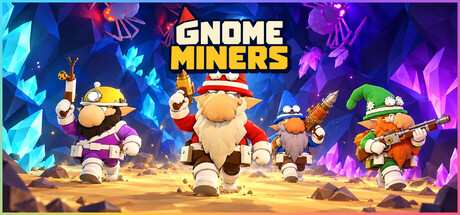 Gnome Miners In-game content arttextcode | Some pre-generated content was made with AI tools: the store key art and capsule images, the localization into 19 languages, and parts of the in-game and store text. 3D models, sound effects and achievement icons are built procedurally by code written with AI assistance. No AI-generated content is created live while you play. | LonhosGames | - | Oct 12, 2026 | |
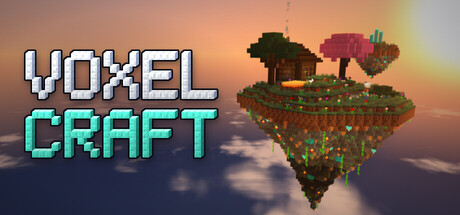 VoxelCraft Store/marketing art | Generative AI tools were used to help create promotional artwork and store page images for VoxelCraft. AI is not used to generate in-game content, code, or gameplay at runtime. | Pale Static Games | - | Oct 11, 2026 | |
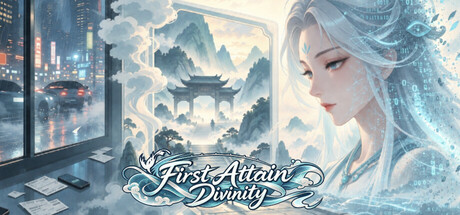 先成仙再说 Store/marketing art | The promotional image of the game, as well as NPCs and a small number of scene components, are generated by AI.And the opening and closing of the promotional video | Yuexin | - | Oct 11, 2026 | |
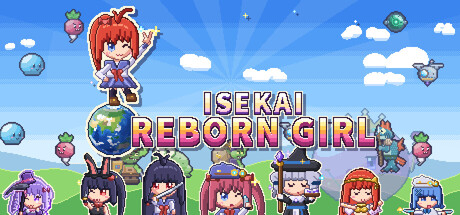 Isekai Reborn Girl In-game content art | AI was used during development to create some of the game's visual artwork and graphical assets. The AI-generated assets are pre-generated and included as static content in the game. No AI content is generated during gameplay, and the game does not connect to or use an AI service at runtime. | Isekai Reborn Girl 製作委員会 | - | Oct 10, 2026 | |
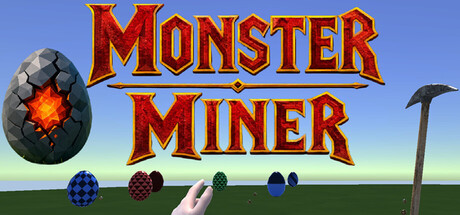 Monster Miner Unclear artcode | Generative AI used in the creation of images and coding. | Jewel Shot Games | - | Oct 10, 2026 | |
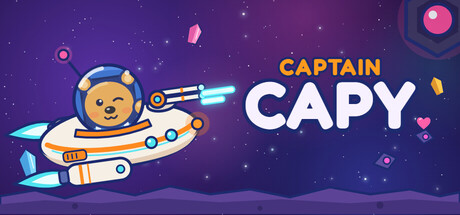 Captain Capy - Roguelike Space Crafter Unclear artcode | I used AI for the Code assistance and for Graphics | To_Galan | - | Oct 10, 2026 | |
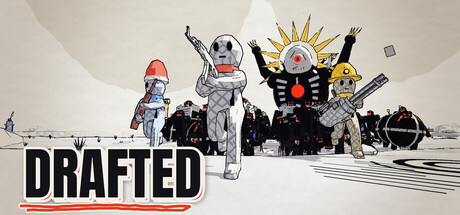 DRAFTED Dev only | During development we used procedural and AI-assisted tools to help create some content. The game does not generate any content with AI while you play. | Brady Kearley | - | Oct 9, 2026 | |
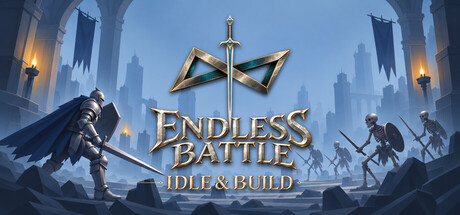 无尽战斗:放置与构筑 In-game content codeart | Part of the game's code was generated and optimized with the assistance of AI development tools during the development process.
Some store presentation materials (including the game logo, icon, and background images) were also created with the assistance of AI tools and have been manually reviewed to ensure they do not contain infringing content.
All in-game art assets are legally purchased from third-party asset stores or obtained from open-source resources, and are used in accordance with the licenses provided by the respective authors. | Flow Studio | - | Oct 7, 2026 | |
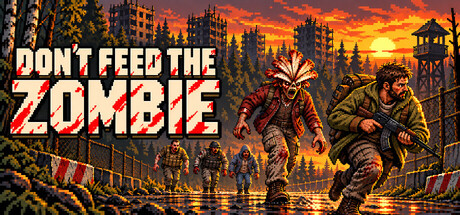 Don't Feed the Zombie In-game content artaudio | Some visual assets (artwork and cinematic scenes) and some music and sound effects were created with the help of generative AI tools, then reviewed and curated by the developer. No content is generated by AI during gameplay. | HYDRA GAMES | - | Oct 6, 2026 | |
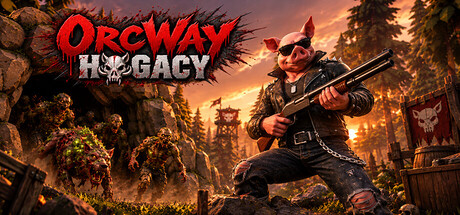 OrcWay Hogacy In-game content art | Generative AI was used to create some visual assets, including UI artwork and icons. No AI content is generated during gameplay. | CROCUS GAMES | - | Oct 6, 2026 | |
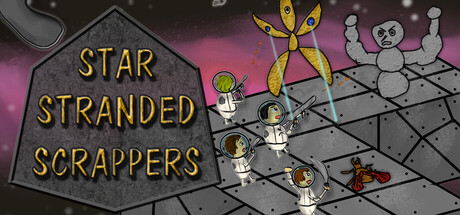 Star Stranded Scrappers In-game content art | Some assets in Star Stranded Scrappers were created with the help of AI tools. Each one is carefully tailored to match my vision for the game. | Martilo Games | - | Oct 4, 2026 | |
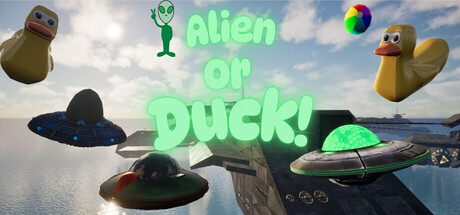 Alien or Duck! Dev only art | Generative AI was used to assist in creating one or two background 3D assets during the development process. All other 3D models, visual effects, and environmental assets were custom-made or sourced entirely from standard digital asset marketplaces like Fab. | Aliens Pro-StudioZ | - | Oct 3, 2026 | |
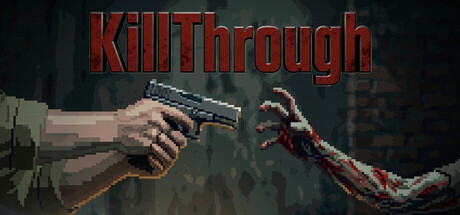 Kill Through In-game content art | Some images shipped in the game were created with generative AI during development and then selected and reviewed by the developer. No other shipped content was generated by AI. | Holy Terra team | - | Sep 29, 2026 | |
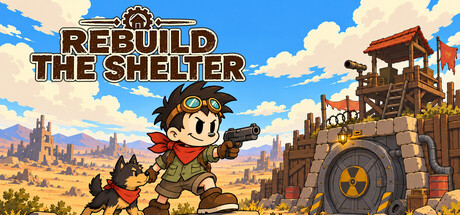 重建避难所 In-game content textart | Generative AI tools were used during development to assist with draft text, localization, concept references, and asset iteration. All final content included in the game has been reviewed and edited by the developer. The game does not generate AI content during gameplay. | JAM Game Studio | - | Sep 27, 2026 | |
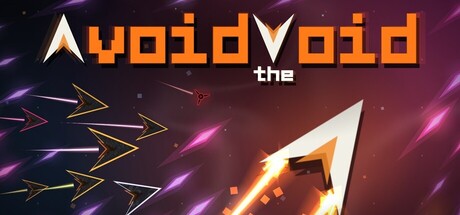 Avoid the Void In-game content audiotext | Due to budget constraints, I’ve had to rely on AI to create the soundtrack and translate the game into languages I don’t speak (all languages except English and Spanish).
I know it’s not the same as working with professional musicians and translators, and I’d really like to change that in the future. If the game is well received and gets enough support, I’ll be more than happy to invest part of that support into working with professionals and replacing these AI-generated elements.
Thank you for giving the game a chance and for supporting this indie project. | Keycrown Studio | - | Sep 25, 2026 | |
 异世天书录:乱纪元 Dev only code | 开发阶段使用了ai辅助开发代码 | 蓄势游戏工作室 | - | Sep 24, 2026 | |
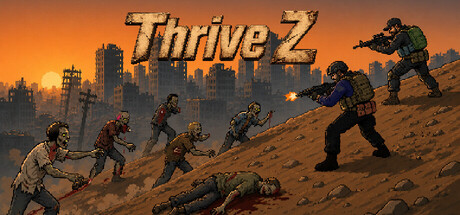 Thrive Z In-game content art | Ive used AI for my Store Page and my title screen, added some of my own flare to it.
I used AI for my portraits in game for my shop keepers
Everything else was used from a humble bundle I bought back in 2020 - Zombie TDS 2d Game kit | CASH | - | Sep 24, 2026 | |
 Globecide In-game content artaudiotext | Generative AI tools were used during development to assist with coding, music, dialogue writing, and texture assets. All content has been reviewed and approved by the developer. | EEE Games | - | Sep 22, 2026 | |
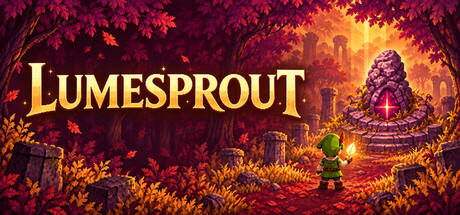 LUMESPROUT In-game content arttextcode | Generative AI tools were used during development to assist with programming, gameplay and balance systems, mission and narrative text, UI copy, Korean–English localization, and some store and marketing text. Generative AI was also used to create an early pre-rendered concept image for the game's visual direction. The current in-game character and environment artwork, fonts, music, and most sound effects are human-created assets used under their respective licenses. The game does not generate content with AI at runtime, and players cannot submit prompts or interact with generative AI. | Dev Dot | - | Sep 21, 2026 | |
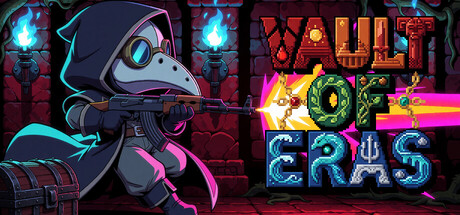 Vault of Eras Store/marketing art | Some capsule artworks were created with the assistance of generative AI and subsequently edited and refined manually. | Singulith | - | Sep 19, 2026 | |
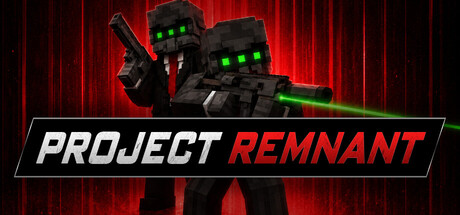 Project Remnant In-game content artaudio | The game uses generative AI for some of the artwork on the Steam page and for certain audio content within the game. | Retro Head Game Studio | - | Sep 19, 2026 | |
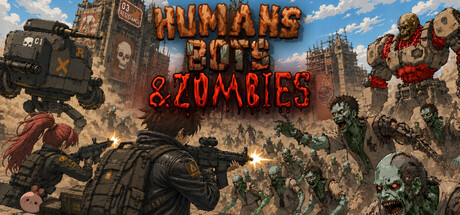 Humans, Bots and Zombies In-game content audioarttext | - Voice Acting
- Mech Sprites
- Dialogues
- SFX | Hbz-team | - | Sep 16, 2026 | |
 Make The Dead Dead Again In-game content textaudio | DeepL was used for language translation of the subtitles and also for the text in the Steam store. Some of the voice acting was generated using a paid ElevenLabs subscription. | Based On The Play | - | Sep 16, 2026 | |
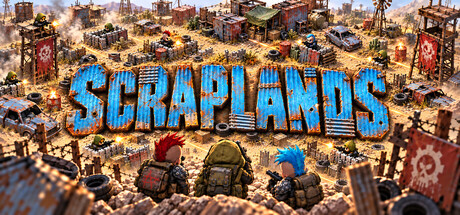 Scraplands In-game content artaudiocode | AI used for code, graphics, audio. | Quad Pixel | - | Sep 15, 2026 | |
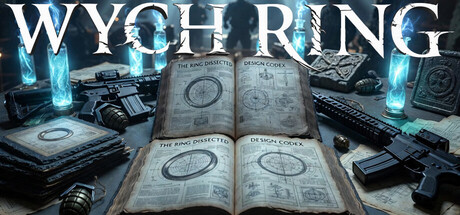 Wych Ring Store/marketing art | Some promotional concept artwork was generated by AI, no AI is used in-game. | Chad Steingraber | - | Sep 15, 2026 | |
 Warpscape In-game content artaudiotext | Some of the content in this game was created with the help of generative AI tools.
This includes parts of the visual assets (icons, textures and UI images), some audio
(music and sound effects), parts of the in-game text (item descriptions, dialogue and
story text), and the translations of the game's text into other languages.
All of this content was generated during development, then reviewed, edited and
assembled by hand before being included in the game. The game itself does not generate
any content with AI while you play, and it does not send any player data to AI services. | Yevhenii Mykhailichenko | - | Sep 15, 2026 | |
 ECHO//syntax Dev only code | I've been using Generative AI tools as part of development for things like programming assistance, troubleshooting, research, brainstorming, and some concept exploration.
ECHO//syntax is a work of mechanics made from love of the beat-em-up genre from CHROMAGEM. It is designed, directed, assembled, tested, and curated by me. I make the first and final decisions on the game's mechanics, characters, levels, visual direction, and overall design.
As a designer that's looking to get a particular feel and experience with this game, I'm looking through and making sure you're getting a good game to play and enjoy. | CHROMAGEM Games | - | Sep 14, 2026 | |
 Astravek Live AI textart | This game uses generative AI in a limited capacity on the game server in real time. The AI is used solely to generate narrative text: mission names and descriptions, in-world news broadcasts, and some NPC dialogue. All game logic — including mission mechanics, rewards, and balance — is governed by deterministic code and is never decided by AI. If the AI service is unavailable, the game automatically falls back to pre-written text templates.
Portions of imagery were produced with the assistance of generative AI. | Moonpixelgames | - | Sep 7, 2026 | |
 洪荒之刷宝成圣 In-game content art | This game uses AI to generate art materials to enrich game content and accelerate development speed | 白辰 | - | Sep 7, 2026 | |
 Rush Hour of the Dead In-game content arttext | Generative AI tools were used in the development of this game to assist with creating select artwork, writing promotional/store page descriptions, and localization. | One64 Games | - | Sep 6, 2026 | |
 Outpost 616 In-game content art | We use AI tools as part of our developer workflow, in some cases for generative textures, 2D or 3D placeholders, in other cases for actual designs to be used in the game, this can also be a mix of both. | Furious AS | - | Sep 4, 2026 | |
 Gravebound Unclear | During the development process, we may use procedural and AI-based tools to assist with content creation. In all such cases, the final product reflects the creativity and expression of our own development team. | Crater Studios | - | Sep 3, 2026 | |
 Crashborn In-game content artaudio | Some of Crashborn's art, audio and base 3D models were created with generative AI tools and edited by hand. They are placeholders being replaced with work from dedicated artists ahead of the 1.0 release. The game does not generate content at runtime. | Rukium Labs | - | Sep 3, 2026 | |
 John Whisk Dev only code | AI was used to help program the game. All art, assets, and game design decisions did not use any AI. | Magirush | - | Sep 1, 2026 | |
 百夜炼诡录 In-game content art | Generative AI tools were used to assist in the creation of some pre-generated visual assets for this game, including character and enemy artwork, scene and interface backgrounds, item and skill icons, and some promotional artwork for the Steam store. All such assets were manually selected, edited, cropped, adjusted, and reviewed by the developer before being integrated into the game. | Biranran | - | Sep 1, 2026 | |
 Stickman & Wildland Chariot In-game content art | Some icons and models were developed with the assistance of AI. | SleepyCatTech | - | Aug 31, 2026 | |
 Road to Verdant In-game content artaudio | I am a solo developer balancing this project with another job. To make this game a reality, I have used generative AI tools as an assistant during development, as well as to generate various pre-rendered assets: 2D visual elements (such as item icons, textures, and interface art) and the composition of the orchestral soundtrack. | Verdant Studio | - | Aug 28, 2026 | |
 Keep to the Blue Unclear | Some assets were fine tuned with the help of AI. | Kool Matter | - | Aug 28, 2026 | |
 Confined Space - Module Madness In-game content textcode | We used AI tools in two places during development, and in neither of them to replace creative work.
Our French, Spanish, Italian, Japanese and Korean localisations are made using AI. We also used AI assistance while writing and restructuring parts of our codebase.
Everything players see and hear — art, animation, sound, music, game design and all original writing — was made by people. | Confined Space Crew | - | Aug 28, 2026 | |
 Scrapstorm In-game content audiotext | There is usage of generative AI in two places and everything it produced has been reviewed. The soundtrack was created with the assistance of AI, and some of the writing was drafted with an AI assistant and then edited afterwards: card, UI and help text, the Simplified Chinese translation, and the store page and marketing copy. Nothing else is model output — the logo, the app icon and every visual in the game are drawn by the game's own code from geometry in the source, and the sound effects are synthesized as you play. | Pixiliated | - | Aug 28, 2026 | |
 SPOTREP In-game content codeartaudio | AI was used to analyze and help with debugging of networking code, helped in improving artwork and voice lines. | Kruger28 | - | Aug 28, 2026 | |
 GunGlyph Unclear arttext | AI was used for inspiration in logos and lore refinement. | Aspect Digital Software Ltd | - | Aug 26, 2026 | |
 星海余烬:联合舰队 In-game content art | Skill icons, character portraits, and similar assets were generated using AI. All other content was created manually. | SOT烈 | - | Aug 26, 2026 | |
 TunaSweeper In-game content artaudiotext | This game makes extensive use of generative AI in the creation of most game assets, including 3D modeling, voice, sound, video, images, textures, scenario and narrative writing, and translation/localization. As a result, various content and assets included in the game may be generated or assisted using generative AI. | devTuna | - | Aug 25, 2026 | |
 Broken Orbits Unclear artaudio | Some graphical assets and sounds. | Buder Games | - | Aug 22, 2026 | |
 黑色废土行动 In-game content arttextcode | This game was developed with the assistance of generative AI tools for certain content, including:
Some visual art assets (images/textures)
Some narrative and story text
Programming assistance
All AI-generated content has been reviewed, edited, and integrated by the developer to ensure final quality and stylistic consistency. | 冷漠乌鸦 | - | Aug 20, 2026 | |
 METEORITE In-game content art | During Early Access, AI placeholders might be used in lieu of handcrafted assets to speed up development and to improve the game’s visual fidelity. It is currently our plan to gradually replace all AI-generated assets by the final release. | Astrogation | - | Aug 19, 2026 | |
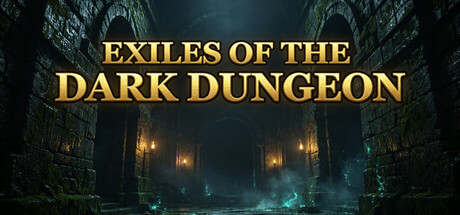 Exiles of the Dark Dungeon In-game content artcode | This game uses AI-generated art assets (character portraits,
backgrounds, and promotional images) created during development.
AI tools also assisted with coding. All AI-generated content has
been reviewed and finalized by the developer. The game does NOT
generate any AI content in real-time during gameplay. | 布莱恩和鱼缸工作室 | - | Aug 17, 2026 | |
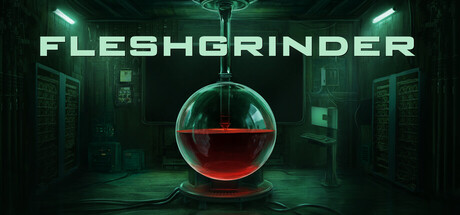 Fleshgrinder In-game content text | All artwork, character art, animation and audio in Fleshgrinder were created by human artists — the use of generative AI for art was contractually prohibited on this project. Generative AI was used to translate the game's text into its ten non-English languages, and to draft a portion of the in-game item descriptions and dialogue. No generative AI runs while you play; nothing is generated at runtime. | hainalcode | - | Aug 14, 2026 |


