








Disclosure
The Game Image Use Ai Generation
- Creator
- zhanghailong
- Reviews
- -
- Added
- Oct 10, 2026
Public Steam disclosure research 25,376 disclosures tracked
Search developers’ Steam disclosures, compare classified AI use across games, and follow recorded changes. This index adds cross-game classifications and statistics to statements published on individual store pages.
Code help, debugging and other development work.
Capsule art, trailers and promotional material.
Pre-made art, audio, writing and other game assets.
Interactive or runtime AI features disclosed by the developer.
Groups reflect automatic analysis of public disclosures; mature records are excluded. These counts do not measure AI use across all of Steam. Missing or unclear statements cannot establish whether a game uses AI.
The Game Image Use Ai Generation
Parts of the game's code and in-game text were written with AI assistance and edited by hand. The store capsule art was generated with AI image tools from the game's own visual style and then edited. No AI-generated image or audio files ship inside the game itself: every graphic is drawn in code while it runs, and all music and sound are synthesised live.
Music generated with artificial intelligence assistance
AI tools were used to assist with programming and generate a small number of textures and menu illustrations. These visual assets were adjusted by hand before being included in the game.
Some of the images in the game were stylized using AI.
This game used AI to make it possible to be developed by one person in reasonable time, with the hope that more people will join later to replace the AI part.
Generative AI tools were used during development to create and refine some pre-generated visual assets, music, sound effects, and promotional artwork. No text or narrative content was generated using AI. All AI-assisted materials were reviewed, edited, and integrated by the development team. The game does not use generative AI at runtime, and no player input or personal data is sent to any AI service.
This game includes assets created with generative AI during development (official music, song artwork, and drum animations). Nothing is generated while you play, and the game does not connect to an AI service at runtime. Players cannot send prompts to any AI.
This game uses a locally running AI model to analyze music added by the player and generate playable rhythm-game note charts. The AI generates only note timing, lanes, types, and durations; it does not generate music, images, voices, text, or code. Music added by the player is not sent to any external AI service or developer-operated server.
Uses placeholder AI-art for steam page. Will be replaced later.
The application itself does not use generative AI. Maps are produced by a deterministic, rule-based algorithm from signal analysis of the user's own audio file (tempo, beat grid, onsets, song structure); no machine-learning models are involved, and nothing is generated at runtime by AI. Generative AI was used only for marketing: the animated scenes in the store trailer were produced with AI image and video tools from our own storyboard and prompts. Store screenshots are real captures of the application, and the capsule artwork was designed by hand.
This game used generative AI in the development and iterative refinement process for 3D models, music, art, code, and copy.
Loop Spot is a solo-developed game. Generative AI tools were used to assist with the creation of some visual assets, including UI artwork, logos, and capsule/marketing artwork. These assets were further edited, composited, and refined by me to fit the game’s visual direction and overall artistic vision. The core gameplay, puzzle design, programming, and music were created by me. No generative AI was used to create the game’s music. AI was used as a supporting visual production tool, while the game’s design, creative direction, gameplay, and music are my original work.
Dystopia uses AI to live-generate its radio: all music, DJ voices, lyrics, song titles, and artist names are created by AI on our own servers and streamed to every player. Our 3D environments render as Gaussian splats and were AI generated using World Labs' Marble.
The soundtrack of PERIHELIA was created with the assistance of generative AI music tools. All tracks were curated, edited and integrated by hand, and each ships with a hand-authored beatmap. All other content — art, code, visual effects — is authored directly and drawn procedurally, with no AI involvement.
Swirl Together contains a rotoscoping/masking model similar to Adobe’s roto brush, or Davinci Resolve's magic masking tool, and a depth-estimating model for colliders.
Rhythm Nebula's chart generation runs totally offline, on your local hardware. None of the art, music, or other assets are AI-generated.
Some pre-generated visual and audio assets used in TOWERPULSE were created with the assistance of generative AI tools during development. These assets were selected, edited, and integrated by the developer. TOWERPULSE does not use generative AI at runtime. No player prompts, gameplay content, dialogue, or other assets are generated live while the game is running.
"The help of an AI assistant has been used during the entire development process, including for content such as sound and localization."
All assets in this game — art, music, and text — were created by humans. During development, generative AI tools were used for coding assistance and debugging. All resulting code was reviewed and approved by a human developer before inclusion.
Some promotional artwork on the store page (capsule images and logo) was created with the assistance of generative AI tools, based on the game's own original key art and branding. The game itself contains no AI-generated content: all gameplay, music, visuals, and levels are hand-crafted.
Generative AI tools assisted with some pre-generated player-facing text, localization, visual designs, and store and marketing content. All resulting material was reviewed and edited before inclusion. Random Mix does not use generative AI at runtime or connect to an AI service. Its music is generated locally through conventional procedural algorithms based on music-theory rules; no machine-learning model is involved.
Some of the visual assets in this game including character key art, promotional images, and certain 3D art were created with the assistance of generative AI tools during development. All AI-generated content was reviewed, edited, and integrated by the developer. No generative AI is used at runtime; nothing is generated live while you play. All gameplay, code, and design are hand-crafted by a developer.
Claude etc. were heavily used for the creation of this product.
Some music tracks and visual art assets in this game were created with the help of generative AI tools. All such assets were curated, edited, and approved by the development team before being included in the build, and all required commercial-use rights have been secured. All AI-generated content is pre-rendered and shipped with the game — no live AI generation occurs during gameplay, and the game does not connect to any external AI service at runtime.
This project is human-led and human-authored. The core concept, research direction, cultural framing, interactive decisions, visual judgement, source selection, and the final content of the work were all determined by me. AI was used as a supporting production tool, mainly for: debugging Unity and C# errors; suggesting code structure for prototype scripts; organising local folders and repository structure; searching for public references and technical resources; and drafting editable documentation outlines that I then reviewed and revised. AI was not used as an autonomous author. It did not decide the research direction, cultural interpretation, aesthetic intention, or final meaning of the work. AI-generated text and code were treated as working material - selected, edited, corrected, rejected, or rewritten. The personal reflection was written by me; no AI-generated text is presented as personal reflective writing.
Gameplay, visuals, and code were built by hand. Only the bundled soundtrack used AI-assisted music tools, all of which I reviewed. Soundway is made for your own music — the built-in tracks just get you started.
Some of the HIRUN game music is AI generated and/or assisted, to be able to increase the amount and variety of banger tracks within the gameplay.
AI tooling and scripts were used in the development of the code base.
IKANDY includes an optional AI scene generator. When you choose to use it, it creates new audio-reactive visual scenes in real time from a text prompt you write. This content is generated live, only when you request it, using an AI service you connect with your own API key. Not required to use IKANDY. Some of IKANDY's artwork and promotional media (key art, trailer visuals and music, and some in-app imagery) was created with generative AI tools and is reviewed by the developer.
Some album artwork and illustrations are created with the assistance of AI generation tools during the production process. AI-generated outputs are used only as drafts or production aids. All such materials are carefully selected, modified, edited, and post-processed by our development team to create the final content. Every AI-assisted asset included in the game is finalized through the creative judgment and thorough review of our development team.
This game uses generative AI as part of its asset production workflow. AI tools were used to help create and iterate on certain visual materials, including pixel-art characters, enemies, effects, music, and promotional images. These outputs were reviewed, selected, and integrated by the developer to match the game’s intended style and experience. Generative AI is not used to produce personalized content from player input during gameplay, and the game does not rely on AI-generated responses or live AI systems while running.
Some art assets in this game were initially generated by AI and have since been manually modified and reviewed before release.
Generative AI was used to assist in writing and editing some of Subsønic's text, including portions of this store page and its marketing copy. The game's visual art is procedurally generated through code (algorithmic, not generative AI), and its music and sound are licensed or procedurally synthesized.
Some background images and item images are AI-assisted.
The code and art assets were created with the assistance of generative AI.
Some art assets, audio, and text translation were produced with the assistance of AI.
Some assets in Pulsewave were created with the help of generative AI tools: - Background music tracks were composed using AI music generation tools, then reviewed and curated by the developer before inclusion. - Select store-page artwork (capsule images, marketing visuals) was AI-generated. All gameplay, game code, in-game graphics, and game design are human-made. No AI runs during gameplay - Pulsewave does not generate content in real time and does not connect to external AI services. All AI-generated assets were reviewed before inclusion to ensure they meet our quality and content standards.
Research assistance, technical guidance, text refinement, and code troubleshooting
At combo 32, a full synth pad blooms into the void. That peak harmonic layer is generated by Google's Lyria 3 Pro music model, then mastered, EQ'd, and timed by hand to fit each track's BPM and key. The other audio layers — kick, bass, arpeggio — are synthesized live in the Web Audio API. All beat charts, timing windows, and gameplay are hand-designed. No procedural or AI-generated content drives play.
rAIdio.bot is an AI music creation tool. Players use text prompts, style tags, and lyrics to generate original music tracks in real time using the ACE-Step audio generation model, which runs entirely on the player's local GPU — no cloud connection required. AI is also used for vocal synthesis, stem separation, and audio effects processing. All AI-generated content is created on-demand by the player and is unique to their session.
Used AI to help with localizations
Generative AI (SoundID VoiceAI) was used to process recorded voice-acting performances for character dialogue and undead vocals. AI tools were also used in the creation of environmental textures and ambient sound layers."
This game uses generative AI only to create some 2D visual assets (e.g. key art, logos, achievement icons and other marketing/store artwork). All AI-generated content is pre-rendered, manually reviewed, and static. The game itself does not perform any live AI generation, does not take user prompts for AI, and does not send any user data to AI services.
Claude code was used to generate code.
We generate music using AI. Store page art assets were created using AI.
Music used in the game is generated by AI. Writing code of the game was supported by AI.
ASCII-RIFT was developed using generative AI tools as part of the creative process. Music tracks were created using Suno and curated by the developer. Programming and system design were developed with AI-assisted tools under the developer’s direction. No live AI-generated content is used during gameplay.
Some of the music tracks included have been created using Suno to avoid copyright infringement for players looking to share video content of the game.
Generative AI was used during the development process to assist in creating 2D visual assets, including the character art (the cyber cat) and promotional imagery. These assets were pre-generated and are included as static files within the application.
| Title⇅ | Disclosure | Creator⇅ | Src | Reviews⇅ | Added↓ |
|---|---|---|---|---|---|
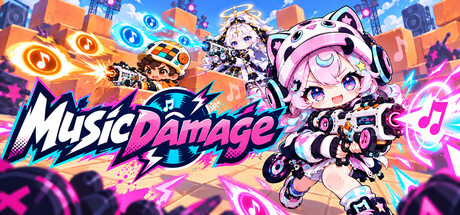 胡闹乐队 Unclear art | The Game Image Use Ai Generation | zhanghailong | - | Oct 10, 2026 | |
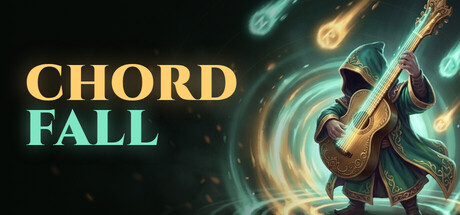 Chordfall In-game content arttextcode | Parts of the game's code and in-game text were written with AI assistance and edited by hand. The store capsule art was generated with AI image tools from the game's own visual style and then edited. No AI-generated image or audio files ship inside the game itself: every graphic is drawn in code while it runs, and all music and sound are synthesised live. | Kovid Bhaduri | - | Oct 9, 2026 | |
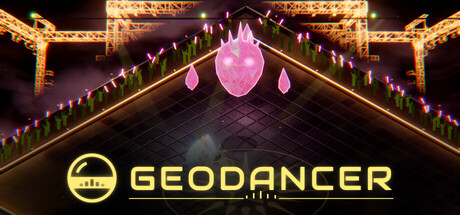 Geodancer In-game content audio | Music generated with artificial intelligence assistance | AW LABS | - | Oct 7, 2026 | |
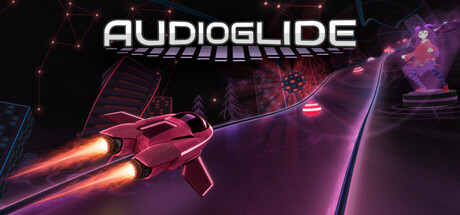 Audioglide In-game content artcode | AI tools were used to assist with programming and generate a small number of textures and menu illustrations. These visual assets were adjusted by hand before being included in the game. | Ospekki | - | Oct 5, 2026 | |
 unligal In-game content art | Some of the images in the game were stylized using AI. | RUKA Industries | - | Oct 3, 2026 | |
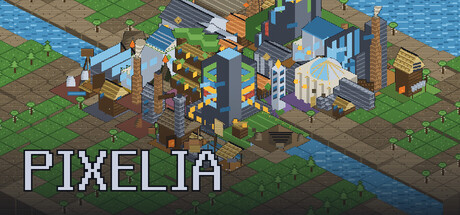 Pixelia Unclear | This game used AI to make it possible to be developed by one person in reasonable time, with the hope that more people will join later to replace the AI part. | Eduardo Morais | - | Oct 3, 2026 | |
 Parallax In-game content artaudio | Generative AI tools were used during development to create and refine some pre-generated visual assets, music, sound effects, and promotional artwork. No text or narrative content was generated using AI. All AI-assisted materials were reviewed, edited, and integrated by the development team. The game does not use generative AI at runtime, and no player input or personal data is sent to any AI service. | NEUTWORK | - | Oct 1, 2026 | |
 Music Maniaz In-game content artaudio | This game includes assets created with generative AI during development (official music, song artwork, and drum animations). Nothing is generated while you play, and the game does not connect to an AI service at runtime. Players cannot send prompts to any AI. | Maniaz | - | Sep 28, 2026 | |
 AutoChart Live AI audio | This game uses a locally running AI model to analyze music added by the player and generate playable rhythm-game note charts. The AI generates only note timing, lanes, types, and durations; it does not generate music, images, voices, text, or code. Music added by the player is not sent to any external AI service or developer-operated server. | 1rwy | - | Sep 22, 2026 | |
 Blind Seek Store/marketing art | Uses placeholder AI-art for steam page. Will be replaced later. | WOLVEN | - | Sep 16, 2026 | |
 SliceForge Store/marketing art | The application itself does not use generative AI. Maps are produced by a deterministic, rule-based algorithm from signal analysis of the user's own audio file (tempo, beat grid, onsets, song structure); no machine-learning models are involved, and nothing is generated at runtime by AI.
Generative AI was used only for marketing: the animated scenes in the store trailer were produced with AI image and video tools from our own storyboard and prompts. Store screenshots are real captures of the application, and the capsule artwork was designed by hand. | NikiBStudio | - | Sep 13, 2026 | |
 Verdreamia Unclear artaudiotextcode | This game used generative AI in the development and iterative refinement process for 3D models, music, art, code, and copy. | AtomicBorg Inc. | - | Sep 12, 2026 | |
 Loop Spot Store/marketing art | Loop Spot is a solo-developed game. Generative AI tools were used to assist with the creation of some visual assets, including UI artwork, logos, and capsule/marketing artwork. These assets were further edited, composited, and refined by me to fit the game’s visual direction and overall artistic vision.
The core gameplay, puzzle design, programming, and music were created by me. No generative AI was used to create the game’s music.
AI was used as a supporting visual production tool, while the game’s design, creative direction, gameplay, and music are my original work. | Solus Games | - | Sep 6, 2026 | |
 Dystopia audioart | Dystopia uses AI to live-generate its radio: all music, DJ voices, lyrics,
song titles, and artist names are created by AI on our own servers and
streamed to every player. Our 3D environments render as Gaussian splats and
were AI generated using World Labs' Marble. | Null Hypothesis Inc. | - | Sep 4, 2026 | |
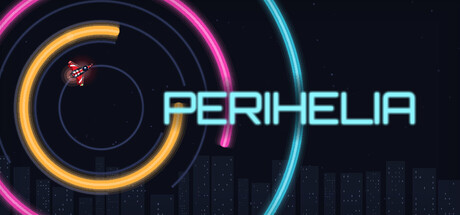 PERIHELIA In-game content audio | The soundtrack of PERIHELIA was created with the assistance of generative AI music tools. All tracks were curated, edited and integrated by hand, and each ships with a hand-authored beatmap. All other content — art, code, visual effects — is authored directly and drawn procedurally, with no AI involvement. | Miroslav Hrnčíř | - | Sep 3, 2026 | |
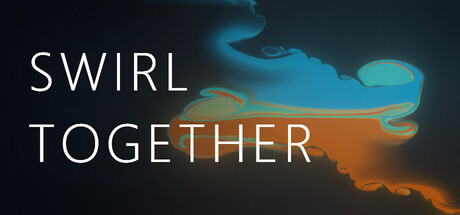 Swirl Together Dev only art | Swirl Together contains a rotoscoping/masking model similar to Adobe’s roto brush, or Davinci Resolve's magic masking tool, and a depth-estimating model for colliders. | Gabriel Martin | - | Aug 28, 2026 | |
 RHYTHM NEBULA general | Rhythm Nebula's chart generation runs totally offline, on your local hardware. None of the art, music, or other assets are AI-generated. | NEBULA CORP | - | Aug 28, 2026 | |
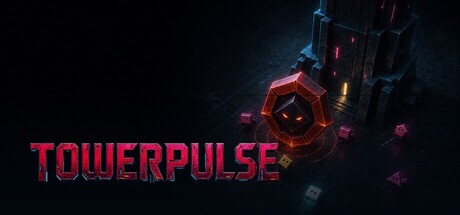 TOWERPULSE In-game content artaudio | Some pre-generated visual and audio assets used in TOWERPULSE were created with the assistance of generative AI tools during development. These assets were selected, edited, and integrated by the developer.
TOWERPULSE does not use generative AI at runtime. No player prompts, gameplay content, dialogue, or other assets are generated live while the game is running. | Greg HAT | - | Aug 26, 2026 | |
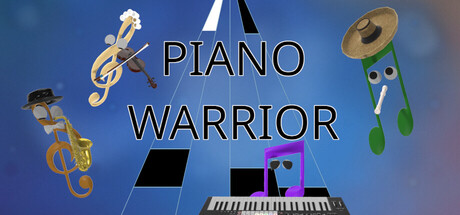 Piano Warrior In-game content audiotext | "The help of an AI assistant has been used during the entire development process, including for content such as sound and localization." | Leonid Cebotari | - | Aug 25, 2026 | |
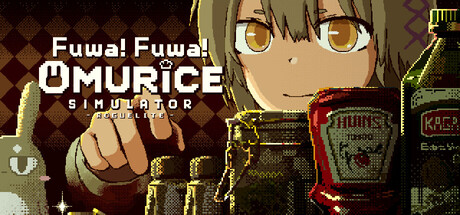 Fuwa! Fuwa! Omurice Simulator Roguelite Dev only code | All assets in this game — art, music, and text — were created by humans. During development, generative AI tools were used for coding assistance and debugging. All resulting code was reviewed and approved by a human developer before inclusion. | スタジオ白亜研究室 | - | Aug 25, 2026 | |
 Note Bounce – Sheet Music Game & Video Creator In-game content art | Some promotional artwork on the store page (capsule images and logo) was created with the assistance of generative AI tools, based on the game's own original key art and branding. The game itself contains no AI-generated content: all gameplay, music, visuals, and levels are hand-crafted. | Cihad Turhan | - | Aug 22, 2026 | |
 Random Mix In-game content textart | Generative AI tools assisted with some pre-generated player-facing text, localization, visual designs, and store and marketing content. All resulting material was reviewed and edited before inclusion. Random Mix does not use generative AI at runtime or connect to an AI service. Its music is generated locally through conventional procedural algorithms based on music-theory rules; no machine-learning model is involved. | InternalErrorX | - | Aug 22, 2026 | |
 Beatlash: Survival In-game content art | Some of the visual assets in this game including character key art, promotional images, and certain 3D art were created with the assistance of generative AI tools during development. All AI-generated content was reviewed, edited, and integrated by the developer. No generative AI is used at runtime; nothing is generated live while you play. All gameplay, code, and design are hand-crafted by a developer. | Hawks and Owls | - | Aug 11, 2026 | |
 walstad loom Unclear | Claude etc. were heavily used for the creation of this product. | sleepingox | - | Aug 5, 2026 | |
 Kuaiban!! Magical Girl In-game content artaudio | Some music tracks and visual art assets in this game were created with the help of generative AI tools. All such assets were curated, edited, and approved by the development team before being included in the build, and all required commercial-use rights have been secured.
All AI-generated content is pre-rendered and shipped with the game — no live AI generation occurs during gameplay, and the game does not connect to any external AI service at runtime. | Sounds Good Studio | - | Aug 4, 2026 | |
 Kairos-与时偕行 Dev only codetext | This project is human-led and human-authored. The core concept, research direction, cultural framing, interactive decisions, visual judgement, source selection, and the final content of the work were all determined by me.
AI was used as a supporting production tool, mainly for: debugging Unity and C# errors; suggesting code structure for prototype scripts; organising local folders and repository structure; searching for public references and technical resources; and drafting editable documentation outlines that I then reviewed and revised.
AI was not used as an autonomous author. It did not decide the research direction, cultural interpretation, aesthetic intention, or final meaning of the work. AI-generated text and code were treated as working material - selected, edited, corrected, rejected, or rewritten. The personal reflection was written by me; no AI-generated text is presented as personal reflective writing. | Jiakang Lin | - | Aug 1, 2026 | |
 Soundway In-game content audio | Gameplay, visuals, and code were built by hand. Only the bundled soundtrack used AI-assisted music tools, all of which I reviewed. Soundway is made for your own music — the built-in tracks just get you started. | Naughty Horse | - | Jul 23, 2026 | |
 HIRUN In-game content audio | Some of the HIRUN game music is AI generated and/or assisted, to be able to increase the amount and variety of banger tracks within the gameplay. | JumpyBambi | - | Jul 18, 2026 | |
 Beat Slicer Dev only code | AI tooling and scripts were used in the development of the code base. | XtremeZero | - | Jul 11, 2026 | |
 IKANDY Live AI artaudio | IKANDY includes an optional AI scene generator. When you choose to use it, it creates new audio-reactive visual scenes in real time from a text prompt you write. This content is generated live, only when you request it, using an AI service you connect with your own API key. Not required to use IKANDY. Some of IKANDY's artwork and promotional media (key art, trailer visuals and music, and some in-app imagery) was created with generative AI tools and is reviewed by the developer. | L&R Entertainment LLC | - | Jul 4, 2026 | |
 O2Jam : The Beginning In-game content art | Some album artwork and illustrations are created with the assistance of AI generation tools during the production process. AI-generated outputs are used only as drafts or production aids. All such materials are carefully selected, modified, edited, and post-processed by our development team to create the final content. Every AI-assisted asset included in the game is finalized through the creative judgment and thorough review of our development team. | SuperTurbine Technology Inc. | 118 | Jul 1, 2026 | |
 Metronome Mage In-game content artaudio | This game uses generative AI as part of its asset production workflow. AI tools were used to help create and iterate on certain visual materials, including pixel-art characters, enemies, effects, music, and promotional images. These outputs were reviewed, selected, and integrated by the developer to match the game’s intended style and experience.
Generative AI is not used to produce personalized content from player input during gameplay, and the game does not rely on AI-generated responses or live AI systems while running. | BKN | - | Jun 30, 2026 | |
 Vivi In-game content art | Some art assets in this game were initially generated by AI and have since been manually modified and reviewed before release. | 雷雨Rainey | - | Jun 27, 2026 | |
 SUBSØNIC Store/marketing text | Generative AI was used to assist in writing and editing some of Subsønic's text, including portions of this store page and its marketing copy. The game's visual art is procedurally generated through code (algorithmic, not generative AI), and its music and sound are licensed or procedurally synthesized. | Komar Labs | - | Jun 15, 2026 | |
 Concerto on White: Bass Hero In-game content art | Some background images and item images are AI-assisted. | C11 Games | - | Jun 4, 2026 | |
 Hell-O-Word In-game content artcode | The code and art assets were created with the assistance of generative AI. | KYChen | - | Jun 3, 2026 | |
 Tidal Strings In-game content artaudiotext | Some art assets, audio, and text translation were produced with the assistance of AI. | June666 | - | May 23, 2026 | |
 Pulsewave In-game content audioart | Some assets in Pulsewave were created with the help of generative AI tools:
- Background music tracks were composed using AI music generation tools, then reviewed and curated by the developer before inclusion.
- Select store-page artwork (capsule images, marketing visuals) was AI-generated.
All gameplay, game code, in-game graphics, and game design are human-made. No AI runs during gameplay - Pulsewave does not generate content in real time and does not connect to external AI services. All AI-generated assets were reviewed before inclusion to ensure they meet our quality and content standards. | Grindare Studio | - | May 23, 2026 | |
 Orbit Crisis Dev only textcode | Research assistance, technical guidance, text refinement, and code troubleshooting | Serious Hallucinations | - | May 23, 2026 | |
 PULSARI In-game content audio | At combo 32, a full synth pad blooms into the void. That peak harmonic layer is generated by Google's Lyria 3 Pro music model, then mastered, EQ'd, and timed by hand to fit each track's BPM and key. The other audio layers — kick, bass, arpeggio — are synthesized live in the Web Audio API. All beat charts, timing windows, and gameplay are hand-designed. No procedural or AI-generated content drives play. | Critics Arcade | - | May 23, 2026 | |
 rAIdio.bot Live AI audio | rAIdio.bot is an AI music creation tool. Players use text prompts, style tags, and lyrics to generate original music
tracks in real time using the ACE-Step audio generation model, which runs entirely on the player's local GPU — no
cloud connection required. AI is also used for vocal synthesis, stem separation, and audio effects processing. All
AI-generated content is created on-demand by the player and is unique to their session. | Creative Mayhem | - | May 23, 2026 | |
 A.K.O - Arrow Keys Only In-game content text | Used AI to help with localizations | adarkfable | - | May 23, 2026 | |
 All Hallows In-game content audioart | Generative AI (SoundID VoiceAI) was used to process recorded voice-acting performances for character dialogue and undead vocals. AI tools were also used in the creation of environmental textures and ambient sound layers." | Aardvark Anteater Acoustics | - | May 23, 2026 | |
 Word Charades In-game content art | This game uses generative AI only to create some 2D visual assets (e.g. key art, logos, achievement icons and other marketing/store artwork). All AI-generated content is pre-rendered, manually reviewed, and static.
The game itself does not perform any live AI generation, does not take user prompts for AI, and does not send any user data to AI services. | Howard Greenspan | - | May 23, 2026 | |
 A Game About Day Trading Dev only code | Claude code was used to generate code. | We Are the Dolphins | - | Mar 18, 2026 | |
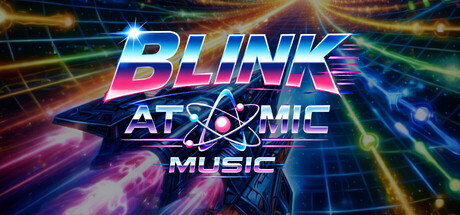 Blink Atomic Music In-game content audioart | We generate music using AI.
Store page art assets were created using AI. | JinCycle | - | Mar 18, 2026 | |
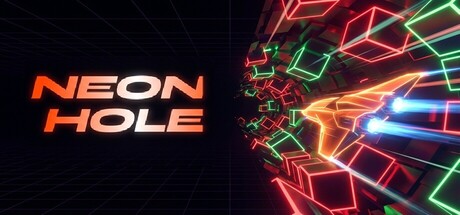 Neon Hole In-game content audiocode | Music used in the game is generated by AI.
Writing code of the game was supported by AI. | PerceptionEnchanter | - | Mar 18, 2026 | |
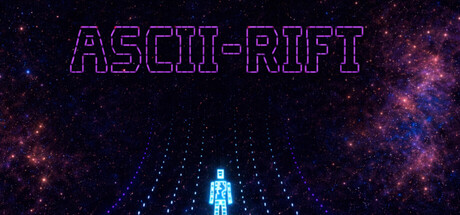 ASCII-RIFT In-game content audiocode | ASCII-RIFT was developed using generative AI tools as part of the creative process. Music tracks were created using Suno and curated by the developer. Programming and system design were developed with AI-assisted tools under the developer’s direction. No live AI-generated content is used during gameplay. | End of Line Club | - | Mar 18, 2026 | |
 Rhythm Racer In-game content audio | Some of the music tracks included have been created using Suno to avoid copyright infringement for players looking to share video content of the game. | Elusive Byte | - | Mar 18, 2026 | |
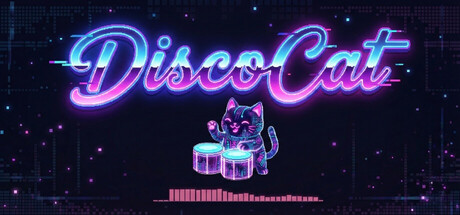 DiscoCat In-game content art | Generative AI was used during the development process to assist in creating 2D visual assets, including the character art (the cyber cat) and promotional imagery. These assets were pre-generated and are included as static files within the application. | LuviaWorks | - | Mar 18, 2026 |


