Public Steam disclosure research25,376 disclosures tracked
Where do games disclose AI use?
Search developers’ Steam disclosures, compare classified AI use across
games, and follow recorded changes.
This index adds cross-game classifications and statistics to
statements published on individual store pages.
Groups reflect automatic analysis of public disclosures; mature records are excluded. These counts do not measure AI use across all of Steam.
Missing or unclear statements cannot establish whether a game uses AI.
Generative AI was used only for localization. As a solo developer, I used AI tools to translate the game's text into other languages, which would not have been possible for me otherwise. All artwork, audio, and gameplay content were created without generative AI.
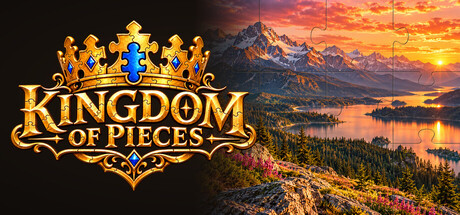
Some puzzle artwork was created using generative AI tools during development and was subsequently selected, reviewed and prepared by the developer. Kingdom of Pieces does not generate AI content during gameplay.
Generative AI tools were used throughout this game's production pipeline, alongside traditional development tools and techniques, to speed up iteration and expand what our team can make. AI-assisted content that ships in the game includes 2D artwork, voice narration, sound effects, music and in-game text. Every asset in the final product was selected, reviewed, modified where appropriate, and integrated by the development team. No generative AI content is created during gameplay.
Generative AI tools were used to assist with code refactoring and with writing and translating text for the game and its store page. No content is generated using generative AI during gameplay.
Boop Bay was made by its developer with the help of an AI assistant (Anthropic's Claude). The art (the vector drawings of the places and animals) was drawn by the AI as code and SVG under the developer's direction; no image-generation models were used. The on-screen text in languages other than English was translated with AI. Store page text was drafted with AI and edited by the developer. The animal and instrument sounds are public-domain (CC0) recordings made by people; the other sounds are synthesized by the game.
The game's art (plants, items, menu illustrations, store art) was made with the help of image generation tools and then edited and assembled by the developer. No AI content is generated while you play.
Art and sound within the game and trailer were created with the help of AI tools. In-game text was edited with AI assistance. All puzzles were hand-designed by the developer.
The voices, music and sound effects were generated with AI audio tools (ElevenLabs) and then edited and mixed by the developer. The 3D world and the game itself were built with the help of an AI coding assistant. The trailers' narration also uses AI-generated voices. Nothing is generated by AI while you play.
Game contains AI generated code. Some icons. logos, marketing assets or placeholders may be AI generated. In-game screenshots and footage are displayed as-is and are unaltered by AI.
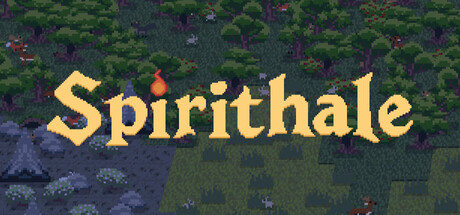
This game was made by a solo developer with the help of AI tools. Some of the pixel art was drawn by hand by the developer and then revised with AI tools. Other art (including the logo, interface icons, menu backgrounds and some terrain tiles) was created with an AI pixel-art tool and then edited by the developer. The music and sound effects are synthesized in code, and were composed and designed with the help of an AI assistant. Some in-game text, such as the Field Guide and tutorial tips, was drafted with AI assistance and edited by the developer. No AI is used while you play: nothing is generated live, and the game never connects to an AI service.
The developer uses AI tools to assist in creating 2D graphic assets, specifically the game icon. All assets have been carefully reviewed to ensure they are unique and do not infringe on any copyrighted materials.
Generative AI tools were used during development to create some 3D models and textures, including buildings, vegetation, rocks and animals, as well as some menu backgrounds, interface artwork and store artwork. These assets were selected, edited, optimized and integrated during development. The game does not generate AI content during play or connect to an external AI service.
Made by one developer with a little help from AI! Some artwork and text started life in generative AI tools, then got edited and polished by hand. Nothing is generated while you play.
This game contains content created with the assistance of AI tools. AI was used during development to assist with programming, visual assets, and other creative elements. All generated content was reviewed, edited, and integrated by the dev.
NBD2 is an AI game development studio. As a solo indie dev who is unlikely to ever make a dime from any of my games, there's no other way I could bring my ideas to life.
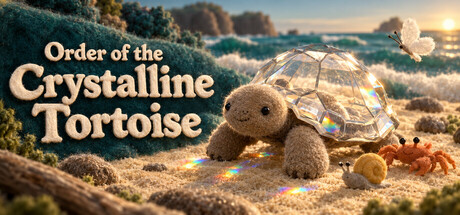
Order of the Crystalline Tortoise was created using generative AI throughout development, including its game code, 3D models, interface art, sound and text. The models were built by AI agents writing Blender scripts, the poster is drawn by code, and the music and sound effects were synthesized by code, with gull calls from a CC0 field recording. All AI generation took place during development. The game does not generate AI content or code during play or connect to an external AI service.
I recognize AI in game development is an extremely sensitive topic and I appreciate both sides. I only hope the game is fun.
The goal should always be making something that human beings will enjoy.
I use Codex as a programming assistant to help write, debug, and optimize portions of the game’s code. Everything else like artwork and stuff were made by humans.
Some images in the game were generated using AI tools and then refined by the game's developer. All the music in the game was written by the game's developer, but the mastering was done using AI tools. The 3D character models (all except the zombie mutants) were initially generated via AI and later refined and adapted by the game's developer.
Generative AI was used during development to create promotional illustrations and the title-screen logo, and to assist with written text and translations. This content is prepared in advance. The game does not generate content or connect to AI services during gameplay.
Some pre-generated branding artwork, icons, menu illustrations and Steam marketing assets were created with assistance from generative AI. The 3D world is generated procedurally by the game code. No generative AI runs during gameplay and the game does not connect to external AI services.
Generative AI was used extensively during the development of this game, including assistance with game code, selected visual assets, text and translations, and store and library artwork. These materials were prepared in advance. The game does not generate AI content or connect to external AI services during gameplay.
Generative AI was used during development to create some illustrations, visual assets, and built-in example dog images. These assets are included with the game. Your own pet photos are processed locally on your computer to create animated paper cutouts; they are never uploaded to online AI services or redrawn using generative AI.
Generative AI was used only for selected pre-generated concept and marketing materials during development. These materials are reviewed and edited by the developer before use. No generative AI is used during gameplay, and the game does not generate live text, images, audio, code, or other player-facing content.
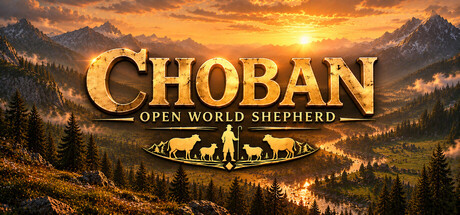
Choban uses generative AI to power conversations and interactions with certain NPCs. AI-generated dialogue is used to create more natural, dynamic, and context-aware responses during gameplay. All core gameplay systems, quests, progression, world generation, and game mechanics are designed by the developers and are not generated by AI. AI is used solely to enhance NPC interactions and player immersion.
AI assistance was used to draft and translate text for this Steam store page from the developer’s own story and game information. No AI-generated artwork, voices, music, in-game story or in-game translations are currently used. No content is generated by AI during gameplay.
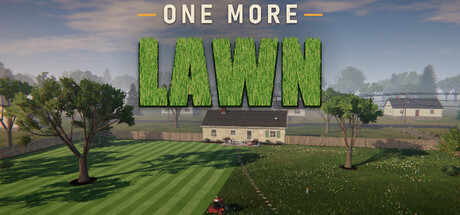
Some sound effects were generated with AI tools (ElevenLabs) and the in-game radio songs were generated with AI (Suno), under commercial licenses, then selected, edited and mixed by the developer. All visuals (3D models, textures, grass, logo, store art), gameplay and writing are made by the developer.
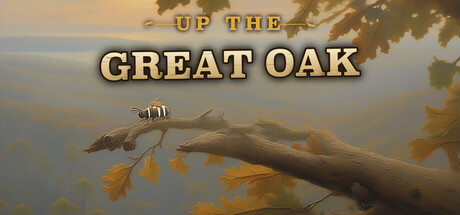
The key art used for the store capsules and the title screen background was generated with image models run locally and then hand-edited. The Spanish, Portuguese (Brazil), German and Simplified Chinese translations and drafts of the store page text were produced with the help of an AI assistant. Everything you see during gameplay (the beetle, the tree, its surfaces and all animation) is drawn procedurally in code. Sound effects are CC0 recordings; no AI-generated voice or music is used, and no generative AI runs while you play.
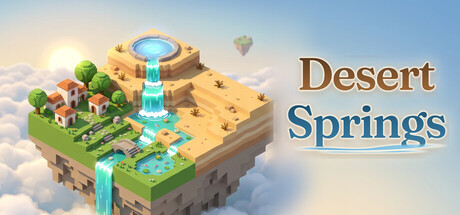
Desert Springs uses AI-assisted tools in parts of its development: some UI icons and Images were made with AI image generation. All of it was reviewed and edited by the developer. 2D art, level design, game design and codes are human made. No content is generated by AI while the game runs.
AI was used in the production of some visual assets in the game. All AI-assisted content was carefully reviewed and refined to ensure quality, consistency, and suitability for the game.
Generative AI was used to help create some images on the Steam store page and some visual assets and objects in the game. AI tools also assisted with debugging during development. The game does not generate AI content during play.
Generative AI tools were used during development to assist with the creation and refinement of game content. All content included in the final game was reviewed, selected, and integrated by the developer. The game does not generate AI content during gameplay.
Alpine Fall uses generative AI tools during development to assist with the creation of pre-generated visual, 3D, voice/audio, cinematic, and promotional content. All AI-assisted content is reviewed, curated, and integrated by the developer before inclusion in the game or its marketing materials. The game does not generate AI content during gameplay.
Generative AI was used during development to create various visual assets featured in the game. The game maps and some UI elements were created manually by the developer. Generative AI was used as a content creation tool, while the final assets were integrated and adapted by the developer for use in the game.
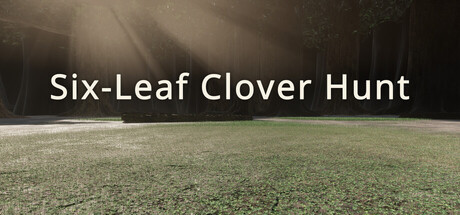
No AI image generators were used for the game's visuals. The clover, trees, and ground were modeled and textured in the 3D software Blender from the developer's own photos of the real thing, then assembled into a forest in Unity. The concept, the photography, and the decisions about how the game looks were all the developer's own.
Made with help from AI
• The game's code and the Blender scripts that build the shapes and textures. The developer checked the finished visuals side by side with the photos of the real thing.
• The text in the game and on the store page, and its translation from Japanese into 10 languages, including English. The translations were made by AI and checked by a different AI. No native speaker has reviewed them, so if you spot a mistranslation, please report it through the support contact.
The sounds are nature recordings made by other creators and released as CC0 or public domain. No AI runs while you play.
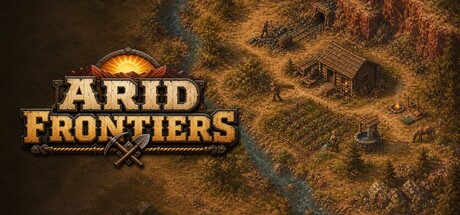
Generative AI was used to create some pre-rendered artwork, including store and promotional art and selected in-game visuals such as terrain, resources, animals, and characters, as well as some music and audio assets. These assets are prepared before play. Arid Frontiers does not generate content with AI during gameplay or connect to a third-party generative AI service during play; pawn behavior, colony simulation, combat, wildlife, and events are driven by programmed game systems.
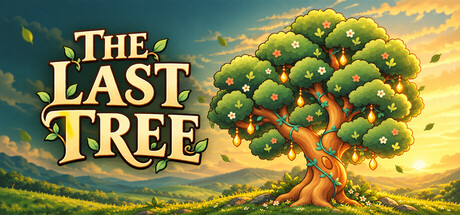
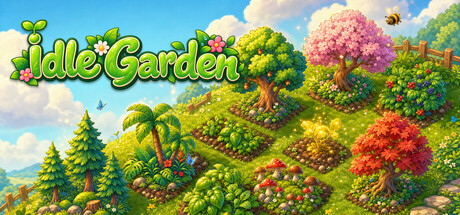
The game's 2D artwork (plant, item and upgrade icons, logo, background and store key art) and some of the garden sound effects (harvest, plant, water, discover and golden-seed sounds) were created with generative AI tools (OpenAI GPT Image and Stability AI Stable Audio) and curated by the developer. All content is pre-generated and ships with the game. The game does not generate any content with AI during gameplay and does not connect to any external AI service.
As a solo developer I have utilized some AI-based tools to help during development. However all visuals in the game are generated procedurally by the game's own code
Generative AI was used only for localization. As a solo developer, I used AI tools to translate the game's text into other languages, which would not have been possible for me otherwise. All artwork, audio, and gameplay content were created without generative AI.
Some puzzle artwork was created using generative AI tools during development and was subsequently selected, reviewed and prepared by the developer. Kingdom of Pieces does not generate AI content during gameplay.
Generative AI tools were used throughout this game's production pipeline, alongside traditional development tools and techniques, to speed up iteration and expand what our team can make. AI-assisted content that ships in the game includes 2D artwork, voice narration, sound effects, music and in-game text. Every asset in the final product was selected, reviewed, modified where appropriate, and integrated by the development team. No generative AI content is created during gameplay.
Generative AI tools were used to assist with code refactoring and with writing and translating text for the game and its store page. No content is generated using generative AI during gameplay.
Boop Bay was made by its developer with the help of an AI assistant (Anthropic's Claude). The art (the vector drawings of the places and animals) was drawn by the AI as code and SVG under the developer's direction; no image-generation models were used. The on-screen text in languages other than English was translated with AI. Store page text was drafted with AI and edited by the developer. The animal and instrument sounds are public-domain (CC0) recordings made by people; the other sounds are synthesized by the game.
The game's art (plants, items, menu illustrations, store art) was made with the help of image generation tools and then edited and assembled by the developer. No AI content is generated while you play.
Art and sound within the game and trailer were created with the help of AI tools. In-game text was edited with AI assistance. All puzzles were hand-designed by the developer.
The voices, music and sound effects were generated with AI audio tools (ElevenLabs) and then edited and mixed by the developer. The 3D world and the game itself were built with the help of an AI coding assistant. The trailers' narration also uses AI-generated voices. Nothing is generated by AI while you play.
Game contains AI generated code. Some icons. logos, marketing assets or placeholders may be AI generated. In-game screenshots and footage are displayed as-is and are unaltered by AI.
This game was made by a solo developer with the help of AI tools. Some of the pixel art was drawn by hand by the developer and then revised with AI tools. Other art (including the logo, interface icons, menu backgrounds and some terrain tiles) was created with an AI pixel-art tool and then edited by the developer. The music and sound effects are synthesized in code, and were composed and designed with the help of an AI assistant. Some in-game text, such as the Field Guide and tutorial tips, was drafted with AI assistance and edited by the developer. No AI is used while you play: nothing is generated live, and the game never connects to an AI service.
The developer uses AI tools to assist in creating 2D graphic assets, specifically the game icon. All assets have been carefully reviewed to ensure they are unique and do not infringe on any copyrighted materials.
Generative AI tools were used during development to create some 3D models and textures, including buildings, vegetation, rocks and animals, as well as some menu backgrounds, interface artwork and store artwork. These assets were selected, edited, optimized and integrated during development. The game does not generate AI content during play or connect to an external AI service.
Made by one developer with a little help from AI! Some artwork and text started life in generative AI tools, then got edited and polished by hand. Nothing is generated while you play.
This game contains content created with the assistance of AI tools. AI was used during development to assist with programming, visual assets, and other creative elements. All generated content was reviewed, edited, and integrated by the dev.
NBD2 is an AI game development studio. As a solo indie dev who is unlikely to ever make a dime from any of my games, there's no other way I could bring my ideas to life.
Order of the Crystalline Tortoise was created using generative AI throughout development, including its game code, 3D models, interface art, sound and text. The models were built by AI agents writing Blender scripts, the poster is drawn by code, and the music and sound effects were synthesized by code, with gull calls from a CC0 field recording. All AI generation took place during development. The game does not generate AI content or code during play or connect to an external AI service.
I recognize AI in game development is an extremely sensitive topic and I appreciate both sides. I only hope the game is fun.
The goal should always be making something that human beings will enjoy.
I use Codex as a programming assistant to help write, debug, and optimize portions of the game’s code. Everything else like artwork and stuff were made by humans.
Some images in the game were generated using AI tools and then refined by the game's developer. All the music in the game was written by the game's developer, but the mastering was done using AI tools. The 3D character models (all except the zombie mutants) were initially generated via AI and later refined and adapted by the game's developer.
Generative AI was used during development to create promotional illustrations and the title-screen logo, and to assist with written text and translations. This content is prepared in advance. The game does not generate content or connect to AI services during gameplay.
Some pre-generated branding artwork, icons, menu illustrations and Steam marketing assets were created with assistance from generative AI. The 3D world is generated procedurally by the game code. No generative AI runs during gameplay and the game does not connect to external AI services.
Generative AI was used extensively during the development of this game, including assistance with game code, selected visual assets, text and translations, and store and library artwork. These materials were prepared in advance. The game does not generate AI content or connect to external AI services during gameplay.
Generative AI was used during development to create some illustrations, visual assets, and built-in example dog images. These assets are included with the game. Your own pet photos are processed locally on your computer to create animated paper cutouts; they are never uploaded to online AI services or redrawn using generative AI.
Generative AI was used only for selected pre-generated concept and marketing materials during development. These materials are reviewed and edited by the developer before use. No generative AI is used during gameplay, and the game does not generate live text, images, audio, code, or other player-facing content.
Choban uses generative AI to power conversations and interactions with certain NPCs. AI-generated dialogue is used to create more natural, dynamic, and context-aware responses during gameplay. All core gameplay systems, quests, progression, world generation, and game mechanics are designed by the developers and are not generated by AI. AI is used solely to enhance NPC interactions and player immersion.
AI assistance was used to draft and translate text for this Steam store page from the developer’s own story and game information. No AI-generated artwork, voices, music, in-game story or in-game translations are currently used. No content is generated by AI during gameplay.
Some sound effects were generated with AI tools (ElevenLabs) and the in-game radio songs were generated with AI (Suno), under commercial licenses, then selected, edited and mixed by the developer. All visuals (3D models, textures, grass, logo, store art), gameplay and writing are made by the developer.
The key art used for the store capsules and the title screen background was generated with image models run locally and then hand-edited. The Spanish, Portuguese (Brazil), German and Simplified Chinese translations and drafts of the store page text were produced with the help of an AI assistant. Everything you see during gameplay (the beetle, the tree, its surfaces and all animation) is drawn procedurally in code. Sound effects are CC0 recordings; no AI-generated voice or music is used, and no generative AI runs while you play.
Desert Springs uses AI-assisted tools in parts of its development: some UI icons and Images were made with AI image generation. All of it was reviewed and edited by the developer. 2D art, level design, game design and codes are human made. No content is generated by AI while the game runs.
AI was used in the production of some visual assets in the game. All AI-assisted content was carefully reviewed and refined to ensure quality, consistency, and suitability for the game.
Generative AI was used to help create some images on the Steam store page and some visual assets and objects in the game. AI tools also assisted with debugging during development. The game does not generate AI content during play.
Generative AI tools were used during development to assist with the creation and refinement of game content. All content included in the final game was reviewed, selected, and integrated by the developer. The game does not generate AI content during gameplay.
Alpine Fall uses generative AI tools during development to assist with the creation of pre-generated visual, 3D, voice/audio, cinematic, and promotional content. All AI-assisted content is reviewed, curated, and integrated by the developer before inclusion in the game or its marketing materials. The game does not generate AI content during gameplay.
Generative AI was used during development to create various visual assets featured in the game. The game maps and some UI elements were created manually by the developer. Generative AI was used as a content creation tool, while the final assets were integrated and adapted by the developer for use in the game.
No AI image generators were used for the game's visuals. The clover, trees, and ground were modeled and textured in the 3D software Blender from the developer's own photos of the real thing, then assembled into a forest in Unity. The concept, the photography, and the decisions about how the game looks were all the developer's own.
Made with help from AI
• The game's code and the Blender scripts that build the shapes and textures. The developer checked the finished visuals side by side with the photos of the real thing.
• The text in the game and on the store page, and its translation from Japanese into 10 languages, including English. The translations were made by AI and checked by a different AI. No native speaker has reviewed them, so if you spot a mistranslation, please report it through the support contact.
The sounds are nature recordings made by other creators and released as CC0 or public domain. No AI runs while you play.
Generative AI was used to create some pre-rendered artwork, including store and promotional art and selected in-game visuals such as terrain, resources, animals, and characters, as well as some music and audio assets. These assets are prepared before play. Arid Frontiers does not generate content with AI during gameplay or connect to a third-party generative AI service during play; pawn behavior, colony simulation, combat, wildlife, and events are driven by programmed game systems.
The game's 2D artwork (plant, item and upgrade icons, logo, background and store key art) and some of the garden sound effects (harvest, plant, water, discover and golden-seed sounds) were created with generative AI tools (OpenAI GPT Image and Stability AI Stable Audio) and curated by the developer. All content is pre-generated and ships with the game. The game does not generate any content with AI during gameplay and does not connect to any external AI service.
As a solo developer I have utilized some AI-based tools to help during development. However all visuals in the game are generated procedurally by the game's own code