Public Steam disclosure research25,376 disclosures tracked
Where do games disclose AI use?
Search developers’ Steam disclosures, compare classified AI use across
games, and follow recorded changes.
This index adds cross-game classifications and statistics to
statements published on individual store pages.
Groups reflect automatic analysis of public disclosures; mature records are excluded. These counts do not measure AI use across all of Steam.
Missing or unclear statements cannot establish whether a game uses AI.
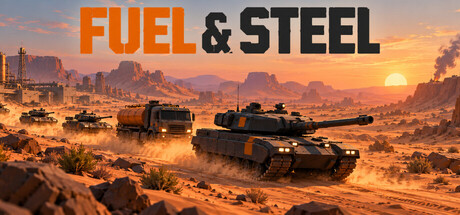
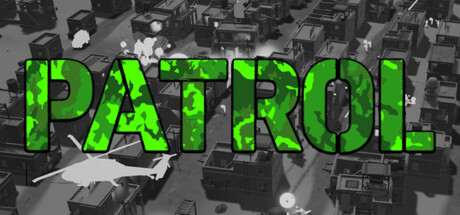
This game was made by one developer with the help of generative AI tools. 3D models of vehicles, buildings and props were generated with Tripo and then edited and assembled by hand. Some textures and the key art were created with image generators. Music, radio voices and some sound effects were generated with ElevenLabs. Game code was written with the assistance of Claude Code. Game design, missions, story and level layout are the developer's own work. Nothing is generated while you play.
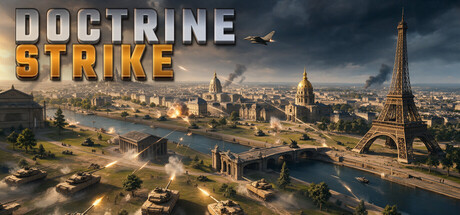
Doctrine Strike uses generative AI in its art pipeline. Unit models, structures, faction artwork, and the key art on this page were produced with AI image and 3D generation tools, then reviewed, edited and assembled by the team before shipping. Every asset that reaches the game passes human review.
While playing, players can also generate landmark models, units and faction artwork from their own text descriptions. This uses third-party AI services reached through our own server and costs credits bought in-game through Steam. The results are stored only on the player's own computer and are never shared with other players.
Game music was pre-generated using AI tools and edited during development. Select non-English/German text localizations were pre-translated using AI translation tools and reviewed.
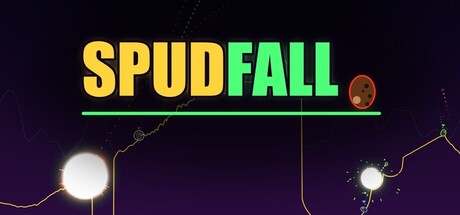
Spudfall's visuals and music are created entirely by the game's own code as you play. There are no image, sprite, or audio files. The developer used an AI assistant to help design and write that code, including the neon visual style and the synthesized soundtrack, and to draft the store page text. Trailers and screenshots show real gameplay. The game does not generate any content with AI while you play.
This game uses a mix of human and generative AI tools. AI was used in some visual art assets, code generation, and portions of the store page text. All writing in the game, voice acting, and music are fully human-created.
Generative AI was used primarily to assist in the creation of some visual assets and images used in the game, including illustrations, UI artwork, and promotional materials. AI-generated images were manually reviewed, selected, edited, and adjusted by the developer before being integrated into the game.
The game does not use generative AI to create content in real time during gameplay.
This game used generative AI for asset creation during development. The HQ statue's 3D model was created with Meshy AI, and background music was composed with Suno AI. Most in-game icons and images were created using Google Gemini and ChatGPT.
Generative AI tools assisted development and the creation of promotional artwork and some written content. Screenshots and gameplay footage show the actual game. No AI content is generated during gameplay, and the game does not connect to external AI services.
Generative AI was used only to create artwork for the Steam store page and marketing materials. No generative AI is used in the game or during gameplay.
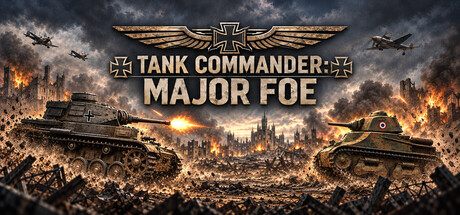
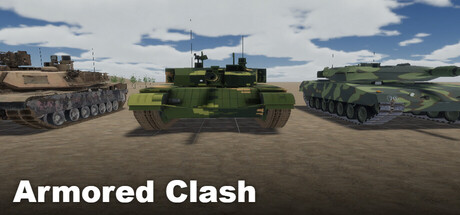
Some 2D artwork and visual assets in Tank Commander: Major FOE were created with the assistance of generative AI tools. These assets were reviewed, selected, edited, and integrated by the developer. The game does not generate AI content during gameplay and does not connect to external AI services while being played.
This game is developed under the direction of an independent developer. Its core tank mechanics, combat system, UI design, and mission system were all implemented using Godot, with AI-assisted tools incorporated to improve development efficiency.
AI tools are primarily used in asset creation, including background images, vehicle images, sound effects, and UI elements.
The game’s core design philosophy, gameplay mechanics, and programming logic were all personally conceived and implemented by the developer. AI serves only as a supporting tool and is not the primary source of creation.
With the assistance of AI tools, we are able to focus more closely on gameplay and overall quality, allowing our limited resources to be invested in the most important aspects of the player experience.
Some assets used in this game may have been created using AI. Information about these assets can be found in the game's credits. AI-assisted tools were also used during the development of this game.
Generative AI-assisted tools were used during development to assist with programming tasks and to create or refine selected 3D models. All AI-assisted code and 3D assets were reviewed, edited, tested, and integrated by the development team. AI-assisted tools were also used for selected Steam marketing artwork. The game does not generate content with AI during gameplay and does not connect to an external AI service.
Generative AI tools were used to help create some of our promotional artwork, such as the store capsule and key art. AI is used to develop intelligence of the enemy bot players in the arena. It was reviewed and selected by our team. No AI content is generated during gameplay.
Generative tools were used during development to create and refine pre-generated artwork, some 3D assets, textures, audio, cinematic sequences, and store/marketing materials, including translated store descriptions. These assets are included as fixed content. The game does not generate AI content during play and does not connect to a generative AI service.
I've used AI for a lot of things in this project. The code, 3D models, textures, 3D animations, music and more. I know a lot of people don't anything to do with AI so I want to be up front. This is a small pet project, I'm able to create a lot more of my vision than I could without AI. I do not dismiss the reasons people have for rejecting AI.
Generative AI tools were used during development to help create some visual assets, including environment textures, branding and promotional artwork, as well as store copy and localization. These materials are selected, reviewed and integrated by the developer. Gameplay screenshots are captured from the game. No generative AI content is created during play, and the game does not connect to external AI services.
Generative AI tools were used to create content in this game, including art, sound, in-game text, and the copy on this store page. All of it is reviewed by the developer before release. Nothing is generated by AI while you play.
Some game assets — including weapon/UI icons, character voice lines, and key art — were created with the
assistance of generative AI tools. All AI-generated content was reviewed and edited by the development team.
This game includes some static images and audio materials that were pre-generated by AI tools during the development stage and have been incorporated into the game. They were not generated in real time.
Generative AI tools were used during development to assist with portions of the game's code and some in-game text, including interface descriptions and procedural name pools. All AI-assisted content was reviewed, edited, and tested by the developer before inclusion.
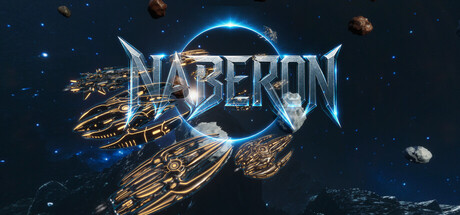
NABERON uses generative AI tools in the creation of some of its assets.
3D models and textures were generated with Meshy, then reworked, retextured
and assembled by hand for the game. Music was generated with Suno, and part
of the sound effects with ElevenLabs. Some store page artwork, including the
logo, was created with AI image tools.
All generated content was reviewed, edited and approved by the developer
before it shipped. The game does not generate any content live while you
play — nothing is created at runtime.
Generative AI was used to assist in creating some pre-rendered artwork, including environment backgrounds, menu and branding art, icons, and promotional/title-card images. These assets were reviewed and integrated by the developer. No content is generated during gameplay, and the game does not connect to external AI services.
We used Claude (Anthropic) during development for the following:
- Writing the store page description
- Assisting with the translation of in-game text
- Generating some simple in-game objects
I’m a solo developer doing my first-ever coding project. With no prior coding experience, I relied heavily on tons of tutorials to write the code and used AI to assist when troubleshooting some bugs. I also used AI to generate some of the project's visual content and images but mainly tried to use actual human work. It's been a massive learning experience, so thanks for your time, and I hope you can enjoy my project :)
Some of the placeholder unit and terrain sprites that I'm using while the game is in development were generated with the help of AI (with a lot of manual curation and editing... I promise that you will not be confronted by any noticeably ugly slop).
Initial sales will contribute toward creating hand-drawn, unique sprites for as many units as possible.
MonsterBash includes pre-generated AI-assisted artwork for certain menu backgrounds and between-level illustrations. All AI-generated assets were reviewed, edited, and integrated by the developer. No AI-generated content is created during gameplay.
Generative AI technology is used in a supplementary capacity during the creation of some user interface assets.
Any such assets are replaced through our production pipeline by our art and development teams, ensuring they meet our quality standards and creative direction.
Some store and marketing artwork (capsule/header images) was created with AI image
tools and then reviewed and edited by the developer. Some in-game commander avatars
were also AI-assisted. The game does not generate any AI content live during play.
We used generative AI tools to assist in creating in-game background illustrations. All AI-generated assets were pre-rendered during development and do not generate content in real-time.
This game uses generative AI in the production process for some item images. The generated images are reviewed and adjusted by the developer before being used in the game.
Command Doctrine uses generative AI to create some of the content you play. When you generate a scenario or a campaign, an AI model produces the map, the opposing forces, the objectives, and the written mission briefing from your prompt. AI is also used to write narrative battle reports, to create the images that accompany them, and to interpret the natural-language orders you give your units. This content is generated live by third-party AI services. We apply content moderation and input filtering to guard against inappropriate or unsafe output.
Generative AI tools were used during development to assist with drafting, revising, and refactoring portions of the game’s source code. It was reviewed, edited, compiled, and tested by the developer before inclusion.
This game was made by one developer with the help of generative AI tools. 3D models of vehicles, buildings and props were generated with Tripo and then edited and assembled by hand. Some textures and the key art were created with image generators. Music, radio voices and some sound effects were generated with ElevenLabs. Game code was written with the assistance of Claude Code. Game design, missions, story and level layout are the developer's own work. Nothing is generated while you play.
Doctrine Strike uses generative AI in its art pipeline. Unit models, structures, faction artwork, and the key art on this page were produced with AI image and 3D generation tools, then reviewed, edited and assembled by the team before shipping. Every asset that reaches the game passes human review.
While playing, players can also generate landmark models, units and faction artwork from their own text descriptions. This uses third-party AI services reached through our own server and costs credits bought in-game through Steam. The results are stored only on the player's own computer and are never shared with other players.
Game music was pre-generated using AI tools and edited during development. Select non-English/German text localizations were pre-translated using AI translation tools and reviewed.
Spudfall's visuals and music are created entirely by the game's own code as you play. There are no image, sprite, or audio files. The developer used an AI assistant to help design and write that code, including the neon visual style and the synthesized soundtrack, and to draft the store page text. Trailers and screenshots show real gameplay. The game does not generate any content with AI while you play.
This game uses a mix of human and generative AI tools. AI was used in some visual art assets, code generation, and portions of the store page text. All writing in the game, voice acting, and music are fully human-created.
Generative AI was used primarily to assist in the creation of some visual assets and images used in the game, including illustrations, UI artwork, and promotional materials. AI-generated images were manually reviewed, selected, edited, and adjusted by the developer before being integrated into the game.
The game does not use generative AI to create content in real time during gameplay.
This game used generative AI for asset creation during development. The HQ statue's 3D model was created with Meshy AI, and background music was composed with Suno AI. Most in-game icons and images were created using Google Gemini and ChatGPT.
Generative AI tools assisted development and the creation of promotional artwork and some written content. Screenshots and gameplay footage show the actual game. No AI content is generated during gameplay, and the game does not connect to external AI services.
Generative AI was used only to create artwork for the Steam store page and marketing materials. No generative AI is used in the game or during gameplay.
Some 2D artwork and visual assets in Tank Commander: Major FOE were created with the assistance of generative AI tools. These assets were reviewed, selected, edited, and integrated by the developer. The game does not generate AI content during gameplay and does not connect to external AI services while being played.
This game is developed under the direction of an independent developer. Its core tank mechanics, combat system, UI design, and mission system were all implemented using Godot, with AI-assisted tools incorporated to improve development efficiency.
AI tools are primarily used in asset creation, including background images, vehicle images, sound effects, and UI elements.
The game’s core design philosophy, gameplay mechanics, and programming logic were all personally conceived and implemented by the developer. AI serves only as a supporting tool and is not the primary source of creation.
With the assistance of AI tools, we are able to focus more closely on gameplay and overall quality, allowing our limited resources to be invested in the most important aspects of the player experience.
Some assets used in this game may have been created using AI. Information about these assets can be found in the game's credits. AI-assisted tools were also used during the development of this game.
Generative AI-assisted tools were used during development to assist with programming tasks and to create or refine selected 3D models. All AI-assisted code and 3D assets were reviewed, edited, tested, and integrated by the development team. AI-assisted tools were also used for selected Steam marketing artwork. The game does not generate content with AI during gameplay and does not connect to an external AI service.
Generative AI tools were used to help create some of our promotional artwork, such as the store capsule and key art. AI is used to develop intelligence of the enemy bot players in the arena. It was reviewed and selected by our team. No AI content is generated during gameplay.
Generative tools were used during development to create and refine pre-generated artwork, some 3D assets, textures, audio, cinematic sequences, and store/marketing materials, including translated store descriptions. These assets are included as fixed content. The game does not generate AI content during play and does not connect to a generative AI service.
I've used AI for a lot of things in this project. The code, 3D models, textures, 3D animations, music and more. I know a lot of people don't anything to do with AI so I want to be up front. This is a small pet project, I'm able to create a lot more of my vision than I could without AI. I do not dismiss the reasons people have for rejecting AI.
Generative AI tools were used during development to help create some visual assets, including environment textures, branding and promotional artwork, as well as store copy and localization. These materials are selected, reviewed and integrated by the developer. Gameplay screenshots are captured from the game. No generative AI content is created during play, and the game does not connect to external AI services.
Generative AI tools were used to create content in this game, including art, sound, in-game text, and the copy on this store page. All of it is reviewed by the developer before release. Nothing is generated by AI while you play.
Some game assets — including weapon/UI icons, character voice lines, and key art — were created with the
assistance of generative AI tools. All AI-generated content was reviewed and edited by the development team.
This game includes some static images and audio materials that were pre-generated by AI tools during the development stage and have been incorporated into the game. They were not generated in real time.
Generative AI tools were used during development to assist with portions of the game's code and some in-game text, including interface descriptions and procedural name pools. All AI-assisted content was reviewed, edited, and tested by the developer before inclusion.
NABERON uses generative AI tools in the creation of some of its assets.
3D models and textures were generated with Meshy, then reworked, retextured
and assembled by hand for the game. Music was generated with Suno, and part
of the sound effects with ElevenLabs. Some store page artwork, including the
logo, was created with AI image tools.
All generated content was reviewed, edited and approved by the developer
before it shipped. The game does not generate any content live while you
play — nothing is created at runtime.
Generative AI was used to assist in creating some pre-rendered artwork, including environment backgrounds, menu and branding art, icons, and promotional/title-card images. These assets were reviewed and integrated by the developer. No content is generated during gameplay, and the game does not connect to external AI services.
We used Claude (Anthropic) during development for the following:
- Writing the store page description
- Assisting with the translation of in-game text
- Generating some simple in-game objects
I’m a solo developer doing my first-ever coding project. With no prior coding experience, I relied heavily on tons of tutorials to write the code and used AI to assist when troubleshooting some bugs. I also used AI to generate some of the project's visual content and images but mainly tried to use actual human work. It's been a massive learning experience, so thanks for your time, and I hope you can enjoy my project :)
Some of the placeholder unit and terrain sprites that I'm using while the game is in development were generated with the help of AI (with a lot of manual curation and editing... I promise that you will not be confronted by any noticeably ugly slop).
Initial sales will contribute toward creating hand-drawn, unique sprites for as many units as possible.
MonsterBash includes pre-generated AI-assisted artwork for certain menu backgrounds and between-level illustrations. All AI-generated assets were reviewed, edited, and integrated by the developer. No AI-generated content is created during gameplay.
Generative AI technology is used in a supplementary capacity during the creation of some user interface assets.
Any such assets are replaced through our production pipeline by our art and development teams, ensuring they meet our quality standards and creative direction.
Some store and marketing artwork (capsule/header images) was created with AI image
tools and then reviewed and edited by the developer. Some in-game commander avatars
were also AI-assisted. The game does not generate any AI content live during play.
We used generative AI tools to assist in creating in-game background illustrations. All AI-generated assets were pre-rendered during development and do not generate content in real-time.
This game uses generative AI in the production process for some item images. The generated images are reviewed and adjusted by the developer before being used in the game.
Command Doctrine uses generative AI to create some of the content you play. When you generate a scenario or a campaign, an AI model produces the map, the opposing forces, the objectives, and the written mission briefing from your prompt. AI is also used to write narrative battle reports, to create the images that accompany them, and to interpret the natural-language orders you give your units. This content is generated live by third-party AI services. We apply content moderation and input filtering to guard against inappropriate or unsafe output.
Generative AI tools were used during development to assist with drafting, revising, and refactoring portions of the game’s source code. It was reviewed, edited, compiled, and tested by the developer before inclusion.