



Disclosure
Some weapon images and sound effects in this game were created with the help of generative AI tools and then reviewed and edited by our team.
- Creator
- LEPOR GAMES
- Reviews
- -
- Added
- Oct 12, 2026
Public Steam disclosure research 25,376 disclosures tracked
Search developers’ Steam disclosures, compare classified AI use across games, and follow recorded changes. This index adds cross-game classifications and statistics to statements published on individual store pages.
Code help, debugging and other development work.
Capsule art, trailers and promotional material.
Pre-made art, audio, writing and other game assets.
Interactive or runtime AI features disclosed by the developer.
Groups reflect automatic analysis of public disclosures; mature records are excluded. These counts do not measure AI use across all of Steam. Missing or unclear statements cannot establish whether a game uses AI.
Some weapon images and sound effects in this game were created with the help of generative AI tools and then reviewed and edited by our team.
AI was used for some portions of code. All art is hand drawn and all game design and ideas are our own.
AI-assisted tools were used during development for programming, debugging, shader work and some store-page text. All output was reviewed and integrated by the developer. No live-generated AI content is used in gameplay.
Only alien images were generated using AI.
Some sound effects, music, and artwork were made with the help of AI. All artwork involved human creation or adjustment and processing.
AI tools were used under the developer’s creative direction to assist with implementation, interface text, localization, documentation, procedural visuals, and selected promotional artwork, including the manual’s cover. No generative AI runs during gameplay.
This game uses AI for its store page assets as well as during developing the game.
Some in-game artwork (sprites, icons and illustrations), sound effects, music and localized text were created with the help of generative AI tools, then edited, curated and reviewed by the developer. No content is generated by AI during gameplay.
AI is used to aid in store page.
We use AI to help with community, bug fixes, and general content that will be replaced over time as we continue to develop.
Void Runners was developed with the help of AI coding tools. The game's art, music and sound effects are generated procedurally by code written with those tools; no AI model runs in the game, and no content is generated live while you play.
This game was made by a solo developer with the help of generative AI tools. AI was used to create the store page images and videos, the in-game audio and visual assets, language translations, and the majority of the code. The game concept, design, and every gameplay decision are my own, and I reviewed and refined all AI-generated content.
Bloodloader was made by one developer with generative AI tools in the pipeline. Character, enemy and item sprites, tiles, icons and the store key art began as AI generations (PixelLab) and were selected, cleaned up, recoloured and assembled by the developer. Sound effects and music were generated with ElevenLabs and edited into final effects and seamless loops. Some in-game text was drafted with AI assistance and edited by the developer. Nothing is generated while you play.
Some of the game's artwork was created from the developer's own sketches and refined using AI image tools. Some sound effects were produced with the help of AI audio tools. The in-game text was translated into the supported languages with the help of AI tools. All content is reviewed and approved by the developer before release.
During development we use AI assistance in certain tasks, such as generative fill to extend artist drawn artwork. All major art has been drawn by human artists. The game has optional computer generated voice overs.
As a solo developer with a big dream and limited resources, I want to be entirely upfront how this game was built. The vast majority of this game is completely human-made: I crafted the pixel characters, animations, code, and story over the past 10 years. I also utilized incredible royalty-free and purchased assets from human creators like gyvr, Eunity, RafaelMatos, penusbmic, Winlu, Geoff Harvey. The use of generative AI was for touching up and refining the marketing capsule images using Adobe Photoshop tools.
Due to budget constraints, I’ve had to rely on AI to create the soundtrack and translate the game into languages I don’t speak (all languages except English and Spanish). I know it’s not the same as working with professional musicians and translators, and I’d really like to change that in the future. If the game is well received and gets enough support, I’ll be more than happy to invest part of that support into working with professionals and replacing these AI-generated elements. Thank you for giving the game a chance and for supporting this indie project.
Some of this game's art was created with the help of generative AI tools and then edited by hand. All of it is pre-generated during development: the game generates no content while you play and does not connect to any AI service.
Generative AI tools were used to help create some of our promotional artwork, such as the store capsule and key art. AI is used to develop intelligence of the enemy bot players in the arena. It was reviewed and selected by our team. No AI content is generated during gameplay.
The music for this game has been created with AI through serious prompting and critical listening. Want to donate your own electric swing music to this game? Contact us on Discord :)
Generative AI was used to assist with coding the game.
・Translated text in the following languages: English, French, German, Italian, Spanish, Chinese (Simplified), Chinese (Traditional), Korean, Russian ・Generation of title screen background images ・Generation of images for some module icons
Salvage Inc. was designed, developed, and assembled by a human developer. Generative AI tools were used to assist in the creation of some game assets, including certain visual and audio elements.
IA used for localization
AI used for code, graphics, audio.
Some of the content in this game was created with the help of generative AI tools. This includes parts of the visual assets (icons, textures and UI images), some audio (music and sound effects), parts of the in-game text (item descriptions, dialogue and story text), and the translations of the game's text into other languages. All of this content was generated during development, then reviewed, edited and assembled by hand before being included in the game. The game itself does not generate any content with AI while you play, and it does not send any player data to AI services.
Localization features are AI-assisted.
Generative AI was used to draft text only: the in-game interface strings, the achievement names and descriptions, their translations into 13 non-English languages, and this store page. All of it was reviewed and edited by the developer before release. No AI-generated images, audio or video are used. This game ships with no image or audio files at all — every shape, sound and note is produced by the game's own code at run time. Nothing is generated while you play. The game makes no network calls and contacts no AI service.
Generative AI tools were used to assist with some store marketing assets including capsule artwork, as well as a small number of in-game item icons and a loading screen. All AI-assisted assets were reviewed, edited and polished by hand before use and will be replaced at a later date.
Images, and some sounds are generated via ai.
Development used generative AI tools to create pre-generated visual assets: seven battlefield and escalation backgrounds, twenty-six combat-art atlases, and one progression-card atlas (34 bitmap files total). AI tools also helped translate the store page and in-game text from the original, manually written English into eight languages. All generated content is pre-generated and curated; the game does not generate content while running. No third-party logos, characters, or source art were used as image-generation references.
Some images were created using existing game assets, which were then reworked with AI to enhance the sense of space and atmosphere.
Some pre-rendered art assets (enemy and background artwork) and localization were created with generative AI tools under human direction, then manually cleaned up and integrated by the developers. Development used AI-assisted coding tools. No content is AI-generated at runtime.
This game uses generative AI tools to assist in creating early drafts of some artwork and text during development. All AI-generated content is pre-rendered and has been reviewed, edited, and polished by hand before being included in the game. No content is generated live at runtime.
The game's art and sound are drawn and synthesised in code at runtime rather than shipped as asset files, and that code was written with AI coding assistance under human direction. No AI runs while the game is playing. The soundtrack is licensed human-authored works.
Generative AI tools were used during development to assist with certain parts of the game, including code and game assets such as artwork, audio, and localization. All AI generated content has been reviewed before being included in the game.
Generative artificial intelligence was used to generate some marketing materials such as capsule art as well as some icons.
Generative AI tools were used during development to assist with the creation of [artwork, voice audio, text, and localization]. All AI-assisted content was reviewed and edited by the developer before being included in the game. The game does not generate AI content during gameplay.
As a solo developer, AI has been used as a tool to get the game where it is today. Primary used as a tool to help with areas of development and certain text generations. No art or music was generated by AI. 95% of the artwork in the game is procedurally generated by code, while the rest is hand done by me. The music was also created by me specifically for the game. AI was used in places like name and description generations for items in the game as well as some text areas within the tutorial coach text to help guide players through the initial stages of the game.
AI used for programmation
The promotional video on the game's store page used AI-generated character animation slices.
ART AND AUDIO: no generative image or audio models were used. Every texture, sprite, visual effect and musical note in Mool: Chroma is generated at runtime by the game's own code. The build ships no audio files at all, and the only image files it ships are the bitmap font atlases used to draw text. The store page artwork is rendered by that same code. The code itself was written with AI assistance and reviewed by the developer. TEXT: AI tools were used to help write text. Some in-game narrative and flavor text was drafted with AI assistance, and the game's non-English translations (Korean, Japanese, Simplified Chinese, German, French, Spanish - Latin America, Portuguese - Brazil, Russian) were AI-generated. All of it was reviewed and edited by the developer before shipping. Nothing is generated live during gameplay.
Generative AI tools were used during development to assist with some visual assets, audio, and code. All content was reviewed, edited, and integrated by the developer. The game does not generate AI content during gameplay.
Generative AI tools were used during development as part of the early creative and production process, including generating mood boards, visual references, and some base meshes. These materials were used as starting points rather than finished game content. Any AI-assisted assets included in Nine Below were substantially reworked, modified, refined, and polished by hand before being included in the final game. AI was used to support iteration and production, while the final game was designed, built, and finished by the developer. No AI-generated content is created during gameplay.
Coding help when programming the game.
Generative AI was used to assist in creating select art assets, which were reviewed, edited, and integrated by the developer. All gameplay, programming, and overall design were created by the development team.
We used AI tools in two places during development, and in neither of them to replace creative work. Our French, Spanish, Italian, Japanese and Korean localisations are made using AI. We also used AI assistance while writing and restructuring parts of our codebase. Everything players see and hear — art, animation, sound, music, game design and all original writing — was made by people.
There is usage of generative AI in two places and everything it produced has been reviewed. The soundtrack was created with the assistance of AI, and some of the writing was drafted with an AI assistant and then edited afterwards: card, UI and help text, the Simplified Chinese translation, and the store page and marketing copy. Nothing else is model output — the logo, the app icon and every visual in the game are drawn by the game's own code from geometry in the source, and the sound effects are synthesized as you play.
This game's music was created with the assistance of generative AI. The interface and Enemy Guide text were also translated into multiple languages with AI assistance, alongside human review. No AI-generated artwork or gameplay code ships in the final game.
The game's core visual presentation is built around human-created playable character sprite sheets and map artwork, while the level layouts and game design are created by the developer. Generative AI was used for selected pre-generated audio, localization, and supporting visual content such as the logo and key art. No generative AI content is generated during gameplay.
| Title⇅ | Disclosure | Creator⇅ | Src | Reviews⇅ | Added↓ |
|---|---|---|---|---|---|
 Burrow Mayhem In-game content artaudio | Some weapon images and sound effects in this game were created with the help of generative AI tools and then reviewed and edited by our team. | LEPOR GAMES | - | Oct 12, 2026 | |
 Keystrike Dev only code | AI was used for some portions of code. All art is hand drawn and all game design and ideas are our own. | Usiah Barnes | - | Oct 12, 2026 | |
 ONSIGHT Store/marketing codetext | AI-assisted tools were used during development for programming, debugging, shader work and some store-page text. All output was reviewed and integrated by the developer. No live-generated AI content is used in gameplay. | Fat Set Studios | - | Oct 12, 2026 | |
 QSO7 In-game content art | Only alien images were generated using AI. | John Nash | - | Oct 11, 2026 | |
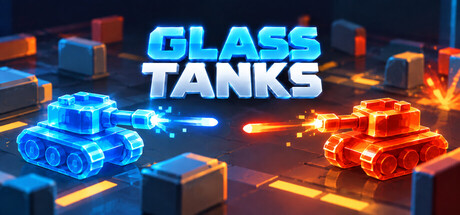 Glass Tanks In-game content artaudio | Some sound effects, music, and artwork were made with the help of AI. All artwork involved human creation or adjustment and processing. | Wutot Games | - | Oct 10, 2026 | |
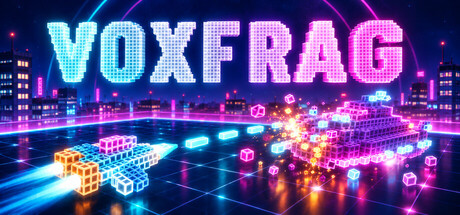 VOXFRAG In-game content textart | AI tools were used under the developer’s creative direction to assist with implementation, interface text, localization, documentation, procedural visuals, and selected promotional artwork, including the manual’s cover. No generative AI runs during gameplay. | Gaboo Arts Entertainment | - | Oct 9, 2026 | |
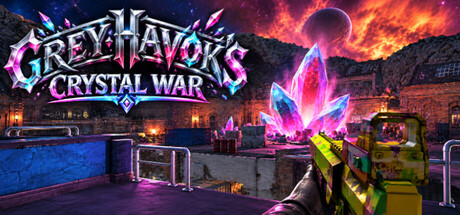 Grey Havok's Crystal War Store/marketing | This game uses AI for its store page assets as well as during developing the game. | Waffle Street Games | - | Oct 9, 2026 | |
 Lumbrix In-game content artaudiotext | Some in-game artwork (sprites, icons and illustrations), sound effects, music and localized text were created with the help of generative AI tools, then edited, curated and reviewed by the developer. No content is generated by AI during gameplay. | JSM games | - | Oct 9, 2026 | |
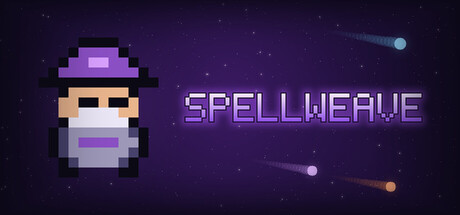 SpellWeave general | AI is used to aid in store page. | Josh Dillion | - | Oct 9, 2026 | |
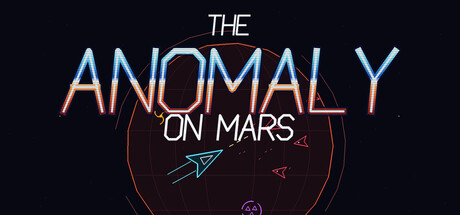 The Anomaly on Mars Unclear | We use AI to help with community, bug fixes, and general content that will be replaced over time as we continue to develop. | nith studio | - | Oct 7, 2026 | |
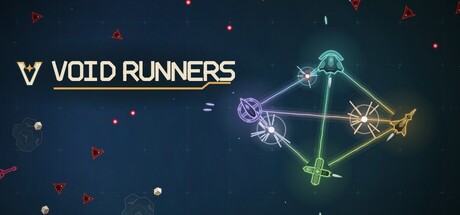 Void Runners In-game content artaudiocode | Void Runners was developed with the help of AI coding tools. The game's art, music and sound effects are generated procedurally by code written with those tools; no AI model runs in the game, and no content is generated live while you play. | Aaron Reisman | - | Oct 4, 2026 | |
 Plow-A-Lot In-game content artaudiotextcode | This game was made by a solo developer with the help of generative AI tools. AI was used to create the store page images and videos, the in-game audio and visual assets, language translations, and the majority of the code. The game concept, design, and every gameplay decision are my own, and I reviewed and refined all AI-generated content. | Unity Gain, LLC | - | Oct 4, 2026 | |
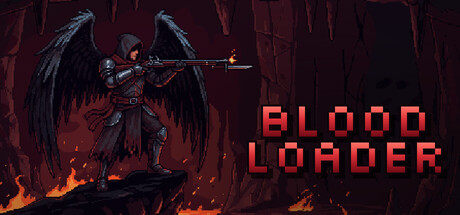 Bloodloader In-game content artaudiotext | Bloodloader was made by one developer with generative AI tools in the pipeline. Character, enemy and item sprites, tiles, icons and the store key art began as AI generations (PixelLab) and were selected, cleaned up, recoloured and assembled by the developer. Sound effects and music were generated with ElevenLabs and edited into final effects and seamless loops. Some in-game text was drafted with AI assistance and edited by the developer. Nothing is generated while you play. | Nukeborn Studio | - | Oct 4, 2026 | |
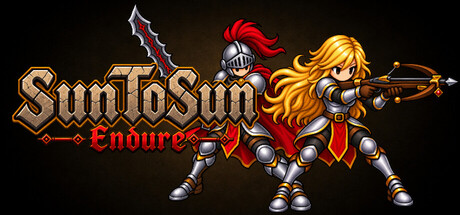 Sun To Sun: Endure In-game content artaudiotext | Some of the game's artwork was created from the developer's own sketches and refined using AI image tools. Some sound effects were produced with the help of AI audio tools. The in-game text was translated into the supported languages with the help of AI tools. All content is reviewed and approved by the developer before release. | Titan L.E.M.A.R Studios | - | Oct 1, 2026 | |
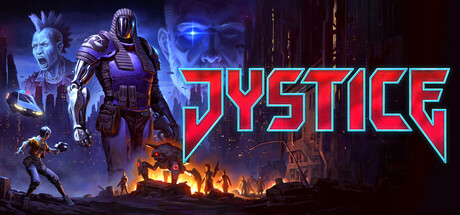 JYSTICE In-game content artaudio | During development we use AI assistance in certain tasks, such as generative fill to extend artist drawn artwork. All major art has been drawn by human artists.
The game has optional computer generated voice overs. | 10tons Ltd | - | Sep 30, 2026 | |
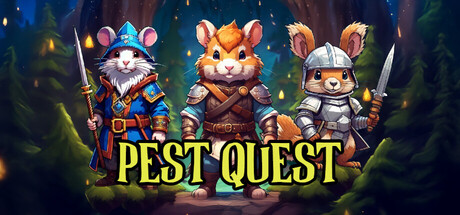 Pest Quest Store/marketing art | As a solo developer with a big dream and limited resources, I want to be entirely upfront how this game was built. The vast majority of this game is completely human-made: I crafted the pixel characters, animations, code, and story over the past 10 years. I also utilized incredible royalty-free and purchased assets from human creators like gyvr, Eunity, RafaelMatos, penusbmic, Winlu, Geoff Harvey.
The use of generative AI was for touching up and refining the marketing capsule images using Adobe Photoshop tools. | AzamaruStudio | - | Sep 29, 2026 | |
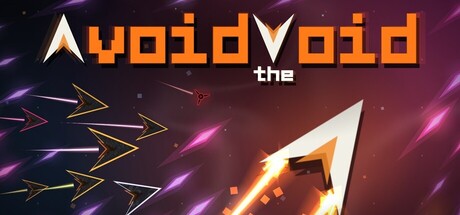 Avoid the Void In-game content audiotext | Due to budget constraints, I’ve had to rely on AI to create the soundtrack and translate the game into languages I don’t speak (all languages except English and Spanish).
I know it’s not the same as working with professional musicians and translators, and I’d really like to change that in the future. If the game is well received and gets enough support, I’ll be more than happy to invest part of that support into working with professionals and replacing these AI-generated elements.
Thank you for giving the game a chance and for supporting this indie project. | Keycrown Studio | - | Sep 25, 2026 | |
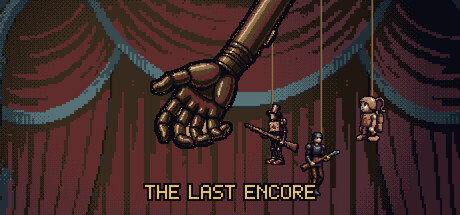 The Last Encore In-game content art | Some of this game's art was created with the help of generative AI tools and then edited by hand. All of it is pre-generated during development: the game generates no content while you play and does not connect to any AI service. | ArenoLabs | - | Sep 24, 2026 | |
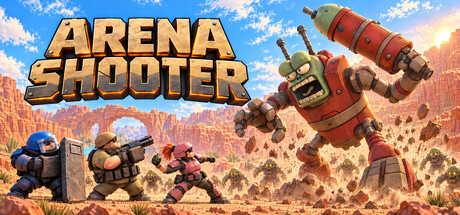 Arena Shooter Live AI art | Generative AI tools were used to help create some of our promotional artwork, such as the store capsule and key art. AI is used to develop intelligence of the enemy bot players in the arena. It was reviewed and selected by our team. No AI content is generated during gameplay. | GameEra Studios | - | Sep 22, 2026 | |
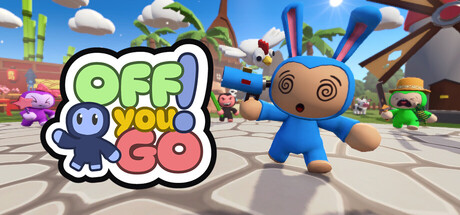 OFF you GO! In-game content audio | The music for this game has been created with AI through serious prompting and critical listening.
Want to donate your own electric swing music to this game? Contact us on Discord :) | Kasper Fischer Topp | - | Sep 21, 2026 | |
 Sponge Bridges Dev only code | Generative AI was used to assist with coding the game. | Alun Games | - | Sep 19, 2026 | |
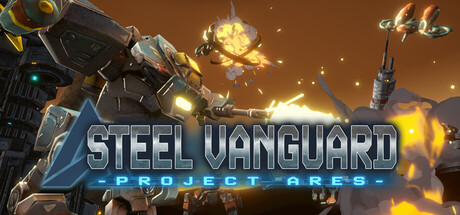 STEEL VANGUARD:Project ARES In-game content arttext | ・Translated text in the following languages:
English, French, German, Italian, Spanish, Chinese (Simplified), Chinese (Traditional), Korean, Russian
・Generation of title screen background images
・Generation of images for some module icons | GZOE Inc. | - | Sep 19, 2026 | |
 Salvage Inc In-game content artaudio | Salvage Inc. was designed, developed, and assembled by a human developer. Generative AI tools were used to assist in the creation of some game assets, including certain visual and audio elements. | Hyper Mode | - | Sep 18, 2026 | |
 Spacejunk In-game content text | IA used for localization | Fax3D Games | - | Sep 18, 2026 | |
 Scraplands In-game content artaudiocode | AI used for code, graphics, audio. | Quad Pixel | - | Sep 15, 2026 | |
 Warpscape In-game content artaudiotext | Some of the content in this game was created with the help of generative AI tools.
This includes parts of the visual assets (icons, textures and UI images), some audio
(music and sound effects), parts of the in-game text (item descriptions, dialogue and
story text), and the translations of the game's text into other languages.
All of this content was generated during development, then reviewed, edited and
assembled by hand before being included in the game. The game itself does not generate
any content with AI while you play, and it does not send any player data to AI services. | Yevhenii Mykhailichenko | - | Sep 15, 2026 | |
 Towers & Tentacles In-game content text | Localization features are AI-assisted. | Graauw | - | Sep 13, 2026 | |
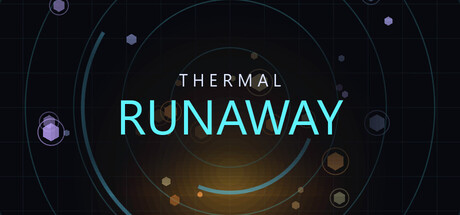 THERMAL RUNAWAY In-game content text | Generative AI was used to draft text only: the in-game interface strings, the achievement names and descriptions, their translations into 13 non-English languages, and this store page. All of it was reviewed and edited by the developer before release.
No AI-generated images, audio or video are used. This game ships with no image or audio files at all — every shape, sound and note is produced by the game's own code at run time.
Nothing is generated while you play. The game makes no network calls and contacts no AI service. | Alexframe | - | Sep 12, 2026 | |
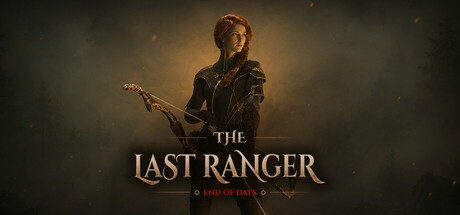 The Last Ranger In-game content art | Generative AI tools were used to assist with some store marketing assets including capsule artwork, as well as a small number of in-game item icons and a loading screen. All AI-assisted assets were reviewed, edited and polished by hand before use and will be replaced at a later date. | NoRestForTheBest | - | Sep 12, 2026 | |
 UFO Survival In-game content artaudio | Images, and some sounds are generated via ai. | Coppolo Studios | - | Sep 12, 2026 | |
 Neon Endstate In-game content arttext | Development used generative AI tools to create pre-generated visual assets: seven battlefield and escalation backgrounds, twenty-six combat-art atlases, and one progression-card atlas (34 bitmap files total). AI tools also helped translate the store page and in-game text from the original, manually written English into eight languages. All generated content is pre-generated and curated; the game does not generate content while running. No third-party logos, characters, or source art were used as image-generation references. | Kasperzack Games | - | Sep 12, 2026 | |
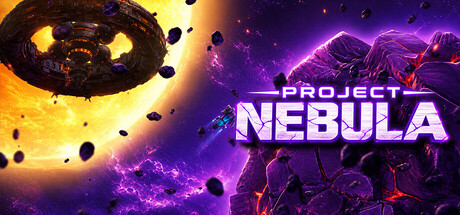 Project Nebula In-game content art | Some images were created using existing game assets, which were then reworked with AI to enhance the sense of space and atmosphere. | MK_Games | - | Sep 12, 2026 | |
 Last Haul In-game content arttext | Some pre-rendered art assets (enemy and background artwork) and localization were created with generative AI tools under human direction, then manually cleaned up and integrated by the developers. Development used AI-assisted coding tools. No content is AI-generated at runtime. | Eryk Włoszczyński | - | Sep 9, 2026 | |
 小吃派对 Snack Party In-game content arttext | This game uses generative AI tools to assist in creating early drafts of some artwork and text during development. All AI-generated content is pre-rendered and has been reviewed, edited, and polished by hand before being included in the game. No content is generated live at runtime. | Pad Token Games | - | Sep 7, 2026 | |
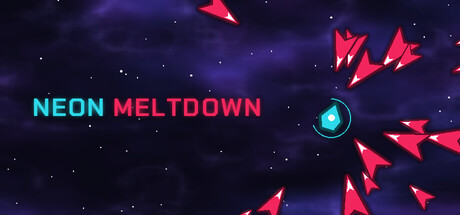 Neon Meltdown Dev only artaudiocode | The game's art and sound are drawn and synthesised in code at runtime rather than shipped as asset files, and that code was written with AI coding assistance under human direction. No AI runs while the game is playing. The soundtrack is licensed human-authored works. | Living Skies Interactive | - | Sep 6, 2026 | |
 The Last Roll In-game content artaudiotext | Generative AI tools were used during development to assist with certain parts of the game, including code and game assets such as artwork, audio, and localization. All AI generated content has been reviewed before being included in the game. | Aspiro Games | - | Sep 5, 2026 | |
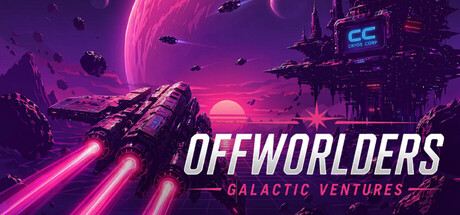 Offworlders: Galactic Ventures In-game content art | Generative artificial intelligence was used to generate some marketing materials such as capsule art as well as some icons. | Snowchimp Interactive | - | Sep 4, 2026 | |
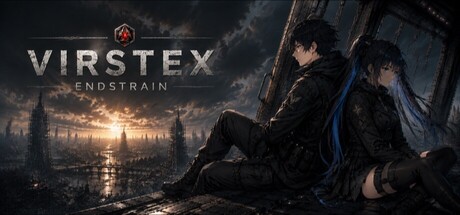 VIRSTEX ENDSTRAIN In-game content artaudiotext | Generative AI tools were used during development to assist with the creation of [artwork, voice audio, text, and localization]. All AI-assisted content was reviewed and edited by the developer before being included in the game. The game does not generate AI content during gameplay. | MOSAIC CAT | - | Sep 3, 2026 | |
 Vectorfall In-game content text | As a solo developer, AI has been used as a tool to get the game where it is today. Primary used as a tool to help with areas of development and certain text generations.
No art or music was generated by AI. 95% of the artwork in the game is procedurally generated by code, while the rest is hand done by me. The music was also created by me specifically for the game.
AI was used in places like name and description generations for items in the game as well as some text areas within the tutorial coach text to help guide players through the initial stages of the game. | Nubgamerz | - | Sep 3, 2026 | |
 Out of Range Dev only code | AI used for programmation | Yoho Games | - | Sep 1, 2026 | |
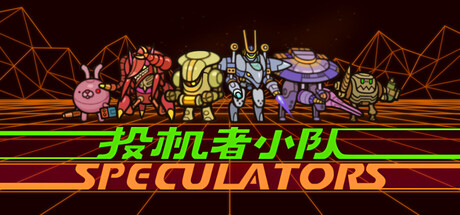 Speculators Store/marketing art | The promotional video on the game's store page used AI-generated character animation slices. | Fireseeds | - | Sep 1, 2026 | |
 Mool: Chroma In-game content artaudiotext | ART AND AUDIO: no generative image or audio models were used. Every texture, sprite, visual effect and musical note in Mool: Chroma is generated at runtime by the game's own code. The build ships no audio files at all, and the only image files it ships are the bitmap font atlases used to draw text. The store page artwork is rendered by that same code. The code itself was written with AI assistance and reviewed by the developer.
TEXT: AI tools were used to help write text. Some in-game narrative and flavor text was drafted with AI assistance, and the game's non-English translations (Korean, Japanese, Simplified Chinese, German, French, Spanish - Latin America, Portuguese - Brazil, Russian) were AI-generated. All of it was reviewed and edited by the developer before shipping.
Nothing is generated live during gameplay. | jwl works | - | Aug 31, 2026 | |
 Bullet Debt In-game content artaudiocode | Generative AI tools were used during development to assist with some visual assets, audio, and code. All content was reviewed, edited, and integrated by the developer. The game does not generate AI content during gameplay. | David Gamble | - | Aug 29, 2026 | |
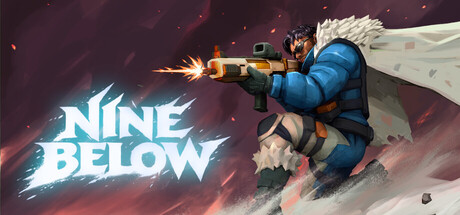 Nine Below In-game content art | Generative AI tools were used during development as part of the early creative and production process, including generating mood boards, visual references, and some base meshes.
These materials were used as starting points rather than finished game content. Any AI-assisted assets included in Nine Below were substantially reworked, modified, refined, and polished by hand before being included in the final game.
AI was used to support iteration and production, while the final game was designed, built, and finished by the developer. No AI-generated content is created during gameplay. | Griffe Studio | - | Aug 29, 2026 | |
 Salvage Run Dev only code | Coding help when programming the game. | Odin's Beard Software | - | Aug 29, 2026 | |
 Ragtag Fleet In-game content art | Generative AI was used to assist in creating select art assets, which were reviewed, edited, and integrated by the developer. All gameplay, programming, and overall design were created by the development team. | ESDF Game | - | Aug 28, 2026 | |
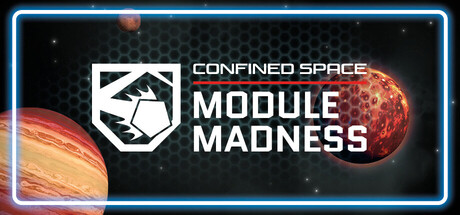 Confined Space - Module Madness In-game content textcode | We used AI tools in two places during development, and in neither of them to replace creative work.
Our French, Spanish, Italian, Japanese and Korean localisations are made using AI. We also used AI assistance while writing and restructuring parts of our codebase.
Everything players see and hear — art, animation, sound, music, game design and all original writing — was made by people. | Confined Space Crew | - | Aug 28, 2026 | |
 Scrapstorm In-game content audiotext | There is usage of generative AI in two places and everything it produced has been reviewed. The soundtrack was created with the assistance of AI, and some of the writing was drafted with an AI assistant and then edited afterwards: card, UI and help text, the Simplified Chinese translation, and the store page and marketing copy. Nothing else is model output — the logo, the app icon and every visual in the game are drawn by the game's own code from geometry in the source, and the sound effects are synthesized as you play. | Pixiliated | - | Aug 28, 2026 | |
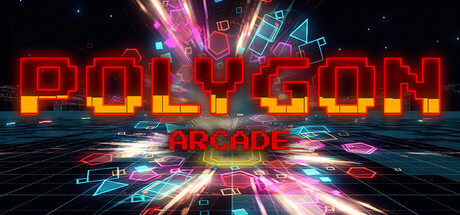 Polygon Arcade In-game content audiotext | This game's music was created with the assistance of generative AI. The interface and Enemy Guide text were also translated into multiple languages with AI assistance, alongside human review. No AI-generated artwork or gameplay code ships in the final game. | Daniel Korican | - | Aug 28, 2026 | |
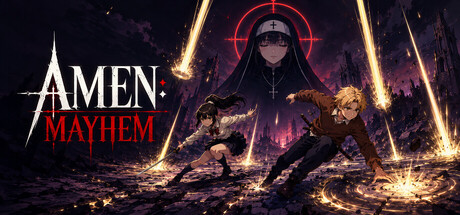 AMEN: MAYHEM In-game content artaudiotext | The game's core visual presentation is built around human-created playable character sprite sheets and map artwork, while the level layouts and game design are created by the developer. Generative AI was used for selected pre-generated audio, localization, and supporting visual content such as the logo and key art. No generative AI content is generated during gameplay. | Nutty Brain Games | - | Aug 23, 2026 |


