Public Steam disclosure research25,376 disclosures tracked
Where do games disclose AI use?
Search developers’ Steam disclosures, compare classified AI use across
games, and follow recorded changes.
This index adds cross-game classifications and statistics to
statements published on individual store pages.
Groups reflect automatic analysis of public disclosures; mature records are excluded. These counts do not measure AI use across all of Steam.
Missing or unclear statements cannot establish whether a game uses AI.
Character animations are generated with an AI motion model (Kimodo) and then cleaned up and retargeted by our team. Character voice-overs are created with AI text-to-speech and directed and edited by our team. All 3D models, buildings, textures and writing are made by us. No AI content is generated live during gameplay.
The developer uses AI tools to assist in creating 2D graphic assets, specifically the game icon. All assets have been carefully reviewed to ensure they are unique and do not infringe on any copyrighted materials.
Currently, AI‑assisted Photoshop image editing is only used for the Steam store‑page assets. No AI is utilized within the game itself. All image and audio assets are either sourced from free open‑source resources or purchased commercially.
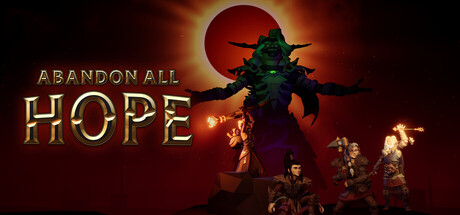
Custom Built LLM & Vertex DB, 100% home made AI model built by developer of Abandon All Hope was used to aid in padding out Dialog for the game, as well as the store page description. All Other content has been hand crafted.
The current game features temporary music tracks generated using AI. We plan to replace these with original compositions created specifically for the game by the full release or future updates.
The promotional image of the game, as well as NPCs and a small number of scene components, are generated by AI.And the opening and closing of the promotional video
Some character and equipment models were generated with an AI 3D tool and then rigged, recoloured and edited by hand. The icons were designed with AI tools and drawn in code, and the game's text was written with AI assistance and edited by the developer. Environments use asset packs made by people, sound effects come from a sound pack recorded by people, and the music is synthesised by the game's own code. No AI generates anything while you play.
Generative AI tools were used to help create some visual assets, music, and store/promotional materials, and to assist with translation. No generative AI is used to create content during gameplay.
AI was used during development to create some of the game's visual artwork and graphical assets. The AI-generated assets are pre-generated and included as static content in the game. No AI content is generated during gameplay, and the game does not connect to or use an AI service at runtime.
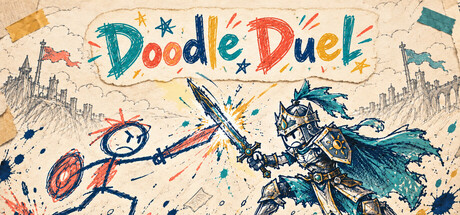
Some promotional materials for Doodle Duel, including animation and music created or assisted by generative AI tools based on game images, were made with generative AI. The game itself does not generate content at runtime and does not connect to external AI services.
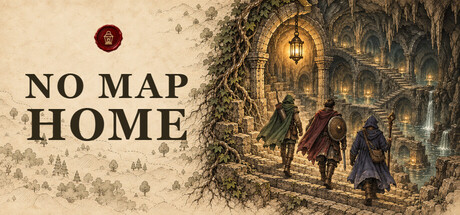
Some assets and promotional materials for No Map Home were created with help from generative AI tools. I personally reviewed, refined, and integrated all AI-generated content to make sure it fits the game’s visual style and my creative vision for it.
Generative AI tools were used in the development of some visual assets, primarily to help enhance and upscale textures and create additional variations. All assets were reviewed and integrated by the development team as part of the game's art pipeline.
Generative AI assisted some game art, store illustrations, logos and icons. Screenshots show the actual development build. No AI content is generated during gameplay.
Generative AI was used during development to create early drafts of some graphical resources and to help further develop and refine game design concepts. All AI-assisted materials were reviewed and adjusted by the development team before being used in the final game.
Disclosure regarding Generative AI
This game utilizes artificial intelligence (AI) tools to assist in generating some of the promotional materials on the store page, as well as certain in-game visual assets.
AI-assisted tools were used during development to create and edit visual assets, including characters, equipment, creatures, environments, UI and store illustrations, and to assist with story text and localization. Music and sound effects were made using AI-assisted synthesis code and composition rules. The game uses prepared assets and predefined effects; it does not generate AI content or connect to generative AI services during play.
Some store and library artwork, icons, and promotional imagery were created or enhanced with generative AI tools. Gameplay screenshots show actual gameplay. The game does not generate AI content during gameplay or connect to external AI services.
This game's 3D models, music, sound effects, and in-game text (dialogue, item names and descriptions) were created with the help of generative AI, under the developer's direction and review. The store images and trailer use this in-game content.
Generative AI tools were used during development to create some artwork, 3D assets, music, sound effects and localization text. These assets are prepared before release. The game does not generate AI content during play or connect to external AI services.
AI tools assisted the creation of in-game text and localization, and the development of code used to render pixel artwork and synthesize music and sound effects. The game does not use a generative AI model or service during gameplay.
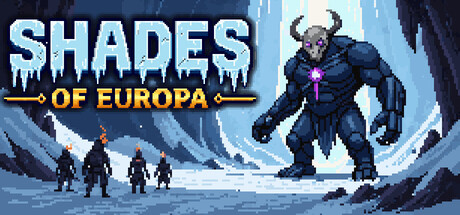
The art, sound effects and voicelines are AI generated. Ideally, if the game makes some amount of $ I will replace all AI generate content.
Read more about AI usage here: https://www.sdgames.co/blog/shades-of-europa-steam-page-and-demo
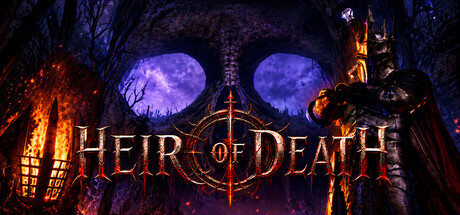
Generative AI tools were used in the creation of selected pre-generated visual and audio assets, as well as some promotional materials. All AI-assisted content is reviewed, edited, and curated by the development team before being included in the game. Heir of Death does not use live-generated AI during gameplay.
Generative AI was used during development to create some 3D models, textures, artwork, music, and store marketing materials, including the cinematic teaser. These assets were prepared before release. The game does not generate AI content during play or connect to external AI services.
This game uses generative AI to assist in creating some game assets. All AI-generated assets are manually reviewed, adjusted, and refined by the developer. The game does not generate AI content in real-time during gameplay.
Generative AI was used to help create some of the game's art assets, concept art, and promotional images, which were then selected, refined, and integrated by the developer.
This game was created with extensive AI assistance. AI-generated and AI-assisted content is used in the game, store artwork, descriptions and trailer. This includes graphics and artwork, text, and contributions to programming, music and trailer production. The trailer and screenshots show actual footage captured from the game. No generative AI content is created during gameplay, and the game does not connect to external AI services while being played.
The game itself contains no AI-generated assets. Generative AI was used only for some promotional artwork on the store page such as posters. This artwork was edited by the development team.
Some character illustrations and 3D character models were created with the assistance of generative AI during development. The generated assets were manually edited, refined, and integrated into the game's final content by the developer. No generative AI is used to create new content in real time during gameplay.
Generative AI was used to assist with translating and localizing the Steam store page into additional languages. Generative AI is not used during gameplay.
During the development process, our team may utilize AI-based tools in a limited, supplementary capacity to support content creation. This includes the creation of certain 2D prop assets and soundtrack pieces, as well as the localization of some languages. In all cases, the final touches and quality review were carried out by our own team, and the final product reflects our team's creativity and artistic expression.
We utilize generative AI tools during the development process to assist in creating certain game assets. Specifically, AI image generation is used to produce some 2D graphical assets, such as item icons, UI backgrounds, or character portraits.
During development we used generative AI tools to create content that ships with the game: character, creature and environment art and animation frames (generated, then edited and assembled by the team), the hunters' short voice lines, the music, some sound effects, and drafts of in-game and store text. All AI-generated content was reviewed, edited and integrated by the developers. The game does not generate any content with AI while it is running.
Some of the game's pre-made content was created with the help of generative AI tools and then edited and checked by the developer: character, monster, item and background artwork, store artwork, music and sound effects. The game does not generate any content with AI while you play.
Character animations are generated with an AI motion model (Kimodo) and then cleaned up and retargeted by our team. Character voice-overs are created with AI text-to-speech and directed and edited by our team. All 3D models, buildings, textures and writing are made by us. No AI content is generated live during gameplay.
The developer uses AI tools to assist in creating 2D graphic assets, specifically the game icon. All assets have been carefully reviewed to ensure they are unique and do not infringe on any copyrighted materials.
Currently, AI‑assisted Photoshop image editing is only used for the Steam store‑page assets. No AI is utilized within the game itself. All image and audio assets are either sourced from free open‑source resources or purchased commercially.
Custom Built LLM & Vertex DB, 100% home made AI model built by developer of Abandon All Hope was used to aid in padding out Dialog for the game, as well as the store page description. All Other content has been hand crafted.
The current game features temporary music tracks generated using AI. We plan to replace these with original compositions created specifically for the game by the full release or future updates.
The promotional image of the game, as well as NPCs and a small number of scene components, are generated by AI.And the opening and closing of the promotional video
Some character and equipment models were generated with an AI 3D tool and then rigged, recoloured and edited by hand. The icons were designed with AI tools and drawn in code, and the game's text was written with AI assistance and edited by the developer. Environments use asset packs made by people, sound effects come from a sound pack recorded by people, and the music is synthesised by the game's own code. No AI generates anything while you play.
Generative AI tools were used to help create some visual assets, music, and store/promotional materials, and to assist with translation. No generative AI is used to create content during gameplay.
AI was used during development to create some of the game's visual artwork and graphical assets. The AI-generated assets are pre-generated and included as static content in the game. No AI content is generated during gameplay, and the game does not connect to or use an AI service at runtime.
Some promotional materials for Doodle Duel, including animation and music created or assisted by generative AI tools based on game images, were made with generative AI. The game itself does not generate content at runtime and does not connect to external AI services.
Some assets and promotional materials for No Map Home were created with help from generative AI tools. I personally reviewed, refined, and integrated all AI-generated content to make sure it fits the game’s visual style and my creative vision for it.
Generative AI tools were used in the development of some visual assets, primarily to help enhance and upscale textures and create additional variations. All assets were reviewed and integrated by the development team as part of the game's art pipeline.
Generative AI assisted some game art, store illustrations, logos and icons. Screenshots show the actual development build. No AI content is generated during gameplay.
Generative AI was used during development to create early drafts of some graphical resources and to help further develop and refine game design concepts. All AI-assisted materials were reviewed and adjusted by the development team before being used in the final game.
Disclosure regarding Generative AI
This game utilizes artificial intelligence (AI) tools to assist in generating some of the promotional materials on the store page, as well as certain in-game visual assets.
AI-assisted tools were used during development to create and edit visual assets, including characters, equipment, creatures, environments, UI and store illustrations, and to assist with story text and localization. Music and sound effects were made using AI-assisted synthesis code and composition rules. The game uses prepared assets and predefined effects; it does not generate AI content or connect to generative AI services during play.
Some store and library artwork, icons, and promotional imagery were created or enhanced with generative AI tools. Gameplay screenshots show actual gameplay. The game does not generate AI content during gameplay or connect to external AI services.
This game's 3D models, music, sound effects, and in-game text (dialogue, item names and descriptions) were created with the help of generative AI, under the developer's direction and review. The store images and trailer use this in-game content.
Generative AI tools were used during development to create some artwork, 3D assets, music, sound effects and localization text. These assets are prepared before release. The game does not generate AI content during play or connect to external AI services.
AI tools assisted the creation of in-game text and localization, and the development of code used to render pixel artwork and synthesize music and sound effects. The game does not use a generative AI model or service during gameplay.
The art, sound effects and voicelines are AI generated. Ideally, if the game makes some amount of $ I will replace all AI generate content.
Read more about AI usage here: https://www.sdgames.co/blog/shades-of-europa-steam-page-and-demo
Generative AI tools were used in the creation of selected pre-generated visual and audio assets, as well as some promotional materials. All AI-assisted content is reviewed, edited, and curated by the development team before being included in the game. Heir of Death does not use live-generated AI during gameplay.
Generative AI was used during development to create some 3D models, textures, artwork, music, and store marketing materials, including the cinematic teaser. These assets were prepared before release. The game does not generate AI content during play or connect to external AI services.
This game uses generative AI to assist in creating some game assets. All AI-generated assets are manually reviewed, adjusted, and refined by the developer. The game does not generate AI content in real-time during gameplay.
Generative AI was used to help create some of the game's art assets, concept art, and promotional images, which were then selected, refined, and integrated by the developer.
This game was created with extensive AI assistance. AI-generated and AI-assisted content is used in the game, store artwork, descriptions and trailer. This includes graphics and artwork, text, and contributions to programming, music and trailer production. The trailer and screenshots show actual footage captured from the game. No generative AI content is created during gameplay, and the game does not connect to external AI services while being played.
The game itself contains no AI-generated assets. Generative AI was used only for some promotional artwork on the store page such as posters. This artwork was edited by the development team.
Some character illustrations and 3D character models were created with the assistance of generative AI during development. The generated assets were manually edited, refined, and integrated into the game's final content by the developer. No generative AI is used to create new content in real time during gameplay.
Generative AI was used to assist with translating and localizing the Steam store page into additional languages. Generative AI is not used during gameplay.
During the development process, our team may utilize AI-based tools in a limited, supplementary capacity to support content creation. This includes the creation of certain 2D prop assets and soundtrack pieces, as well as the localization of some languages. In all cases, the final touches and quality review were carried out by our own team, and the final product reflects our team's creativity and artistic expression.
We utilize generative AI tools during the development process to assist in creating certain game assets. Specifically, AI image generation is used to produce some 2D graphical assets, such as item icons, UI backgrounds, or character portraits.
During development we used generative AI tools to create content that ships with the game: character, creature and environment art and animation frames (generated, then edited and assembled by the team), the hunters' short voice lines, the music, some sound effects, and drafts of in-game and store text. All AI-generated content was reviewed, edited and integrated by the developers. The game does not generate any content with AI while it is running.
Some of the game's pre-made content was created with the help of generative AI tools and then edited and checked by the developer: character, monster, item and background artwork, store artwork, music and sound effects. The game does not generate any content with AI while you play.