Public Steam disclosure research25,380 disclosures tracked
Where do games disclose AI use?
Search developers’ Steam disclosures, compare classified AI use across
games, and follow recorded changes.
This index adds cross-game classifications and statistics to
statements published on individual store pages.
Groups reflect automatic analysis of public disclosures; mature records are excluded. These counts do not measure AI use across all of Steam.
Missing or unclear statements cannot establish whether a game uses AI.
This game uses Generative AI technology in its development process for the following assets:
- Localization: AI tools were used to assist with text translation and localization across multiple languages, followed by manual review and editing by the development team.
- Sound: Generative AI technology was utilized in the creation and synthesis of select sound effects and audio elements.
Please note that AI was used to assist in the development of this game. I had a huge project with a big scope, and I wanted people to be able to have fun with like I have. I have spent the last few years trying to do it the hard way and I have built a lot of code. Please be understanding that I just want everyone to have fun and enjoy :)
Game text translations and parts of the store page and marketing text were created with AI assistance. All art, music and sound effects are made without generative AI.
The core art direction and a portion of the artwork were hand-drawn by the developer, and AI was used to produce additional assets in a matching style, which were then reviewed, edited and integrated by hand. The game's music was generated with AI tools. No AI content is generated live while the game is running.
AI was used in assisiting to create the VFX, trailer music, localisation and concept art.
All generated material was reviewed, refined and integrated by the developers before use.
Portions of this game's art assets (2D sprites and background illustrations) were created with the assistance of generative AI tools, then manually reviewed and edited by our team. All game code, gameplay systems, game design and sound effects were made by humans. No AI-generated content is produced at runtime.
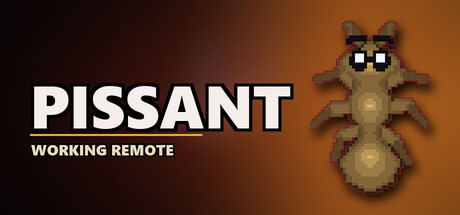
Pissant is built with AI-assisted code. The developer directs and edits everything; an AI assistant helps write the game's code, its in-game text, the music scores and the store and marketing text. No AI image, video or voice generator made anything in the game: every visual is drawn by the game's own procedural code, and every sound and note of music comes from its own synthesis engine. No generative AI runs during gameplay, and the game does not connect to any AI service.
Generative AI tools were used during the development of Exodus Survivors to create some of the game's visual assets and music. AI was also used as a development tool to assist with programming and other aspects of production. The game was developed and assembled by the developer, with the final content selected, edited, integrated, and reviewed as part of the development process.
Some character and equipment models were generated with an AI 3D tool and then rigged, recoloured and edited by hand. The icons were designed with AI tools and drawn in code, and the game's text was written with AI assistance and edited by the developer. Environments use asset packs made by people, sound effects come from a sound pack recorded by people, and the music is synthesised by the game's own code. No AI generates anything while you play.
Generative AI tools were used during development to create and refine pre-made visual assets, music and sound assets, and localized text. These assets are bundled with the game. No content is generated by AI during gameplay.
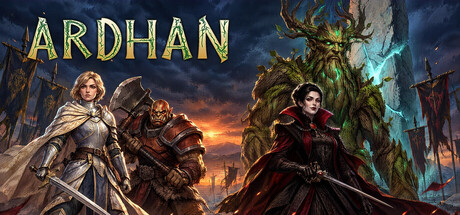
Ardhan was made by a solo developer with some help of generative AI tools. The card, hero, background and cinematic artwork, the key art on this store page, the short animated clips, the voice narration in all nine languages, part of the music and many of the sound effects were generated with AI models (image models hosted on Higgsfield; ElevenLabs voice, music and sound models) and then selected, cropped and edited by the developer. The game does not generate any content while you play, has no AI chat, and sends nothing to any AI service.
Generative AI tools were used to help create some visual assets, music, and store/promotional materials, and to assist with translation. No generative AI is used to create content during gameplay.
AI was used during development to create some of the game's visual artwork and graphical assets. The AI-generated assets are pre-generated and included as static content in the game. No AI content is generated during gameplay, and the game does not connect to or use an AI service at runtime.
Generative AI tools were used to help create promotional artwork and Steam store page text. This content was prepared in advance. The game does not use generative AI or connect to external AI services during gameplay.
some visual assets and promotional materials for KILL ALL 8.2 BILLION HUMANS were created with the assistance of generative AI tools. All AI-generated content was reviewed, refined, and integrated by the developer to ensure consistency with the game's artistic direction and quality standards.
Generative AI tools were used during development to assist with the creation and refinement of selected visual assets, concept artwork, UI elements, promotional/store-page materials, and development content. All generated content is reviewed and curated before inclusion in the game. The game does not currently generate AI content live during gameplay.
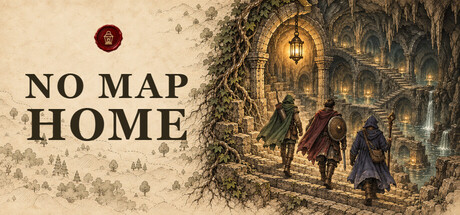
Some assets and promotional materials for No Map Home were created with help from generative AI tools. I personally reviewed, refined, and integrated all AI-generated content to make sure it fits the game’s visual style and my creative vision for it.
We use generative AI tools during development for some game art, 3D models and text. Everything generated is selected, edited and integrated by our team. No content is generated while you play, and the app does not connect to AI services.
Generative AI was used during development to create early drafts of some graphical resources and to help further develop and refine game design concepts. All AI-assisted materials were reviewed and adjusted by the development team before being used in the final game.
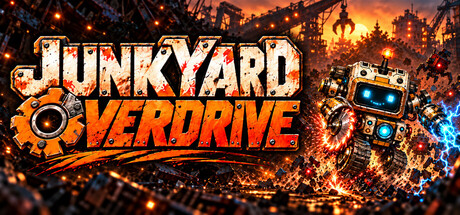
Generative AI tools were used during development to create some in-game artwork, including robot sprites and relic icons, and promotional artwork, including the game logo and Steam store artwork. These assets are pre-generated. The game does not generate AI content or connect to AI services during gameplay.
Some artwork and promotional images, dialogue, synthesized character voices, and sound effects were created with generative AI tools during development. These are pre-generated, fixed assets. No content is generated by AI during gameplay, and the game does not connect to third-party AI services while you play.
The music, most sound effects and a few sprites and icons were made with AI assistance and reviewed by the team. Store graphics were assembled with AI assistance from the team's own artwork. No AI generates content while you play.
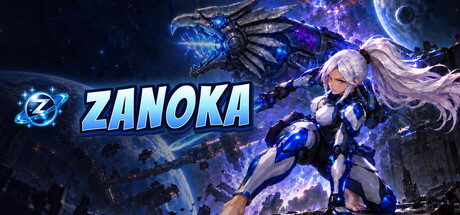
ZANOKA is made by a solo developer. All of its art began as hand-made drawings, sketches and pixel art, including concept art by artist Malaika Raheel. AI-assisted tools were used for polishing, frame interpolation and translation.
AI tools assisted with localization, store-page text, and preparation of promotional artwork. This content is prepared in advance. The game does not use AI to generate content during gameplay or connect to external AI services.
Some store artwork (key art, logo and capsule images) and some in-game icons were created with the help of generative AI tools, then reviewed and edited by the developer. Some in-game text translations were drafted with AI and reviewed by the developer. 3D models, textures and animations come from licensed asset packs. No content is generated by AI while you play.
During development we used procedural and AI-assisted tools to help create some content. The game does not generate any content with AI while you play.
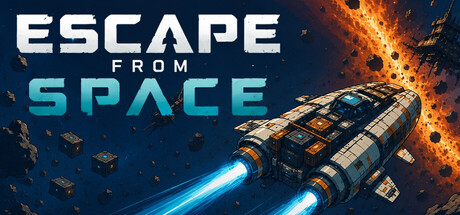
Some promotional artwork for Escape From Space, including images on its Steam store and library pages, was created with the assistance of generative AI and reviewed before use. The game does not generate content with AI during gameplay.
The game's pixel art (characters, enemies, bosses, environment tiles and props, effects, UI icons) was created with the help of the AI tool PixelLab and then selected, edited, animated and assembled by the developer. The key art, logo, app icon, music and sound effects were generated with Higgsfield and then edited and mixed by the developer. The trailer's opening and closing cinematic shots are AI-animated from the game's key art. All gameplay, code and design are the developer's own. The game does not generate any content with AI while it runs.
This game's 3D models, music, sound effects, and in-game text (dialogue, item names and descriptions) were created with the help of generative AI, under the developer's direction and review. The store images and trailer use this in-game content.
Some in-game artwork (sprites, icons and illustrations), sound effects, music and localized text were created with the help of generative AI tools, then edited, curated and reviewed by the developer. No content is generated by AI during gameplay.
Generative AI was used extensively to create this game's artwork, music, sound effects, text, and localization, as well as its Steam store page assets and marketing materials.
Generative AI tools were used during development to create some artwork, 3D assets, music, sound effects and localization text. These assets are prepared before release. The game does not generate AI content during play or connect to external AI services.
Generative AI tools were used during development to create some visual assets and to assist with writing, modifying, and debugging code. All AI-generated or AI-assisted content was reviewed, adjusted, and integrated by the developer. The game does not use generative AI to create content during gameplay.
Generative AI was used during development to assist in creating some character, monster, pet, environment, item icon, and promotional artwork, as well as to support programming and multilingual text translation. The resulting content was selected, adjusted, and integrated into the game by the developer. This content is created in advance during development; the game does not generate AI content in real time during gameplay.
This game uses generative AI to assist in creating some game assets. All AI-generated assets are manually reviewed, adjusted, and refined by the developer. The game does not generate AI content in real-time during gameplay.
This game was created with extensive AI assistance. AI-generated and AI-assisted content is used in the game, store artwork, descriptions and trailer. This includes graphics and artwork, text, and contributions to programming, music and trailer production. The trailer and screenshots show actual footage captured from the game. No generative AI content is created during gameplay, and the game does not connect to external AI services while being played.
This game uses Generative AI technology in its development process for the following assets:
- Localization: AI tools were used to assist with text translation and localization across multiple languages, followed by manual review and editing by the development team.
- Sound: Generative AI technology was utilized in the creation and synthesis of select sound effects and audio elements.
Please note that AI was used to assist in the development of this game. I had a huge project with a big scope, and I wanted people to be able to have fun with like I have. I have spent the last few years trying to do it the hard way and I have built a lot of code. Please be understanding that I just want everyone to have fun and enjoy :)
Game text translations and parts of the store page and marketing text were created with AI assistance. All art, music and sound effects are made without generative AI.
The core art direction and a portion of the artwork were hand-drawn by the developer, and AI was used to produce additional assets in a matching style, which were then reviewed, edited and integrated by hand. The game's music was generated with AI tools. No AI content is generated live while the game is running.
AI was used in assisiting to create the VFX, trailer music, localisation and concept art.
All generated material was reviewed, refined and integrated by the developers before use.
Portions of this game's art assets (2D sprites and background illustrations) were created with the assistance of generative AI tools, then manually reviewed and edited by our team. All game code, gameplay systems, game design and sound effects were made by humans. No AI-generated content is produced at runtime.
Pissant is built with AI-assisted code. The developer directs and edits everything; an AI assistant helps write the game's code, its in-game text, the music scores and the store and marketing text. No AI image, video or voice generator made anything in the game: every visual is drawn by the game's own procedural code, and every sound and note of music comes from its own synthesis engine. No generative AI runs during gameplay, and the game does not connect to any AI service.
Generative AI tools were used during the development of Exodus Survivors to create some of the game's visual assets and music. AI was also used as a development tool to assist with programming and other aspects of production. The game was developed and assembled by the developer, with the final content selected, edited, integrated, and reviewed as part of the development process.
Some character and equipment models were generated with an AI 3D tool and then rigged, recoloured and edited by hand. The icons were designed with AI tools and drawn in code, and the game's text was written with AI assistance and edited by the developer. Environments use asset packs made by people, sound effects come from a sound pack recorded by people, and the music is synthesised by the game's own code. No AI generates anything while you play.
Generative AI tools were used during development to create and refine pre-made visual assets, music and sound assets, and localized text. These assets are bundled with the game. No content is generated by AI during gameplay.
Ardhan was made by a solo developer with some help of generative AI tools. The card, hero, background and cinematic artwork, the key art on this store page, the short animated clips, the voice narration in all nine languages, part of the music and many of the sound effects were generated with AI models (image models hosted on Higgsfield; ElevenLabs voice, music and sound models) and then selected, cropped and edited by the developer. The game does not generate any content while you play, has no AI chat, and sends nothing to any AI service.
Generative AI tools were used to help create some visual assets, music, and store/promotional materials, and to assist with translation. No generative AI is used to create content during gameplay.
AI was used during development to create some of the game's visual artwork and graphical assets. The AI-generated assets are pre-generated and included as static content in the game. No AI content is generated during gameplay, and the game does not connect to or use an AI service at runtime.
Generative AI tools were used to help create promotional artwork and Steam store page text. This content was prepared in advance. The game does not use generative AI or connect to external AI services during gameplay.
some visual assets and promotional materials for KILL ALL 8.2 BILLION HUMANS were created with the assistance of generative AI tools. All AI-generated content was reviewed, refined, and integrated by the developer to ensure consistency with the game's artistic direction and quality standards.
Generative AI tools were used during development to assist with the creation and refinement of selected visual assets, concept artwork, UI elements, promotional/store-page materials, and development content. All generated content is reviewed and curated before inclusion in the game. The game does not currently generate AI content live during gameplay.
Some assets and promotional materials for No Map Home were created with help from generative AI tools. I personally reviewed, refined, and integrated all AI-generated content to make sure it fits the game’s visual style and my creative vision for it.
We use generative AI tools during development for some game art, 3D models and text. Everything generated is selected, edited and integrated by our team. No content is generated while you play, and the app does not connect to AI services.
Generative AI was used during development to create early drafts of some graphical resources and to help further develop and refine game design concepts. All AI-assisted materials were reviewed and adjusted by the development team before being used in the final game.
Generative AI tools were used during development to create some in-game artwork, including robot sprites and relic icons, and promotional artwork, including the game logo and Steam store artwork. These assets are pre-generated. The game does not generate AI content or connect to AI services during gameplay.
Some artwork and promotional images, dialogue, synthesized character voices, and sound effects were created with generative AI tools during development. These are pre-generated, fixed assets. No content is generated by AI during gameplay, and the game does not connect to third-party AI services while you play.
The music, most sound effects and a few sprites and icons were made with AI assistance and reviewed by the team. Store graphics were assembled with AI assistance from the team's own artwork. No AI generates content while you play.
ZANOKA is made by a solo developer. All of its art began as hand-made drawings, sketches and pixel art, including concept art by artist Malaika Raheel. AI-assisted tools were used for polishing, frame interpolation and translation.
AI tools assisted with localization, store-page text, and preparation of promotional artwork. This content is prepared in advance. The game does not use AI to generate content during gameplay or connect to external AI services.
Some store artwork (key art, logo and capsule images) and some in-game icons were created with the help of generative AI tools, then reviewed and edited by the developer. Some in-game text translations were drafted with AI and reviewed by the developer. 3D models, textures and animations come from licensed asset packs. No content is generated by AI while you play.
During development we used procedural and AI-assisted tools to help create some content. The game does not generate any content with AI while you play.
Some promotional artwork for Escape From Space, including images on its Steam store and library pages, was created with the assistance of generative AI and reviewed before use. The game does not generate content with AI during gameplay.
The game's pixel art (characters, enemies, bosses, environment tiles and props, effects, UI icons) was created with the help of the AI tool PixelLab and then selected, edited, animated and assembled by the developer. The key art, logo, app icon, music and sound effects were generated with Higgsfield and then edited and mixed by the developer. The trailer's opening and closing cinematic shots are AI-animated from the game's key art. All gameplay, code and design are the developer's own. The game does not generate any content with AI while it runs.
This game's 3D models, music, sound effects, and in-game text (dialogue, item names and descriptions) were created with the help of generative AI, under the developer's direction and review. The store images and trailer use this in-game content.
Some in-game artwork (sprites, icons and illustrations), sound effects, music and localized text were created with the help of generative AI tools, then edited, curated and reviewed by the developer. No content is generated by AI during gameplay.
Generative AI was used extensively to create this game's artwork, music, sound effects, text, and localization, as well as its Steam store page assets and marketing materials.
Generative AI tools were used during development to create some artwork, 3D assets, music, sound effects and localization text. These assets are prepared before release. The game does not generate AI content during play or connect to external AI services.
Generative AI tools were used during development to create some visual assets and to assist with writing, modifying, and debugging code. All AI-generated or AI-assisted content was reviewed, adjusted, and integrated by the developer. The game does not use generative AI to create content during gameplay.
Generative AI was used during development to assist in creating some character, monster, pet, environment, item icon, and promotional artwork, as well as to support programming and multilingual text translation. The resulting content was selected, adjusted, and integrated into the game by the developer. This content is created in advance during development; the game does not generate AI content in real time during gameplay.
This game uses generative AI to assist in creating some game assets. All AI-generated assets are manually reviewed, adjusted, and refined by the developer. The game does not generate AI content in real-time during gameplay.
This game was created with extensive AI assistance. AI-generated and AI-assisted content is used in the game, store artwork, descriptions and trailer. This includes graphics and artwork, text, and contributions to programming, music and trailer production. The trailer and screenshots show actual footage captured from the game. No generative AI content is created during gameplay, and the game does not connect to external AI services while being played.