Public Steam disclosure research25,376 disclosures tracked
Where do games disclose AI use?
Search developers’ Steam disclosures, compare classified AI use across
games, and follow recorded changes.
This index adds cross-game classifications and statistics to
statements published on individual store pages.
Groups reflect automatic analysis of public disclosures; mature records are excluded. These counts do not measure AI use across all of Steam.
Missing or unclear statements cannot establish whether a game uses AI.
The intro cinematic and the artwork taken from it (used on this store page) were generated with AI video tools from the game's own 3D models, as were some illustrations and icons of the interface. The soundtrack was composed with an AI music tool, and the translations were made with AI assistance. No AI generates content while you play.
Generative AI was used for UI icons, the intro video, and retouching of store capsule images. In-game 3D assets, characters and environments are licensed or hand-made, not AI-generated. AI was used as an assistive tool for code, text and translation.
Generative AI tools were used to create music and visual artwork, including store and promotional images. These assets were generated before release and selected by the developer. No AI content is generated during gameplay.
AI was used to create a handful of static images within the game as the developer had no other options at the time. All of this will be replaced as soon as possible.
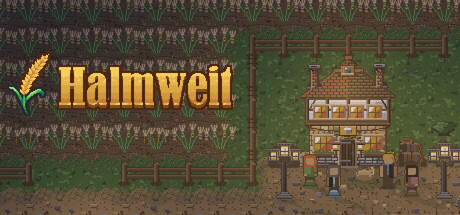
Halmweit is a one-person project, and I've had a little help from some tools along the way. AI helped with writing and translating the texts and with programming. What goes into the game is my decision. The music was written by hand by a composer. While you play, the game doesn't generate anything with AI.
Game contains AI generated code. Some icons. logos, marketing assets or placeholders may be AI generated. In-game screenshots and footage are displayed as-is and are unaltered by AI.
Sound effects, some character voices and music in the game were made with generative AI tools (ElevenLabs). Everything is pre-generated during development; nothing is generated while you play.
This game was made by a solo developer with the help of AI tools. Some of the pixel art was drawn by hand by the developer and then revised with AI tools. Other art (including the logo, interface icons, menu backgrounds and some terrain tiles) was created with an AI pixel-art tool and then edited by the developer. The music and sound effects are synthesized in code, and were composed and designed with the help of an AI assistant. Some in-game text, such as the Field Guide and tutorial tips, was drafted with AI assistance and edited by the developer. No AI is used while you play: nothing is generated live, and the game never connects to an AI service.
This game was made by one developer with the help of generative AI tools. 3D models of vehicles, buildings and props were generated with Tripo and then edited and assembled by hand. Some textures and the key art were created with image generators. Music, radio voices and some sound effects were generated with ElevenLabs. Game code was written with the assistance of Claude Code. Game design, missions, story and level layout are the developer's own work. Nothing is generated while you play.
The game's pixel art, sound effects and music, in-game text (including translation), program code, and the store page text and images were created using an AI tool (Anthropic's Claude) under the developer's direction and review. The game does not generate any content with AI while it is running.
AI tools were used to help translate the game's text into other languages and to draft the store page copy. All of it was reviewed by the developer. The game does not generate any content with AI while you play.
Some of this game's assets, including artwork and sound effects, were created with the assistance of generative AI. These assets were selected and integrated by the developer for use in the game and on its Steam store page.
Some pre-generated artwork was created with the help of generative AI tools and then edited by the developer, including store and marketing images and some loading-screen art. No AI content is generated live while you play, and the game does not connect to any AI service.
Some of the artwork and all original background music in this game were created with the assistance of generative AI. All AI-assisted content was manually reviewed and checked for copyright compliance before release.
The game does not generate any AI content in real time during gameplay, nor does it connect to any external AI services. All consumable content is pre-generated during development and distributed as part of the game.
Pre-generated AI was used to create some promotional artwork for the Steam store page. All such assets are reviewed and selected by the developer before publication. The game does not use live-generated AI content during gameplay.
Pre-generated content: generative AI tools were used during development to help create some of the game's 3D models, concept art and illustrations, music, voice lines and sound effects, as well as part of the store artwork and trailer footage. All of this content was selected, edited, integrated and adjusted by hand by the developer. The game's design, writing, story, code and balance are human-made. No content is generated by AI while the game is running.
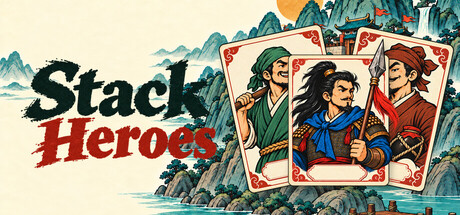
All content in Stack Heroes is generated using AI, including artwork, character and scene illustrations, UI graphics, music, sound effects, story and dialogue, other text, localization, and game program code. This content is generated during development and included in the game. The game does not generate AI content during gameplay or connect to external AI services.
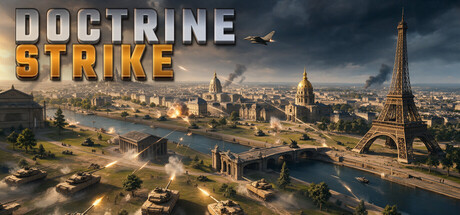
Doctrine Strike uses generative AI in its art pipeline. Unit models, structures, faction artwork, and the key art on this page were produced with AI image and 3D generation tools, then reviewed, edited and assembled by the team before shipping. Every asset that reaches the game passes human review.
While playing, players can also generate landmark models, units and faction artwork from their own text descriptions. This uses third-party AI services reached through our own server and costs credits bought in-game through Steam. The results are stored only on the player's own computer and are never shared with other players.
Some artwork and promotional images, dialogue, synthesized character voices, and sound effects were created with generative AI tools during development. These are pre-generated, fixed assets. No content is generated by AI during gameplay, and the game does not connect to third-party AI services while you play.
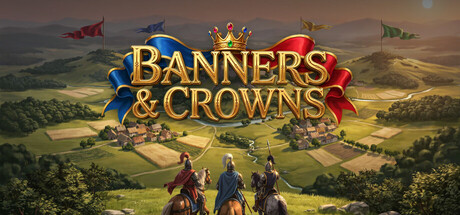
The key art, story illustrations, kingdom portraits, music, opening film, menu video and its narration were produced with generative AI tools (Ideogram, Lyria, Seedance, Kling and ElevenLabs, through Artlist) and then selected, edited and assembled by the developer. The 3D map, units and buildings are procedural low-poly models built in code, and the sound effects are synthesised in the game. The game was written with the help of an AI coding assistant. No content is generated while the game is running; everything is pre-generated and shipped in the build. No real people's likenesses or voices are used.
Generative AI was used to create or assist with game code, artwork, audio, written content, localization, and store marketing materials. Gameplay was designed by the developer. All content is prepared before release; no content or code is generated during gameplay, and no external AI services are used during gameplay.
Some store and library artwork, icons, and promotional imagery were created or enhanced with generative AI tools. Gameplay screenshots show actual gameplay. The game does not generate AI content during gameplay or connect to external AI services.
Some of the images on our store page were created by artificial intelligence and edits were made on the images. and some images in the game were made by artificial intelligence.
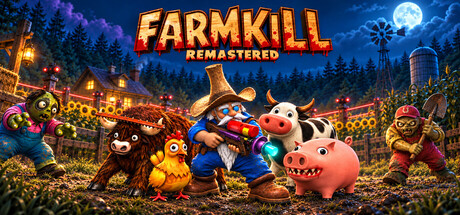
Farmkill Remastered brings back the game our small team originally created for iPad in 2012. For its PC remaster, we used AI tools to upscale, sharpen and redraw the original low-resolution artwork, preserving the characters and visual designs while restoring detail for larger screens.
We also used generative AI to create new artwork, music, character voices, sound effects, written content and animated cutscenes, including assets used in the store artwork and trailer. This content was generated during development, then selected and integrated under the developer’s creative direction. The game does not generate AI content during play.
Some music, sound effects, artwork and translations were made with AI tools and edited by hand. The map, units and interface you see in play are drawn by the game's own code. No generative AI is used at runtime.
Pre-generated: The music was made with Suno. Sound effects, ambience and voices were made with ElevenLabs. The ability and tech icons were generated with AI image models and edited for the game. All of it was selected, edited and mixed by the developers.
The 3D models, maps, animations and gameplay was developed with support of coding models.
Every screenshot and video on this page was captured in the game.
The store capsule art was refined with an AI image tool from in-game renders.
Generative AI assisted with some programming and debugging during the development of Daylight Line. Some in-game visual assets, including battle status icons, were also created with the assistance of generative AI and then processed and integrated by the development team. The game does not generate AI content during gameplay.
Generative AI tools were used during development to create some visual assets and to assist with writing, modifying, and debugging code. All AI-generated or AI-assisted content was reviewed, adjusted, and integrated by the developer. The game does not use generative AI to create content during gameplay.
Generative AI tools may be used during development to assist in creating certain pre-generated visual, written, audio, or marketing content. All such content is reviewed and curated by the development team before inclusion. The game does not use generative AI to generate content during gameplay.
All coding was done by us. Artwork and SFX/Music was again either done by us or bought from third parties. We don't use AI for any creative element of the game.
To make our game playable for as wide an audience as possible we used AI to generate our translations. If you find it's done a poor job in your language, please let us know on discord!
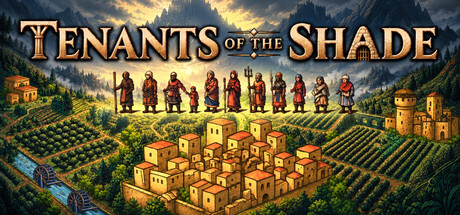
I've spent years developing *Tenants of the Shade*, and our team has devoted thousands of hours to programming, artwork, and music. We also use generative AI tools to assist with editing and creating select assets, including some in-game icons and 3D models, as well as promotional materials.
The game is still in development, and these assets may change before release. We welcome questions about our creative process on Discord or in the Steam Community forums.
The pixel art was created with the help of AI image tools, then cleaned up, animated and assembled by hand. Sound effects and music were made with AI audio tools and edited for the game. Nothing is generated by AI while you play.
Generative AI was used as part of the creative process to assist in the creation of some artwork and visual assets used in the game and its marketing materials.
Some visual assets, including map backgrounds, concept art, and hero and creature models, were created with the help of AI image and 3D generation tools. The developer then edited, rigged, animated and integrated them by hand. Some text, including translations into the supported languages and store copy, was drafted with AI assistance and reviewed by the developer. The voice-over in the trailer was generated with an AI voice tool.
The game does not generate any content with AI during gameplay.
AI tools were used during development to help write the game's code (including the scripts that procedurally generate its sound effects and store art), to compose the soundtrack (melodies and arrangements written with AI assistance, rendered from our own scripts and an MIT-licensed instrument bank) and to translate its text into 10 languages. Game design, balance and visual direction are the developer's own, and all AI-assisted work was reviewed before being included. The game does not generate any AI content while you play.
Generative AI tools were used during development to assist with the creation and refinement of selected visual assets, artwork, and localization. AI-generated material is reviewed and adjusted before inclusion in the game.
The store page description was drafted with help from an AI writing assistant and reviewed by the developer. The game includes AI-generated voice audio made with Kokoro TTS from developer-written scripts, including waiting-room broadcasts, public-address announcements, and story voices. The game does not generate new content with AI during play; staff and patient behavior uses authored, rule-based simulation systems. No game art or text is AI-generated.
The intro cinematic and the artwork taken from it (used on this store page) were generated with AI video tools from the game's own 3D models, as were some illustrations and icons of the interface. The soundtrack was composed with an AI music tool, and the translations were made with AI assistance. No AI generates content while you play.
Generative AI was used for UI icons, the intro video, and retouching of store capsule images. In-game 3D assets, characters and environments are licensed or hand-made, not AI-generated. AI was used as an assistive tool for code, text and translation.
Generative AI tools were used to create music and visual artwork, including store and promotional images. These assets were generated before release and selected by the developer. No AI content is generated during gameplay.
AI was used to create a handful of static images within the game as the developer had no other options at the time. All of this will be replaced as soon as possible.
Halmweit is a one-person project, and I've had a little help from some tools along the way. AI helped with writing and translating the texts and with programming. What goes into the game is my decision. The music was written by hand by a composer. While you play, the game doesn't generate anything with AI.
Game contains AI generated code. Some icons. logos, marketing assets or placeholders may be AI generated. In-game screenshots and footage are displayed as-is and are unaltered by AI.
Sound effects, some character voices and music in the game were made with generative AI tools (ElevenLabs). Everything is pre-generated during development; nothing is generated while you play.
This game was made by a solo developer with the help of AI tools. Some of the pixel art was drawn by hand by the developer and then revised with AI tools. Other art (including the logo, interface icons, menu backgrounds and some terrain tiles) was created with an AI pixel-art tool and then edited by the developer. The music and sound effects are synthesized in code, and were composed and designed with the help of an AI assistant. Some in-game text, such as the Field Guide and tutorial tips, was drafted with AI assistance and edited by the developer. No AI is used while you play: nothing is generated live, and the game never connects to an AI service.
This game was made by one developer with the help of generative AI tools. 3D models of vehicles, buildings and props were generated with Tripo and then edited and assembled by hand. Some textures and the key art were created with image generators. Music, radio voices and some sound effects were generated with ElevenLabs. Game code was written with the assistance of Claude Code. Game design, missions, story and level layout are the developer's own work. Nothing is generated while you play.
The game's pixel art, sound effects and music, in-game text (including translation), program code, and the store page text and images were created using an AI tool (Anthropic's Claude) under the developer's direction and review. The game does not generate any content with AI while it is running.
AI tools were used to help translate the game's text into other languages and to draft the store page copy. All of it was reviewed by the developer. The game does not generate any content with AI while you play.
Some of this game's assets, including artwork and sound effects, were created with the assistance of generative AI. These assets were selected and integrated by the developer for use in the game and on its Steam store page.
Some pre-generated artwork was created with the help of generative AI tools and then edited by the developer, including store and marketing images and some loading-screen art. No AI content is generated live while you play, and the game does not connect to any AI service.
Some of the artwork and all original background music in this game were created with the assistance of generative AI. All AI-assisted content was manually reviewed and checked for copyright compliance before release.
The game does not generate any AI content in real time during gameplay, nor does it connect to any external AI services. All consumable content is pre-generated during development and distributed as part of the game.
Pre-generated AI was used to create some promotional artwork for the Steam store page. All such assets are reviewed and selected by the developer before publication. The game does not use live-generated AI content during gameplay.
Pre-generated content: generative AI tools were used during development to help create some of the game's 3D models, concept art and illustrations, music, voice lines and sound effects, as well as part of the store artwork and trailer footage. All of this content was selected, edited, integrated and adjusted by hand by the developer. The game's design, writing, story, code and balance are human-made. No content is generated by AI while the game is running.
All content in Stack Heroes is generated using AI, including artwork, character and scene illustrations, UI graphics, music, sound effects, story and dialogue, other text, localization, and game program code. This content is generated during development and included in the game. The game does not generate AI content during gameplay or connect to external AI services.
Doctrine Strike uses generative AI in its art pipeline. Unit models, structures, faction artwork, and the key art on this page were produced with AI image and 3D generation tools, then reviewed, edited and assembled by the team before shipping. Every asset that reaches the game passes human review.
While playing, players can also generate landmark models, units and faction artwork from their own text descriptions. This uses third-party AI services reached through our own server and costs credits bought in-game through Steam. The results are stored only on the player's own computer and are never shared with other players.
Some artwork and promotional images, dialogue, synthesized character voices, and sound effects were created with generative AI tools during development. These are pre-generated, fixed assets. No content is generated by AI during gameplay, and the game does not connect to third-party AI services while you play.
The key art, story illustrations, kingdom portraits, music, opening film, menu video and its narration were produced with generative AI tools (Ideogram, Lyria, Seedance, Kling and ElevenLabs, through Artlist) and then selected, edited and assembled by the developer. The 3D map, units and buildings are procedural low-poly models built in code, and the sound effects are synthesised in the game. The game was written with the help of an AI coding assistant. No content is generated while the game is running; everything is pre-generated and shipped in the build. No real people's likenesses or voices are used.
Generative AI was used to create or assist with game code, artwork, audio, written content, localization, and store marketing materials. Gameplay was designed by the developer. All content is prepared before release; no content or code is generated during gameplay, and no external AI services are used during gameplay.
Some store and library artwork, icons, and promotional imagery were created or enhanced with generative AI tools. Gameplay screenshots show actual gameplay. The game does not generate AI content during gameplay or connect to external AI services.
Some of the images on our store page were created by artificial intelligence and edits were made on the images. and some images in the game were made by artificial intelligence.
Farmkill Remastered brings back the game our small team originally created for iPad in 2012. For its PC remaster, we used AI tools to upscale, sharpen and redraw the original low-resolution artwork, preserving the characters and visual designs while restoring detail for larger screens.
We also used generative AI to create new artwork, music, character voices, sound effects, written content and animated cutscenes, including assets used in the store artwork and trailer. This content was generated during development, then selected and integrated under the developer’s creative direction. The game does not generate AI content during play.
Some music, sound effects, artwork and translations were made with AI tools and edited by hand. The map, units and interface you see in play are drawn by the game's own code. No generative AI is used at runtime.
Pre-generated: The music was made with Suno. Sound effects, ambience and voices were made with ElevenLabs. The ability and tech icons were generated with AI image models and edited for the game. All of it was selected, edited and mixed by the developers.
The 3D models, maps, animations and gameplay was developed with support of coding models.
Every screenshot and video on this page was captured in the game.
The store capsule art was refined with an AI image tool from in-game renders.
Generative AI assisted with some programming and debugging during the development of Daylight Line. Some in-game visual assets, including battle status icons, were also created with the assistance of generative AI and then processed and integrated by the development team. The game does not generate AI content during gameplay.
Generative AI tools were used during development to create some visual assets and to assist with writing, modifying, and debugging code. All AI-generated or AI-assisted content was reviewed, adjusted, and integrated by the developer. The game does not use generative AI to create content during gameplay.
Generative AI tools may be used during development to assist in creating certain pre-generated visual, written, audio, or marketing content. All such content is reviewed and curated by the development team before inclusion. The game does not use generative AI to generate content during gameplay.
All coding was done by us. Artwork and SFX/Music was again either done by us or bought from third parties. We don't use AI for any creative element of the game.
To make our game playable for as wide an audience as possible we used AI to generate our translations. If you find it's done a poor job in your language, please let us know on discord!
I've spent years developing *Tenants of the Shade*, and our team has devoted thousands of hours to programming, artwork, and music. We also use generative AI tools to assist with editing and creating select assets, including some in-game icons and 3D models, as well as promotional materials.
The game is still in development, and these assets may change before release. We welcome questions about our creative process on Discord or in the Steam Community forums.
The pixel art was created with the help of AI image tools, then cleaned up, animated and assembled by hand. Sound effects and music were made with AI audio tools and edited for the game. Nothing is generated by AI while you play.
Generative AI was used as part of the creative process to assist in the creation of some artwork and visual assets used in the game and its marketing materials.
Some visual assets, including map backgrounds, concept art, and hero and creature models, were created with the help of AI image and 3D generation tools. The developer then edited, rigged, animated and integrated them by hand. Some text, including translations into the supported languages and store copy, was drafted with AI assistance and reviewed by the developer. The voice-over in the trailer was generated with an AI voice tool.
The game does not generate any content with AI during gameplay.
AI tools were used during development to help write the game's code (including the scripts that procedurally generate its sound effects and store art), to compose the soundtrack (melodies and arrangements written with AI assistance, rendered from our own scripts and an MIT-licensed instrument bank) and to translate its text into 10 languages. Game design, balance and visual direction are the developer's own, and all AI-assisted work was reviewed before being included. The game does not generate any AI content while you play.
Generative AI tools were used during development to assist with the creation and refinement of selected visual assets, artwork, and localization. AI-generated material is reviewed and adjusted before inclusion in the game.
The store page description was drafted with help from an AI writing assistant and reviewed by the developer. The game includes AI-generated voice audio made with Kokoro TTS from developer-written scripts, including waiting-room broadcasts, public-address announcements, and story voices. The game does not generate new content with AI during play; staff and patient behavior uses authored, rule-based simulation systems. No game art or text is AI-generated.