








Disclosure
Game text translations and parts of the store page and marketing text were created with AI assistance. All art, music and sound effects are made without generative AI.
- Creator
- hakantrkmn
- Reviews
- -
- Added
- Oct 12, 2026
Public Steam disclosure research 25,376 disclosures tracked
Search developers’ Steam disclosures, compare classified AI use across games, and follow recorded changes. This index adds cross-game classifications and statistics to statements published on individual store pages.
Code help, debugging and other development work.
Capsule art, trailers and promotional material.
Pre-made art, audio, writing and other game assets.
Interactive or runtime AI features disclosed by the developer.
Groups reflect automatic analysis of public disclosures; mature records are excluded. These counts do not measure AI use across all of Steam. Missing or unclear statements cannot establish whether a game uses AI.
Game text translations and parts of the store page and marketing text were created with AI assistance. All art, music and sound effects are made without generative AI.
AI was used in assisiting to create the VFX, trailer music, localisation and concept art. All generated material was reviewed, refined and integrated by the developers before use.
AI Disclosure: This game was made with the help of Artificial Intelligence LLM Models. The studio takes transparency seriously, so if the community would like to ask questions, get clarity, or voice concerns over this, please reach out to the development team on our Discord or launch website.
Placeholders.
AI was used for some portions of code. All art is hand drawn and all game design and ideas are our own.
AI was used responsibly in the making of this game
Pissant is built with AI-assisted code. The developer directs and edits everything; an AI assistant helps write the game's code, its in-game text, the music scores and the store and marketing text. No AI image, video or voice generator made anything in the game: every visual is drawn by the game's own procedural code, and every sound and note of music comes from its own synthesis engine. No generative AI runs during gameplay, and the game does not connect to any AI service.
Generative AI tools were used during the development of Exodus Survivors to create some of the game's visual assets and music. AI was also used as a development tool to assist with programming and other aspects of production. The game was developed and assembled by the developer, with the final content selected, edited, integrated, and reviewed as part of the development process.
Some in-game 3D models, textures and sound effects are generated by code written with AI assistance.
some visual assets and promotional materials for KILL ALL 8.2 BILLION HUMANS were created with the assistance of generative AI tools. All AI-generated content was reviewed, refined, and integrated by the developer to ensure consistency with the game's artistic direction and quality standards.
Generative AI tools were used during development to create some in-game artwork, including robot sprites and relic icons, and promotional artwork, including the game logo and Steam store artwork. These assets are pre-generated. The game does not generate AI content or connect to AI services during gameplay.
Some sound effects, music, and artwork were made with the help of AI. All artwork involved human creation or adjustment and processing.
ZANOKA is made by a solo developer. All of its art began as hand-made drawings, sketches and pixel art, including concept art by artist Malaika Raheel. AI-assisted tools were used for polishing, frame interpolation and translation.
AI tools assisted with game development, particularly multiplayer systems, and with the creation of in-game artwork, animations, and music as well as store and marketing visuals, including the logo.
The game's pixel art (characters, enemies, bosses, environment tiles and props, effects, UI icons) was created with the help of the AI tool PixelLab and then selected, edited, animated and assembled by the developer. The key art, logo, app icon, music and sound effects were generated with Higgsfield and then edited and mixed by the developer. The trailer's opening and closing cinematic shots are AI-animated from the game's key art. All gameplay, code and design are the developer's own. The game does not generate any content with AI while it runs.
Some in-game artwork (sprites, icons and illustrations), sound effects, music and localized text were created with the help of generative AI tools, then edited, curated and reviewed by the developer. No content is generated by AI during gameplay.
Generative AI was used extensively to create this game's artwork, music, sound effects, text, and localization, as well as its Steam store page assets and marketing materials.
Generative AI tools were used during development to create some artwork, 3D assets, music, sound effects and localization text. These assets are prepared before release. The game does not generate AI content during play or connect to external AI services.
Some illustrations, sound effects, and voices are generated by AI.
This game was created with extensive AI assistance. AI-generated and AI-assisted content is used in the game, store artwork, descriptions and trailer. This includes graphics and artwork, text, and contributions to programming, music and trailer production. The trailer and screenshots show actual footage captured from the game. No generative AI content is created during gameplay, and the game does not connect to external AI services while being played.
All AI-generated content in Cute Kitty WAR was created during development; nothing is generated while you play. The game's artwork — cats, pests, items, backgrounds and store images — was produced with AI image generation from our own designs and direction, then selected, edited and assembled by our developer. Much of the game's music and sound was synthesized by code written with an AI assistant, and AI assistance helped draft the in-game text, all directed and reviewed by our developer.
Generative AI was used during development to create some environment artwork and branding, and to assist with localization and store text. The game does not generate AI content during play or connect to external AI services.
Some of the background music, the in-game translations and parts of the store text were created with the help of generative AI tools, then reviewed and edited by the developer.
Punk Dog Wars uses AI-assisted tools during development. Character, effect and environment art, the music, and the announcer and dog voices were generated with AI models and then selected, composited and edited by our team. The store art was made the same way. No content is generated while you play.
Swarm Below was built with help from an AI assistant. Its 3D models (built by scripts in Blender), its synthesized music and sound effects, and parts of the store page text and art were created with AI assistance under the developer's direction. Nothing is generated by AI while you play.
Was only used to make the store description fo the the game.
Some illustrations in the game were created using generative AI. The developer selected and adjusted the generated images before incorporating them into the game.
During development, generative AI tools including OpenAI image generation and Higgsfield assisted with pre-generated visual source material for characters, enemies, bosses, animation strips, world props and floors, menu and capsule art, icons, and achievement art. AI coding assistants also contributed to production code, QA tooling, documentation, player-facing copy, and localization drafts. The developer selected, edited, cleaned, composited, animated, integrated, and QA-reviewed the resulting material. All player-visible content is fixed in the shipped build: no prompt, generative model, or external generation service runs at runtime, and the game has no live-generated AI feature.
Artificial intelligence has been used in visual and music production, as well as to accelerate coding. The development team has been responsible for final touches and decisions since the very beginning of the game's design.
Steam store and library, including capsule images, the logo and icons Gameplay screenshots were captured directly from the game.
Yes, AI helped make this game. Here's exactly how: • I built it with an AI coding assistant. The design and direction are mine; the AI did a lot of the typing. • The narrator's lines and item descriptions were drafted with AI and edited by me. So was this page. • No image, music or voice generators. The art and sound are drawn and synthesized by code. • Nothing is AI-generated while you play.
Some artwork in the game and its Steam store and marketing materials was created or refined with generative AI tools before release. Some music tracks were generated offline with ACE-Step. These are fixed, pre-generated assets. The game does not generate AI content during gameplay or connect to an external AI service.
AI tools were used to generate base 2D images and concepts for character masks. These assets were then manually edited, polished, color-corrected, and integrated into the game by the developer.
Pre-generated content only, nothing is generated while the game runs. Most of the pixel art for monsters, bosses, world objects (shrines, totems, traps, items), boon card art and the three hero cats was generated with PixelLab (an AI pixel-art tool) from text prompts and from our own hand-drawn references, then hand-corrected, quantized to the game's palette and animated frame by frame. The music and all sound effects are synthesized procedurally in our own code (no AI). Purchased asset packs (tiles, UI) are hand-drawn by their artists. No AI-generated text, voices or story.
I used ai for some complex implementations.
The text you read in Crystalysis is written in English and Spanish, then machine-translated into the other eleven languages. The visuals are drawn procedurally in code, the audio is synthesized while you play. The interface icons were designed with an AI design tool and edited by the developer, and the remaining small bitmaps come from the open Twemoji and Kenney sets.. The game's code and the text on this store page were written with the help of an AI assistant and edited by the developer.
The in-game text translations (26 languages), as well as this store page's texts and their translations, were prepared with the help of generative AI tools. No AI-generated content is produced while you play.
Some portion of this game's code is developed with the help of AI powered tools. Specially Language localization. No generative AI content is used.
This game's pixel art was created with AI assistance. The English translation was also produced with AI and reviewed for accuracy and natural phrasing before release.
Some of the game's artwork was created from the developer's own sketches and refined using AI image tools. Some sound effects were produced with the help of AI audio tools. The in-game text was translated into the supported languages with the help of AI tools. All content is reviewed and approved by the developer before release.
Some of the game's 2D art (characters, enemies, backgrounds and icons) was created with the help of generative AI tools and then edited, cleaned up and reviewed by the developer. Some translations were also made with AI assistance. No AI content is generated while the game is running, and the game does not connect to any AI service.
Some pre-generated artwork in the opening/title presentation and Steam store images was created with generative AI and edited by the developer. No AI content is generated during gameplay.
AI tools assisted visual artwork, audio and some text. No live AI generation occurs during gameplay.
The audio in the game is not produced by machine learning models. The game images are divided into two categories: ① The vast majority are generated programmatically and not by machine learning models; ② The character illustrations are generated by machine learning and then selected, cropped, and post-processed by humans. The game text (environmental narration, entry descriptions, achievement descriptions) is drafted by AI with assistance and then revised by humans before being included; developers conduct fact and expression reviews of all game images and text before release. The game does not have an AI system for real-time generation of content, and player input will not be used for training or content generation.
Music and Localization made by AI
Generative AI tools were used during development to assist with game localization and code generation.
Twisted Survivors was designed and made by Six. Some of its art (including the store artwork), music, voice-over and the opening cinematic were created with the help of AI tools, then curated and edited by Six; nothing is generated while you play.
Generative AI tools were used during development. The 3D models of the animals, leaders, enemies and bosses, along with many environment props, started as AI-generated models, and most 2D icons started as AI-generated images. All of them were then adapted to the game's paper-doodle style. AI tools also helped write and translate the game's text. The game does not use AI to generate any content while you play.
Generative AI was used to assist with portions of the Steam store page text, promotional image editing, and the creation of some in-game artwork. All AI-assisted content was reviewed and edited by the development team before inclusion in the game.
Generative AI tools were used during development to create portions of the artwork, character and environment assets, cinematic visuals, music, sound effects, voice recordings, text, localization, and store marketing materials. These assets are prepared in advance and incorporated into the game by Keke Studio. The game does not generate AI content or connect to third-party generative AI services during gameplay.
| Title⇅ | Disclosure | Creator⇅ | Src | Reviews⇅ | Added↓ |
|---|---|---|---|---|---|
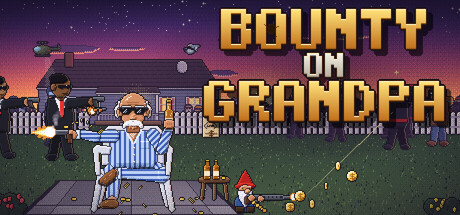 Bounty on Grandpa Store/marketing text | Game text translations and parts of the store page and marketing text were created with AI assistance. All art, music and sound effects are made without generative AI. | hakantrkmn | - | Oct 12, 2026 | |
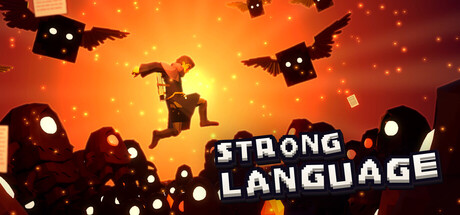 Strong Language Store/marketing artaudiotext | AI was used in assisiting to create the VFX, trailer music, localisation and concept art.
All generated material was reviewed, refined and integrated by the developers before use. | NiSi Games | - | Oct 12, 2026 | |
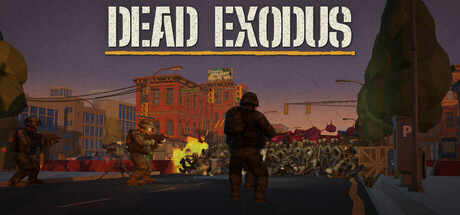 Dead Exodus Unclear | AI Disclosure:
This game was made with the help of Artificial Intelligence LLM Models. The studio takes transparency seriously, so if the community would like to ask questions, get clarity, or voice concerns over this, please reach out to the development team on our Discord or launch website. | Shambler Studios | - | Oct 12, 2026 | |
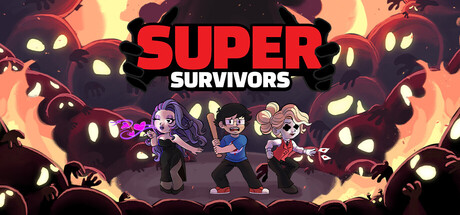 Super Survivors general | Placeholders. | Mega Drill | - | Oct 12, 2026 | |
 Keystrike Dev only code | AI was used for some portions of code. All art is hand drawn and all game design and ideas are our own. | Usiah Barnes | - | Oct 12, 2026 | |
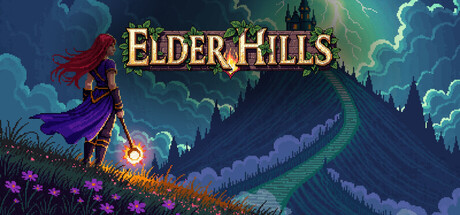 Elder Hills Unclear | AI was used responsibly in the making of this game | Darkfoo Games | - | Oct 12, 2026 | |
 Pissant In-game content textaudiocode | Pissant is built with AI-assisted code. The developer directs and edits everything; an AI assistant helps write the game's code, its in-game text, the music scores and the store and marketing text. No AI image, video or voice generator made anything in the game: every visual is drawn by the game's own procedural code, and every sound and note of music comes from its own synthesis engine. No generative AI runs during gameplay, and the game does not connect to any AI service. | ClaudetoCEO | - | Oct 12, 2026 | |
 Exodus Survivors In-game content artaudiocode | Generative AI tools were used during the development of Exodus Survivors to create some of the game's visual assets and music. AI was also used as a development tool to assist with programming and other aspects of production. The game was developed and assembled by the developer, with the final content selected, edited, integrated, and reviewed as part of the development process. | Joan Sabé Martínez | - | Oct 11, 2026 | |
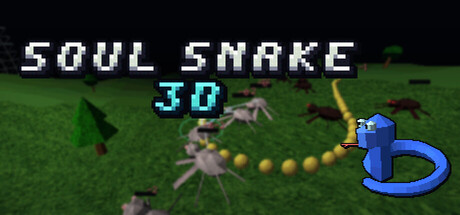 Soul Snake 3D In-game content artaudiocode | Some in-game 3D models, textures and sound effects are generated by code written with AI assistance. | nanophage research | - | Oct 10, 2026 | |
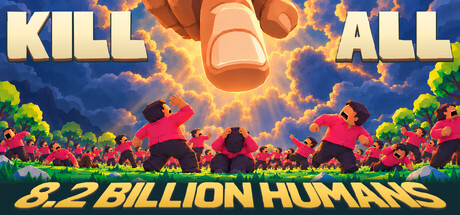 KILL ALL 8.2 BILLION HUMANS Store/marketing art | some visual assets and promotional materials for KILL ALL 8.2 BILLION HUMANS were created with the assistance of generative AI tools. All AI-generated content was reviewed, refined, and integrated by the developer to ensure consistency with the game's artistic direction and quality standards. | DuyumStudios | - | Oct 10, 2026 | |
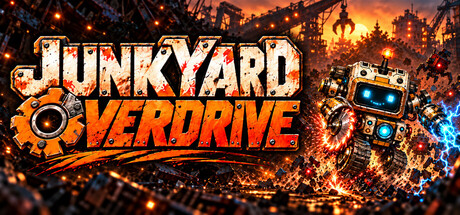 Junkyard Overdrive In-game content art | Generative AI tools were used during development to create some in-game artwork, including robot sprites and relic icons, and promotional artwork, including the game logo and Steam store artwork. These assets are pre-generated. The game does not generate AI content or connect to AI services during gameplay. | AfterGlow Games | - | Oct 10, 2026 | |
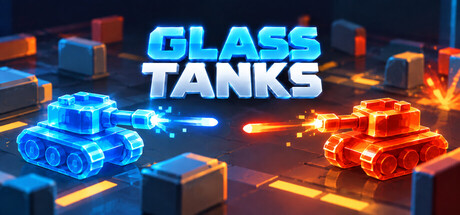 Glass Tanks In-game content artaudio | Some sound effects, music, and artwork were made with the help of AI. All artwork involved human creation or adjustment and processing. | Wutot Games | - | Oct 10, 2026 | |
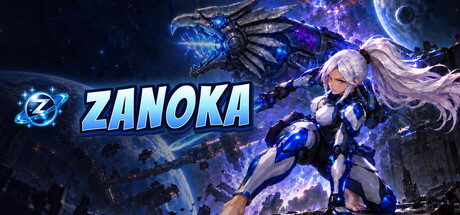 Zanoka In-game content arttext | ZANOKA is made by a solo developer. All of its art began as hand-made drawings, sketches and pixel art, including concept art by artist Malaika Raheel. AI-assisted tools were used for polishing, frame interpolation and translation. | ZanokaGameDev | - | Oct 9, 2026 | |
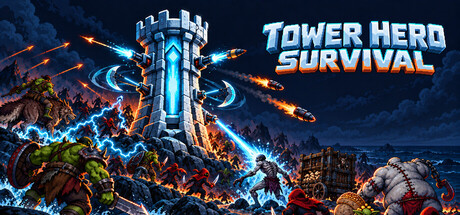 Tower Hero Survival In-game content artaudio | AI tools assisted with game development, particularly multiplayer systems, and with the creation of in-game artwork, animations, and music as well as store and marketing visuals, including the logo. | Polina Tingaeva | - | Oct 9, 2026 | |
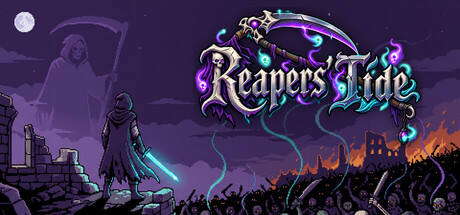 Reapers' Tide In-game content artaudio | The game's pixel art (characters, enemies, bosses, environment tiles and props, effects, UI icons) was created with the help of the AI tool PixelLab and then selected, edited, animated and assembled by the developer. The key art, logo, app icon, music and sound effects were generated with Higgsfield and then edited and mixed by the developer. The trailer's opening and closing cinematic shots are AI-animated from the game's key art. All gameplay, code and design are the developer's own. The game does not generate any content with AI while it runs. | Petr Jirous | - | Oct 9, 2026 | |
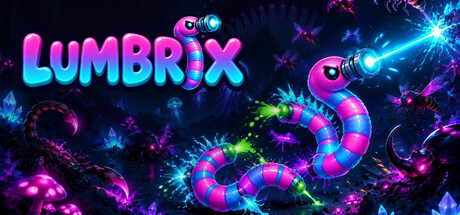 Lumbrix In-game content artaudiotext | Some in-game artwork (sprites, icons and illustrations), sound effects, music and localized text were created with the help of generative AI tools, then edited, curated and reviewed by the developer. No content is generated by AI during gameplay. | JSM games | - | Oct 9, 2026 | |
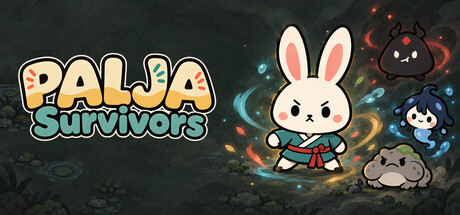 PALJA Survivors In-game content artaudiotext | Generative AI was used extensively to create this game's artwork, music, sound effects, text, and localization, as well as its Steam store page assets and marketing materials. | Potato Gull | - | Oct 9, 2026 | |
 Iron & Arrow In-game content artaudiotext | Generative AI tools were used during development to create some artwork, 3D assets, music, sound effects and localization text. These assets are prepared before release. The game does not generate AI content during play or connect to external AI services. | Mevius Studio | - | Oct 9, 2026 | |
 めろんぱんさばいば~ In-game content artaudio | Some illustrations, sound effects, and voices are generated by AI. | pixelpassion | - | Oct 9, 2026 | |
 Ragnarök Survivor In-game content arttextaudiocode | This game was created with extensive AI assistance. AI-generated and AI-assisted content is used in the game, store artwork, descriptions and trailer. This includes graphics and artwork, text, and contributions to programming, music and trailer production. The trailer and screenshots show actual footage captured from the game. No generative AI content is created during gameplay, and the game does not connect to external AI services while being played. | Rabenwacht Studios | - | Oct 9, 2026 | |
 Cute Kitty WAR In-game content artaudiotext | All AI-generated content in Cute Kitty WAR was created during development; nothing is generated while you play. The game's artwork — cats, pests, items, backgrounds and store images — was produced with AI image generation from our own designs and direction, then selected, edited and assembled by our developer. Much of the game's music and sound was synthesized by code written with an AI assistant, and AI assistance helped draft the in-game text, all directed and reviewed by our developer. | SAMBEAN | - | Oct 9, 2026 | |
 GORA In-game content arttext | Generative AI was used during development to create some environment artwork and branding, and to assist with localization and store text. The game does not generate AI content during play or connect to external AI services. | Saleen | - | Oct 8, 2026 | |
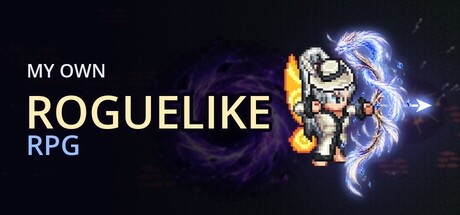 My Own Roguelike: RPG In-game content audiotext | Some of the background music, the in-game translations and parts of the store text were created with the help of generative AI tools, then reviewed and edited by the developer. | DGSTUDIO | - | Oct 7, 2026 | |
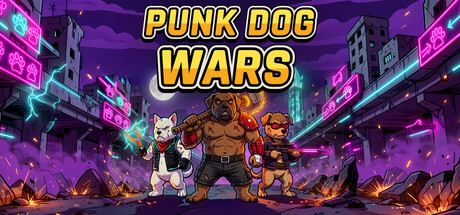 Punk Dog Wars MOBA 2D In-game content artaudiotext | Punk Dog Wars uses AI-assisted tools during development. Character, effect and environment art, the music, and the announcer and dog voices were generated with AI models and then selected, composited and edited by our team. The store art was made the same way. No content is generated while you play. | Westie Game Studios | - | Oct 7, 2026 | |
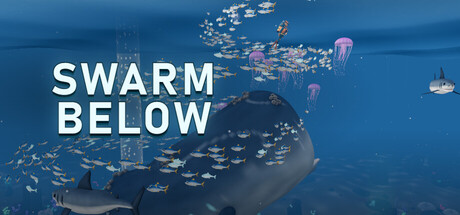 Swarm Below In-game content artaudiotext | Swarm Below was built with help from an AI assistant. Its 3D models (built by scripts in Blender), its synthesized music and sound effects, and parts of the store page text and art were created with AI assistance under the developer's direction. Nothing is generated by AI while you play. | Swarm Below | - | Oct 7, 2026 | |
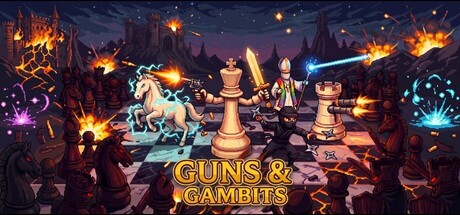 Guns & Gambits Store/marketing text | Was only used to make the store description fo the the game. | SHIFT. Games | - | Oct 7, 2026 | |
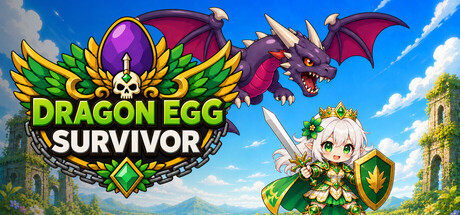 ドラゴンエッグサバイバー In-game content art | Some illustrations in the game were created using generative AI. The developer selected and adjusted the generated images before incorporating them into the game. | Takar Games | - | Oct 7, 2026 | |
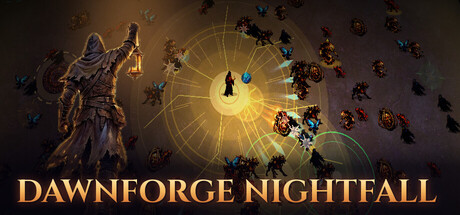 Dawnforge Nightfall In-game content artcodetext | During development, generative AI tools including OpenAI image generation and Higgsfield assisted with pre-generated visual source material for characters, enemies, bosses, animation strips, world props and floors, menu and capsule art, icons, and achievement art. AI coding assistants also contributed to production code, QA tooling, documentation, player-facing copy, and localization drafts. The developer selected, edited, cleaned, composited, animated, integrated, and QA-reviewed the resulting material. All player-visible content is fixed in the shipped build: no prompt, generative model, or external generation service runs at runtime, and the game has no live-generated AI feature. | Tinkerburst Studio | - | Oct 7, 2026 | |
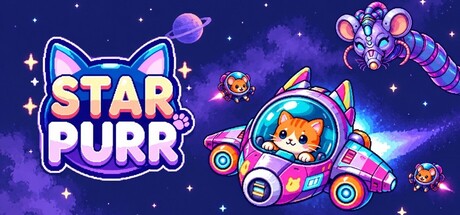 Star Purr In-game content artaudiocode | Artificial intelligence has been used in visual and music production, as well as to accelerate coding.
The development team has been responsible for final touches and decisions since the very beginning of the game's design. | Arada Games | - | Oct 6, 2026 | |
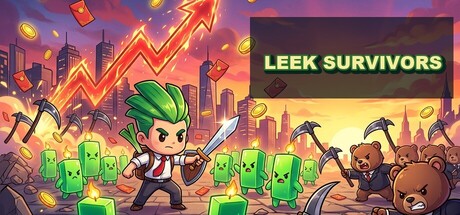 Leek Survivors art | Steam store and library, including capsule images, the logo and icons Gameplay screenshots were captured directly from the game. | Leek Survivors Studio | - | Oct 6, 2026 | |
 No Hands Yet In-game content textcode | Yes, AI helped make this game. Here's exactly how:
• I built it with an AI coding assistant. The design and direction are mine; the AI did a lot of the typing.
• The narrator's lines and item descriptions were drafted with AI and edited by me. So was this page.
• No image, music or voice generators. The art and sound are drawn and synthesized by code.
• Nothing is AI-generated while you play. | Cow Tippers | - | Oct 6, 2026 | |
 Shark Tales: Reef Rogues In-game content artaudio | Some artwork in the game and its Steam store and marketing materials was created or refined with generative AI tools before release. Some music tracks were generated offline with ACE-Step. These are fixed, pre-generated assets. The game does not generate AI content during gameplay or connect to an external AI service. | RadDad Basement Studio | - | Oct 6, 2026 | |
 Broken Pawn In-game content art | AI tools were used to generate base 2D images and concepts for character masks. These assets were then manually edited, polished, color-corrected, and integrated into the game by the developer. | Morok Archive | - | Oct 6, 2026 | |
 Catacrawl In-game content art | Pre-generated content only, nothing is generated while the game runs. Most of the pixel art for monsters, bosses, world objects (shrines, totems, traps, items), boon card art and the three hero cats was generated with PixelLab (an AI pixel-art tool) from text prompts and from our own hand-drawn references, then hand-corrected, quantized to the game's palette and animated frame by frame. The music and all sound effects are synthesized procedurally in our own code (no AI). Purchased asset packs (tiles, UI) are hand-drawn by their artists. No AI-generated text, voices or story. | eedee | - | Oct 6, 2026 | |
 Ashes of Animara Dev only code | I used ai for some complex implementations. | Zimix | - | Oct 4, 2026 | |
 Crystalysis In-game content artaudiotext | The text you read in Crystalysis is written in English and Spanish, then machine-translated into the other eleven languages.
The visuals are drawn procedurally in code, the audio is synthesized while you play. The interface icons were designed with an AI design tool and edited by the developer, and the remaining small bitmaps come from the open Twemoji and Kenney sets..
The game's code and the text on this store page were written with the help of an AI assistant and edited by the developer. | trikyname | - | Oct 4, 2026 | |
 EverBastion In-game content text | The in-game text translations (26 languages), as well as this store page's texts and their translations, were prepared with the help of generative AI tools. No AI-generated content is produced while you play. | Osiris Atlas | - | Oct 3, 2026 | |
 DEPRECATED Dev only codetext | Some portion of this game's code is developed with the help of AI powered tools. Specially Language localization. No generative AI content is used. | Levend Turgay | - | Oct 3, 2026 | |
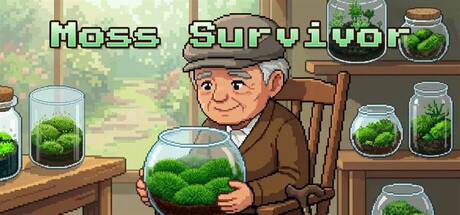 Moss Survivor In-game content arttext | This game's pixel art was created with AI assistance. The English translation was also produced with AI and reviewed for accuracy and natural phrasing before release. | Maronn | - | Oct 3, 2026 | |
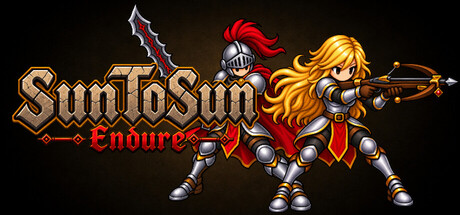 Sun To Sun: Endure In-game content artaudiotext | Some of the game's artwork was created from the developer's own sketches and refined using AI image tools. Some sound effects were produced with the help of AI audio tools. The in-game text was translated into the supported languages with the help of AI tools. All content is reviewed and approved by the developer before release. | Titan L.E.M.A.R Studios | - | Oct 1, 2026 | |
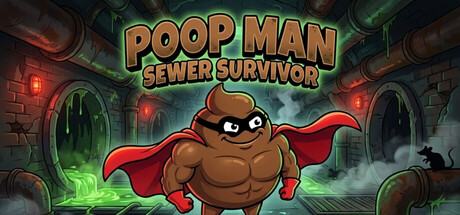 PoopMan: Sewer Survivor In-game content arttext | Some of the game's 2D art (characters, enemies, backgrounds and icons) was created with the help of generative AI tools and then edited, cleaned up and reviewed by the developer. Some translations were also made with AI assistance. No AI content is generated while the game is running, and the game does not connect to any AI service. | PoopMan Productions | - | Oct 1, 2026 | |
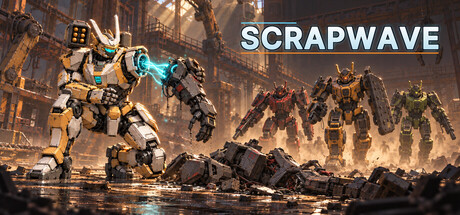 SCRAPWAVE In-game content art | Some pre-generated artwork in the opening/title presentation and Steam store images was created with generative AI and edited by the developer. No AI content is generated during gameplay. | sedoli | - | Oct 1, 2026 | |
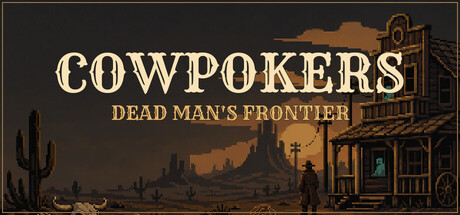 Cowpokers: Dead Man's Frontier In-game content artaudiotext | AI tools assisted visual artwork, audio and some text. No live AI generation occurs during gameplay. | Cowpoke | - | Oct 1, 2026 | |
 Echo in the Lightless Deep In-game content arttext | The audio in the game is not produced by machine learning models. The game images are divided into two categories: ① The vast majority are generated programmatically and not by machine learning models; ② The character illustrations are generated by machine learning and then selected, cropped, and post-processed by humans. The game text (environmental narration, entry descriptions, achievement descriptions) is drafted by AI with assistance and then revised by humans before being included; developers conduct fact and expression reviews of all game images and text before release. The game does not have an AI system for real-time generation of content, and player input will not be used for training or content generation. | CelestialArk | - | Oct 1, 2026 | |
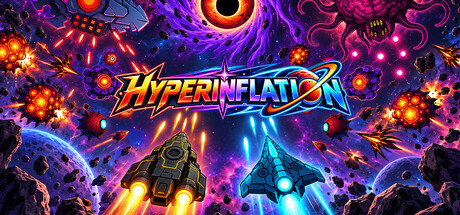 HYPERINFLATION In-game content audiotext | Music and Localization made by AI | Nethound Games | - | Oct 1, 2026 | |
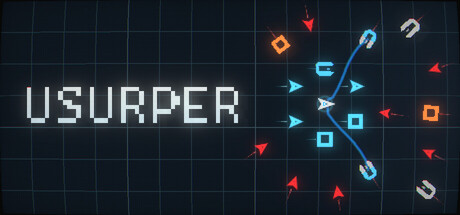 Usurper In-game content textcode | Generative AI tools were used during development to assist with game localization and code generation. | IndieRaven | - | Oct 1, 2026 | |
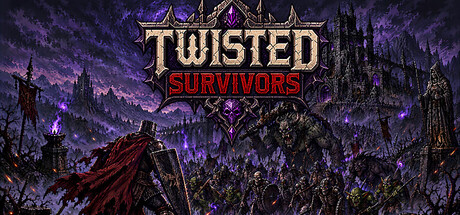 Twisted Survivors In-game content artaudiotext | Twisted Survivors was designed and made by Six. Some of its art (including the store artwork), music, voice-over and the opening cinematic were created with the help of AI tools, then curated and edited by Six; nothing is generated while you play. | Six | - | Oct 1, 2026 | |
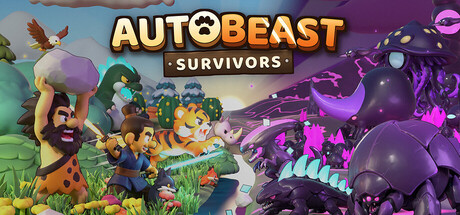 AutoBeast Survivors In-game content arttext | Generative AI tools were used during development. The 3D models of the animals, leaders, enemies and bosses, along with many environment props, started as AI-generated models, and most 2D icons started as AI-generated images. All of them were then adapted to the game's paper-doodle style. AI tools also helped write and translate the game's text. The game does not use AI to generate any content while you play. | Melonsaur | - | Oct 1, 2026 | |
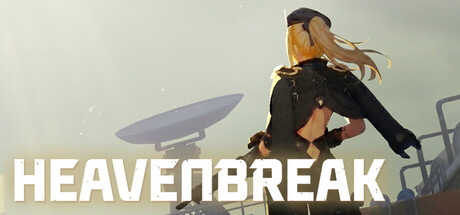 HEAVENBREAK In-game content arttext | Generative AI was used to assist with portions of the Steam store page text, promotional image editing, and the creation of some in-game artwork. All AI-assisted content was reviewed and edited by the development team before inclusion in the game. | GPUN Corp. | - | Oct 1, 2026 | |
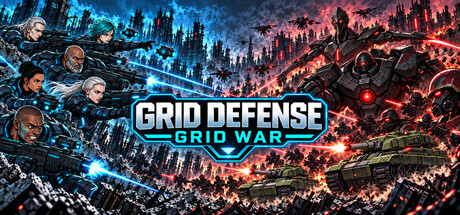 GRID DEFENSE: GRID WAR In-game content artaudiotext | Generative AI tools were used during development to create portions of the artwork, character and environment assets, cinematic visuals, music, sound effects, voice recordings, text, localization, and store marketing materials. These assets are prepared in advance and incorporated into the game by Keke Studio. The game does not generate AI content or connect to third-party generative AI services during gameplay. | Keke Studio | - | Sep 30, 2026 |


