


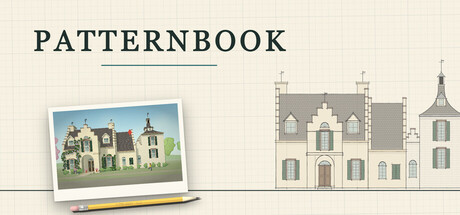

Disclosure
AI was used for some portions of code. All art is hand drawn and all game design and ideas are our own.
- Creator
- Usiah Barnes
- Reviews
- -
- Added
- Oct 12, 2026
Public Steam disclosure research 25,376 disclosures tracked
Search developers’ Steam disclosures, compare classified AI use across games, and follow recorded changes. This index adds cross-game classifications and statistics to statements published on individual store pages.
Code help, debugging and other development work.
Capsule art, trailers and promotional material.
Pre-made art, audio, writing and other game assets.
Interactive or runtime AI features disclosed by the developer.
Groups reflect automatic analysis of public disclosures; mature records are excluded. These counts do not measure AI use across all of Steam. Missing or unclear statements cannot establish whether a game uses AI.
AI was used for some portions of code. All art is hand drawn and all game design and ideas are our own.
Pissant is built with AI-assisted code. The developer directs and edits everything; an AI assistant helps write the game's code, its in-game text, the music scores and the store and marketing text. No AI image, video or voice generator made anything in the game: every visual is drawn by the game's own procedural code, and every sound and note of music comes from its own synthesis engine. No generative AI runs during gameplay, and the game does not connect to any AI service.
The promotional image of the game, as well as NPCs and a small number of scene components, are generated by AI.And the opening and closing of the promotional video
Game logo and cover art made with ai tools. Game menu icons made ai tools
The game's sound effects were created with AI audio-generation tools during development, then selected and level-matched by the developer. Nothing is generated by AI while you play.
AI was used during development to create some of the game's visual artwork and graphical assets. The AI-generated assets are pre-generated and included as static content in the game. No AI content is generated during gameplay, and the game does not connect to or use an AI service at runtime.
The core assets, music, 3D objects, and story of this game were entirely reviewed, refined, and crafted by the developer. However, generative AI tools were utilized to assist in creating certain sound effects and a few background/UI images. As this is my very first game developed entirely as a solo indie developer, these tools were used to help overcome the immense challenges of managing all aspects of production alone. All AI-assisted contents have been thoroughly checked to ensure quality and compliance.
Some item icons, sound effects and translations were created with the help of generative AI tools.
AI tools assisted with localization, store-page text, and preparation of promotional artwork. This content is prepared in advance. The game does not use AI to generate content during gameplay or connect to external AI services.
AI tools were used under the developer’s creative direction to assist with implementation, interface text, localization, documentation, procedural visuals, and selected promotional artwork, including the manual’s cover. No generative AI runs during gameplay.
AI was used in the creation and enhancement of the visuals and atmosphere of the game and to speed up the programming process
AI is used to aid in store page.
The art, sound effects and voicelines are AI generated. Ideally, if the game makes some amount of $ I will replace all AI generate content. Read more about AI usage here: https://www.sdgames.co/blog/shades-of-europa-steam-page-and-demo
Generative AI was used during development to create some environment artwork and branding, and to assist with localization and store text. The game does not generate AI content during play or connect to external AI services.
Deckbound was designed and directed by a solo developer. Generative AI was used as a tool during development to help write in-game text (card, item and enemy descriptions), and produce the pixel artwork. All of it was reviewed, edited and curated by hand. The game itself does not use AI while you play — nothing is generated in real time.
ColdBurn contains certain artwork and visual assets created with the assistance of generative artificial intelligence tools. Generative AI was used during development to help create and refine selected game artwork, In-Game and Store Page Translations, as well as certain promotional and marketing visuals. All AI-assisted assets were reviewed, selected, and incorporated into the game by the developer. Generative AI is not used to generate new content dynamically during gameplay.
AI aided the production of the game.
During development, generative AI tools including OpenAI image generation and Higgsfield assisted with pre-generated visual source material for characters, enemies, bosses, animation strips, world props and floors, menu and capsule art, icons, and achievement art. AI coding assistants also contributed to production code, QA tooling, documentation, player-facing copy, and localization drafts. The developer selected, edited, cleaned, composited, animated, integrated, and QA-reviewed the resulting material. All player-visible content is fixed in the shipped build: no prompt, generative model, or external generation service runs at runtime, and the game has no live-generated AI feature.
AI was used for the character portraits and monster assets in the game.
Artificial intelligence has been used in visual and music production, as well as to accelerate coding. The development team has been responsible for final touches and decisions since the very beginning of the game's design.
Generative AI was used during development for code, music, UI text, icons, and store imagery. Generated output is reviewed, edited, tested, and integrated by the developer.
This game used AI assistance to help arrange the store page artwork and to support programming. AI assistance was also used to write the store page text, and the multi-language localization in the current version was produced with AI assistance. All AI-related work was carried out under the direction and planning of the developer.
Generative AI tools were used during development to assist with the creation and iteration of some game assets and development code. AI-assisted content included in the final game is pre-generated and reviewed by the developer. The game does not generate AI content during gameplay.
Game store page logo and cover art made with ai tools Game menu images made with ai tools
AI tools assisted the creation or processing of some backgrounds, title illustrations, upgrade-card artwork and localized text during development. These assets are prepared in advance. The game does not call generative AI services at runtime.
AI tools assisted visual artwork, audio and some text. No live AI generation occurs during gameplay.
The audio in the game is not produced by machine learning models. The game images are divided into two categories: ① The vast majority are generated programmatically and not by machine learning models; ② The character illustrations are generated by machine learning and then selected, cropped, and post-processed by humans. The game text (environmental narration, entry descriptions, achievement descriptions) is drafted by AI with assistance and then revised by humans before being included; developers conduct fact and expression reviews of all game images and text before release. The game does not have an AI system for real-time generation of content, and player input will not be used for training or content generation.
Generative AI tools were used during development to assist with game localization and code generation.
Twisted Survivors was designed and made by Six. Some of its art (including the store artwork), music, voice-over and the opening cinematic were created with the help of AI tools, then curated and edited by Six; nothing is generated while you play.
Generative AI tools were used during development. The 3D models of the animals, leaders, enemies and bosses, along with many environment props, started as AI-generated models, and most 2D icons started as AI-generated images. All of them were then adapted to the game's paper-doodle style. AI tools also helped write and translate the game's text. The game does not use AI to generate any content while you play.
We only utilized AI to generate store page promotional art for the game, to better convey the feeling of post-apocalyptic survival.
This game uses generative AI to write code.
Generative AI tools were used to assist in the creation of 2D pre-rendered artwork for this game. Specifically, AI was used to generate the promotional library capsules on the store page, as well as the 2D icon graphics for the upgrade cards shown during gameplay. All AI-generated assets were reviewed and manually edited to ensure quality and consistency with the game's art style.
HELIOBANE was made with the help of generative AI tools. - Assets: AI was used to generate some of the game's assets, including artwork, voice lines, sound effects, in-game text and translations. Artwork was edited and fitted to the game's 32-colour palette and style before use. - Music: the soundtrack was made with a custom tracker built for agentic work, by an AI trained on a curated collection of public-domain tracker (MOD) music. - Some store page and marketing art is also AI-assisted. Nothing is generated while you play. All content is fixed in the build, and the game does not connect to any AI service.
AI tools were used to help draft and edit some English text: store page copy and some in-game UI strings such as hints, item descriptions and dialogs. All text was reviewed and edited by the developer. All art, models, audio and music are human-made or licensed assets. The game does not generate any content with AI at runtime.
Generative AI tools were used as development assistance for portions of the game’s code and player-facing text. All final content was reviewed, edited, integrated, and tested by the developer. The game does not use live-generated AI or connect to any AI service during gameplay.
AI tools assisted with the game's code and some written text during development. All artwork comes from the game's own engine, being web code. The music is composed by Juhani Junkala, and nothing is generated while you play.
character design
Current version uses AI generated voices, all other content is human generated including the dialog for the voices.
Some AI assistance with art assets, which are edited later.
Generative AI was used in the creation of select in-game BGM (music) as well as promotional graphics and in-game imagery (such as concept artwork and backgrounds).
This game was made with the help of generative AI tools. The in-game relic, element, rune and skill icons are AI-generated. The tutorial illustrations were AI-generated and then edited by hand. Some sound effects, and the localization of the interface text into the game's supported languages, were produced with AI assistance. Some of the source code was also written with AI tools. All of it was reviewed and adjusted by a human before release. Nothing is generated while you play, and the game never connects to any external AI service.
We used artificial intelligence to reduce production costs, i.e. localization and the creation of some graphics.
Generative AI tools were used during development to assist with draft text, localization, concept references, and asset iteration. All final content included in the game has been reviewed and edited by the developer. The game does not generate AI content during gameplay.
Some images were created with AI image generation: the crew portraits, loading-screen image, and the current store capsule artwork and logo (commissioned artwork will replace the capsule). The game's code was written with AI coding assistants under the developer's direction; ships, weapons and effects are drawn procedurally by that code. All in-game text is written by the developer.
Some shipped artwork, visual effects, interface assets, and audio were created or modified with generative AI tools during development. All such content is pre-generated, selected and reviewed by the development team, and included as fixed game assets. The game does not generate AI content while running.
AI was used in the game's development and store promotional materials
The game's pixel art sprites and visual effects, the store capsule art and logo, and the music were created with the help of generative AI tools, then selected, edited and integrated by the developer. The store page text and its Chinese translation were drafted with AI assistance and reviewed by the developer. All content is pre-generated; nothing is generated while the game is running.
Generative AI tools were used during development to assist with the creation of various in-game assets and some localization text. All content was reviewed and edited by the developer.
Due to budget constraints, I’ve had to rely on AI to create the soundtrack and translate the game into languages I don’t speak (all languages except English and Spanish). I know it’s not the same as working with professional musicians and translators, and I’d really like to change that in the future. If the game is well received and gets enough support, I’ll be more than happy to invest part of that support into working with professionals and replacing these AI-generated elements. Thank you for giving the game a chance and for supporting this indie project.
| Title⇅ | Disclosure | Creator⇅ | Src | Reviews⇅ | Added↓ |
|---|---|---|---|---|---|
 Keystrike Dev only code | AI was used for some portions of code. All art is hand drawn and all game design and ideas are our own. | Usiah Barnes | - | Oct 12, 2026 | |
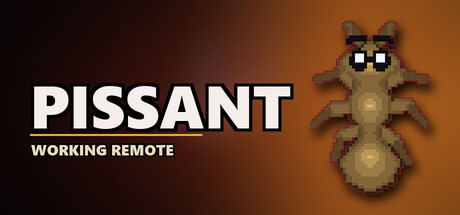 Pissant In-game content textaudiocode | Pissant is built with AI-assisted code. The developer directs and edits everything; an AI assistant helps write the game's code, its in-game text, the music scores and the store and marketing text. No AI image, video or voice generator made anything in the game: every visual is drawn by the game's own procedural code, and every sound and note of music comes from its own synthesis engine. No generative AI runs during gameplay, and the game does not connect to any AI service. | ClaudetoCEO | - | Oct 12, 2026 | |
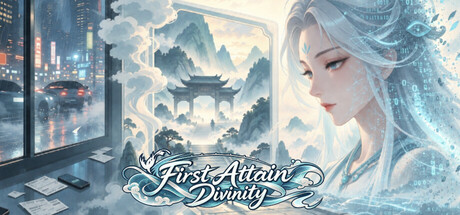 先成仙再说 Store/marketing art | The promotional image of the game, as well as NPCs and a small number of scene components, are generated by AI.And the opening and closing of the promotional video | Yuexin | - | Oct 11, 2026 | |
 Super Clown Save Santa In-game content art | Game logo and cover art made with ai tools.
Game menu icons made ai tools | Valkeala Software | - | Oct 10, 2026 | |
 CloudBurst In-game content audio | The game's sound effects were created with AI audio-generation tools during development, then selected and level-matched by the developer. Nothing is generated by AI while you play. | GabDsg | - | Oct 10, 2026 | |
 Isekai Reborn Girl In-game content art | AI was used during development to create some of the game's visual artwork and graphical assets. The AI-generated assets are pre-generated and included as static content in the game. No AI content is generated during gameplay, and the game does not connect to or use an AI service at runtime. | Isekai Reborn Girl 製作委員会 | - | Oct 10, 2026 | |
 BibimBoB In-game content audioart | The core assets, music, 3D objects, and story of this game were entirely reviewed, refined, and crafted by the developer. However, generative AI tools were utilized to assist in creating certain sound effects and a few background/UI images. As this is my very first game developed entirely as a solo indie developer, these tools were used to help overcome the immense challenges of managing all aspects of production alone. All AI-assisted contents have been thoroughly checked to ensure quality and compliance. | Devnyangyummy | - | Oct 10, 2026 | |
 Pixel Survivors : Defense In-game content artaudiotext | Some item icons, sound effects and translations were created with the help of generative AI tools. | Amrita | - | Oct 9, 2026 | |
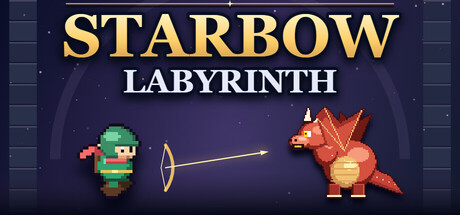 StarbowLabyrinth In-game content textart | AI tools assisted with localization, store-page text, and preparation of promotional artwork. This content is prepared in advance. The game does not use AI to generate content during gameplay or connect to external AI services. | jincycle | - | Oct 9, 2026 | |
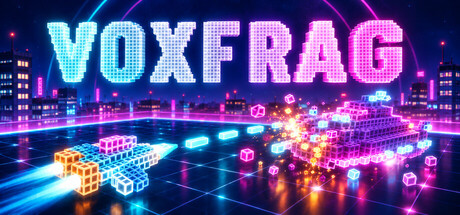 VOXFRAG In-game content textart | AI tools were used under the developer’s creative direction to assist with implementation, interface text, localization, documentation, procedural visuals, and selected promotional artwork, including the manual’s cover. No generative AI runs during gameplay. | Gaboo Arts Entertainment | - | Oct 9, 2026 | |
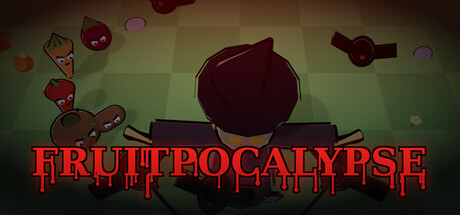 Fruitpocalypse Dev only artcode | AI was used in the creation and enhancement of the visuals and atmosphere of the game and to speed up the programming process | SilverArrowGames | - | Oct 9, 2026 | |
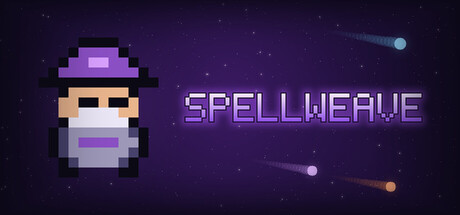 SpellWeave general | AI is used to aid in store page. | Josh Dillion | - | Oct 9, 2026 | |
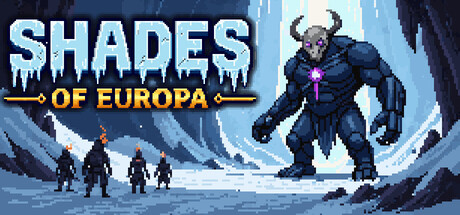 Shades of Europa In-game content artaudio | The art, sound effects and voicelines are AI generated. Ideally, if the game makes some amount of $ I will replace all AI generate content.
Read more about AI usage here: https://www.sdgames.co/blog/shades-of-europa-steam-page-and-demo | sirix | - | Oct 9, 2026 | |
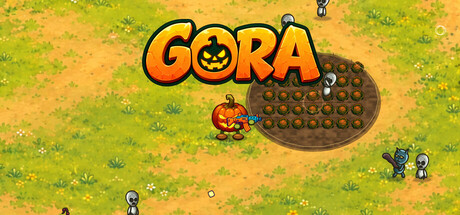 GORA In-game content arttext | Generative AI was used during development to create some environment artwork and branding, and to assist with localization and store text. The game does not generate AI content during play or connect to external AI services. | Saleen | - | Oct 8, 2026 | |
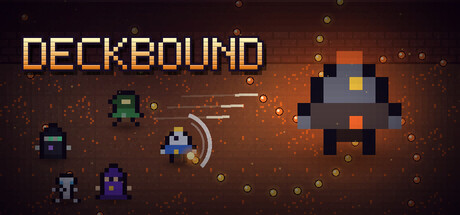 Deckbound In-game content arttext | Deckbound was designed and directed by a solo developer. Generative AI was used as a tool during development to help write in-game text (card, item and enemy descriptions), and produce the pixel artwork. All of it was reviewed, edited and curated by hand. The game itself does not use AI while you play — nothing is generated in real time. | Yuri Murray-Alves | - | Oct 7, 2026 | |
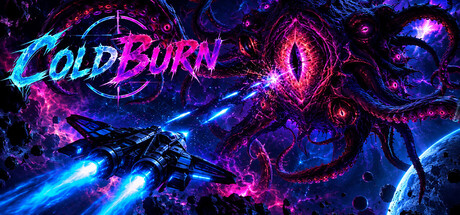 ColdBurn In-game content arttext | ColdBurn contains certain artwork and visual assets created with the assistance of generative artificial intelligence tools. Generative AI was used during development to help create and refine selected game artwork, In-Game and Store Page Translations, as well as certain promotional and marketing visuals.
All AI-assisted assets were reviewed, selected, and incorporated into the game by the developer. Generative AI is not used to generate new content dynamically during gameplay. | Chunki Interactive | - | Oct 7, 2026 | |
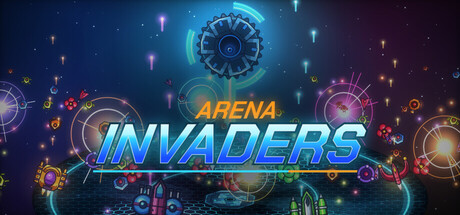 Arena Invaders Unclear | AI aided the production of the game. | PD Design Studio | - | Oct 7, 2026 | |
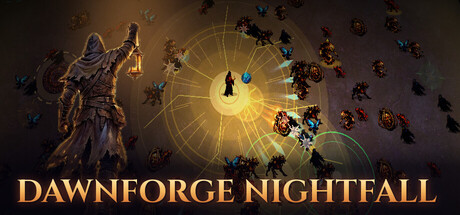 Dawnforge Nightfall In-game content artcodetext | During development, generative AI tools including OpenAI image generation and Higgsfield assisted with pre-generated visual source material for characters, enemies, bosses, animation strips, world props and floors, menu and capsule art, icons, and achievement art. AI coding assistants also contributed to production code, QA tooling, documentation, player-facing copy, and localization drafts. The developer selected, edited, cleaned, composited, animated, integrated, and QA-reviewed the resulting material. All player-visible content is fixed in the shipped build: no prompt, generative model, or external generation service runs at runtime, and the game has no live-generated AI feature. | Tinkerburst Studio | - | Oct 7, 2026 | |
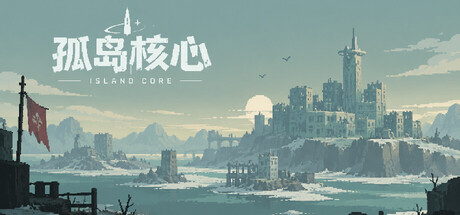 孤岛核心 In-game content art | AI was used for the character portraits and monster assets in the game. | 黯月游戏工作室 | - | Oct 6, 2026 | |
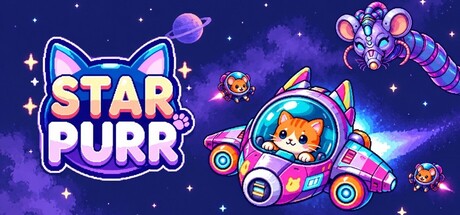 Star Purr In-game content artaudiocode | Artificial intelligence has been used in visual and music production, as well as to accelerate coding.
The development team has been responsible for final touches and decisions since the very beginning of the game's design. | Arada Games | - | Oct 6, 2026 | |
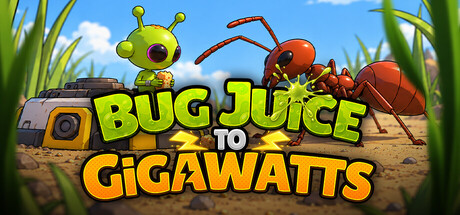 Bug Juice to Gigawatts In-game content artaudiotextcode | Generative AI was used during development for code, music, UI text, icons, and store imagery. Generated output is reviewed, edited, tested, and integrated by the developer. | Spectral Nuke | - | Oct 6, 2026 | |
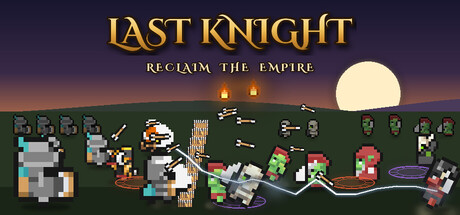 Last Knight ~ Reclaim the Empire ~ In-game content arttext | This game used AI assistance to help arrange the store page artwork and to support programming. AI assistance was also used to write the store page text, and the multi-language localization in the current version was produced with AI assistance. All AI-related work was carried out under the direction and planning of the developer. | Honga Games Inc. | - | Oct 6, 2026 | |
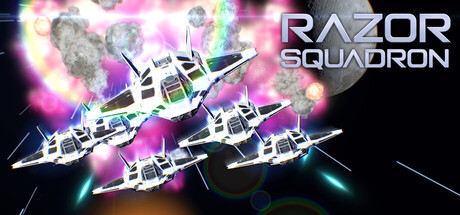 Razor Squadron In-game content artcode | Generative AI tools were used during development to assist with the creation and iteration of some game assets and development code. AI-assisted content included in the final game is pre-generated and reviewed by the developer. The game does not generate AI content during gameplay. | BlueGamer Productions | - | Oct 4, 2026 | |
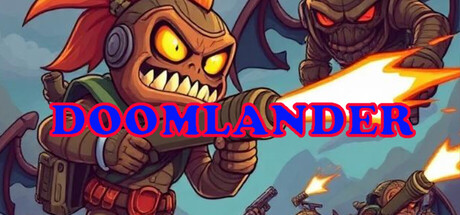 Doomlander Store/marketing art | Game store page logo and cover art made with ai tools
Game menu images made with ai tools | Saylor games | - | Oct 3, 2026 | |
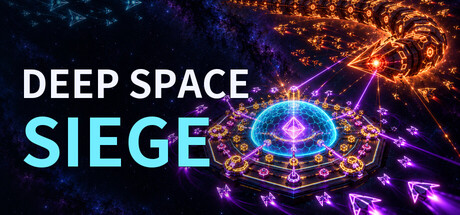 Deep Space Siege In-game content arttext | AI tools assisted the creation or processing of some backgrounds, title illustrations, upgrade-card artwork and localized text during development. These assets are prepared in advance. The game does not call generative AI services at runtime. | Zery | - | Oct 3, 2026 | |
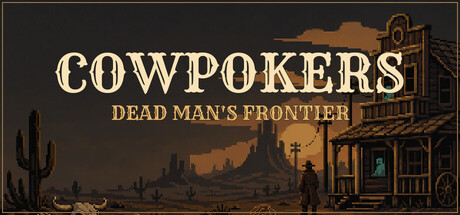 Cowpokers: Dead Man's Frontier In-game content artaudiotext | AI tools assisted visual artwork, audio and some text. No live AI generation occurs during gameplay. | Cowpoke | - | Oct 1, 2026 | |
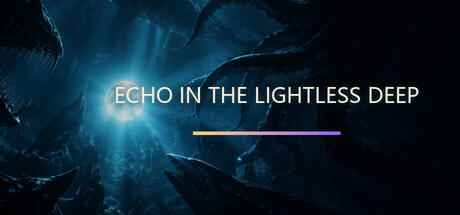 Echo in the Lightless Deep In-game content arttext | The audio in the game is not produced by machine learning models. The game images are divided into two categories: ① The vast majority are generated programmatically and not by machine learning models; ② The character illustrations are generated by machine learning and then selected, cropped, and post-processed by humans. The game text (environmental narration, entry descriptions, achievement descriptions) is drafted by AI with assistance and then revised by humans before being included; developers conduct fact and expression reviews of all game images and text before release. The game does not have an AI system for real-time generation of content, and player input will not be used for training or content generation. | CelestialArk | - | Oct 1, 2026 | |
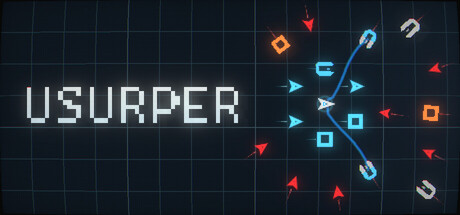 Usurper In-game content textcode | Generative AI tools were used during development to assist with game localization and code generation. | IndieRaven | - | Oct 1, 2026 | |
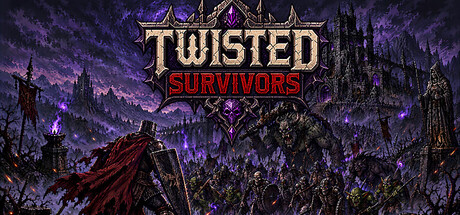 Twisted Survivors In-game content artaudiotext | Twisted Survivors was designed and made by Six. Some of its art (including the store artwork), music, voice-over and the opening cinematic were created with the help of AI tools, then curated and edited by Six; nothing is generated while you play. | Six | - | Oct 1, 2026 | |
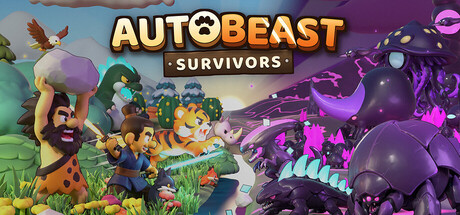 AutoBeast Survivors In-game content arttext | Generative AI tools were used during development. The 3D models of the animals, leaders, enemies and bosses, along with many environment props, started as AI-generated models, and most 2D icons started as AI-generated images. All of them were then adapted to the game's paper-doodle style. AI tools also helped write and translate the game's text. The game does not use AI to generate any content while you play. | Melonsaur | - | Oct 1, 2026 | |
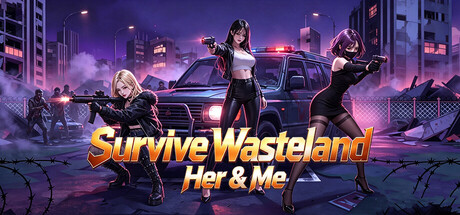 Survive Wasteland: Her & Me Store/marketing art | We only utilized AI to generate store page promotional art for the game, to better convey the feeling of post-apocalyptic survival. | HotPlay Studio | - | Oct 1, 2026 | |
 go Up Dev only code | This game uses generative AI to write code. | yee | - | Oct 1, 2026 | |
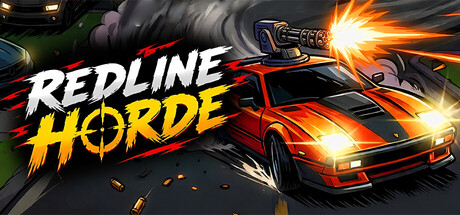 Redline Horde In-game content art | Generative AI tools were used to assist in the creation of 2D pre-rendered artwork for this game. Specifically, AI was used to generate the promotional library capsules on the store page, as well as the 2D icon graphics for the upgrade cards shown during gameplay. All AI-generated assets were reviewed and manually edited to ensure quality and consistency with the game's art style. | DevGoneWild | - | Oct 1, 2026 | |
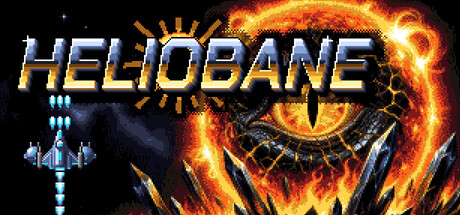 Heliobane In-game content artaudiotext | HELIOBANE was made with the help of generative AI tools.
- Assets: AI was used to generate some of the game's assets, including artwork, voice lines, sound effects, in-game text and translations. Artwork was edited and fitted to the game's 32-colour palette and style before use.
- Music: the soundtrack was made with a custom tracker built for agentic work, by an AI trained on a curated collection of public-domain tracker (MOD) music.
- Some store page and marketing art is also AI-assisted.
Nothing is generated while you play. All content is fixed in the build, and the game does not connect to any AI service. | Gand | - | Sep 30, 2026 | |
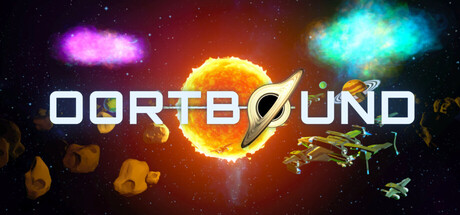 Oortbound In-game content text | AI tools were used to help draft and edit some English text: store page copy and some in-game UI strings such as hints, item descriptions and dialogs. All text was reviewed and edited by the developer. All art, models, audio and music are human-made or licensed assets. The game does not generate any content with AI at runtime. | Viking Mango | - | Sep 30, 2026 | |
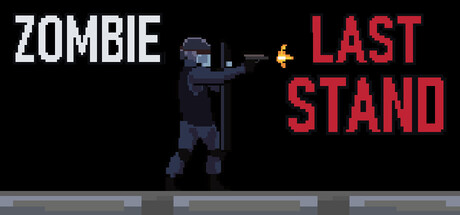 Zombie Last Stand In-game content textcode | Generative AI tools were used as development assistance for portions of the game’s code and player-facing text. All final content was reviewed, edited, integrated, and tested by the developer. The game does not use live-generated AI or connect to any AI service during gameplay. | under's studious | - | Sep 30, 2026 | |
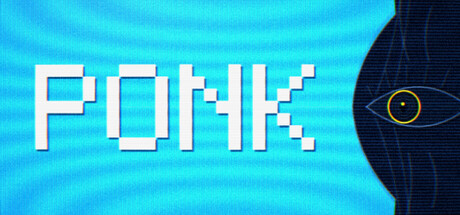 PONK Dev only code | AI tools assisted with the game's code and some written text during development. All artwork comes from the game's own engine, being web code. The music is composed by Juhani Junkala, and nothing is generated while you play. | aliyen | - | Sep 30, 2026 | |
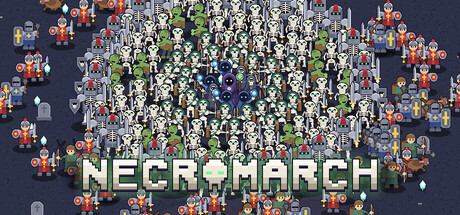 Necromarch art | character design | MGM LLC | - | Sep 30, 2026 | |
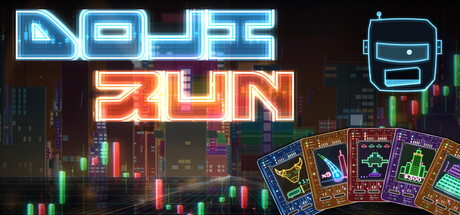 Doji Run In-game content audio | Current version uses AI generated voices, all other content is human generated including the dialog for the voices. | RD3 Games | - | Sep 30, 2026 | |
 Fusion Cuisine Survivor In-game content art | Some AI assistance with art assets, which are edited later. | We Will Survive | - | Sep 30, 2026 | |
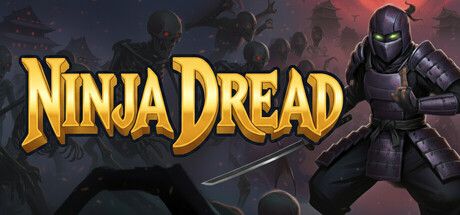 NINJA DREAD In-game content audioart | Generative AI was used in the creation of select in-game BGM (music) as well as promotional graphics and in-game imagery (such as concept artwork and backgrounds). | NINJA DREAD Dev | - | Sep 30, 2026 | |
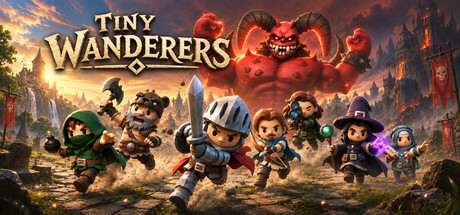 小小行者 In-game content artaudiotextcode | This game was made with the help of generative AI tools. The in-game relic, element, rune and skill icons are AI-generated. The tutorial illustrations were AI-generated and then edited by hand. Some sound effects, and the localization of the interface text into the game's supported languages, were produced with AI assistance. Some of the source code was also written with AI tools. All of it was reviewed and adjusted by a human before release. Nothing is generated while you play, and the game never connects to any external AI service. | TPAI Entertainment | - | Sep 29, 2026 | |
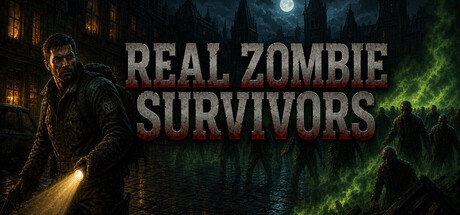 Real Zombie Survivors In-game content arttext | We used artificial intelligence to reduce production costs, i.e. localization and the creation of some graphics. | GAMIKE | - | Sep 28, 2026 | |
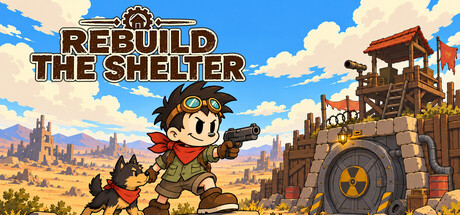 重建避难所 In-game content textart | Generative AI tools were used during development to assist with draft text, localization, concept references, and asset iteration. All final content included in the game has been reviewed and edited by the developer. The game does not generate AI content during gameplay. | JAM Game Studio | - | Sep 27, 2026 | |
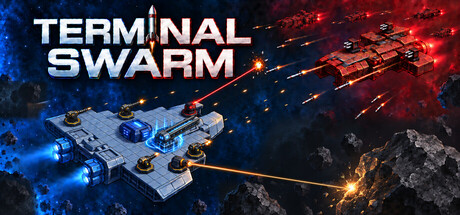 Terminal Swarm In-game content artcode | Some images were created with AI image generation: the crew portraits, loading-screen image, and the current store capsule artwork and logo (commissioned artwork will replace the capsule). The game's code was written with AI coding assistants under the developer's direction; ships, weapons and effects are drawn procedurally by that code. All in-game text is written by the developer. | Umpfelgrumpf Studio | - | Sep 27, 2026 | |
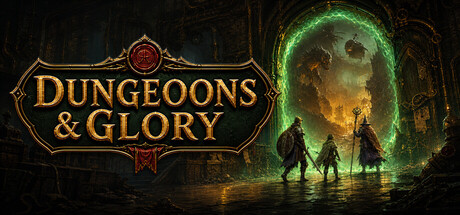 dungeons and glory In-game content artaudio | Some shipped artwork, visual effects, interface assets, and audio were created or modified with generative AI tools during development. All such content is pre-generated, selected and reviewed by the development team, and included as fixed game assets. The game does not generate AI content while running. | Trash Panda Software | - | Sep 27, 2026 | |
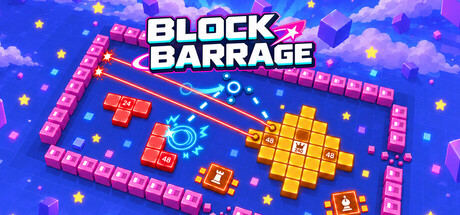 Block Barrage Store/marketing | AI was used in the game's development and store promotional materials | Sun Monster FxxL | - | Sep 25, 2026 | |
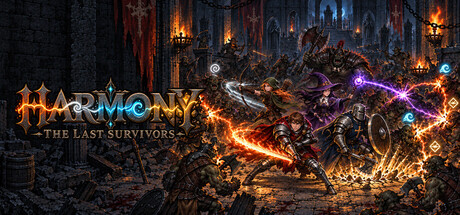 Harmony In-game content artaudiotext | The game's pixel art sprites and visual effects, the store capsule art and logo, and the music were created with the help of generative AI tools, then selected, edited and integrated by the developer. The store page text and its Chinese translation were drafted with AI assistance and reviewed by the developer. All content is pre-generated; nothing is generated while the game is running. | BeeBee Games | - | Sep 25, 2026 | |
 1PX BOSS RUSH In-game content arttext | Generative AI tools were used during development to assist with the creation of various in-game assets and some localization text. All content was reviewed and edited by the developer. | janchiguksu | - | Sep 25, 2026 | |
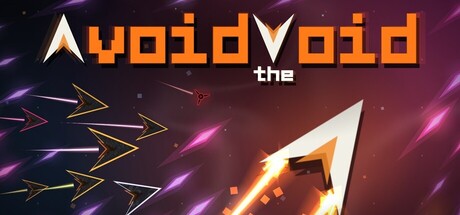 Avoid the Void In-game content audiotext | Due to budget constraints, I’ve had to rely on AI to create the soundtrack and translate the game into languages I don’t speak (all languages except English and Spanish).
I know it’s not the same as working with professional musicians and translators, and I’d really like to change that in the future. If the game is well received and gets enough support, I’ll be more than happy to invest part of that support into working with professionals and replacing these AI-generated elements.
Thank you for giving the game a chance and for supporting this indie project. | Keycrown Studio | - | Sep 25, 2026 |


