Public Steam disclosure research25,376 disclosures tracked
Where do games disclose AI use?
Search developers’ Steam disclosures, compare classified AI use across
games, and follow recorded changes.
This index adds cross-game classifications and statistics to
statements published on individual store pages.
Groups reflect automatic analysis of public disclosures; mature records are excluded. These counts do not measure AI use across all of Steam.
Missing or unclear statements cannot establish whether a game uses AI.
Generative AI tools were used to create music and visual artwork, including store and promotional images. These assets were generated before release and selected by the developer. No AI content is generated during gameplay.
Sound effects, some character voices and music in the game were made with generative AI tools (ElevenLabs). Everything is pre-generated during development; nothing is generated while you play.
1) Artwork: card illustrations and other visual assets were created with the help of AI image generation tools, then selected and edited by the developer.
2) Music: the soundtrack was created with the help of AI music generation tools.
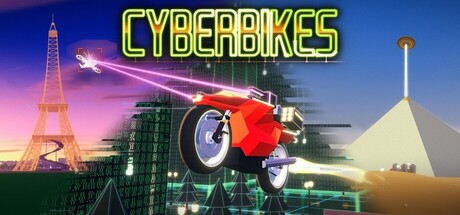
The visuals, music, sound effects, store art, trailer and text for CYBERBIKES were made with the help of AI under my direction, built in code with Blender and Godot. LINK's voice is pre-recorded text-to-speech from the open Kokoro model. Nothing is generated while you play.
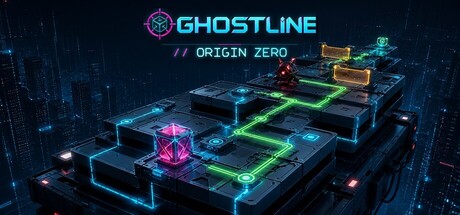
Generative AI was used to create pre-rendered English voice performances and selected music used in the game. All AI-generated content is fixed before release; GhostLine does not generate content during gameplay or connect to an external AI service.
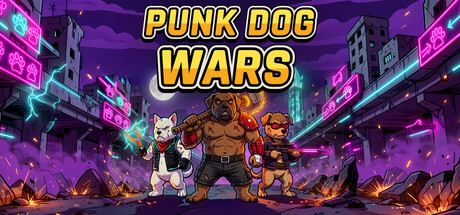
Punk Dog Wars uses AI-assisted tools during development. Character, effect and environment art, the music, and the announcer and dog voices were generated with AI models and then selected, composited and edited by our team. The store art was made the same way. No content is generated while you play.
Generative AI was used during development to create character and environment artwork, comic illustrations, achievement-card artwork, store artwork, music, and English pronunciation audio, and to assist with learning dialogue and localization. This content is prepared in advance and included with the game. The game does not generate AI content or connect to third-party AI services during gameplay. Custom chapters use the device’s available text-to-speech voices.
Generative AI was used during development to create images and music, and to assist with programming, in-game text and skill descriptions, translations, and store page descriptions. The game does not use generative AI to generate content during gameplay.
Generative AI was used to translate the game's text from Japanese into the other supported languages (English, Simplified Chinese, Traditional Chinese, Russian, German and French). The original Japanese text was written by a human.
Yes, AI helped make this game. Here's exactly how:
• I built it with an AI coding assistant. The design and direction are mine; the AI did a lot of the typing.
• The narrator's lines and item descriptions were drafted with AI and edited by me. So was this page.
• No image, music or voice generators. The art and sound are drawn and synthesized by code.
• Nothing is AI-generated while you play.
Pre-generated content: Generative AI tools were used to create the game's visual and audio assets, including card and item artwork, backgrounds, key art and store capsule images, and the background music. The developer directed, selected, edited and integrated all AI-generated assets. Game design, rules and balance were created by the developer. No content is generated live by AI during gameplay.
Some of the store page description was drafted with generative AI writing assistance and then reviewed and edited by the developer. This game does not use generative AI to create content during gameplay.
This game used AI to make it possible to be developed by one person in reasonable time, with the hope that more people will join later to replace the AI part.
The operator portraits in-game are procedurally drawn, but their designs were based on AI-generated reference art. The full body operators in the promo images were also AI-generated.
During development we use AI assistance in certain tasks, such as generative fill to extend artist drawn artwork. All major art has been drawn by human artists.
The game has optional computer generated voice overs.
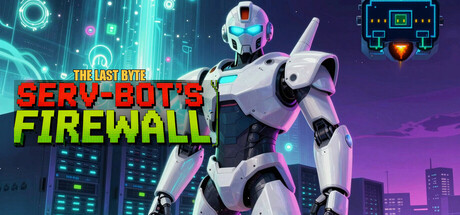
Serv-Bot's Firewall uses AI tools in its art and media pipeline, always under human direction and review:
Sprite art. The game's original hand-authored sprites were upscaled and repainted at native resolution with an image-editing model (Qwen-Image-Edit), then reviewed, corrected and in many cases restored to the originals by hand. Concept art for the six "arsenal" enemy types, the Serv-Bot HUD portraits and the achievement icon motifs were generated with local image models (Z-Image Turbo, Qwen-Image-Edit) from our own designs and reference art, then composited and finished in code. Canon elements such as the Greeb ship in the icons are the game's own sprite art, not generated.
Cutscenes. The in-game story videos come from our SIGNAL series. Keyframes were generated with a local image model trained on our own characters, motion with a local video model (Wan 2.2), narration with a text-to-speech model (Kokoro) and music with local music models (ACE-Step, Stable Audio Open). Scripts, story, character designs, editing and direction are ours.
Localization. Interface text in 28 languages was machine-translated with an AI model from our English source and has not yet been reviewed by native speakers.
Code. Parts of the game's code were written with AI coding assistance, reviewed and tested by the developer.
Sound effects are procedurally synthesised, not AI-generated. All AI generation ran on the developer's own hardware; no copyrighted third-party works were used as inputs beyond our own assets and characters.
Generative AI was used during development to create visual assets, including illustrations and backgrounds, produce background music, and translate in-game text. Images created using generative AI are also used on the Steam store page and in promotional materials. No content is generated using AI during gameplay.
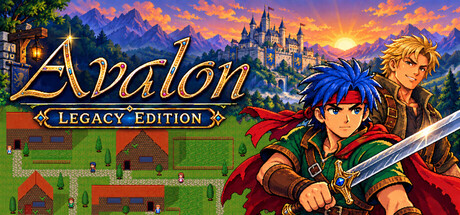
The original 1998 version of Avalon was created entirely by hand, including its graphics, music, story, gameplay, game engine and even its custom music software. Avalon: Legacy Edition retains many of these original assets. Generative AI was used to create or refine much of the updated visual, audio and written content. No content is generated live during gameplay.
Due to budget constraints, I’ve had to rely on AI to create the soundtrack and translate the game into languages I don’t speak (all languages except English and Spanish).
I know it’s not the same as working with professional musicians and translators, and I’d really like to change that in the future. If the game is well received and gets enough support, I’ll be more than happy to invest part of that support into working with professionals and replacing these AI-generated elements.
Thank you for giving the game a chance and for supporting this indie project.
Generative AI was used during development to create some pre-rendered artwork and music, as well as store and promotional artwork. These are pre-created assets. The game does not generate AI content or connect to external AI services during gameplay.
This game uses generative AI in the creation of some visual assets, including character illustrations, backgrounds, and promotional artwork. These assets were selected, adjusted, and integrated into the game and store materials by the developer. The game does not generate content in real time during gameplay, and no player input or personal data is sent to external AI services.
Voice lines and sound effects were produced with AI voice synthesis
(ElevenLabs) during development. Some character portraits and UI/VFX
textures were created with AI-assisted tools. All assets were reviewed,
edited and integrated by the developer.
No generative AI runs at runtime — the game ships only pre-generated,
fixed assets.
WarpRacer may include pre-generated visual assets created with assistance from generative AI tools. It does not use generative AI to create content or code during gameplay, and it does not connect to external AI services during gameplay.
Generative AI tools were used to create various pre-rendered background images seen in menus, game over screens, and illustrative posters within the game world.
Generative AI was used during development to create some visual artwork and background music. The generated content was reviewed by the development team before being included in the game. The game does not generate AI content during gameplay.
AI-based coding assistants were used to help write this game's source code during development. The game contains no generative AI at runtime: the entire simulated world is created by deterministic, hand-authored procedural generation from a seed, not by AI.
We conducted game testing with AI bots and fine-tuned the balance.
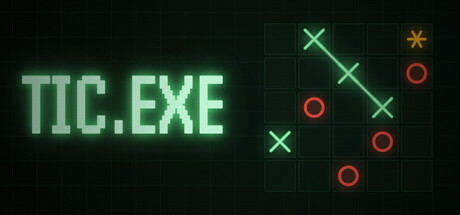
TIC.EXE does not use AI while you play. The procedurally generated boards, runs and the chiptune soundtrack are all produced by hand-written algorithms, and no content is generated at runtime.
Neon Chase is solo developer game. Every environment, menu, lighting model, weapon, and enemy vehicles were built as 3D models using Blender. The game design, system mechanics, style, gameplay, bug fixing and features of the game are mine.
AI tools were used for some of the audio, this includes the sound effects, spoken dialogue and music which were edited and integrated by me but developed with the help of Suno for the music and Elevenlabs for the sound effects.
No content is generated using AI whilst running the game.
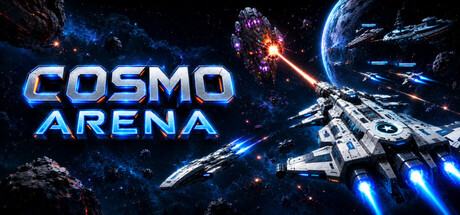
Cosmo Arena uses generative AI tools during development to assist with the creation and refinement of certain visual assets, concept art, UI elements, textures, and other game content. All AI-assisted content is reviewed, edited, and integrated by the developer. Generative AI is not used to create content dynamically during gameplay.
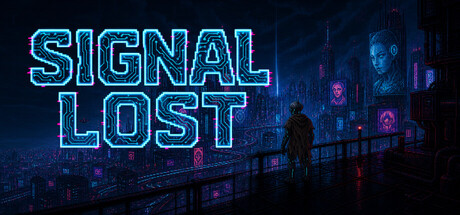
SignalLost uses generative AI only during development to create and refine selected 2D artwork, promotional images, and trailer assets. No AI content is generated during gameplay, and the game does not connect to external AI services. All shipped assets are reviewed, edited, and integrated by the developer before release.
During development, generative AI was used to assist in creating selected game images and promotional artwork, including library images, the game logo, and capsule art. All AI-generated images were manually reviewed, edited, and unified in style by the development team. All in-game code, gameplay systems, audio, and text were created by hand. The game itself does not generate, display, or depend on any AI content at runtime.
Generative AI is used during development to create artwork, animation, music, sound effects and some text, including store artwork and descriptions. Content is selected, edited and integrated before release. SkyStray does not generate AI content during gameplay or connect to external AI services while you play.
I've been using Generative AI tools as part of development for things like programming assistance, troubleshooting, research, brainstorming, and some concept exploration.
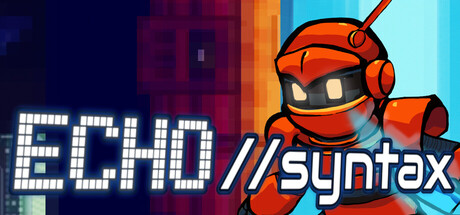
ECHO//syntax is a work of mechanics made from love of the beat-em-up genre from CHROMAGEM. It is designed, directed, assembled, tested, and curated by me. I make the first and final decisions on the game's mechanics, characters, levels, visual direction, and overall design.
As a designer that's looking to get a particular feel and experience with this game, I'm looking through and making sure you're getting a good game to play and enjoy.
This game uses generative AI in the following ways:
Music — tracks were built from AI-generated material, then edited and arranged by hand.
Title artwork — an AI-generated rough was used as reference and redrawn by hand as pixel art.
English localization — the English text was machine-translated and then reviewed and corrected by the developer.
Code — parts of the game's code were written with AI assistance.
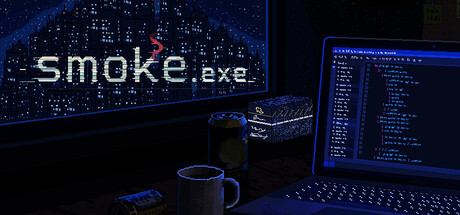
Everything else is made by the developer by hand: all 145 in-game icons, every UI image, the cigarette package illustrations, and the achievement icons.
Generative AI tools were used to create music and visual artwork, including store and promotional images. These assets were generated before release and selected by the developer. No AI content is generated during gameplay.
Sound effects, some character voices and music in the game were made with generative AI tools (ElevenLabs). Everything is pre-generated during development; nothing is generated while you play.
1) Artwork: card illustrations and other visual assets were created with the help of AI image generation tools, then selected and edited by the developer.
2) Music: the soundtrack was created with the help of AI music generation tools.
The visuals, music, sound effects, store art, trailer and text for CYBERBIKES were made with the help of AI under my direction, built in code with Blender and Godot. LINK's voice is pre-recorded text-to-speech from the open Kokoro model. Nothing is generated while you play.
Generative AI was used to create pre-rendered English voice performances and selected music used in the game. All AI-generated content is fixed before release; GhostLine does not generate content during gameplay or connect to an external AI service.
Punk Dog Wars uses AI-assisted tools during development. Character, effect and environment art, the music, and the announcer and dog voices were generated with AI models and then selected, composited and edited by our team. The store art was made the same way. No content is generated while you play.
Generative AI was used during development to create character and environment artwork, comic illustrations, achievement-card artwork, store artwork, music, and English pronunciation audio, and to assist with learning dialogue and localization. This content is prepared in advance and included with the game. The game does not generate AI content or connect to third-party AI services during gameplay. Custom chapters use the device’s available text-to-speech voices.
Generative AI was used during development to create images and music, and to assist with programming, in-game text and skill descriptions, translations, and store page descriptions. The game does not use generative AI to generate content during gameplay.
Generative AI was used to translate the game's text from Japanese into the other supported languages (English, Simplified Chinese, Traditional Chinese, Russian, German and French). The original Japanese text was written by a human.
Yes, AI helped make this game. Here's exactly how:
• I built it with an AI coding assistant. The design and direction are mine; the AI did a lot of the typing.
• The narrator's lines and item descriptions were drafted with AI and edited by me. So was this page.
• No image, music or voice generators. The art and sound are drawn and synthesized by code.
• Nothing is AI-generated while you play.
Pre-generated content: Generative AI tools were used to create the game's visual and audio assets, including card and item artwork, backgrounds, key art and store capsule images, and the background music. The developer directed, selected, edited and integrated all AI-generated assets. Game design, rules and balance were created by the developer. No content is generated live by AI during gameplay.
Some of the store page description was drafted with generative AI writing assistance and then reviewed and edited by the developer. This game does not use generative AI to create content during gameplay.
This game used AI to make it possible to be developed by one person in reasonable time, with the hope that more people will join later to replace the AI part.
The operator portraits in-game are procedurally drawn, but their designs were based on AI-generated reference art. The full body operators in the promo images were also AI-generated.
During development we use AI assistance in certain tasks, such as generative fill to extend artist drawn artwork. All major art has been drawn by human artists.
The game has optional computer generated voice overs.
Serv-Bot's Firewall uses AI tools in its art and media pipeline, always under human direction and review:
Sprite art. The game's original hand-authored sprites were upscaled and repainted at native resolution with an image-editing model (Qwen-Image-Edit), then reviewed, corrected and in many cases restored to the originals by hand. Concept art for the six "arsenal" enemy types, the Serv-Bot HUD portraits and the achievement icon motifs were generated with local image models (Z-Image Turbo, Qwen-Image-Edit) from our own designs and reference art, then composited and finished in code. Canon elements such as the Greeb ship in the icons are the game's own sprite art, not generated.
Cutscenes. The in-game story videos come from our SIGNAL series. Keyframes were generated with a local image model trained on our own characters, motion with a local video model (Wan 2.2), narration with a text-to-speech model (Kokoro) and music with local music models (ACE-Step, Stable Audio Open). Scripts, story, character designs, editing and direction are ours.
Localization. Interface text in 28 languages was machine-translated with an AI model from our English source and has not yet been reviewed by native speakers.
Code. Parts of the game's code were written with AI coding assistance, reviewed and tested by the developer.
Sound effects are procedurally synthesised, not AI-generated. All AI generation ran on the developer's own hardware; no copyrighted third-party works were used as inputs beyond our own assets and characters.
Generative AI was used during development to create visual assets, including illustrations and backgrounds, produce background music, and translate in-game text. Images created using generative AI are also used on the Steam store page and in promotional materials. No content is generated using AI during gameplay.
The original 1998 version of Avalon was created entirely by hand, including its graphics, music, story, gameplay, game engine and even its custom music software. Avalon: Legacy Edition retains many of these original assets. Generative AI was used to create or refine much of the updated visual, audio and written content. No content is generated live during gameplay.
Due to budget constraints, I’ve had to rely on AI to create the soundtrack and translate the game into languages I don’t speak (all languages except English and Spanish).
I know it’s not the same as working with professional musicians and translators, and I’d really like to change that in the future. If the game is well received and gets enough support, I’ll be more than happy to invest part of that support into working with professionals and replacing these AI-generated elements.
Thank you for giving the game a chance and for supporting this indie project.
Generative AI was used during development to create some pre-rendered artwork and music, as well as store and promotional artwork. These are pre-created assets. The game does not generate AI content or connect to external AI services during gameplay.
This game uses generative AI in the creation of some visual assets, including character illustrations, backgrounds, and promotional artwork. These assets were selected, adjusted, and integrated into the game and store materials by the developer. The game does not generate content in real time during gameplay, and no player input or personal data is sent to external AI services.
Voice lines and sound effects were produced with AI voice synthesis
(ElevenLabs) during development. Some character portraits and UI/VFX
textures were created with AI-assisted tools. All assets were reviewed,
edited and integrated by the developer.
No generative AI runs at runtime — the game ships only pre-generated,
fixed assets.
WarpRacer may include pre-generated visual assets created with assistance from generative AI tools. It does not use generative AI to create content or code during gameplay, and it does not connect to external AI services during gameplay.
Generative AI tools were used to create various pre-rendered background images seen in menus, game over screens, and illustrative posters within the game world.
Generative AI was used during development to create some visual artwork and background music. The generated content was reviewed by the development team before being included in the game. The game does not generate AI content during gameplay.
AI-based coding assistants were used to help write this game's source code during development. The game contains no generative AI at runtime: the entire simulated world is created by deterministic, hand-authored procedural generation from a seed, not by AI.
We conducted game testing with AI bots and fine-tuned the balance.
TIC.EXE does not use AI while you play. The procedurally generated boards, runs and the chiptune soundtrack are all produced by hand-written algorithms, and no content is generated at runtime.
Neon Chase is solo developer game. Every environment, menu, lighting model, weapon, and enemy vehicles were built as 3D models using Blender. The game design, system mechanics, style, gameplay, bug fixing and features of the game are mine.
AI tools were used for some of the audio, this includes the sound effects, spoken dialogue and music which were edited and integrated by me but developed with the help of Suno for the music and Elevenlabs for the sound effects.
No content is generated using AI whilst running the game.
Cosmo Arena uses generative AI tools during development to assist with the creation and refinement of certain visual assets, concept art, UI elements, textures, and other game content. All AI-assisted content is reviewed, edited, and integrated by the developer. Generative AI is not used to create content dynamically during gameplay.
SignalLost uses generative AI only during development to create and refine selected 2D artwork, promotional images, and trailer assets. No AI content is generated during gameplay, and the game does not connect to external AI services. All shipped assets are reviewed, edited, and integrated by the developer before release.
During development, generative AI was used to assist in creating selected game images and promotional artwork, including library images, the game logo, and capsule art. All AI-generated images were manually reviewed, edited, and unified in style by the development team. All in-game code, gameplay systems, audio, and text were created by hand. The game itself does not generate, display, or depend on any AI content at runtime.
Generative AI is used during development to create artwork, animation, music, sound effects and some text, including store artwork and descriptions. Content is selected, edited and integrated before release. SkyStray does not generate AI content during gameplay or connect to external AI services while you play.
I've been using Generative AI tools as part of development for things like programming assistance, troubleshooting, research, brainstorming, and some concept exploration.
ECHO//syntax is a work of mechanics made from love of the beat-em-up genre from CHROMAGEM. It is designed, directed, assembled, tested, and curated by me. I make the first and final decisions on the game's mechanics, characters, levels, visual direction, and overall design.
As a designer that's looking to get a particular feel and experience with this game, I'm looking through and making sure you're getting a good game to play and enjoy.
This game uses generative AI in the following ways:
Music — tracks were built from AI-generated material, then edited and arranged by hand.
Title artwork — an AI-generated rough was used as reference and redrawn by hand as pixel art.
English localization — the English text was machine-translated and then reviewed and corrected by the developer.
Code — parts of the game's code were written with AI assistance.
Everything else is made by the developer by hand: all 145 in-game icons, every UI image, the cigarette package illustrations, and the achievement icons.