

Disclosure
Some in-game posters and signs, the splash screen, and parts of the text and translation were made with the help of generative AI and then edited by hand.
- Creator
- homemadevoxel
- Reviews
- -
- Added
- Oct 12, 2026
Public Steam disclosure research 25,376 disclosures tracked
Search developers’ Steam disclosures, compare classified AI use across games, and follow recorded changes. This index adds cross-game classifications and statistics to statements published on individual store pages.
Code help, debugging and other development work.
Capsule art, trailers and promotional material.
Pre-made art, audio, writing and other game assets.
Interactive or runtime AI features disclosed by the developer.
Groups reflect automatic analysis of public disclosures; mature records are excluded. These counts do not measure AI use across all of Steam. Missing or unclear statements cannot establish whether a game uses AI.
Some in-game posters and signs, the splash screen, and parts of the text and translation were made with the help of generative AI and then edited by hand.
Pre-generated content: Many 3D models and textures used in the game, including cakes, fruit, items, tools, and environmental/shop assets, were generated using Meshy AI and then edited and integrated by the developer. Generative AI was also used to assist in drafting some store-page text, which was reviewed and edited by the developer. No generative AI is used at runtime. No AI-generated voice or music is used.
Some weapon images and sound effects in this game were created with the help of generative AI tools and then reviewed and edited by our team.
Pre-generated content: the character voices, some sound effects, ambience and the music were generated with AI audio tools (ElevenLabs), then selected, edited and mixed by the developer. Most 3D models (props, tools, vehicles) and some 2D artwork (signs, posters, in-game documents, interface illustrations and store art) were generated with AI tools and then integrated, adjusted and reviewed in the game by the developer. The people are built with the open-source MakeHuman tools and animated with motion capture (CMU), not with AI. Translations were made with AI assistance and reviewed. The levels and code were built with AI-assisted tools and reviewed and tested by the developer. No content is generated by AI while you play.
Generative AI tools were used to assist with the creation and refinement of selected visual assets and promotional materials for Asteroid Watch. All AI-assisted content is reviewed, edited, and integrated by the developer to ensure consistency with the game's visual style and overall design.
Generative AI was used during development to create text content.
Game contains AI generated code. Some icons. logos, marketing assets or placeholders may be AI generated. In-game screenshots and footage are displayed as-is and are unaltered by AI.
Generative AI tools were used during development to create and refine pre-made visual assets, music and sound assets, and localized text. These assets are bundled with the game. No content is generated by AI during gameplay.
Gemstroids is a solo project, designed and directed by the developer. Art, music, sound effects, the in-game and store page texts and all translations were made with AI tools, then selected, edited and brought into one style by the developer.
some visual assets and promotional materials for KILL ALL 8.2 BILLION HUMANS were created with the assistance of generative AI tools. All AI-generated content was reviewed, refined, and integrated by the developer to ensure consistency with the game's artistic direction and quality standards.
Generative AI was used during development to assist with artwork and localization, including some store and promotional materials. The game does not generate AI content during gameplay or connect to external AI services.
Generative AI tools were used during development to create pre-generated artwork, audio content, and text/translations. These assets are included as fixed content in the game. No content is generated by generative AI during gameplay, and the game does not connect to external generative AI services.
Generative AI was used to assist in creating some promotional artwork for the Steam store page. No AI-generated content is created during gameplay.
Generative AI tools were used during development to assist with the creation of some visual assets and promotional artwork. No generative AI is used during gameplay and no content is generated in real time.
The game's artwork, audio and other assets are not AI-generated. The game engine is written from scratch over the course of 8 months in C++ and Simple DirectMedia Layer 2; in which Codex assistance was used for programming. No content is generated by AI during gameplay. No AI service is used during gameplay. All AI actions in the game are classic decision tree based intelligence made.
AI tools were used during development to help create some of the game's content. Everything was reviewed, edited and put together by our team.
AI tools were used to translate the store page text and some localizations. All in-game art, 3D models, animations, music and sound effects are not AI-generated.
Some store artwork (key art, logo and capsule images) and some in-game icons were created with the help of generative AI tools, then reviewed and edited by the developer. Some in-game text translations were drafted with AI and reviewed by the developer. 3D models, textures and animations come from licensed asset packs. No content is generated by AI while you play.
Generative AI was used during development to create static artwork, including game sprites, icons, the illustrated menu background, and Steam store and library artwork. AI assistance was also used for written text and translations. These assets were reviewed and integrated by the developer. No content is generated by AI during gameplay.
AI tools were used under the developer’s creative direction to assist with implementation, interface text, localization, documentation, procedural visuals, and selected promotional artwork, including the manual’s cover. No generative AI runs during gameplay.
AI was used to draft the localizations into 30 languages and parts of the store page text.
This game's 3D models, music, sound effects, and in-game text (dialogue, item names and descriptions) were created with the help of generative AI, under the developer's direction and review. The store images and trailer use this in-game content.
Generative AI tools were used in the creation of images, music, sound effects, and 3D models used in the game.
AI was used for in-game translations of UI, tutorial and caption text. It was also used to translate the store page content into non-English locales.
AI was used to translate the game for multi-language support. All other content, including art, animation, sound effects, and music, was either created by the developers or used under license.
Everything you see and hear in this game - the graphics, the sound effects, the music and the built-in tracks - is produced by our own hand-written generators: drawn and synthesised in code. No generative AI is involved in any of it, and nothing is generated by an AI while the game is running. The computer drivers race on ordinary, hand-written driving logic, not on an AI model. Generative AI was used during development, as an assistant for code and for text: in writing the program code and those generators, in the menu and interface text, in the names of the computer drivers, and in the translation between German and English. Every line of it was reviewed and reworked before it went into the game. The images and the video on this store page are captured from the running game.
Generative AI was used during development to create selected pre-generated visual assets, including some character models, weapon presentation models and related images, as well as some promotional artwork for the store. These assets were selected, post-processed and integrated by the developer. Store gameplay screenshots are captured from the running game and have not been generatively altered; they may show game content that uses pre-generated AI assets. The current game does not call generative AI services or generate new content during play.
Generative AI was used to assist in the creation and iteration of selected visual assets and marketing materials. All final content was reviewed, selected, and integrated by the developer. No generative AI is used during gameplay.
Generative AI tools were used during development to assist with the creation and refinement of selected visual assets, artwork, and localization. AI-generated material is reviewed and adjusted before inclusion in the game.
Some content in Cairn & Carat was created with the help of generative AI: - The 3D models of the characters and the collection display shelf were generated with Meshy AI, then adjusted and set up in Unity by our team. - In-game texts, their translations into the supported languages and the store page texts were written and translated with AI assistance.
Voices And Sounds Are AI Generated
Parts of the game's code and the store page text were written with the help of an AI assistant. All art, 3D models, sounds and music are not AI-generated: 3D models come from Kenney asset packs (CC0) or are built procedurally in code, visuals and marketing images are rendered in-engine, and sounds and music come from CC0 libraries.
The game's characters, environment tiles, and totem were created by the developer in Aseprite. Additional enemy variants and animation frames were produced with the help of an AI coding assistant that draws sprites programmatically from authored pixel data. The menu music was created with the help of AI music tools. All promotional and store artwork was created by a human artist. No content is generated by AI while the game is running.
AI assistance has been used in marketing materials.
Development assistance and pre-generated content: the 3D models, props and characters were built with Blender Python scripts that were written with AI coding assistants (Claude and Codex), and the game code was also written with AI assistance. All sound effects and music are synthesized in code or come from CC0 sample packs; there is no AI-generated voice, no AI-generated images or textures, and nothing is generated live while playing. The store page copy was drafted with AI assistance and reviewed by the developer.
Generative AI tools assisted with LOADPATH’s development and the creation of game content, under the developer’s creative direction. The game was shaped through extensive iteration, selection and hands-on playtesting. The promotional trailer also uses AI-generated narration and music. All AI-generated content is prepared in advance; no generative AI runs during gameplay.
Generative AI was used to assist with the creation of the game logo and some promotional assets for the Steam store. The generated materials were selected, edited, and further processed by the developer before use. Generative AI was also used during development to assist with programming and debugging. No generative AI is used to generate content during gameplay.
Store images are ai generated.
Generative AI tools were used during development to create images and music. These are pre-generated assets included in the game and/or its store and promotional materials. The game does not generate AI content during gameplay or connect to external AI services while playing.
Generative AI tools assisted the creation of pre-generated visual assets, including artwork and textures used in the game, promotional art, and store descriptions and localization. These assets and texts are reviewed and integrated during development. The game does not generate AI content during gameplay or connect to an external AI service.
Generative AI was used to create promotional artwork for the Steam store page and marketing materials.
The music and some of the images were created using artificial intelligence. Localization into some languages was performed using artificial intelligence.
Some pre-generated visual assets used in Demolition Empire were created with the assistance of generative AI tools during development. AI tools were also used to assist with localization and development. All content included in the final game was reviewed, selected and integrated by the developer.
Translations wher made by AI from human written German texts
AI tools were used to assist in the creation of store Assets
Pre-generated: the game's code, its procedurally built 3D models, levels and effects, the synthesized in-game music, parts of the UI art, the store artwork and the store texts/translations were created with the help of AI tools (Anthropic Claude) under the developer's direction and review. The menu music tracks were generated by the developer with Google Gemini. Sound effects are edited recordings from Kenney (CC0) and Mixkit. No AI content is generated live while playing.
The key art, store capsules and library artwork were created with an AI image generator and edited by the developer. The trailer music was generated with Suno under a paid plan. No AI-generated content is included in the game itself, and the game runs no AI generation and requires no AI service.
The key art, store capsules and library artwork were created with an AI image generator and reviewed by the developer. In-game pixel art sprites, the bitmap font, sound effects and music are produced by original project code written with AI coding assistance. Store and in-game text were drafted with AI assistance and edited by the developer. The game does not generate any content with AI while running and requires no AI service.
AI was used to create pre-generated artwork for Steam Community Items, including Trading Cards.
During development we use AI assistance in certain tasks, such as generative fill to extend artist drawn artwork. All major art has been drawn by human artists. The game has optional computer generated voice overs.
| Title⇅ | Disclosure | Creator⇅ | Src | Reviews⇅ | Added↓ |
|---|---|---|---|---|---|
 LIFT In-game content arttext | Some in-game posters and signs, the splash screen, and parts of the text and translation were made with the help of generative AI and then edited by hand. | homemadevoxel | - | Oct 12, 2026 | |
 Cake Digger In-game content art | Pre-generated content: Many 3D models and textures used in the game, including cakes, fruit, items, tools, and environmental/shop assets, were generated using Meshy AI and then edited and integrated by the developer. Generative AI was also used to assist in drafting some store-page text, which was reviewed and edited by the developer. No generative AI is used at runtime. No AI-generated voice or music is used. | Iridium Studio | - | Oct 12, 2026 | |
 Burrow Mayhem In-game content artaudio | Some weapon images and sound effects in this game were created with the help of generative AI tools and then reviewed and edited by our team. | LEPOR GAMES | - | Oct 12, 2026 | |
 Tunnel Heist In-game content audioarttextcode | Pre-generated content: the character voices, some sound effects, ambience and the music were generated with AI audio tools (ElevenLabs), then selected, edited and mixed by the developer. Most 3D models (props, tools, vehicles) and some 2D artwork (signs, posters, in-game documents, interface illustrations and store art) were generated with AI tools and then integrated, adjusted and reviewed in the game by the developer. The people are built with the open-source MakeHuman tools and animated with motion capture (CMU), not with AI. Translations were made with AI assistance and reviewed. The levels and code were built with AI-assisted tools and reviewed and tested by the developer. No content is generated by AI while you play. | Highlander Interactive | - | Oct 12, 2026 | |
 Asteroid Watch Store/marketing art | Generative AI tools were used to assist with the creation and refinement of selected visual assets and promotional materials for Asteroid Watch. All AI-assisted content is reviewed, edited, and integrated by the developer to ensure consistency with the game's visual style and overall design. | Umit Canbolat | - | Oct 12, 2026 | |
 Crownmason Unclear text | Generative AI was used during development to create text content. | Funkenkauz Studios | - | Oct 12, 2026 | |
 Mythilus: The Awakening In-game content artcode | Game contains AI generated code. Some icons. logos, marketing assets or placeholders may be AI generated. In-game screenshots and footage are displayed as-is and are unaltered by AI. | Onibox | - | Oct 12, 2026 | |
 Wallbreaker In-game content artaudiotext | Generative AI tools were used during development to create and refine pre-made visual assets, music and sound assets, and localized text. These assets are bundled with the game. No content is generated by AI during gameplay. | LHJ | - | Oct 10, 2026 | |
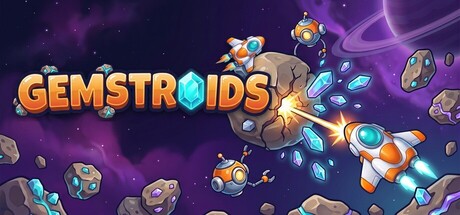 Gemstroids In-game content artaudiotext | Gemstroids is a solo project, designed and directed by the developer. Art, music, sound effects, the in-game and store page texts and all translations were made with AI tools, then selected, edited and brought into one style by the developer. | Cosmic Static | - | Oct 10, 2026 | |
 KILL ALL 8.2 BILLION HUMANS Store/marketing art | some visual assets and promotional materials for KILL ALL 8.2 BILLION HUMANS were created with the assistance of generative AI tools. All AI-generated content was reviewed, refined, and integrated by the developer to ensure consistency with the game's artistic direction and quality standards. | DuyumStudios | - | Oct 10, 2026 | |
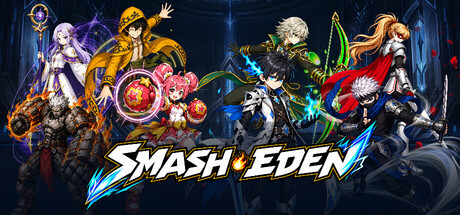 SMASH EDEN In-game content arttext | Generative AI was used during development to assist with artwork and localization, including some store and promotional materials. The game does not generate AI content during gameplay or connect to external AI services. | Hachi Eito | - | Oct 10, 2026 | |
 MATO-STICK In-game content artaudiotext | Generative AI tools were used during development to create pre-generated artwork, audio content, and text/translations. These assets are included as fixed content in the game. No content is generated by generative AI during gameplay, and the game does not connect to external generative AI services. | Veyr Works | - | Oct 10, 2026 | |
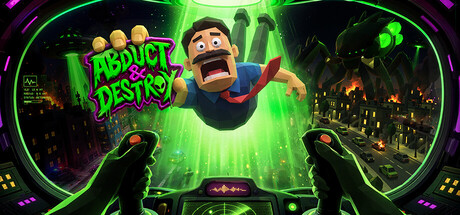 Abduct & Destroy Store/marketing art | Generative AI was used to assist in creating some promotional artwork for the Steam store page. No AI-generated content is created during gameplay. | Studio Soup | - | Oct 10, 2026 | |
 GoldRush Store/marketing art | Generative AI tools were used during development to assist with the creation of some visual assets and promotional artwork. No generative AI is used during gameplay and no content is generated in real time. | LiberBlock | - | Oct 10, 2026 | |
 Fleets of Calder Dev only code | The game's artwork, audio and other assets are not AI-generated. The game engine is written from scratch over the course of 8 months in C++ and Simple DirectMedia Layer 2; in which Codex assistance was used for programming. No content is generated by AI during gameplay. No AI service is used during gameplay. All AI actions in the game are classic decision tree based intelligence made. | Strike Wings Games | - | Oct 10, 2026 | |
 Planet Raiders Unclear | AI tools were used during development to help create some of the game's content. Everything was reviewed, edited and put together by our team. | Moddingdudes | - | Oct 10, 2026 | |
 Too Angry to Clean Store/marketing text | AI tools were used to translate the store page text and some localizations. All in-game art, 3D models, animations, music and sound effects are not AI-generated. | Grim Page Studio | - | Oct 9, 2026 | |
 IncreGate In-game content arttext | Some store artwork (key art, logo and capsule images) and some in-game icons were created with the help of generative AI tools, then reviewed and edited by the developer. Some in-game text translations were drafted with AI and reviewed by the developer. 3D models, textures and animations come from licensed asset packs. No content is generated by AI while you play. | STAGE Games | - | Oct 9, 2026 | |
 OVERDRILL In-game content arttext | Generative AI was used during development to create static artwork, including game sprites, icons, the illustrated menu background, and Steam store and library artwork. AI assistance was also used for written text and translations. These assets were reviewed and integrated by the developer. No content is generated by AI during gameplay. | Lunart Entertainment | - | Oct 9, 2026 | |
 VOXFRAG In-game content textart | AI tools were used under the developer’s creative direction to assist with implementation, interface text, localization, documentation, procedural visuals, and selected promotional artwork, including the manual’s cover. No generative AI runs during gameplay. | Gaboo Arts Entertainment | - | Oct 9, 2026 | |
 Fractokinesis Store/marketing text | AI was used to draft the localizations into 30 languages and parts of the store page text. | Panin Maxim | - | Oct 9, 2026 | |
 Rune Deep In-game content artaudiotext | This game's 3D models, music, sound effects, and in-game text (dialogue, item names and descriptions) were created with the help of generative AI, under the developer's direction and review. The store images and trailer use this in-game content. | kumashin | - | Oct 9, 2026 | |
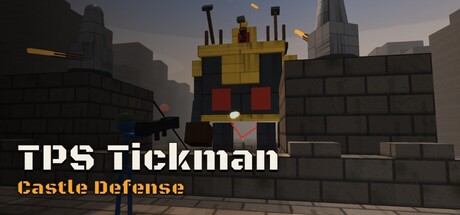 TPS Tickman: Castle Defense In-game content artaudio | Generative AI tools were used in the creation of images, music, sound effects, and 3D models used in the game. | Twins Halo | - | Oct 9, 2026 | |
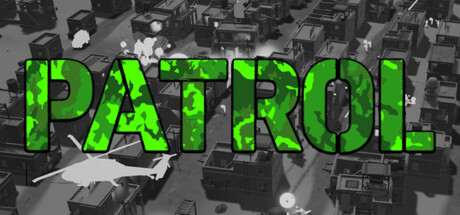 Patrol In-game content text | AI was used for in-game translations of UI, tutorial and caption text. It was also used to translate the store page content into non-English locales. | REMO Games | - | Oct 9, 2026 | |
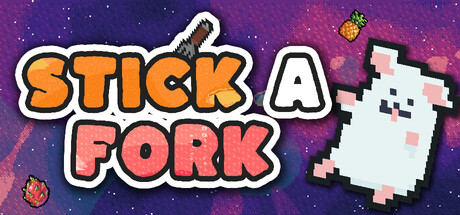 Stick A Fork In-game content text | AI was used to translate the game for multi-language support. All other content, including art, animation, sound effects, and music, was either created by the developers or used under license. | Flowdot | - | Oct 9, 2026 | |
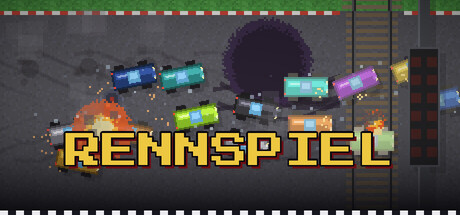 Rennspiel In-game content artaudiotext | Everything you see and hear in this game - the graphics, the sound effects, the music and the built-in tracks - is produced by our own hand-written generators: drawn and synthesised in code. No generative AI is involved in any of it, and nothing is generated by an AI while the game is running. The computer drivers race on ordinary, hand-written driving logic, not on an AI model.
Generative AI was used during development, as an assistant for code and for text: in writing the program code and those generators, in the menu and interface text, in the names of the computer drivers, and in the translation between German and English. Every line of it was reviewed and reworked before it went into the game.
The images and the video on this store page are captured from the running game. | schikane | - | Oct 9, 2026 | |
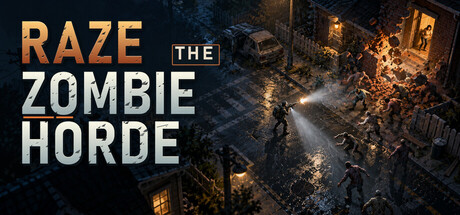 Raze the Zombie Horde In-game content art | Generative AI was used during development to create selected pre-generated visual assets, including some character models, weapon presentation models and related images, as well as some promotional artwork for the store. These assets were selected, post-processed and integrated by the developer. Store gameplay screenshots are captured from the running game and have not been generatively altered; they may show game content that uses pre-generated AI assets. The current game does not call generative AI services or generate new content during play. | Moonwrought Studio | - | Oct 9, 2026 | |
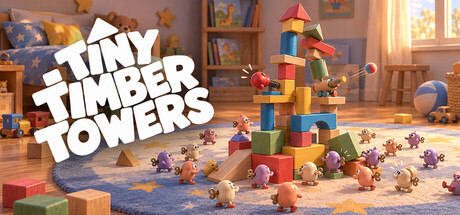 TINY TIMBER TOWERS Store/marketing art | Generative AI was used to assist in the creation and iteration of selected visual assets and marketing materials. All final content was reviewed, selected, and integrated by the developer. No generative AI is used during gameplay. | ADIIGO GAMES | - | Oct 7, 2026 | |
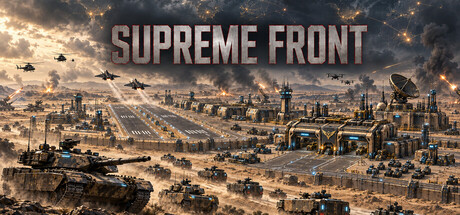 Supreme Front In-game content arttext | Generative AI tools were used during development to assist with the creation and refinement of selected visual assets, artwork, and localization. AI-generated material is reviewed and adjusted before inclusion in the game. | AI Games SA | - | Oct 7, 2026 | |
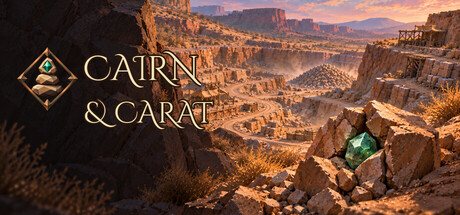 Cairn & Carat In-game content arttext | Some content in Cairn & Carat was created with the help of generative AI:
- The 3D models of the characters and the collection display shelf were generated with Meshy AI, then adjusted and set up in Unity by our team.
- In-game texts, their translations into the supported languages and the store page texts were written and translated with AI assistance. | ZeuZ IT | - | Oct 7, 2026 | |
 MemeticBox In-game content audio | Voices And Sounds Are AI Generated | Corvium Games | - | Oct 7, 2026 | |
 Sorry About Your House Store/marketing codetext | Parts of the game's code and the store page text were written with the help of an AI assistant. All art, 3D models, sounds and music are not AI-generated: 3D models come from Kenney asset packs (CC0) or are built procedurally in code, visuals and marketing images are rendered in-engine, and sounds and music come from CC0 libraries. | Raclette Games | - | Oct 7, 2026 | |
 Caveman vs Everything In-game content artaudio | The game's characters, environment tiles, and totem were created by the developer in Aseprite. Additional enemy variants and animation frames were produced with the help of an AI coding assistant that draws sprites programmatically from authored pixel data. The menu music was created with the help of AI music tools. All promotional and store artwork was created by a human artist. No content is generated by AI while the game is running. | Nice Try Studios | - | Oct 7, 2026 | |
 The Arrow Store/marketing arttext | AI assistance has been used in marketing materials. | Doomed Frog | - | Oct 7, 2026 | |
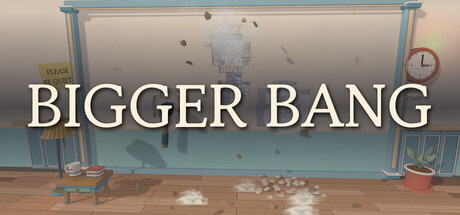 BIGGER BANG Dev only codeaudio | Development assistance and pre-generated content: the 3D models, props and characters were built with Blender Python scripts that were written with AI coding assistants (Claude and Codex), and the game code was also written with AI assistance. All sound effects and music are synthesized in code or come from CC0 sample packs; there is no AI-generated voice, no AI-generated images or textures, and nothing is generated live while playing. The store page copy was drafted with AI assistance and reviewed by the developer. | HS Solution | - | Oct 6, 2026 | |
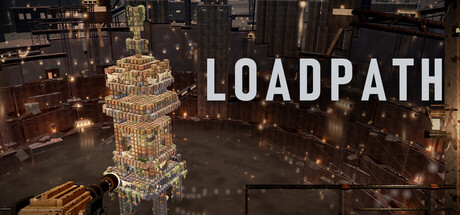 Loadpath In-game content audiotext | Generative AI tools assisted with LOADPATH’s development and the creation of game content, under the developer’s creative direction. The game was shaped through extensive iteration, selection and hands-on playtesting. The promotional trailer also uses AI-generated narration and music. All AI-generated content is prepared in advance; no generative AI runs during gameplay. | Happy Sidequest | - | Oct 6, 2026 | |
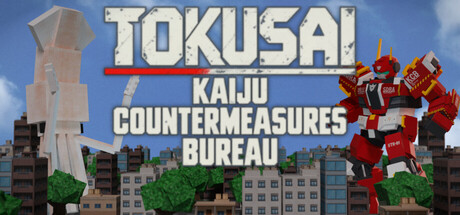 特災 怪獣対策局 Store/marketing artcode | Generative AI was used to assist with the creation of the game logo and some promotional assets for the Steam store. The generated materials were selected, edited, and further processed by the developer before use.
Generative AI was also used during development to assist with programming and debugging.
No generative AI is used to generate content during gameplay. | Japanese Bobtail Games | - | Oct 6, 2026 | |
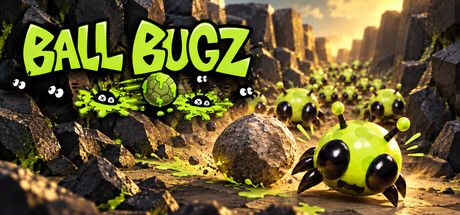 Ball Bugz Store/marketing art | Store images are ai generated. | Crush Bug Studios | - | Oct 5, 2026 | |
 FPV Strike In-game content artaudio | Generative AI tools were used during development to create images and music. These are pre-generated assets included in the game and/or its store and promotional materials. The game does not generate AI content during gameplay or connect to external AI services while playing. | Mauro | - | Oct 4, 2026 | |
 STARSHIP: EMBER REACH In-game content arttext | Generative AI tools assisted the creation of pre-generated visual assets, including artwork and textures used in the game, promotional art, and store descriptions and localization. These assets and texts are reviewed and integrated during development. The game does not generate AI content during gameplay or connect to an external AI service. | KILLZARSS | - | Oct 4, 2026 | |
 THIS HOUSE HATES YOU Store/marketing art | Generative AI was used to create promotional artwork for the Steam store page and marketing materials. | Hyper Lab | - | Oct 3, 2026 | |
 Car? What Car? In-game content audioarttext | The music and some of the images were created using artificial intelligence. Localization into some languages was performed using artificial intelligence. | WINYCH GAMES | - | Oct 3, 2026 | |
 Demolition Empire In-game content arttext | Some pre-generated visual assets used in Demolition Empire were created with the assistance of generative AI tools during development. AI tools were also used to assist with localization and development. All content included in the final game was reviewed, selected and integrated by the developer. | Kali games | - | Oct 3, 2026 | |
 Keep the night In-game content text | Translations wher made by AI from human written German texts | GamingPugsStudios | - | Oct 1, 2026 | |
 Rock Hunter Store/marketing art | AI tools were used to assist in the creation of store Assets | DNA ARMY GAMING | - | Oct 1, 2026 | |
 STICKSHOT: Comic War In-game content artaudiotextcode | Pre-generated: the game's code, its procedurally built 3D models, levels and effects, the synthesized in-game music, parts of the UI art, the store artwork and the store texts/translations were created with the help of AI tools (Anthropic Claude) under the developer's direction and review. The menu music tracks were generated by the developer with Google Gemini. Sound effects are edited recordings from Kenney (CC0) and Mixkit. No AI content is generated live while playing. | Millennial Game Dreams | - | Oct 1, 2026 | |
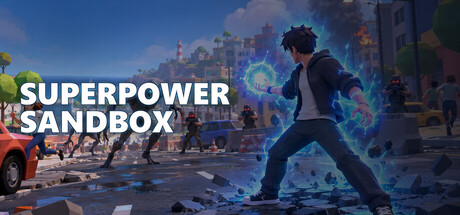 Superpower Sandbox Store/marketing artaudio | The key art, store capsules and library artwork were created with an AI image generator and edited by the developer. The trailer music was generated with Suno under a paid plan. No AI-generated content is included in the game itself, and the game runs no AI generation and requires no AI service. | PHABDEV | - | Oct 1, 2026 | |
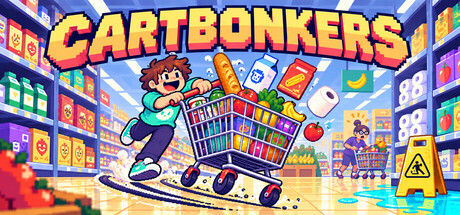 Cartbonkers In-game content arttextcode | The key art, store capsules and library artwork were created with an AI image generator and reviewed by the developer. In-game pixel art sprites, the bitmap font, sound effects and music are produced by original project code written with AI coding assistance. Store and in-game text were drafted with AI assistance and edited by the developer. The game does not generate any content with AI while running and requires no AI service. | PHABDEV | - | Oct 1, 2026 | |
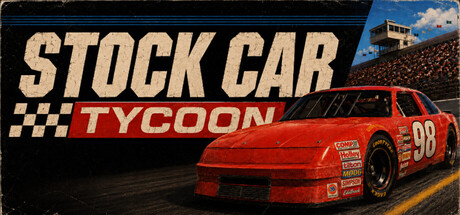 Stock Car Tycoon Store/marketing art | AI was used to create pre-generated artwork for Steam Community Items, including Trading Cards. | Tycoon Managers | - | Oct 1, 2026 | |
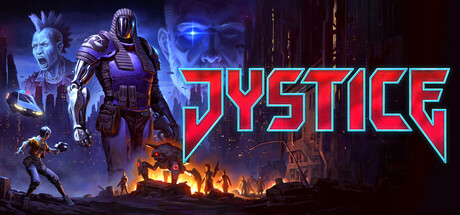 JYSTICE In-game content artaudio | During development we use AI assistance in certain tasks, such as generative fill to extend artist drawn artwork. All major art has been drawn by human artists.
The game has optional computer generated voice overs. | 10tons Ltd | - | Sep 30, 2026 |


