Public Steam disclosure research25,376 disclosures tracked
Where do games disclose AI use?
Search developers’ Steam disclosures, compare classified AI use across
games, and follow recorded changes.
This index adds cross-game classifications and statistics to
statements published on individual store pages.
Groups reflect automatic analysis of public disclosures; mature records are excluded. These counts do not measure AI use across all of Steam.
Missing or unclear statements cannot establish whether a game uses AI.
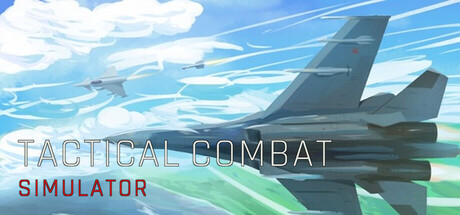
Some of the art in Planet Pilot was made with generative AI tools during development, then selected, edited and fitted into the game by the developer. This covers the store and key art, many 2D illustrations (mission briefing, Legends, ace, medal and loading pictures, hangar plane pictures, emblems and some painted ground textures), the picture thumbnails in the landmarks list, and the high-detail 3D models of more than 40 landmarks. The game's translations were made with AI tools and reviewed by the developer. In the trailers, the opening 30 seconds of the cinematic trailer and the trailer music and sound effects were made with AI tools. The world, aircraft, flight model and gameplay were built by the developer. Nothing in the game is generated by AI while you play.
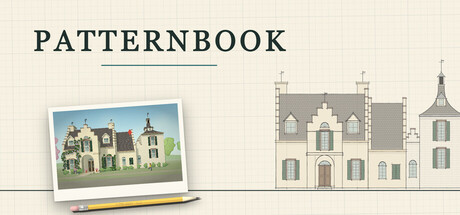
Some of the game's text, including the clients' letters and notes, and the store page text were drafted with the help of an AI language model and edited by the developer. The artwork comes from the game's own renderer and models, not from image-generating AI, and the music is played by the game's own code. Nothing is generated by AI while you play.
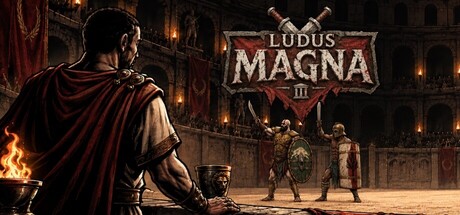
Ludus Magna uses pre-generated, AI-assisted content created during development. This includes parts of the game's visual content such as character portraits, backgrounds and other illustrations, as well as AI-assisted text and localization. All content is selected, edited and reviewed by the developer before being included in the game. No generative AI content is created while the game is running.
Character animations are generated with an AI motion model (Kimodo) and then cleaned up and retargeted by our team. Character voice-overs are created with AI text-to-speech and directed and edited by our team. All 3D models, buildings, textures and writing are made by us. No AI content is generated live during gameplay.
This game uses generative AI in the creation of some visual elements, including character illustrations and backgrounds; all results were reviewed and retouched by hand. Voice audio is based on dubbing and recordings by real people, which were then converted or refined using generative AI.
Generative AI tools were used during development to help create pre-made content: officer portraits, map and interface artwork, music and sound effects, and drafts of in-game text and its translations. All of it was selected and edited by the developer. The game does not generate any content with AI while you play.
Some of the in-game text (dialogue and descriptions) was written with the help of AI and reviewed and edited line by line by the developer. All pixel art and music are drawn and synthesized in real time by the game's own code, which was written with AI assistance; no AI image or audio generation models were used.
Generative AI assisted in creating selected illustrations, visual assets, narrative text, and translations during development, including store materials. No content is generated by AI during gameplay.
Generative AI tools were used during development to create certain content included with the game:
Visual Art: Store/capsule art, character portraits, icons, UI illustrations, map visuals, and textures.
Audio: Narrator voiceovers generated using text-to-speech (TTS) tools, and select ambient sounds.
Music: A portion of the in-game music was generated using AI music tools.
Generative AI was used during development as a programming assistance tool and to help create selected pre-generated visual assets and marketing materials. All such content is reviewed and curated by the developer. Battle Animator does not generate AI content during runtime and does not connect to external AI services.
Generative AI tools were used to create store artwork and portions of in-game text, customer support dialogue, and German/English localization during development. Development also used AI-assisted programming. The current build does not generate content during gameplay or connect to an external AI service.
IDE Code assistant used to optimize parts of the game's code and resolve bugs.
Certain assets in this game were created or modified with the assistance of genAI tools, then reviewed and integrated by our team.
All content in Stack Heroes is generated using AI, including artwork, character and scene illustrations, UI graphics, music, sound effects, story and dialogue, other text, localization, and game program code. This content is generated during development and included in the game. The game does not generate AI content during gameplay or connect to external AI services.
Generative AI tools were used during development to assist with the creation of some visual assets and promotional artwork. No generative AI is used during gameplay and no content is generated in real time.
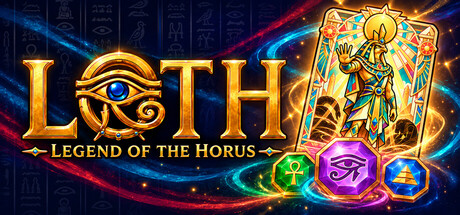
Generative AI tools were used during the development of Loth to create certain game assets. These AI-generated assets were reviewed, edited, and integrated into the game by the developer. No generative AI is used to create content in real time during gameplay.
TV Dynasty Manager was designed by a solo developer. The game idea, the gameplay systems and the original German texts were created by the developer.
Generative AI was used as a tool for some parts, and all results were reviewed and edited by hand:
- Store artwork, logos and the main menu background image
- Translations of the German original into English, Spanish, French, Italian, Portuguese, Japanese, Russian and Chinese
- Help with some in-game descriptions (shows, films, characters)
The game does not use AI while you play.
Music, background, videos and images in this game, especially the artwork, were created using AI tools as a visual supplement.
This creative choice allowed me to focus more time and resources on what matters most, delivering longer, more engaging, and fun gameplay.
This game uses generative AI to assist in creating some game assets. All AI-generated assets are manually reviewed, adjusted, and refined by the developer. The game does not generate AI content in real-time during gameplay.
Generative AI was used only for selected pre-generated concept and marketing materials during development. These materials are reviewed and edited by the developer before use. No generative AI is used during gameplay, and the game does not generate live text, images, audio, code, or other player-facing content.
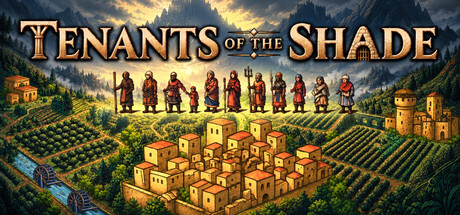
I've spent years developing *Tenants of the Shade*, and our team has devoted thousands of hours to programming, artwork, and music. We also use generative AI tools to assist with editing and creating select assets, including some in-game icons and 3D models, as well as promotional materials.
The game is still in development, and these assets may change before release. We welcome questions about our creative process on Discord or in the Steam Community forums.
NPC dialogue in Ruiwen’s Romance of the Three Kingdoms: The Life of a Persuader is generated in real‑time by a locally‑running AI model. All content is computed offline on your own device, with no data uploaded to external servers.
The game’s story framework, directed plotlines, numerical judgement rules and ending conditions are all hand‑crafted. The AI is only responsible for generating character conversations.
Multiple safety guardrails are built‑in: automatic profanity detection, historical timeline checks to avoid anachronisms, character‑stance locking and fallback responses. These ensure every line of dialogue fits the character’s identity and historical context.
This game uses generative AI for some of its assets. Character portraits and promotional illustrations were created with AI image tools (ChatGPT), 3D landmark models with Tripo3D, sound effects with ElevenLabs, and the background music and theme song with Suno. The English and Simplified Chinese localization was drafted with AI assistance. All AI-generated content was reviewed, edited and selected by the developer before shipping. Nothing is generated live during gameplay.
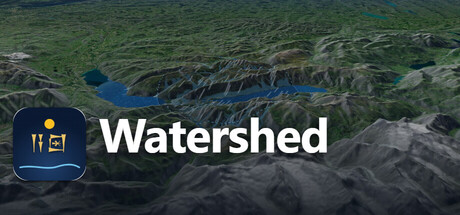
Parts of the source code and some store and marketing text were written with help from AI coding assistants during development. All terrain, water simulation, satellite imagery and map data come from real geographic datasets. No AI-generated artwork, audio or narrative ships with the app, and nothing is generated during play.
Generative AI was used during development to help create a limited number of assets, such as some 2D art, textures. All AI-assisted content was reviewed and edited by our team.
Generative AI assisted the creation of some card and character illustrations, environments, CG artwork, UI and marketing art, music and sound effects, written text and localization, and Mandarin and English voices for characters, tutorials, announcements and bond stories, including narration. These assets are pre-generated, selected, edited and integrated during development. The game does not generate content at runtime or connect to external generative AI services. AI opponents use local game rules and strategy code.
Some in-game visual assets were generated or modified with generative AI tools during development. The game also includes pre-recorded AI-generated combat voice lines. The developer selected and integrated these as fixed game assets before release.
Some artwork, 3D models, and code in this game were created with the assistance of AI tools during development. All AI-assisted content is pre-made and included in the game files; no content or code is generated live during gameplay.
All visual assets, audio, text, and promotional materials in this game were created using generative AI tools. The developer selected, edited, refined, and integrated the generated content into the final game. The game does not use generative AI to generate content in real time during gameplay.
Part of the game's text, including the German, French and Spanish translations, and the store page descriptions were written with the help of AI tools. The paintings are public-domain works by real artists.
Rally Dynasty's illustrations were produced with generative AI image tools and then chosen, cropped and composited by hand. That covers the key art the game's branding is built on, and the side-elevation drawing of each car in the catalogue. Nothing is generated while you play: the game runs offline, connects to no AI service, and the simulation itself - the era rules, the results, and every line of text you read - is written by hand.
Generative AI tools were used during development to create and refine some pre-generated artwork, icons, audio, text and localization, and marketing imagery. All such content was reviewed and curated by the developer. No AI-generated content is created during gameplay.
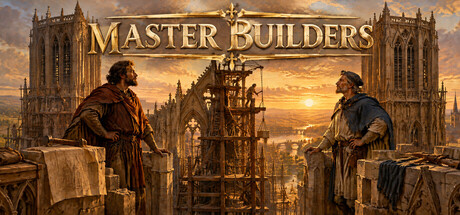
Master Builders was created through close collaboration between a human developer and AI tools: the concept, rules, balance, narrative, and every creative decision came from the developer, while AI assisted with coding and image production to the developer's exact specifications.
Parts of this game were made with the help of generative AI tools:
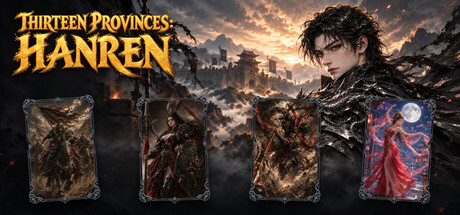
- 3,928 of the 6,608 character portraits were created with generative AI tools and then selected and retouched by a person. The other 2,404 are historical images from public archives such as Wikimedia Commons, and 276 reuse an existing picture.
- The title-screen key art was created with generative AI.
- The character biographies and historical event texts were written with the assistance of generative AI, based on historical sources, and edited by the developer.
- The English, Japanese and Traditional Chinese translations were produced with the assistance of generative AI.
No content is generated by AI while the game is running.
This game uses generative AI to assist in creating some of its visual assets, including card illustrations, backgrounds, and interface artwork. These assets are reviewed, edited, and integrated by the developer. All AI-assisted content is created during development; the game does not generate AI content while you play.
Some of the art in Planet Pilot was made with generative AI tools during development, then selected, edited and fitted into the game by the developer. This covers the store and key art, many 2D illustrations (mission briefing, Legends, ace, medal and loading pictures, hangar plane pictures, emblems and some painted ground textures), the picture thumbnails in the landmarks list, and the high-detail 3D models of more than 40 landmarks. The game's translations were made with AI tools and reviewed by the developer. In the trailers, the opening 30 seconds of the cinematic trailer and the trailer music and sound effects were made with AI tools. The world, aircraft, flight model and gameplay were built by the developer. Nothing in the game is generated by AI while you play.
Some of the game's text, including the clients' letters and notes, and the store page text were drafted with the help of an AI language model and edited by the developer. The artwork comes from the game's own renderer and models, not from image-generating AI, and the music is played by the game's own code. Nothing is generated by AI while you play.
Ludus Magna uses pre-generated, AI-assisted content created during development. This includes parts of the game's visual content such as character portraits, backgrounds and other illustrations, as well as AI-assisted text and localization. All content is selected, edited and reviewed by the developer before being included in the game. No generative AI content is created while the game is running.
Character animations are generated with an AI motion model (Kimodo) and then cleaned up and retargeted by our team. Character voice-overs are created with AI text-to-speech and directed and edited by our team. All 3D models, buildings, textures and writing are made by us. No AI content is generated live during gameplay.
This game uses generative AI in the creation of some visual elements, including character illustrations and backgrounds; all results were reviewed and retouched by hand. Voice audio is based on dubbing and recordings by real people, which were then converted or refined using generative AI.
Generative AI tools were used during development to help create pre-made content: officer portraits, map and interface artwork, music and sound effects, and drafts of in-game text and its translations. All of it was selected and edited by the developer. The game does not generate any content with AI while you play.
Some of the in-game text (dialogue and descriptions) was written with the help of AI and reviewed and edited line by line by the developer. All pixel art and music are drawn and synthesized in real time by the game's own code, which was written with AI assistance; no AI image or audio generation models were used.
Generative AI assisted in creating selected illustrations, visual assets, narrative text, and translations during development, including store materials. No content is generated by AI during gameplay.
Generative AI tools were used during development to create certain content included with the game:
Visual Art: Store/capsule art, character portraits, icons, UI illustrations, map visuals, and textures.
Audio: Narrator voiceovers generated using text-to-speech (TTS) tools, and select ambient sounds.
Music: A portion of the in-game music was generated using AI music tools.
Generative AI was used during development as a programming assistance tool and to help create selected pre-generated visual assets and marketing materials. All such content is reviewed and curated by the developer. Battle Animator does not generate AI content during runtime and does not connect to external AI services.
Generative AI tools were used to create store artwork and portions of in-game text, customer support dialogue, and German/English localization during development. Development also used AI-assisted programming. The current build does not generate content during gameplay or connect to an external AI service.
IDE Code assistant used to optimize parts of the game's code and resolve bugs.
Certain assets in this game were created or modified with the assistance of genAI tools, then reviewed and integrated by our team.
All content in Stack Heroes is generated using AI, including artwork, character and scene illustrations, UI graphics, music, sound effects, story and dialogue, other text, localization, and game program code. This content is generated during development and included in the game. The game does not generate AI content during gameplay or connect to external AI services.
Generative AI tools were used during development to assist with the creation of some visual assets and promotional artwork. No generative AI is used during gameplay and no content is generated in real time.
Generative AI tools were used during the development of Loth to create certain game assets. These AI-generated assets were reviewed, edited, and integrated into the game by the developer. No generative AI is used to create content in real time during gameplay.
TV Dynasty Manager was designed by a solo developer. The game idea, the gameplay systems and the original German texts were created by the developer.
Generative AI was used as a tool for some parts, and all results were reviewed and edited by hand:
- Store artwork, logos and the main menu background image
- Translations of the German original into English, Spanish, French, Italian, Portuguese, Japanese, Russian and Chinese
- Help with some in-game descriptions (shows, films, characters)
The game does not use AI while you play.
Music, background, videos and images in this game, especially the artwork, were created using AI tools as a visual supplement.
This creative choice allowed me to focus more time and resources on what matters most, delivering longer, more engaging, and fun gameplay.
This game uses generative AI to assist in creating some game assets. All AI-generated assets are manually reviewed, adjusted, and refined by the developer. The game does not generate AI content in real-time during gameplay.
Generative AI was used only for selected pre-generated concept and marketing materials during development. These materials are reviewed and edited by the developer before use. No generative AI is used during gameplay, and the game does not generate live text, images, audio, code, or other player-facing content.
I've spent years developing *Tenants of the Shade*, and our team has devoted thousands of hours to programming, artwork, and music. We also use generative AI tools to assist with editing and creating select assets, including some in-game icons and 3D models, as well as promotional materials.
The game is still in development, and these assets may change before release. We welcome questions about our creative process on Discord or in the Steam Community forums.
NPC dialogue in Ruiwen’s Romance of the Three Kingdoms: The Life of a Persuader is generated in real‑time by a locally‑running AI model. All content is computed offline on your own device, with no data uploaded to external servers.
The game’s story framework, directed plotlines, numerical judgement rules and ending conditions are all hand‑crafted. The AI is only responsible for generating character conversations.
Multiple safety guardrails are built‑in: automatic profanity detection, historical timeline checks to avoid anachronisms, character‑stance locking and fallback responses. These ensure every line of dialogue fits the character’s identity and historical context.
This game uses generative AI for some of its assets. Character portraits and promotional illustrations were created with AI image tools (ChatGPT), 3D landmark models with Tripo3D, sound effects with ElevenLabs, and the background music and theme song with Suno. The English and Simplified Chinese localization was drafted with AI assistance. All AI-generated content was reviewed, edited and selected by the developer before shipping. Nothing is generated live during gameplay.
Parts of the source code and some store and marketing text were written with help from AI coding assistants during development. All terrain, water simulation, satellite imagery and map data come from real geographic datasets. No AI-generated artwork, audio or narrative ships with the app, and nothing is generated during play.
Generative AI was used during development to help create a limited number of assets, such as some 2D art, textures. All AI-assisted content was reviewed and edited by our team.
Generative AI assisted the creation of some card and character illustrations, environments, CG artwork, UI and marketing art, music and sound effects, written text and localization, and Mandarin and English voices for characters, tutorials, announcements and bond stories, including narration. These assets are pre-generated, selected, edited and integrated during development. The game does not generate content at runtime or connect to external generative AI services. AI opponents use local game rules and strategy code.
Some in-game visual assets were generated or modified with generative AI tools during development. The game also includes pre-recorded AI-generated combat voice lines. The developer selected and integrated these as fixed game assets before release.
Some artwork, 3D models, and code in this game were created with the assistance of AI tools during development. All AI-assisted content is pre-made and included in the game files; no content or code is generated live during gameplay.
All visual assets, audio, text, and promotional materials in this game were created using generative AI tools. The developer selected, edited, refined, and integrated the generated content into the final game. The game does not use generative AI to generate content in real time during gameplay.
Part of the game's text, including the German, French and Spanish translations, and the store page descriptions were written with the help of AI tools. The paintings are public-domain works by real artists.
Rally Dynasty's illustrations were produced with generative AI image tools and then chosen, cropped and composited by hand. That covers the key art the game's branding is built on, and the side-elevation drawing of each car in the catalogue. Nothing is generated while you play: the game runs offline, connects to no AI service, and the simulation itself - the era rules, the results, and every line of text you read - is written by hand.
Generative AI tools were used during development to create and refine some pre-generated artwork, icons, audio, text and localization, and marketing imagery. All such content was reviewed and curated by the developer. No AI-generated content is created during gameplay.
Master Builders was created through close collaboration between a human developer and AI tools: the concept, rules, balance, narrative, and every creative decision came from the developer, while AI assisted with coding and image production to the developer's exact specifications.
Parts of this game were made with the help of generative AI tools:
- 3,928 of the 6,608 character portraits were created with generative AI tools and then selected and retouched by a person. The other 2,404 are historical images from public archives such as Wikimedia Commons, and 276 reuse an existing picture.
- The title-screen key art was created with generative AI.
- The character biographies and historical event texts were written with the assistance of generative AI, based on historical sources, and edited by the developer.
- The English, Japanese and Traditional Chinese translations were produced with the assistance of generative AI.
No content is generated by AI while the game is running.
This game uses generative AI to assist in creating some of its visual assets, including card illustrations, backgrounds, and interface artwork. These assets are reviewed, edited, and integrated by the developer. All AI-assisted content is created during development; the game does not generate AI content while you play.