Public Steam disclosure research25,376 disclosures tracked
Where do games disclose AI use?
Search developers’ Steam disclosures, compare classified AI use across
games, and follow recorded changes.
This index adds cross-game classifications and statistics to
statements published on individual store pages.
Groups reflect automatic analysis of public disclosures; mature records are excluded. These counts do not measure AI use across all of Steam.
Missing or unclear statements cannot establish whether a game uses AI.
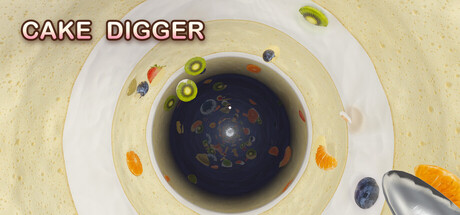
Pre-generated content: Many 3D models and textures used in the game, including cakes, fruit, items, tools, and environmental/shop assets, were generated using Meshy AI and then edited and integrated by the developer. Generative AI was also used to assist in drafting some store-page text, which was reviewed and edited by the developer. No generative AI is used at runtime. No AI-generated voice or music is used.
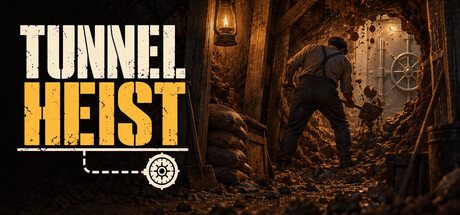
Pre-generated content: the character voices, some sound effects, ambience and the music were generated with AI audio tools (ElevenLabs), then selected, edited and mixed by the developer. Most 3D models (props, tools, vehicles) and some 2D artwork (signs, posters, in-game documents, interface illustrations and store art) were generated with AI tools and then integrated, adjusted and reviewed in the game by the developer. The people are built with the open-source MakeHuman tools and animated with motion capture (CMU), not with AI. Translations were made with AI assistance and reviewed. The levels and code were built with AI-assisted tools and reviewed and tested by the developer. No content is generated by AI while you play.
Some pre-generated content was made with AI tools: the store key art and capsule images, the localization into 19 languages, and parts of the in-game and store text. 3D models, sound effects and achievement icons are built procedurally by code written with AI assistance. No AI-generated content is created live while you play.
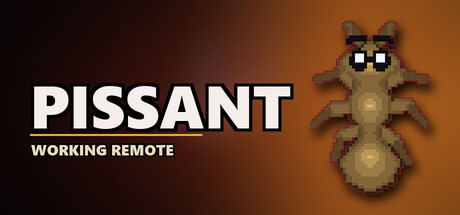
Pissant is built with AI-assisted code. The developer directs and edits everything; an AI assistant helps write the game's code, its in-game text, the music scores and the store and marketing text. No AI image, video or voice generator made anything in the game: every visual is drawn by the game's own procedural code, and every sound and note of music comes from its own synthesis engine. No generative AI runs during gameplay, and the game does not connect to any AI service.
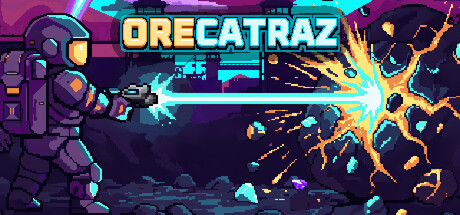
The songs currently featured in the ORECATRAZ demo and playtest were created using AI. During the playtest phase, we aim to connect with musicians who enjoy the game and share our creative vision. Our goal is to replace these AI-generated songs with original music composed specifically for Orecatraz.
Some pre-generated artwork was created with the help of generative AI tools and then edited by the developer, including store and marketing images and some loading-screen art. No AI content is generated live while you play, and the game does not connect to any AI service.
Gemstroids is a solo project, designed and directed by the developer. Art, music, sound effects, the in-game and store page texts and all translations were made with AI tools, then selected, edited and brought into one style by the developer.
One map artwork was created with generative AI and then edited by the developer. No other art, audio, text, or gameplay content uses AI. The game does not generate content during play.
Generative AI tools were used during development to assist with the creation of some visual assets and promotional artwork. No generative AI is used during gameplay and no content is generated in real time.
Generative AI was used during development to create static artwork, including game sprites, icons, the illustrated menu background, and Steam store and library artwork. AI assistance was also used for written text and translations. These assets were reviewed and integrated by the developer. No content is generated by AI during gameplay.
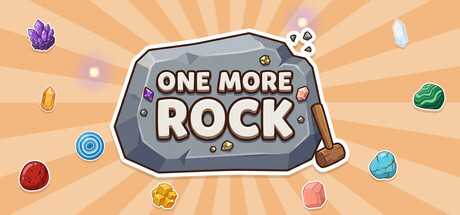
The game's 2D illustrations (rocks, gems, tools, icons and logo) were generated with AI image tools, then cleaned up and edited by the developer. Cracks, rarity effects, particles and animations are made in code. The translations were produced with the help of AI. The store page capsules, screenshots and trailer are built from these same in-game sprites. No content is generated by AI while the game is running.
This game includes pre-generated AI-assisted visual and audio assets, including gemstone, tool, environment, achievement, and promotional artwork, background music, and sound effects, as well as AI-assisted localization drafts. All included content was generated before release and was selected, edited, composited, mixed, and reviewed by the developer. The game does not generate content with AI during gameplay and does not connect to a generative AI service.
Generative AI was used to help create some of the game's art assets, concept art, and promotional images, which were then selected, refined, and integrated by the developer.
Some content in Cairn & Carat was created with the help of generative AI:
- The 3D models of the characters and the collection display shelf were generated with Meshy AI, then adjusted and set up in Unity by our team.
- In-game texts, their translations into the supported languages and the store page texts were written and translated with AI assistance.
We use generative AI to assist in creating art images, adding more details to our work and speeding up the production process. AI-generated images are primarily used for backgrounds and certain CG details.
The core art direction and a portion of the artwork were hand-drawn by the developer, and AI was used to produce additional assets in a matching style, which were then reviewed, edited and integrated by hand. The game's music was generated with AI tools. No AI content is generated live while the game is running.
Generative AI tools assisted the creation of character and environment artwork, item and UI art, store artwork, and parts of the story and localization. These are pre-created assets included with the game. The game does not generate content during play or connect to external AI services.
Generative AI was used during development to create visual assets, music and sound effects, and in-game text and translations. The game does not generate AI content during gameplay or connect to external AI services.
Generative AI was used during development to create and assist with character illustrations, card artwork, textures, other visual assets, music, story text, localization, and store and promotional artwork. The game uses pre-generated content selected and incorporated by the developer. It does not generate content with AI during gameplay or connect to external AI services during gameplay. Generative AI was also used for narration in promotional videos.
AI assistance was limited to Python programming, including code that helps to draw environments and visual effects in Pygame. These visuals are rendered in code entirely in Python.
Sprite artwork and sound effects were created without generative AI and are sourced from licensed third-party assets.
The soundtrack for the game and trailer was composed specifically for the project in FL Studio.
No generative AI models run in the game or generate content during gameplay.
Generative AI was used during development to create visual assets, including illustrations and backgrounds, produce background music, and translate in-game text. Images created using generative AI are also used on the Steam store page and in promotional materials. No content is generated using AI during gameplay.
Generative AI was used as a development tool while making this game, for code assistance only. All dialogue and in-game text was written by hand.
No AI-generated images, audio or text are included, and no content is generated by AI while the game is running.
The game's original languages are Portuguese and English. Generative AI was used exclusively to translate and localize the text into the other supported languages, making the game accessible to more players worldwide at launch. All code, game design, artwork, audio, and original Portuguese and English text were created by humans.
Generative AI tools were used during development to assist with some artwork, text, localization, and other game content. All AI-assisted content is reviewed and edited by the developers before inclusion in the game.
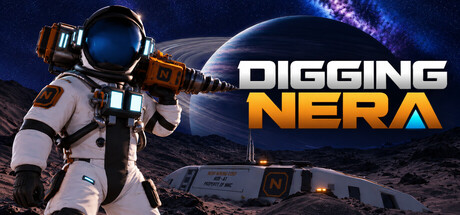
I prefer to be clear and transparent about the development of Digging Nera, without attempting to hide, downplay, or minimize my use of AI or AI-assisted tools.
I am the sole developer of Digging Nera. I work without a team, without significant resources, and without formal training in game development. What I do have is my own artistic sensibility, curiosity, creativity, and willingness to learn. AI has been one of the tools that has helped me turn that vision into a game, and I have used it as follows:
I have primarily used generative AI to assist with localization and translation across the game's supported languages, as well as with the creation or refinement of selected visual and audio elements.
For some visual elements, I have used AI-assisted content as a starting point or production aid before selecting, adapting, editing, integrating, or reworking it to fit the artistic direction I established for the game. I have also used generative AI selectively to assist with certain audio elements and development-related tasks.
Developing Digging Nera represents a substantial personal investment of time and work. I have spent many hours designing and building its environments, implementing gameplay systems, testing, correcting issues, making adjustments, optimizing performance, and polishing the overall experience. AI tools are part of my production process, but they do not replace the work I put into designing, developing, testing, and shaping the game.
I personally designed and implemented the core of Digging Nera, including its environments, level design, gameplay mechanics, progression systems, narrative structure, user interface, world building, and overall creative direction.
I review, select, adapt where necessary, and integrate all AI-assisted content that ultimately appears in the game.
No generative AI is used in real time during gameplay. Digging Nera does not dynamically generate AI-created text, images, audio, levels, dialogue, or other content while the player is playing.
Generative AI was used to help create some of this game's marketing artwork, including the store page header and capsule images, based on descriptive prompts we wrote. Generative AI was also used to assist with writing the game's English-language localization (in-game menus and interface text).
Pre-generated content: Many 3D models and textures used in the game, including cakes, fruit, items, tools, and environmental/shop assets, were generated using Meshy AI and then edited and integrated by the developer. Generative AI was also used to assist in drafting some store-page text, which was reviewed and edited by the developer. No generative AI is used at runtime. No AI-generated voice or music is used.
Pre-generated content: the character voices, some sound effects, ambience and the music were generated with AI audio tools (ElevenLabs), then selected, edited and mixed by the developer. Most 3D models (props, tools, vehicles) and some 2D artwork (signs, posters, in-game documents, interface illustrations and store art) were generated with AI tools and then integrated, adjusted and reviewed in the game by the developer. The people are built with the open-source MakeHuman tools and animated with motion capture (CMU), not with AI. Translations were made with AI assistance and reviewed. The levels and code were built with AI-assisted tools and reviewed and tested by the developer. No content is generated by AI while you play.
Some pre-generated content was made with AI tools: the store key art and capsule images, the localization into 19 languages, and parts of the in-game and store text. 3D models, sound effects and achievement icons are built procedurally by code written with AI assistance. No AI-generated content is created live while you play.
Pissant is built with AI-assisted code. The developer directs and edits everything; an AI assistant helps write the game's code, its in-game text, the music scores and the store and marketing text. No AI image, video or voice generator made anything in the game: every visual is drawn by the game's own procedural code, and every sound and note of music comes from its own synthesis engine. No generative AI runs during gameplay, and the game does not connect to any AI service.
The songs currently featured in the ORECATRAZ demo and playtest were created using AI. During the playtest phase, we aim to connect with musicians who enjoy the game and share our creative vision. Our goal is to replace these AI-generated songs with original music composed specifically for Orecatraz.
Some pre-generated artwork was created with the help of generative AI tools and then edited by the developer, including store and marketing images and some loading-screen art. No AI content is generated live while you play, and the game does not connect to any AI service.
Gemstroids is a solo project, designed and directed by the developer. Art, music, sound effects, the in-game and store page texts and all translations were made with AI tools, then selected, edited and brought into one style by the developer.
One map artwork was created with generative AI and then edited by the developer. No other art, audio, text, or gameplay content uses AI. The game does not generate content during play.
Generative AI tools were used during development to assist with the creation of some visual assets and promotional artwork. No generative AI is used during gameplay and no content is generated in real time.
Generative AI was used during development to create static artwork, including game sprites, icons, the illustrated menu background, and Steam store and library artwork. AI assistance was also used for written text and translations. These assets were reviewed and integrated by the developer. No content is generated by AI during gameplay.
The game's 2D illustrations (rocks, gems, tools, icons and logo) were generated with AI image tools, then cleaned up and edited by the developer. Cracks, rarity effects, particles and animations are made in code. The translations were produced with the help of AI. The store page capsules, screenshots and trailer are built from these same in-game sprites. No content is generated by AI while the game is running.
This game includes pre-generated AI-assisted visual and audio assets, including gemstone, tool, environment, achievement, and promotional artwork, background music, and sound effects, as well as AI-assisted localization drafts. All included content was generated before release and was selected, edited, composited, mixed, and reviewed by the developer. The game does not generate content with AI during gameplay and does not connect to a generative AI service.
Generative AI was used to help create some of the game's art assets, concept art, and promotional images, which were then selected, refined, and integrated by the developer.
Some content in Cairn & Carat was created with the help of generative AI:
- The 3D models of the characters and the collection display shelf were generated with Meshy AI, then adjusted and set up in Unity by our team.
- In-game texts, their translations into the supported languages and the store page texts were written and translated with AI assistance.
We use generative AI to assist in creating art images, adding more details to our work and speeding up the production process. AI-generated images are primarily used for backgrounds and certain CG details.
The core art direction and a portion of the artwork were hand-drawn by the developer, and AI was used to produce additional assets in a matching style, which were then reviewed, edited and integrated by hand. The game's music was generated with AI tools. No AI content is generated live while the game is running.
Generative AI tools assisted the creation of character and environment artwork, item and UI art, store artwork, and parts of the story and localization. These are pre-created assets included with the game. The game does not generate content during play or connect to external AI services.
Generative AI was used during development to create visual assets, music and sound effects, and in-game text and translations. The game does not generate AI content during gameplay or connect to external AI services.
Generative AI was used during development to create and assist with character illustrations, card artwork, textures, other visual assets, music, story text, localization, and store and promotional artwork. The game uses pre-generated content selected and incorporated by the developer. It does not generate content with AI during gameplay or connect to external AI services during gameplay. Generative AI was also used for narration in promotional videos.
AI assistance was limited to Python programming, including code that helps to draw environments and visual effects in Pygame. These visuals are rendered in code entirely in Python.
Sprite artwork and sound effects were created without generative AI and are sourced from licensed third-party assets.
The soundtrack for the game and trailer was composed specifically for the project in FL Studio.
No generative AI models run in the game or generate content during gameplay.
Generative AI was used during development to create visual assets, including illustrations and backgrounds, produce background music, and translate in-game text. Images created using generative AI are also used on the Steam store page and in promotional materials. No content is generated using AI during gameplay.
Generative AI was used as a development tool while making this game, for code assistance only. All dialogue and in-game text was written by hand.
No AI-generated images, audio or text are included, and no content is generated by AI while the game is running.
The game's original languages are Portuguese and English. Generative AI was used exclusively to translate and localize the text into the other supported languages, making the game accessible to more players worldwide at launch. All code, game design, artwork, audio, and original Portuguese and English text were created by humans.
Generative AI tools were used during development to assist with some artwork, text, localization, and other game content. All AI-assisted content is reviewed and edited by the developers before inclusion in the game.
I prefer to be clear and transparent about the development of Digging Nera, without attempting to hide, downplay, or minimize my use of AI or AI-assisted tools.
I am the sole developer of Digging Nera. I work without a team, without significant resources, and without formal training in game development. What I do have is my own artistic sensibility, curiosity, creativity, and willingness to learn. AI has been one of the tools that has helped me turn that vision into a game, and I have used it as follows:
I have primarily used generative AI to assist with localization and translation across the game's supported languages, as well as with the creation or refinement of selected visual and audio elements.
For some visual elements, I have used AI-assisted content as a starting point or production aid before selecting, adapting, editing, integrating, or reworking it to fit the artistic direction I established for the game. I have also used generative AI selectively to assist with certain audio elements and development-related tasks.
Developing Digging Nera represents a substantial personal investment of time and work. I have spent many hours designing and building its environments, implementing gameplay systems, testing, correcting issues, making adjustments, optimizing performance, and polishing the overall experience. AI tools are part of my production process, but they do not replace the work I put into designing, developing, testing, and shaping the game.
I personally designed and implemented the core of Digging Nera, including its environments, level design, gameplay mechanics, progression systems, narrative structure, user interface, world building, and overall creative direction.
I review, select, adapt where necessary, and integrate all AI-assisted content that ultimately appears in the game.
No generative AI is used in real time during gameplay. Digging Nera does not dynamically generate AI-created text, images, audio, levels, dialogue, or other content while the player is playing.
Generative AI was used to help create some of this game's marketing artwork, including the store page header and capsule images, based on descriptive prompts we wrote. Generative AI was also used to assist with writing the game's English-language localization (in-game menus and interface text).