Public Steam disclosure research25,376 disclosures tracked
Where do games disclose AI use?
Search developers’ Steam disclosures, compare classified AI use across
games, and follow recorded changes.
This index adds cross-game classifications and statistics to
statements published on individual store pages.
Groups reflect automatic analysis of public disclosures; mature records are excluded. These counts do not measure AI use across all of Steam.
Missing or unclear statements cannot establish whether a game uses AI.
Game content and promotional materials for Delivery Simulator: Pangyo Station were created with the assistance of generative AI tools.
All AI-generated content was reviewed, refined, and integrated by the developer to ensure consistency with the game's creative direction and quality standards.
Slay the Tire combines original human authorship with generative AI tools. I designed and wrote the game, its locations, and gameplay. AI assisted with visual assets, including card art, textures, 3D models, scenery, and marketing artwork, as well as audio production and store text. The soundtrack began as music I composed and performed on instruments, then used Suno for styling, orchestration, and production. All content is prepared during development; no AI content is generated during gameplay.
Generative AI tools were used to assist in the creation and refinement of visual assets, music, and voice content. All final assets were selected, edited, adapted, and integrated by the developer. No AI-generated content is created during gameplay.
Neon Chase is solo developer game. Every environment, menu, lighting model, weapon, and enemy vehicles were built as 3D models using Blender. The game design, system mechanics, style, gameplay, bug fixing and features of the game are mine.
AI tools were used for some of the audio, this includes the sound effects, spoken dialogue and music which were edited and integrated by me but developed with the help of Suno for the music and Elevenlabs for the sound effects.
No content is generated using AI whilst running the game.
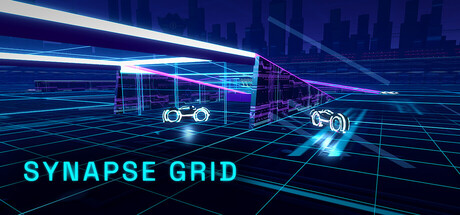
Some of the art, music, voice-over and cinematic clips in Synapse Grid were produced with generative AI tools during development, then edited, curated and directed for release. Nothing is generated while you play.
The tools used, and what each produced:
Google Gemini - concept art and texture reference
ACE-Step - original music tracks
MiniMax-Music3 - original music tiles
IndexTTS - cast voice-over
MiniMax H3 (via ComfyUI) - tutorial and transmission video clips
All of this content was generated for this project. No third party's personal media, voice or likeness is used. The same list is shown in the game's own credits screen.
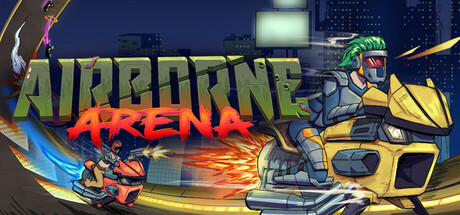
Separately, the opponent riders use a neural network trained by self-play. That system decides how a bike steers; it does not generate any art, audio or text that you see or hear.
Generative AI was used as a writing and translation aid during development, always under human direction and review: in-game lesson and interface text, their translations into the supported languages, achievement text, and this store page. All of it was reviewed by the developer. The game itself does not use AI at runtime — nothing is generated while you play, and every level is deterministic.
Certain visual assets in the game are created with the assistance of generative artificial intelligence tools. These assets are reviewed, edited, and integrated by the developers to ensure they meet quality standards and remain consistent with the overall artistic direction of the game.
All 2D visual artwork used in the game was created or edited with the assistance of generative AI tools, then manually reviewed, selected, adjusted, and implemented by the developer.
This includes in-game sprites, visual assets, Steam store artwork, and promotional material.
Currently, this game uses placeholder generative AI images for character portraits and voiceovers for the announcer. Hopefully these assets will be replaced by talented artists overtime.
Some store page artwork, marketing text, and game code were created with the assistance of AI tools (including this text), with direction, editing, and curation by the developer. All game design and creative decisions are human-made.
Generative AI was used in a limited capacity to create initial drafts for certain visual assets, including some pre-rendered artwork and cutscene materials. These assets were then manually retouched, revised, and finalized by the development team.
For some cutscenes, AI-assisted video tools were also used to help animate pre-made visual materials.
AI is not used for real-time content generation, gameplay systems, or story generation.
This game utilizes generative AI in a supplementary role to create and modify some of the image assets.
Our use of generative AI includes:
Creation from scratch:
An image of a digital scale.
Editing and processing of original/stock photos:
A stylized illustration of the motorcycle used in the game's logo.
Images of a fictional map book titled "Touring Mapping".
Weather effects (such as adding rain) to some of the background images.
The core of this game—the actual photos taken by the developer in 2007—are not generated by AI.
All character designs are conceptually created and developed manually by our game designers. However, during the pre-production phase, AI technology is utilized to assist artists in rendering intricate character details more efficiently. No live-generated AI content is employed in the game.
Character animation production is entirely handled manually by artists. AI technology is only applied in the pre-production stage.
Scene illustrations are generated using AI (partially generated directly, and partially guided by initial scene compositions drafted by concept artists).
All AI-generated content is subsequently refined and processed by concept artists (to meet engine technical requirements). All animations are manually produced and undergo extensive polishing.
Some of the game’s visual assets were created using AI-assisted tools during early concept development. However, all final in-game visuals have been manually edited, refined, and integrated by the development team to ensure originality and consistency with the overall art style.
This game uses generative AI to create real-time in-game content such as character dialogue and ambient sound. All AI-generated content is moderated and filtered to prevent inappropriate or infringing material. Players can report content directly through in-game tools or the Steam interface.
Generative AI content was used in the following cases:
- The main character of the game on the covers of the Steam page
- Music in the game
- Voice acting in the game
- Images for splashes and backgrounds in the game
AI was used in supportive areas such as text drafting and translation. Scene designs were created by the developer, and some visual assets were adapted from pre-made sources.
We leverage generative AI technology to assist in the creation of high-fidelity environmental textures and ambient sound effects. Every AI-assisted asset has been manually curated, edited, and integrated by our development team to ensure a cohesive and high-quality experience that aligns with the game's artistic vision.
All music tracks in the game were created with Udio.
Some of the voices you hear were designed using Elevenlabs.
Several images and backgrounds were generated with Stable Diffusion.
Translations were done using ChatGPT.
All pieces are entirely fictional "artworks" created by the developer "Draconum."
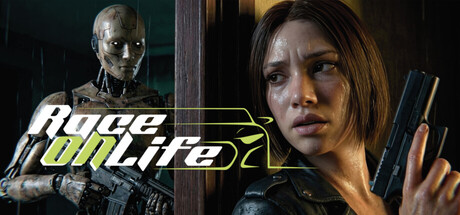
RaceOnLife uses AI-driven NPC systems to create more dynamic interactions inside the game world.
Some NPCs are designed to remember previous conversations, react to the player’s behavior, and respond differently depending on how the player communicates with them. These interactions may affect how NPCs guide, assist, ignore, challenge, or oppose the player during gameplay.
Our goal is to make the island feel more alive, where conversations with non-player characters are not just static dialogue lines, but part of the player’s personal journey through the story and open world.
AI features are used to support NPC behavior, dialogue variation, and player interaction systems. Core gameplay, world design, missions, vehicles, races, combat, progression, and major story content are created and directed by our development team.
For live AI interactions, we are working with safety rules and moderation limits to reduce the risk of inappropriate, harmful, or illegal generated content.
The game uses generative AI to generate store page images for the game, as well as Steam community assets and marketing materials and parts of the game UI
Game content and promotional materials for Delivery Simulator: Pangyo Station were created with the assistance of generative AI tools.
All AI-generated content was reviewed, refined, and integrated by the developer to ensure consistency with the game's creative direction and quality standards.
Slay the Tire combines original human authorship with generative AI tools. I designed and wrote the game, its locations, and gameplay. AI assisted with visual assets, including card art, textures, 3D models, scenery, and marketing artwork, as well as audio production and store text. The soundtrack began as music I composed and performed on instruments, then used Suno for styling, orchestration, and production. All content is prepared during development; no AI content is generated during gameplay.
Generative AI tools were used to assist in the creation and refinement of visual assets, music, and voice content. All final assets were selected, edited, adapted, and integrated by the developer. No AI-generated content is created during gameplay.
Neon Chase is solo developer game. Every environment, menu, lighting model, weapon, and enemy vehicles were built as 3D models using Blender. The game design, system mechanics, style, gameplay, bug fixing and features of the game are mine.
AI tools were used for some of the audio, this includes the sound effects, spoken dialogue and music which were edited and integrated by me but developed with the help of Suno for the music and Elevenlabs for the sound effects.
No content is generated using AI whilst running the game.
Some of the art, music, voice-over and cinematic clips in Synapse Grid were produced with generative AI tools during development, then edited, curated and directed for release. Nothing is generated while you play.
The tools used, and what each produced:
Google Gemini - concept art and texture reference
ACE-Step - original music tracks
MiniMax-Music3 - original music tiles
IndexTTS - cast voice-over
MiniMax H3 (via ComfyUI) - tutorial and transmission video clips
All of this content was generated for this project. No third party's personal media, voice or likeness is used. The same list is shown in the game's own credits screen.
Separately, the opponent riders use a neural network trained by self-play. That system decides how a bike steers; it does not generate any art, audio or text that you see or hear.
Generative AI was used as a writing and translation aid during development, always under human direction and review: in-game lesson and interface text, their translations into the supported languages, achievement text, and this store page. All of it was reviewed by the developer. The game itself does not use AI at runtime — nothing is generated while you play, and every level is deterministic.
Certain visual assets in the game are created with the assistance of generative artificial intelligence tools. These assets are reviewed, edited, and integrated by the developers to ensure they meet quality standards and remain consistent with the overall artistic direction of the game.
All 2D visual artwork used in the game was created or edited with the assistance of generative AI tools, then manually reviewed, selected, adjusted, and implemented by the developer.
This includes in-game sprites, visual assets, Steam store artwork, and promotional material.
Currently, this game uses placeholder generative AI images for character portraits and voiceovers for the announcer. Hopefully these assets will be replaced by talented artists overtime.
Some store page artwork, marketing text, and game code were created with the assistance of AI tools (including this text), with direction, editing, and curation by the developer. All game design and creative decisions are human-made.
Generative AI was used in a limited capacity to create initial drafts for certain visual assets, including some pre-rendered artwork and cutscene materials. These assets were then manually retouched, revised, and finalized by the development team.
For some cutscenes, AI-assisted video tools were also used to help animate pre-made visual materials.
AI is not used for real-time content generation, gameplay systems, or story generation.
This game utilizes generative AI in a supplementary role to create and modify some of the image assets.
Our use of generative AI includes:
Creation from scratch:
An image of a digital scale.
Editing and processing of original/stock photos:
A stylized illustration of the motorcycle used in the game's logo.
Images of a fictional map book titled "Touring Mapping".
Weather effects (such as adding rain) to some of the background images.
The core of this game—the actual photos taken by the developer in 2007—are not generated by AI.
All character designs are conceptually created and developed manually by our game designers. However, during the pre-production phase, AI technology is utilized to assist artists in rendering intricate character details more efficiently. No live-generated AI content is employed in the game.
Character animation production is entirely handled manually by artists. AI technology is only applied in the pre-production stage.
Scene illustrations are generated using AI (partially generated directly, and partially guided by initial scene compositions drafted by concept artists).
All AI-generated content is subsequently refined and processed by concept artists (to meet engine technical requirements). All animations are manually produced and undergo extensive polishing.
Some of the game’s visual assets were created using AI-assisted tools during early concept development. However, all final in-game visuals have been manually edited, refined, and integrated by the development team to ensure originality and consistency with the overall art style.
This game uses generative AI to create real-time in-game content such as character dialogue and ambient sound. All AI-generated content is moderated and filtered to prevent inappropriate or infringing material. Players can report content directly through in-game tools or the Steam interface.
Generative AI content was used in the following cases:
- The main character of the game on the covers of the Steam page
- Music in the game
- Voice acting in the game
- Images for splashes and backgrounds in the game
AI was used in supportive areas such as text drafting and translation. Scene designs were created by the developer, and some visual assets were adapted from pre-made sources.
We leverage generative AI technology to assist in the creation of high-fidelity environmental textures and ambient sound effects. Every AI-assisted asset has been manually curated, edited, and integrated by our development team to ensure a cohesive and high-quality experience that aligns with the game's artistic vision.
All music tracks in the game were created with Udio.
Some of the voices you hear were designed using Elevenlabs.
Several images and backgrounds were generated with Stable Diffusion.
Translations were done using ChatGPT.
All pieces are entirely fictional "artworks" created by the developer "Draconum."
RaceOnLife uses AI-driven NPC systems to create more dynamic interactions inside the game world.
Some NPCs are designed to remember previous conversations, react to the player’s behavior, and respond differently depending on how the player communicates with them. These interactions may affect how NPCs guide, assist, ignore, challenge, or oppose the player during gameplay.
Our goal is to make the island feel more alive, where conversations with non-player characters are not just static dialogue lines, but part of the player’s personal journey through the story and open world.
AI features are used to support NPC behavior, dialogue variation, and player interaction systems. Core gameplay, world design, missions, vehicles, races, combat, progression, and major story content are created and directed by our development team.
For live AI interactions, we are working with safety rules and moderation limits to reduce the risk of inappropriate, harmful, or illegal generated content.
The game uses generative AI to generate store page images for the game, as well as Steam community assets and marketing materials and parts of the game UI