



Disclosure
AI is used to translate the store page.
- Creator
- Alex Le Mesurier
- Reviews
- -
- Added
- Oct 12, 2026
Public Steam disclosure research 25,376 disclosures tracked
Search developers’ Steam disclosures, compare classified AI use across games, and follow recorded changes. This index adds cross-game classifications and statistics to statements published on individual store pages.
Code help, debugging and other development work.
Capsule art, trailers and promotional material.
Pre-made art, audio, writing and other game assets.
Interactive or runtime AI features disclosed by the developer.
Groups reflect automatic analysis of public disclosures; mature records are excluded. These counts do not measure AI use across all of Steam. Missing or unclear statements cannot establish whether a game uses AI.
AI is used to translate the store page.
Generative AI was used during development to create and refine some of the game’s visual assets, including certain images and textures.
Pre-generated content: the character voices, some sound effects, ambience and the music were generated with AI audio tools (ElevenLabs), then selected, edited and mixed by the developer. Most 3D models (props, tools, vehicles) and some 2D artwork (signs, posters, in-game documents, interface illustrations and store art) were generated with AI tools and then integrated, adjusted and reviewed in the game by the developer. The people are built with the open-source MakeHuman tools and animated with motion capture (CMU), not with AI. Translations were made with AI assistance and reviewed. The levels and code were built with AI-assisted tools and reviewed and tested by the developer. No content is generated by AI while you play.
Generative AI tools were used during development to assist in the creation of some pre-generated visual assets and promotional materials. All AI-assisted content is reviewed, selected, and integrated by the development team. The game does not use generative AI to create content during gameplay.
Generative AI tools were used throughout this game's production pipeline, alongside traditional development tools and techniques, to speed up iteration and expand what our team can make. AI-assisted content that ships in the game includes 2D artwork, voice narration, sound effects, music and in-game text. Every asset in the final product was selected, reviewed, modified where appropriate, and integrated by the development team. No generative AI content is created during gameplay.
AI was used to tailor store page descriptions and grammar correct.
The ghost's voice lines, lullaby, screams, laughter and some sound effects were generated with AI audio tools (ElevenLabs). The store page description and the layout of the capsule art were prepared with the help of an AI assistant, using screenshots captured from the game. All 3D models, environments and animations are human-made assets licensed from the Fab marketplace.
AI tools assisted in creating and revising the ending illustrations, narrative and explanatory text, English localization, and some visuals and sound effects produced through code. AI tools also assisted with store descriptions and promotional artwork. The game contains fixed, completed content and does not generate new content or connect to external AI services during play.
Generative AI tools assisted with pre-generated game content, including text and localization, and with store artwork and marketing text. The game uses prepared content. It does not generate content with AI during gameplay or connect to external AI services.
The voices, music and sound effects were generated with AI audio tools (ElevenLabs) and then edited and mixed by the developer. The 3D world and the game itself were built with the help of an AI coding assistant. The trailers' narration also uses AI-generated voices. Nothing is generated by AI while you play.
This game contains pre-generated AI content, all reviewed and edited by the developer: - Voice acting: every radio and PA line, in English and Turkish, is text-to-speech generated with ElevenLabs. - Audio: most sound effects and the three music beds were generated with ElevenLabs. - 3D art: some organic growth props were shaped with an image-to-3D pipeline (SDXL + Hunyuan3D), then UV-unwrapped, baked and finished by hand in Blender. - 2D art: the still images in the narrated opening were made with an image model. The game generates nothing with AI while it runs. The trailer, screenshots and capsule art on this page are in-game footage and in-engine captures.
Generative AI was used to create background music, paintings displayed throughout the motel, and selected 3D assets, including sequence props, keys, relics, and pedestals. AI assistance was also used to draft portions of the store page text.
AI tools assisted with in-game text translation.
Se han utilizado herramientas de inteligencia artificial generativa durante el desarrollo para ayudar en la creación y adaptación de algunos recursos del juego, como modelos 3D, imágenes, audio y otros elementos gráficos. Todo el contenido generado con IA ha sido revisado y preparado previamente antes de incluirse en el juego. El juego no genera contenido mediante IA en tiempo real ni se conecta a servicios externos de IA durante la partida.
NBD2 is an AI game development studio. As a solo indie dev who is unlikely to ever make a dime from any of my games, there's no other way I could bring my ideas to life. Order of the Crystalline Tortoise was created using generative AI throughout development, including its game code, 3D models, interface art, sound and text. The models were built by AI agents writing Blender scripts, the poster is drawn by code, and the music and sound effects were synthesized by code, with gull calls from a CC0 field recording. All AI generation took place during development. The game does not generate AI content or code during play or connect to an external AI service. I recognize AI in game development is an extremely sensitive topic and I appreciate both sides. I only hope the game is fun. The goal should always be making something that human beings will enjoy.
AI was used to help localize this game in multiple languages.
Generative AI tools were used for parts of this game during development: some story and dialogue text, the English localization, store page text, and some of the code that draws patterns and shapes. The developer directed all of it, chose what to keep, and reviewed and edited every piece. The music and sound effects were not made with AI, and nothing is generated by AI while you play.
Music was generated by AI. Art was generated by AI and rework by human
We use generative AI to assist with coding and localization.
Generative AI was used during development to assist with artwork and localization, including some store and promotional materials. The game does not generate AI content during gameplay or connect to external AI services.
BROKEN CHORD uses generative AI in the creation of selected music and visual assets used in the game and its presentation. AI-generated material is curated, edited, and integrated into the game’s overall artistic and audiovisual direction by the developer.
Generative AI tools were used during development to create 2D illustrations for in-game cards, environmental backgrounds, and store capsule graphics. All generated art assets have been curated, manually edited, and adapted for the game, ensuring they contain no copyrighted or infringing material.
One map artwork was created with generative AI and then edited by the developer. No other art, audio, text, or gameplay content uses AI. The game does not generate content during play.
Pre-generated content: generative AI tools were used during development to help create some of the game's 3D models, concept art and illustrations, music, voice lines and sound effects, as well as part of the store artwork and trailer footage. All of this content was selected, edited, integrated and adjusted by hand by the developer. The game's design, writing, story, code and balance are human-made. No content is generated by AI while the game is running.
Pre-generated AI was used to create selected 2D artwork included in the game, including a painting and menu imagery. All generated content was reviewed and selected by the developer before inclusion. The game does not generate AI content during gameplay and does not connect to a live AI service.
AI tools were used solely for generating background images. All character art, UI elements, writing, and other visual content were created entirely by the development team without the use of generative AI.
3d Assets, Voices, Music
Some assets in this game were created with the assistance of generative AI tools. All AI-assisted assets were reviewed, edited, and integrated into the game by our team.
Generative AI tools were used during development. Some of the game's 3D models and parts of its programming code were created with AI assistance, then reviewed and refined by the developer. No content is generated by AI while the game is running.
Generative Artificial Intelligence used to create background graphics and voices.
Generative AI was used to create and edit pre-generated in-game backgrounds, character illustrations, CG artwork, icons, and UI artwork, as well as Steam store and library capsule images, the logo, and icons. Gameplay screenshots were captured directly from the game. The game does not generate AI content during play.
Generative AI was used to create the voices, sound effects and illustrations. The stories are designed and directed by the developer.
Game videos and images are generated using AIGC.
The game includes 2D illustrations created with generative AI during development, including characters, enemies and backgrounds. These images were then manually cleaned up, edited and integrated into the game. The game does not generate AI content during gameplay.
Some content in PRE-ECHO was created with the help of generative AI tools during development and was then integrated, adjusted and art-directed by the developer: - 3D models: the character and creature models, and many prop and vehicle models, were generated with Tripo from original reference images made for this project, then rigged, adjusted and textured in Blender and Unreal Engine. - 2D art: some textures and interface images (such as the main-menu background, the workshop investigation board, journal and map paper, and inventory icons) were generated with image-generation tools from original prompts. - Voices: all spoken lines are synthesized with the open-source Kokoro text-to-speech model using generic voices. No real person's voice was recorded or cloned. - Text: the script, in-game text and English/Spanish localization were written with an AI assistant under the developer's direction. - Store art: the store and library artwork was generated with AI image tools from the project's own character and creature references, then retouched by the developer. The logo was made without AI. The screenshots are unedited captures of the game. No content is generated by AI while the game is running.
Some voice lines (the narrator, phone messages and townspeople), some sound effects and the menu music were created with generative AI text-to-speech and audio tools (ElevenLabs) and edited by the developer. All visual art, 3D, animation, level design and code were made by the developer. No AI content is generated during gameplay.
background and Logo with created AI.
游戏内部分资产使用AI辅助生成
The translations into other languages were created with the help of AI tools. The game does not generate any AI content while you play.
Some source code and internal editor tooling were written with the assistance of AI coding tools during development. All of it was reviewed, edited and tested by the developer. The game's story, dialogue, characters and design are human-written. Visual and audio assets come from licensed asset packs and human-made content. No content is generated by AI while the game is running.
dialogue is from generator
Generative AI was used to assist with translating and localizing the Steam store page into additional languages. Generative AI is not used during gameplay.
Generative AI was used to assist with creating selected promotional artwork and drafting or editing some written marketing content for the Steam store page. No generative AI is used during gameplay.
AI assistance was used to draft and translate text for this Steam store page from the developer’s own story and game information. No AI-generated artwork, voices, music, in-game story or in-game translations are currently used. No content is generated by AI during gameplay.
It Wants You To Stay was developed using generative AI tools, including Claude Code, OpenAI Codex, Meta Muse, Meshy, Scenario, Eleven Labs, Suno AI, ChatGPT, and Seedance. AI was used to create code, many of the 3D models, sound effects, music, and videos. The game also includes free-to-use, human-made 3D models, with credit given to their authors. I understand that some players feel strongly about AI in games, and I respect that. If you prefer not to support games made using AI, this title may not be for you. I’m sharing this openly so you can make an informed choice before buying. If you choose to play, I hope you’ll judge the experience it delivers—its atmosphere, gameplay, performance, and value. Honest feedback, including negative reviews, is welcome. I take responsibility for the game’s quality and will use that feedback to help improve it.
Some of the artwork (including store art) and the music were created with the help of generative AI tools, then selected and edited by the developer. Translations were also prepared with AI assistance. No AI content is generated while you play.
Generative AI was used only to assist with localization and translation into English, Simplified Chinese, Traditional Chinese, and Korean. The original story, artwork, audio, and other game assets were not generated using AI. No live-generated AI content is used in the game.
Pre-generated AI-assisted imagery is used for two in-game environment textures (an aged wall and a steel door surface) and for source artwork used in Steam store capsules. All outputs were reviewed and edited by the developer. The game does not generate content during play and does not connect to an external AI service.
This game was made by a solo developer with the help of generative AI tools. The world, buildings and 3D scenes are built and composed by hand. AI was used to produce: some character voices (text written by me, spoken with AI voice synthesis), some of the sound effects
Note: All story, art, and audio assets are original and human-made. Some scripting was developed with the assistance of AI-generated code.
| Title⇅ | Disclosure | Creator⇅ | Src | Reviews⇅ | Added↓ |
|---|---|---|---|---|---|
 Untold Cases - Lot 42 Store/marketing text | AI is used to translate the store page. | Alex Le Mesurier | - | Oct 12, 2026 | |
 SKEFs Night Grill In-game content art | Generative AI was used during development to create and refine some of the game’s visual assets, including certain images and textures. | SKEF_5XX3 | - | Oct 12, 2026 | |
 Tunnel Heist In-game content audioarttextcode | Pre-generated content: the character voices, some sound effects, ambience and the music were generated with AI audio tools (ElevenLabs), then selected, edited and mixed by the developer. Most 3D models (props, tools, vehicles) and some 2D artwork (signs, posters, in-game documents, interface illustrations and store art) were generated with AI tools and then integrated, adjusted and reviewed in the game by the developer. The people are built with the open-source MakeHuman tools and animated with motion capture (CMU), not with AI. Translations were made with AI assistance and reviewed. The levels and code were built with AI-assisted tools and reviewed and tested by the developer. No content is generated by AI while you play. | Highlander Interactive | - | Oct 12, 2026 | |
 Gods & Liars Store/marketing art | Generative AI tools were used during development to assist in the creation of some pre-generated visual assets and promotional materials. All AI-assisted content is reviewed, selected, and integrated by the development team. The game does not use generative AI to create content during gameplay. | QARAMTA STUDIOS | - | Oct 12, 2026 | |
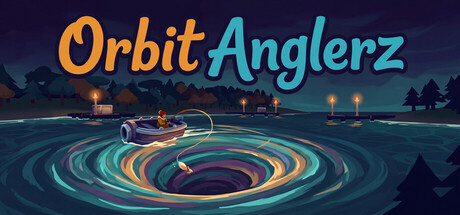 Orbit Anglerz In-game content artaudiotext | Generative AI tools were used throughout this game's production pipeline, alongside traditional development tools and techniques, to speed up iteration and expand what our team can make. AI-assisted content that ships in the game includes 2D artwork, voice narration, sound effects, music and in-game text. Every asset in the final product was selected, reviewed, modified where appropriate, and integrated by the development team. No generative AI content is created during gameplay. | Big Velvet Games | - | Oct 12, 2026 | |
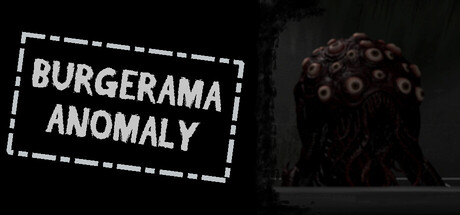 Burgerama Anomaly Store/marketing text | AI was used to tailor store page descriptions and grammar correct. | Mossy Games Studio | - | Oct 12, 2026 | |
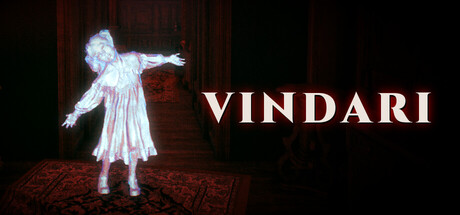 VINDARI In-game content audio | The ghost's voice lines, lullaby, screams, laughter and some sound effects were generated with AI audio tools (ElevenLabs). The store page description and the layout of the capsule art were prepared with the help of an AI assistant, using screenshots captured from the game. All 3D models, environments and animations are human-made assets licensed from the Fab marketplace. | DH | - | Oct 12, 2026 | |
 Dawn Archive In-game content arttextaudio | AI tools assisted in creating and revising the ending illustrations, narrative and explanatory text, English localization, and some visuals and sound effects produced through code. AI tools also assisted with store descriptions and promotional artwork. The game contains fixed, completed content and does not generate new content or connect to external AI services during play. | yasanari | - | Oct 12, 2026 | |
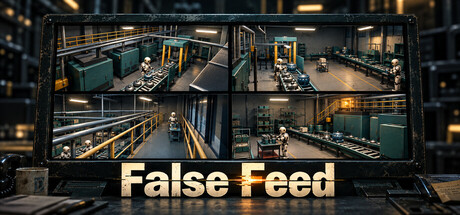 False Feed In-game content textart | Generative AI tools assisted with pre-generated game content, including text and localization, and with store artwork and marketing text. The game uses prepared content. It does not generate content with AI during gameplay or connect to external AI services. | Katarienumono, Inc. | - | Oct 12, 2026 | |
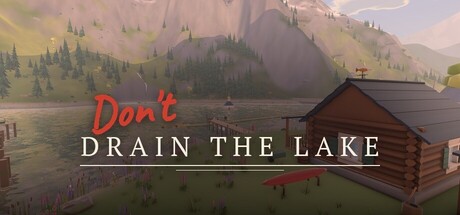 Don't Drain The Lake In-game content audiocode | The voices, music and sound effects were generated with AI audio tools (ElevenLabs) and then edited and mixed by the developer. The 3D world and the game itself were built with the help of an AI coding assistant. The trailers' narration also uses AI-generated voices. Nothing is generated by AI while you play. | LogiK | - | Oct 12, 2026 | |
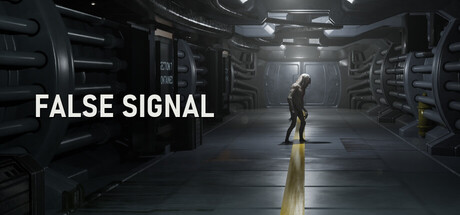 False Signal In-game content audioart | This game contains pre-generated AI content, all reviewed and edited by the developer:
- Voice acting: every radio and PA line, in English and Turkish, is text-to-speech generated with ElevenLabs.
- Audio: most sound effects and the three music beds were generated with ElevenLabs.
- 3D art: some organic growth props were shaped with an image-to-3D pipeline (SDXL + Hunyuan3D), then UV-unwrapped, baked and finished by hand in Blender.
- 2D art: the still images in the narrated opening were made with an image model.
The game generates nothing with AI while it runs. The trailer, screenshots and capsule art on this page are in-game footage and in-engine captures. | Veilward Studios | - | Oct 12, 2026 | |
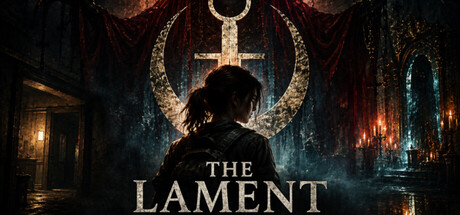 The Lament In-game content audioart | Generative AI was used to create background music, paintings displayed throughout the motel, and selected 3D assets, including sequence props, keys, relics, and pedestals. AI assistance was also used to draft portions of the store page text. | Gregory Montoya | - | Oct 11, 2026 | |
 The Usual, Please In-game content text | AI tools assisted with in-game text translation. | Hadwa Games | - | Oct 10, 2026 | |
 El Enigma del Colegio Cumbres In-game content artaudio | Se han utilizado herramientas de inteligencia artificial generativa durante el desarrollo para ayudar en la creación y adaptación de algunos recursos del juego, como modelos 3D, imágenes, audio y otros elementos gráficos. Todo el contenido generado con IA ha sido revisado y preparado previamente antes de incluirse en el juego. El juego no genera contenido mediante IA en tiempo real ni se conecta a servicios externos de IA durante la partida. | David Orizaola | - | Oct 10, 2026 | |
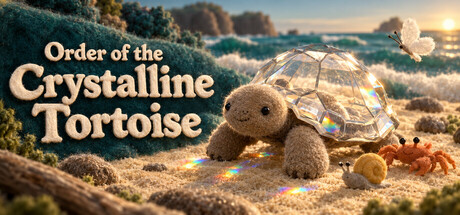 Order of the Crystalline Tortoise Dev only artaudiotextcode | NBD2 is an AI game development studio. As a solo indie dev who is unlikely to ever make a dime from any of my games, there's no other way I could bring my ideas to life.
Order of the Crystalline Tortoise was created using generative AI throughout development, including its game code, 3D models, interface art, sound and text. The models were built by AI agents writing Blender scripts, the poster is drawn by code, and the music and sound effects were synthesized by code, with gull calls from a CC0 field recording. All AI generation took place during development. The game does not generate AI content or code during play or connect to an external AI service.
I recognize AI in game development is an extremely sensitive topic and I appreciate both sides. I only hope the game is fun.
The goal should always be making something that human beings will enjoy. | NBD2 | - | Oct 10, 2026 | |
 AfterCursor In-game content text | AI was used to help localize this game in multiple languages. | Phoenix Downtown Studios | - | Oct 10, 2026 | |
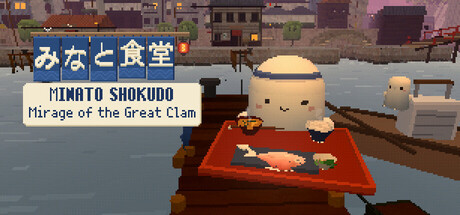 Minato Shokudo: Mirage of the Great Clam In-game content textcode | Generative AI tools were used for parts of this game during development: some story and dialogue text, the English localization, store page text, and some of the code that draws patterns and shapes. The developer directed all of it, chose what to keep, and reviewed and edited every piece. The music and sound effects were not made with AI, and nothing is generated by AI while you play. | 電脳鈴木組 | - | Oct 10, 2026 | |
 LiarLock: No Cameras, No Clues — Just a Corpse in My Club In-game content audioart | Music was generated by AI. Art was generated by AI and rework by human | Myriad | - | Oct 10, 2026 | |
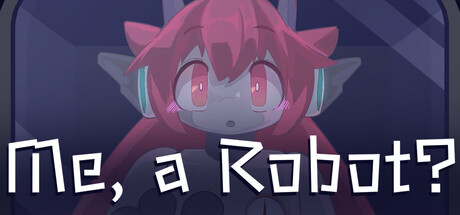 Me, a Robot? In-game content codetext | We use generative AI to assist with coding and localization. | ぬくもりロボット工房 | - | Oct 10, 2026 | |
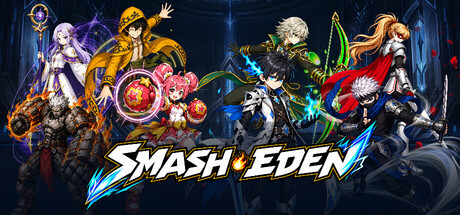 SMASH EDEN In-game content arttext | Generative AI was used during development to assist with artwork and localization, including some store and promotional materials. The game does not generate AI content during gameplay or connect to external AI services. | Hachi Eito | - | Oct 10, 2026 | |
 BROKEN CHORD In-game content artaudio | BROKEN CHORD uses generative AI in the creation of selected music and visual assets used in the game and its presentation. AI-generated material is curated, edited, and integrated into the game’s overall artistic and audiovisual direction by the developer. | ilkerrbr | - | Oct 10, 2026 | |
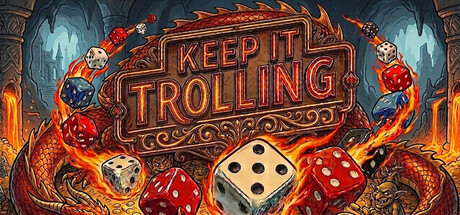 Keep It Trolling: Fantasy Edition In-game content art | Generative AI tools were used during development to create 2D illustrations for in-game cards, environmental backgrounds, and store capsule graphics. All generated art assets have been curated, manually edited, and adapted for the game, ensuring they contain no copyrighted or infringing material. | Nicholas Pace | - | Oct 10, 2026 | |
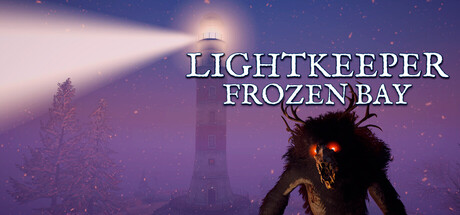 Lightkeeper: Frozen Bay In-game content art | One map artwork was created with generative AI and then edited by the developer. No other art, audio, text, or gameplay content uses AI. The game does not generate content during play. | Anton Antipov | - | Oct 10, 2026 | |
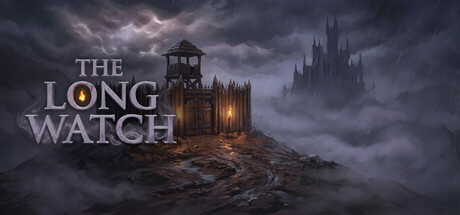 The Long Watch In-game content artaudiotextcode | Pre-generated content: generative AI tools were used during development to help create some of the game's 3D models, concept art and illustrations, music, voice lines and sound effects, as well as part of the store artwork and trailer footage. All of this content was selected, edited, integrated and adjusted by hand by the developer. The game's design, writing, story, code and balance are human-made. No content is generated by AI while the game is running. | Lone Torch Games | - | Oct 10, 2026 | |
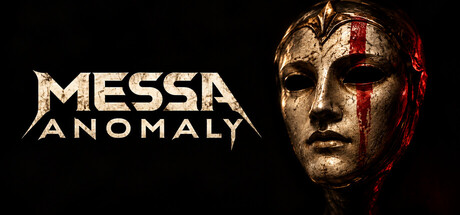 Messa Anomaly In-game content art | Pre-generated AI was used to create selected 2D artwork included in the game, including a painting and menu imagery. All generated content was reviewed and selected by the developer before inclusion. The game does not generate AI content during gameplay and does not connect to a live AI service. | 1,5 Games | - | Oct 10, 2026 | |
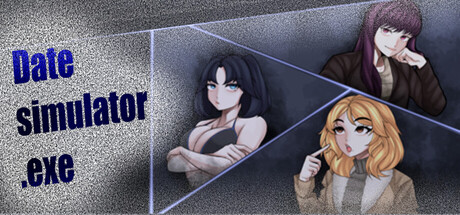 DATE_SIMULATOR.EXE In-game content art | AI tools were used solely for generating background images. All character art, UI elements, writing, and other visual content were created entirely by the development team without the use of generative AI. | NO REGRETS | - | Oct 10, 2026 | |
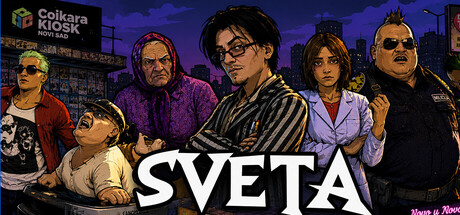 Sveta In-game content artaudio | 3d Assets, Voices, Music | Uhot | - | Oct 10, 2026 | |
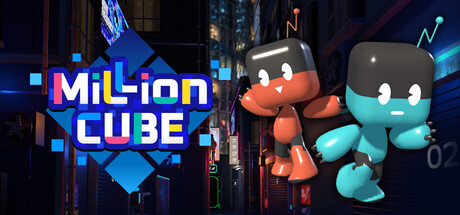 MillionCube In-game content artaudiotextcode | Some assets in this game were created with the assistance of generative AI tools. All AI-assisted assets were reviewed, edited, and integrated into the game by our team. | PushForward | - | Oct 10, 2026 | |
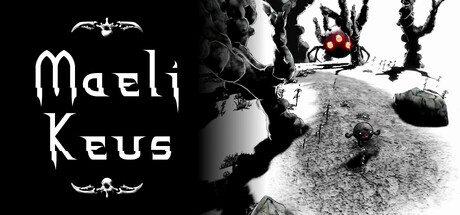 Maeli Keus In-game content artcode | Generative AI tools were used during development. Some of the game's 3D models and parts of its programming code were created with AI assistance, then reviewed and refined by the developer. No content is generated by AI while the game is running. | Devoniak Studios | - | Oct 9, 2026 | |
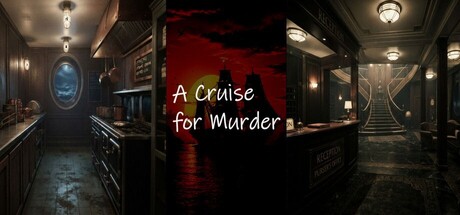 A Cruise for Murder In-game content artaudio | Generative Artificial Intelligence used to create background graphics and voices. | MICHAEL CHOURDAKIS | - | Oct 9, 2026 | |
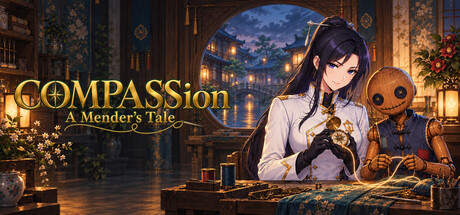 COMPASSion: A Mender’s Tale In-game content art | Generative AI was used to create and edit pre-generated in-game backgrounds, character illustrations, CG artwork, icons, and UI artwork, as well as Steam store and library capsule images, the logo, and icons. Gameplay screenshots were captured directly from the game. The game does not generate AI content during play. | COMPASSion: A Mender’s Tale Studio | - | Oct 9, 2026 | |
 Rêverie: Audio Stories In-game content audioart | Generative AI was used to create the voices, sound effects and illustrations. The stories are designed and directed by the developer. | Petit Vaisseau | - | Oct 9, 2026 | |
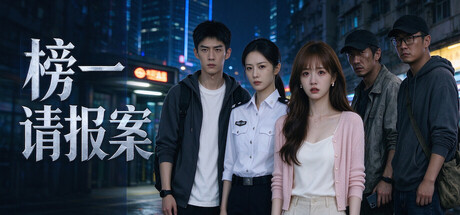 榜一请报案 Store/marketing art | Game videos and images are generated using AIGC. | BackSnow Games | - | Oct 9, 2026 | |
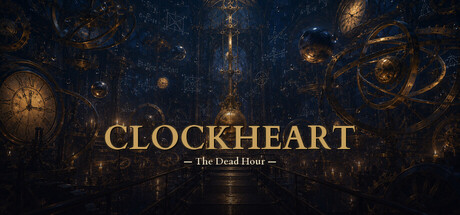 CLOCKHEART — The Dead Hour In-game content art | The game includes 2D illustrations created with generative AI during development, including characters, enemies and backgrounds. These images were then manually cleaned up, edited and integrated into the game. The game does not generate AI content during gameplay. | AXONE GAMES | - | Oct 9, 2026 | |
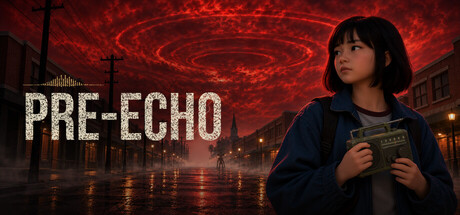 PRE-ECHO In-game content artaudiotext | Some content in PRE-ECHO was created with the help of generative AI tools during development and was then integrated, adjusted and art-directed by the developer:
- 3D models: the character and creature models, and many prop and vehicle models, were generated with Tripo from original reference images made for this project, then rigged, adjusted and textured in Blender and Unreal Engine.
- 2D art: some textures and interface images (such as the main-menu background, the workshop investigation board, journal and map paper, and inventory icons) were generated with image-generation tools from original prompts.
- Voices: all spoken lines are synthesized with the open-source Kokoro text-to-speech model using generic voices. No real person's voice was recorded or cloned.
- Text: the script, in-game text and English/Spanish localization were written with an AI assistant under the developer's direction.
- Store art: the store and library artwork was generated with AI image tools from the project's own character and creature references, then retouched by the developer. The logo was made without AI. The screenshots are unedited captures of the game.
No content is generated by AI while the game is running. | Simulsix | - | Oct 9, 2026 | |
 Still Walking In-game content audio | Some voice lines (the narrator, phone messages and townspeople), some sound effects and the menu music were created with generative AI text-to-speech and audio tools (ElevenLabs) and edited by the developer. All visual art, 3D, animation, level design and code were made by the developer. No AI content is generated during gameplay. | LogiK | - | Oct 9, 2026 | |
 Not a Duck Store/marketing art | background and Logo with created AI. | NOXRG | - | Oct 9, 2026 | |
 念 Horizon In-game content art | 游戏内部分资产使用AI辅助生成 | IndigoIce Studio | - | Oct 9, 2026 | |
 Faded Fears - Grayshore Motel In-game content text | The translations into other languages were created with the help of AI tools. The game does not generate any AI content while you play. | Jeans | - | Oct 9, 2026 | |
 Locard Dev only code | Some source code and internal editor tooling were written with the assistance of AI coding tools during development. All of it was reviewed, edited and tested by the developer. The game's story, dialogue, characters and design are human-written. Visual and audio assets come from licensed asset packs and human-made content. No content is generated by AI while the game is running. | JinjaGames | - | Oct 9, 2026 | |
 muttnurrummutt Live AI text | dialogue is from generator | muttnurrummutt | - | Oct 9, 2026 | |
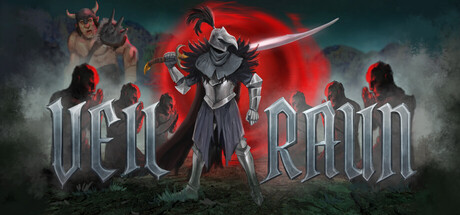 VeilRaun Store/marketing text | Generative AI was used to assist with translating and localizing the Steam store page into additional languages. Generative AI is not used during gameplay. | Crow Studio | - | Oct 9, 2026 | |
 BLACKWALL ASYLUM Store/marketing arttext | Generative AI was used to assist with creating selected promotional artwork and drafting or editing some written marketing content for the Steam store page. No generative AI is used during gameplay. | Kettlefox Games | - | Oct 8, 2026 | |
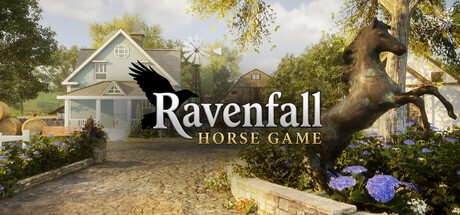 Ravenfall - Horse Game In-game content text | AI assistance was used to draft and translate text for this Steam store page from the developer’s own story and game information. No AI-generated artwork, voices, music, in-game story or in-game translations are currently used. No content is generated by AI during gameplay. | Ravenfall Horse Game | - | Oct 8, 2026 | |
 It Wants You To Stay In-game content artaudiotextcode | It Wants You To Stay was developed using generative AI tools, including Claude Code, OpenAI Codex, Meta Muse, Meshy, Scenario, Eleven Labs, Suno AI, ChatGPT, and Seedance. AI was used to create code, many of the 3D models, sound effects, music, and videos. The game also includes free-to-use, human-made 3D models, with credit given to their authors.
I understand that some players feel strongly about AI in games, and I respect that. If you prefer not to support games made using AI, this title may not be for you. I’m sharing this openly so you can make an informed choice before buying.
If you choose to play, I hope you’ll judge the experience it delivers—its atmosphere, gameplay, performance, and value. Honest feedback, including negative reviews, is welcome. I take responsibility for the game’s quality and will use that feedback to help improve it. | AI & Design Game Studios | - | Oct 8, 2026 | |
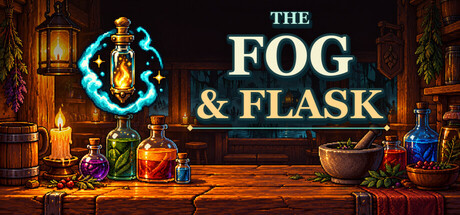 The Fog & Flask In-game content artaudiotext | Some of the artwork (including store art) and the music were created with the help of generative AI tools, then selected and edited by the developer. Translations were also prepared with AI assistance. No AI content is generated while you play. | RedRock Games | - | Oct 7, 2026 | |
 TSUKIMI PLANET -CLASSIC REMASTER- In-game content text | Generative AI was used only to assist with localization and translation into English, Simplified Chinese, Traditional Chinese, and Korean. The original story, artwork, audio, and other game assets were not generated using AI. No live-generated AI content is used in the game. | STUDIO CHARON | - | Oct 7, 2026 | |
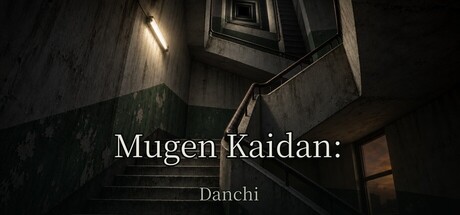 ムゲン階段 団地編 In-game content art | Pre-generated AI-assisted imagery is used for two in-game environment textures (an aged wall and a steel door surface) and for source artwork used in Steam store capsules. All outputs were reviewed and edited by the developer. The game does not generate content during play and does not connect to an external AI service. | Mori Mori Potato | - | Oct 7, 2026 | |
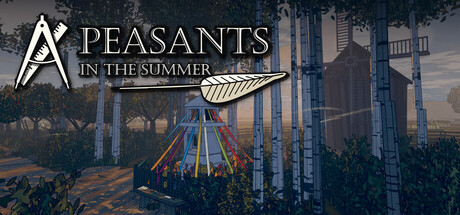 Peasants in the Summer In-game content audio | This game was made by a solo developer with the help of generative AI tools. The world, buildings and 3D scenes are built and composed by hand. AI was used to produce:
some character voices (text written by me, spoken with AI voice synthesis),
some of the sound effects | Woweach Games | - | Oct 7, 2026 | |
 嘶叫门徒YellingDisciple Dev only code | Note: All story, art, and audio assets are original and human-made. Some scripting was developed with the assistance of AI-generated code. | 茵果绿 | - | Oct 7, 2026 |


