








Disclosure
AI tools were used during development to create the pixel art, the game's text and promotional images. Pawnbroke does not generate AI content during gameplay.
- Creator
- Kasperzack Games
- Reviews
- -
- Added
- Oct 12, 2026
Public Steam disclosure research 25,376 disclosures tracked
Search developers’ Steam disclosures, compare classified AI use across games, and follow recorded changes. This index adds cross-game classifications and statistics to statements published on individual store pages.
Code help, debugging and other development work.
Capsule art, trailers and promotional material.
Pre-made art, audio, writing and other game assets.
Interactive or runtime AI features disclosed by the developer.
Groups reflect automatic analysis of public disclosures; mature records are excluded. These counts do not measure AI use across all of Steam. Missing or unclear statements cannot establish whether a game uses AI.
AI tools were used during development to create the pixel art, the game's text and promotional images. Pawnbroke does not generate AI content during gameplay.
Generative AI was used to assist with game localization and translation.
Generative AI was used during development to assist with the creation and refinement of selected visual assets and promotional artwork. All AI-assisted content was reviewed and edited by the development team before being included in the game or store materials. The game does not use generative AI to create content during gameplay.
Generative AI tools were used during development to assist with portions of the game’s pre-generated 2D character and promotional artwork, localization drafts, and code. All AI-assisted material was reviewed, selected, and edited by the developer before inclusion. The game does not generate AI content during gameplay.
Generative AI tools were used during development to create visual references and assist with the creation of some 3D assets. AI-generated outputs used as source material were further edited, refined, or integrated by the developer before inclusion in the game. Generative AI may also be used to create or assist with some music, sound, and localization assets, with outputs reviewed and edited before inclusion. No generative AI is used at runtime.
Unwritten uses generative AI as part of its core gameplay. AI systems interpret the player's freely written actions and generate narrative responses within an authored world, story and set of rules. AI inference runs locally on the player's computer.
Generative AI was used only for initial art concepts. Post-processing, stylization, animation, and music were created independently by the developer.
This game uses generative AI tools to help create some artwork and store page text. All AI-assisted content is reviewed by the developer before use.
Used for character voice acting and for generating and editing graphical images.
Some UI elements are AI-generated placeholders.
Some store and library capsule art was produced with image-generation tools (SDXL and a chat assistant) using our own in-game screenshots as the input image. The underlying game content -- models, textures, code, text -- is authored by us without generative AI. All generated art was reviewed by us before publication.
Art assets were initially generated using AI image-generation tools, then reviewed, manually edited, and refined by human artists.
Generative AI tools were used during development to assist with debugging. AI-assisted content included in the final game was reviewed and edited by the developer. No content is generated by AI during gameplay.
Some artwork, promotional images, text, and translations were created with AI assistance.
Artwork, video and voice performances in this game were created with generative-AI tools and selected and edited by the author; the writing was drafted with AI assistance and reviewed by the author. Nothing is generated while you play.
SMASH & GRAB uses generative AI for pre-generated content that is reviewed and edited by the team before it ships. Card portraits and their collectible variants, the rival figures and props, the key art, and the store capsules were produced with image and 3D generation tools (Meshy, OpenArt) from our own prompts and references. Voice lines use synthetic voices from ElevenLabs; no real person's voice was cloned. The music beds were generated with ElevenLabs, and the store trailer was assembled from AI-generated clips (Kling via OpenArt). Card names, bios, and other in-game text were drafted with a large language model and edited by the team. Nothing is generated while you play: the game does not create content live.
Some of this game's art and audio were made with generative AI tools and then edited and modified by the developer. All of it is pre-generated during development. No AI runs live during gameplay. The game's code, design and writing are authored by the developer.
Break Even was built with an AI coding assistant working under the developer's direction and review. That includes the game's code and, with it, the pixel maps its sprites are drawn from, its synthesized sound, its dialogue and ending text, the scripts that draw the store images, and drafts of this store page. The game ships no image or audio files of its own — every picture is drawn and every sound synthesized by its own code while you play — and the one bundled file is an open-licence pixel font. No AI runs during play, and the game contacts no AI service.
Generative AI was used to brainstorm some character images (but not directly used), and to render some static backgrounds. I also argued with it about coding bugs. It was helpful but not smart.
The Therapist was developed with the assistance of generative AI tools. AI was used to assist with programming and to generate certain visual and audio assets included in the game. The game's core concept, narrative direction, game design, mechanics, and creative direction were conceived and developed by the game's creator. AI-generated assets were selected, edited, integrated, and directed as part of the game's overall creative process.
We used generative AI tools as part of our creative process, alongside our team’s direction, editing, and refinement.
This game uses generative AI in the following ways: Music — tracks were built from AI-generated material, then edited and arranged by hand. Title artwork — an AI-generated rough was used as reference and redrawn by hand as pixel art. English localization — the English text was machine-translated and then reviewed and corrected by the developer. Code — parts of the game's code were written with AI assistance. Everything else is made by the developer by hand: all 145 in-game icons, every UI image, the cigarette package illustrations, and the achievement icons.
Some 3D surface and object textures were created using AI image generation tools.
Some marketing artwork for the store page (the capsule's sky, city backdrop, rain and lettering layers) was produced with generative image tools (OpenAI image generation, Google Gemini) and then composited and edited by hand. A few placeholder textures currently in the build (the city seen through the office window and its signs, and the sample sheets in the customization menu) were AI-generated and are scheduled to be replaced with licensed or hand-made art before release. AI coding and writing assistants were used during development for parts of the source code, documentation and drafts of store text; all game rules, design decisions and final art direction are the developer's own. The game does not generate content with AI at runtime.
Generative AI tools were used during development to create and refine some pre-generated visual and other game assets. All AI-assisted content was reviewed and edited by the developer before being included in the game. No AI content is generated during gameplay.
Some 2D art in this game was created with the assistance of AI image generation tools and then curated, pixel-processed and hand-corrected by the developer: backgrounds, story cutscene illustrations, card art, the title logo, and the Steam store assets. All game design, systems, balance, code and the original Korean script were written by the developer. The nine non-Korean localizations were produced with AI translation assistance and then reviewed and corrected in-game. The game does not generate any content with AI while you play, and it never connects to an AI service.
This game was created with AI‑assisted generation
early development stages prototyping, block out replacement
Dystopia uses AI to live-generate its radio: all music, DJ voices, lyrics, song titles, and artist names are created by AI on our own servers and streamed to every player. Our 3D environments render as Gaussian splats and were AI generated using World Labs' Marble.
Some background art, still images, videos, and music were created with the assistance of generative AI tools; every asset was reviewed and curated by the developer. During gameplay, callers' dialogue is performed by an AI language model running entirely on the player's PC — fully offline, with no external AI service. The AI performs characters only within hand-written script boundaries, all story outcomes are decided by deterministic game logic, and generated text is filtered before display. Voice input is transcribed locally and never leaves your machine.
We used AI tool to assist with localization and translation. ChatGPT Images 2.0 was used to assist in generating concept art and backgrounds.
Dynamic Interrogation Dialogue: Suspicious Minds features an unscripted interrogation engine powered by local Large Language Models (LLMs). Suspect and detective responses, emotional shifts, and conversational directions are generated dynamically in real time based on user inputs, crime scene evidence, and player choices. Voice Recognition & Speech Synthesis: The game utilizes localized speech-to-text engines to analyze spoken player input and real-time text-to-speech models to synthesize natural, expressive character voice outputs during gameplay.
AI was used to generate some game assets.
Generative AI was used to help translate the game's text and store page into other languages. It was not used to create any of the artwork, audio, or code in the game.
AI tools were used for some decorative textures and minor details. Although their use is minimal, they are visually present and may bother people sensitive to this topic. Furthermore, AI was used for temporary test dubbing of the characters. However, the final product will be voiced by human actors.
AI tools were used during development to assist with coding, 3D modeling, and sound effect creation. All AI-generated content was reviewed and edited by the developer.
Generative AI tools were utilized to generate initial texture concepts. All final in-game assets were extensively modified, hand-edited, and integrated manually.
Our team uses generative AI tools to assist with parts of the game's artwork, including some in-game art and store page images, and with first-pass translation of in-game text. All AI-assisted art and translations are reviewed, edited, and finalized by our team. Music and sound effects do not use AI. We hold the necessary rights to all content shipped in this game. No content is generated by AI at runtime.
AI was used only to help create a few marketing images (capsule art and header capsule). All store screenshots, written content, and in-game art, audio, and text are handcrafted. The game contains no live or runtime AI-generated content.
Some visual assets in the game were originally created and edited manually using image editing software, and were later refined with generative AI tools. AI was used only as part of the visual refinement process. Final assets were reviewed and edited by the developer before being included in the game.
The game's music includes vocals generated using generative AI. The game's main song will soon be re-recorded with a human singer.
AI generative tools were used to create some 2D art assets used in the game
Some of the art assets in the game were created using AI.
Assets used in this game were created with the assistance of generative AI.
AI-assisted translation tools are used to help localize this game's text for international audiences, including English and any additional languages added in the future. No AI-generated content is used for graphics, sound, or narrative/story content.
This game uses generative AI tools to help create static visual assets, including card illustrations and background artwork. All AI-generated content is produced during development and does not change during gameplay — nothing is generated in real time.
Images and translations were enhanced using AI to improve overall quality of the game.
部分游戏内背景图使用AI辅助生成,剧情与角色设计均为原创。
AI tools were used during development solely to assist with coding, including identifying and fixing bugs and making minor code corrections and improvements. AI does not generate any content for players during gameplay.
Background Art — AI generation tools were used for some of the background images. Not all backgrounds were created with AI; hand-made backgrounds are also used. AI-assisted images were further processed to match the game's pixel art style. Music — The music in this game was created using AI generation tools.
| Title⇅ | Disclosure | Creator⇅ | Src | Reviews⇅ | Added↓ |
|---|---|---|---|---|---|
 Pawnbroke In-game content arttext | AI tools were used during development to create the pixel art, the game's text and promotional images. Pawnbroke does not generate AI content during gameplay. | Kasperzack Games | - | Oct 12, 2026 | |
 DEEP SEAL In-game content text | Generative AI was used to assist with game localization and translation. | SOS | - | Oct 12, 2026 | |
 Dagesh In-game content art | Generative AI was used during development to assist with the creation and refinement of selected visual assets and promotional artwork. All AI-assisted content was reviewed and edited by the development team before being included in the game or store materials. The game does not use generative AI to create content during gameplay. | Buggy Code | - | Oct 10, 2026 | |
 L Wars: Chi Town In-game content arttextcode | Generative AI tools were used during development to assist with portions of the game’s pre-generated 2D character and promotional artwork, localization drafts, and code. All AI-assisted material was reviewed, selected, and edited by the developer before inclusion. The game does not generate AI content during gameplay. | Best KPI LLC | - | Oct 7, 2026 | |
 Nosferatu: Call of the Blood In-game content artaudiotext | Generative AI tools were used during development to create visual references and assist with the creation of some 3D assets. AI-generated outputs used as source material were further edited, refined, or integrated by the developer before inclusion in the game. Generative AI may also be used to create or assist with some music, sound, and localization assets, with outputs reviewed and edited before inclusion. No generative AI is used at runtime. | Rubbish Trout | - | Oct 7, 2026 | |
 Unwritten Live AI text | Unwritten uses generative AI as part of its core gameplay. AI systems interpret the player's freely written actions and generate narrative responses within an authored world, story and set of rules. AI inference runs locally on the player's computer. | Romain Brancherie | - | Oct 6, 2026 | |
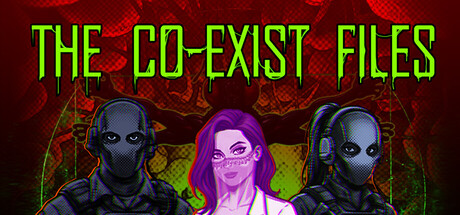 The Co-Exist Files Dev only art | Generative AI was used only for initial art concepts.
Post-processing, stylization, animation, and music were created independently by the developer. | Vic Lin | - | Oct 3, 2026 | |
 The Grid Detective In-game content arttext | This game uses generative AI tools to help create some artwork and store page text. All AI-assisted content is reviewed by the developer before use. | Duskery | - | Oct 3, 2026 | |
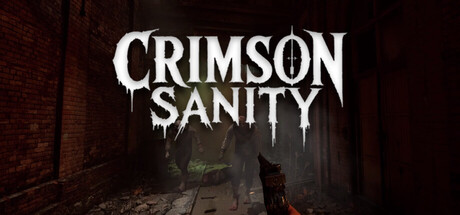 Crimson Sanity In-game content artaudio | Used for character voice acting and for generating and editing graphical images. | SignNarva | - | Sep 30, 2026 | |
 Spartan One In-game content art | Some UI elements are AI-generated placeholders. | noowanda | - | Sep 29, 2026 | |
 Dealer's Tell: All Bets Are Final Store/marketing art | Some store and library capsule art was produced with image-generation tools
(SDXL and a chat assistant) using our own in-game screenshots as the input
image. The underlying game content -- models, textures, code, text -- is
authored by us without generative AI. All generated art was reviewed by us
before publication. | MistaNonik | - | Sep 28, 2026 | |
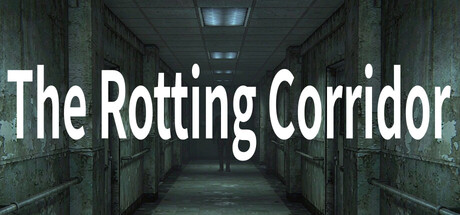 The Rotting Corridor In-game content art | Art assets were initially generated using AI image-generation tools, then reviewed, manually edited, and refined by human artists. | NimbusCode Studio | - | Sep 27, 2026 | |
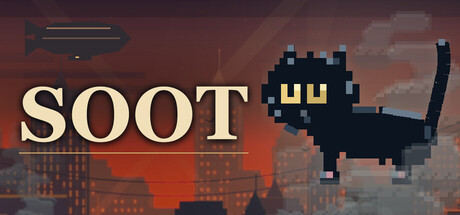 SOOT Dev only | Generative AI tools were used during development to assist with debugging. AI-assisted content included in the final game was reviewed and edited by the developer. No content is generated by AI during gameplay. | GR0GZ_GAMES | - | Sep 25, 2026 | |
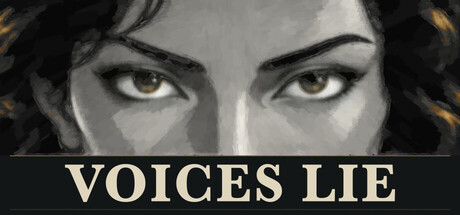 VOICES LIE In-game content arttext | Some artwork, promotional images, text, and translations were created with AI assistance. | Origin Echo | - | Sep 25, 2026 | |
 Doc Tommy: The Vig In-game content artaudiotext | Artwork, video and voice performances in this game were created with generative-AI tools and selected and edited by the author; the writing was drafted with AI assistance and reviewed by the author. Nothing is generated while you play. | Echelon Create LLC | - | Sep 24, 2026 | |
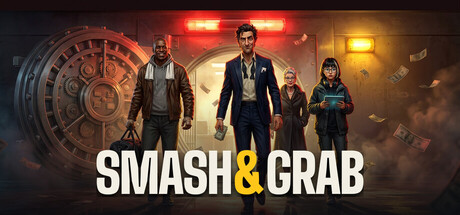 Smash & Grab In-game content artaudiotext | SMASH & GRAB uses generative AI for pre-generated content that is reviewed and edited by the team before it ships. Card portraits and their collectible variants, the rival figures and props, the key art, and the store capsules were produced with image and 3D generation tools (Meshy, OpenArt) from our own prompts and references. Voice lines use synthetic voices from ElevenLabs; no real person's voice was cloned. The music beds were generated with ElevenLabs, and the store trailer was assembled from AI-generated clips (Kling via OpenArt). Card names, bios, and other in-game text were drafted with a large language model and edited by the team. Nothing is generated while you play: the game does not create content live. | Hashbang Games | - | Sep 22, 2026 | |
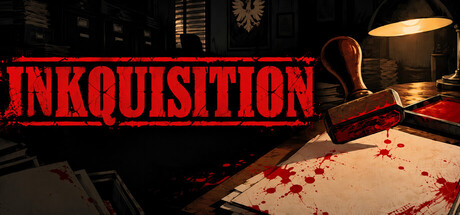 INKQUISITION In-game content artaudio | Some of this game's art and audio were made with generative AI tools and then edited and modified by the developer. All of it is pre-generated during development. No AI runs live during gameplay. The game's code, design and writing are authored by the developer. | DOCEntertainment | - | Sep 22, 2026 | |
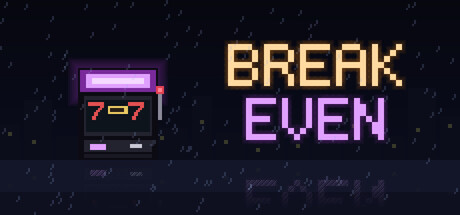 Break Even:The Grind In-game content artaudiotextcode | Break Even was built with an AI coding assistant working under the developer's direction and review. That includes the game's code and, with it, the pixel maps its sprites are drawn from, its synthesized sound, its dialogue and ending text, the scripts that draw the store images, and drafts of this store page. The game ships no image or audio files of its own — every picture is drawn and every sound synthesized by its own code while you play — and the one bundled file is an open-licence pixel font. No AI runs during play, and the game contacts no AI service. | Testudo Forge LLC | - | Sep 18, 2026 | |
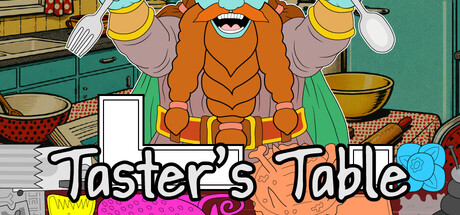 Taster's Table In-game content artcode | Generative AI was used to brainstorm some character images (but not directly used), and to render some static backgrounds. I also argued with it about coding bugs. It was helpful but not smart. | Michael Balamotis | - | Sep 18, 2026 | |
 The Therapist In-game content artaudiocode | The Therapist was developed with the assistance of generative AI tools. AI was used to assist with programming and to generate certain visual and audio assets included in the game. The game's core concept, narrative direction, game design, mechanics, and creative direction were conceived and developed by the game's creator. AI-generated assets were selected, edited, integrated, and directed as part of the game's overall creative process. | Restless, LLC | - | Sep 16, 2026 | |
 Tooth for Tooth Unclear | We used generative AI tools as part of our creative process, alongside our team’s direction, editing, and refinement. | Outlane | - | Sep 16, 2026 | |
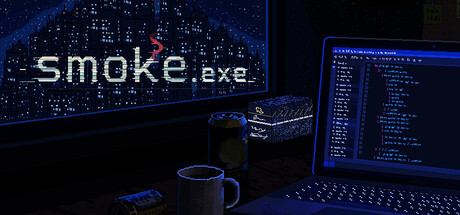 smoke.exe In-game content audioarttextcode | This game uses generative AI in the following ways:
Music — tracks were built from AI-generated material, then edited and arranged by hand.
Title artwork — an AI-generated rough was used as reference and redrawn by hand as pixel art.
English localization — the English text was machine-translated and then reviewed and corrected by the developer.
Code — parts of the game's code were written with AI assistance.
Everything else is made by the developer by hand: all 145 in-game icons, every UI image, the cigarette package illustrations, and the achievement icons. | usasan3 | - | Sep 13, 2026 | |
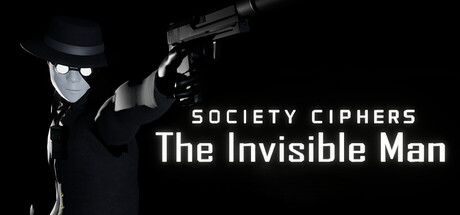 Society Ciphers: The Invisible Man In-game content art | Some 3D surface and object textures were created using AI image generation tools. | Nando Works | - | Sep 13, 2026 | |
 Par Under Review In-game content arttextcode | Some marketing artwork for the store page (the capsule's sky, city backdrop, rain and lettering layers) was produced with generative image tools (OpenAI image generation, Google Gemini) and then composited and edited by hand. A few placeholder textures currently in the build (the city seen through the office window and its signs, and the sample sheets in the customization menu) were AI-generated and are scheduled to be replaced with licensed or hand-made art before release. AI coding and writing assistants were used during development for parts of the source code, documentation and drafts of store text; all game rules, design decisions and final art direction are the developer's own. The game does not generate content with AI at runtime. | Minor Planet Games | - | Sep 12, 2026 | |
 SET THEM UP In-game content art | Generative AI tools were used during development to create and refine some pre-generated visual and other game assets. All AI-assisted content was reviewed and edited by the developer before being included in the game. No AI content is generated during gameplay. | Grabanc Games | - | Sep 12, 2026 | |
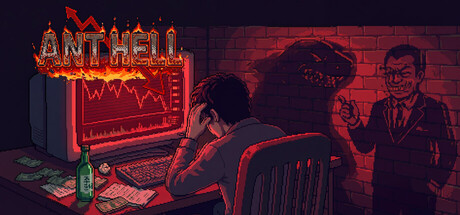 ANT HELL In-game content arttext | Some 2D art in this game was created with the assistance of AI image generation tools and then curated, pixel-processed and hand-corrected by the developer: backgrounds, story cutscene illustrations, card art, the title logo, and the Steam store assets. All game design, systems, balance, code and the original Korean script were written by the developer. The nine non-Korean localizations were produced with AI translation assistance and then reviewed and corrected in-game. The game does not generate any content with AI while you play, and it never connects to an AI service. | Basement Store | - | Sep 10, 2026 | |
 手搓代码大作战 Unclear | This game was created with AI‑assisted generation | anxinrelief | - | Sep 7, 2026 | |
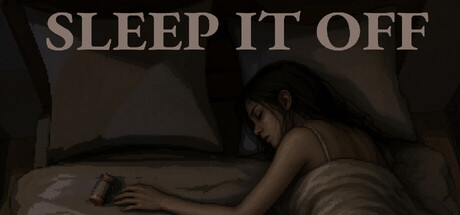 Sleep It Off Dev only | early development stages prototyping, block out replacement | MonoCulture FZ-LLC | - | Sep 7, 2026 | |
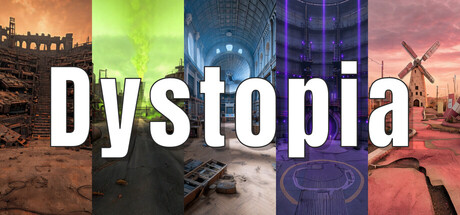 Dystopia audioart | Dystopia uses AI to live-generate its radio: all music, DJ voices, lyrics,
song titles, and artist names are created by AI on our own servers and
streamed to every player. Our 3D environments render as Gaussian splats and
were AI generated using World Labs' Marble. | Null Hypothesis Inc. | - | Sep 4, 2026 | |
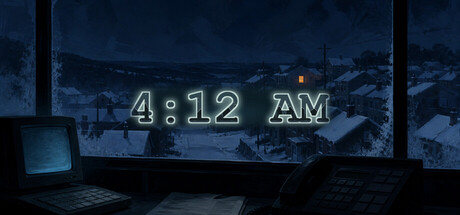 4:12 AM Live AI artaudio | Some background art, still images, videos, and music were created with the assistance of generative AI tools; every asset was reviewed and curated by the developer. During gameplay, callers' dialogue is performed by an AI language model running entirely on the player's PC — fully offline, with no external AI service. The AI performs characters only within hand-written script boundaries, all story outcomes are decided by deterministic game logic, and generated text is filtered before display. Voice input is transcribed locally and never leaves your machine. | findrr_base | - | Sep 3, 2026 | |
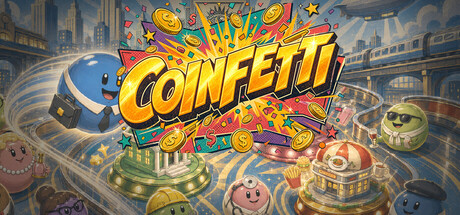 Coinfetti In-game content textart | We used AI tool to assist with localization and translation. ChatGPT Images 2.0 was used to assist in generating concept art and backgrounds. | Cash Flow Games | - | Sep 3, 2026 | |
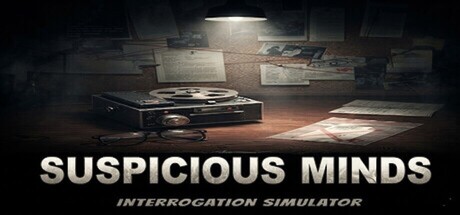 Suspicious Minds: AI driven interrogation simulator Live AI text | Dynamic Interrogation Dialogue: Suspicious Minds features an unscripted interrogation engine powered by local Large Language Models (LLMs). Suspect and detective responses, emotional shifts, and conversational directions are generated dynamically in real time based on user inputs, crime scene evidence, and player choices.
Voice Recognition & Speech Synthesis: The game utilizes localized speech-to-text engines to analyze spoken player input and real-time text-to-speech models to synthesize natural, expressive character voice outputs during gameplay. | Ejder Yurdakul | - | Sep 3, 2026 | |
 Unreported Shift In-game content art | AI was used to generate some game assets. | Vetra | - | Sep 1, 2026 | |
 Table of Suspects In-game content text | Generative AI was used to help translate the game's text and store page into other languages. It was not used to create any of the artwork, audio, or code in the game. | Besva Studios | - | Sep 1, 2026 | |
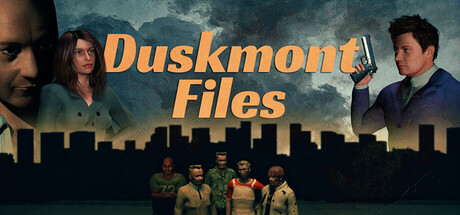 Duskmont Files In-game content art | AI tools were used for some decorative textures and minor details. Although their use is minimal, they are visually present and may bother people sensitive to this topic. Furthermore, AI was used for temporary test dubbing of the characters. However, the final product will be voiced by human actors. | Moonwatch Studio | - | Sep 1, 2026 | |
 CHUM Fishing In-game content artaudiocode | AI tools were used during development to assist with coding, 3D modeling, and sound effect creation. All AI-generated content was reviewed and edited by the developer. | Village Games | - | Sep 1, 2026 | |
 Bullet's Deal: Split the Fortune In-game content art | Generative AI tools were utilized to generate initial texture concepts. All final in-game assets were extensively modified, hand-edited, and integrated manually. | After Titles Studio | - | Aug 31, 2026 | |
 Hotel Carnivalia In-game content arttext | Our team uses generative AI tools to assist with parts of the game's artwork, including some in-game art and store page images, and with first-pass translation of in-game text. All AI-assisted art and translations are reviewed, edited, and finalized by our team. Music and sound effects do not use AI. We hold the necessary rights to all content shipped in this game. No content is generated by AI at runtime. | DARELARK Studio | - | Aug 31, 2026 | |
 暗黑骨牢 Store/marketing art | AI was used only to help create a few marketing images (capsule art and header capsule). All store screenshots, written content, and in-game art, audio, and text are handcrafted. The game contains no live or runtime AI-generated content. | Bunny Moon Shady | - | Aug 31, 2026 | |
 Seven Nights of the Black Tide In-game content art | Some visual assets in the game were originally created and edited manually using image editing software, and were later refined with generative AI tools. AI was used only as part of the visual refinement process. Final assets were reviewed and edited by the developer before being included in the game. | YuanMu | - | Aug 29, 2026 | |
 Kat Domino In-game content audio | The game's music includes vocals generated using generative AI. The game's main song will soon be re-recorded with a human singer. | Evil Axis Game Studio | - | Aug 29, 2026 | |
 Requies In-game content art | AI generative tools were used to create some 2D art assets used in the game | Maksim Mazanets | - | Aug 29, 2026 | |
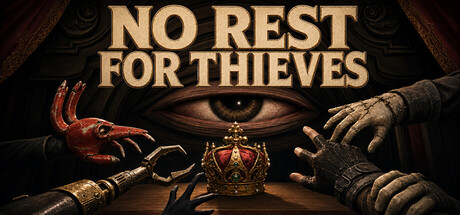 No Rest for Thieves In-game content art | Some of the art assets in the game were created using AI. | OntologyPlay | - | Aug 28, 2026 | |
 Dice After Dark In-game content art | Assets used in this game were created with the assistance of generative AI. | Dano Sato | - | Aug 26, 2026 | |
 EXORCIST K9 In-game content text | AI-assisted translation tools are used to help localize this game's text for international audiences, including English and any additional languages added in the future.
No AI-generated content is used for graphics, sound, or narrative/story content. | EXEX Games | - | Aug 25, 2026 | |
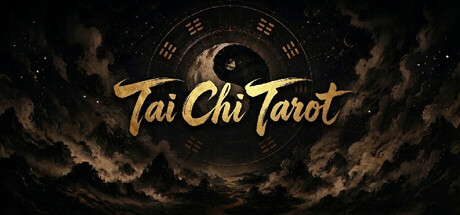 Tai Chi Tarot In-game content art | This game uses generative AI tools to help create static visual assets, including card illustrations and background artwork. All AI-generated content is produced during development and does not change during gameplay — nothing is generated in real time. | Mistorch | - | Aug 25, 2026 | |
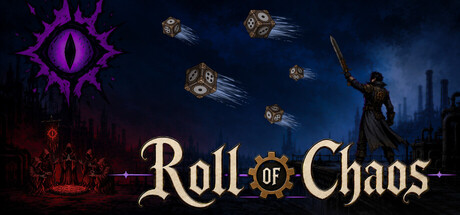 Roll of Chaos In-game content arttext | Images and translations were enhanced using AI to improve overall quality of the game. | Juregui | - | Aug 23, 2026 | |
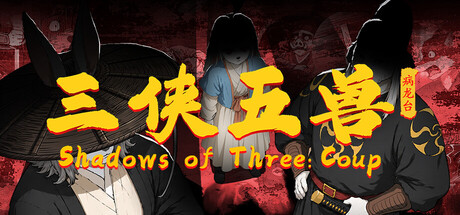 Shadows of Three: Coup In-game content art | 部分游戏内背景图使用AI辅助生成,剧情与角色设计均为原创。 | 张不良 ZHANG BU LIANG | - | Aug 23, 2026 | |
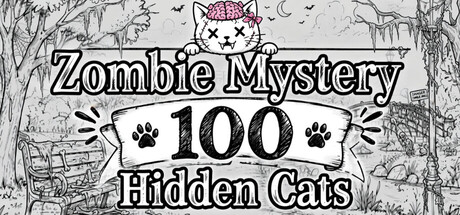 Zombie Mystery: 100 Hidden Cats Dev only code | AI tools were used during development solely to assist with coding, including identifying and fixing bugs and making minor code corrections and improvements. AI does not generate any content for players during gameplay. | ArPeaKK Games | - | Aug 22, 2026 | |
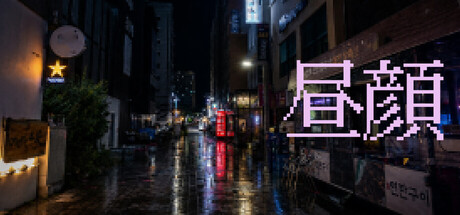 히루가오(ひるがお) In-game content artaudio | Background Art — AI generation tools were used for some of the background images. Not all backgrounds were created with AI; hand-made backgrounds are also used. AI-assisted images were further processed to match the game's pixel art style.
Music — The music in this game was created using AI generation tools. | TEAM RESERVOIR DOGAMES | - | Aug 20, 2026 |


