Public Steam disclosure research25,376 disclosures tracked
Where do games disclose AI use?
Search developers’ Steam disclosures, compare classified AI use across
games, and follow recorded changes.
This index adds cross-game classifications and statistics to
statements published on individual store pages.
Groups reflect automatic analysis of public disclosures; mature records are excluded. These counts do not measure AI use across all of Steam.
Missing or unclear statements cannot establish whether a game uses AI.
Generative AI was used for UI icons, the intro video, and retouching of store capsule images. In-game 3D assets, characters and environments are licensed or hand-made, not AI-generated. AI was used as an assistive tool for code, text and translation.
Generative AI tools were used to assist with code refactoring and with writing and translating text for the game and its store page. No content is generated using generative AI during gameplay.
The core art direction and a portion of the artwork were hand-drawn by the developer, and AI was used to produce additional assets in a matching style, which were then reviewed, edited and integrated by hand. The game's music was generated with AI tools. No AI content is generated live while the game is running.
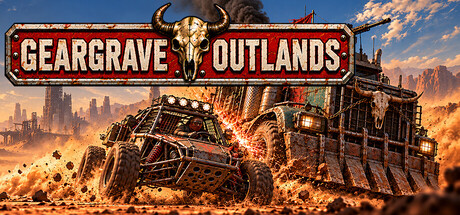
All artwork, music, and sound effects in Geargrave Outlands were created with generative AI tools (images: OpenAI image models; music: Suno; sound effects: ElevenLabs) and then selected, edited, and integrated by the developer. Story text was written with AI assistance and edited by the developer. All translations were produced with AI assistance. All of this content is pre-generated and ships as fixed files. The game does not generate any content with AI while you play.
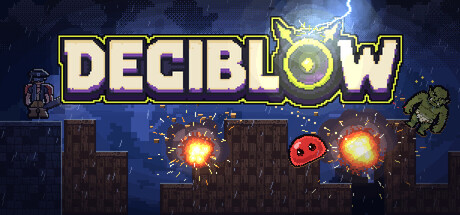
DECIBLOW utilized generative AI for a few small things like localization & partial involvement in some of the music to speed up production (heavy human involvement at a DAW level).
Some images in the game were generated using AI tools and then refined by the game's developer. All the music in the game was written by the game's developer, but the mastering was done using AI tools. The 3D character models (all except the zombie mutants) were initially generated via AI and later refined and adapted by the game's developer.
AI was only used to translate the game into its different languages, to polish Dr. Ferrán's dialogue in each of them, and to polish the game's description on the Steam page. The original lines were written by us in Spanish.
Some art and audio in this game were generated with AI tools during development and edited by the developer. No AI content is generated while the game is running.
Some visual assets, including map backgrounds, concept art, and hero and creature models, were created with the help of AI image and 3D generation tools. The developer then edited, rigged, animated and integrated them by hand. Some text, including translations into the supported languages and store copy, was drafted with AI assistance and reviewed by the developer. The voice-over in the trailer was generated with an AI voice tool.
The game does not generate any content with AI during gameplay.
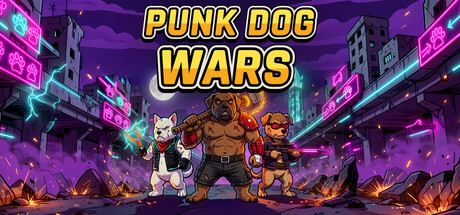
Punk Dog Wars uses AI-assisted tools during development. Character, effect and environment art, the music, and the announcer and dog voices were generated with AI models and then selected, composited and edited by our team. The store art was made the same way. No content is generated while you play.
Audio sound effects, translated localization text, and promotional trailer videos in this game were produced with the assistance of generative AI tools. All AI-assisted assets have been reviewed, edited and finalized by the development team.
Generative AI tools were utilized during development to assist in creating certain visual assets, including store page capsule graphics, promotional imagery, and selected in-game 2D UI/icon elements. All generated content was curated, edited, and integrated by the developer.
Some visual assets (artwork and cinematic scenes) and some music and sound effects were created with the help of generative AI tools, then reviewed and curated by the developer. No content is generated by AI during gameplay.
Generative AI tools were used during development to create some pre-generated 2D artwork, including item icons, characters and environments, as well as store and marketing materials, including the cinematic teaser. These assets were selected, prepared and integrated by the development team. The game does not generate content using AI during gameplay or connect to external AI services.
The store page texts and the pixel-art game logo and icon (also used in the game) were created with the help of an AI assistant and reviewed by the developer. Screenshots and capsule backgrounds are rendered directly from the game.
Generative AI is used during development to create visual and music assets for the game and its promotional materials. It is not used to create the scenario, written text, or voices. All AI-generated assets are pre-generated; the game does not generate content or connect to external AI services during gameplay.
Some of Deadlight's artwork was created with the help of generative AI. This includes the key art, the store and library capsules, and the ten location paintings on the expedition screen. The images were generated with a locally run image model, then chosen, cleaned up and colour-graded by hand. The store page text and its translations were drafted with AI assistance and edited by the developer. No content is generated by AI while you play.
Some pre-generated promotional artwork and the game icon were created with generative AI. Gameplay screenshots and trailer footage are captured directly from the game. The game does not generate content during play.
Use of Generative AI & AI Credits
This game uses AI to generate in-game dialogue text and small gameplay extension modules ("evolution modules"). AI features consume AI credits.
You can get AI credits via small in-game purchases processed by Steam, or connect your own AI service at no extra cost — the settings menu lets you enter a custom API URL and key (any OpenAI-compatible endpoint), in which case usage is billed directly by your provider and no credits are consumed.
AI-generated code runs in a strictly sandboxed environment with a limited set of game APIs, and every output must pass the game's validation and test gates before taking effect. AI features can be disabled at any time.
Some sprites, event card illustrations, background music and sound effects were created with locally-run generative AI models (Stable Diffusion XL, ACE-Step, Stable Audio Open) and then edited by the developer. No generative AI is used while the game is running.
This game uses generative artificial intelligence (AI) to assist with localization.
AI tools were used to generate translations of the game’s text into multiple languages. The translations were reviewed and edited by the development team to ensure quality and accuracy. No generative AI was used to create gameplay content, art, audio, or other core elements of the game.
Some voice audio in EMPTYLAND was created using generative artificial intelligence tools. AI-generated voices are used as part of the game's narrative and in-game audio experience.
Generative AI was used during development to create 3D models, music, sound effects, and promotional artwork, and to assist with localization, store-page text, and the implementation of game logic and code. This content and code are prepared during development. The game does not generate content or code using AI or connect to external AI services during gameplay.
Generative AI was used to assist with portions of the Steam store page text, promotional image editing, and the creation of some in-game artwork. All AI-assisted content was reviewed and edited by the development team before inclusion in the game.
Generative AI was used during development to create some artwork, character animation assets, music, and promotional artwork. These assets were prepared before release. The game does not generate AI content during gameplay or connect to an AI service.
AI-assisted tools were used to support performance optimization and to generate the player character. AI tools also contributed to enemy character assets, store artwork and translations. These uses concern content prepared during development.
Generative AI tools were used during development to assist with concept development and the creation of some visual assets. AI-generated material was reviewed, edited, and integrated by the developer to fit the game’s visual style and design. Generative AI is not used during gameplay and no content is generated dynamically for players.
The English localization was prepared with AI assistance and was fully reviewed and edited by the developer. Some in-game sounds were generated with AI. The capsule image on the Steam store page was generated with AI. The in-game visual and model assets were not generated with AI.
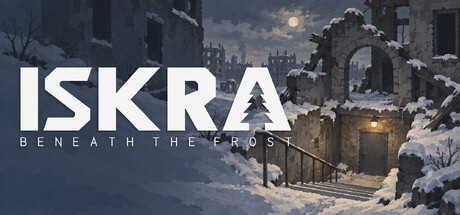
ISKRA currently includes AI-generated artwork prepared during development. We plan to replace this artwork with work created by human artists before leaving Early Access, giving the game the individual artistic identity we envision.
Powered by some of the most advanced chess engines ever created. It also uses two neural networks to recognize chess positions directly from game diagrams, turning images into playable positions in seconds.
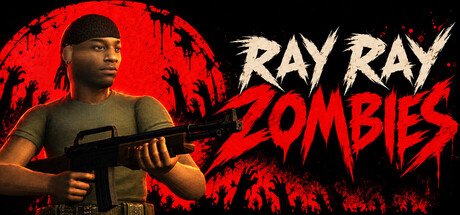
Generative AI is used to story board, code, analyze code, analyze performance, create thumbnails and many basic tasks like that to speed up workflows. We pay human artists for things like zombies, guns, props, static meshes etc.
Generative AI was used for UI icons, the intro video, and retouching of store capsule images. In-game 3D assets, characters and environments are licensed or hand-made, not AI-generated. AI was used as an assistive tool for code, text and translation.
Generative AI tools were used to assist with code refactoring and with writing and translating text for the game and its store page. No content is generated using generative AI during gameplay.
The core art direction and a portion of the artwork were hand-drawn by the developer, and AI was used to produce additional assets in a matching style, which were then reviewed, edited and integrated by hand. The game's music was generated with AI tools. No AI content is generated live while the game is running.
All artwork, music, and sound effects in Geargrave Outlands were created with generative AI tools (images: OpenAI image models; music: Suno; sound effects: ElevenLabs) and then selected, edited, and integrated by the developer. Story text was written with AI assistance and edited by the developer. All translations were produced with AI assistance. All of this content is pre-generated and ships as fixed files. The game does not generate any content with AI while you play.
DECIBLOW utilized generative AI for a few small things like localization & partial involvement in some of the music to speed up production (heavy human involvement at a DAW level).
Some images in the game were generated using AI tools and then refined by the game's developer. All the music in the game was written by the game's developer, but the mastering was done using AI tools. The 3D character models (all except the zombie mutants) were initially generated via AI and later refined and adapted by the game's developer.
AI was only used to translate the game into its different languages, to polish Dr. Ferrán's dialogue in each of them, and to polish the game's description on the Steam page. The original lines were written by us in Spanish.
Some art and audio in this game were generated with AI tools during development and edited by the developer. No AI content is generated while the game is running.
Some visual assets, including map backgrounds, concept art, and hero and creature models, were created with the help of AI image and 3D generation tools. The developer then edited, rigged, animated and integrated them by hand. Some text, including translations into the supported languages and store copy, was drafted with AI assistance and reviewed by the developer. The voice-over in the trailer was generated with an AI voice tool.
The game does not generate any content with AI during gameplay.
Punk Dog Wars uses AI-assisted tools during development. Character, effect and environment art, the music, and the announcer and dog voices were generated with AI models and then selected, composited and edited by our team. The store art was made the same way. No content is generated while you play.
Audio sound effects, translated localization text, and promotional trailer videos in this game were produced with the assistance of generative AI tools. All AI-assisted assets have been reviewed, edited and finalized by the development team.
Generative AI tools were utilized during development to assist in creating certain visual assets, including store page capsule graphics, promotional imagery, and selected in-game 2D UI/icon elements. All generated content was curated, edited, and integrated by the developer.
Some visual assets (artwork and cinematic scenes) and some music and sound effects were created with the help of generative AI tools, then reviewed and curated by the developer. No content is generated by AI during gameplay.
Generative AI tools were used during development to create some pre-generated 2D artwork, including item icons, characters and environments, as well as store and marketing materials, including the cinematic teaser. These assets were selected, prepared and integrated by the development team. The game does not generate content using AI during gameplay or connect to external AI services.
The store page texts and the pixel-art game logo and icon (also used in the game) were created with the help of an AI assistant and reviewed by the developer. Screenshots and capsule backgrounds are rendered directly from the game.
Generative AI is used during development to create visual and music assets for the game and its promotional materials. It is not used to create the scenario, written text, or voices. All AI-generated assets are pre-generated; the game does not generate content or connect to external AI services during gameplay.
Some of Deadlight's artwork was created with the help of generative AI. This includes the key art, the store and library capsules, and the ten location paintings on the expedition screen. The images were generated with a locally run image model, then chosen, cleaned up and colour-graded by hand. The store page text and its translations were drafted with AI assistance and edited by the developer. No content is generated by AI while you play.
Some pre-generated promotional artwork and the game icon were created with generative AI. Gameplay screenshots and trailer footage are captured directly from the game. The game does not generate content during play.
Use of Generative AI & AI Credits
This game uses AI to generate in-game dialogue text and small gameplay extension modules ("evolution modules"). AI features consume AI credits.
You can get AI credits via small in-game purchases processed by Steam, or connect your own AI service at no extra cost — the settings menu lets you enter a custom API URL and key (any OpenAI-compatible endpoint), in which case usage is billed directly by your provider and no credits are consumed.
AI-generated code runs in a strictly sandboxed environment with a limited set of game APIs, and every output must pass the game's validation and test gates before taking effect. AI features can be disabled at any time.
Some sprites, event card illustrations, background music and sound effects were created with locally-run generative AI models (Stable Diffusion XL, ACE-Step, Stable Audio Open) and then edited by the developer. No generative AI is used while the game is running.
This game uses generative artificial intelligence (AI) to assist with localization.
AI tools were used to generate translations of the game’s text into multiple languages. The translations were reviewed and edited by the development team to ensure quality and accuracy. No generative AI was used to create gameplay content, art, audio, or other core elements of the game.
Some voice audio in EMPTYLAND was created using generative artificial intelligence tools. AI-generated voices are used as part of the game's narrative and in-game audio experience.
Generative AI was used during development to create 3D models, music, sound effects, and promotional artwork, and to assist with localization, store-page text, and the implementation of game logic and code. This content and code are prepared during development. The game does not generate content or code using AI or connect to external AI services during gameplay.
Generative AI was used to assist with portions of the Steam store page text, promotional image editing, and the creation of some in-game artwork. All AI-assisted content was reviewed and edited by the development team before inclusion in the game.
Generative AI was used during development to create some artwork, character animation assets, music, and promotional artwork. These assets were prepared before release. The game does not generate AI content during gameplay or connect to an AI service.
AI-assisted tools were used to support performance optimization and to generate the player character. AI tools also contributed to enemy character assets, store artwork and translations. These uses concern content prepared during development.
Generative AI tools were used during development to assist with concept development and the creation of some visual assets. AI-generated material was reviewed, edited, and integrated by the developer to fit the game’s visual style and design. Generative AI is not used during gameplay and no content is generated dynamically for players.
The English localization was prepared with AI assistance and was fully reviewed and edited by the developer. Some in-game sounds were generated with AI. The capsule image on the Steam store page was generated with AI. The in-game visual and model assets were not generated with AI.
ISKRA currently includes AI-generated artwork prepared during development. We plan to replace this artwork with work created by human artists before leaving Early Access, giving the game the individual artistic identity we envision.
Powered by some of the most advanced chess engines ever created. It also uses two neural networks to recognize chess positions directly from game diagrams, turning images into playable positions in seconds.
Generative AI is used to story board, code, analyze code, analyze performance, create thumbnails and many basic tasks like that to speed up workflows. We pay human artists for things like zombies, guns, props, static meshes etc.