Public Steam disclosure research25,376 disclosures tracked
Where do games disclose AI use?
Search developers’ Steam disclosures, compare classified AI use across
games, and follow recorded changes.
This index adds cross-game classifications and statistics to
statements published on individual store pages.
Groups reflect automatic analysis of public disclosures; mature records are excluded. These counts do not measure AI use across all of Steam.
Missing or unclear statements cannot establish whether a game uses AI.
Generative AI was used only for localization. As a solo developer, I used AI tools to translate the game's text into other languages, which would not have been possible for me otherwise. All artwork, audio, and gameplay content were created without generative AI.
This game’s store page text has been translated into multiple languages with the assistance of AI translation tools. We review and adjust translations manually.
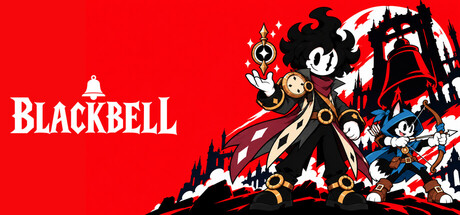
Generative AI tools were used extensively during the development of BLACKBELL, including for artwork, writing, audio, code, and production support. All AI-generated content included in the shipped game is pre-generated, selected, edited, and integrated by the developer. The developer is responsible for the game's creative direction, design, curation, quality control, and final implementation.
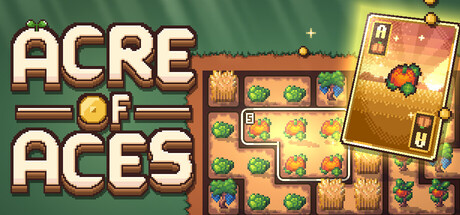
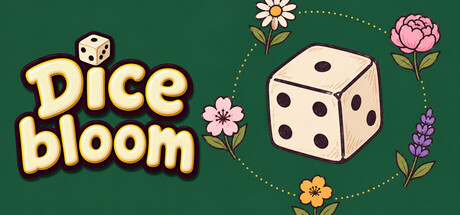
The game's art (plants, items, menu illustrations, store art) was made with the help of image generation tools and then edited and assembled by the developer. No AI content is generated while you play.
I enjoy code and music, yet I am terrible at art.
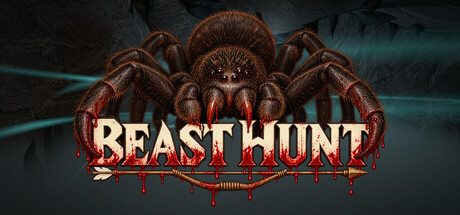
Therefore, generative AI was used during development to create some game artwork, including interface elements, achievements, and icons, and the Beast Hunt logo used in the game. The game does not generate AI content during gameplay.
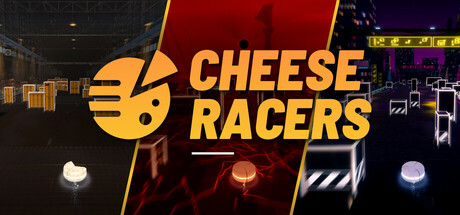
Cheese Racers is designed, directed and reviewed by a solo developer and built with an AI assistant, which wrote the code and drafted much of the text. The visuals (maps, cheese skins, crates) are drawn by that code as the game runs, not by AI image generators. No AI-generated music or voices, and nothing is generated by AI while you play.
AI was used in assisiting to create the VFX, trailer music, localisation and concept art.
All generated material was reviewed, refined and integrated by the developers before use.
Some pre-generated content was made with AI tools: the store key art and capsule images, the localization into 19 languages, and parts of the in-game and store text. 3D models, sound effects and achievement icons are built procedurally by code written with AI assistance. No AI-generated content is created live while you play.
AI was used to create a handful of static images within the game as the developer had no other options at the time. All of this will be replaced as soon as possible.
AI-powered image generation tools were used to create the game's visual elements, including character and environment images. AI tools were also used to support translations into multiple languages.
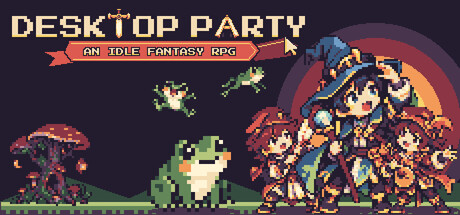
This game was made by a solo developer with the help of AI tools. Some of the pixel art was drawn by hand by the developer and then revised with AI tools. Other art (including the logo, interface icons, menu backgrounds and some terrain tiles) was created with an AI pixel-art tool and then edited by the developer. The music and sound effects are synthesized in code, and were composed and designed with the help of an AI assistant. Some in-game text, such as the Field Guide and tutorial tips, was drafted with AI assistance and edited by the developer. No AI is used while you play: nothing is generated live, and the game never connects to an AI service.
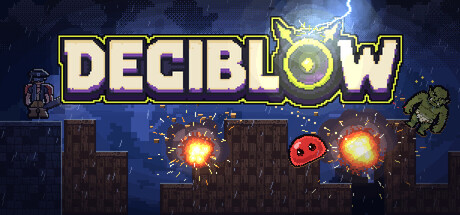
DECIBLOW utilized generative AI for a few small things like localization & partial involvement in some of the music to speed up production (heavy human involvement at a DAW level).
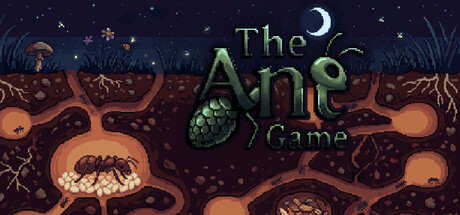
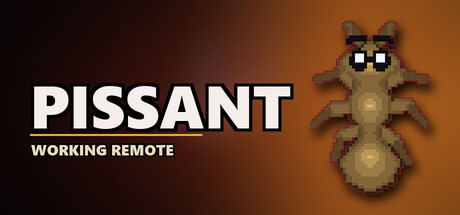
Pissant is built with AI-assisted code. The developer directs and edits everything; an AI assistant helps write the game's code, its in-game text, the music scores and the store and marketing text. No AI image, video or voice generator made anything in the game: every visual is drawn by the game's own procedural code, and every sound and note of music comes from its own synthesis engine. No generative AI runs during gameplay, and the game does not connect to any AI service.
Some character and equipment models were generated with an AI 3D tool and then rigged, recoloured and edited by hand. The icons were designed with AI tools and drawn in code, and the game's text was written with AI assistance and edited by the developer. Environments use asset packs made by people, sound effects come from a sound pack recorded by people, and the music is synthesised by the game's own code. No AI generates anything while you play.
Pre-generated content: AI tools assisted during development. Some in-game text (commentary, TV show dialogue), the translations and the store page text were written with AI assistance, and the pixel art, music and sound effects are generated by scripts written with AI assistance. All of this content has been reviewed, approved and modified by the developer. No content is generated by AI while the game is running.
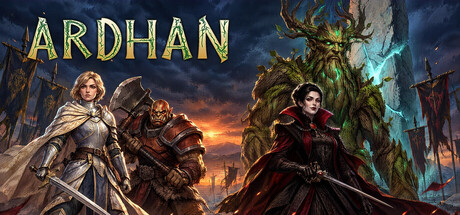
Ardhan was made by a solo developer with some help of generative AI tools. The card, hero, background and cinematic artwork, the key art on this store page, the short animated clips, the voice narration in all nine languages, part of the music and many of the sound effects were generated with AI models (image models hosted on Higgsfield; ElevenLabs voice, music and sound models) and then selected, cropped and edited by the developer. The game does not generate any content while you play, has no AI chat, and sends nothing to any AI service.
AI tools were used to help translate the game's text into other languages and to draft the store page copy. All of it was reviewed by the developer. The game does not generate any content with AI while you play.
A few in-game images were generated with an AI image tool and edited by the developer. The game's translations were drafted with AI tools and reviewed by the developer. All other art, sound and design were made by the developer.
Parts of the game's code, interface art, store artwork and store text were created with the help of AI tools and then reviewed and edited by the developer. Nothing is generated by AI while you play.
Character art, portraits, monsters, backgrounds, item and skill icons, and story illustrations were created with AI image-generation tools, then selected, reviewed and laid out in the game by the developers. The background music was created with an AI music-generation tool (Suno). The code and text were written with AI assistance and reviewed by the developers. The game does not generate any AI content while it runs.
AI was used during development to create some of the game's visual artwork and graphical assets. The AI-generated assets are pre-generated and included as static content in the game. No AI content is generated during gameplay, and the game does not connect to or use an AI service at runtime.
-AI was used in limited capacity during development to assist with lighting effects and animation assets. These outputs were reviewed, edited, and integrated by the development team. AI is not used to generate content dynamically during gameplay, and the game does not use live AI systems to create images, audio, text, animations, or other player-facing content.
Full disclaimer - Some code, artworks have been AI generated, through a custom model trained on images that were built specifically for the game with the kind assistance of a graphic designer friend of mine. I'm a solo dev with limited budget and I'm doing this out of passion - I just wouldn't have been able to build it without these tools
Pre-generated game artwork, including character, background, card, and interface art, was created with generative AI and edited for the game. Generative AI was also used for Steam store and library artwork, the logo, and icons. Gameplay screenshots were captured directly from the game. No AI content is generated during gameplay.
Some visual assets were generated using an in-house image model under our artist’s art direction (trained on open-licensed and proprietary data). Some UI elements were also created or refined using AI-assisted UI tools. We review, select, and edit assets before integrating them into the game.
Some music was created using AI-assisted music tools under our creative direction. We review, select, and edit the outputs before integrating them into the game.
This game contains no pre-generated content. Everything in the game is generated in real time by AI as you play. We want it to respond to every culinary idea a player has with something interesting and one of a kind. We use top-tier Claude models (such as Claude Fable 5.1) to deliver the best possible experience.
Some in-game visual assets were created with the assistance of generative AI. All AI-assisted content is pre-generated and included in the shipped game; no content is generated during gameplay.
The game's artwork, audio and other assets are not AI-generated. The game engine is written from scratch over the course of 8 months in C++ and Simple DirectMedia Layer 2; in which Codex assistance was used for programming. No content is generated by AI during gameplay. No AI service is used during gameplay. All AI actions in the game are classic decision tree based intelligence made.
Some artwork and promotional images, dialogue, synthesized character voices, and sound effects were created with generative AI tools during development. These are pre-generated, fixed assets. No content is generated by AI during gameplay, and the game does not connect to third-party AI services while you play.
Some assets in this game were created with the assistance of generative AI tools. All AI-assisted assets were reviewed, edited, and integrated into the game by our team.
AI tools assisted with localization, store-page text, and preparation of promotional artwork. This content is prepared in advance. The game does not use AI to generate content during gameplay or connect to external AI services.
The key art, story illustrations, kingdom portraits, music, opening film, menu video and its narration were produced with generative AI tools (Ideogram, Lyria, Seedance, Kling and ElevenLabs, through Artlist) and then selected, edited and assembled by the developer. The 3D map, units and buildings are procedural low-poly models built in code, and the sound effects are synthesised in the game. The game was written with the help of an AI coding assistant. No content is generated while the game is running; everything is pre-generated and shipped in the build. No real people's likenesses or voices are used.
Some pre-generated branding artwork, icons, menu illustrations and Steam marketing assets were created with assistance from generative AI. The 3D world is generated procedurally by the game code. No generative AI runs during gameplay and the game does not connect to external AI services.
Some backgrounds, map event effects, and promotional artwork were created with the assistance of generative AI during development. World simulation follows local rules; the game does not generate AI content or connect to external AI services during play.
Generative AI assisted some game text and store descriptions. Promotional images and gameplay screenshots use actual game visuals. No live AI or external AI services. Offline.
The game includes 2D illustrations created with generative AI during development, including characters, enemies and backgrounds. These images were then manually cleaned up, edited and integrated into the game. The game does not generate AI content during gameplay.
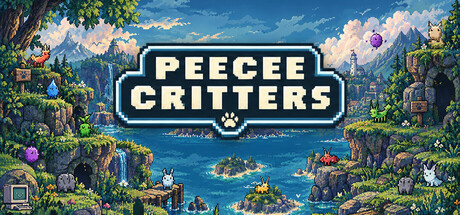
The key art and logo began as an AI-generated base image, which we then reworked and finished by hand in Photoshop. The narration in the trailers is a synthetic voice made with a text-to-speech model. Nothing inside the game is AI-generated: every critter, the world, the device, the music and the sound are drawn and composed by the game's own code.
Generative AI was used only for localization. As a solo developer, I used AI tools to translate the game's text into other languages, which would not have been possible for me otherwise. All artwork, audio, and gameplay content were created without generative AI.
This game’s store page text has been translated into multiple languages with the assistance of AI translation tools. We review and adjust translations manually.
Generative AI tools were used extensively during the development of BLACKBELL, including for artwork, writing, audio, code, and production support. All AI-generated content included in the shipped game is pre-generated, selected, edited, and integrated by the developer. The developer is responsible for the game's creative direction, design, curation, quality control, and final implementation.
The game's art (plants, items, menu illustrations, store art) was made with the help of image generation tools and then edited and assembled by the developer. No AI content is generated while you play.
I enjoy code and music, yet I am terrible at art.
Therefore, generative AI was used during development to create some game artwork, including interface elements, achievements, and icons, and the Beast Hunt logo used in the game. The game does not generate AI content during gameplay.
Cheese Racers is designed, directed and reviewed by a solo developer and built with an AI assistant, which wrote the code and drafted much of the text. The visuals (maps, cheese skins, crates) are drawn by that code as the game runs, not by AI image generators. No AI-generated music or voices, and nothing is generated by AI while you play.
AI was used in assisiting to create the VFX, trailer music, localisation and concept art.
All generated material was reviewed, refined and integrated by the developers before use.
Some pre-generated content was made with AI tools: the store key art and capsule images, the localization into 19 languages, and parts of the in-game and store text. 3D models, sound effects and achievement icons are built procedurally by code written with AI assistance. No AI-generated content is created live while you play.
AI was used to create a handful of static images within the game as the developer had no other options at the time. All of this will be replaced as soon as possible.
AI-powered image generation tools were used to create the game's visual elements, including character and environment images. AI tools were also used to support translations into multiple languages.
This game was made by a solo developer with the help of AI tools. Some of the pixel art was drawn by hand by the developer and then revised with AI tools. Other art (including the logo, interface icons, menu backgrounds and some terrain tiles) was created with an AI pixel-art tool and then edited by the developer. The music and sound effects are synthesized in code, and were composed and designed with the help of an AI assistant. Some in-game text, such as the Field Guide and tutorial tips, was drafted with AI assistance and edited by the developer. No AI is used while you play: nothing is generated live, and the game never connects to an AI service.
DECIBLOW utilized generative AI for a few small things like localization & partial involvement in some of the music to speed up production (heavy human involvement at a DAW level).
Pissant is built with AI-assisted code. The developer directs and edits everything; an AI assistant helps write the game's code, its in-game text, the music scores and the store and marketing text. No AI image, video or voice generator made anything in the game: every visual is drawn by the game's own procedural code, and every sound and note of music comes from its own synthesis engine. No generative AI runs during gameplay, and the game does not connect to any AI service.
Some character and equipment models were generated with an AI 3D tool and then rigged, recoloured and edited by hand. The icons were designed with AI tools and drawn in code, and the game's text was written with AI assistance and edited by the developer. Environments use asset packs made by people, sound effects come from a sound pack recorded by people, and the music is synthesised by the game's own code. No AI generates anything while you play.
Pre-generated content: AI tools assisted during development. Some in-game text (commentary, TV show dialogue), the translations and the store page text were written with AI assistance, and the pixel art, music and sound effects are generated by scripts written with AI assistance. All of this content has been reviewed, approved and modified by the developer. No content is generated by AI while the game is running.
Ardhan was made by a solo developer with some help of generative AI tools. The card, hero, background and cinematic artwork, the key art on this store page, the short animated clips, the voice narration in all nine languages, part of the music and many of the sound effects were generated with AI models (image models hosted on Higgsfield; ElevenLabs voice, music and sound models) and then selected, cropped and edited by the developer. The game does not generate any content while you play, has no AI chat, and sends nothing to any AI service.
AI tools were used to help translate the game's text into other languages and to draft the store page copy. All of it was reviewed by the developer. The game does not generate any content with AI while you play.
A few in-game images were generated with an AI image tool and edited by the developer. The game's translations were drafted with AI tools and reviewed by the developer. All other art, sound and design were made by the developer.
Parts of the game's code, interface art, store artwork and store text were created with the help of AI tools and then reviewed and edited by the developer. Nothing is generated by AI while you play.
Character art, portraits, monsters, backgrounds, item and skill icons, and story illustrations were created with AI image-generation tools, then selected, reviewed and laid out in the game by the developers. The background music was created with an AI music-generation tool (Suno). The code and text were written with AI assistance and reviewed by the developers. The game does not generate any AI content while it runs.
AI was used during development to create some of the game's visual artwork and graphical assets. The AI-generated assets are pre-generated and included as static content in the game. No AI content is generated during gameplay, and the game does not connect to or use an AI service at runtime.
-AI was used in limited capacity during development to assist with lighting effects and animation assets. These outputs were reviewed, edited, and integrated by the development team. AI is not used to generate content dynamically during gameplay, and the game does not use live AI systems to create images, audio, text, animations, or other player-facing content.
Full disclaimer - Some code, artworks have been AI generated, through a custom model trained on images that were built specifically for the game with the kind assistance of a graphic designer friend of mine. I'm a solo dev with limited budget and I'm doing this out of passion - I just wouldn't have been able to build it without these tools
Pre-generated game artwork, including character, background, card, and interface art, was created with generative AI and edited for the game. Generative AI was also used for Steam store and library artwork, the logo, and icons. Gameplay screenshots were captured directly from the game. No AI content is generated during gameplay.
Some visual assets were generated using an in-house image model under our artist’s art direction (trained on open-licensed and proprietary data). Some UI elements were also created or refined using AI-assisted UI tools. We review, select, and edit assets before integrating them into the game.
Some music was created using AI-assisted music tools under our creative direction. We review, select, and edit the outputs before integrating them into the game.
This game contains no pre-generated content. Everything in the game is generated in real time by AI as you play. We want it to respond to every culinary idea a player has with something interesting and one of a kind. We use top-tier Claude models (such as Claude Fable 5.1) to deliver the best possible experience.
Some in-game visual assets were created with the assistance of generative AI. All AI-assisted content is pre-generated and included in the shipped game; no content is generated during gameplay.
The game's artwork, audio and other assets are not AI-generated. The game engine is written from scratch over the course of 8 months in C++ and Simple DirectMedia Layer 2; in which Codex assistance was used for programming. No content is generated by AI during gameplay. No AI service is used during gameplay. All AI actions in the game are classic decision tree based intelligence made.
Some artwork and promotional images, dialogue, synthesized character voices, and sound effects were created with generative AI tools during development. These are pre-generated, fixed assets. No content is generated by AI during gameplay, and the game does not connect to third-party AI services while you play.
Some assets in this game were created with the assistance of generative AI tools. All AI-assisted assets were reviewed, edited, and integrated into the game by our team.
AI tools assisted with localization, store-page text, and preparation of promotional artwork. This content is prepared in advance. The game does not use AI to generate content during gameplay or connect to external AI services.
The key art, story illustrations, kingdom portraits, music, opening film, menu video and its narration were produced with generative AI tools (Ideogram, Lyria, Seedance, Kling and ElevenLabs, through Artlist) and then selected, edited and assembled by the developer. The 3D map, units and buildings are procedural low-poly models built in code, and the sound effects are synthesised in the game. The game was written with the help of an AI coding assistant. No content is generated while the game is running; everything is pre-generated and shipped in the build. No real people's likenesses or voices are used.
Some pre-generated branding artwork, icons, menu illustrations and Steam marketing assets were created with assistance from generative AI. The 3D world is generated procedurally by the game code. No generative AI runs during gameplay and the game does not connect to external AI services.
Some backgrounds, map event effects, and promotional artwork were created with the assistance of generative AI during development. World simulation follows local rules; the game does not generate AI content or connect to external AI services during play.
Generative AI assisted some game text and store descriptions. Promotional images and gameplay screenshots use actual game visuals. No live AI or external AI services. Offline.
The game includes 2D illustrations created with generative AI during development, including characters, enemies and backgrounds. These images were then manually cleaned up, edited and integrated into the game. The game does not generate AI content during gameplay.
The key art and logo began as an AI-generated base image, which we then reworked and finished by hand in Photoshop. The narration in the trailers is a synthetic voice made with a text-to-speech model. Nothing inside the game is AI-generated: every critter, the world, the device, the music and the sound are drawn and composed by the game's own code.