Public Steam disclosure research25,376 disclosures tracked
Where do games disclose AI use?
Search developers’ Steam disclosures, compare classified AI use across
games, and follow recorded changes.
This index adds cross-game classifications and statistics to
statements published on individual store pages.
Groups reflect automatic analysis of public disclosures; mature records are excluded. These counts do not measure AI use across all of Steam.
Missing or unclear statements cannot establish whether a game uses AI.
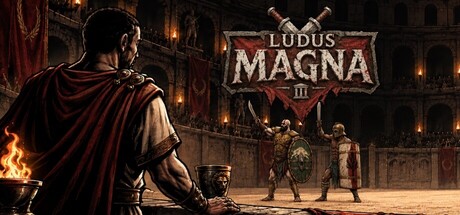
Ludus Magna uses pre-generated, AI-assisted content created during development. This includes parts of the game's visual content such as character portraits, backgrounds and other illustrations, as well as AI-assisted text and localization. All content is selected, edited and reviewed by the developer before being included in the game. No generative AI content is created while the game is running.
Pre-generated AI tools were used during development to assist with the creation and refinement of selected visual assets, localization text, and marketing materials. All AI-assisted content was reviewed, edited, and integrated by the developer before inclusion in the game or store materials. The game does not generate AI content in real time during gameplay.
Generative AI tools were used during development to create some visual assets and to assist with writing, modifying, and debugging code. All AI-generated or AI-assisted content was reviewed, adjusted, and integrated by the developer. The game does not use generative AI to create content during gameplay.
Music, background, videos and images in this game, especially the artwork, were created using AI tools as a visual supplement.
This creative choice allowed me to focus more time and resources on what matters most, delivering longer, more engaging, and fun gameplay.
Voice acting, music and sound effects were generated with ElevenLabs AI tools, then selected, edited and mixed by the developer. Some game text, including dialogue and store descriptions, was drafted with AI assistance and edited by the developer. The game does not generate any AI content while it runs.
AI-assisted development tools (an AI coding assistant) were used during development to help write code and portions of this store page's descriptive text. No game art, music, or narrative content was generated by AI.
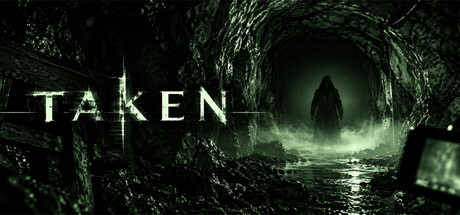
Generative AI was used to create promotional and store-page artwork for TAKEN during development. No AI-generated content or code is generated during gameplay.
This game utilizes generative AI for a significant portion of its art assets. Many AI-assisted elements underwent manual editing and modification by the developer before being integrated into the final game.
Some in-game assets were created with the assistance of generative AI tools during development. All AI-assisted content has been reviewed, edited, and curated by our team before being included in the game. The game does not use generative AI at runtime — no content is generated while you play.
This game utilizes Artificial Intelligence solely for text translation and localization across different languages. All translated text has been manually reviewed and proofread for quality and coherence. All other aspects of development, including game design, mechanics, and art, are original assets. The audio features a mix of original work and third-party assets used under their respective licenses.
We used Generative AI tools solely to assist in creating capsule art and marketing assets for the store page. No AI content is generated live during gameplay.
Generative AI tools were used during development to create some of the game art assets, and written content and localization translations. AI tools were also used for coding assistance and debugging. The developer selected, adapted, and integrated these outputs into the game and its promotional materials. The game does not generate content using generative AI during gameplay or connect to external generative AI services.
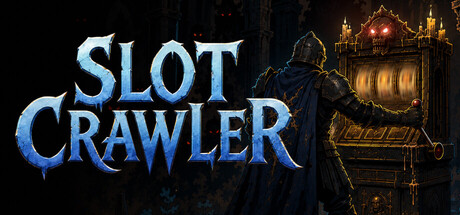
AI tools were used during the development of Slot Crawler to assist in creating select visual assets and promotional materials. Every AI-assisted element was reviewed, refined, and integrated by the developer to ensure consistency with the game’s artistic direction and quality standards.
Generative AI tools were used during development to assist with the creation and refinement of some pre-generated 2D artwork, UI illustrations, icons, promotional images, and selected audio assets. All AI-assisted outputs were reviewed, edited, and integrated by the developer. The game does not generate content with AI at runtime, and no player input is sent to an AI service.
Marketing and Store Visuals: AI tools were utilized during the concept design and background detailing phases for the thumbnail images, posters, and promotional materials on the Steam store page.
Sound Design and Trailer Music: AI-powered sound and music production tools were used in the prototyping and production processes for the game’s promotional trailers and in-game atmospheric background sounds.
Text and Localization Support: AI assistants were used to edit store page descriptions, marketing copy, and language optimization.
This game's art and code are creatively directed by a human developer (me), directing, refining, reviewing, and quality-checking every part across hundreds of hours of iteration. I build it with Claude AI as my tool. The visuals are not pre-made image files or AI-generated images. They are drawn by code at runtime (procedural rendering) using standard 2D canvas drawing commands, and Claude AI writes and brings that code to life. The store page and marketing images come from that same in-game rendering. The game does not include third-party copyrighted material.
I leveraged AI tools to bring my game concept to life, with AI assistance in coding, artwork, and the Steam store page. I want to assure you that this game was built through genuine collaboration between myself and AI—working together to create a better, more enjoyable experience.
Blitz Jong uses generative AI for part of its art and audio: the selectable player avatars, the home screen key art, the background music, animations, and some of the optional voice packs for call announcements.
Generative AI was used during development to assist with visual ideation and to create selected pre-generated store-page and marketing materials, including supporting textures and interface concept imagery. These materials were reviewed and edited by the developer. The game does not generate content or code during gameplay, and it does not connect to an external AI service.
Generative AI was used to assist in the creation of some pre-generated visual assets, including character models, props, environmental assets, and textures. All AI-assisted content was reviewed, edited, and integrated into the game by the developer. The game does not generate AI content during gameplay.
AI tools were used during the creation of draft visual assets. All AI-generated material is reviewed, edited, and manually refined by professional artists before being included in the final product.
Generative AI tools were used during development to assist with the creation and iteration of some some pre-generated visual, written and promotional assets. All AI-assisted content is reviewed, edited and curated by the developer. No generative AI is used during gameplay.
AI tools were used during development to assist with coding, 3D modeling, and sound effect creation. All AI-generated content was reviewed and edited by the developer.
Some pre-rendered assets were created with the help of generative AI during development: 2D line-art images (mascot sprites, badges, store artwork), portions of the game code, and drafts of store/in-game text (human-reviewed). Nothing is generated at runtime, and the game never connects to any AI service while you play. Sound effects are procedurally synthesized without AI.
Generative AI tools were used during development to assist with the localization of some in-game text and the creation of certain visual assets. All AI-assisted content was reviewed and edited by the developer before being included in the game.
Generative AI tools were only used to assist with writing some C# code scripts during development and to translate/draft the text descriptions for the Steam Store page. There are no AI-generated visual (art/UI) or audio assets included in the game.
During the development of Valdivia AllStars, we used generative artificial intelligence tools to assist with specific parts of the content creation process.
These tools were primarily used to assist in the creation and exploration of certain visual assets, including concept art, visual references, textures, and some graphical elements used during the development of the game. Content created with the assistance of these tools was subsequently selected, modified, adapted, and reviewed by our team before being incorporated into the final product.
Generative AI was used as a supporting tool for our developers and artists, rather than as an autonomous system for creating the game. Character and environment design, gameplay mechanics, programming, 3D modeling, animation, content integration, and the overall artistic direction of the game were created and supervised by our development team.
Valdivia AllStars does not use generative AI to dynamically create content during gameplay, nor does it require players to submit content to be processed by generative AI systems.
Ludus Magna uses pre-generated, AI-assisted content created during development. This includes parts of the game's visual content such as character portraits, backgrounds and other illustrations, as well as AI-assisted text and localization. All content is selected, edited and reviewed by the developer before being included in the game. No generative AI content is created while the game is running.
Pre-generated AI tools were used during development to assist with the creation and refinement of selected visual assets, localization text, and marketing materials. All AI-assisted content was reviewed, edited, and integrated by the developer before inclusion in the game or store materials. The game does not generate AI content in real time during gameplay.
Generative AI tools were used during development to create some visual assets and to assist with writing, modifying, and debugging code. All AI-generated or AI-assisted content was reviewed, adjusted, and integrated by the developer. The game does not use generative AI to create content during gameplay.
Music, background, videos and images in this game, especially the artwork, were created using AI tools as a visual supplement.
This creative choice allowed me to focus more time and resources on what matters most, delivering longer, more engaging, and fun gameplay.
Voice acting, music and sound effects were generated with ElevenLabs AI tools, then selected, edited and mixed by the developer. Some game text, including dialogue and store descriptions, was drafted with AI assistance and edited by the developer. The game does not generate any AI content while it runs.
AI-assisted development tools (an AI coding assistant) were used during development to help write code and portions of this store page's descriptive text. No game art, music, or narrative content was generated by AI.
Generative AI was used to create promotional and store-page artwork for TAKEN during development. No AI-generated content or code is generated during gameplay.
This game utilizes generative AI for a significant portion of its art assets. Many AI-assisted elements underwent manual editing and modification by the developer before being integrated into the final game.
Some in-game assets were created with the assistance of generative AI tools during development. All AI-assisted content has been reviewed, edited, and curated by our team before being included in the game. The game does not use generative AI at runtime — no content is generated while you play.
This game utilizes Artificial Intelligence solely for text translation and localization across different languages. All translated text has been manually reviewed and proofread for quality and coherence. All other aspects of development, including game design, mechanics, and art, are original assets. The audio features a mix of original work and third-party assets used under their respective licenses.
We used Generative AI tools solely to assist in creating capsule art and marketing assets for the store page. No AI content is generated live during gameplay.
Generative AI tools were used during development to create some of the game art assets, and written content and localization translations. AI tools were also used for coding assistance and debugging. The developer selected, adapted, and integrated these outputs into the game and its promotional materials. The game does not generate content using generative AI during gameplay or connect to external generative AI services.
AI tools were used during the development of Slot Crawler to assist in creating select visual assets and promotional materials. Every AI-assisted element was reviewed, refined, and integrated by the developer to ensure consistency with the game’s artistic direction and quality standards.
Generative AI tools were used during development to assist with the creation and refinement of some pre-generated 2D artwork, UI illustrations, icons, promotional images, and selected audio assets. All AI-assisted outputs were reviewed, edited, and integrated by the developer. The game does not generate content with AI at runtime, and no player input is sent to an AI service.
Marketing and Store Visuals: AI tools were utilized during the concept design and background detailing phases for the thumbnail images, posters, and promotional materials on the Steam store page.
Sound Design and Trailer Music: AI-powered sound and music production tools were used in the prototyping and production processes for the game’s promotional trailers and in-game atmospheric background sounds.
Text and Localization Support: AI assistants were used to edit store page descriptions, marketing copy, and language optimization.
This game's art and code are creatively directed by a human developer (me), directing, refining, reviewing, and quality-checking every part across hundreds of hours of iteration. I build it with Claude AI as my tool. The visuals are not pre-made image files or AI-generated images. They are drawn by code at runtime (procedural rendering) using standard 2D canvas drawing commands, and Claude AI writes and brings that code to life. The store page and marketing images come from that same in-game rendering. The game does not include third-party copyrighted material.
I leveraged AI tools to bring my game concept to life, with AI assistance in coding, artwork, and the Steam store page. I want to assure you that this game was built through genuine collaboration between myself and AI—working together to create a better, more enjoyable experience.
Blitz Jong uses generative AI for part of its art and audio: the selectable player avatars, the home screen key art, the background music, animations, and some of the optional voice packs for call announcements.
Generative AI was used during development to assist with visual ideation and to create selected pre-generated store-page and marketing materials, including supporting textures and interface concept imagery. These materials were reviewed and edited by the developer. The game does not generate content or code during gameplay, and it does not connect to an external AI service.
Generative AI was used to assist in the creation of some pre-generated visual assets, including character models, props, environmental assets, and textures. All AI-assisted content was reviewed, edited, and integrated into the game by the developer. The game does not generate AI content during gameplay.
AI tools were used during the creation of draft visual assets. All AI-generated material is reviewed, edited, and manually refined by professional artists before being included in the final product.
Generative AI tools were used during development to assist with the creation and iteration of some some pre-generated visual, written and promotional assets. All AI-assisted content is reviewed, edited and curated by the developer. No generative AI is used during gameplay.
AI tools were used during development to assist with coding, 3D modeling, and sound effect creation. All AI-generated content was reviewed and edited by the developer.
Some pre-rendered assets were created with the help of generative AI during development: 2D line-art images (mascot sprites, badges, store artwork), portions of the game code, and drafts of store/in-game text (human-reviewed). Nothing is generated at runtime, and the game never connects to any AI service while you play. Sound effects are procedurally synthesized without AI.
Generative AI tools were used during development to assist with the localization of some in-game text and the creation of certain visual assets. All AI-assisted content was reviewed and edited by the developer before being included in the game.
Generative AI tools were only used to assist with writing some C# code scripts during development and to translate/draft the text descriptions for the Steam Store page. There are no AI-generated visual (art/UI) or audio assets included in the game.
During the development of Valdivia AllStars, we used generative artificial intelligence tools to assist with specific parts of the content creation process.
These tools were primarily used to assist in the creation and exploration of certain visual assets, including concept art, visual references, textures, and some graphical elements used during the development of the game. Content created with the assistance of these tools was subsequently selected, modified, adapted, and reviewed by our team before being incorporated into the final product.
Generative AI was used as a supporting tool for our developers and artists, rather than as an autonomous system for creating the game. Character and environment design, gameplay mechanics, programming, 3D modeling, animation, content integration, and the overall artistic direction of the game were created and supervised by our development team.
Valdivia AllStars does not use generative AI to dynamically create content during gameplay, nor does it require players to submit content to be processed by generative AI systems.