



Disclosure
Art and sound within the game and trailer were created with the help of AI tools. In-game text was edited with AI assistance. All puzzles were hand-designed by the developer.
- Creator
- Three Feet Games
- Reviews
- -
- Added
- Oct 12, 2026
Public Steam disclosure research 25,376 disclosures tracked
Search developers’ Steam disclosures, compare classified AI use across games, and follow recorded changes. This index adds cross-game classifications and statistics to statements published on individual store pages.
Code help, debugging and other development work.
Capsule art, trailers and promotional material.
Pre-made art, audio, writing and other game assets.
Interactive or runtime AI features disclosed by the developer.
Groups reflect automatic analysis of public disclosures; mature records are excluded. These counts do not measure AI use across all of Steam. Missing or unclear statements cannot establish whether a game uses AI.
Art and sound within the game and trailer were created with the help of AI tools. In-game text was edited with AI assistance. All puzzles were hand-designed by the developer.
One map artwork was created with generative AI and then edited by the developer. No other art, audio, text, or gameplay content uses AI. The game does not generate content during play.
Parts of Tinselwood were made with generative AI during development: its music and sound effects, its interface icons and store art, some of its set-piece models, and parts of its code. All of it was reviewed and reworked by hand, and nothing is generated while you play.
Generative AI was used to create music for the game and its promotional trailer.
The game's music was created with AI tools. The translations of the game's text and of this store page into languages other than French were also made with the help of AI tools. All the game's visuals are drawn by code by the developer.
Generative AI assisted with some programming and debugging during the development of Daylight Line. Some in-game visual assets, including battle status icons, were also created with the assistance of generative AI and then processed and integrated by the development team. The game does not generate AI content during gameplay.
Generative AI was used to create some pre-rendered images displayed in the game’s menus and user interface.
Alpine Fall uses generative AI tools during development to assist with the creation of pre-generated visual, 3D, voice/audio, cinematic, and promotional content. All AI-assisted content is reviewed, curated, and integrated by the developer before inclusion in the game or its marketing materials. The game does not generate AI content during gameplay.
AI-assisted tools were used during development for selected artwork and audio, store page text, and localization. All content is included in the game or its promotional materials in a pre-generated form. No generative AI runs during gameplay, and the game does not connect to external AI services.
Translations of UI text
Regarding programming, this game was partially coded and translated using AI; however, AI is used only for marketing art. The game's international artwork is hand-drawn and vectorized based on unofficial rock band logos.
The in-game image, as well as the image on the Steam page, were generated using AI.
This game was made by a solo developer with the help of generative AI tools. AI was used to create the store page images and videos, the in-game audio and visual assets, language translations, and the majority of the code. The game concept, design, and every gameplay decision are my own, and I reviewed and refined all AI-generated content.
Generative AI tools were used during development to create artwork, icons, 3D assets, written content, and trailer narration. This content is reviewed, refined, and integrated under the developer’s creative direction. The game does not generate AI content during gameplay.
AI has been used to help develop the game's cover art.
Generative AI was used only for localization.
Some voice audio in EMPTYLAND was created using generative artificial intelligence tools. AI-generated voices are used as part of the game's narrative and in-game audio experience.
ISKRA currently includes AI-generated artwork prepared during development. We plan to replace this artwork with work created by human artists before leaving Early Access, giving the game the individual artistic identity we envision.
Some audio assets and marketing materials were produced with generative AI tools. All gameplay, code and design are hand-authored.
One image in the game and some of the enemy voices were made using AI.
This game used generative AI for the game logo
Pre-generated generative AI was used to create some 2D visual assets, including selected in-game sign textures and store/marketing artwork. No generative AI is used during gameplay.
We use Claude Code, Fable, for coding procedurally generated assets for this game.
Generative AI was used during development to create pre-made content: concept and reference images, character sprites, textures and UI graphics (OpenAI image generation), the game logo (Google Gemini), some 3D model drafts (Tripo) and sound effects (ElevenLabs). All AI-generated material was selected, edited, modelled and integrated by the developer in Blender and Unity. The game does not generate any content with AI while you play and does not connect to AI services.
Generative AI tools were used during development to assist with programming, concept development, and the creation or refinement of some visual assets. All AI-assisted content included in the game was reviewed, edited, and integrated by the developer. The game does not generate AI content during gameplay and does not connect to any external AI service.
This game is using AI generated art for some parts of the store page and for some of the 3D-models in game
Some store-page and marketing artwork for AVALANCHE was created or edited using generative AI. The game does not generate content during gameplay and does not connect to external AI services.
Generative AI was used during the development of Pull Me Up! to create some pre-generated content, including artwork used on the Steam store page, certain UI artwork in the game, and some written store page content. All AI-generated content was reviewed and integrated by the developer as part of the final game and store presentation.
AI has been used to help develop the game's cover art.
Generative AI was used to assist in creating all pre-rendered artwork, including environment backgrounds, menu and branding art, icons, and promotional/title-card images. These assets were reviewed and integrated by the developer. No content is generated during gameplay, and the game does not connect to external AI services.
The Game Logo was inspired by AI, everything else is procedurally generated shapes through code.
Some of the 2D art and textures in this game were created with the help of generative AI tools. Generative AI was also used to assist with writing and translating parts of the in-game text. All AI-assisted content was reviewed and edited by the developer before release. No content is generated by AI while you play.
Generative AI tools were used in creating and refining promotional artwork and marketing assets for this game's Steam store page. The game does not use live-generated AI during gameplay.
Generative AI tools were used during development to assist in the creation of selected visual assets and promotional materials. All AI-assisted content was reviewed, edited, and integrated by the developer. The game does not generate AI content during gameplay and does not connect to external AI services while being played.
Generative AI tools were used during development as part of the early creative and production process, including generating mood boards, visual references, and some base meshes. These materials were used as starting points rather than finished game content. Any AI-assisted assets included in Nine Below were substantially reworked, modified, refined, and polished by hand before being included in the final game. AI was used to support iteration and production, while the final game was designed, built, and finished by the developer. No AI-generated content is created during gameplay.
We are team of two with a design and development background. We have a combined decades experience shipping production-quality code and art. We use AI along with our other tools, like Blender, Substance, etc. to help us build our vision. We use AI in the early stage of concept development and prototyping, coding assistance, but everything that makes it in-game is hand-crafted and authored by us. The music is played by hand real instruments. All screen captures are 100% in-game with no alterations.
Character portrait artwork in the optional modern art mode was created using generative AI tools (ChatGPT) during development. All gameplay code, world design, systems, and the retro art mode are hand-made.
Some sound effects and some BGM were generated with AI.
- AI content is focused on code implementation, review, and optimization. - Game currently contains no audio, when implemented audio will be human made. - Graphics are parametrically (rules based) created and modified by humans. (No AI 3D model assets) - All economic and management systems are developed by humans.
At Dual Horizon Games, generative AI was one tool used during development as part of a broader creative process led by our team. No AI-generated content is created during gameplay.
Generative AI was used during development to create some concept art, early promotional images, certain 3D assets, and UI illustrations. All AI-generated content was reviewed, edited, and integrated by the developer. The game does not use AI-generated content during gameplay.
Since this is just a prequel to the main story, we used AI to create most of the art so we could finish it quickly and move on to the main story. All the text and voice content were done without any AI involvement.
Generative AI tools were used during development to assist with the creation of some voice-over content, images, and written content. All AI-assisted content was generated and reviewed by the developer before being included in the game or its promotional materials. No generative AI is used during gameplay.
Generative AI tools were used during development to create all visual artwork, sound effects, and music in Matchinko, including artwork used in store and marketing materials. AI tools also assisted with code, debugging, and drafts of some written content. All generated material was reviewed, selected, edited, tested, and integrated by the developer before inclusion. The game does not generate content using AI at runtime, connect to external AI services during play, or send player data to AI systems.
Ice Coast Revival is built by a small team working with AI tools. Some pre-made content that ships with the game, including in-game text and some audio, was created with generative AI and then human-reviewed. All of it is fixed at build time: the game does not generate content live with AI while you play.
Used AI to generate concept ideas and take care of tedious tasks to speed up preproduction. All assets, including store images and thumbnails, are NOT AI generated. Images provided to us by Patron supporters may or may not have been created using artificial intelligence.
AI tools were used to assist development, including code, Chinese/Spanish localization text and store page copy. All AI-assisted content was reviewed and curated by the developer. The game does not generate any content with AI at runtime.
Every visual asset in the game is an open-source, licensed, open-source pixel icon, or a real in-game render. no AI image production. Some of the game codes were written with AI-assisted development tools under the direct supervision of the developer, and localization was human-inspired for all sentences after machine translation initials. There is no real-time AI creation in the game
The game's localization was done using AI.
We used generative AI tools to assist in creating in-game background illustrations. All AI-generated assets were pre-rendered during development and do not generate content in real-time.
| Title⇅ | Disclosure | Creator⇅ | Src | Reviews⇅ | Added↓ |
|---|---|---|---|---|---|
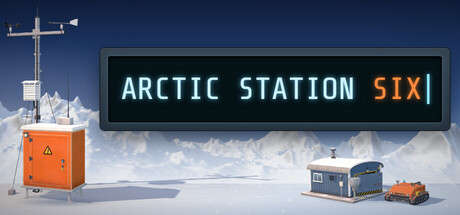 Arctic Station Six In-game content artaudiotext | Art and sound within the game and trailer were created with the help of AI tools. In-game text was edited with AI assistance. All puzzles were hand-designed by the developer. | Three Feet Games | - | Oct 12, 2026 | |
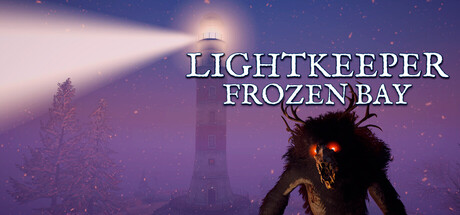 Lightkeeper: Frozen Bay In-game content art | One map artwork was created with generative AI and then edited by the developer. No other art, audio, text, or gameplay content uses AI. The game does not generate content during play. | Anton Antipov | - | Oct 10, 2026 | |
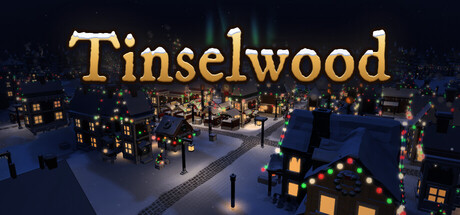 Tinselwood In-game content artaudiocode | Parts of Tinselwood were made with generative AI during development: its music and sound effects, its interface icons and store art, some of its set-piece models, and parts of its code. All of it was reviewed and reworked by hand, and nothing is generated while you play. | Clackety Rock LLC | - | Oct 9, 2026 | |
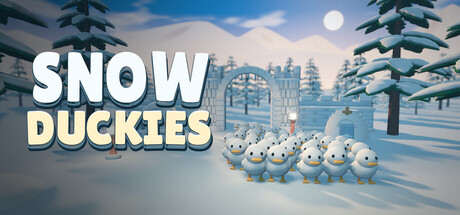 Snow Duckies In-game content audio | Generative AI was used to create music for the game and its promotional trailer. | Lost Games | - | Oct 9, 2026 | |
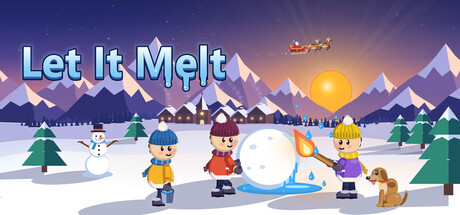 Let It Melt In-game content audiotextart | The game's music was created with AI tools. The translations of the game's text and of this store page into languages other than French were also made with the help of AI tools. All the game's visuals are drawn by code by the developer. | Osiris Atlas | - | Oct 9, 2026 | |
 Daylight Line In-game content artcode | Generative AI assisted with some programming and debugging during the development of Daylight Line. Some in-game visual assets, including battle status icons, were also created with the assistance of generative AI and then processed and integrated by the development team. The game does not generate AI content during gameplay. | Windquill | - | Oct 9, 2026 | |
 Retro Racers In-game content art | Generative AI was used to create some pre-rendered images displayed in the game’s menus and user interface. | Kavari Studio | - | Oct 8, 2026 | |
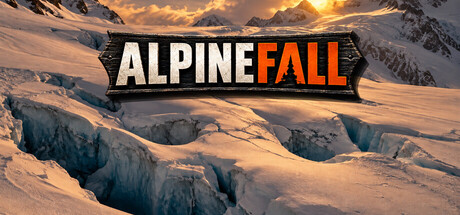 AlpineFall In-game content artaudiotext | Alpine Fall uses generative AI tools during development to assist with the creation of pre-generated visual, 3D, voice/audio, cinematic, and promotional content. All AI-assisted content is reviewed, curated, and integrated by the developer before inclusion in the game or its marketing materials. The game does not generate AI content during gameplay. | Su Games | - | Oct 7, 2026 | |
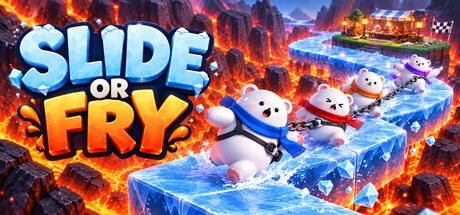 Slide or Fry In-game content artaudiotext | AI-assisted tools were used during development for selected artwork and audio, store page text, and localization. All content is included in the game or its promotional materials in a pre-generated form. No generative AI runs during gameplay, and the game does not connect to external AI services. | Ring Forge | - | Oct 6, 2026 | |
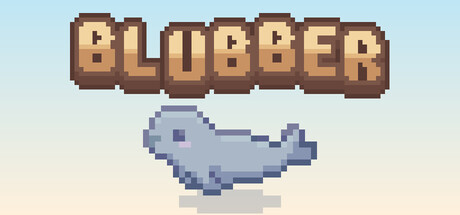 Blubber In-game content text | Translations of UI text | Crooked Hill Games | - | Oct 6, 2026 | |
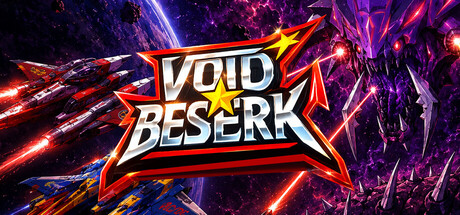 Void Beserk Store/marketing codeart | Regarding programming, this game was partially coded and translated using AI; however, AI is used only for marketing art. The game's international artwork is hand-drawn and vectorized based on unofficial rock band logos. | Okiam666 | - | Oct 6, 2026 | |
 The Last Hearth In-game content art | The in-game image, as well as the image on the Steam page, were generated using AI. | Last Hearth Games | - | Oct 4, 2026 | |
 Plow-A-Lot In-game content artaudiotextcode | This game was made by a solo developer with the help of generative AI tools. AI was used to create the store page images and videos, the in-game audio and visual assets, language translations, and the majority of the code. The game concept, design, and every gameplay decision are my own, and I reviewed and refined all AI-generated content. | Unity Gain, LLC | - | Oct 4, 2026 | |
 Build Christmas In-game content arttextaudio | Generative AI tools were used during development to create artwork, icons, 3D assets, written content, and trailer narration. This content is reviewed, refined, and integrated under the developer’s creative direction. The game does not generate AI content during gameplay. | Cozy Gridworks | - | Oct 3, 2026 | |
 Alaska Survival Store/marketing art | AI has been used to help develop the game's cover art. | Hard Shark Games | - | Oct 3, 2026 | |
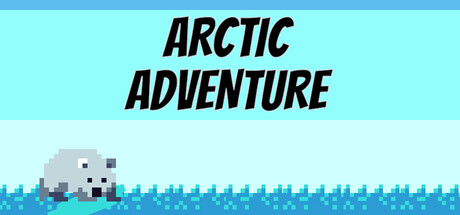 Arctic Adventure In-game content text | Generative AI was used only for localization. | the groundbird works | - | Oct 3, 2026 | |
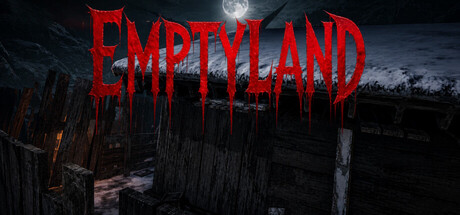 EMPTYLAND In-game content audio | Some voice audio in EMPTYLAND was created using generative artificial intelligence tools. AI-generated voices are used as part of the game's narrative and in-game audio experience. | GAMEPAGE | - | Oct 1, 2026 | |
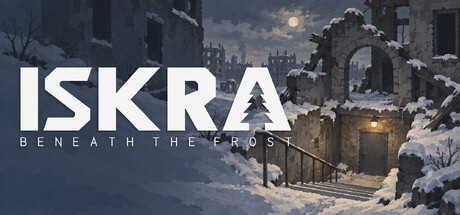 ISKRA: Beneath The Frost In-game content art | ISKRA currently includes AI-generated artwork prepared during development. We plan to replace this artwork with work created by human artists before leaving Early Access, giving the game the individual artistic identity we envision. | The Zioms Media | - | Sep 30, 2026 | |
 Ground Ops: Turnaround In-game content audio | Some audio assets and marketing materials were produced with generative AI tools. All gameplay, code and design are hand-authored. | Ailora Limited | - | Sep 28, 2026 | |
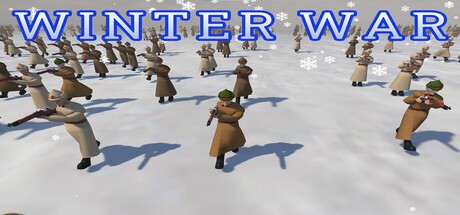 Winter War In-game content artaudio | One image in the game and some of the enemy voices were made using AI. | TK | - | Sep 28, 2026 | |
 Blocks vs. Monsters Store/marketing art | This game used generative AI for the game logo | Overflow Interactive | - | Sep 28, 2026 | |
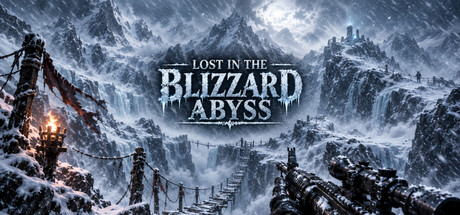 Lost in the Blizzard Abyss In-game content art | Pre-generated generative AI was used to create some 2D visual assets, including selected in-game sign textures and store/marketing artwork. No generative AI is used during gameplay. | RFK Immersive Spirit Works | - | Sep 27, 2026 | |
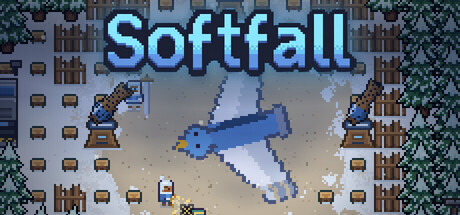 Softfall Dev only codeart | We use Claude Code, Fable, for coding procedurally generated assets for this game. | Softfall | - | Sep 24, 2026 | |
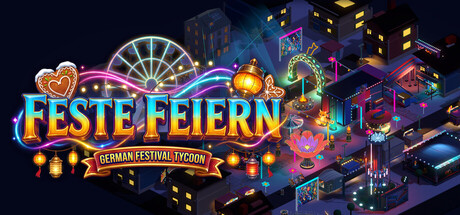 Feste Feiern: German Festival Tycoon In-game content artaudio | Generative AI was used during development to create pre-made content: concept and reference images, character sprites, textures and UI graphics (OpenAI image generation), the game logo (Google Gemini), some 3D model drafts (Tripo) and sound effects (ElevenLabs). All AI-generated material was selected, edited, modelled and integrated by the developer in Blender and Unity. The game does not generate any content with AI while you play and does not connect to AI services. | Jodelsoft | - | Sep 22, 2026 | |
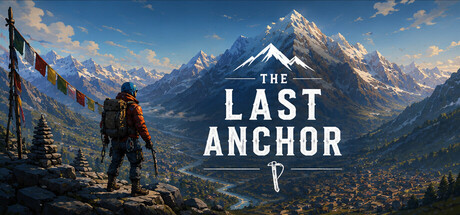 The Last Anchor In-game content artcode | Generative AI tools were used during development to assist with programming, concept development, and the creation or refinement of some visual assets. All AI-assisted content included in the game was reviewed, edited, and integrated by the developer. The game does not generate AI content during gameplay and does not connect to any external AI service. | Perceptum Robotics | - | Sep 22, 2026 | |
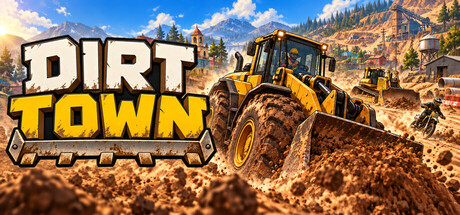 Dirt Town In-game content art | This game is using AI generated art for some parts of the store page and for some of the 3D-models in game | Skyturns | - | Sep 21, 2026 | |
 AVALANCHE Store/marketing art | Some store-page and marketing artwork for AVALANCHE was created or edited using generative AI. The game does not generate content during gameplay and does not connect to external AI services. | SGGame | - | Sep 19, 2026 | |
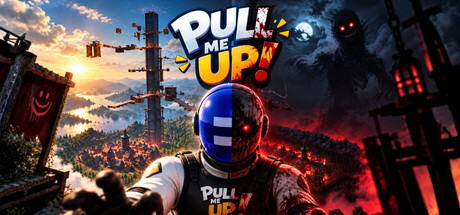 PullMeUp! In-game content arttext | Generative AI was used during the development of Pull Me Up! to create some pre-generated content, including artwork used on the Steam store page, certain UI artwork in the game, and some written store page content. All AI-generated content was reviewed and integrated by the developer as part of the final game and store presentation. | Murat Akin | - | Sep 13, 2026 | |
 Alone in the Blizzard Store/marketing art | AI has been used to help develop the game's cover art. | Hard Shark Games | - | Sep 9, 2026 | |
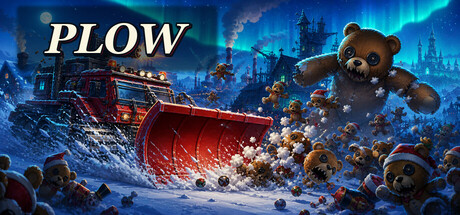 PLOW In-game content art | Generative AI was used to assist in creating all pre-rendered artwork, including environment backgrounds, menu and branding art, icons, and promotional/title-card images. These assets were reviewed and integrated by the developer. No content is generated during gameplay, and the game does not connect to external AI services. | Last Exit Diner | - | Sep 7, 2026 | |
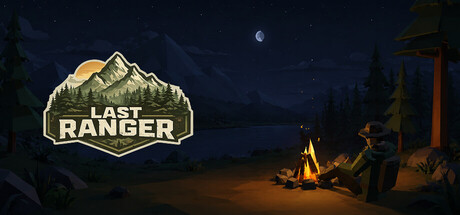 Last Ranger Store/marketing art | The Game Logo was inspired by AI, everything else is procedurally generated shapes through code. | Aspect Digital Software Ltd | - | Sep 6, 2026 | |
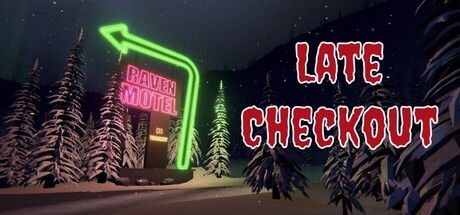 Late Checkout In-game content arttext | Some of the 2D art and textures in this game were created with the help of generative AI tools. Generative AI was also used to assist with writing and translating parts of the in-game text. All AI-assisted content was reviewed and edited by the developer before release. No content is generated by AI while you play. | Ninety Pines | - | Sep 4, 2026 | |
 ChameleonCraft MMO: Hide Your Piñatas! Store/marketing art | Generative AI tools were used in creating and refining promotional artwork and marketing assets for this game's Steam store page. The game does not use live-generated AI during gameplay. | LockStep Games | - | Sep 1, 2026 | |
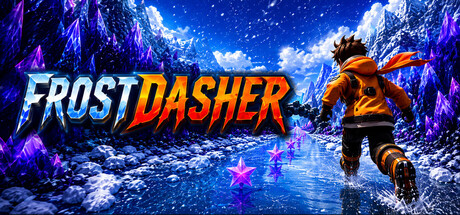 Frost Dasher Store/marketing art | Generative AI tools were used during development to assist in the creation of selected visual assets and promotional materials. All AI-assisted content was reviewed, edited, and integrated by the developer. The game does not generate AI content during gameplay and does not connect to external AI services while being played. | Red Radar Studio | - | Aug 31, 2026 | |
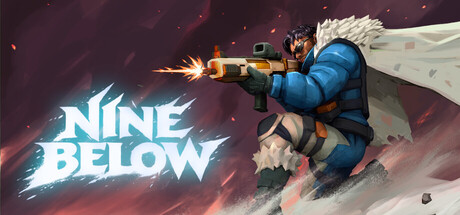 Nine Below In-game content art | Generative AI tools were used during development as part of the early creative and production process, including generating mood boards, visual references, and some base meshes.
These materials were used as starting points rather than finished game content. Any AI-assisted assets included in Nine Below were substantially reworked, modified, refined, and polished by hand before being included in the final game.
AI was used to support iteration and production, while the final game was designed, built, and finished by the developer. No AI-generated content is created during gameplay. | Griffe Studio | - | Aug 29, 2026 | |
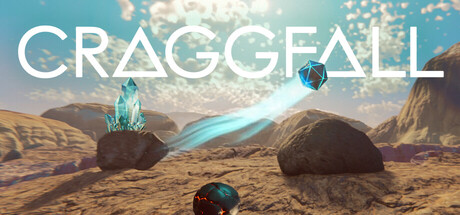 CRAGGFALL In-game content artcodeaudio | We are team of two with a design and development background. We have a combined decades experience shipping production-quality code and art. We use AI along with our other tools, like Blender, Substance, etc. to help us build our vision. We use AI in the early stage of concept development and prototyping, coding assistance, but everything that makes it in-game is hand-crafted and authored by us. The music is played by hand real instruments. All screen captures are 100% in-game with no alterations. | SynthForm Studios | - | Aug 28, 2026 | |
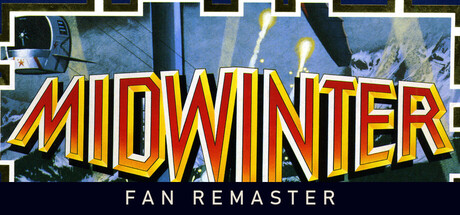 Midwinter Fan Remaster In-game content art | Character portrait artwork in the optional modern art mode was created using generative AI tools (ChatGPT) during development. All gameplay code, world design, systems, and the retro art mode are hand-made. | Titanium Helix Games | - | Aug 25, 2026 | |
 눈사람 뿌수기 In-game content audio | Some sound effects and some BGM were generated with AI. | ESE Studio | - | Aug 22, 2026 | |
 Powder Inc. Dev only code | - AI content is focused on code implementation, review, and optimization.
- Game currently contains no audio, when implemented audio will be human made.
- Graphics are parametrically (rules based) created and modified by humans. (No AI 3D model assets)
- All economic and management systems are developed by humans. | Whirlwind Consultants Inc. | - | Aug 20, 2026 | |
 Please Drive Faster Dev only | At Dual Horizon Games, generative AI was one tool used during development as part of a broader creative process led by our team. No AI-generated content is created during gameplay. | Dual Horizon Games | - | Aug 20, 2026 | |
 Snowed In Store/marketing art | Generative AI was used during development to create some concept art, early promotional images, certain 3D assets, and UI illustrations. All AI-generated content was reviewed, edited, and integrated by the developer. The game does not use AI-generated content during gameplay. | Eredzhepov Rustam | - | Aug 19, 2026 | |
 橘光吹雪——前传 In-game content art | Since this is just a prequel to the main story, we used AI to create most of the art so we could finish it quickly and move on to the main story. All the text and voice content were done without any AI involvement. | QUENCH | - | Aug 19, 2026 | |
 Grand Snow Rider In-game content audioarttext | Generative AI tools were used during development to assist with the creation of some voice-over content, images, and written content. All AI-assisted content was generated and reviewed by the developer before being included in the game or its promotional materials. No generative AI is used during gameplay. | DASH | - | Aug 16, 2026 | |
 Matchinko In-game content artaudiotextcode | Generative AI tools were used during development to create all visual artwork, sound effects, and music in Matchinko, including artwork used in store and marketing materials. AI tools also assisted with code, debugging, and drafts of some written content. All generated material was reviewed, selected, edited, tested, and integrated by the developer before inclusion. The game does not generate content using AI at runtime, connect to external AI services during play, or send player data to AI systems. | nitzan.games LLC | - | Aug 5, 2026 | |
 Ice Coast Revival In-game content textaudio | Ice Coast Revival is built by a small team working with AI tools. Some pre-made content that ships with the game, including in-game text and some audio, was created with generative AI and then human-reviewed. All of it is fixed at build time: the game does not generate content live with AI while you play. | Firn LLC | - | Aug 4, 2026 | |
 Snowed Under | 雪葬 Dev only | Used AI to generate concept ideas and take care of tedious tasks to speed up preproduction.
All assets, including store images and thumbnails, are NOT AI generated.
Images provided to us by Patron supporters may or may not have been created using artificial intelligence. | Chilla's Art | 154 | Jul 25, 2026 | |
 Pinebrook Ski Resort In-game content codetext | AI tools were used to assist development, including code, Chinese/Spanish localization text and store page copy. All AI-assisted content was reviewed and curated by the developer. The game does not generate any content with AI at runtime. | LB_Game | - | Jul 23, 2026 | |
 Nine Winters In-game content codetext | Every visual asset in the game is an open-source, licensed, open-source pixel icon, or a real in-game render. no AI image production. Some of the game codes were written with AI-assisted development tools under the direct supervision of the developer, and localization was human-inspired for all sentences after machine translation initials. There is no real-time AI creation in the game | KKIRI Studio | - | Jul 20, 2026 | |
 Lane Glitch In-game content text | The game's localization was done using AI. | Playactive Games | - | Jul 17, 2026 | |
 GearGrave In-game content art | We used generative AI tools to assist in creating in-game background illustrations. All AI-generated assets were pre-rendered during development and do not generate content in real-time. | 81MM | - | Jul 15, 2026 |


