





Disclosure
본 게임에는 AI로 사전 생성한 리소스가 포함되어 있습니다.
- Creator
- Reinfree
- Reviews
- -
- Added
- Nov 6, 2026
Public Steam disclosure research 27,221 disclosures tracked
Search developers’ Steam disclosures, compare classified AI use across games, and follow recorded changes. This index adds cross-game classifications and statistics to statements published on individual store pages.
Code help, debugging and other development work.
Capsule art, trailers and promotional material.
Pre-made art, audio, writing and other game assets.
Interactive or runtime AI features disclosed by the developer.
Groups reflect automatic analysis of public disclosures; mature records are excluded. These counts do not measure AI use across all of Steam. Missing or unclear statements cannot establish whether a game uses AI.
본 게임에는 AI로 사전 생성한 리소스가 포함되어 있습니다.
The character, enemy and background artwork, their animations, the icons and the music were created with generative AI tools (Google Gemini and Lyria), then selected, cleaned up, cut out and checked by hand. Sound effects are synthesized in code. The game's code and texts were written with the help of an AI assistant, under the direction of the developer who designed the game. No AI content is generated while you play.
The capsule images and some in game images were created with the help of AI tools, then manually edited and refined.
Glorybound was made with the help of generative AI tools during development. All 2D art (interface art, icons, portraits and store images) was created with AI image generation. The 3D models of the characters, monsters and bosses were generated with AI, then rigged, animated and adjusted by the developer. The music and sound effects were also generated with AI. Parts of the in-game and store text were written with AI assistance, and the Chinese, Russian, German and Spanish translations were made with AI. All AI content was created during development and checked by the developer. No AI is used while the game is running.
Scene modeling and localized text are generated using AI.
Generative AI is used in sprites, backgrounds and other visual assets.
No content is generated during gameplay. Visuals, voice lines, some SFX and scene drafts are made with generative tools, then reviewed for hours under the developer’s art direction and voice casting. Music is made exclusively by human composers. The story is built on a human-created lore, canon and novel. From there, the writing grows into two original versions, French and English. They can differ, because each language carries its own tone and context for me, the author. Sometimes the French scene is my original and allows me to be more poetic; sometimes the English one is. English is the more reviewed version. It is impossible for me to give you a rule about when I translated from one to the other and when I wrote a new original version. Some scenes still need a lot more work on tone, feeling and purpose before I would call them final. You will see this during Early Access, until the game is complete and my work is done. Editing is the main reason for Early Access: more than 600,000 words are written in each language. As an artist, I love writing and shaping Deborah Walker's story and I serve the vision that owns me. But if you want to know more, I also took the time to describe how current times are transforming our craft, a view still evolving, on our website.
Generative AI tools were used during development. Every AI output was hand-selected and edited by the developer before it went into the game: - Art: character portraits, title and interface art, maps, battlefield backgrounds and props, the source art for battlefield unit sprites, technique icons and ink-effect textures, story scene backdrops and full-screen backgrounds, base/camp backgrounds and the key art were generated with AI image tools, then hand-selected and edited (cropping, color grading, cleaning up garbled text and fake seals, touch-ups) before use. Unit walking and attack animations are generated procedurally from a bone rig. - Music: some background music was generated locally with the open-source AI music model ACE-Step 1.5, then selected, edited, mixed and looped by hand. - Text: story and dialogue were drafted with the help of AI writing tools and revised and finalized by the developer; the story is adapted from the classic Chinese novel Water Margin. English, Japanese and Korean translations were first drafted by AI, then reviewed and revised by hand. No content is generated by AI while the game is running. Sound effects come from CC0 public-domain libraries and were edited and layered by hand. Fonts are not AI-generated.
Some art was made with AI image tools and then edited by the team. The game does not generate any content with AI while you play.
Vantage Tactics is the result of years of work by a solo developer. The vast majority of art assets were purchased from several different artists. Generative AI has been used to generate art for the store page, some minor visual and sound effects, and to explore ideas and directions, and therefore has had some influence on the game design, marketing and style.
Generative AI tools were used during development to create some visual assets, including animal and enemy sprites, portraits, and map artwork. These assets are pre-generated; the game does not generate content using AI during gameplay.
Some visual assets in Arcane Campus were created with the assistance of generative AI tools, including character illustrations and interface elements, such as those used in the character creation and selection screens. These assets are produced during development and incorporated into the game.
Sea of Pirates uses generative AI tools in parts of its development. Some in-game assets, such as ship artwork and item icons, were created with AI image-generation tools under human direction and then reviewed and edited by the team. The game's translations into its supported languages were produced with AI assistance.
Some in-game screenshots were generated using AI.
Portions of the game's art assets were modified or generated using generative AI tools, then reviewed and refined by our team before use.
Our team designed the game and directed every part of it. AI tools helped us create the art, the story text and the translations, and we reviewed and edited all of it. The music was not made with AI, and nothing is generated by AI while you play.
The in-game text (Japanese and English), the store description and the code that procedurally draws the pixel art were created with the help of generative AI. No AI-generated images or audio are used. Nothing is generated by AI during gameplay.
Some of the game's content, including artwork, music, voices, and text, was created with the help of generative AI tools and reviewed by the developer. No AI content is generated during gameplay.
Dungeon Stage uses AI during play to create adventure narration, character dialogue and story details. The Steam edition defaults to a local language model selected for your PC. After its initial download, this model generates text on your computer without sending your prompts or adventure context to an external AI service. Players can use choose an external AI settings instead, using their own OpenAI, Anthropic (Claude) or Google Gemini API key, a supported account sign-in, or a compatible server. With an external provider selected, the text needed for a reply - including your input, relevant character and world information, recent dialogue and remembered adventure events - is sent directly from your PC to that provider. The developer does not receive these requests, your adventure data or your credentials. Provider privacy policies and usage terms apply, and any service charges are paid through your own account. API keys remembered by the game are encrypted by Windows and stored locally. You can switch back to local AI in Options. Optional AI voices use your chosen OpenAI, ElevenLabs or compatible speech service. When enabled, dialogue text and any voice instructions go directly to that service under its terms and billing. Voice services are separate from the local text model. The Steam edition applies built-in text filters to AI responses, with fantasy adventure content in mind. Some included character art, scene artwork and promotional images were created with generative AI before release. Live image generation is disabled in the Steam edition.
Generative AI was used for graphics, sounds, and some rules text. The story, characters, encounters and levels are made by hand, and every design decision is my own.
Our game uses AI only for auxiliary tasks: Generated individual illustrations for the user interface and loading screen. AI also helped create the game description for the store page. ⚠️ The gameplay, storyline, music, and mechanics are created manually and do not depend on AI.
NEUROSHIFT's characters, enemies, weapons and animations are original hand-made art. Some environment and interface artwork (such as station rooms, screen backdrops and supply crates) was created with AI image generation and then edited and integrated by the developer. Nothing is generated by AI while you play.
XETODUS includes pre-generated AI-assisted artwork and other visual content created during development, including promotional imagery.
Some of the artwork in Forge to Stars — including illustrations, backgrounds, character portraits, terrain art and promotional images — was created with the help of generative AI tools during development. All AI-assisted assets were reviewed, curated and edited by the developer to ensure quality and that they do not infringe third-party rights. The game does not generate any AI content in real time during play.
Starting in 2026, BullyBall Soccer uses AI in the following areas: • Artwork: AI is used to create and enhance Steam artwork. • Music: AI is used to generate additional in-game background music and songs. • Code: AI, primarily Claude Sonnet, is used extensively to co-author the game's C++ code. All AI-generated code is supervised, reviewed, tested and integrated by the developer.
Generative AI was used during development to create artwork, including monster illustrations, area backgrounds, icons and some visual assets. AI also assisted with some in-game text and lore. These assets were selected and integrated into the game during development.
Some voice lines and store capsule art were made with generative AI during development.
In-game text was proofread using an LLM-based correction system
The game uses AI technology to generate image elements.
Generative AI tools were used during development to assist with programming, bug fixes, and the creation of some in-game icons. However, the main characters, most of the skill/equipment icons, backgrounds, and world map illustrations were hand-drawn by my daughter, who was 13 years old at the time.
Some of the 2D artwork in For The Realm - including certain textures, icons, and illustrated assets - as well as some store page and marketing imagery, was created with the assistance of generative AI tools. These assets were used as a starting point and, in many cases, further edited and finished by hand before shipping. No content is generated by AI while you play. All AI-assisted assets are created ahead of time and ship as fixed files.
Docked Realms was made by a small team with generative AI tools as part of the production pipeline. Every AI-assisted asset was directed, selected, edited and approved by people. - Trailer. The Act I trailer is cut from short clips made with AI video generation models, built from our own character art. Its music was generated with Suno. Shot selection, editing, pacing and sound placement were done by the team. - Art. Hero and creature designs, portraits, and many of the icons and backgrounds were created with AI image generation models under art direction, then revised and selected by hand against the game's existing designs. - Sprite animation. In-game character animations were derived from AI-generated video (image-to-video from our character art). Frames were chosen, cut, cleaned and assembled into sprite sheets by the team. - Music and sound. The Act I music loops were generated with ACE-Step 1.5, a locally run model whose license allows commercial use, and some sound effects contain layers made with MOSS-SoundEffect v2.0 (Apache-2.0). These were combined with CC0 sound libraries and our own synthesis, then edited and mixed by the team. The menu music was made by hand, without AI. - Writing. Approximately half of the in-game text, including parts of the story, was first drafted with an AI language model and then edited by the team.
Zotenhold is designed and built by a solo developer. Every character and enemy is rigged, cleaned up and animated by hand, using licensed Mixamo and open-source animation, and the gameplay, systems, visual effects, and weapon and armor models are all our own work. The music and sound are [our own from my Music Youtube channel / licensed]. Generation tools were used to create 3D models and the item icons from our own concept art, which were then reworked and hand-picked for the game. Nothing in the game uses AI while you play, and it never connects to an AI service.
The script was generated by the production team of Obscure Chronicle of Dynastia (《后汉姬异录》) using CodeX, and is not the original script of Obscure Chronicle of Dynasty (《后汉稽异录》). Text configuration was completed by CodeX.
Store page uses ai generated art, we also used ai for concept art generation.
All of the game’s ideas, characters, stories and design are mine. English is not my first language, so I used AI tools to turn my writing into correct English, for both the game and this store page. The character voices and creature sounds were generated with ElevenLabs from my own scripts. I composed the music together with AI tools under my close direction: I set the style for every area and reviewed each track until it fit the game. Nothing in the game is generated by AI while you play.
Generate content for the game was pre-rendered For Images and Video.
AI used in project management, debugging, and coding. Some placeholder art is AI generated. All audio and music are original work.
Human Design & Direction Bone Bazaar was fully designed, directed, and written by a human developer, who created the overall art style, world-building, characters, and game mechanics. AI-Assisted Assets & Workflows Generative AI tools were used solely as an assistant during development for the following assets: Visual Assets: Used to assist in producing the initial pixel-art sprites and animation sheets. Every generated asset was hand-selected, adjusted, and polished by the developer. No Runtime Generation All assets are pre-rendered and finalized. Nothing in the game is generated dynamically while you play.
Generative AI was used to assist in creating some in-game artwork, UI icons, and promotional visual assets.
Some Splash Screen Art, Backgrounds and Music have been created with the help of AI.
Roads Taken was made by one developer working with an AI assistant (Anthropic's Claude). The assistant wrote most of the game's code under the developer's direction, including the code that draws the pixel art and composes the music, and it wrote the game's text together with the developer: the hand-written campaign, Wren's story, and the lines the generated stories are built from. Every part was directed, reviewed and chosen by the developer. The recorded instruments come from a freely licensed sound font.
The character art, character poses, battle backgrounds, item and interface icons, the 3D models used in the opening cutscene, the music and the sound effects were created with generative AI tools that we ran on our own computers. We wrote the prompts and designs, then reviewed, selected, corrected and edited every asset by hand: flawed results (extra hands, extra heads, wrong colours) were regenerated or fixed before anything went into the game. The fonts are human-made open-licence fonts, and the game design, characters, abilities and all written text are our own.
Some artwork and visual assets were created or assisted with generative AI tools during development. No generative AI runs during gameplay.
Generative AI tools were used throughout development, including in the creation of 3D models, artwork, sound assets, written content, localization, and store page and promotional materials.
During development, generative AI tools were used to create some character, background, branding, and promotional artwork, as well as sound effects, ambience, and music. AI tools also assisted with some interface text, achievement descriptions, and localization copy. This content is prepared during development and shipped as fixed assets and text; it is not generated live during gameplay.
Some of the visual art in Memories of Tacticians was made with generative AI tools: the title logo, main menu image, and each face of the 6 characters. We are replacing it with hand-made art over time. The characters, monsters and effects, the music and sound, animation, and all gameplay design, balance and code are made by people. No AI generates anything while you play.
All visuals, SFX, and music were created using AI. The imaginative aspect comes from humans.
This game was made using generative AI. Generative AI was used for card illustrations, backgrounds, character videos, music, the story and other text, translations, and promotional materials such as the store page and trailer. All of this content was created in advance; no content is generated by AI during gameplay.
This game uses generative AI in the creation of some visual elements, including character illustrations and backgrounds; all results were reviewed and retouched by hand. Voice audio is based on dubbing and recordings by real people, which were then converted or refined using generative AI.
| Title⇅ | Disclosure | Creator⇅ | Src | Reviews⇅ | Added↓ |
|---|---|---|---|---|---|
 The Silver Witch In-game content artaudiocodetext | 본 게임에는 AI로 사전 생성한 리소스가 포함되어 있습니다. | Reinfree | - | Nov 6, 2026 | |
 Vapeur & Rouages In-game content artaudiotextcode | The character, enemy and background artwork, their animations, the icons and the music were created with generative AI tools (Google Gemini and Lyria), then selected, cleaned up, cut out and checked by hand. Sound effects are synthesized in code. The game's code and texts were written with the help of an AI assistant, under the direction of the developer who designed the game. No AI content is generated while you play. | Dretz Studio | - | Nov 3, 2026 | |
 Tiny Legions In-game content art | The capsule images and some in game images were created with the help of AI tools, then manually edited and refined. | Elite Gorgon Games | - | Nov 3, 2026 | |
 Glorybound In-game content artaudiotext | Glorybound was made with the help of generative AI tools during development. All 2D art (interface art, icons, portraits and store images) was created with AI image generation. The 3D models of the characters, monsters and bosses were generated with AI, then rigged, animated and adjusted by the developer. The music and sound effects were also generated with AI. Parts of the in-game and store text were written with AI assistance, and the Chinese, Russian, German and Spanish translations were made with AI. All AI content was created during development and checked by the developer. No AI is used while the game is running. | Glorybound game | - | Nov 3, 2026 | |
 Pog Hero In-game content arttext | Scene modeling and localized text are generated using AI. | Reset Studio | - | Nov 3, 2026 | |
 Crestbound In-game content art | Generative AI is used in sprites, backgrounds and other visual assets. | Pudd Hogg Studios | - | Nov 3, 2026 | |
 Dead Week In-game content artaudiotext | No content is generated during gameplay.
Visuals, voice lines, some SFX and scene drafts are made with generative tools, then reviewed for hours under the developer’s art direction and voice casting.
Music is made exclusively by human composers.
The story is built on a human-created lore, canon and novel. From there, the writing grows into two original versions, French and English. They can differ, because each language carries its own tone and context for me, the author. Sometimes the French scene is my original and allows me to be more poetic; sometimes the English one is. English is the more reviewed version. It is impossible for me to give you a rule about when I translated from one to the other and when I wrote a new original version. Some scenes still need a lot more work on tone, feeling and purpose before I would call them final. You will see this during Early Access, until the game is complete and my work is done.
Editing is the main reason for Early Access: more than 600,000 words are written in each language.
As an artist, I love writing and shaping Deborah Walker's story and I serve the vision that owns me. But if you want to know more, I also took the time to describe how current times are transforming our craft, a view still evolving, on our website. | Elindos Phar | - | Nov 2, 2026 | |
 Water Margin: Rise of the Outlaws In-game content artaudiotext | Generative AI tools were used during development. Every AI output was hand-selected and edited by the developer before it went into the game:
- Art: character portraits, title and interface art, maps, battlefield backgrounds and props, the source art for battlefield unit sprites, technique icons and ink-effect textures, story scene backdrops and full-screen backgrounds, base/camp backgrounds and the key art were generated with AI image tools, then hand-selected and edited (cropping, color grading, cleaning up garbled text and fake seals, touch-ups) before use. Unit walking and attack animations are generated procedurally from a bone rig.
- Music: some background music was generated locally with the open-source AI music model ACE-Step 1.5, then selected, edited, mixed and looped by hand.
- Text: story and dialogue were drafted with the help of AI writing tools and revised and finalized by the developer; the story is adapted from the classic Chinese novel Water Margin. English, Japanese and Korean translations were first drafted by AI, then reviewed and revised by hand.
No content is generated by AI while the game is running. Sound effects come from CC0 public-domain libraries and were edited and layered by hand. Fonts are not AI-generated. | Net Kingkong Pte. Ltd. | - | Nov 2, 2026 | |
 Sigilbound In-game content art | Some art was made with AI image tools and then edited by the team. The game does not generate any content with AI while you play. | Broken Adventure | - | Oct 31, 2026 | |
 Vantage Tactics In-game content artaudio | Vantage Tactics is the result of years of work by a solo developer. The vast majority of art assets were purchased from several different artists. Generative AI has been used to generate art for the store page, some minor visual and sound effects, and to explore ideas and directions, and therefore has had some influence on the game design, marketing and style. | House Matzke | - | Oct 30, 2026 | |
 Wild Guard In-game content art | Generative AI tools were used during development to create some visual assets, including animal and enemy sprites, portraits, and map artwork. These assets are pre-generated; the game does not generate content using AI during gameplay. | SML | - | Oct 28, 2026 | |
 Arcane Campus In-game content art | Some visual assets in Arcane Campus were created with the assistance of generative AI tools, including character illustrations and interface elements, such as those used in the character creation and selection screens. These assets are produced during development and incorporated into the game. | SZK Studio | - | Oct 28, 2026 | |
 Sea of Pirates In-game content arttext | Sea of Pirates uses generative AI tools in parts of its development. Some in-game assets, such as ship artwork and item icons, were created with AI image-generation tools under human direction and then reviewed and edited by the team. The game's translations into its supported languages were produced with AI assistance. | Smug Tech | - | Oct 28, 2026 | |
 勇者の輪迴之旅 In-game content art | Some in-game screenshots were generated using AI. | Moyu Studio | - | Oct 28, 2026 | |
 斗匣(Pocket Battler) In-game content art | Portions of the game's art assets were modified or generated using generative AI tools, then reviewed and refined by our team before use. | BlueWind | - | Oct 25, 2026 | |
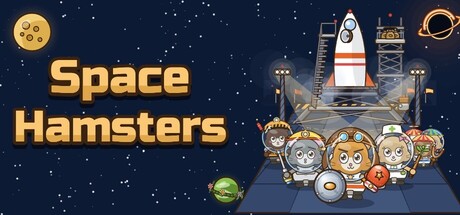 Space Hamsters In-game content arttext | Our team designed the game and directed every part of it. AI tools helped us create the art, the story text and the translations, and we reviewed and edited all of it. The music was not made with AI, and nothing is generated by AI while you play. | Sunspear Software LLC | - | Oct 24, 2026 | |
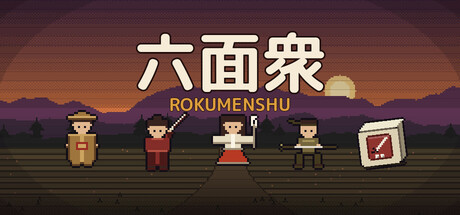 ROKUMENSHU In-game content textcode | The in-game text (Japanese and English), the store description and the code that procedurally draws the pixel art were created with the help of generative AI. No AI-generated images or audio are used. Nothing is generated by AI during gameplay. | Bayfront Software | - | Oct 24, 2026 | |
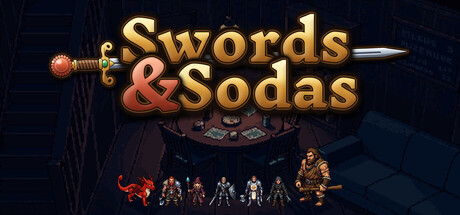 Swords & Sodas In-game content artaudiotext | Some of the game's content, including artwork, music, voices, and text, was created with the help of generative AI tools and reviewed by the developer. No AI content is generated during gameplay. | The Periodic Group | - | Oct 24, 2026 | |
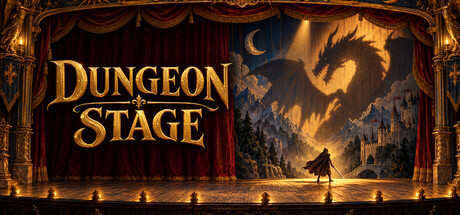 Dungeon Stage Live AI text | Dungeon Stage uses AI during play to create adventure narration, character dialogue and story details. The Steam edition defaults to a local language model selected for your PC. After its initial download, this model generates text on your computer without sending your prompts or adventure context to an external AI service.
Players can use choose an external AI settings instead, using their own OpenAI, Anthropic (Claude) or Google Gemini API key, a supported account sign-in, or a compatible server. With an external provider selected, the text needed for a reply - including your input, relevant character and world information, recent dialogue and remembered adventure events - is sent directly from your PC to that provider. The developer does not receive these requests, your adventure data or your credentials. Provider privacy policies and usage terms apply, and any service charges are paid through your own account. API keys remembered by the game are encrypted by Windows and stored locally. You can switch back to local AI in Options.
Optional AI voices use your chosen OpenAI, ElevenLabs or compatible speech service. When enabled, dialogue text and any voice instructions go directly to that service under its terms and billing. Voice services are separate from the local text model.
The Steam edition applies built-in text filters to AI responses, with fantasy adventure content in mind. Some included character art, scene artwork and promotional images were created with generative AI before release. Live image generation is disabled in the Steam edition. | Colette | - | Oct 24, 2026 | |
 The Shattered Isles In-game content artaudiotext | Generative AI was used for graphics, sounds, and some rules text. The story, characters, encounters and levels are made by hand, and every design decision is my own. | Lunatic Dice Games | - | Oct 23, 2026 | |
 FireBirds: Drone Simulator In-game content arttext | Our game uses AI only for auxiliary tasks:
Generated individual illustrations for the user interface and loading screen.
AI also helped create the game description for the store page.
⚠️ The gameplay, storyline, music, and mechanics are created manually and do not depend on AI. | FireBirds Studio | - | Oct 23, 2026 | |
 NEUROSHIFT In-game content art | NEUROSHIFT's characters, enemies, weapons and animations are original hand-made art. Some environment and interface artwork (such as station rooms, screen backdrops and supply crates) was created with AI image generation and then edited and integrated by the developer. Nothing is generated by AI while you play. | Iskra Games | - | Oct 22, 2026 | |
 Xetodus Store/marketing art | XETODUS includes pre-generated AI-assisted artwork and other visual content created during development, including promotional imagery. | Legend Games LLC | - | Oct 22, 2026 | |
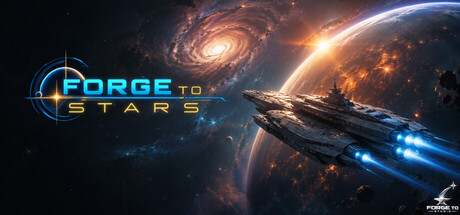 Forge to Stars In-game content art | Some of the artwork in Forge to Stars — including illustrations, backgrounds, character portraits, terrain art and promotional images — was created with the help of generative AI tools during development. All AI-assisted assets were reviewed, curated and edited by the developer to ensure quality and that they do not infringe third-party rights. The game does not generate any AI content in real time during play. | Forge To Studio | - | Oct 22, 2026 | |
 Bully Ball Soccer In-game content artaudiocode | Starting in 2026, BullyBall Soccer uses AI in the following areas:
• Artwork: AI is used to create and enhance Steam artwork.
• Music: AI is used to generate additional in-game background music and songs.
• Code: AI, primarily Claude Sonnet, is used extensively to co-author the game's C++ code. All AI-generated code is supervised, reviewed, tested and integrated by the developer. | Saiko14 | 22 | Oct 20, 2026 | |
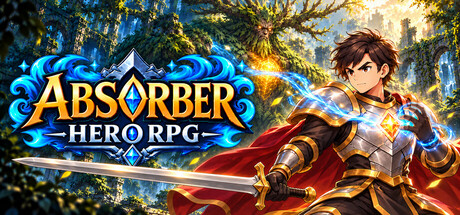 Absorber Hero RPG In-game content arttext | Generative AI was used during development to create artwork, including monster illustrations, area backgrounds, icons and some visual assets. AI also assisted with some in-game text and lore. These assets were selected and integrated into the game during development. | Phipsix | - | Oct 20, 2026 | |
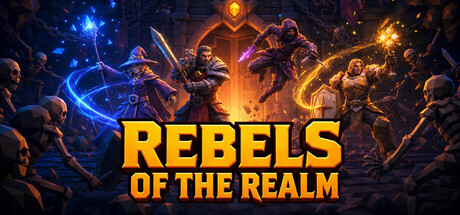 Rebels of the Realm In-game content audioart | Some voice lines and store capsule art were made with generative AI during development. | Green Gaming Studios | - | Oct 20, 2026 | |
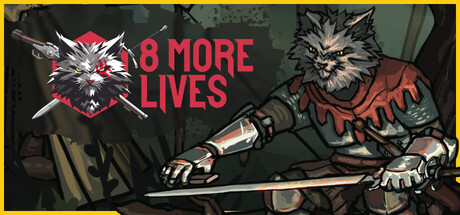 8 More Lives In-game content text | In-game text was proofread using an LLM-based correction system | Luden.io | - | Oct 20, 2026 | |
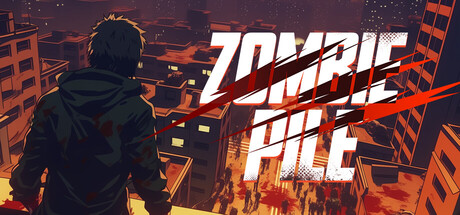 Zombie Pile Unclear art | The game uses AI technology to generate image elements. | Pixel Cattle Games | - | Oct 20, 2026 | |
 Incremental Epic Hero 2 In-game content artcode | Generative AI tools were used during development to assist with programming, bug fixes, and the creation of some in-game icons. However, the main characters, most of the skill/equipment icons, backgrounds, and world map illustrations were hand-drawn by my daughter, who was 13 years old at the time. | Hapiwaku | 1.7k | Oct 20, 2026 | |
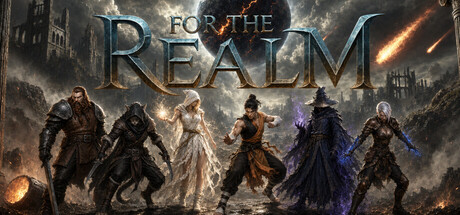 For The Realm In-game content art | Some of the 2D artwork in For The Realm - including certain textures, icons, and illustrated assets - as well as some store page and marketing imagery, was created with the assistance of generative AI tools. These assets were used as a starting point and, in many cases, further edited and finished by hand before shipping.
No content is generated by AI while you play. All AI-assisted assets are created ahead of time and ship as fixed files. | For The Realm Studios | - | Oct 19, 2026 | |
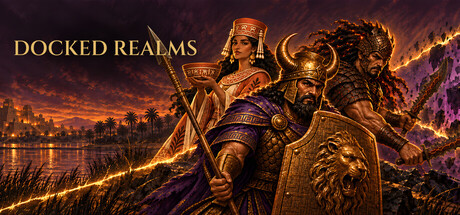 Docked Realms In-game content artaudiotext | Docked Realms was made by a small team with generative AI tools as part of the production pipeline. Every AI-assisted asset was directed, selected, edited and approved by people.
- Trailer. The Act I trailer is cut from short clips made with AI video generation models, built from our own character art. Its music was generated with Suno. Shot selection, editing, pacing and sound placement were done by the team.
- Art. Hero and creature designs, portraits, and many of the icons and backgrounds were created with AI image generation models under art direction, then revised and selected by hand against the game's existing designs.
- Sprite animation. In-game character animations were derived from AI-generated video (image-to-video from our character art). Frames were chosen, cut, cleaned and assembled into sprite sheets by the team.
- Music and sound. The Act I music loops were generated with ACE-Step 1.5, a locally run model whose license allows commercial use, and some sound effects contain layers made with MOSS-SoundEffect v2.0 (Apache-2.0). These were combined with CC0 sound libraries and our own synthesis, then edited and mixed by the team. The menu music was made by hand, without AI.
- Writing. Approximately half of the in-game text, including parts of the story, was first drafted with an AI language model and then edited by the team. | CA Studio | - | Oct 18, 2026 | |
 Zotenhold In-game content art | Zotenhold is designed and built by a solo developer. Every character and enemy is rigged, cleaned up and animated by hand, using licensed Mixamo and open-source animation, and the gameplay, systems, visual effects, and weapon and armor models are all our own work. The music and sound are [our own from my Music Youtube channel / licensed]. Generation tools were used to create 3D models and the item icons from our own concept art, which were then reworked and hand-picked for the game. Nothing in the game uses AI while you play, and it never connects to an AI service. | Jakob "Jake" Seilkop | - | Oct 18, 2026 | |
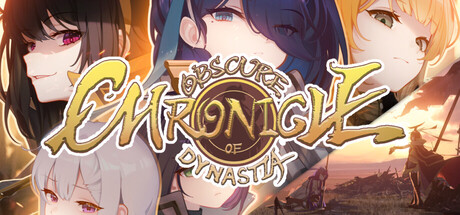 后汉姬异录 - Obscure Chronicle of Dynastia In-game content text | The script was generated by the production team of Obscure Chronicle of Dynastia (《后汉姬异录》) using CodeX, and is not the original script of Obscure Chronicle of Dynasty (《后汉稽异录》). Text configuration was completed by CodeX. | PotS | - | Oct 18, 2026 | |
 Lunar Wardens Store/marketing art | Store page uses ai generated art, we also used ai for concept art generation. | MrCheatCode | - | Oct 18, 2026 | |
 Honor, Power & SHLANKs In-game content textaudio | All of the game’s ideas, characters, stories and design are mine. English is not my first language, so I used AI tools to turn my writing into correct English, for both the game and this store page. The character voices and creature sounds were generated with ElevenLabs from my own scripts. I composed the music together with AI tools under my close direction: I set the style for every area and reviewed each track until it fit the game. Nothing in the game is generated by AI while you play. | DuckbearLab LTD | - | Oct 18, 2026 | |
 HowlBound Dev only art | Generate content for the game was pre-rendered For Images and Video. | Royal Rabbit Games | - | Oct 18, 2026 | |
 Adventures Online In-game content artcode | AI used in project management, debugging, and coding. Some placeholder art is AI generated. All audio and music are original work. | Adventures Online LLC | - | Oct 17, 2026 | |
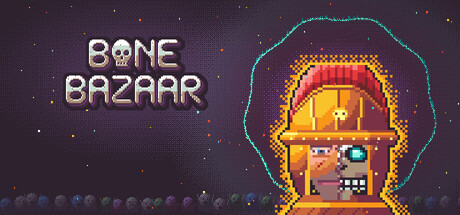 Bone Bazaar In-game content art | Human Design & Direction
Bone Bazaar was fully designed, directed, and written by a human developer, who created the overall art style, world-building, characters, and game mechanics.
AI-Assisted Assets & Workflows
Generative AI tools were used solely as an assistant during development for the following assets:
Visual Assets: Used to assist in producing the initial pixel-art sprites and animation sheets. Every generated asset was hand-selected, adjusted, and polished by the developer.
No Runtime Generation
All assets are pre-rendered and finalized. Nothing in the game is generated dynamically while you play. | Broken Baron | - | Oct 17, 2026 | |
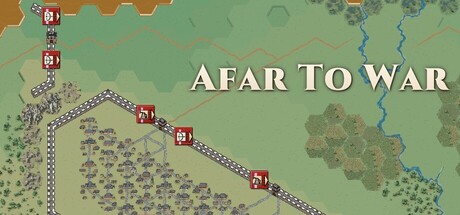 戎机 (Afar To War) In-game content art | Generative AI was used to assist in creating some in-game artwork, UI icons, and promotional visual assets. | L&S Studio | - | Oct 16, 2026 | |
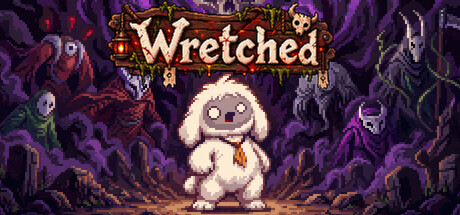 Wretched In-game content artaudio | Some Splash Screen Art, Backgrounds and Music have been created with the help of AI. | Spellcraft Publishing | - | Oct 16, 2026 | |
 Roads Taken In-game content artaudiotextcode | Roads Taken was made by one developer working with an AI assistant (Anthropic's Claude). The assistant wrote most of the game's code under the developer's direction, including the code that draws the pixel art and composes the music, and it wrote the game's text together with the developer: the hand-written campaign, Wren's story, and the lines the generated stories are built from. Every part was directed, reviewed and chosen by the developer. The recorded instruments come from a freely licensed sound font. | PetRem Labs | - | Oct 15, 2026 | |
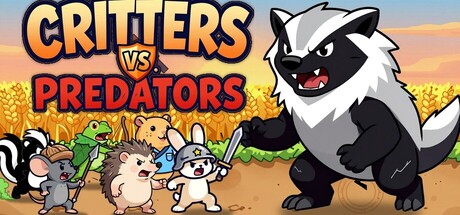 Critters Vs. Predators In-game content artaudiotext | The character art, character poses, battle backgrounds, item and interface icons, the 3D models used in the opening cutscene, the music and the sound effects were created with generative AI tools that we ran on our own computers. We wrote the prompts and designs, then reviewed, selected, corrected and edited every asset by hand: flawed results (extra hands, extra heads, wrong colours) were regenerated or fixed before anything went into the game. The fonts are human-made open-licence fonts, and the game design, characters, abilities and all written text are our own. | Lerk Interactive | - | Oct 15, 2026 | |
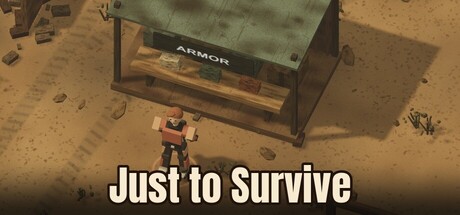 Just to Survive Dev only art | Some artwork and visual assets were created or assisted with generative AI tools during development. No generative AI runs during gameplay. | Magicka.Games | - | Oct 15, 2026 | |
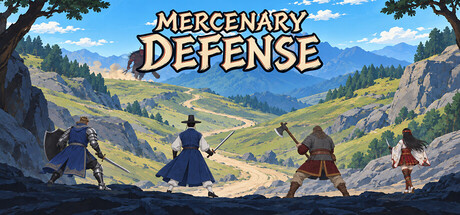 MercenaryDefense In-game content artaudiotext | Generative AI tools were used throughout development, including in the creation of 3D models, artwork, sound assets, written content, localization, and store page and promotional materials. | 늑북 | - | Oct 15, 2026 | |
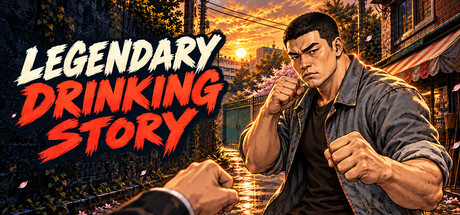 Legendary Drinking Story In-game content artaudiotext | During development, generative AI tools were used to create some character, background, branding, and promotional artwork, as well as sound effects, ambience, and music. AI tools also assisted with some interface text, achievement descriptions, and localization copy. This content is prepared during development and shipped as fixed assets and text; it is not generated live during gameplay. | Godwish Games | - | Oct 15, 2026 | |
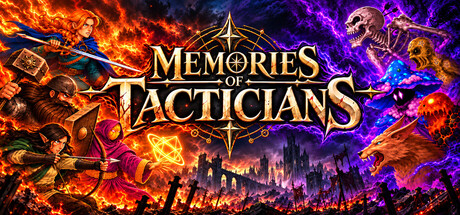 Memories Of Tacticians In-game content art | Some of the visual art in Memories of Tacticians was made with generative AI tools: the title logo, main menu image, and each face of the 6 characters. We are replacing it with hand-made art over time. The characters, monsters and effects, the music and sound, animation, and all gameplay design, balance and code are made by people. No AI generates anything while you play. | YouGo Games | - | Oct 14, 2026 | |
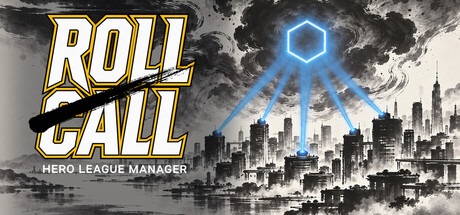 Roll Call: Hero League Manager In-game content artaudio | All visuals, SFX, and music were created using AI. The imaginative aspect comes from humans. | Arada Games | - | Oct 12, 2026 | |
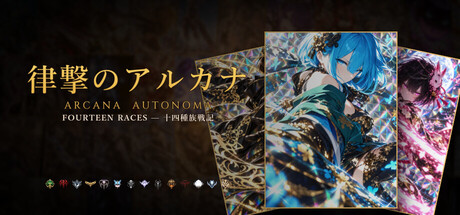 Arcana Autonoma: Fourteen Races In-game content artaudiotext | This game was made using generative AI. Generative AI was used for card illustrations, backgrounds, character videos, music, the story and other text, translations, and promotional materials such as the store page and trailer. All of this content was created in advance; no content is generated by AI during gameplay. | ShadeLurk | - | Oct 12, 2026 | |
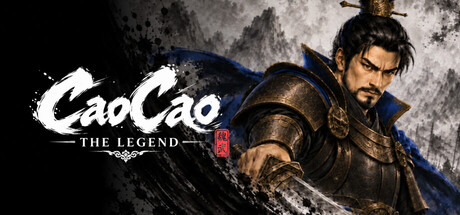 Cao Cao the Legend In-game content artaudio | This game uses generative AI in the creation of some visual elements, including character illustrations and backgrounds; all results were reviewed and retouched by hand. Voice audio is based on dubbing and recordings by real people, which were then converted or refined using generative AI. | MaengLab | - | Oct 12, 2026 |


