







Disclosure
Some in-game posters and signs, the splash screen, and parts of the text and translation were made with the help of generative AI and then edited by hand.
- Creator
- homemadevoxel
- Reviews
- -
- Added
- Oct 12, 2026
Public Steam disclosure research 25,376 disclosures tracked
Search developers’ Steam disclosures, compare classified AI use across games, and follow recorded changes. This index adds cross-game classifications and statistics to statements published on individual store pages.
Code help, debugging and other development work.
Capsule art, trailers and promotional material.
Pre-made art, audio, writing and other game assets.
Interactive or runtime AI features disclosed by the developer.
Groups reflect automatic analysis of public disclosures; mature records are excluded. These counts do not measure AI use across all of Steam. Missing or unclear statements cannot establish whether a game uses AI.
Some in-game posters and signs, the splash screen, and parts of the text and translation were made with the help of generative AI and then edited by hand.
Some 2D artwork in the game, such as backgrounds, decoration items and illustrations, was made with the help of generative AI image tools and then edited and adjusted by the developer. Some in-game text translations were also produced with AI assistance. All sound and music are created by the game’s own code. No content is generated by AI while you play.
The music was created with Suno and the logo lettering with an AI image tool (DeeVid); both were edited and are fixed assets in the game. The tutorial voice is text-to-speech. Nothing is generated while the game runs.
Generative AI tools were used to create music and visual artwork, including store and promotional images. These assets were generated before release and selected by the developer. No AI content is generated during gameplay.
During the development process, generative AI tools were utilized to assist in creating and refining our audiovisual assets
OpenAI's ChatGPT and Codex, including image-generation tools accessed through them, were used during the development of Zompioland. AI-assisted work includes programming and development scripts, code used to construct procedural 3D models and visual effects, interface elements, localization, and written in-game text. AI assistance was also used to create and prepare pre-generated Steam marketing materials, including capsule and library artwork, header graphics, the game logo, store-page text, and the trailer's planning, titles, and editing. The trailer's gameplay footage was captured from the actual game. Steam gameplay screenshots are direct captures of the game, while AI-assisted promotional artwork is presented as store graphics rather than gameplay screenshots. The developer reviewed, edited, tested, and integrated the AI-assisted work. Some models and effects are assembled while the game runs by conventional game code; this is not live generative AI. Zompioland does not connect to a generative AI service or use a generative AI model to create new content during gameplay.
Some in-game text (event and dilemma card writing, UI copy) and the store description were drafted with AI assistance and then reviewed and edited by the developer. The game's non-English translations (French, Italian, German, Spanish, Portuguese-Brazil, Polish, Ukrainian, Japanese) were AI-translated drafts and are being reviewed. No AI generates content while the game is running, and the game makes no network calls to AI services. The logo/key art was created with AI image tools and edited by the developer
Runemoor was made by a small independent team with the help of generative AI tools. Every AI output was directed, reviewed, edited and integrated by the developer, and checked to keep all designs original. No AI content is generated while you play. - 3D characters: the champion models, their weapons and props were generated with Meshy (image-to-3D), including its auto-rigging and animation clips, then cleaned up and integrated by hand and with our own scripts. - 2D art: concept art, key art and store artwork, the logo and app icon, UI artwork and backgrounds, item and spell icons, and material and terrain textures were generated with an OpenAI image model, then selected, post-processed and composited. - Environment: the map, buildings, rocks and plants are built by our own procedural modeling scripts (no AI model generates the geometry) and use the AI-generated textures listed above. - Voice: the match announcer voice lines are AI-generated speech (Google Gemini text-to-speech). - Music (trailer): the music of the store trailer was generated with Google Lyria and carries Google's inaudible SynthID watermark. The in-game music is not AI-generated: it is synthesized procedurally by our own audio code. - Sound effects and ambience: not AI-generated. They are synthesized procedurally by our own audio code.
The game is made by a single developer, with help from two friends. I used generative AI for some of the artwork (backgrounds, portraits, icons, book covers, record sleeves, skies) and for some of the music, selecting, editing and integrating every asset by hand. 3D models were bought from their creators, taken from free libraries or made in Blender, and sound effects come from free sound libraries: all authors are credited in the game.
Some content in this game and its store materials was created with the help of generative AI: - Sound effects and background music were generated with Stable Audio (Stability AI) and edited by the developer. - The trailer narration was generated with ElevenLabs. - The store capsule artwork was created with Google's image-generation AI (Nano Banana) and finished by hand. Cat vocalizations (meows, purrs, hisses) are real recordings, not AI-generated. The game does not generate any content with AI during gameplay.
Generative AI was used to create some of the game's content. The illustrations and the characters (character designs and artwork and models) were created with the help of generative AI tools, then selected, edited and integrated by the developer. Some English localization text (UI and character descriptions) and the store page description were also drafted with an AI assistant and reviewed and edited by the developer. The game does not generate any content with AI while it is running.
Character, enemy, and terrain sprites and the key art were produced with AI image tools from our own concept art and style references, then selected, corrected, and composited by hand. All game rules, code, writing, board layout, and interface art are made by the developer without generative AI at runtime. The game does not generate content with AI while you play.
The game's interface translations were made with AI translation tools, and AI tools helped draft some store page text. The game's art, animation, audio and gameplay were not made with generative AI, and no AI content is generated while you play.
AI tools were used only to assist with code and with English, Simplified Chinese and Japanese translations. No artwork, animation or audio uses generative AI, and no AI content is generated during gameplay.
Generative AI tools were used in the development of some visual assets, primarily to help enhance and upscale textures and create additional variations. All assets were reviewed and integrated by the development team as part of the game's art pipeline.
The Steam store page artwork (capsule, header, hero, logo and icon images) was created with the help of a generative AI image tool, using our own prompts and art direction. This artwork is used on the store page only and is not part of the game itself. Screenshots and trailer footage are real in-engine captures. The game itself contains no AI-generated art, audio, voice or text, and it does not use generative AI while you play.
Generative AI was used during development to create the galaxy illustration displayed in the game’s galaxy-map interface and menus, as well as promotional artwork used for Steam capsule and library images. Trailer production uses AI-generated music and selected transition sound effects. These materials are generated during development, rather than during gameplay. The game does not offer player-facing live AI content generation.
Generative AI tools were used extensively throughout development. Most of the game's visual content, user interface, written text, audio, narrative and localization, and program code were created with the assistance of generative AI, then selected, edited, integrated, and refined by the developer. Generative AI is used only during development. The game does not connect to AI services or generate content in real time during gameplay.
Generative AI was used during development to create some character models and visual assets, promotional artwork, and to assist with text and localization. These assets are prepared in advance and included with the game or its store and marketing materials. No AI-generated content is created during gameplay, and the game does not connect to external generative AI services.
Sound effects and voice-overs were created using generative AI tools.
The title logo was generated with an AI image tool and then cropped and resized by the developer. The store capsule artwork (the key art behind the logo) was generated with an AI image tool from text prompts only, then cropped and resized by the developer. The in-game text in every language except English and Japanese is machine-translated with an AI language model from the developer's English and Japanese text, and has not yet been reviewed by native speakers. Some English and Japanese interface text and the English and Japanese store description were drafted with an AI writing assistant and then reviewed and edited by the developer. The store description in the other languages is translated with an AI language model. The majority of the code and the design was written by AI coding agents (Claude and Codex) under the developer's direction and review. The in-game characters, items, maps, effects, music, sound effects and fonts are mostly purchased or licensed assets. The exceptions are 8 equipment icons, the slash and healing effects, the spectators in the stands, the crowd cheers and the app icon, which were drawn or synthesized by programs written by AI coding agents (no image or audio generation model was used). The cutting out, combining, recoloring and touching up of the purchased assets, and the shapes and light effects the game draws on screen during matches, are also done by programs written by AI.
Generative AI was used during development to create images, music, and in-game text.
Some of the game's text (menus, hints, minigame descriptions and translations) and the copy on this store page were written with the help of an AI language model. The game does not use AI to create anything while you play.
Generative AI tools were used to create promotional artwork for the Steam store and to assist with in-game localization. The game does not generate AI content during gameplay. Gameplay screenshots and gameplay footage were captured in the game.
Generative AI tools were used to assist with drafting and refining the Steam store page description for Ignite: The Ritual. No generative AI content is used as an in-game asset or generated during gameplay.
Some 3D models, textures and sound effects were created with the help of generative AI tools and then edited, cleaned up and finished by hand by our team. Some store page and marketing artwork was also created with generative AI tools. All AI-assisted content was reviewed by the developers before being included. The game does not generate any content with AI while you play.
Generative AI tools were used during development to help create [name the specific assets, such as textures, character animations, or sound effects]. These assets are included as fixed content. The game does not generate AI content during gameplay.
It has been used in the page visuals and logo.
This game includes pre-generated visual and auditory assets created with the assistance of generative AI. These assets have been reviewed, edited, and integrated by the development team. The game does not use generative AI to create content while players are playing.
AI tools were used during development to help write the game's code (including the scripts that procedurally generate its sound effects and store art), to compose the soundtrack (melodies and arrangements written with AI assistance, rendered from our own scripts and an MIT-licensed instrument bank) and to translate its text into 10 languages. Game design, balance and visual direction are the developer's own, and all AI-assisted work was reviewed before being included. The game does not generate any AI content while you play.
Punk Dog Wars uses AI-assisted tools during development. Character, effect and environment art, the music, and the announcer and dog voices were generated with AI models and then selected, composited and edited by our team. The store art was made the same way. No content is generated while you play.
Generative AI tools were used during development to create selected visual assets and music. All generated content was reviewed, selected, edited where necessary, and integrated by the developer.
Generative image generation was used to create the PANIC POST logo. The game includes this pre-generated logo and icon artwork derived from it.
2D concepts and art have been partially implemented.
Generative AI tools were used during development to assist with the creation of certain 2D visual assets, animations and sound effects. AI tools were also used as development assistance for programming and implementation. All generated content was reviewed and curated by the developer before inclusion in the final game.
Generative AI was used to assist with writing and translating in-game text and Steam store page descriptions. It was not used to generate artwork, music, sound effects, voice acting, or promotional visuals.
Generative AI was used as a development aid for selected content and assets. All final content was reviewed by the developer.
Some content in this game was created with the help of generative AI during development. - Drafts of in-game text such as news articles, interviews and guidance messages - Translations into languages other than Korean - Some graphic elements, such as karts and maps
AI-assisted tools were used during development for selected artwork and audio, store page text, and localization. All content is included in the game or its promotional materials in a pre-generated form. No generative AI runs during gameplay, and the game does not connect to external AI services.
Generative AI tools were used as part of the development of Warstead to support the creation of visual content, sound effects, and video content such as trailers, helping to speed up the development process.
MARCO is made by a solo developer. Its characters, core concepts, and art direction are my original work. I used AI tools, guided by my own artwork and creative direction, to help create additional 3D models, props, textures, concept art, and some store-page and marketing images. I reviewed, selected, and refined these assets to fit MARCO’s style before including them. No content is generated by AI during gameplay. As a solo developer with limited time and resources, these tools helped me turn a game I’d imagined for years into something people can actually play.
Generative AI tools were used during development to assist with the creation and editing of some text content and graphical materials used in the game and its related assets.
Some visual assets were created with the help of generative AI and then edited by the developer. A few sprite animations (doors opening, the ghost, the dynamite fuse and explosion, the turret turning) were generated with PixelLab from our own hand-made sprites, and some store artwork was made with AI image tools. Parts of the in-game text were written with AI assistance and reviewed by the developer. The game does not generate any content with AI while you play.
As a solo developer, I’ve used AI to generate initial beta translations for the UI and text to help bring the game to more regions.
Current development builds include one AI-generated splash-screen image and a small number of prerecorded soldier voice lines created using generative AI. No content is generated by AI during gameplay.
Some game assets were created using AI generative tools. AI-generated visual assets were subsequently painted over, edited, and composited manually by the developer in Photoshop/Photopea. AI was also used to assist with localized text translations.
Created background and logo AI.
Only the game capsule is generated by generative artificial intelligence.
Generative AI was used to help create some of the promotional artwork and marketing images displayed on Station 12’s Steam store page. These images are promotional illustrations and are a good representation of the in-game visuals.
Some character portraits, club scene illustrations, and store artwork were created with generative AI and selected or edited for Matchday. The game does not generate content during play.
| Title⇅ | Disclosure | Creator⇅ | Src | Reviews⇅ | Added↓ |
|---|---|---|---|---|---|
 LIFT In-game content arttext | Some in-game posters and signs, the splash screen, and parts of the text and translation were made with the help of generative AI and then edited by hand. | homemadevoxel | - | Oct 12, 2026 | |
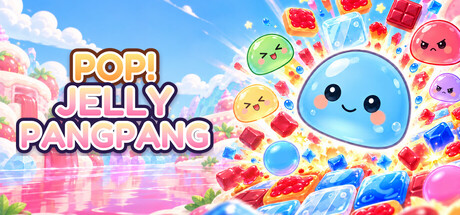 Pop! Jelly PangPang In-game content arttext | Some 2D artwork in the game, such as backgrounds, decoration items and illustrations, was made with the help of generative AI image tools and then edited and adjusted by the developer. Some in-game text translations were also produced with AI assistance. All sound and music are created by the game’s own code. No content is generated by AI while you play. | Jelly PangPang | - | Oct 12, 2026 | |
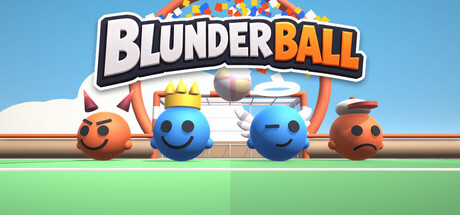 Blunderball In-game content audioart | The music was created with Suno and the logo lettering with an AI image tool (DeeVid); both were edited and are fixed assets in the game. The tutorial voice is text-to-speech. Nothing is generated while the game runs. | Foulplay | - | Oct 12, 2026 | |
 Autonomous System Zero In-game content artaudio | Generative AI tools were used to create music and visual artwork, including store and promotional images. These assets were generated before release and selected by the developer. No AI content is generated during gameplay. | OneManSprint | - | Oct 12, 2026 | |
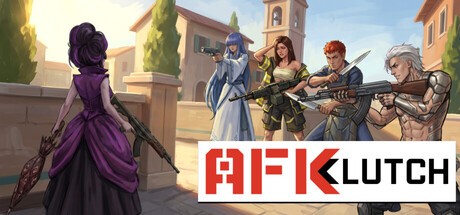 AFKlutch Unclear artaudio | During the development process, generative AI tools were utilized to assist in creating and refining our audiovisual assets | Nrujinzo | - | Oct 12, 2026 | |
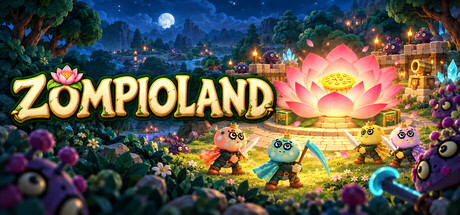 Zompioland In-game content arttextcode | OpenAI's ChatGPT and Codex, including image-generation tools accessed through them, were used during the development of Zompioland. AI-assisted work includes programming and development scripts, code used to construct procedural 3D models and visual effects, interface elements, localization, and written in-game text.
AI assistance was also used to create and prepare pre-generated Steam marketing materials, including capsule and library artwork, header graphics, the game logo, store-page text, and the trailer's planning, titles, and editing. The trailer's gameplay footage was captured from the actual game. Steam gameplay screenshots are direct captures of the game, while AI-assisted promotional artwork is presented as store graphics rather than gameplay screenshots.
The developer reviewed, edited, tested, and integrated the AI-assisted work. Some models and effects are assembled while the game runs by conventional game code; this is not live generative AI. Zompioland does not connect to a generative AI service or use a generative AI model to create new content during gameplay. | Vebane Studios | - | Oct 12, 2026 | |
 8-Bit Buhurt: Combat Club In-game content textart | Some in-game text (event and dilemma card writing, UI copy) and the store description were drafted with AI assistance and then reviewed and edited by the developer. The game's non-English translations (French, Italian, German, Spanish, Portuguese-Brazil, Polish, Ukrainian, Japanese) were AI-translated drafts and are being reviewed. No AI generates content while the game is running, and the game makes no network calls to AI services. The logo/key art was created with AI image tools and edited by the developer | Bonkworks Studios, LLC | - | Oct 12, 2026 | |
 Runemoor In-game content artaudiotext | Runemoor was made by a small independent team with the help of generative AI tools. Every AI output was directed, reviewed, edited and integrated by the developer, and checked to keep all designs original. No AI content is generated while you play.
- 3D characters: the champion models, their weapons and props were generated with Meshy (image-to-3D), including its auto-rigging and animation clips, then cleaned up and integrated by hand and with our own scripts.
- 2D art: concept art, key art and store artwork, the logo and app icon, UI artwork and backgrounds, item and spell icons, and material and terrain textures were generated with an OpenAI image model, then selected, post-processed and composited.
- Environment: the map, buildings, rocks and plants are built by our own procedural modeling scripts (no AI model generates the geometry) and use the AI-generated textures listed above.
- Voice: the match announcer voice lines are AI-generated speech (Google Gemini text-to-speech).
- Music (trailer): the music of the store trailer was generated with Google Lyria and carries Google's inaudible SynthID watermark. The in-game music is not AI-generated: it is synthesized procedurally by our own audio code.
- Sound effects and ambience: not AI-generated. They are synthesized procedurally by our own audio code. | Runemoor | - | Oct 10, 2026 | |
 Swish and Flick: Tidy Up Together In-game content artaudio | The game is made by a single developer, with help from two friends. I used generative AI for some of the artwork (backgrounds, portraits, icons, book covers, record sleeves, skies) and for some of the music, selecting, editing and integrating every asset by hand. 3D models were bought from their creators, taken from free libraries or made in Blender, and sound effects come from free sound libraries: all authors are credited in the game. | Sylvanus | - | Oct 10, 2026 | |
 Billiard Cat In-game content audioart | Some content in this game and its store materials was created with the help of generative AI:
- Sound effects and background music were generated with Stable Audio (Stability AI) and edited by the developer.
- The trailer narration was generated with ElevenLabs.
- The store capsule artwork was created with Google's image-generation AI (Nano Banana) and finished by hand.
Cat vocalizations (meows, purrs, hisses) are real recordings, not AI-generated. The game does not generate any content with AI during gameplay. | YOIAO | - | Oct 10, 2026 | |
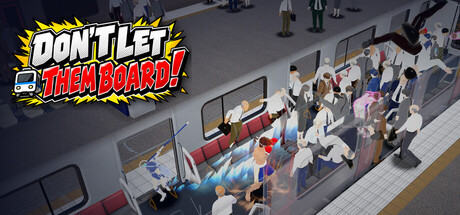 DON'T LET THEM BOARD! In-game content arttext | Generative AI was used to create some of the game's content. The illustrations and the characters (character designs and artwork and models) were created with the help of generative AI tools, then selected, edited and integrated by the developer. Some English localization text (UI and character descriptions) and the store page description were also drafted with an AI assistant and reviewed and edited by the developer. The game does not generate any content with AI while it is running. | Nakaday | - | Oct 10, 2026 | |
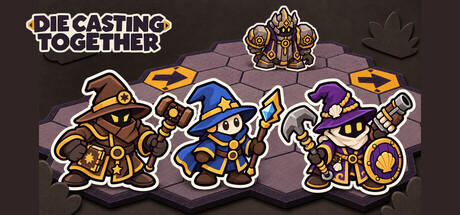 Die Casting Together In-game content art | Character, enemy, and terrain sprites and the key art were produced with AI image tools from our own concept art and style references, then selected, corrected, and composited by hand. All game rules, code, writing, board layout, and interface art are made by the developer without generative AI at runtime. The game does not generate content with AI while you play. | KANTH Games | - | Oct 10, 2026 | |
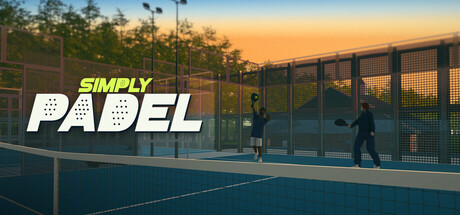 Simply Padel In-game content text | The game's interface translations were made with AI translation tools, and AI tools helped draft some store page text. The game's art, animation, audio and gameplay were not made with generative AI, and no AI content is generated while you play. | Avzilabs | - | Oct 10, 2026 | |
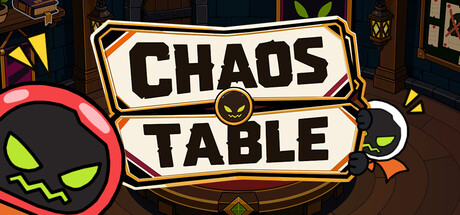 Chaos Table In-game content text | AI tools were used only to assist with code and with English, Simplified Chinese and Japanese translations. No artwork, animation or audio uses generative AI, and no AI content is generated during gameplay. | Viberzix's Lab | - | Oct 10, 2026 | |
 Mightmancer In-game content art | Generative AI tools were used in the development of some visual assets, primarily to help enhance and upscale textures and create additional variations. All assets were reviewed and integrated by the development team as part of the game's art pipeline. | Haphazardly | - | Oct 10, 2026 | |
 Fabulous Football In-game content art | The Steam store page artwork (capsule, header, hero, logo and icon images) was created with the help of a generative AI image tool, using our own prompts and art direction. This artwork is used on the store page only and is not part of the game itself. Screenshots and trailer footage are real in-engine captures. The game itself contains no AI-generated art, audio, voice or text, and it does not use generative AI while you play. | Pedro J Perez | - | Oct 10, 2026 | |
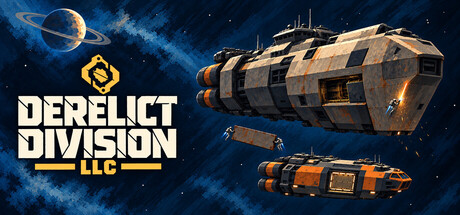 Derelict Division, LLC In-game content artaudio | Generative AI was used during development to create the galaxy illustration displayed in the game’s galaxy-map interface and menus, as well as promotional artwork used for Steam capsule and library images. Trailer production uses AI-generated music and selected transition sound effects. These materials are generated during development, rather than during gameplay. The game does not offer player-facing live AI content generation. | Everbreak Studios, LLC | - | Oct 9, 2026 | |
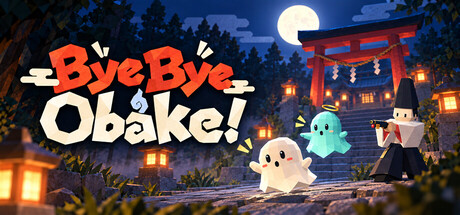 ByeByeObake! In-game content arttextcodeaudio | Generative AI tools were used extensively throughout development. Most of the game's visual content, user interface, written text, audio, narrative and localization, and program code were created with the assistance of generative AI, then selected, edited, integrated, and refined by the developer. Generative AI is used only during development. The game does not connect to AI services or generate content in real time during gameplay. | おまど | - | Oct 9, 2026 | |
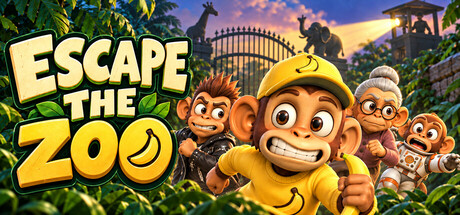 Escape The Zoo In-game content arttext | Generative AI was used during development to create some character models and visual assets, promotional artwork, and to assist with text and localization. These assets are prepared in advance and included with the game or its store and marketing materials. No AI-generated content is created during gameplay, and the game does not connect to external generative AI services. | Kivunzo Games | - | Oct 9, 2026 | |
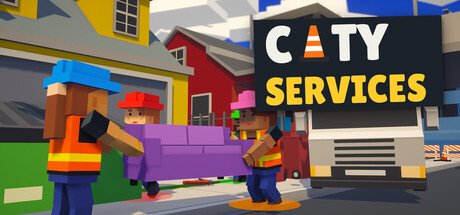 City Services In-game content audio | Sound effects and voice-overs were created using generative AI tools. | 84boxes | - | Oct 9, 2026 | |
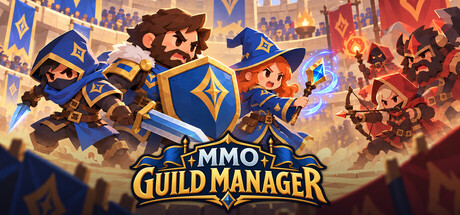 MMO Guild Manager In-game content arttextcode | The title logo was generated with an AI image tool and then cropped and resized by the developer.
The store capsule artwork (the key art behind the logo) was generated with an AI image tool from text prompts only, then cropped and resized by the developer.
The in-game text in every language except English and Japanese is machine-translated with an AI language model from the developer's English and Japanese text, and has not yet been reviewed by native speakers.
Some English and Japanese interface text and the English and Japanese store description were drafted with an AI writing assistant and then reviewed and edited by the developer. The store description in the other languages is translated with an AI language model.
The majority of the code and the design was written by AI coding agents (Claude and Codex) under the developer's direction and review.
The in-game characters, items, maps, effects, music, sound effects and fonts are mostly purchased or licensed assets. The exceptions are 8 equipment icons, the slash and healing effects, the spectators in the stands, the crowd cheers and the app icon, which were drawn or synthesized by programs written by AI coding agents (no image or audio generation model was used). The cutting out, combining, recoloring and touching up of the purchased assets, and the shapes and light effects the game draws on screen during matches, are also done by programs written by AI. | iida-lab | - | Oct 9, 2026 | |
 Jurassic Paradise In-game content artaudiotext | Generative AI was used during development to create images, music, and in-game text. | UnionJam | - | Oct 9, 2026 | |
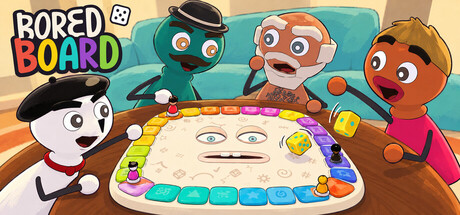 Bored Board In-game content text | Some of the game's text (menus, hints, minigame descriptions and translations) and the copy on this store page were written with the help of an AI language model. The game does not use AI to create anything while you play. | at your own risk studios | - | Oct 9, 2026 | |
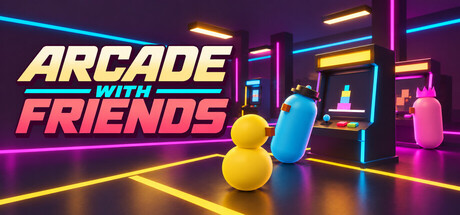 Arcade with Friends In-game content arttext | Generative AI tools were used to create promotional artwork for the Steam store and to assist with in-game localization. The game does not generate AI content during gameplay. Gameplay screenshots and gameplay footage were captured in the game. | bubbley | - | Oct 9, 2026 | |
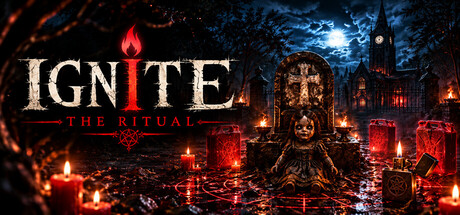 Ignite: The Ritual Store/marketing text | Generative AI tools were used to assist with drafting and refining the Steam store page description for Ignite: The Ritual. No generative AI content is used as an in-game asset or generated during gameplay. | BOSSTTCK Interactive | - | Oct 9, 2026 | |
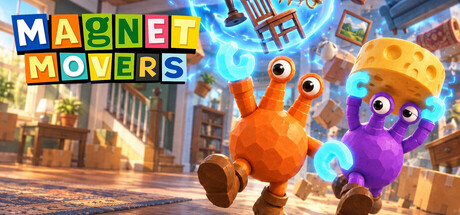 Magnet Movers In-game content artaudio | Some 3D models, textures and sound effects were created with the help of generative AI tools and then edited, cleaned up and finished by hand by our team. Some store page and marketing artwork was also created with generative AI tools. All AI-assisted content was reviewed by the developers before being included. The game does not generate any content with AI while you play. | TechTalent | - | Oct 9, 2026 | |
 Reel Risk In-game content art | Generative AI tools were used during development to help create [name the specific assets, such as textures, character animations, or sound effects]. These assets are included as fixed content. The game does not generate AI content during gameplay. | Reel Risk Studio | - | Oct 9, 2026 | |
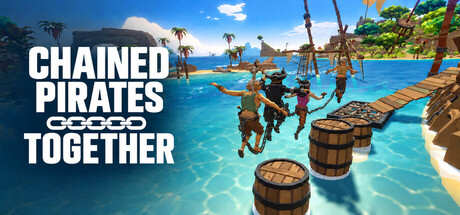 Chained Pirates Together Store/marketing art | It has been used in the page visuals and logo. | cnsgames | - | Oct 7, 2026 | |
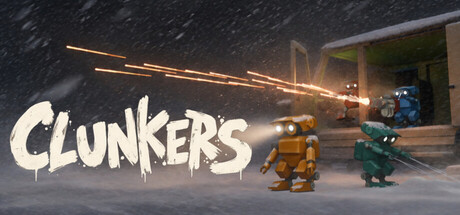 破铜烂铁 In-game content artaudio | This game includes pre-generated visual and auditory
assets created with the assistance of generative AI. These assets have been reviewed, edited, and integrated by the development team. The game does not use generative AI to create content while players are playing. | Dawang Games | - | Oct 7, 2026 | |
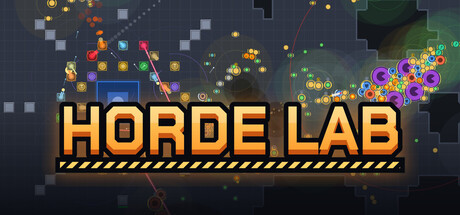 Horde Lab In-game content artaudiotext | AI tools were used during development to help write the game's code (including the scripts that procedurally generate its sound effects and store art), to compose the soundtrack (melodies and arrangements written with AI assistance, rendered from our own scripts and an MIT-licensed instrument bank) and to translate its text into 10 languages. Game design, balance and visual direction are the developer's own, and all AI-assisted work was reviewed before being included. The game does not generate any AI content while you play. | MurzaGames | - | Oct 7, 2026 | |
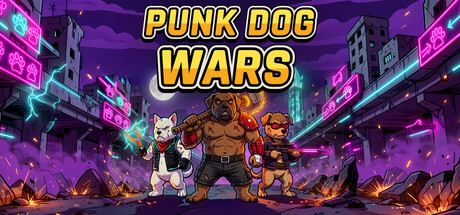 Punk Dog Wars MOBA 2D In-game content artaudiotext | Punk Dog Wars uses AI-assisted tools during development. Character, effect and environment art, the music, and the announcer and dog voices were generated with AI models and then selected, composited and edited by our team. The store art was made the same way. No content is generated while you play. | Westie Game Studios | - | Oct 7, 2026 | |
 Curvix In-game content artaudio | Generative AI tools were used during development to create selected visual assets and music. All generated content was reviewed, selected, edited where necessary, and integrated by the developer. | NodPlay | - | Oct 7, 2026 | |
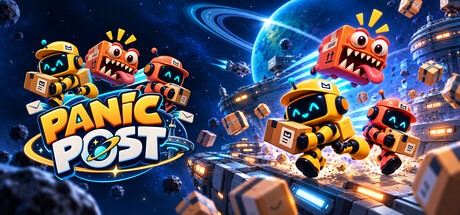 PANIC POST In-game content art | Generative image generation was used to create the PANIC POST logo. The game includes this pre-generated logo and icon artwork derived from it. | PANIC POST | - | Oct 7, 2026 | |
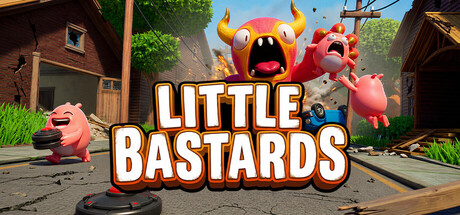 Little Bastards art | 2D concepts and art have been partially implemented. | NextGenuim | - | Oct 7, 2026 | |
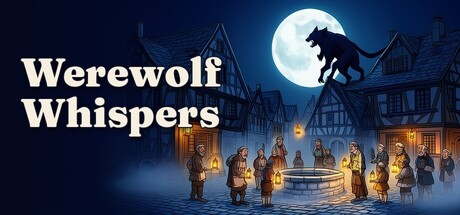 Werewolf Whispers In-game content artaudiocode | Generative AI tools were used during development to assist with the creation of certain 2D visual assets, animations and sound effects. AI tools were also used as development assistance for programming and implementation. All generated content was reviewed and curated by the developer before inclusion in the final game. | SK | - | Oct 7, 2026 | |
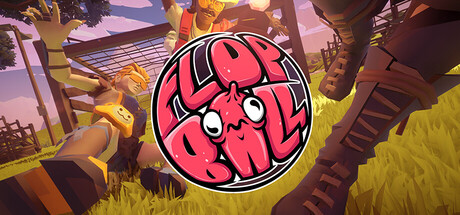 Flopball In-game content text | Generative AI was used to assist with writing and translating in-game text and Steam store page descriptions. It was not used to generate artwork, music, sound effects, voice acting, or promotional visuals. | Freefall Games | - | Oct 6, 2026 | |
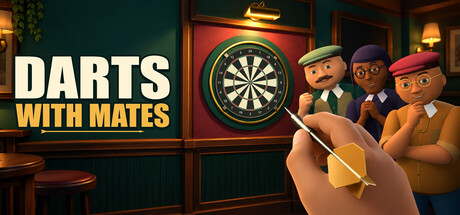 Darts With Mates Dev only | Generative AI was used as a development aid for selected content and assets. All final content was reviewed by the developer. | Marulk Studio | - | Oct 6, 2026 | |
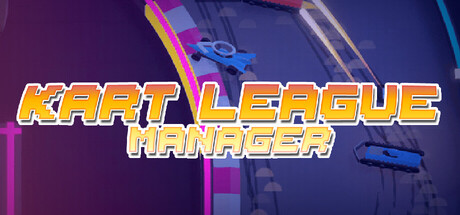 Kart League Manager In-game content textart | Some content in this game was created with the help of generative AI during development.
- Drafts of in-game text such as news articles, interviews and guidance messages
- Translations into languages other than Korean
- Some graphic elements, such as karts and maps | Flowdot | - | Oct 6, 2026 | |
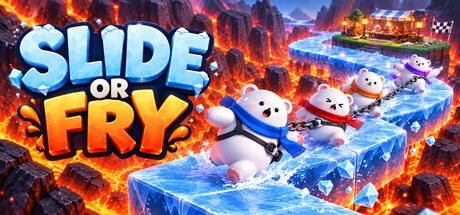 Slide or Fry In-game content artaudiotext | AI-assisted tools were used during development for selected artwork and audio, store page text, and localization. All content is included in the game or its promotional materials in a pre-generated form. No generative AI runs during gameplay, and the game does not connect to external AI services. | Ring Forge | - | Oct 6, 2026 | |
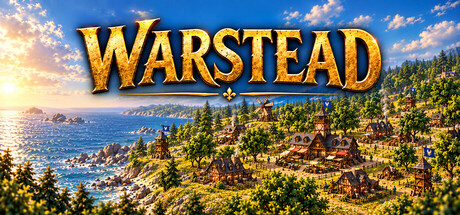 Warstead In-game content artaudio | Generative AI tools were used as part of the development of Warstead to support the creation of visual content, sound effects, and video content such as trailers, helping to speed up the development process. | Night Haven Interactive | - | Oct 6, 2026 | |
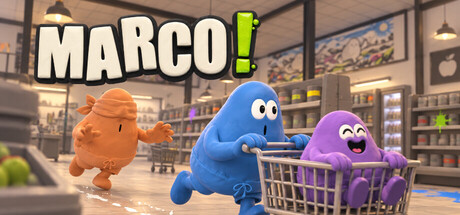 Marco! In-game content art | MARCO is made by a solo developer. Its characters, core concepts, and art direction are my original work.
I used AI tools, guided by my own artwork and creative direction, to help create additional 3D models, props, textures, concept art, and some store-page and marketing images. I reviewed, selected, and refined these assets to fit MARCO’s style before including them.
No content is generated by AI during gameplay.
As a solo developer with limited time and resources, these tools helped me turn a game I’d imagined for years into something people can actually play. | Noel Ray | - | Oct 6, 2026 | |
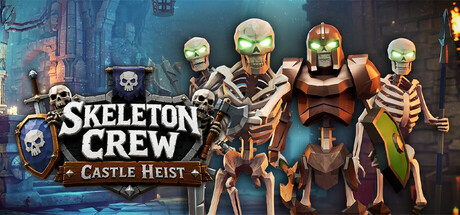 Skeleton Crew: Castle Heist In-game content textart | Generative AI tools were used during development to assist with the creation and editing of some text content and graphical materials used in the game and its related assets. | Courtney Keyes Studios | - | Oct 6, 2026 | |
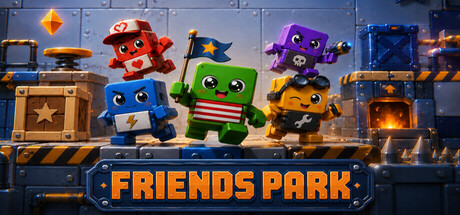 Friends Park In-game content arttext | Some visual assets were created with the help of generative AI and then edited by the developer. A few sprite animations (doors opening, the ghost, the dynamite fuse and explosion, the turret turning) were generated with PixelLab from our own hand-made sprites, and some store artwork was made with AI image tools. Parts of the in-game text were written with AI assistance and reviewed by the developer. The game does not generate any content with AI while you play. | Igoroja | - | Oct 6, 2026 | |
 Trivia Mayhem In-game content text | As a solo developer, I’ve used AI to generate initial beta translations for the UI and text to help bring the game to more regions. | Zayd Jahangiri | - | Oct 4, 2026 | |
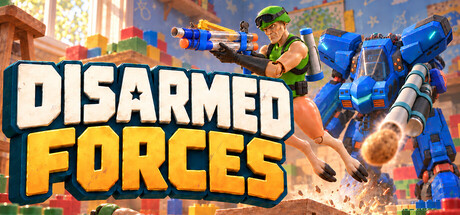 Disarmed Forces In-game content artaudio | Current development builds include one AI-generated splash-screen image and a small number of prerecorded soldier voice lines created using generative AI. No content is generated by AI during gameplay. | BrushBurger | - | Oct 4, 2026 | |
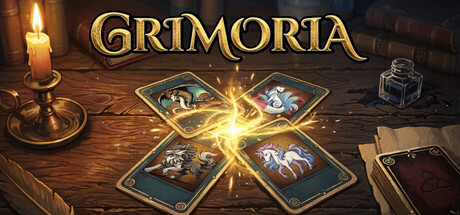 Grimoria - Online Card Game In-game content arttext | Some game assets were created using AI generative tools. AI-generated visual assets were subsequently painted over, edited, and composited manually by the developer in Photoshop/Photopea. AI was also used to assist with localized text translations. | EmberVeil Games | - | Oct 4, 2026 | |
 Amateur Football Together In-game content art | Created background and logo AI. | NOXE | - | Oct 3, 2026 | |
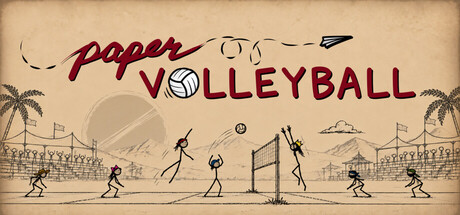 Paper Volleyball Store/marketing art | Only the game capsule is generated by generative artificial intelligence. | Free Gift Studio | - | Oct 3, 2026 | |
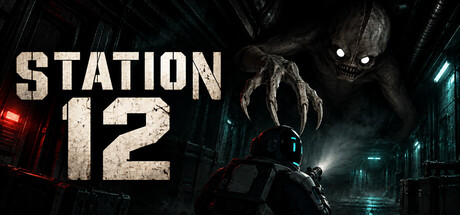 Station 12 In-game content art | Generative AI was used to help create some of the promotional artwork and marketing images displayed on Station 12’s Steam store page.
These images are promotional illustrations and are a good representation of the in-game visuals. | John Kircher | - | Oct 3, 2026 | |
 Matchday: Player Career In-game content art | Some character portraits, club scene illustrations, and store artwork were created with generative AI and selected or edited for Matchday. The game does not generate content during play. | SyntiaGames | - | Oct 3, 2026 |


