Public Steam disclosure research25,376 disclosures tracked
Where do games disclose AI use?
Search developers’ Steam disclosures, compare classified AI use across
games, and follow recorded changes.
This index adds cross-game classifications and statistics to
statements published on individual store pages.
Groups reflect automatic analysis of public disclosures; mature records are excluded. These counts do not measure AI use across all of Steam.
Missing or unclear statements cannot establish whether a game uses AI.
Generative AI tools were used to assist with the creation and refinement of some pre-generated sound effects, 3D assets, 2D images, voice lines, and localization. All AI-assisted content was reviewed, edited, and integrated by the developer. The game does not use generative AI to create content during gameplay.
Generative AI tools were used during development to assist in the creation of some pre-generated visual assets and promotional materials. All AI-assisted content is reviewed, selected, and integrated by the development team. The game does not use generative AI to create content during gameplay.
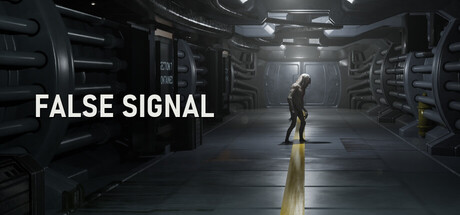
This game contains pre-generated AI content, all reviewed and edited by the developer:
- Voice acting: every radio and PA line, in English and Turkish, is text-to-speech generated with ElevenLabs.
- Audio: most sound effects and the three music beds were generated with ElevenLabs.
- 3D art: some organic growth props were shaped with an image-to-3D pipeline (SDXL + Hunyuan3D), then UV-unwrapped, baked and finished by hand in Blender.
- 2D art: the still images in the narrated opening were made with an image model.
The game generates nothing with AI while it runs. The trailer, screenshots and capsule art on this page are in-game footage and in-engine captures.
This game contains content created with the assistance of AI tools. AI was used during development to assist with programming, visual assets, and other creative elements. All generated content was reviewed, edited, and integrated by the dev.
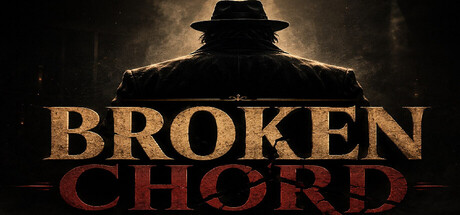
BROKEN CHORD uses generative AI in the creation of selected music and visual assets used in the game and its presentation. AI-generated material is curated, edited, and integrated into the game’s overall artistic and audiovisual direction by the developer.
One map artwork was created with generative AI and then edited by the developer. No other art, audio, text, or gameplay content uses AI. The game does not generate content during play.
AI tools were used solely for generating background images. All character art, UI elements, writing, and other visual content were created entirely by the development team without the use of generative AI.
This game uses generative AI tools during development to assist with the following content: text translation, sound effects, and background artwork assets
Some voice lines (the narrator, phone messages and townspeople), some sound effects and the menu music were created with generative AI text-to-speech and audio tools (ElevenLabs) and edited by the developer. All visual art, 3D, animation, level design and code were made by the developer. No AI content is generated during gameplay.
During early development and for the playable demo, Generative AI tools were used to create base templates and draft assets for certain 3D models, textures, and sound effects. All AI-generated placeholders and base models have been manually re-worked, polished, and edited. As development progresses, these draft assets are being actively replaced with fully custom, handcrafted art and audio.
Generative AI tools were used to assist with drafting and refining the Steam store page description for Ignite: The Ritual. No generative AI content is used as an in-game asset or generated during gameplay.
This game includes pre-generated visual and auditory
assets created with the assistance of generative AI. These assets have been reviewed, edited, and integrated by the development team. The game does not use generative AI to create content while players are playing.
Generative AI tools were used during development to assist with the creation and refinement of certain in-game visual assets, promotional artwork, and portions of text/localization. All AI-assisted content was reviewed, edited, and integrated by the developer. No generative AI is used during gameplay, and no content is generated live for players.
Some of the game's content was created with the help of generative AI tools and then reviewed and integrated by the developer: several 3D models and their textures, the logo and key art, some of the music and voices, and the English translation of the game's text. All of it is pre-generated: the game does not generate anything with AI while you play.
This game contains content created with the assistance of AI tools. AI was used during development to assist with programming, visual assets, and other creative elements. All generated content was reviewed, edited, and integrated by the dev.
Generative AI was used to create promotional and store-page artwork for TAKEN during development. No AI-generated content or code is generated during gameplay.
Some assets in this game were created with generative AI during development: 3D models of characters and props (including some of their animations), and images such as textures and illustrations. All of them were selected and adjusted by the developers before being used in the game. No content is generated by AI while the game is running.
Some paintings and NPC textures in this game were generated using AI. These elements are used purely for visual and aesthetic purposes and have no impact on gameplay. There is no live or real-time AI generation during gameplay.
This game utilizes pre-rendered content assisted by generative AI tools exclusively for a few specific background songs, character voice acting, and minor conceptual art references.
The ambient sound design, audio effects, and liminal soundscapes were crafted by human artists. Certain 3D models and environmental props were acquired under license from creators on the Unreal Engine Marketplace. All narrative writing, game design, level composition, programming, story, and creative direction are original works created and directed entirely by the author.
Artificial intelligence was used to generate our Steam achievement icons and some of our localizations.
We're a small independent team of two self-taught developers. If you'd like to help us replace this content on a voluntary basis, please contact us on Discord or email us at contact@milkycocogames.com.
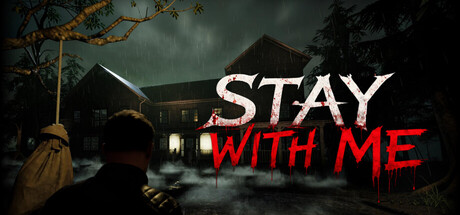
Stay With Me contains a limited amount of pre-generated content created with the assistance of generative AI.
Some visual assets, the loading screen artwork, and some voice lines for the characters Margaret and the child were created using AI tools.
The AI-generated content was further edited, processed and adapted by the developer before being integrated into the game.
All AI content is pre-generated during development. The game does not generate content using AI while running, and there is no live AI generation.
This game was made with the help of generative AI.
AI tools were used during development to create visual assets, sound and music, parts
of the source code, and the translations of this page and the in-game text. Everything
was chosen, edited and assembled by hand before release.
Nothing is generated while you play — all content ships with the game.
Some assets (voiceovers, wall paintings, icons) are currently generated using AI and are planned to be replaced with artist-created assets in future updates.
This game contains content created with the assistance of AI tools. AI was used during development to assist with programming, visual assets, and other creative elements. All generated content was reviewed, edited, and integrated by the dev.
The store page artwork (capsule images, header, library images and logo) was created with the help of generative AI tools. Part of the game's source code and development tools were also written with the help of AI coding assistants, then reviewed and integrated by the developer. The in-game content itself (3D visuals from licensed asset packs, CC0 sound effects, texts) is not AI-generated, and the game does not use generative AI while playing. All screenshots are captured from the actual game.
Game text and translations were created with the help of AI tools. The public build has no AI voices; it has no voice acting yet. The art is not made with generative AI: it comes from free CC0 asset packs plus shapes and textures built in code. Sound effects are synthesized by our own scripts. Nothing is generated by AI while you play.
The game's story, design and text were created by the developer. Generative AI was used as an assistant when writing the text of this store page and of the game, and to translate it into 12 languages; all of it was reviewed and edited by the developer. One song on the car radio ("Broken Hearts and Blue Moons", licensed from Pixabay) was produced by its author with generative AI. No content is generated while you play.
Generative AI tools were used during development to create some character, environment, and object visuals, 3D assets, and promotional materials. All AI-generated content was created in advance during development. No new content is generated by AI during gameplay, and the game does not connect to any external AI services.
Generative AI tools were used to assist with the creation and refinement of some pre-generated sound effects, 3D assets, 2D images, voice lines, and localization. All AI-assisted content was reviewed, edited, and integrated by the developer. The game does not use generative AI to create content during gameplay.
Generative AI tools were used during development to assist in the creation of some pre-generated visual assets and promotional materials. All AI-assisted content is reviewed, selected, and integrated by the development team. The game does not use generative AI to create content during gameplay.
This game contains pre-generated AI content, all reviewed and edited by the developer:
- Voice acting: every radio and PA line, in English and Turkish, is text-to-speech generated with ElevenLabs.
- Audio: most sound effects and the three music beds were generated with ElevenLabs.
- 3D art: some organic growth props were shaped with an image-to-3D pipeline (SDXL + Hunyuan3D), then UV-unwrapped, baked and finished by hand in Blender.
- 2D art: the still images in the narrated opening were made with an image model.
The game generates nothing with AI while it runs. The trailer, screenshots and capsule art on this page are in-game footage and in-engine captures.
This game contains content created with the assistance of AI tools. AI was used during development to assist with programming, visual assets, and other creative elements. All generated content was reviewed, edited, and integrated by the dev.
BROKEN CHORD uses generative AI in the creation of selected music and visual assets used in the game and its presentation. AI-generated material is curated, edited, and integrated into the game’s overall artistic and audiovisual direction by the developer.
One map artwork was created with generative AI and then edited by the developer. No other art, audio, text, or gameplay content uses AI. The game does not generate content during play.
AI tools were used solely for generating background images. All character art, UI elements, writing, and other visual content were created entirely by the development team without the use of generative AI.
This game uses generative AI tools during development to assist with the following content: text translation, sound effects, and background artwork assets
Some voice lines (the narrator, phone messages and townspeople), some sound effects and the menu music were created with generative AI text-to-speech and audio tools (ElevenLabs) and edited by the developer. All visual art, 3D, animation, level design and code were made by the developer. No AI content is generated during gameplay.
During early development and for the playable demo, Generative AI tools were used to create base templates and draft assets for certain 3D models, textures, and sound effects. All AI-generated placeholders and base models have been manually re-worked, polished, and edited. As development progresses, these draft assets are being actively replaced with fully custom, handcrafted art and audio.
Generative AI tools were used to assist with drafting and refining the Steam store page description for Ignite: The Ritual. No generative AI content is used as an in-game asset or generated during gameplay.
This game includes pre-generated visual and auditory
assets created with the assistance of generative AI. These assets have been reviewed, edited, and integrated by the development team. The game does not use generative AI to create content while players are playing.
Generative AI tools were used during development to assist with the creation and refinement of certain in-game visual assets, promotional artwork, and portions of text/localization. All AI-assisted content was reviewed, edited, and integrated by the developer. No generative AI is used during gameplay, and no content is generated live for players.
Some of the game's content was created with the help of generative AI tools and then reviewed and integrated by the developer: several 3D models and their textures, the logo and key art, some of the music and voices, and the English translation of the game's text. All of it is pre-generated: the game does not generate anything with AI while you play.
This game contains content created with the assistance of AI tools. AI was used during development to assist with programming, visual assets, and other creative elements. All generated content was reviewed, edited, and integrated by the dev.
Generative AI was used to create promotional and store-page artwork for TAKEN during development. No AI-generated content or code is generated during gameplay.
Some assets in this game were created with generative AI during development: 3D models of characters and props (including some of their animations), and images such as textures and illustrations. All of them were selected and adjusted by the developers before being used in the game. No content is generated by AI while the game is running.
Some paintings and NPC textures in this game were generated using AI. These elements are used purely for visual and aesthetic purposes and have no impact on gameplay. There is no live or real-time AI generation during gameplay.
This game utilizes pre-rendered content assisted by generative AI tools exclusively for a few specific background songs, character voice acting, and minor conceptual art references.
The ambient sound design, audio effects, and liminal soundscapes were crafted by human artists. Certain 3D models and environmental props were acquired under license from creators on the Unreal Engine Marketplace. All narrative writing, game design, level composition, programming, story, and creative direction are original works created and directed entirely by the author.
Artificial intelligence was used to generate our Steam achievement icons and some of our localizations.
We're a small independent team of two self-taught developers. If you'd like to help us replace this content on a voluntary basis, please contact us on Discord or email us at contact@milkycocogames.com.
Stay With Me contains a limited amount of pre-generated content created with the assistance of generative AI.
Some visual assets, the loading screen artwork, and some voice lines for the characters Margaret and the child were created using AI tools.
The AI-generated content was further edited, processed and adapted by the developer before being integrated into the game.
All AI content is pre-generated during development. The game does not generate content using AI while running, and there is no live AI generation.
This game was made with the help of generative AI.
AI tools were used during development to create visual assets, sound and music, parts
of the source code, and the translations of this page and the in-game text. Everything
was chosen, edited and assembled by hand before release.
Nothing is generated while you play — all content ships with the game.
Some assets (voiceovers, wall paintings, icons) are currently generated using AI and are planned to be replaced with artist-created assets in future updates.
This game contains content created with the assistance of AI tools. AI was used during development to assist with programming, visual assets, and other creative elements. All generated content was reviewed, edited, and integrated by the dev.
The store page artwork (capsule images, header, library images and logo) was created with the help of generative AI tools. Part of the game's source code and development tools were also written with the help of AI coding assistants, then reviewed and integrated by the developer. The in-game content itself (3D visuals from licensed asset packs, CC0 sound effects, texts) is not AI-generated, and the game does not use generative AI while playing. All screenshots are captured from the actual game.
Game text and translations were created with the help of AI tools. The public build has no AI voices; it has no voice acting yet. The art is not made with generative AI: it comes from free CC0 asset packs plus shapes and textures built in code. Sound effects are synthesized by our own scripts. Nothing is generated by AI while you play.
The game's story, design and text were created by the developer. Generative AI was used as an assistant when writing the text of this store page and of the game, and to translate it into 12 languages; all of it was reviewed and edited by the developer. One song on the car radio ("Broken Hearts and Blue Moons", licensed from Pixabay) was produced by its author with generative AI. No content is generated while you play.
Generative AI tools were used during development to create some character, environment, and object visuals, 3D assets, and promotional materials. All AI-generated content was created in advance during development. No new content is generated by AI during gameplay, and the game does not connect to any external AI services.