Public Steam disclosure research25,376 disclosures tracked
Where do games disclose AI use?
Search developers’ Steam disclosures, compare classified AI use across
games, and follow recorded changes.
This index adds cross-game classifications and statistics to
statements published on individual store pages.
Groups reflect automatic analysis of public disclosures; mature records are excluded. These counts do not measure AI use across all of Steam.
Missing or unclear statements cannot establish whether a game uses AI.
Generative AI was used for UI icons, the intro video, and retouching of store capsule images. In-game 3D assets, characters and environments are licensed or hand-made, not AI-generated. AI was used as an assistive tool for code, text and translation.
AI Disclosure:
This game was made with the help of Artificial Intelligence LLM Models. The studio takes transparency seriously, so if the community would like to ask questions, get clarity, or voice concerns over this, please reach out to the development team on our Discord or launch website.
Generative AI tools were used during development to assist with the creation and refinement of selected visual assets, concept artwork, UI elements, promotional/store-page materials, and development content. All generated content is reviewed and curated before inclusion in the game. The game does not currently generate AI content live during gameplay.
Generative AI was used to create or assist with game code, artwork, audio, written content, localization, and store marketing materials. Gameplay was designed by the developer. All content is prepared before release; no content or code is generated during gameplay, and no external AI services are used during gameplay.
AI was only used to translate the game into its different languages, to polish Dr. Ferrán's dialogue in each of them, and to polish the game's description on the Steam page. The original lines were written by us in Spanish.
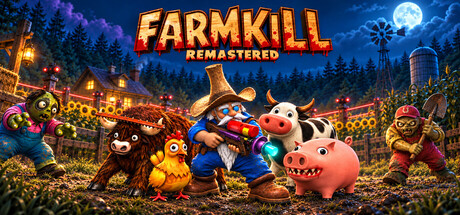
Farmkill Remastered brings back the game our small team originally created for iPad in 2012. For its PC remaster, we used AI tools to upscale, sharpen and redraw the original low-resolution artwork, preserving the characters and visual designs while restoring detail for larger screens.
We also used generative AI to create new artwork, music, character voices, sound effects, written content and animated cutscenes, including assets used in the store artwork and trailer. This content was generated during development, then selected and integrated under the developer’s creative direction. The game does not generate AI content during play.
This game's 3D models, music, sound effects, and in-game text (dialogue, item names and descriptions) were created with the help of generative AI, under the developer's direction and review. The store images and trailer use this in-game content.
Generative AI was used during development to create some 3D models, textures, artwork, music, and store marketing materials, including the cinematic teaser. These assets were prepared before release. The game does not generate AI content during play or connect to external AI services.
Generative AI was used during development to create selected pre-generated visual assets, including some character models, weapon presentation models and related images, as well as some promotional artwork for the store. These assets were selected, post-processed and integrated by the developer. Store gameplay screenshots are captured from the running game and have not been generatively altered; they may show game content that uses pre-generated AI assets. The current game does not call generative AI services or generate new content during play.
Generative AI was used to help create some images on the Steam store page and some visual assets and objects in the game. AI tools also assisted with debugging during development. The game does not generate AI content during play.
Audio sound effects, translated localization text, and promotional trailer videos in this game were produced with the assistance of generative AI tools. All AI-assisted assets have been reviewed, edited and finalized by the development team.
Generative AI tools were utilized during development to assist in creating certain visual assets, including store page capsule graphics, promotional imagery, and selected in-game 2D UI/icon elements. All generated content was curated, edited, and integrated by the developer.
Some visual assets (artwork and cinematic scenes) and some music and sound effects were created with the help of generative AI tools, then reviewed and curated by the developer. No content is generated by AI during gameplay.
We use AI tools to make some of the game's art, sound, voices and writing. Every result was reviewed and edited before it went into the game.
- 3D models: most creature and character bodies (dinosaurs, Ice Age animals, wildlife, the infected, the customisable human bodies, hairstyles and hats) and some props and plants were generated with Tripo through Unity AI, from reference images made with OpenAI GPT Image. They were then cleaned up, rigged and fitted to the game's style.
- Textures: the dinosaur hides and the human characters' faces, skin, clothing and infection damage were painted with the help of GPT Image.
- Illustrations: the field guide's species plates were generated with GPT Image from renders of the in-game models.
- Sound: the calls of the mammoths, giant elk, ground sloths and sauropods were generated with Unity AI sound generation.
- Voices: the radio voices (the island broadcasts, the voice on the collection frequency and the facility's recorded messages) and the skipper's two lines in the opening scene are AI voices, made with ElevenLabs Eleven v4 text-to-speech from the game's own script. Face-to-face dialogue and the tapes are not voiced.
- Writing: in-game text (dialogue, records and descriptions) and this store page were drafted with AI writing assistance and edited by the developer.
- Store art: the capsule and library artwork and the logo were generated with GPT Image. They are illustrations, not screenshots. The screenshots, trailers and About clips are in-engine footage with licensed music and sound effects; any voices, herd calls, logo or artwork in the trailers are the AI content listed above.
Buildings, vehicles, weapons, most props, the music, most sound effects and all animation come from licensed asset packs (a few animation clips are adapted from them). The interface was built for the game. The game generates no AI content while you play.
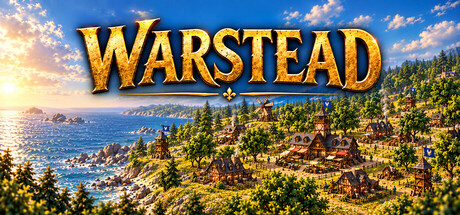
Generative AI tools were used as part of the development of Warstead to support the creation of visual content, sound effects, and video content such as trailers, helping to speed up the development process.
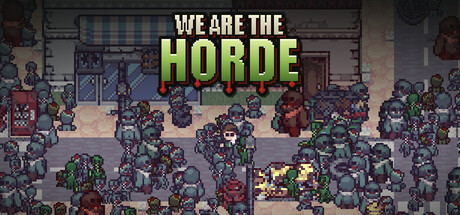
The store page texts and the pixel-art game logo and icon (also used in the game) were created with the help of an AI assistant and reviewed by the developer. Screenshots and capsule backgrounds are rendered directly from the game.
The English and German localization of in-game text was generated with the help of an AI language model (Claude) and reviewed by the developer. Store page texts were also drafted with AI assistance. All art, music and sound are made by humans or taken from licensed CC0/CC BY asset packs. No AI content is generated live while playing.
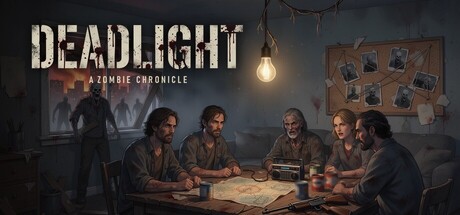
Some of Deadlight's artwork was created with the help of generative AI. This includes the key art, the store and library capsules, and the ten location paintings on the expedition screen. The images were generated with a locally run image model, then chosen, cleaned up and colour-graded by hand. The store page text and its translations were drafted with AI assistance and edited by the developer. No content is generated by AI while you play.
The vast majority of this game—including original game design, programming, character creation, dialogue, custom audio, and overall creative direction—was fully developed and crafted by the author.
Artificial Intelligence tools were used strictly as an auxiliary production aid for:
Audio & Sound: Selective background music tracks and specific ambient sound effects to complement the game's soundscape.
All core gameplay, visual assets, character designs, and mechanics are 100% original, hand-crafted work.
Some pre-generated promotional artwork and the game icon were created with generative AI. Gameplay screenshots and trailer footage are captured directly from the game. The game does not generate content during play.
This game has been made by a solo developper with the help of AI. Gamers deserve dozens of hours of fun at a cheap price, that's what the use of AI should aim for, and that's what this game is about. Zero information collected.
This game uses generative AI as part of its content creation pipeline. Some elements of the store page cover art were generated using AI and then combined with additional artwork created by our designer. Certain in-game environment textures were processed using AI-assisted tools as part of the texturing workflow. Character voices were recorded by our own team and then processed with AI-based voice conversion to transform them into different character voices. All AI-assisted content was reviewed and refined by our team before being included in the final game.
Some of the game's artwork was created from the developer's own sketches and refined using AI image tools. Some sound effects were produced with the help of AI audio tools. The in-game text was translated into the supported languages with the help of AI tools. All content is reviewed and approved by the developer before release.
Generative AI was used during development to create or refine some visual assets and localized text, including character and background artwork, logos, textures, and pre-rendered presentation videos. This content is prepared in advance. The game does not generate AI content during gameplay or connect to an external AI service.
This game uses generative artificial intelligence (AI) to assist with localization.
AI tools were used to generate translations of the game’s text into multiple languages. The translations were reviewed and edited by the development team to ensure quality and accuracy. No generative AI was used to create gameplay content, art, audio, or other core elements of the game.
Generative AI was used during development to create some artwork, character animation assets, music, and promotional artwork. These assets were prepared before release. The game does not generate AI content during gameplay or connect to an AI service.
AI-assisted tools were used to support performance optimization and to generate the player character. AI tools also contributed to enemy character assets, store artwork and translations. These uses concern content prepared during development.
Generative AI tools were used as development assistance for portions of the game’s code and player-facing text. All final content was reviewed, edited, integrated, and tested by the developer. The game does not use live-generated AI or connect to any AI service during gameplay.
The English localization was prepared with AI assistance and was fully reviewed and edited by the developer. Some in-game sounds were generated with AI. The capsule image on the Steam store page was generated with AI. The in-game visual and model assets were not generated with AI.
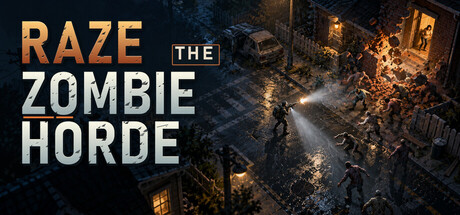
Generative AI is used to story board, code, analyze code, analyze performance, create thumbnails and many basic tasks like that to speed up workflows. We pay human artists for things like zombies, guns, props, static meshes etc.
Some images shipped in the game were created with generative AI during development and then selected and reviewed by the developer. No other shipped content was generated by AI.
The core gameplay mechanics, 3D models, scene designs, and overall project were developed entirely by us. Generative AI tools were utilized for editing select promotional store page visuals and as assisting coding tools during the development process.
Generative AI was used to create and refine the game's store capsule art and logo. No other in-game assets were generated with generative AI, and to the best of my knowledge, the same is true of third-party assets. Separately, a model trained with reinforcement learning controls enemy behavior. It does not generate content.
Generative AI was used for UI icons, the intro video, and retouching of store capsule images. In-game 3D assets, characters and environments are licensed or hand-made, not AI-generated. AI was used as an assistive tool for code, text and translation.
AI Disclosure:
This game was made with the help of Artificial Intelligence LLM Models. The studio takes transparency seriously, so if the community would like to ask questions, get clarity, or voice concerns over this, please reach out to the development team on our Discord or launch website.
Generative AI tools were used during development to assist with the creation and refinement of selected visual assets, concept artwork, UI elements, promotional/store-page materials, and development content. All generated content is reviewed and curated before inclusion in the game. The game does not currently generate AI content live during gameplay.
Generative AI was used to create or assist with game code, artwork, audio, written content, localization, and store marketing materials. Gameplay was designed by the developer. All content is prepared before release; no content or code is generated during gameplay, and no external AI services are used during gameplay.
AI was only used to translate the game into its different languages, to polish Dr. Ferrán's dialogue in each of them, and to polish the game's description on the Steam page. The original lines were written by us in Spanish.
Farmkill Remastered brings back the game our small team originally created for iPad in 2012. For its PC remaster, we used AI tools to upscale, sharpen and redraw the original low-resolution artwork, preserving the characters and visual designs while restoring detail for larger screens.
We also used generative AI to create new artwork, music, character voices, sound effects, written content and animated cutscenes, including assets used in the store artwork and trailer. This content was generated during development, then selected and integrated under the developer’s creative direction. The game does not generate AI content during play.
This game's 3D models, music, sound effects, and in-game text (dialogue, item names and descriptions) were created with the help of generative AI, under the developer's direction and review. The store images and trailer use this in-game content.
Generative AI was used during development to create some 3D models, textures, artwork, music, and store marketing materials, including the cinematic teaser. These assets were prepared before release. The game does not generate AI content during play or connect to external AI services.
Generative AI was used during development to create selected pre-generated visual assets, including some character models, weapon presentation models and related images, as well as some promotional artwork for the store. These assets were selected, post-processed and integrated by the developer. Store gameplay screenshots are captured from the running game and have not been generatively altered; they may show game content that uses pre-generated AI assets. The current game does not call generative AI services or generate new content during play.
Generative AI was used to help create some images on the Steam store page and some visual assets and objects in the game. AI tools also assisted with debugging during development. The game does not generate AI content during play.
Audio sound effects, translated localization text, and promotional trailer videos in this game were produced with the assistance of generative AI tools. All AI-assisted assets have been reviewed, edited and finalized by the development team.
Generative AI tools were utilized during development to assist in creating certain visual assets, including store page capsule graphics, promotional imagery, and selected in-game 2D UI/icon elements. All generated content was curated, edited, and integrated by the developer.
Some visual assets (artwork and cinematic scenes) and some music and sound effects were created with the help of generative AI tools, then reviewed and curated by the developer. No content is generated by AI during gameplay.
We use AI tools to make some of the game's art, sound, voices and writing. Every result was reviewed and edited before it went into the game.
- 3D models: most creature and character bodies (dinosaurs, Ice Age animals, wildlife, the infected, the customisable human bodies, hairstyles and hats) and some props and plants were generated with Tripo through Unity AI, from reference images made with OpenAI GPT Image. They were then cleaned up, rigged and fitted to the game's style.
- Textures: the dinosaur hides and the human characters' faces, skin, clothing and infection damage were painted with the help of GPT Image.
- Illustrations: the field guide's species plates were generated with GPT Image from renders of the in-game models.
- Sound: the calls of the mammoths, giant elk, ground sloths and sauropods were generated with Unity AI sound generation.
- Voices: the radio voices (the island broadcasts, the voice on the collection frequency and the facility's recorded messages) and the skipper's two lines in the opening scene are AI voices, made with ElevenLabs Eleven v4 text-to-speech from the game's own script. Face-to-face dialogue and the tapes are not voiced.
- Writing: in-game text (dialogue, records and descriptions) and this store page were drafted with AI writing assistance and edited by the developer.
- Store art: the capsule and library artwork and the logo were generated with GPT Image. They are illustrations, not screenshots. The screenshots, trailers and About clips are in-engine footage with licensed music and sound effects; any voices, herd calls, logo or artwork in the trailers are the AI content listed above.
Buildings, vehicles, weapons, most props, the music, most sound effects and all animation come from licensed asset packs (a few animation clips are adapted from them). The interface was built for the game. The game generates no AI content while you play.
Generative AI tools were used as part of the development of Warstead to support the creation of visual content, sound effects, and video content such as trailers, helping to speed up the development process.
The store page texts and the pixel-art game logo and icon (also used in the game) were created with the help of an AI assistant and reviewed by the developer. Screenshots and capsule backgrounds are rendered directly from the game.
The English and German localization of in-game text was generated with the help of an AI language model (Claude) and reviewed by the developer. Store page texts were also drafted with AI assistance. All art, music and sound are made by humans or taken from licensed CC0/CC BY asset packs. No AI content is generated live while playing.
Some of Deadlight's artwork was created with the help of generative AI. This includes the key art, the store and library capsules, and the ten location paintings on the expedition screen. The images were generated with a locally run image model, then chosen, cleaned up and colour-graded by hand. The store page text and its translations were drafted with AI assistance and edited by the developer. No content is generated by AI while you play.
The vast majority of this game—including original game design, programming, character creation, dialogue, custom audio, and overall creative direction—was fully developed and crafted by the author.
Artificial Intelligence tools were used strictly as an auxiliary production aid for:
Audio & Sound: Selective background music tracks and specific ambient sound effects to complement the game's soundscape.
All core gameplay, visual assets, character designs, and mechanics are 100% original, hand-crafted work.
Some pre-generated promotional artwork and the game icon were created with generative AI. Gameplay screenshots and trailer footage are captured directly from the game. The game does not generate content during play.
This game has been made by a solo developper with the help of AI. Gamers deserve dozens of hours of fun at a cheap price, that's what the use of AI should aim for, and that's what this game is about. Zero information collected.
This game uses generative AI as part of its content creation pipeline. Some elements of the store page cover art were generated using AI and then combined with additional artwork created by our designer. Certain in-game environment textures were processed using AI-assisted tools as part of the texturing workflow. Character voices were recorded by our own team and then processed with AI-based voice conversion to transform them into different character voices. All AI-assisted content was reviewed and refined by our team before being included in the final game.
Some of the game's artwork was created from the developer's own sketches and refined using AI image tools. Some sound effects were produced with the help of AI audio tools. The in-game text was translated into the supported languages with the help of AI tools. All content is reviewed and approved by the developer before release.
Generative AI was used during development to create or refine some visual assets and localized text, including character and background artwork, logos, textures, and pre-rendered presentation videos. This content is prepared in advance. The game does not generate AI content during gameplay or connect to an external AI service.
This game uses generative artificial intelligence (AI) to assist with localization.
AI tools were used to generate translations of the game’s text into multiple languages. The translations were reviewed and edited by the development team to ensure quality and accuracy. No generative AI was used to create gameplay content, art, audio, or other core elements of the game.
Generative AI was used during development to create some artwork, character animation assets, music, and promotional artwork. These assets were prepared before release. The game does not generate AI content during gameplay or connect to an AI service.
AI-assisted tools were used to support performance optimization and to generate the player character. AI tools also contributed to enemy character assets, store artwork and translations. These uses concern content prepared during development.
Generative AI tools were used as development assistance for portions of the game’s code and player-facing text. All final content was reviewed, edited, integrated, and tested by the developer. The game does not use live-generated AI or connect to any AI service during gameplay.
The English localization was prepared with AI assistance and was fully reviewed and edited by the developer. Some in-game sounds were generated with AI. The capsule image on the Steam store page was generated with AI. The in-game visual and model assets were not generated with AI.
Generative AI is used to story board, code, analyze code, analyze performance, create thumbnails and many basic tasks like that to speed up workflows. We pay human artists for things like zombies, guns, props, static meshes etc.
Some images shipped in the game were created with generative AI during development and then selected and reviewed by the developer. No other shipped content was generated by AI.
The core gameplay mechanics, 3D models, scene designs, and overall project were developed entirely by us. Generative AI tools were utilized for editing select promotional store page visuals and as assisting coding tools during the development process.
Generative AI was used to create and refine the game's store capsule art and logo. No other in-game assets were generated with generative AI, and to the best of my knowledge, the same is true of third-party assets. Separately, a model trained with reinforcement learning controls enemy behavior. It does not generate content.