Public Steam disclosure research25,380 disclosures tracked
Where do games disclose AI use?
Search developers’ Steam disclosures, compare classified AI use across
games, and follow recorded changes.
This index adds cross-game classifications and statistics to
statements published on individual store pages.
Groups reflect automatic analysis of public disclosures; mature records are excluded. These counts do not measure AI use across all of Steam.
Missing or unclear statements cannot establish whether a game uses AI.
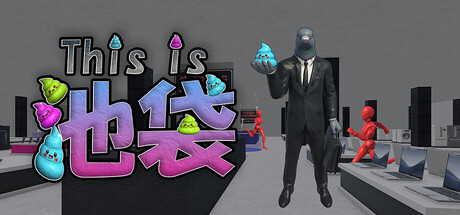
Most of the 3D models appearing in this game, including the main protagonist and various objects, were generated and modeled using generative AI tools. While some of the programming code was also generated with the assistance of generative AI (such as Gemini), all tasks—including implementation, fine-tuning gameplay behaviors, overall game design, and adjustments—were carried out manually by a solo human developer.
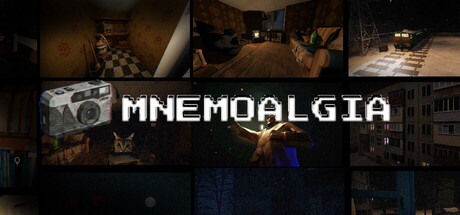
During early development and for the playable demo, Generative AI tools were used to create base templates and draft assets for certain 3D models, textures, and sound effects. All AI-generated placeholders and base models have been manually re-worked, polished, and edited. As development progresses, these draft assets are being actively replaced with fully custom, handcrafted art and audio.
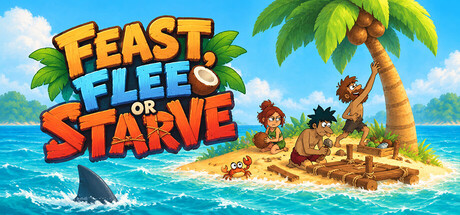
Some content in this game was created with the help of generative AI tools during development: sound effects, the English translation, some 3D assets and parts of the store page text. All of it was reviewed and edited by the developer. The game does not generate any content with AI while you play.
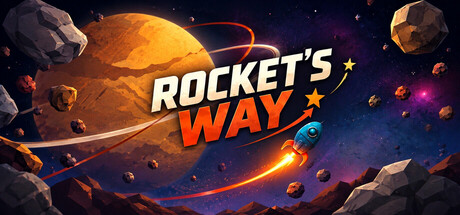
Some artwork associated with Rocket's Way was created using generative AI tools. This content is pre-generated and does not generate new content during gameplay.
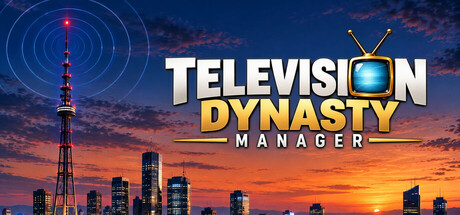
TV Dynasty Manager was designed by a solo developer. The game idea, the gameplay systems and the original German texts were created by the developer.
Generative AI was used as a tool for some parts, and all results were reviewed and edited by hand:
- Store artwork, logos and the main menu background image
- Translations of the German original into English, Spanish, French, Italian, Portuguese, Japanese, Russian and Chinese
- Help with some in-game descriptions (shows, films, characters)
The game does not use AI while you play.
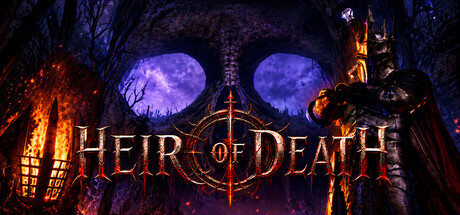
Generative AI tools were used in the creation of selected pre-generated visual and audio assets, as well as some promotional materials. All AI-assisted content is reviewed, edited, and curated by the development team before being included in the game. Heir of Death does not use live-generated AI during gameplay.
Pre-generated: the game's art (character portraits, battle poses, map sprites, painted battlefields and towns, cutscene stills, icons) and music were created with generative AI tools under the developer's direction, then reviewed, edited and assembled by the developer. Live-generated: none. No AI content is generated while you play.
Generative AI assisted with some programming and debugging during the development of Daylight Line. Some in-game visual assets, including battle status icons, were also created with the assistance of generative AI and then processed and integrated by the development team. The game does not generate AI content during gameplay.
Generative AI tools were used to create promotional artwork for the Steam store and to assist with in-game localization. The game does not generate AI content during gameplay. Gameplay screenshots and gameplay footage were captured in the game.
Generative AI was used during development to create some 3D models, textures, artwork, music, and store marketing materials, including the cinematic teaser. These assets were prepared before release. The game does not generate AI content during play or connect to external AI services.
Some included character, animal, creature and sample images were created with generative AI and then edited and prepared for the product. Generative AI also assisted with localization. MEMEMINT does not generate new images or text with generative AI during use and does not connect to a third-party generative AI service. Its local background-removal feature uses a non-generative segmentation model.
We use generative AI for some of the following elements.
・Some of the in-game art
・Some of the code
・Some of the banners and trailers on the store page
Generative AI tools were used during development to create some visual assets and to assist with writing, modifying, and debugging code. All AI-generated or AI-assisted content was reviewed, adjusted, and integrated by the developer. The game does not use generative AI to create content during gameplay.
Generative AI tools were used during development to create and refine some pre-generated content, including UI artwork and icons, selected 3D models and textures, music, character and dealer voice lines, and localized text. Tools used include OpenAI image generation and Codex, Meshy, Suno, and Alibaba Cloud Model Studio. All AI-assisted content was reviewed, curated, and edited before inclusion. The game does not generate AI content at runtime or connect to generative AI services during play.
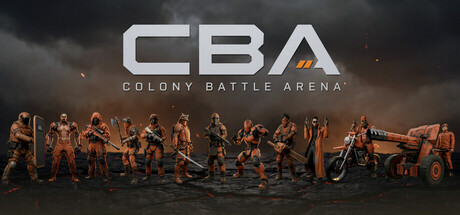
Some of the game's content was created with the help of generative AI tools and then reviewed, edited and integrated by the developer: parts of the 3D unit and vehicle models and their textures, the key art and store artwork, backgrounds, voice lines and music.
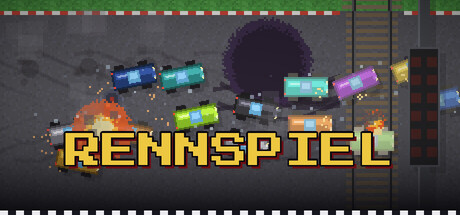
Everything you see and hear in this game - the graphics, the sound effects, the music and the built-in tracks - is produced by our own hand-written generators: drawn and synthesised in code. No generative AI is involved in any of it, and nothing is generated by an AI while the game is running. The computer drivers race on ordinary, hand-written driving logic, not on an AI model.
Generative AI was used during development, as an assistant for code and for text: in writing the program code and those generators, in the menu and interface text, in the names of the computer drivers, and in the translation between German and English. Every line of it was reviewed and reworked before it went into the game.
The images and the video on this store page are captured from the running game.
Generative AI tools were used during development to assist in creating some artwork, text, and localization used in the game. All AI-assisted content was reviewed, selected, and edited by the developer before being included in the game. No generative AI is used during gameplay.
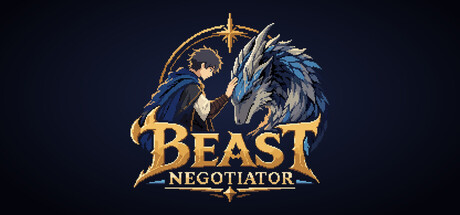
This game uses generative AI to create pre-generated content that ships with the game: character and monster artwork, backgrounds and other images, the logo, negotiation dialogue text, and level design. The store page text and marketing images are also created with AI assistance. No AI content is generated live while you play.
Music, background, videos and images in this game, especially the artwork, were created using AI tools as a visual supplement.
This creative choice allowed me to focus more time and resources on what matters most, delivering longer, more engaging, and fun gameplay.
Generative AI was used during development to create some visual assets, including the title artwork and app icon. AI tools also assisted with some 3D models, in-game text, localization, and sound effects. The game does not use generative AI services to create content during play.
Generative AI was used during development to create some vegetation textures and to assist with in-game text, quest descriptions, and store copy. This content is prepared in advance and included with the game. The game does not generate AI content during gameplay or connect to third-party AI services.
Generative AI was used during development to create selected pre-generated visual assets, including some character models, weapon presentation models and related images, as well as some promotional artwork for the store. These assets were selected, post-processed and integrated by the developer. Store gameplay screenshots are captured from the running game and have not been generatively altered; they may show game content that uses pre-generated AI assets. The current game does not call generative AI services or generate new content during play.
AI tools were used during development to assist with portions of the game’s artwork, audio, and gameplay logic, which were refined and integrated by the developer. All AI-assisted content was created in advance; the game does not use real-time generative AI during gameplay.
Generative AI was used to create pre-generated vivid reinterpretations of public-domain classical paintings and promotional/store artwork. These fixed images are included with the game. Gameplay does not generate AI content or connect to external AI services; imported images are processed locally.
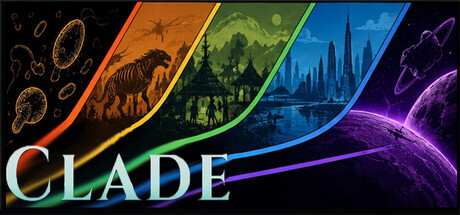
Clade is made by a small independent developer. During development, AI tools were used to help write some of the game's code, and to create some placeholder 3D models and text. All placeholder art is being replaced with handmade work, and this note will be updated as that happens. The game does not generate any content with AI while you play. The computer controlled empires are traditional game AI written for Clade, not generative AI.
Generative AI was used during development to assist in creating some character, monster, pet, environment, item icon, and promotional artwork, as well as to support programming and multilingual text translation. The resulting content was selected, adjusted, and integrated into the game by the developer. This content is created in advance during development; the game does not generate AI content in real time during gameplay.
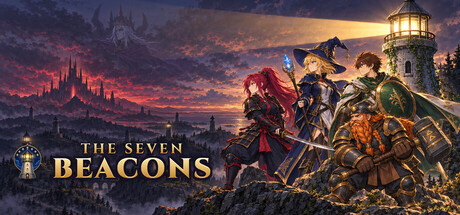
The Seven Beacons is made by a small independent studio that uses generative AI tools as part of production. Every piece is directed, chosen and integrated by the developer.
Pre-generated with AI assistance:
- Illustrations: combat art, backgrounds, characters, and the store and library art.
- Music: compositions created with AI assistance and performed with sampled instruments.
- The English and Brazilian Portuguese translations (the game was written in Spanish).
- Pixel sprites and sound effects, generated by scripts written with AI assistance.
- The text of this store page.
The game does not generate any AI content while you play: everything you see and hear was made before release and ships with the game.
This game uses generative AI to assist in creating some game assets. All AI-generated assets are manually reviewed, adjusted, and refined by the developer. The game does not generate AI content in real-time during gameplay.
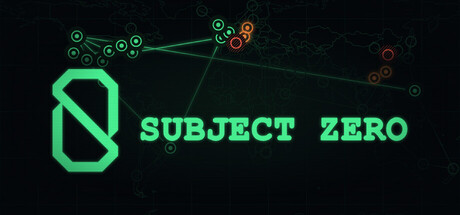
Subject Zero was made with an AI assistant. Its code, its written content (the headlines, incidents, exams, the codex and every interface string) and the translations of the interface and the manual were written with Claude (Anthropic) under the developer's direction and review.
The achievement icons on this store page are AI-generated images (Midjourney). The teaser trailer's video clips were generated with Google Veo, its narration was synthesised with ElevenLabs, and its subtitles were machine-translated.
Nothing is generated while you play: the game contains no AI model and calls no online service. Every headline, incident and outcome comes from fixed tables written in advance, and the same seed always plays out the same way.
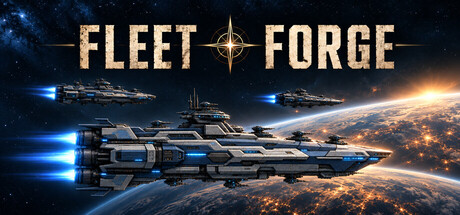
Generative AI tools were used during development to create and refine visual artwork, including spacecraft images, environments, story illustrations, and promotional graphics. This content was prepared during development and is included as fixed assets. Fleet Forge does not generate AI artwork, dialogue, or other content during gameplay.
Some 3D models, textures and sound effects were created with the help of generative AI tools and then edited, cleaned up and finished by hand by our team. Some store page and marketing artwork was also created with generative AI tools. All AI-assisted content was reviewed by the developers before being included. The game does not generate any content with AI while you play.
Some visual assets in this game (such as illustrations, icons, and background images) were created with the assistance of generative AI tools. All AI-generated content was reviewed, edited, and curated by our development team before being included in the game.
The 3D character models and their textures in this game were created using a generative AI tool (Tripo AI), based on original images prepared by the developer. ChatGPT / DALL·E were also used to create UI icons, background art (sky and grass), and some textures. All generated results were reviewed and adjusted by the developer before being included in the game. The game does not generate any AI content at runtime.
Generative AI tools were used in a limited capacity during development to assist with some audio and visual elements. The vast majority of the game's content was created by our team.
We’re two developers living on opposite sides of the world, who have been A LOT of sleepless nights building the game and world we wanted to see made possible.
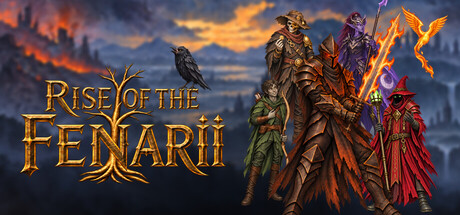
Without AI, this game would not have been possible. Despite that, we know that the world would be portrayed much better with a dedicated team of designers and artists behind it. We've made it a massive priority ours to create all of our visual design with as much human touch as we can to stay true to how we envision the world.
The story, characters, worldbuilding, etc. Are all written by uS. A *very* generous friend is creating the soundtrack. We know everyone has different views on AI generated content and we are committed to being VERY clear of the when and where of it's used. In the long-term, we hope to grow to a point where we rely on AI less, and rely on people more for further development of Vorpus.
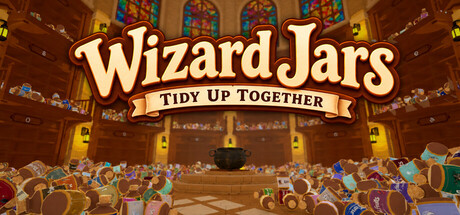
As a solo developer, I used generative AI to help create the game’s 440 different jar labels and localization content. Every label was individually reviewed by me and edited where necessary.
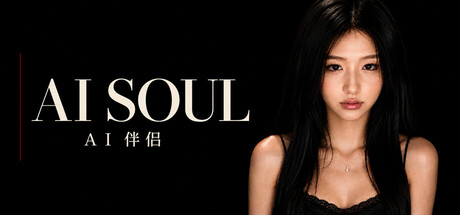
AI SOUL uses generative AI for conversational text, synthesized speech and speech-driven facial animation. Character imagery and store artwork include AI-generated material. Core conversation models run locally. Xiaoya is a synthetic character, not a live human operator. Responses may be inaccurate.
Most of the 3D models appearing in this game, including the main protagonist and various objects, were generated and modeled using generative AI tools. While some of the programming code was also generated with the assistance of generative AI (such as Gemini), all tasks—including implementation, fine-tuning gameplay behaviors, overall game design, and adjustments—were carried out manually by a solo human developer.
During early development and for the playable demo, Generative AI tools were used to create base templates and draft assets for certain 3D models, textures, and sound effects. All AI-generated placeholders and base models have been manually re-worked, polished, and edited. As development progresses, these draft assets are being actively replaced with fully custom, handcrafted art and audio.
Some content in this game was created with the help of generative AI tools during development: sound effects, the English translation, some 3D assets and parts of the store page text. All of it was reviewed and edited by the developer. The game does not generate any content with AI while you play.
Some artwork associated with Rocket's Way was created using generative AI tools. This content is pre-generated and does not generate new content during gameplay.
TV Dynasty Manager was designed by a solo developer. The game idea, the gameplay systems and the original German texts were created by the developer.
Generative AI was used as a tool for some parts, and all results were reviewed and edited by hand:
- Store artwork, logos and the main menu background image
- Translations of the German original into English, Spanish, French, Italian, Portuguese, Japanese, Russian and Chinese
- Help with some in-game descriptions (shows, films, characters)
The game does not use AI while you play.
Generative AI tools were used in the creation of selected pre-generated visual and audio assets, as well as some promotional materials. All AI-assisted content is reviewed, edited, and curated by the development team before being included in the game. Heir of Death does not use live-generated AI during gameplay.
Pre-generated: the game's art (character portraits, battle poses, map sprites, painted battlefields and towns, cutscene stills, icons) and music were created with generative AI tools under the developer's direction, then reviewed, edited and assembled by the developer. Live-generated: none. No AI content is generated while you play.
Generative AI assisted with some programming and debugging during the development of Daylight Line. Some in-game visual assets, including battle status icons, were also created with the assistance of generative AI and then processed and integrated by the development team. The game does not generate AI content during gameplay.
Generative AI tools were used to create promotional artwork for the Steam store and to assist with in-game localization. The game does not generate AI content during gameplay. Gameplay screenshots and gameplay footage were captured in the game.
Generative AI was used during development to create some 3D models, textures, artwork, music, and store marketing materials, including the cinematic teaser. These assets were prepared before release. The game does not generate AI content during play or connect to external AI services.
Some included character, animal, creature and sample images were created with generative AI and then edited and prepared for the product. Generative AI also assisted with localization. MEMEMINT does not generate new images or text with generative AI during use and does not connect to a third-party generative AI service. Its local background-removal feature uses a non-generative segmentation model.
We use generative AI for some of the following elements.
・Some of the in-game art
・Some of the code
・Some of the banners and trailers on the store page
Generative AI tools were used during development to create some visual assets and to assist with writing, modifying, and debugging code. All AI-generated or AI-assisted content was reviewed, adjusted, and integrated by the developer. The game does not use generative AI to create content during gameplay.
Generative AI tools were used during development to create and refine some pre-generated content, including UI artwork and icons, selected 3D models and textures, music, character and dealer voice lines, and localized text. Tools used include OpenAI image generation and Codex, Meshy, Suno, and Alibaba Cloud Model Studio. All AI-assisted content was reviewed, curated, and edited before inclusion. The game does not generate AI content at runtime or connect to generative AI services during play.
Some of the game's content was created with the help of generative AI tools and then reviewed, edited and integrated by the developer: parts of the 3D unit and vehicle models and their textures, the key art and store artwork, backgrounds, voice lines and music.
Everything you see and hear in this game - the graphics, the sound effects, the music and the built-in tracks - is produced by our own hand-written generators: drawn and synthesised in code. No generative AI is involved in any of it, and nothing is generated by an AI while the game is running. The computer drivers race on ordinary, hand-written driving logic, not on an AI model.
Generative AI was used during development, as an assistant for code and for text: in writing the program code and those generators, in the menu and interface text, in the names of the computer drivers, and in the translation between German and English. Every line of it was reviewed and reworked before it went into the game.
The images and the video on this store page are captured from the running game.
Generative AI tools were used during development to assist in creating some artwork, text, and localization used in the game. All AI-assisted content was reviewed, selected, and edited by the developer before being included in the game. No generative AI is used during gameplay.
This game uses generative AI to create pre-generated content that ships with the game: character and monster artwork, backgrounds and other images, the logo, negotiation dialogue text, and level design. The store page text and marketing images are also created with AI assistance. No AI content is generated live while you play.
Music, background, videos and images in this game, especially the artwork, were created using AI tools as a visual supplement.
This creative choice allowed me to focus more time and resources on what matters most, delivering longer, more engaging, and fun gameplay.
Generative AI was used during development to create some visual assets, including the title artwork and app icon. AI tools also assisted with some 3D models, in-game text, localization, and sound effects. The game does not use generative AI services to create content during play.
Generative AI was used during development to create some vegetation textures and to assist with in-game text, quest descriptions, and store copy. This content is prepared in advance and included with the game. The game does not generate AI content during gameplay or connect to third-party AI services.
Generative AI was used during development to create selected pre-generated visual assets, including some character models, weapon presentation models and related images, as well as some promotional artwork for the store. These assets were selected, post-processed and integrated by the developer. Store gameplay screenshots are captured from the running game and have not been generatively altered; they may show game content that uses pre-generated AI assets. The current game does not call generative AI services or generate new content during play.
AI tools were used during development to assist with portions of the game’s artwork, audio, and gameplay logic, which were refined and integrated by the developer. All AI-assisted content was created in advance; the game does not use real-time generative AI during gameplay.
Generative AI was used to create pre-generated vivid reinterpretations of public-domain classical paintings and promotional/store artwork. These fixed images are included with the game. Gameplay does not generate AI content or connect to external AI services; imported images are processed locally.
Clade is made by a small independent developer. During development, AI tools were used to help write some of the game's code, and to create some placeholder 3D models and text. All placeholder art is being replaced with handmade work, and this note will be updated as that happens. The game does not generate any content with AI while you play. The computer controlled empires are traditional game AI written for Clade, not generative AI.
Generative AI was used during development to assist in creating some character, monster, pet, environment, item icon, and promotional artwork, as well as to support programming and multilingual text translation. The resulting content was selected, adjusted, and integrated into the game by the developer. This content is created in advance during development; the game does not generate AI content in real time during gameplay.
The Seven Beacons is made by a small independent studio that uses generative AI tools as part of production. Every piece is directed, chosen and integrated by the developer.
Pre-generated with AI assistance:
- Illustrations: combat art, backgrounds, characters, and the store and library art.
- Music: compositions created with AI assistance and performed with sampled instruments.
- The English and Brazilian Portuguese translations (the game was written in Spanish).
- Pixel sprites and sound effects, generated by scripts written with AI assistance.
- The text of this store page.
The game does not generate any AI content while you play: everything you see and hear was made before release and ships with the game.
This game uses generative AI to assist in creating some game assets. All AI-generated assets are manually reviewed, adjusted, and refined by the developer. The game does not generate AI content in real-time during gameplay.
Subject Zero was made with an AI assistant. Its code, its written content (the headlines, incidents, exams, the codex and every interface string) and the translations of the interface and the manual were written with Claude (Anthropic) under the developer's direction and review.
The achievement icons on this store page are AI-generated images (Midjourney). The teaser trailer's video clips were generated with Google Veo, its narration was synthesised with ElevenLabs, and its subtitles were machine-translated.
Nothing is generated while you play: the game contains no AI model and calls no online service. Every headline, incident and outcome comes from fixed tables written in advance, and the same seed always plays out the same way.
Generative AI tools were used during development to create and refine visual artwork, including spacecraft images, environments, story illustrations, and promotional graphics. This content was prepared during development and is included as fixed assets. Fleet Forge does not generate AI artwork, dialogue, or other content during gameplay.
Some 3D models, textures and sound effects were created with the help of generative AI tools and then edited, cleaned up and finished by hand by our team. Some store page and marketing artwork was also created with generative AI tools. All AI-assisted content was reviewed by the developers before being included. The game does not generate any content with AI while you play.
Some visual assets in this game (such as illustrations, icons, and background images) were created with the assistance of generative AI tools. All AI-generated content was reviewed, edited, and curated by our development team before being included in the game.
The 3D character models and their textures in this game were created using a generative AI tool (Tripo AI), based on original images prepared by the developer. ChatGPT / DALL·E were also used to create UI icons, background art (sky and grass), and some textures. All generated results were reviewed and adjusted by the developer before being included in the game. The game does not generate any AI content at runtime.
Generative AI tools were used in a limited capacity during development to assist with some audio and visual elements. The vast majority of the game's content was created by our team.
We’re two developers living on opposite sides of the world, who have been A LOT of sleepless nights building the game and world we wanted to see made possible.
Without AI, this game would not have been possible. Despite that, we know that the world would be portrayed much better with a dedicated team of designers and artists behind it. We've made it a massive priority ours to create all of our visual design with as much human touch as we can to stay true to how we envision the world.
The story, characters, worldbuilding, etc. Are all written by uS. A *very* generous friend is creating the soundtrack. We know everyone has different views on AI generated content and we are committed to being VERY clear of the when and where of it's used. In the long-term, we hope to grow to a point where we rely on AI less, and rely on people more for further development of Vorpus.
As a solo developer, I used generative AI to help create the game’s 440 different jar labels and localization content. Every label was individually reviewed by me and edited where necessary.
AI SOUL uses generative AI for conversational text, synthesized speech and speech-driven facial animation. Character imagery and store artwork include AI-generated material. Core conversation models run locally. Xiaoya is a synthetic character, not a live human operator. Responses may be inaccurate.