Public Steam disclosure research25,714 disclosures tracked
Where do games disclose AI use?
Search developers’ Steam disclosures, compare classified AI use across
games, and follow recorded changes.
This index adds cross-game classifications and statistics to
statements published on individual store pages.
Groups reflect automatic analysis of public disclosures; mature records are excluded. These counts do not measure AI use across all of Steam.
Missing or unclear statements cannot establish whether a game uses AI.
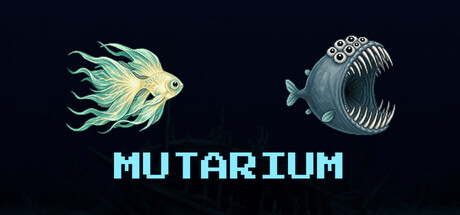
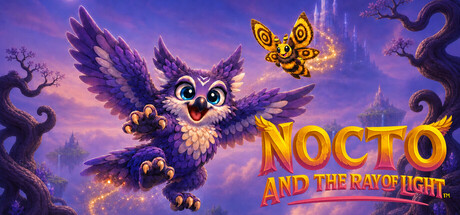
Generative AI was used to create visual art in this game. Creature, character and background artwork was produced with AI image and animation tools, then hand-edited, cleaned up and assembled by the developer before being placed in the game. This artwork also appears in store page and marketing materials. The game additionally uses licensed, human-made pixel-art asset packs. AI tools (LLM) were also used to help write the game's code and in-game text during development, and to translate that text into the game's six non-English languages (Korean, Simplified Chinese, Japanese, Russian, Spanish, Brazilian Portuguese). All audio - music and sound effects - is human-made and licensed from human creators; no generative AI was used for audio. No AI runs during gameplay: all content is generated ahead of time and reviewed by the developer before it ships.
Generative AI tools are used to create part of the game's artwork, music soundtrack and programming auxiliary content. All AI-generated materials have been manually reviewed, adjusted and optimized by our team to match the game's overall style and gameplay experience.
Generative AI technology is used in a supplementary capacity during the creation of some user interface assets.
Any such assets are replaced through our production pipeline by our art and development teams, ensuring they meet our quality standards and creative direction.
Generative AI tools were used during development to assist with some pre-generated visual assets and store marketing images. These assets are fixed in advance and are not generated during gameplay. The released game does not call an external generative AI service and does not generate text, images, audio, code, or other content at runtime.
Some minor visual assets and text revisions in this game were enhanced with the assistance of generative AI tools. All content was reviewed and refined by the developer. AI was used solely as a supporting tool.
Generative AI tools were used during development to assist with portions of the source code and to create some variations of character artwork, such as facial expressions and color variations. All original character designs and base artwork were created by the developer. All AI-assisted outputs were reviewed, edited, and finalized by the developer. The application does not generate AI content while it is running.
Of course, we used artificial intelligence to create some of the illustrations and interface elements, translate texts into various languages, and make the programmers’ work easier. Without AI, it would have been impossible to bring our project to life with the quality we envisioned and within a realistic timeframe. We’d like to thank the developers and companies behind artificial intelligence for the incredible tools that helped us realize our dream and create this game.
This work is fully developed and produced with the assistance of AI: character animations, scene maps, interface UI, sound effects, music and other art and audio materials are all generated by AI; The core gameplay mechanism of the game relies on manual planning to complete the development outline, and the implementation of segmented content and function building are all assisted by AI to complete the development work.
This game utilized generative AI tools to assist with code writing and creative design during development. All AI-generated content has been strictly tested, reviewed, and optimized to ensure game quality and stability.
Some of the art assets in this game utilize image resources provided by third parties, which were created using generative AI technology and subsequently modified manually. Specifically, these involve character illustrations and scene background image.Outside the game: achievement icons, promotional images, and Library images
RagNext Studio includes pre-rendered sample background artwork, character portraits, and icons created with Generative AI tools within sample demonstration projects. Additionally, RagNext Studio provides optional AI-assisted narrative and dialogue drafting tools for game creators during the design process. The software operates 100% complete offline out-of-the-box using built-in rule-based generators and offline templates.
Generative AI was used during development to create certain promotional artwork and some environmental background art. All gameplay mechanics, programming, level design, characters, animations, UI, and game systems were created and curated by the developer. The game does not use live-generated AI content during gameplay.
This game uses generative AI tools to assist in the creation of select visual assets and localization.
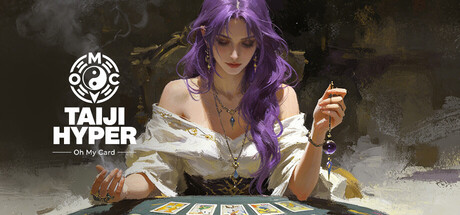
Card illustrations and art assets: AI-generated concepts serve as an early creative foundation, developed under the direction of veteran concept artist Ni Li (ArtStation portfolio available, 10+ years of artistic experience).
Localization: AI-assisted translation is used for 30+ languages.
We use generative AI tools during the pre-production phase to create specific pre-rendered assets for the final game build. Specifically, AI assistance was utilized to generate elements of the instrumental soundtrack, ambient sound effects, and select minor environment/prop assets within the game world. No AI content is generated live or dynamically during gameplay, and all assets have been thoroughly reviewed to ensure they do not infringe on existing copyrights.
Some 2D vector artwork and portions of game text/localization were created with the assistance of generative AI (Claude); all AI-generated content was reviewed by the developer
Ski Lines is a solo-developed indie game created with the help of generative AI tools. AI was used throughout production to support artwork creation, music and sound design, code assistance, prototyping, iteration, and marketing assets.
Every AI-assisted element was curated, edited, and integrated by the developer to fit the game’s minimalist ski-map aesthetic and gameplay vision. The use of AI helped accelerate production while preserving human creative direction, design decisions, quality control, and final authorship.
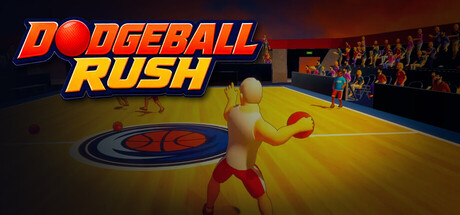
Generative AI tools were used during development to assist with portions of programming and to create selected pre-generated audio and visual assets. These include some character and commentator voice lines and branding artwork. All AI-assisted content was reviewed and integrated by the developer. No generative AI runs during gameplay, and no player input or personal data is sent to AI services.
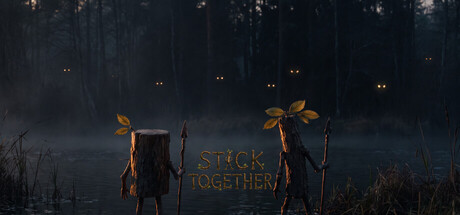
Some environment and concept art in Stick Together was created with the help of generative AI tools, then edited and approved by our team. All visuals are fixed at release, and players cannot generate their own AI content in‑game.
Some store page artwork (capsules, library images, and promotional visuals) was created with the assistance of generative AI tools and edited by the developer.
Select in-game art assets were also created with AI-assisted tools during development and integrated into the game as pre-made content.
Gameplay is built in Unreal Engine. In-game content is not generated by AI during play.
Generative AI was occasionally used to prototype assets and give ideas\reference for assets. It was also occasionally used to generate normal maps on textures I had created. Sometimes this had disastrous results.
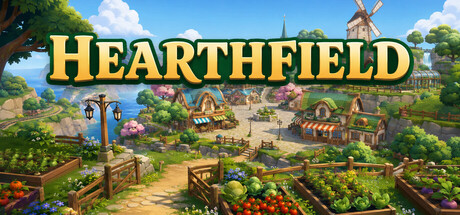
Hearthfield's world is built in code and from CC0 model packs, and everything you
see in play is made by hand. Our Steam store art, the capsules, the icons and the
logo, was created with the help of AI image tools and then finished by us. We also
use an AI coding assistant while building the game, and AI help when drafting store
text. Our screenshots are always genuine captures from the real game. Nothing in
Hearthfield is generated by AI while you play.
Some graphical elements of the user interface (menus, icons, and buttons), as well as store page assets (capsule images, header, and screenshots containing generated elements), were created with the assistance of generative AI tools and manually reviewed and edited by the developer
During development, generative AI was used to assist in creating some of the game’s 2D visual assets and icons. All AI-assisted content was manually reviewed and curated by the developers, and modified where necessary before being included in the final version. AI was also used to refactor some early code that was not yet well-structured.
Generative AI was used during development to assist with the creation of certain visual assets, localization, and store page materials. All AI-generated content has been reviewed, edited, and integrated by the developer. The game does not generate content with AI at runtime.
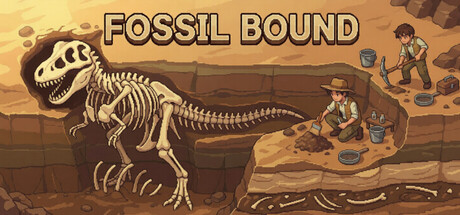
Generative AI tools were used during development to create and refine some pre-generated 2D artwork used in the game and its marketing, including environmental backgrounds, character and item art, fossil and museum visuals, capsule and library artwork, and achievement imagery. All AI-assisted assets were selected, edited, and integrated by the developer before shipping. The game does not generate AI content during gameplay and does not connect to a live AI service.
This game was developed with the assistance of AI tools. Some visual and audio assets were created using generative AI tools, then reviewed, selected, and refined by the developer. Portions of the game's code were written with the assistance of AI coding tools under the developer's direction and review. Game design, systems, balance, and all final decisions are the developer's own. No AI content is generated live within the game.
Generative AI tools were used to create some static art assets, narrative text and promotional materials included within the game. All AI-generated content has been manually reviewed, edited and adjusted by our development team to ensure compliance.
Generated code is applied to:
Create some shaders (like smoke and vertex snapping)
Procedurally draw billboard objects like pins and balls.
Procedurally produce sfx like pin knock sounds.
Some Store art is temporary generative concept art.
In-game Graffiti is hand drawn and not a product of generative AI.
Generative AI was used to create visual art in this game. Creature, character and background artwork was produced with AI image and animation tools, then hand-edited, cleaned up and assembled by the developer before being placed in the game. This artwork also appears in store page and marketing materials. The game additionally uses licensed, human-made pixel-art asset packs. AI tools (LLM) were also used to help write the game's code and in-game text during development, and to translate that text into the game's six non-English languages (Korean, Simplified Chinese, Japanese, Russian, Spanish, Brazilian Portuguese). All audio - music and sound effects - is human-made and licensed from human creators; no generative AI was used for audio. No AI runs during gameplay: all content is generated ahead of time and reviewed by the developer before it ships.
Generative AI tools are used to create part of the game's artwork, music soundtrack and programming auxiliary content. All AI-generated materials have been manually reviewed, adjusted and optimized by our team to match the game's overall style and gameplay experience.
Generative AI technology is used in a supplementary capacity during the creation of some user interface assets.
Any such assets are replaced through our production pipeline by our art and development teams, ensuring they meet our quality standards and creative direction.
Generative AI tools were used during development to assist with some pre-generated visual assets and store marketing images. These assets are fixed in advance and are not generated during gameplay. The released game does not call an external generative AI service and does not generate text, images, audio, code, or other content at runtime.
Some minor visual assets and text revisions in this game were enhanced with the assistance of generative AI tools. All content was reviewed and refined by the developer. AI was used solely as a supporting tool.
Generative AI tools were used during development to assist with portions of the source code and to create some variations of character artwork, such as facial expressions and color variations. All original character designs and base artwork were created by the developer. All AI-assisted outputs were reviewed, edited, and finalized by the developer. The application does not generate AI content while it is running.
Of course, we used artificial intelligence to create some of the illustrations and interface elements, translate texts into various languages, and make the programmers’ work easier. Without AI, it would have been impossible to bring our project to life with the quality we envisioned and within a realistic timeframe. We’d like to thank the developers and companies behind artificial intelligence for the incredible tools that helped us realize our dream and create this game.
This work is fully developed and produced with the assistance of AI: character animations, scene maps, interface UI, sound effects, music and other art and audio materials are all generated by AI; The core gameplay mechanism of the game relies on manual planning to complete the development outline, and the implementation of segmented content and function building are all assisted by AI to complete the development work.
This game utilized generative AI tools to assist with code writing and creative design during development. All AI-generated content has been strictly tested, reviewed, and optimized to ensure game quality and stability.
Some of the art assets in this game utilize image resources provided by third parties, which were created using generative AI technology and subsequently modified manually. Specifically, these involve character illustrations and scene background image.Outside the game: achievement icons, promotional images, and Library images
RagNext Studio includes pre-rendered sample background artwork, character portraits, and icons created with Generative AI tools within sample demonstration projects. Additionally, RagNext Studio provides optional AI-assisted narrative and dialogue drafting tools for game creators during the design process. The software operates 100% complete offline out-of-the-box using built-in rule-based generators and offline templates.
Generative AI was used during development to create certain promotional artwork and some environmental background art. All gameplay mechanics, programming, level design, characters, animations, UI, and game systems were created and curated by the developer. The game does not use live-generated AI content during gameplay.
This game uses generative AI tools to assist in the creation of select visual assets and localization.
Card illustrations and art assets: AI-generated concepts serve as an early creative foundation, developed under the direction of veteran concept artist Ni Li (ArtStation portfolio available, 10+ years of artistic experience).
Localization: AI-assisted translation is used for 30+ languages.
We use generative AI tools during the pre-production phase to create specific pre-rendered assets for the final game build. Specifically, AI assistance was utilized to generate elements of the instrumental soundtrack, ambient sound effects, and select minor environment/prop assets within the game world. No AI content is generated live or dynamically during gameplay, and all assets have been thoroughly reviewed to ensure they do not infringe on existing copyrights.
Some 2D vector artwork and portions of game text/localization were created with the assistance of generative AI (Claude); all AI-generated content was reviewed by the developer
Ski Lines is a solo-developed indie game created with the help of generative AI tools. AI was used throughout production to support artwork creation, music and sound design, code assistance, prototyping, iteration, and marketing assets.
Every AI-assisted element was curated, edited, and integrated by the developer to fit the game’s minimalist ski-map aesthetic and gameplay vision. The use of AI helped accelerate production while preserving human creative direction, design decisions, quality control, and final authorship.
Generative AI tools were used during development to assist with portions of programming and to create selected pre-generated audio and visual assets. These include some character and commentator voice lines and branding artwork. All AI-assisted content was reviewed and integrated by the developer. No generative AI runs during gameplay, and no player input or personal data is sent to AI services.
Some environment and concept art in Stick Together was created with the help of generative AI tools, then edited and approved by our team. All visuals are fixed at release, and players cannot generate their own AI content in‑game.
Some store page artwork (capsules, library images, and promotional visuals) was created with the assistance of generative AI tools and edited by the developer.
Select in-game art assets were also created with AI-assisted tools during development and integrated into the game as pre-made content.
Gameplay is built in Unreal Engine. In-game content is not generated by AI during play.
Generative AI was occasionally used to prototype assets and give ideas\reference for assets. It was also occasionally used to generate normal maps on textures I had created. Sometimes this had disastrous results.
Hearthfield's world is built in code and from CC0 model packs, and everything you
see in play is made by hand. Our Steam store art, the capsules, the icons and the
logo, was created with the help of AI image tools and then finished by us. We also
use an AI coding assistant while building the game, and AI help when drafting store
text. Our screenshots are always genuine captures from the real game. Nothing in
Hearthfield is generated by AI while you play.
Some graphical elements of the user interface (menus, icons, and buttons), as well as store page assets (capsule images, header, and screenshots containing generated elements), were created with the assistance of generative AI tools and manually reviewed and edited by the developer
During development, generative AI was used to assist in creating some of the game’s 2D visual assets and icons. All AI-assisted content was manually reviewed and curated by the developers, and modified where necessary before being included in the final version. AI was also used to refactor some early code that was not yet well-structured.
Generative AI was used during development to assist with the creation of certain visual assets, localization, and store page materials. All AI-generated content has been reviewed, edited, and integrated by the developer. The game does not generate content with AI at runtime.
Generative AI tools were used during development to create and refine some pre-generated 2D artwork used in the game and its marketing, including environmental backgrounds, character and item art, fossil and museum visuals, capsule and library artwork, and achievement imagery. All AI-assisted assets were selected, edited, and integrated by the developer before shipping. The game does not generate AI content during gameplay and does not connect to a live AI service.
This game was developed with the assistance of AI tools. Some visual and audio assets were created using generative AI tools, then reviewed, selected, and refined by the developer. Portions of the game's code were written with the assistance of AI coding tools under the developer's direction and review. Game design, systems, balance, and all final decisions are the developer's own. No AI content is generated live within the game.
Generative AI tools were used to create some static art assets, narrative text and promotional materials included within the game. All AI-generated content has been manually reviewed, edited and adjusted by our development team to ensure compliance.
Generated code is applied to:
Create some shaders (like smoke and vertex snapping)
Procedurally draw billboard objects like pins and balls.
Procedurally produce sfx like pin knock sounds.
Some Store art is temporary generative concept art.
In-game Graffiti is hand drawn and not a product of generative AI.