Public Steam disclosure research25,878 disclosures tracked
Where do games disclose AI use?
Search developers’ Steam disclosures, compare classified AI use across
games, and follow recorded changes.
This index adds cross-game classifications and statistics to
statements published on individual store pages.
Groups reflect automatic analysis of public disclosures; mature records are excluded. These counts do not measure AI use across all of Steam.
Missing or unclear statements cannot establish whether a game uses AI.
Some store page artwork, promotional artwork, and marketing assets for False Normality were created or assisted using generative AI tools. The game's design, writing direction, rule system, gameplay logic, editing, and final asset selection were created and curated by the developer. False Normality does not use live-generated AI during gameplay.
Some 2D art (sprites, icons, key art) was generated with a locally run image model, then hand-curated and edited by the developer. Sound effects and music were generated with local audio models and hand-picked. Everything shipped was reviewed by a human; the game performs no AI generation at runtime.
Generative AI was used to assist with some images, sound effects, music, and translations. All AI-assisted content was reviewed, edited, and curated by the developer before being included in the game.
Some of this game's character and enemy art was created with the assistance of generative AI tools during development, then hand-reviewed and edited before shipping. No AI content is generated at runtime.
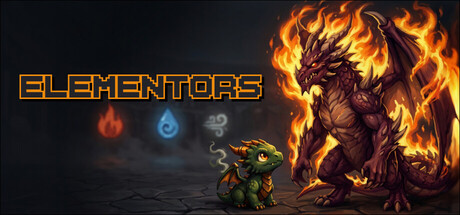
Some creature sprites and artwork were created with the assistance of AI image generation tools (Pixellab) and subsequently edited and refined by hand. All game design, mechanics, and balance are human-made. Development tools with AI assistance were used for portions of the code. The game does not generate any content with AI at runtime.
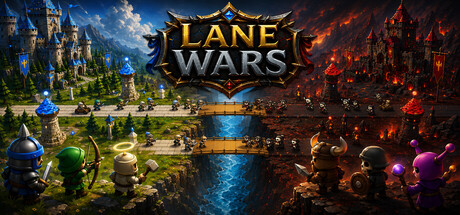
Lane Wars uses generative AI only for some pre-made 2D artwork: the game's icon, main-menu key art, and the Steam store capsule/promotional images were created with AI image-generation tools and then edited by the developer. Some trailer and marketing music was made with an AI music tool. Everything you interact with in-game — the 3D characters, environments, HUD, visual and sound effects, and all gameplay systems — is hand-built and procedurally generated in code, not AI-generated. The game does not use any generative AI at runtime.
I have used AI-assisted tools to generate specific visual assets for the game, including the library logo and certain promotional marketing materials. The AI was utilized solely for asset creation and does not generate content dynamically during live gameplay. The game's core mechanics and narrative elements were developed by our team without AI-generated procedural systems.
Some of the game's background music (BGM) uses tracks created with generative AI, and AI tools were used for localization (translation) into some languages. Store page images and some in-game illustrations (such as cutscenes and maps) were created with the assistance of AI image generation tools. Some in-game icons are based on AI-generated images that were then manually retouched and refined by the developer. All other content (in-game pixel art including characters and monsters, code, original story, etc.) was not created with AI.
The game does not use live AI-generated content. All gameplay assets were created by an artist. Some promotional images and UI artwork were initially generated with AI and then manually edited and refined.
This project includes limited use of AI generated content. AI tools were used to create certain background imagery and placeholder visual assets during development.
Additionally, AI-assisted tools were utilized in a supplementary capacity during parts of the coding process to support development efficiency.
All AI-generated content has been reviewed, modified, and integrated by the developer to ensure it aligns with the project’s overall quality and artistic direction.
The background music (BGM) in this game was created using Suno, a generative AI tool. Some image assets (such as icons) were also created with the assistance of generative AI tools.
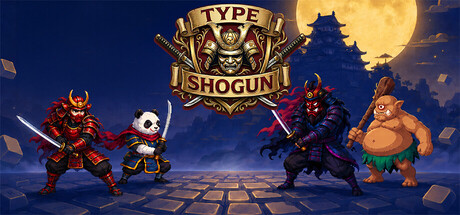
Type Shogun uses pre-generated AI-assisted artwork for some stylized visual assets, including Steam store/library artwork and selected marketing/capsule images. Some in-game background or presentation artwork may also include AI-assisted elements. All AI-assisted content was reviewed, selected, and curated by NH Media LLC before inclusion.
Type Shogun does not use live generative AI during gameplay. Players cannot generate AI images, text, audio, or other AI content inside the game.
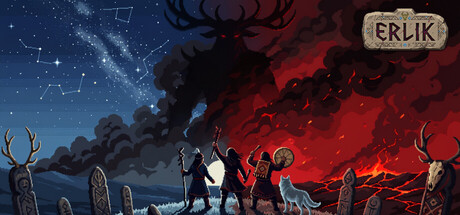
ERLIK is a solo-developed game: all game design, code, writing, balance and feel are handmade. Generative AI tools were used as part of the art production pipeline; every asset was then manually edited, curated and polished by the developer before entering the game. No content is generated while you play, everything is fixed at build time.
Some static store and marketing assets were created with AI-assisted tools, then reviewed, edited, and integrated by the developer. The game does not generate AI content during gameplay.
This game was created with the assistance of generative AI tools for visual assets, music, and coding. All generated material was extensively edited, arranged, curated, and directed by the developer. The gameplay design, UI layout, visual style, and overall creative vision are the result of significant human authorship.
This game uses generative AI during development in the following areas:
* Localization: AI tools were used to assist with translating some in-game text. All translations are reviewed and edited by the developer before being included in the game.
* Art Assets: AI tools were used to assist in creating some visual assets. All generated materials are selected, edited, and finalized by the developer.
* Programming: AI tools were used to assist with parts of the game's code development.
* Store Page: AI tools were used to assist in creating certain store page materials.
The game does not include any live-generated AI content. All AI-assisted content is generated during development, reviewed by a human, and finalized before being included in the shipped build.
Generative AI was used as an assistive tool for creating some visual assets. All AI-assisted assets were manually edited and refined by a human designer before being included in the game.
Generative AI was used during the development process to assist and improve efficiency. Specifically, some in-game art assets (such as UI icons and backgrounds) were generated by AI and subsequently refined by human artists. Additionally, AI-assisted tools were utilized to help with the writing and debugging of some foundational code. We assure you that all final art assets and core logic code presented to players have been manually reviewed and optimized by our development team. There is no live-generated AI content or code during actual gameplay.
Some of this game's assets were created with the assistance of generative AI tools, then curated, edited, and integrated by the developer. This includes art assets such as character portraits, location backgrounds, and promotional artwork, as well as sound. The game's code was written with AI coding tools under the developer's direction. The game's design, systems, writing, and creative direction are human-authored and directed.
Generative AI tools were used during development to assist with the creation and editing of some visual assets, background assets, character assets, code, and text. The game does not include live AI-generated content based on player input. All AI-assisted content has been reviewed, edited, and approved by the developer before inclusion. The game does not contain AI-generated adult-only content.
The developer used generative AI tools to assist in creating certain 2D environmental textures and concept artwork used during development. Additionally, AI voice generation software was used to synthesize specific voice lines for characters within the game. AI coding assistants were also utilized to aid in writing and optimizing standard gameplay scripts
This game uses generative AI tools in the creation of some visual assets, including certain artwork and promotional materials. All AI-generated content has been reviewed and modified by the development team to ensure consistency with the game’s art direction.
AI-generated content was used for promotional/store artwork, including capsule and library images. The game build itself does not use generative AI during gameplay.
The development of this game utilizes generative artificial intelligence tools to create some pre-rendered graphic assets, visual interface elements, and sound effects that are part of the arena's atmosphere.
AI is used during our early Alpha development phase to create temporary placeholder art. The intent is to replace once the core game loop as been satisfied.
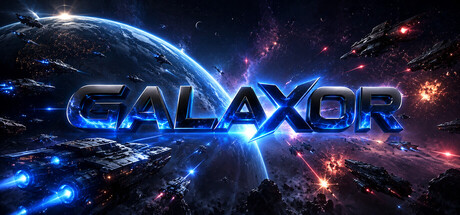
Galaxor uses generative AI tools to support the creation and revision of selected visual content, including icons, artwork, banners, store graphics and marketing materials. Generated content is reviewed, selected and, where necessary, manually adjusted before being used in the game or on the store page. No live-generated AI content is created during gameplay.
This game includes some pre-generated visual assets and music created with the help of AI tools during development. No AI content is generated live during gameplay.
Generative AI technology is used in a supplementary capacity during the creation of some user interface assets.
Any such assets are replaced through our production pipeline by our art and development teams, ensuring they meet our quality standards and creative direction.
This game uses AI-assisted tools during development to help create and iterate on some visual assets, such as concept art, UI background images, icons, effects references, and promotional artwork. The generated material is reviewed and edited by the developer before it is included in the game or store page. AI is not used during gameplay to generate player-facing text, images, audio, music, voice, 3D models, code, story choices, or gameplay decisions.
Generative AI tools were used during development to assist with some early visual concepts, select sprite bases, music/audio drafts, and voice/audio prototypes. All AI-assisted content included in the game was selected, edited, refined, and reviewed by the development team to fit the game’s final style and direction. The game does not generate AI content during gameplay.
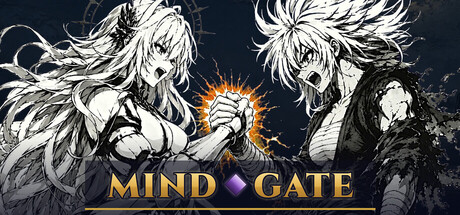
MindGate's content—including character illustrations, related store and promotional images, and in-game text—is created by the developer using generative AI tools. The developer directs, selects, edits, and finalizes every asset, and makes all gameplay design and balance decisions.
Generative AI was used to create some promotional images for the Steam store page. The game itself and its gameplay do not contain AI-generated content.
We used generative AI tools in a few clearly defined parts of this project, and we want to be upfront about where.
During development, we used AI coding assistants to help write and review parts of the source code, the same way many modern studios use these tools. We also used generative AI to help create some of the store page and marketing assets, such as promotional images and parts of the written copy. Everything produced this way was checked, edited, and approved by us before it went live.
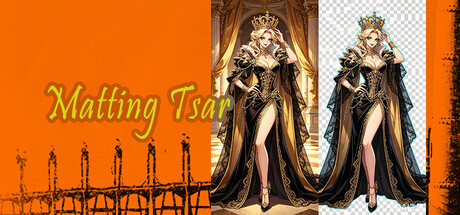
Inside the app itself, the background removal feature runs on machine learning models to cut backgrounds out of images that you choose to load. These models only process the images you give them, on your own machine, and nothing is generated or sent anywhere without your action.
The core gameplay experience, meaning the overlays you place, the cursor effects, the pinning behavior, and the audio reactive features, is built from regular code and does not generate content with AI at runtime. Any HTML overlays you get from the Steam Workshop are made and shared by other users, so their content is up to whoever created them.
We do not use AI to generate live content that changes on its own while you use the app, and we do not train models on your data.
Several of the original tracks included with the base game were created with the help of AI tooling as was some of the initial iconography and translations.
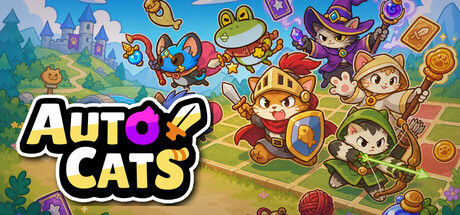
Auto Cats uses generative AI tools for some pre-generated visual and written content, including selected marketing artwork, concept-assisted item artwork, and some pre-written random event content.
Some store page artwork, promotional artwork, and marketing assets for False Normality were created or assisted using generative AI tools. The game's design, writing direction, rule system, gameplay logic, editing, and final asset selection were created and curated by the developer. False Normality does not use live-generated AI during gameplay.
Some 2D art (sprites, icons, key art) was generated with a locally run image model, then hand-curated and edited by the developer. Sound effects and music were generated with local audio models and hand-picked. Everything shipped was reviewed by a human; the game performs no AI generation at runtime.
Generative AI was used to assist with some images, sound effects, music, and translations. All AI-assisted content was reviewed, edited, and curated by the developer before being included in the game.
Some of this game's character and enemy art was created with the assistance of generative AI tools during development, then hand-reviewed and edited before shipping. No AI content is generated at runtime.
Some creature sprites and artwork were created with the assistance of AI image generation tools (Pixellab) and subsequently edited and refined by hand. All game design, mechanics, and balance are human-made. Development tools with AI assistance were used for portions of the code. The game does not generate any content with AI at runtime.
Lane Wars uses generative AI only for some pre-made 2D artwork: the game's icon, main-menu key art, and the Steam store capsule/promotional images were created with AI image-generation tools and then edited by the developer. Some trailer and marketing music was made with an AI music tool. Everything you interact with in-game — the 3D characters, environments, HUD, visual and sound effects, and all gameplay systems — is hand-built and procedurally generated in code, not AI-generated. The game does not use any generative AI at runtime.
I have used AI-assisted tools to generate specific visual assets for the game, including the library logo and certain promotional marketing materials. The AI was utilized solely for asset creation and does not generate content dynamically during live gameplay. The game's core mechanics and narrative elements were developed by our team without AI-generated procedural systems.
Some of the game's background music (BGM) uses tracks created with generative AI, and AI tools were used for localization (translation) into some languages. Store page images and some in-game illustrations (such as cutscenes and maps) were created with the assistance of AI image generation tools. Some in-game icons are based on AI-generated images that were then manually retouched and refined by the developer. All other content (in-game pixel art including characters and monsters, code, original story, etc.) was not created with AI.
The game does not use live AI-generated content. All gameplay assets were created by an artist. Some promotional images and UI artwork were initially generated with AI and then manually edited and refined.
This project includes limited use of AI generated content. AI tools were used to create certain background imagery and placeholder visual assets during development.
Additionally, AI-assisted tools were utilized in a supplementary capacity during parts of the coding process to support development efficiency.
All AI-generated content has been reviewed, modified, and integrated by the developer to ensure it aligns with the project’s overall quality and artistic direction.
The background music (BGM) in this game was created using Suno, a generative AI tool. Some image assets (such as icons) were also created with the assistance of generative AI tools.
Type Shogun uses pre-generated AI-assisted artwork for some stylized visual assets, including Steam store/library artwork and selected marketing/capsule images. Some in-game background or presentation artwork may also include AI-assisted elements. All AI-assisted content was reviewed, selected, and curated by NH Media LLC before inclusion.
Type Shogun does not use live generative AI during gameplay. Players cannot generate AI images, text, audio, or other AI content inside the game.
ERLIK is a solo-developed game: all game design, code, writing, balance and feel are handmade. Generative AI tools were used as part of the art production pipeline; every asset was then manually edited, curated and polished by the developer before entering the game. No content is generated while you play, everything is fixed at build time.
Some static store and marketing assets were created with AI-assisted tools, then reviewed, edited, and integrated by the developer. The game does not generate AI content during gameplay.
This game was created with the assistance of generative AI tools for visual assets, music, and coding. All generated material was extensively edited, arranged, curated, and directed by the developer. The gameplay design, UI layout, visual style, and overall creative vision are the result of significant human authorship.
This game uses generative AI during development in the following areas:
* Localization: AI tools were used to assist with translating some in-game text. All translations are reviewed and edited by the developer before being included in the game.
* Art Assets: AI tools were used to assist in creating some visual assets. All generated materials are selected, edited, and finalized by the developer.
* Programming: AI tools were used to assist with parts of the game's code development.
* Store Page: AI tools were used to assist in creating certain store page materials.
The game does not include any live-generated AI content. All AI-assisted content is generated during development, reviewed by a human, and finalized before being included in the shipped build.
Generative AI was used as an assistive tool for creating some visual assets. All AI-assisted assets were manually edited and refined by a human designer before being included in the game.
Generative AI was used during the development process to assist and improve efficiency. Specifically, some in-game art assets (such as UI icons and backgrounds) were generated by AI and subsequently refined by human artists. Additionally, AI-assisted tools were utilized to help with the writing and debugging of some foundational code. We assure you that all final art assets and core logic code presented to players have been manually reviewed and optimized by our development team. There is no live-generated AI content or code during actual gameplay.
Some of this game's assets were created with the assistance of generative AI tools, then curated, edited, and integrated by the developer. This includes art assets such as character portraits, location backgrounds, and promotional artwork, as well as sound. The game's code was written with AI coding tools under the developer's direction. The game's design, systems, writing, and creative direction are human-authored and directed.
Generative AI tools were used during development to assist with the creation and editing of some visual assets, background assets, character assets, code, and text. The game does not include live AI-generated content based on player input. All AI-assisted content has been reviewed, edited, and approved by the developer before inclusion. The game does not contain AI-generated adult-only content.
The developer used generative AI tools to assist in creating certain 2D environmental textures and concept artwork used during development. Additionally, AI voice generation software was used to synthesize specific voice lines for characters within the game. AI coding assistants were also utilized to aid in writing and optimizing standard gameplay scripts
This game uses generative AI tools in the creation of some visual assets, including certain artwork and promotional materials. All AI-generated content has been reviewed and modified by the development team to ensure consistency with the game’s art direction.
AI-generated content was used for promotional/store artwork, including capsule and library images. The game build itself does not use generative AI during gameplay.
The development of this game utilizes generative artificial intelligence tools to create some pre-rendered graphic assets, visual interface elements, and sound effects that are part of the arena's atmosphere.
AI is used during our early Alpha development phase to create temporary placeholder art. The intent is to replace once the core game loop as been satisfied.
Galaxor uses generative AI tools to support the creation and revision of selected visual content, including icons, artwork, banners, store graphics and marketing materials. Generated content is reviewed, selected and, where necessary, manually adjusted before being used in the game or on the store page. No live-generated AI content is created during gameplay.
This game includes some pre-generated visual assets and music created with the help of AI tools during development. No AI content is generated live during gameplay.
Generative AI technology is used in a supplementary capacity during the creation of some user interface assets.
Any such assets are replaced through our production pipeline by our art and development teams, ensuring they meet our quality standards and creative direction.
This game uses AI-assisted tools during development to help create and iterate on some visual assets, such as concept art, UI background images, icons, effects references, and promotional artwork. The generated material is reviewed and edited by the developer before it is included in the game or store page. AI is not used during gameplay to generate player-facing text, images, audio, music, voice, 3D models, code, story choices, or gameplay decisions.
Generative AI tools were used during development to assist with some early visual concepts, select sprite bases, music/audio drafts, and voice/audio prototypes. All AI-assisted content included in the game was selected, edited, refined, and reviewed by the development team to fit the game’s final style and direction. The game does not generate AI content during gameplay.
MindGate's content—including character illustrations, related store and promotional images, and in-game text—is created by the developer using generative AI tools. The developer directs, selects, edits, and finalizes every asset, and makes all gameplay design and balance decisions.
Generative AI was used to create some promotional images for the Steam store page. The game itself and its gameplay do not contain AI-generated content.
We used generative AI tools in a few clearly defined parts of this project, and we want to be upfront about where.
During development, we used AI coding assistants to help write and review parts of the source code, the same way many modern studios use these tools. We also used generative AI to help create some of the store page and marketing assets, such as promotional images and parts of the written copy. Everything produced this way was checked, edited, and approved by us before it went live.
Inside the app itself, the background removal feature runs on machine learning models to cut backgrounds out of images that you choose to load. These models only process the images you give them, on your own machine, and nothing is generated or sent anywhere without your action.
The core gameplay experience, meaning the overlays you place, the cursor effects, the pinning behavior, and the audio reactive features, is built from regular code and does not generate content with AI at runtime. Any HTML overlays you get from the Steam Workshop are made and shared by other users, so their content is up to whoever created them.
We do not use AI to generate live content that changes on its own while you use the app, and we do not train models on your data.
Several of the original tracks included with the base game were created with the help of AI tooling as was some of the initial iconography and translations.
Auto Cats uses generative AI tools for some pre-generated visual and written content, including selected marketing artwork, concept-assisted item artwork, and some pre-written random event content.