Public Steam disclosure research25,882 disclosures tracked
Where do games disclose AI use?
Search developers’ Steam disclosures, compare classified AI use across
games, and follow recorded changes.
This index adds cross-game classifications and statistics to
statements published on individual store pages.
Groups reflect automatic analysis of public disclosures; mature records are excluded. These counts do not measure AI use across all of Steam.
Missing or unclear statements cannot establish whether a game uses AI.
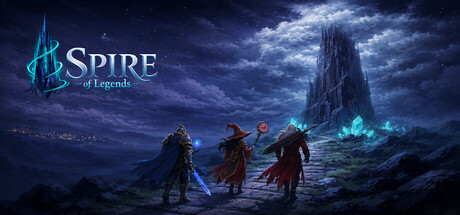
Spire of Legends uses generative AI as part of the development process for certain visual assets, sound effects, and localization content. AI-generated content is not used directly without review; assets and text are edited, refined, and integrated by the developer to meet the game's artistic and gameplay requirements. All game design, programming, mechanics, balance decisions, and overall creative direction are created by the developer.
This game uses pre-generated AI only for certain UI background images and promotional store visuals. These assets were created before release and remain fixed. The game does not include any live AI generation during gameplay.
While developing this game I used AI Tools to assist in many aspects of the game creation process. I used MidJourney to create background images, Mureka to create the sound track, and Ludo to generate sprites.
All game design, logic, formulas, gameplay modes, powers, balancing, etc. I handled myself over months of development time.
All character and unit art is hand-drawn; audio and music contain no AI. Some background art and UI icons were made with help from generative AI tools and then edited by the developer. AI also assists translation, with every translation human-reviewed before release.
This game was made with the help of generative AI tools. During development, AI was used to help create some of the content that ships with the game — including its writing and dialogue, its English and Turkish text, and its 2D art and UI (such as icons, product sprites, achievement badges, and store images). All of this content was directed, reviewed, and curated by the developer. The game does not generate any AI content while you play, and does not connect to any AI service during gameplay.
This product uses generative AI only for a limited amount of pre-generated visual assets. These include certain user interface artwork used in the game menus, as well as some promotional/store page visual assets such as header images and the game logo.
Generative AI is not used to generate gameplay, characters, levels, story content, player-facing text, or any real-time content during gameplay. All AI-assisted assets are manually reviewed, edited where necessary, and selected by the developer before being included in the product or its store page.
As a solo developer, I used AI tools as a foundation to expand the game's scope, manually refining and finalizing every asset to ensure the final result is a high-quality, handcrafted experience.
Cellula was developed with the assistance of generative AI tools. The developer used AI to help write C++ code, generate 3D organelle models from text descriptions, and create UI button artwork. No AI-generated content appears in the final game without human modification, curation, and integration.
This project is itself a demonstration of how AI can democratize game development — allowing a single developer with domain expertise but limited programming experience to build something that previously required a full studio.
All game design, biological accuracy, educational content, and creative direction were provided by a human physician and educator.
Some visual assets in this game were created with the assistance of generative AI tools, including UI icons, skill and relic icons, character portraits and sprites, combat VFX, dungeon tile art, and menu and interface decoration. All generated images were reviewed, edited, and integrated by the development team.
Some 2D art (character illustrations, menu and store background art) and marketing/store capsule images were created with the assistance of generative AI image tools. All AI-assisted assets were reviewed, edited and approved by the developer. No generative AI runs live during gameplay.
FOCUS uses generative AI to assist in creating some in-game texture/background assets and the store capsule art. These are hand-edited and finalized by the developer. All design, code, and gameplay are human-made, and no AI content is generated at runtime.
"We used generative AI tools during the development of this game. Specifically, pre-generated AI tools were utilized to create and refine some of the 2D visual assets, including concept art, UI elements, and promotional store graphics. All AI-generated content was reviewed, edited, and curated by our team to ensure quality and compliance with Steam's content policies. The game itself does not generate any live AI content during runtime."
I use generative AI exclusively as a temporary tool for rapid prototyping and placeholder content during early solo development. All AI-generated elements in Vigilum are planned to be fully replaced with custom, human-made assets for the final v1.0 release.
-> 3D Models: I used generative AI tools to create two 3D assets (the Vylem gem and the Blood Sigil element). These are temporary placeholders, and I am currently prioritizing remaking them myself during the Early Access phase.
-> 2D Assets: A few UI icons and images were generated with AI. I intend to commission a professional artist to completely replace these 2D elements as soon as funding allows.
PropHaunt uses generative AI tools only to assist in creating part of its store page artwork and promotional materials (such as the logo and key art). No AI-generated content is produced live during gameplay, and the game does not connect to any external AI service while you play. All in-game assets — characters, environments, props, audio, and UI — are hand-crafted or sourced from licensed asset packs.
We used artificial intelligence tools in several areas of Parcel Empire’s development, always under human supervision.
Some of the game’s artwork was generated with the help of AI, then significantly reworked by hand to match the project’s art direction and the specific needs of the game.
The game’s music was entirely generated with the help of AI. The sound effects, however, were not generated by AI.
AI was also used to help translate the game into the available languages.
The game’s development is handled by a developer on the team. Some portions of the code were assisted by AI, but they were reviewed, adapted, and integrated under human supervision.
Generative AI tools were used during development to create and edit some visual assets, including character, unit, action, and background artwork. Generative AI was also used in the creation of some sound and audio assets. All generated materials were reviewed, selected, and edited by the developer before being included in the game or its store assets. The game does not generate AI content during gameplay.
During development, I may use procedural- and AI-assisted tools to support content creation, iteration, and production workflows. In all such cases, the final product reflects my own creative direction, selection, editing, and implementation as the developer.
This game utilizes generative AI tools as an assisting tool for creating various assets, including Artwork (Character portraits, backgrounds, and some UI elements), Sound (BGM and effects), and Text (localization).
AI was also used to assist in programming and debugging. All assets were carefully selected by the developer, and the core gameplay systems, balance, boss design, and all strategic features were entirely designed and implemented by hand.
Most character avatars, icons and in-game buildings are generated or modified with AI tools. Building names and certain text content are AI-generated, while all remaining assets are manually created.
During the early stages of development, generative AI was used to create prototypes for some visual assets. These assets were manually redrawn and revised by the developer before being included in the game.
7743 includes a small handful of AI generated art. This includes, and is limited to only textures. The degree of AI generated textures within 7743 is likely less than 5%
AI-assisted tools were used to help create some splash screen visuals and store page promotional artwork. All assets were reviewed and finalized by the developer before being included in the game and store materials.
All materials and assets used in this game were created by hand. Generative AI tools were used only as a supportive enhancement tool, for example to refine, polish, or improve certain elements. The final content, including visual assets, story elements, audio direction, and overall creative design, remains the result of human creation and artistic direction.
This product uses generative AI for live text-based character dialogue, optional code or technical text generation, and AI-assisted pre-generated visual assets.
Players can interact with an AI desktop character through text chat. AI responses may be generated based on the character profile, the current conversation, limited memory, and optional screen-context summaries. When requested by the user, the AI may also generate programming explanations, code snippets, configuration examples, or technical suggestions.
AI conversation features require an internet connection. In the Steam version, players do not need to create, configure, or manage any third-party AI service accounts or API keys. Access to AI features is managed by the developer’s backend service and uses in-app AI Credits purchased through Steam Wallet.
The artwork used as the basis for the built-in character was created with assistance from ChatGPT and was subsequently manually edited, separated, and rigged by the developer as a Live2D model. Some promotional images, Steam library assets, background art, and key art were also created or refined with the assistance of generative AI tools during development.
The product does not generate images, audio, music, voice, textures, 3D models, or video at runtime. Generated code is not automatically executed, compiled, installed, or applied by the application. Any use of generated code is controlled by the user outside the application.
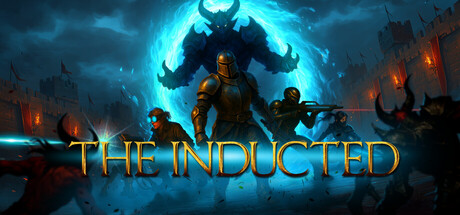
The Inducted uses generative AI tools in a limited capacity. Some user interface icons and elements in-game were created with the assistance of generative AI. Additionally, the store capsule artwork was composed by a professional artist who incorporated some AI-generated elements among hand-crafted components. All gameplay, characters, environments, and audio are created without generative AI.
Spire of Legends uses generative AI as part of the development process for certain visual assets, sound effects, and localization content. AI-generated content is not used directly without review; assets and text are edited, refined, and integrated by the developer to meet the game's artistic and gameplay requirements. All game design, programming, mechanics, balance decisions, and overall creative direction are created by the developer.
This game uses pre-generated AI only for certain UI background images and promotional store visuals. These assets were created before release and remain fixed. The game does not include any live AI generation during gameplay.
While developing this game I used AI Tools to assist in many aspects of the game creation process. I used MidJourney to create background images, Mureka to create the sound track, and Ludo to generate sprites.
All game design, logic, formulas, gameplay modes, powers, balancing, etc. I handled myself over months of development time.
All character and unit art is hand-drawn; audio and music contain no AI. Some background art and UI icons were made with help from generative AI tools and then edited by the developer. AI also assists translation, with every translation human-reviewed before release.
This game was made with the help of generative AI tools. During development, AI was used to help create some of the content that ships with the game — including its writing and dialogue, its English and Turkish text, and its 2D art and UI (such as icons, product sprites, achievement badges, and store images). All of this content was directed, reviewed, and curated by the developer. The game does not generate any AI content while you play, and does not connect to any AI service during gameplay.
This product uses generative AI only for a limited amount of pre-generated visual assets. These include certain user interface artwork used in the game menus, as well as some promotional/store page visual assets such as header images and the game logo.
Generative AI is not used to generate gameplay, characters, levels, story content, player-facing text, or any real-time content during gameplay. All AI-assisted assets are manually reviewed, edited where necessary, and selected by the developer before being included in the product or its store page.
As a solo developer, I used AI tools as a foundation to expand the game's scope, manually refining and finalizing every asset to ensure the final result is a high-quality, handcrafted experience.
Cellula was developed with the assistance of generative AI tools. The developer used AI to help write C++ code, generate 3D organelle models from text descriptions, and create UI button artwork. No AI-generated content appears in the final game without human modification, curation, and integration.
This project is itself a demonstration of how AI can democratize game development — allowing a single developer with domain expertise but limited programming experience to build something that previously required a full studio.
All game design, biological accuracy, educational content, and creative direction were provided by a human physician and educator.
Some visual assets in this game were created with the assistance of generative AI tools, including UI icons, skill and relic icons, character portraits and sprites, combat VFX, dungeon tile art, and menu and interface decoration. All generated images were reviewed, edited, and integrated by the development team.
Some 2D art (character illustrations, menu and store background art) and marketing/store capsule images were created with the assistance of generative AI image tools. All AI-assisted assets were reviewed, edited and approved by the developer. No generative AI runs live during gameplay.
FOCUS uses generative AI to assist in creating some in-game texture/background assets and the store capsule art. These are hand-edited and finalized by the developer. All design, code, and gameplay are human-made, and no AI content is generated at runtime.
"We used generative AI tools during the development of this game. Specifically, pre-generated AI tools were utilized to create and refine some of the 2D visual assets, including concept art, UI elements, and promotional store graphics. All AI-generated content was reviewed, edited, and curated by our team to ensure quality and compliance with Steam's content policies. The game itself does not generate any live AI content during runtime."
I use generative AI exclusively as a temporary tool for rapid prototyping and placeholder content during early solo development. All AI-generated elements in Vigilum are planned to be fully replaced with custom, human-made assets for the final v1.0 release.
-> 3D Models: I used generative AI tools to create two 3D assets (the Vylem gem and the Blood Sigil element). These are temporary placeholders, and I am currently prioritizing remaking them myself during the Early Access phase.
-> 2D Assets: A few UI icons and images were generated with AI. I intend to commission a professional artist to completely replace these 2D elements as soon as funding allows.
PropHaunt uses generative AI tools only to assist in creating part of its store page artwork and promotional materials (such as the logo and key art). No AI-generated content is produced live during gameplay, and the game does not connect to any external AI service while you play. All in-game assets — characters, environments, props, audio, and UI — are hand-crafted or sourced from licensed asset packs.
We used artificial intelligence tools in several areas of Parcel Empire’s development, always under human supervision.
Some of the game’s artwork was generated with the help of AI, then significantly reworked by hand to match the project’s art direction and the specific needs of the game.
The game’s music was entirely generated with the help of AI. The sound effects, however, were not generated by AI.
AI was also used to help translate the game into the available languages.
The game’s development is handled by a developer on the team. Some portions of the code were assisted by AI, but they were reviewed, adapted, and integrated under human supervision.
Generative AI tools were used during development to create and edit some visual assets, including character, unit, action, and background artwork. Generative AI was also used in the creation of some sound and audio assets. All generated materials were reviewed, selected, and edited by the developer before being included in the game or its store assets. The game does not generate AI content during gameplay.
During development, I may use procedural- and AI-assisted tools to support content creation, iteration, and production workflows. In all such cases, the final product reflects my own creative direction, selection, editing, and implementation as the developer.
This game utilizes generative AI tools as an assisting tool for creating various assets, including Artwork (Character portraits, backgrounds, and some UI elements), Sound (BGM and effects), and Text (localization).
AI was also used to assist in programming and debugging. All assets were carefully selected by the developer, and the core gameplay systems, balance, boss design, and all strategic features were entirely designed and implemented by hand.
Most character avatars, icons and in-game buildings are generated or modified with AI tools. Building names and certain text content are AI-generated, while all remaining assets are manually created.
During the early stages of development, generative AI was used to create prototypes for some visual assets. These assets were manually redrawn and revised by the developer before being included in the game.
7743 includes a small handful of AI generated art. This includes, and is limited to only textures. The degree of AI generated textures within 7743 is likely less than 5%
AI-assisted tools were used to help create some splash screen visuals and store page promotional artwork. All assets were reviewed and finalized by the developer before being included in the game and store materials.
All materials and assets used in this game were created by hand. Generative AI tools were used only as a supportive enhancement tool, for example to refine, polish, or improve certain elements. The final content, including visual assets, story elements, audio direction, and overall creative design, remains the result of human creation and artistic direction.
This product uses generative AI for live text-based character dialogue, optional code or technical text generation, and AI-assisted pre-generated visual assets.
Players can interact with an AI desktop character through text chat. AI responses may be generated based on the character profile, the current conversation, limited memory, and optional screen-context summaries. When requested by the user, the AI may also generate programming explanations, code snippets, configuration examples, or technical suggestions.
AI conversation features require an internet connection. In the Steam version, players do not need to create, configure, or manage any third-party AI service accounts or API keys. Access to AI features is managed by the developer’s backend service and uses in-app AI Credits purchased through Steam Wallet.
The artwork used as the basis for the built-in character was created with assistance from ChatGPT and was subsequently manually edited, separated, and rigged by the developer as a Live2D model. Some promotional images, Steam library assets, background art, and key art were also created or refined with the assistance of generative AI tools during development.
The product does not generate images, audio, music, voice, textures, 3D models, or video at runtime. Generated code is not automatically executed, compiled, installed, or applied by the application. Any use of generated code is controlled by the user outside the application.
The Inducted uses generative AI tools in a limited capacity. Some user interface icons and elements in-game were created with the assistance of generative AI. Additionally, the store capsule artwork was composed by a professional artist who incorporated some AI-generated elements among hand-crafted components. All gameplay, characters, environments, and audio are created without generative AI.