Public Steam disclosure research25,893 disclosures tracked
Where do games disclose AI use?
Search developers’ Steam disclosures, compare classified AI use across
games, and follow recorded changes.
This index adds cross-game classifications and statistics to
statements published on individual store pages.
Groups reflect automatic analysis of public disclosures; mature records are excluded. These counts do not measure AI use across all of Steam.
Missing or unclear statements cannot establish whether a game uses AI.
How generative AI is used in this game:
1. Pre-generated Content
This game was fully developed without manual human intervention using generative AI tools.
Code & Development: The entire codebase, programming logic, user interface, and system architecture were 100% written by AI coding assistants.
Design & Assets: All visual elements, text, menus, and UI components were pre-generated using generative AI.
2. Live-generated Content
The core gameplay revolves around an interactive AI companion ("AI Buddy").
Real-time Interaction: All dialogues, responses, personality traits, and interactions of the AI Buddy are generated live and dynamically during gameplay using a Large Language Model (LLM).
Safety & Guardrails: The game utilizes integrated safety filters and guardrails provided by the AI model. This strictly ensures that the live-generated content does not produce any illegal, hateful, copyrighted, or inappropriate material.
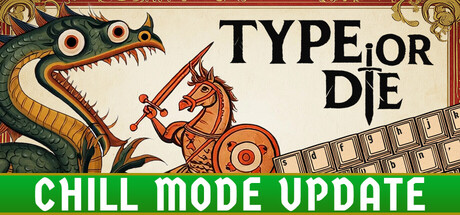
I want to clarify right away that I am not an AI enthusiast, though I understand that this topic can be sensitive for some. Type Or Die uses AI for card icons and sprite animations. All other aspects of the game (design, programming, voice acting, music, interface, and the majority of the artwork) were created manually. If the game achieves a certain level of success after its release, I will hire a specialist artist to handle all of that.
This game uses Pre-Generated AI only. AI tools were used during development to create static assets (art, text, sound effects, etc.) that are bundled into the game. No Live-Generated AI is used — no AI model inference or online content generation takes place at runtime.
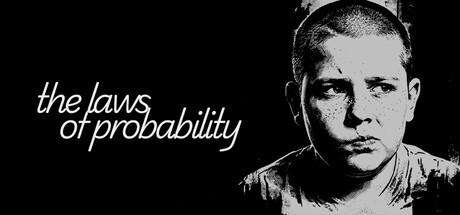
The story, code, mechanics, and every design decision of The Laws of Probability are entirely my own. The music was generated with AI tools based on my direction, and the backgrounds were AI-rendered from my hand-drawn sketches. Using this technology allowed me to bring the project's original vision to life and deliver a complete experience. I am sharing this openly because I respect your right to know.
This game does not use live generative AI during gameplay. Some pre-rendered marketing and store page images, including capsule/community artwork, were created with generative AI assistance and then reviewed/selected by the developer before use. No player-facing content is generated dynamically by AI at runtime.
Some store page marketing images and artwork
were created with the assistance of AI image
generation tools. All in-game artwork,
characters, backgrounds, and gameplay content
were created by the development team. No AI
is used to generate content during gameplay.
This game uses generative AI tools during development for selected pre-generated content. The main uses include assistance with character illustrations, background images, store page assets, promotional materials, music, and sound effects.
Any AI-generated or AI-assisted materials are reviewed, selected, and edited by the developer before being used in the game or on the store page.
The game does not use generative AI during gameplay to create new text, images, audio, code, or other content in response to player input.
Certain promotional materials and development processes may have incorporated the use of AI-assisted tools, including but not limited to content generation, code assistance, debugging support, and workflow acceleration. All final creative, design, and implementation decisions were reviewed and approved by the developer.
AI-assisted tools were used to create selected graphical assets, concept artwork and marketing materials. All generated content was reviewed, modified and integrated by the developer. No AI-generated content is created during gameplay.
Generative AI was used to code & write elements of this game including but not limited to items, default hero names, default party names, SVG Vectors and to make balance decisions and other elements of game play.
Character and background images were modified from AI-generated imagery.
The vast majority of the in-game music was created using AI tools to remix original-made tracks or add vocals.
Some musical tracks were generated entirely by AI.
Some of the game's 2D art assets (creature/lifeform illustrations and background imagery) were created with the help of generative AI image-generation tools. All AI-generated assets were hand-selected, edited and curated by the developer before being included in the build. The game does not generate any AI content live at runtime — all content ships pre-made.
All of the game's text was written by hand by Yohan Dupuy and translated by a qualified professional to achieve high-quality literary English (not AI). AI is only used partially for the visual and audio presentation.
During the development of Plunder Bay, AI-powered tools were used to assist in the creation of the following content:
- Store Page Graphics: Promotional images and capsule art were created with AI image generation tools (Leonardo AI) and edited manually.
- Sound Effects: Some sound effects were generated using AI audio tools (ElevenLabs) for specific game events.
- Menu Background: The main menu background visual was created with AI video generation tools (Runway).
All AI-generated content was reviewed, edited, and curated by the developer to ensure quality and consistency. AI was used as a creative tool to assist a solo developer, not as a replacement for game design decisions.
Azura uses artificial intelligence to accelerate card prototyping, character ideas, and mechanic balancing, always providing creative support. All final content goes through human curation and collaborations with artists, ensuring a visually unique and soulful game.
This game uses generative AI tools during development to assist with concept exploration, reference image creation, asset iteration, text drafting, localization, and promotional material preparation.
All final in-game content is reviewed, edited, and selected by the developer before being included in the game. AI-generated outputs are not used directly without human review.
This game does not use Live-Generated AI during gameplay.
The game does not connect to any external AI service, does not send player input to AI models, and does not generate new AI content while the game is running.
Some visual assets in the game were created with the assistance of generative AI tools during development. These assets are static, pre-generated, reviewed by the developer, and included directly in the game build.
All AI-assisted visual content is used as fixed in-game artwork and is not dynamically generated during gameplay
Generative AI tools were used during the development of certain visual and promotional assets for this game. All final content was reviewed and curated by the developer.
Some of this game's assets were created with the assistance of generative AI tools. Character, enemy, and background artwork was created using Stable Diffusion and then manually edited and retouched by the developer. Background music and the ending theme songs were generated using ACE-Step v1.5. All AI-assisted assets were reviewed and curated by the developer. No content is generated by AI during gameplay.
Some visual assets used in this game's store page and promotional materials were created with the assistance of generative AI tools. All gameplay, code, writing, and audio were made by the developer.
Some of the visual assets in Iron Ledger, including the game icon and splash/menu artwork, were created with the assistance of generative AI image tools. All AI-assisted assets were reviewed and curated by the developer. No AI-generated content is produced live during gameplay.
This project uses a mix of human-made and AI-assisted content. The majority of visual assets are human-made. Some 3D character models, item models, and textures were generated with the help of AI tools. All animation, audio, music, sound design, and writing are entirely human-made.
Due to the very short development time frame (1 month) with a 1 man team some icons and images were AI generated and will be modified before the release.
Some visual marketing assets and store page artwork were created or assisted using generative AI tools and were subsequently reviewed, edited, and curated by the developer. No generative AI is used during gameplay, and the game does not generate content for players in real time.
Some of the visual elements and promotional materials for “Bubble Dogs” were created using generative AI tools and then manually refined, selected, modified, and integrated by the developer as part of the game's artistic production process.
Generative AI was used to assist in the creation of selected 2D images, sprite assets, and marketing artwork, including some Steam capsule and store assets. It was also used for proofreading and editing written text. All AI-assisted content was reviewed, selected, and refined by the developer before being included in the game or official marketing materials.
Pre-Generated AI Content Disclosure:
In the development of Stellar Stranded, generative AI tools were used to assist with asset creation in the following areas:
1. Audio/Voiceovers: Generative AI tools were utilized to create or assist in the production of voice lines and character dialogue. All final audio assets have been pre-rendered and vetted to ensure quality and compliance.
2. Visual Textures: Select environmental and surface textures within the game were generated or enhanced using AI-driven imagery tools to assist with look-development and texture mapping.
All AI-generated content used in this project has been fully pre-rendered during development, reviewed for originality, and contains no live or real-time generation during gameplay.
Pre-generated only. The application's theme selector icons, some of the audio visualizer icons, synthwave transition/effect tree graphics were created with generative-AI image tools (OpenAI) during development and ship as static images, in all cases hand-edited afterward. All other content (visualizers, characters, themes, audio handling, and code...) is hand-authored. No AI-generated content is produced at runtime.
How generative AI is used in this game:
1. Pre-generated Content
This game was fully developed without manual human intervention using generative AI tools.
Code & Development: The entire codebase, programming logic, user interface, and system architecture were 100% written by AI coding assistants.
Design & Assets: All visual elements, text, menus, and UI components were pre-generated using generative AI.
2. Live-generated Content
The core gameplay revolves around an interactive AI companion ("AI Buddy").
Real-time Interaction: All dialogues, responses, personality traits, and interactions of the AI Buddy are generated live and dynamically during gameplay using a Large Language Model (LLM).
Safety & Guardrails: The game utilizes integrated safety filters and guardrails provided by the AI model. This strictly ensures that the live-generated content does not produce any illegal, hateful, copyrighted, or inappropriate material.
I want to clarify right away that I am not an AI enthusiast, though I understand that this topic can be sensitive for some. Type Or Die uses AI for card icons and sprite animations. All other aspects of the game (design, programming, voice acting, music, interface, and the majority of the artwork) were created manually. If the game achieves a certain level of success after its release, I will hire a specialist artist to handle all of that.
This game uses Pre-Generated AI only. AI tools were used during development to create static assets (art, text, sound effects, etc.) that are bundled into the game. No Live-Generated AI is used — no AI model inference or online content generation takes place at runtime.
The story, code, mechanics, and every design decision of The Laws of Probability are entirely my own. The music was generated with AI tools based on my direction, and the backgrounds were AI-rendered from my hand-drawn sketches. Using this technology allowed me to bring the project's original vision to life and deliver a complete experience. I am sharing this openly because I respect your right to know.
This game does not use live generative AI during gameplay. Some pre-rendered marketing and store page images, including capsule/community artwork, were created with generative AI assistance and then reviewed/selected by the developer before use. No player-facing content is generated dynamically by AI at runtime.
Some store page marketing images and artwork
were created with the assistance of AI image
generation tools. All in-game artwork,
characters, backgrounds, and gameplay content
were created by the development team. No AI
is used to generate content during gameplay.
This game uses generative AI tools during development for selected pre-generated content. The main uses include assistance with character illustrations, background images, store page assets, promotional materials, music, and sound effects.
Any AI-generated or AI-assisted materials are reviewed, selected, and edited by the developer before being used in the game or on the store page.
The game does not use generative AI during gameplay to create new text, images, audio, code, or other content in response to player input.
Certain promotional materials and development processes may have incorporated the use of AI-assisted tools, including but not limited to content generation, code assistance, debugging support, and workflow acceleration. All final creative, design, and implementation decisions were reviewed and approved by the developer.
AI-assisted tools were used to create selected graphical assets, concept artwork and marketing materials. All generated content was reviewed, modified and integrated by the developer. No AI-generated content is created during gameplay.
Generative AI was used to code & write elements of this game including but not limited to items, default hero names, default party names, SVG Vectors and to make balance decisions and other elements of game play.
Character and background images were modified from AI-generated imagery.
The vast majority of the in-game music was created using AI tools to remix original-made tracks or add vocals.
Some musical tracks were generated entirely by AI.
Some of the game's 2D art assets (creature/lifeform illustrations and background imagery) were created with the help of generative AI image-generation tools. All AI-generated assets were hand-selected, edited and curated by the developer before being included in the build. The game does not generate any AI content live at runtime — all content ships pre-made.
All of the game's text was written by hand by Yohan Dupuy and translated by a qualified professional to achieve high-quality literary English (not AI). AI is only used partially for the visual and audio presentation.
During the development of Plunder Bay, AI-powered tools were used to assist in the creation of the following content:
- Store Page Graphics: Promotional images and capsule art were created with AI image generation tools (Leonardo AI) and edited manually.
- Sound Effects: Some sound effects were generated using AI audio tools (ElevenLabs) for specific game events.
- Menu Background: The main menu background visual was created with AI video generation tools (Runway).
All AI-generated content was reviewed, edited, and curated by the developer to ensure quality and consistency. AI was used as a creative tool to assist a solo developer, not as a replacement for game design decisions.
Azura uses artificial intelligence to accelerate card prototyping, character ideas, and mechanic balancing, always providing creative support. All final content goes through human curation and collaborations with artists, ensuring a visually unique and soulful game.
This game uses generative AI tools during development to assist with concept exploration, reference image creation, asset iteration, text drafting, localization, and promotional material preparation.
All final in-game content is reviewed, edited, and selected by the developer before being included in the game. AI-generated outputs are not used directly without human review.
This game does not use Live-Generated AI during gameplay.
The game does not connect to any external AI service, does not send player input to AI models, and does not generate new AI content while the game is running.
Some visual assets in the game were created with the assistance of generative AI tools during development. These assets are static, pre-generated, reviewed by the developer, and included directly in the game build.
All AI-assisted visual content is used as fixed in-game artwork and is not dynamically generated during gameplay
Generative AI tools were used during the development of certain visual and promotional assets for this game. All final content was reviewed and curated by the developer.
Some of this game's assets were created with the assistance of generative AI tools. Character, enemy, and background artwork was created using Stable Diffusion and then manually edited and retouched by the developer. Background music and the ending theme songs were generated using ACE-Step v1.5. All AI-assisted assets were reviewed and curated by the developer. No content is generated by AI during gameplay.
Some visual assets used in this game's store page and promotional materials were created with the assistance of generative AI tools. All gameplay, code, writing, and audio were made by the developer.
Some of the visual assets in Iron Ledger, including the game icon and splash/menu artwork, were created with the assistance of generative AI image tools. All AI-assisted assets were reviewed and curated by the developer. No AI-generated content is produced live during gameplay.
This project uses a mix of human-made and AI-assisted content. The majority of visual assets are human-made. Some 3D character models, item models, and textures were generated with the help of AI tools. All animation, audio, music, sound design, and writing are entirely human-made.
Due to the very short development time frame (1 month) with a 1 man team some icons and images were AI generated and will be modified before the release.
Some visual marketing assets and store page artwork were created or assisted using generative AI tools and were subsequently reviewed, edited, and curated by the developer. No generative AI is used during gameplay, and the game does not generate content for players in real time.
Some of the visual elements and promotional materials for “Bubble Dogs” were created using generative AI tools and then manually refined, selected, modified, and integrated by the developer as part of the game's artistic production process.
Generative AI was used to assist in the creation of selected 2D images, sprite assets, and marketing artwork, including some Steam capsule and store assets. It was also used for proofreading and editing written text. All AI-assisted content was reviewed, selected, and refined by the developer before being included in the game or official marketing materials.
Pre-Generated AI Content Disclosure:
In the development of Stellar Stranded, generative AI tools were used to assist with asset creation in the following areas:
1. Audio/Voiceovers: Generative AI tools were utilized to create or assist in the production of voice lines and character dialogue. All final audio assets have been pre-rendered and vetted to ensure quality and compliance.
2. Visual Textures: Select environmental and surface textures within the game were generated or enhanced using AI-driven imagery tools to assist with look-development and texture mapping.
All AI-generated content used in this project has been fully pre-rendered during development, reviewed for originality, and contains no live or real-time generation during gameplay.
Pre-generated only. The application's theme selector icons, some of the audio visualizer icons, synthwave transition/effect tree graphics were created with generative-AI image tools (OpenAI) during development and ship as static images, in all cases hand-edited afterward. All other content (visualizers, characters, themes, audio handling, and code...) is hand-authored. No AI-generated content is produced at runtime.