Public Steam disclosure research25,979 disclosures tracked
Where do games disclose AI use?
Search developers’ Steam disclosures, compare classified AI use across
games, and follow recorded changes.
This index adds cross-game classifications and statistics to
statements published on individual store pages.
Groups reflect automatic analysis of public disclosures; mature records are excluded. These counts do not measure AI use across all of Steam.
Missing or unclear statements cannot establish whether a game uses AI.
The developer uses Generative AI tools to assist in the creation of 2D character sprites, background artwork, UI elements, and visual effects frames. All AI-generated graphical assets are pre-rendered, manually edited, and carefully integrated into the game engine by the developer. The game does not generate any AI content in real-time during gameplay.
Visuals: We used generative AI tools (Midjourney, ComfyUI) to assist in creating background illustrations and concept art for characters. All AI-generated outputs were manually refined, overpainted, and edited by human artists to ensure visual consistency and quality.
Text: We utilized AI-powered translation tools to assist in localizing scripts and store page descriptions from Korean to English. All translated text was proofread and edited by a native speaker to maintain the narrative's tone and nuance.
Chuyện Tết is a solo project. Due to limited design resources, I used AI to assist in generating backgrounds and in-game assets. I then personally reviewed, edited, and refined these visuals to ensure they accurately reflect my vision and the Southern Vietnamese cultural atmosphere of the 2010s.
As a solo developer, I used generative AI tools to assist with certain parts of development, including the creation of some visual assets.
All generated content has been carefully reviewed, adjusted, and manually integrated to ensure artistic consistency, and overall game quality.
No AI generated content is produced in real time during gameplay.
This game uses generative AI tools during development to create some visual assets, including store capsule artwork, and to assist with localization. All AI-generated content has been reviewed, edited, and refined to ensure consistency and quality.
Generative AI was used only for temporary placeholder visuals on this Steam store page. These images are not final game content and will be replaced with original artwork created by our artists before release.
All visual assets and sound effects in this game were created with the assistance of AI generation tools, then curated and integrated by the developer.
Some visual assets in this game were generated using AI. As a one‑person developer, I use these tools to accelerate production, but all images are reviewed, refined, and finalized by me to maintain a consistent artistic direction.
AI Disclosure
This game uses pre-generated AI assets for specific visual elements:
The beach background featured in branding and the title screen.
Selected environmental details and decorative art within the game world (such as shop window graphics).
AI tools were also used as efficiency aids during the development process (coding and reviews).
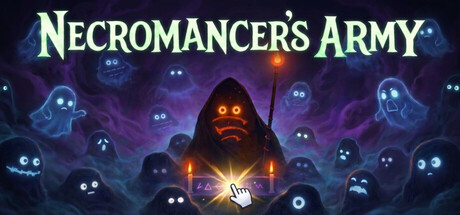
Necromancer's Army uses generative AI to assist with portions of the in-game soundtrack and certain Steam store marketing assets (such as capsule art and banners).
Localization for the game's 8 supported languages was created using AI-assisted translation and reviewed and refined by our team for overall accuracy and quality.
All in-game visuals are procedurally generated through deterministic algorithms and do not use machine learning or AI techniques. All narrative writing is fully authored by our team.
If the game finds its audience, we plan to replace these AI-assisted assets with original work commissioned from human artists, and have the localization reviewed by native speakers prior to full release.
This game uses generative artificial intelligence to assist in the creation of certain visual elements. AI tools are used during development to help generate concept art, and refine environmental details. All AI-assisted content is carefully reviewed, edited, and integrated by the development team to ensure originality and consistency with the game’s style and design.
This game was developed with the assistance of generative AI tools, which were used to help create visual assets, code, and some audio elements. All generated content was reviewed, edited, and integrated by the developer to ensure consistency and quality.
No generative AI is used during gameplay. All content is pre-generated and curated before release.
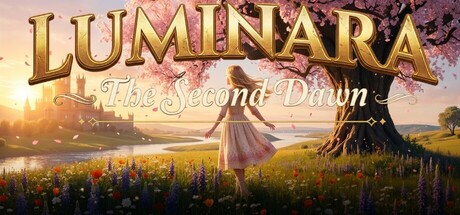
Luminara: The Second Dawn was created by a solo developer with the help of AI tools to bring the game to life. Every piece of content—art, music, story, and code—has been personally reviewed, curated, and directed by me to ensure it fits the game's vision and quality standards.
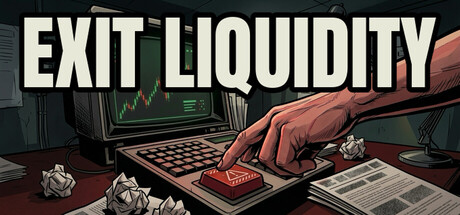
I use generative AI tools as a solo developer to enhance the game's scope and immersion. Specifically:
Narrative: I use AI to help brainstorm and draft initial versions of the large volume of news articles, newsletters, and in-game messages. This ensures a diverse and reactive 'living market' feel. All AI-assisted text is manually reviewed and edited by me.
Visual Assets: Some 2D background elements, icons, and character portraits are generated with the help of AI tools to achieve a consistent 1980s aesthetic.
My goal is to use these technologies to deliver a deeper, more systemic simulation than would otherwise be possible for a one-person studio.
Some of the game's art assets, music and sound effects are assisted by AI generation. All AI-generated content has been manually screened, revised and reviewed to ensure no infringement of third-party copyrights. No new real-time AI content will be generated during gameplay.
Pre-generated AI tools were used to help create some visual assets and store-page artwork. No live-generated AI is used in gameplay, and the game does not generate content for players at runtime.
Generative AI was used only in a limited capacity for some sound effects, translations, and Steam store page marketing assets.
The game does not contain any real-time AI-generated content during gameplay.
Some audio and promotional materials were created with AI assistance and reviewed by the developer. All core visual artwork in the game is hand-drawn, with a small number of placeholder icons in the current demo to be replaced before full release.
We used generative AI tools during development to assist with certain pre-generated visual assets, text content, localization drafts, and portions of code. All AI-assisted content was reviewed, edited, and approved by the developer before being used in the game or on the store page. The game does not use live-generated AI during gameplay.
Some 2D artwork (concept art, item icons, environmental textures)
in this game was created with the assistance of generative AI tools,
then reviewed and edited by our art team before inclusion in the game.
All gameplay code, design, music, and sound effects were created by humans.
This game uses generative AI as part of its development process. Most of the game’s implementation is based on AI-assisted code generated through prompts, which is then reviewed, modified, and integrated by the developer.
Generative AI is also used to create some 3D assets, including the player character object and certain background building objects. These assets are not used as raw AI output; they are selected, adjusted, revised, and optimized for in-game use by the developer before being implemented in the game.
The content shown in this game is not generated live during gameplay. It is created and reviewed in advance before being included in the final product.
The character artwork and voice recordings used in this application were created using AI.
This application also utilizes AI tools in the MIDI converter for recorded audio data provided by AI Transcriber.
Somewhere Café features music generated with AI tools (Producer.ai / Lyria 3) under the creative direction of Icefield Settler Studio, and some visual assets created with Nano Banana 2. All content has been reviewed and curated by the development team.
This game uses generative AI (pre-rendered) in the creation process of the following in-game content:
- Character portraits/sprites
- Certain image assets such as backgrounds, UI, and items
- In-game background music (BGM)
All AI-generated materials are not used as-is; they are manually edited, retouched, and adjusted by the developer to ensure they perfectly fit the dark fantasy world of this game.
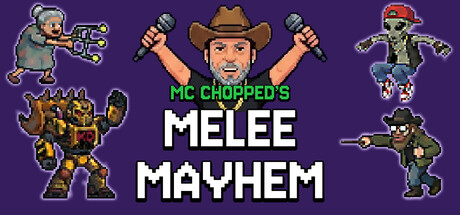
During the development of MC Chopped's Melee Mayhem, generative AI tools were used to assist in the creation of specific game assets to enhance variety and creative scale.
Visual Assets: Select character sprites and environmental elements were initially drafted using AI tools. However, every asset has been manually cleaned, converted to our specific pixel art style, and touched up by the development team to ensure visual consistency and quality.
Audio and Voice: Generative technologies were used to assist in the production of background music and select character vocalizations, providing a diverse and high-energy soundscape for the game’s various modes.
All AI-assisted content was commercially licensed and has been curated and refined by the developers to reflect our creative vision.
This message was partially generated by AI as well. (but not this sentence)
Some of its content was created with AI tools and reviewed by the
developer before inclusion: visual art, audio, and in-game text.
No AI content is generated while you play.
Generative AI is used only to create cartoon-style illustrated artwork for promotional materials and the game's store page. All other assets, including in-game art, models, design elements, and content, were created directly by the developers.
The developer uses Generative AI tools to assist in the creation of 2D character sprites, background artwork, UI elements, and visual effects frames. All AI-generated graphical assets are pre-rendered, manually edited, and carefully integrated into the game engine by the developer. The game does not generate any AI content in real-time during gameplay.
Visuals: We used generative AI tools (Midjourney, ComfyUI) to assist in creating background illustrations and concept art for characters. All AI-generated outputs were manually refined, overpainted, and edited by human artists to ensure visual consistency and quality.
Text: We utilized AI-powered translation tools to assist in localizing scripts and store page descriptions from Korean to English. All translated text was proofread and edited by a native speaker to maintain the narrative's tone and nuance.
Chuyện Tết is a solo project. Due to limited design resources, I used AI to assist in generating backgrounds and in-game assets. I then personally reviewed, edited, and refined these visuals to ensure they accurately reflect my vision and the Southern Vietnamese cultural atmosphere of the 2010s.
As a solo developer, I used generative AI tools to assist with certain parts of development, including the creation of some visual assets.
All generated content has been carefully reviewed, adjusted, and manually integrated to ensure artistic consistency, and overall game quality.
No AI generated content is produced in real time during gameplay.
This game uses generative AI tools during development to create some visual assets, including store capsule artwork, and to assist with localization. All AI-generated content has been reviewed, edited, and refined to ensure consistency and quality.
Generative AI was used only for temporary placeholder visuals on this Steam store page. These images are not final game content and will be replaced with original artwork created by our artists before release.
All visual assets and sound effects in this game were created with the assistance of AI generation tools, then curated and integrated by the developer.
Some visual assets in this game were generated using AI. As a one‑person developer, I use these tools to accelerate production, but all images are reviewed, refined, and finalized by me to maintain a consistent artistic direction.
AI Disclosure
This game uses pre-generated AI assets for specific visual elements:
The beach background featured in branding and the title screen.
Selected environmental details and decorative art within the game world (such as shop window graphics).
AI tools were also used as efficiency aids during the development process (coding and reviews).
Necromancer's Army uses generative AI to assist with portions of the in-game soundtrack and certain Steam store marketing assets (such as capsule art and banners).
Localization for the game's 8 supported languages was created using AI-assisted translation and reviewed and refined by our team for overall accuracy and quality.
All in-game visuals are procedurally generated through deterministic algorithms and do not use machine learning or AI techniques. All narrative writing is fully authored by our team.
If the game finds its audience, we plan to replace these AI-assisted assets with original work commissioned from human artists, and have the localization reviewed by native speakers prior to full release.
This game uses generative artificial intelligence to assist in the creation of certain visual elements. AI tools are used during development to help generate concept art, and refine environmental details. All AI-assisted content is carefully reviewed, edited, and integrated by the development team to ensure originality and consistency with the game’s style and design.
This game was developed with the assistance of generative AI tools, which were used to help create visual assets, code, and some audio elements. All generated content was reviewed, edited, and integrated by the developer to ensure consistency and quality.
No generative AI is used during gameplay. All content is pre-generated and curated before release.
Luminara: The Second Dawn was created by a solo developer with the help of AI tools to bring the game to life. Every piece of content—art, music, story, and code—has been personally reviewed, curated, and directed by me to ensure it fits the game's vision and quality standards.
I use generative AI tools as a solo developer to enhance the game's scope and immersion. Specifically:
Narrative: I use AI to help brainstorm and draft initial versions of the large volume of news articles, newsletters, and in-game messages. This ensures a diverse and reactive 'living market' feel. All AI-assisted text is manually reviewed and edited by me.
Visual Assets: Some 2D background elements, icons, and character portraits are generated with the help of AI tools to achieve a consistent 1980s aesthetic.
My goal is to use these technologies to deliver a deeper, more systemic simulation than would otherwise be possible for a one-person studio.
Some of the game's art assets, music and sound effects are assisted by AI generation. All AI-generated content has been manually screened, revised and reviewed to ensure no infringement of third-party copyrights. No new real-time AI content will be generated during gameplay.
Pre-generated AI tools were used to help create some visual assets and store-page artwork. No live-generated AI is used in gameplay, and the game does not generate content for players at runtime.
Generative AI was used only in a limited capacity for some sound effects, translations, and Steam store page marketing assets.
The game does not contain any real-time AI-generated content during gameplay.
Some audio and promotional materials were created with AI assistance and reviewed by the developer. All core visual artwork in the game is hand-drawn, with a small number of placeholder icons in the current demo to be replaced before full release.
We used generative AI tools during development to assist with certain pre-generated visual assets, text content, localization drafts, and portions of code. All AI-assisted content was reviewed, edited, and approved by the developer before being used in the game or on the store page. The game does not use live-generated AI during gameplay.
Some 2D artwork (concept art, item icons, environmental textures)
in this game was created with the assistance of generative AI tools,
then reviewed and edited by our art team before inclusion in the game.
All gameplay code, design, music, and sound effects were created by humans.
This game uses generative AI as part of its development process. Most of the game’s implementation is based on AI-assisted code generated through prompts, which is then reviewed, modified, and integrated by the developer.
Generative AI is also used to create some 3D assets, including the player character object and certain background building objects. These assets are not used as raw AI output; they are selected, adjusted, revised, and optimized for in-game use by the developer before being implemented in the game.
The content shown in this game is not generated live during gameplay. It is created and reviewed in advance before being included in the final product.
The character artwork and voice recordings used in this application were created using AI.
This application also utilizes AI tools in the MIDI converter for recorded audio data provided by AI Transcriber.
Somewhere Café features music generated with AI tools (Producer.ai / Lyria 3) under the creative direction of Icefield Settler Studio, and some visual assets created with Nano Banana 2. All content has been reviewed and curated by the development team.
This game uses generative AI (pre-rendered) in the creation process of the following in-game content:
- Character portraits/sprites
- Certain image assets such as backgrounds, UI, and items
- In-game background music (BGM)
All AI-generated materials are not used as-is; they are manually edited, retouched, and adjusted by the developer to ensure they perfectly fit the dark fantasy world of this game.
During the development of MC Chopped's Melee Mayhem, generative AI tools were used to assist in the creation of specific game assets to enhance variety and creative scale.
Visual Assets: Select character sprites and environmental elements were initially drafted using AI tools. However, every asset has been manually cleaned, converted to our specific pixel art style, and touched up by the development team to ensure visual consistency and quality.
Audio and Voice: Generative technologies were used to assist in the production of background music and select character vocalizations, providing a diverse and high-energy soundscape for the game’s various modes.
All AI-assisted content was commercially licensed and has been curated and refined by the developers to reflect our creative vision.
This message was partially generated by AI as well. (but not this sentence)
Some of its content was created with AI tools and reviewed by the
developer before inclusion: visual art, audio, and in-game text.
No AI content is generated while you play.
Generative AI is used only to create cartoon-style illustrated artwork for promotional materials and the game's store page. All other assets, including in-game art, models, design elements, and content, were created directly by the developers.