Public Steam disclosure research25,981 disclosures tracked
Where do games disclose AI use?
Search developers’ Steam disclosures, compare classified AI use across
games, and follow recorded changes.
This index adds cross-game classifications and statistics to
statements published on individual store pages.
Groups reflect automatic analysis of public disclosures; mature records are excluded. These counts do not measure AI use across all of Steam.
Missing or unclear statements cannot establish whether a game uses AI.
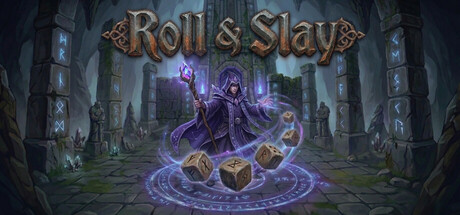
Some visual assets in this game were created or enhanced using generative AI tools during development. These assets were reviewed and refined by the development team before being included in the final product.
The game does not use AI to generate content during gameplay.
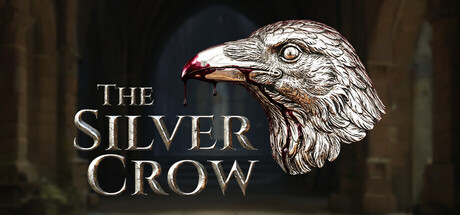
The backgrounds of The Silver Crow were created using a combination of AI image generation and extensive manual post-processing. Each location was individually refined, composited and hand-animated to achieve a consistent artistic vision.
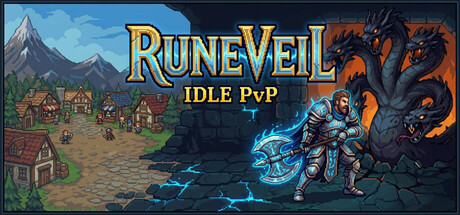
Runeveil: Idle PvP uses generative AI tools only during the design phase of 2D pixel art assets (characters, monsters, items, environments and icons). These visuals serve as a working base and are then edited, integrated and manually reviewed by the team before being added to the game.
No generative AI is used for the game's code, for generating content in real time during gameplay, nor for the soundtrack, narrative text or translations. All content you see in the game has been checked and assembled by hand.
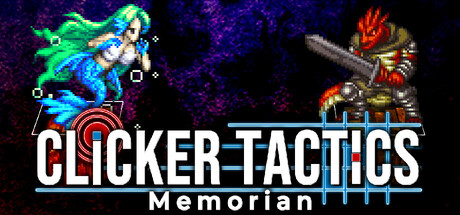
Some artwork (character sprites, backgrounds, and story cover images) was created with the assistance of generative AI image tools, with human review and curation. Story text for Adventure mode was written with the assistance of generative AI, with human editing and oversight.
All store page and in-game translations were created with AI assistance as a starting point. As a solo developer, I only speak English and Ukrainian natively, so I recognize that AI translations may contain errors — I hope to improve them with native speaker feedback in the future.
Store page artwork was generated with AI image tools and then manually composed and edited by the developer.
AI used for artwork and logo that used in Steam page. In-game, placeholder narrative dialogue sounds are AI generated and will be replaced further in development.
Generative AI tools were used to assist in the creation of store asset (such as capsule art). The resulting assets were further reviewed and polished by humans.
During the development of "Farm Harbeest", we used generative AI to help improve production efficiency, including assistance with some art references, music and sound effect inspiration, and code logic references. All related content was manually reviewed, selected, reworked, edited, tested, and integrated. The final game content is reviewed and controlled by the developers. We confirm that the AI-assisted content does not include any unauthorized copyrighted material.
Haunt & Hide uses generative AI for two pre-production assets that ship in the final game:
1. The game logo was created using ChatGPT / DALL-E image generation tools. It appears in menus, loading screens, and promotional materials.
2. Background music tracks were generated using Producer.ai (a generative AI music tool) and pre-rendered as standard audio files that ship with the game.
All other content is human-created: game code (C#/Unity), 3D assets (Synty Studios asset packs used under license), level design, game mechanics, UI layout, voice chat content (player-driven at runtime), and written text. No generative AI is used at runtime — the game does not call any AI services during gameplay. All AI-generated assets were reviewed and integrated by the developer.
The developer used AI tools during the development process as a programming assistant to optimize and troubleshoot code. Additionally, a small number of 3D models utilized as game assets were created using AI generation tools. All core gameplay mechanics, level design, and the overall creative vision are strictly handcrafted.
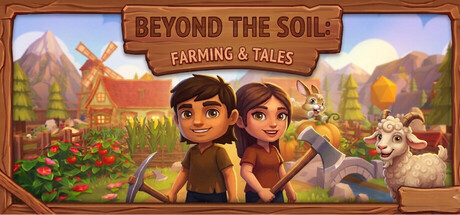
During the development of Beyond the Soil: Farming & Tales, generative AI technologies were used to optimize localization texts and assist in the design phase of certain visual marketing materials.
Generative AI was used for base sprites and code. All assets were manually edited and adapted to match the game's aesthetic and ensure originality. Content is static and pre-rendered.
Art and Visual Assets: The game’s visual assets, including character designs, backgrounds, and UI elements, were pre-generated using AI tools. These assets were then curated and stylized to fit a unique comic-book aesthetic.
Code and Development: Portions of the game's underlying code and systems were developed with the assistance of AI-powered coding tools.
Quality Control: All AI-generated content has been thoroughly reviewed and edited by the developer to ensure it does not contain any infringing or illegal material and meets the game's quality standards.
The voice of Jessie, the assistant computer of the player, is generated with text to speech tools. Some of the store content (texts/images) is generated with AI tools.
Generative artificial intelligence was used during the development of this game to create some of the visual art, as well as some of the music and sound effects. AI-generated assets were reviewed/edited/finalized by a human before release.
As a solo indie developer working with a limited art budget, I have used generative AI tools for some visual assets, primarily UI artwork.
The gameplay systems, mechanics, programming, balancing, and overall game design are created and implemented by me.
My long-term goal is to continue improving the game’s artwork and, as the game grows, work with professional artists to replace and further refine AI-assisted visual assets.
The game does not use AI-generated content in real time.
Some promotional materials on the Steam store page were created with the assistance of AI tools.
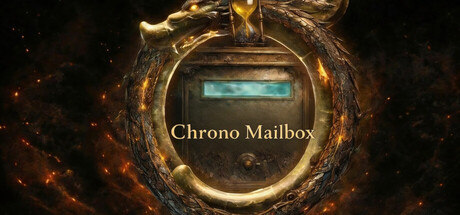
As a solo developer, my primary focus is on crafting the intricate story and branching narrative of this visual novel. To help bring the world of Chrono Mailbox to life, I utilized generative AI tools to assist in creating certain visual assets (such as character art) and background music soundtracks. All AI-generated content has been carefully curated, manually edited, and deeply integrated to ensure it perfectly serves the game's original vision and emotional tone.
This game uses generative AI tools as part of the creative process.
Some visual assets and music were created with the assistance of AI and then curated, refined, and integrated by the developer to ensure a consistent style and quality.
Generative AI was used to assist in the creation of the game's codebase and logic. AI tools were also used to generate environmental art, background assets, and promotional marketing materials (including the Library Hero, Logo, and store page assets). All AI-generated content was reviewed and curated to ensure it meets quality standards and does not contain illegal or infringing material.
The only AI generated elements in the game are a few select static background images used to set the scene (such as the combat stages, the vendor backdrop, and the leaderboard podium). In strict contrast, the entirety of the Multiplayer Boss Arenas (including their backgrounds, set pieces, and props) were purely hand crafted by human artists. Additionally, all animated character models, monster sprites, factory sprites, and in game items throughout the whole game are traditional, human made pixel art.
LLM was used for translation to languages except English and Russian.
Pixelated character portraits were made based on generative pictures from this person does not exist web site
Pre-generated AI tools were utilized to create the foundation for the 2D background art, character sprites, and audio. All of these raw assets were then extensively edited, cropped, and manually integrated by hand to ensure they perfectly fit the game's mechanics, atmosphere, and engine requirements.
All character and environmental art began as hand-drawn sketches, which were then refined using generative AI before final pixel-perfect editing in Aseprite and Photoshop. The soundtrack originated as original piano compositions, enhanced through Udio for texture, and professionally mixed in Avid Pro Tools. Our intro sequences were hand-drawn and brought to life through Seedance 2.0 animation technology.
Brooks Investment Simulator uses AI-generated artwork for store page capsule images, library assets, and marketing materials including the game logo. All in-game content, gameplay systems, code, and game mechanics were created by the developer without generative AI tools.
Some visual assets and background elements were created or enhanced using AI tools. All content has been reviewed, edited, and integrated manually to ensure consistency and quality. The game does not generate content in real-time during gameplay.
This game uses generative AI to assist in creating some art, text, and sound assets during development. All AI outputs are heavily modified by humans and undergo copyright compliance checks to ensure originality and IP safety.
We utilized generative AI tools (such as Midjourney and Stable Diffusion) during the development phase to assist in creating 2D concept art, UI elements, and background textures for the game. We carefully reviewed, edited, and upscaled all generated assets manually to ensure they do not infringe on any existing intellectual property or copyrights. No content is generated in real-time during gameplay.
This game uses AI-generated voice acting for character dialogue and cutscenes. All AI-generated audio content was reviewed by the developer before inclusion in the game.
This game uses AI-generated imagery for promotional artwork and capsule images. All AI-generated visual content was reviewed by the developer before inclusion.
Some visual or written content in this game may have been assisted by AI tools during development. All content has been reviewed and finalized by the developer.
AI was used to generate the initial rough 3D base for the characters in the game. All further work, including detailing, texturing, and custom animations, was done completely by hand.
This game includes elements using Generative AI in some pre-produced content such as intro videos.
These contents were created during the development process and finally used after editing and post-processing by the development team, and no Generative AI was used for gameplay.
This game used generative AI tools during development to assist with some pre-generated content, including portions of visual assets and some code/text assistance. All AI-assisted output was reviewed, modified, and curated by the developer before being included in the game. This game does not use live-generated AI during gameplay.
Some visual assets in this game were created or enhanced using generative AI tools during development. These assets were reviewed and refined by the development team before being included in the final product.
The game does not use AI to generate content during gameplay.
The backgrounds of The Silver Crow were created using a combination of AI image generation and extensive manual post-processing. Each location was individually refined, composited and hand-animated to achieve a consistent artistic vision.
Runeveil: Idle PvP uses generative AI tools only during the design phase of 2D pixel art assets (characters, monsters, items, environments and icons). These visuals serve as a working base and are then edited, integrated and manually reviewed by the team before being added to the game.
No generative AI is used for the game's code, for generating content in real time during gameplay, nor for the soundtrack, narrative text or translations. All content you see in the game has been checked and assembled by hand.
Some artwork (character sprites, backgrounds, and story cover images) was created with the assistance of generative AI image tools, with human review and curation. Story text for Adventure mode was written with the assistance of generative AI, with human editing and oversight.
All store page and in-game translations were created with AI assistance as a starting point. As a solo developer, I only speak English and Ukrainian natively, so I recognize that AI translations may contain errors — I hope to improve them with native speaker feedback in the future.
Store page artwork was generated with AI image tools and then manually composed and edited by the developer.
AI used for artwork and logo that used in Steam page. In-game, placeholder narrative dialogue sounds are AI generated and will be replaced further in development.
Generative AI tools were used to assist in the creation of store asset (such as capsule art). The resulting assets were further reviewed and polished by humans.
During the development of "Farm Harbeest", we used generative AI to help improve production efficiency, including assistance with some art references, music and sound effect inspiration, and code logic references. All related content was manually reviewed, selected, reworked, edited, tested, and integrated. The final game content is reviewed and controlled by the developers. We confirm that the AI-assisted content does not include any unauthorized copyrighted material.
Haunt & Hide uses generative AI for two pre-production assets that ship in the final game:
1. The game logo was created using ChatGPT / DALL-E image generation tools. It appears in menus, loading screens, and promotional materials.
2. Background music tracks were generated using Producer.ai (a generative AI music tool) and pre-rendered as standard audio files that ship with the game.
All other content is human-created: game code (C#/Unity), 3D assets (Synty Studios asset packs used under license), level design, game mechanics, UI layout, voice chat content (player-driven at runtime), and written text. No generative AI is used at runtime — the game does not call any AI services during gameplay. All AI-generated assets were reviewed and integrated by the developer.
The developer used AI tools during the development process as a programming assistant to optimize and troubleshoot code. Additionally, a small number of 3D models utilized as game assets were created using AI generation tools. All core gameplay mechanics, level design, and the overall creative vision are strictly handcrafted.
During the development of Beyond the Soil: Farming & Tales, generative AI technologies were used to optimize localization texts and assist in the design phase of certain visual marketing materials.
Generative AI was used for base sprites and code. All assets were manually edited and adapted to match the game's aesthetic and ensure originality. Content is static and pre-rendered.
Art and Visual Assets: The game’s visual assets, including character designs, backgrounds, and UI elements, were pre-generated using AI tools. These assets were then curated and stylized to fit a unique comic-book aesthetic.
Code and Development: Portions of the game's underlying code and systems were developed with the assistance of AI-powered coding tools.
Quality Control: All AI-generated content has been thoroughly reviewed and edited by the developer to ensure it does not contain any infringing or illegal material and meets the game's quality standards.
The voice of Jessie, the assistant computer of the player, is generated with text to speech tools. Some of the store content (texts/images) is generated with AI tools.
Generative artificial intelligence was used during the development of this game to create some of the visual art, as well as some of the music and sound effects. AI-generated assets were reviewed/edited/finalized by a human before release.
As a solo indie developer working with a limited art budget, I have used generative AI tools for some visual assets, primarily UI artwork.
The gameplay systems, mechanics, programming, balancing, and overall game design are created and implemented by me.
My long-term goal is to continue improving the game’s artwork and, as the game grows, work with professional artists to replace and further refine AI-assisted visual assets.
The game does not use AI-generated content in real time.
Some promotional materials on the Steam store page were created with the assistance of AI tools.
As a solo developer, my primary focus is on crafting the intricate story and branching narrative of this visual novel. To help bring the world of Chrono Mailbox to life, I utilized generative AI tools to assist in creating certain visual assets (such as character art) and background music soundtracks. All AI-generated content has been carefully curated, manually edited, and deeply integrated to ensure it perfectly serves the game's original vision and emotional tone.
This game uses generative AI tools as part of the creative process.
Some visual assets and music were created with the assistance of AI and then curated, refined, and integrated by the developer to ensure a consistent style and quality.
Generative AI was used to assist in the creation of the game's codebase and logic. AI tools were also used to generate environmental art, background assets, and promotional marketing materials (including the Library Hero, Logo, and store page assets). All AI-generated content was reviewed and curated to ensure it meets quality standards and does not contain illegal or infringing material.
The only AI generated elements in the game are a few select static background images used to set the scene (such as the combat stages, the vendor backdrop, and the leaderboard podium). In strict contrast, the entirety of the Multiplayer Boss Arenas (including their backgrounds, set pieces, and props) were purely hand crafted by human artists. Additionally, all animated character models, monster sprites, factory sprites, and in game items throughout the whole game are traditional, human made pixel art.
LLM was used for translation to languages except English and Russian.
Pixelated character portraits were made based on generative pictures from this person does not exist web site
Pre-generated AI tools were utilized to create the foundation for the 2D background art, character sprites, and audio. All of these raw assets were then extensively edited, cropped, and manually integrated by hand to ensure they perfectly fit the game's mechanics, atmosphere, and engine requirements.
All character and environmental art began as hand-drawn sketches, which were then refined using generative AI before final pixel-perfect editing in Aseprite and Photoshop. The soundtrack originated as original piano compositions, enhanced through Udio for texture, and professionally mixed in Avid Pro Tools. Our intro sequences were hand-drawn and brought to life through Seedance 2.0 animation technology.
Brooks Investment Simulator uses AI-generated artwork for store page capsule images, library assets, and marketing materials including the game logo. All in-game content, gameplay systems, code, and game mechanics were created by the developer without generative AI tools.
Some visual assets and background elements were created or enhanced using AI tools. All content has been reviewed, edited, and integrated manually to ensure consistency and quality. The game does not generate content in real-time during gameplay.
This game uses generative AI to assist in creating some art, text, and sound assets during development. All AI outputs are heavily modified by humans and undergo copyright compliance checks to ensure originality and IP safety.
We utilized generative AI tools (such as Midjourney and Stable Diffusion) during the development phase to assist in creating 2D concept art, UI elements, and background textures for the game. We carefully reviewed, edited, and upscaled all generated assets manually to ensure they do not infringe on any existing intellectual property or copyrights. No content is generated in real-time during gameplay.
This game uses AI-generated voice acting for character dialogue and cutscenes. All AI-generated audio content was reviewed by the developer before inclusion in the game.
This game uses AI-generated imagery for promotional artwork and capsule images. All AI-generated visual content was reviewed by the developer before inclusion.
Some visual or written content in this game may have been assisted by AI tools during development. All content has been reviewed and finalized by the developer.
AI was used to generate the initial rough 3D base for the characters in the game. All further work, including detailing, texturing, and custom animations, was done completely by hand.
This game includes elements using Generative AI in some pre-produced content such as intro videos.
These contents were created during the development process and finally used after editing and post-processing by the development team, and no Generative AI was used for gameplay.
This game used generative AI tools during development to assist with some pre-generated content, including portions of visual assets and some code/text assistance. All AI-assisted output was reviewed, modified, and curated by the developer before being included in the game. This game does not use live-generated AI during gameplay.