Public Steam disclosure research25,376 disclosures tracked
Where do games disclose AI use?
Search developers’ Steam disclosures, compare classified AI use across
games, and follow recorded changes.
This index adds cross-game classifications and statistics to
statements published on individual store pages.
Groups reflect automatic analysis of public disclosures; mature records are excluded. These counts do not measure AI use across all of Steam.
Missing or unclear statements cannot establish whether a game uses AI.
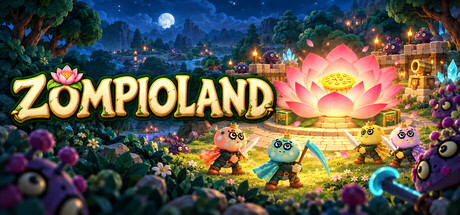
OpenAI's ChatGPT and Codex, including image-generation tools accessed through them, were used during the development of Zompioland. AI-assisted work includes programming and development scripts, code used to construct procedural 3D models and visual effects, interface elements, localization, and written in-game text.
AI assistance was also used to create and prepare pre-generated Steam marketing materials, including capsule and library artwork, header graphics, the game logo, store-page text, and the trailer's planning, titles, and editing. The trailer's gameplay footage was captured from the actual game. Steam gameplay screenshots are direct captures of the game, while AI-assisted promotional artwork is presented as store graphics rather than gameplay screenshots.
The developer reviewed, edited, tested, and integrated the AI-assisted work. Some models and effects are assembled while the game runs by conventional game code; this is not live generative AI. Zompioland does not connect to a generative AI service or use a generative AI model to create new content during gameplay.
All game artwork is designed by hand and refined by our art team. AI-assisted tools in Adobe Photoshop, including generative completion, were used to support adjustments to approximately 5% of the game’s artwork. All AI-assisted elements were reviewed and adjusted by the art team to ensure consistency with the game’s artistic direction.
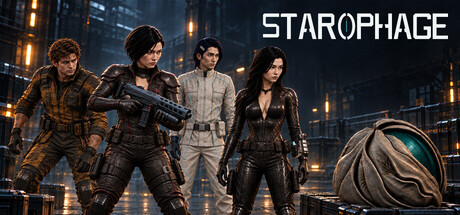
We use generative AI tools as part of STAROPHAGE’s content creation workflow. The final content is selected, refined, and integrated under our development team’s creative direction.
The developer uses AI tools to assist in creating 2D graphic assets, specifically the game icon. All assets have been carefully reviewed to ensure they are unique and do not infringe on any copyrighted materials.
Generative AI tools were used during development to create some 3D models and textures, including buildings, vegetation, rocks and animals, as well as some menu backgrounds, interface artwork and store artwork. These assets were selected, edited, optimized and integrated during development. The game does not generate AI content during play or connect to an external AI service.
An AI-generated sketch is used as a starting point. Everything else is made by a human: every shipped image is redrawn and retouched by hand, and the code, game design and texts are written by the developer.
Currently, AI‑assisted Photoshop image editing is only used for the Steam store‑page assets. No AI is utilized within the game itself. All image and audio assets are either sourced from free open‑source resources or purchased commercially.
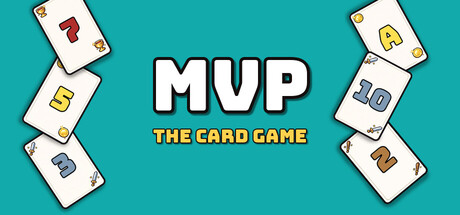
All card artwork, graphics and game design were created by the developer. AI tools were used to translate the in-game text and the store page into Spanish, French, German, Portuguese (Brazil). The trailer, GIFs and store capsules were edited with AI assistance, using only the developer's own artwork and real gameplay footage. The game does not generate any content with AI while it is running. Singleplayer opponents are traditional rule-based bots, not generative AI.
Generative AI was used during development to help create some environment models and props, as well as the day/night UI illustrations. The game does not generate AI content during gameplay.Generative AI was also used to help create some store and promotional artwork and store descriptions.
AI-GENERATED CONTENT
Parts of this game were created with generative AI tools during development. Character art, backgrounds and icons were generated with image models and then edited, composited and corrected by hand. The voice acting in Portuguese and English was produced with AI voice synthesis. Some sound effects and cutscene music were generated with AI audio tools. Much of the source code was written with the assistance of an AI coding tool, reviewed and tested by the developer.
All of this content was generated before release and ships as fixed audio and image files. Game design, economy, balancing, story and script are the developer's own work, as is the procedurally synthesized music and sound of the minigames, which uses no AI model.
Text for the game and store page was localized with AI assistance. The game's menu and store page feature title artwork created with the help of AI tools.
Generative AI tools were used during development to create background artwork, images, music, and translations. These are pre-generated assets. No AI content is generated during gameplay.
Some in-game text (event and dilemma card writing, UI copy) and the store description were drafted with AI assistance and then reviewed and edited by the developer. The game's non-English translations (French, Italian, German, Spanish, Portuguese-Brazil, Polish, Ukrainian, Japanese) were AI-translated drafts and are being reviewed. No AI generates content while the game is running, and the game makes no network calls to AI services. The logo/key art was created with AI image tools and edited by the developer
Generative AI was used during development to create fixed visual assets, including backgrounds, item and achievement icons, interface artwork, and store marketing art. Some music, ambience, and sound effects were also created with generative AI. AI assisted in-game text and English localization. These assets are included as fixed files. The game does not accept player prompts or generate images, audio, text, or code during play.
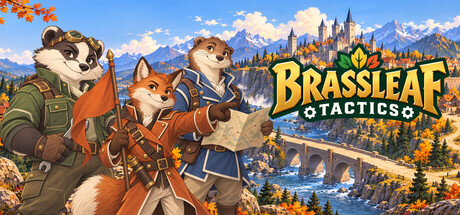
I use generative AI throughout the development of Brassleaf Tactics, including programming, game design, artwork and store-page content. The game includes AI-generated artwork. I set the creative direction, decide what goes into the game, and make the final design decisions, shaping the experience through playtesting, balancing and ongoing refinement.
Generative AI is used during development only; no AI-generated content is created while you play.
Generative AI was used to create background music, paintings displayed throughout the motel, and selected 3D assets, including sequence props, keys, relics, and pedestals. AI assistance was also used to draft portions of the store page text.
Some visual assets in this game, including certain 3D models, textures, UI elements, icons, and character portraits, as well as background music and some sound effects, were created in advance with the help of generative AI tools. The developer reviewed and integrated the AI-generated assets. Some music and UI, victory, and defeat sound effects were generated with Google Gemini; other sound effects use third-party recordings or procedural synthesis. The game does not use generative AI at runtime, generate content while you play, or connect to AI services.
Generative AI was used for some Steam store and marketing materials only (section banners and draft store copy). These assets were reviewed and edited before publishing.
No generative AI is used in the shipped game at runtime. In-game 3D furniture, environments, and gameplay content are created with traditional art and development tools (purchased/licensed assets and original work). AI-assisted coding tools were used during development; they are not used to generate player-facing game content.
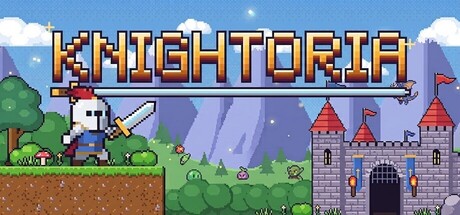
Some artwork and marketing materials for Knightoria were created using generative AI. AI-generated content is pre-rendered and is not generated during gameplay.
This game was made by one developer with the help of generative AI tools. 3D models of vehicles, buildings and props were generated with Tripo and then edited and assembled by hand. Some textures and the key art were created with image generators. Music, radio voices and some sound effects were generated with ElevenLabs. Game code was written with the assistance of Claude Code. Game design, missions, story and level layout are the developer's own work. Nothing is generated while you play.
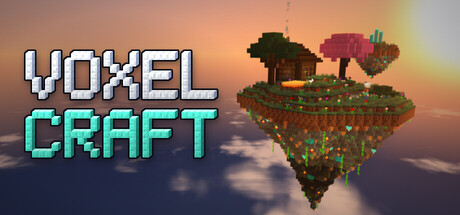
Generative AI tools were used to help create promotional artwork and store page images for VoxelCraft. AI is not used to generate in-game content, code, or gameplay at runtime.
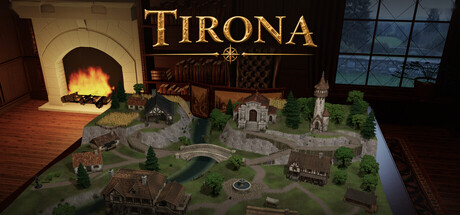
Tirona's development used AI tools for much of its 2D artwork (character portraits, card and scene illustrations, quest illustrations), some 3D models, the music (ElevenLabs) and the character voice performers' reference voices. All of it was selected, edited and placed by the developer, and ships as fixed game content.
While you play, a third-party large language model writes the narration and the dialogue of non-player characters in response to what you type or say. Character voices are synthesised locally on your PC from the generated text. You can optionally generate a portrait for your character from your creation choices.
The AI never decides the rules: dice, hit points, gold, items, experience, spells and quest progress change only through the game's own systems. Romance is opt-in, and anything sexual fades to black.
The promotional image of the game, as well as NPCs and a small number of scene components, are generated by AI.And the opening and closing of the promotional video
Generative tools were used as part of the visual and audio development process. Final assets were reviewed, selected, edited, and refined by human developers before being implemented in the game.
Generative AI tools were used during the development of Exodus Survivors to create some of the game's visual assets and music. AI was also used as a development tool to assist with programming and other aspects of production. The game was developed and assembled by the developer, with the final content selected, edited, integrated, and reviewed as part of the development process.
The game's pixel art, sound effects and music, in-game text (including translation), program code, and the store page text and images were created using an AI tool (Anthropic's Claude) under the developer's direction and review. The game does not generate any content with AI while it is running.
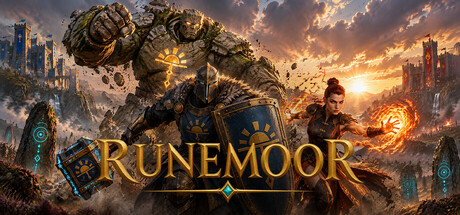
Runemoor was made by a small independent team with the help of generative AI tools. Every AI output was directed, reviewed, edited and integrated by the developer, and checked to keep all designs original. No AI content is generated while you play.
- 3D characters: the champion models, their weapons and props were generated with Meshy (image-to-3D), including its auto-rigging and animation clips, then cleaned up and integrated by hand and with our own scripts.
- 2D art: concept art, key art and store artwork, the logo and app icon, UI artwork and backgrounds, item and spell icons, and material and terrain textures were generated with an OpenAI image model, then selected, post-processed and composited.
- Environment: the map, buildings, rocks and plants are built by our own procedural modeling scripts (no AI model generates the geometry) and use the AI-generated textures listed above.
- Voice: the match announcer voice lines are AI-generated speech (Google Gemini text-to-speech).
- Music (trailer): the music of the store trailer was generated with Google Lyria and carries Google's inaudible SynthID watermark. The in-game music is not AI-generated: it is synthesized procedurally by our own audio code.
- Sound effects and ambience: not AI-generated. They are synthesized procedurally by our own audio code.
Generative AI was used during development to assist with the creation and refinement of selected visual assets and promotional artwork. All AI-assisted content was reviewed and edited by the development team before being included in the game or store materials. The game does not use generative AI to create content during gameplay.
Used Ai to generate a NPC of my daughter Princess Octavia, Also used it to implement bought assets from epic store. Used to generate capsules for steam page.
Some of the game's illustrations (characters, enemies, backgrounds, store art), its music, its sound effects and parts of its text were created with the help of AI tools during development, then selected, edited and integrated by hand. The game does not generate any content while you play.
We used AI tools to assist with parts of development: writing some of the game code, changing the colors of existing 2D textures, and localizing the game's text into other languages. All AI-assisted results were reviewed and edited by our team.
Generative AI assisted in creating selected illustrations, visual assets, narrative text, and translations during development, including store materials. No content is generated by AI during gameplay.
Some character and equipment models were generated with an AI 3D tool and then rigged, recoloured and edited by hand. The icons were designed with AI tools and drawn in code, and the game's text was written with AI assistance and edited by the developer. Environments use asset packs made by people, sound effects come from a sound pack recorded by people, and the music is synthesised by the game's own code. No AI generates anything while you play.
Generative AI tools were used during development to create pre-rendered visual assets, UI elements, and marketing materials. All generated assets were reviewed, finalized, and statically integrated into the game build prior to release. No content is generated in real-time or dynamically during gameplay.
Generative AI tools were used during development to create selected visual and audio assets. All AI-generated content was reviewed, edited, and integrated by the development team.
Made by one developer with a little help from AI! Some artwork and text started life in generative AI tools, then got edited and polished by hand. Nothing is generated while you play.
OpenAI's ChatGPT and Codex, including image-generation tools accessed through them, were used during the development of Zompioland. AI-assisted work includes programming and development scripts, code used to construct procedural 3D models and visual effects, interface elements, localization, and written in-game text.
AI assistance was also used to create and prepare pre-generated Steam marketing materials, including capsule and library artwork, header graphics, the game logo, store-page text, and the trailer's planning, titles, and editing. The trailer's gameplay footage was captured from the actual game. Steam gameplay screenshots are direct captures of the game, while AI-assisted promotional artwork is presented as store graphics rather than gameplay screenshots.
The developer reviewed, edited, tested, and integrated the AI-assisted work. Some models and effects are assembled while the game runs by conventional game code; this is not live generative AI. Zompioland does not connect to a generative AI service or use a generative AI model to create new content during gameplay.
All game artwork is designed by hand and refined by our art team. AI-assisted tools in Adobe Photoshop, including generative completion, were used to support adjustments to approximately 5% of the game’s artwork. All AI-assisted elements were reviewed and adjusted by the art team to ensure consistency with the game’s artistic direction.
We use generative AI tools as part of STAROPHAGE’s content creation workflow. The final content is selected, refined, and integrated under our development team’s creative direction.
The developer uses AI tools to assist in creating 2D graphic assets, specifically the game icon. All assets have been carefully reviewed to ensure they are unique and do not infringe on any copyrighted materials.
Generative AI tools were used during development to create some 3D models and textures, including buildings, vegetation, rocks and animals, as well as some menu backgrounds, interface artwork and store artwork. These assets were selected, edited, optimized and integrated during development. The game does not generate AI content during play or connect to an external AI service.
An AI-generated sketch is used as a starting point. Everything else is made by a human: every shipped image is redrawn and retouched by hand, and the code, game design and texts are written by the developer.
Currently, AI‑assisted Photoshop image editing is only used for the Steam store‑page assets. No AI is utilized within the game itself. All image and audio assets are either sourced from free open‑source resources or purchased commercially.
All card artwork, graphics and game design were created by the developer. AI tools were used to translate the in-game text and the store page into Spanish, French, German, Portuguese (Brazil). The trailer, GIFs and store capsules were edited with AI assistance, using only the developer's own artwork and real gameplay footage. The game does not generate any content with AI while it is running. Singleplayer opponents are traditional rule-based bots, not generative AI.
Generative AI was used during development to help create some environment models and props, as well as the day/night UI illustrations. The game does not generate AI content during gameplay.Generative AI was also used to help create some store and promotional artwork and store descriptions.
AI-GENERATED CONTENT
Parts of this game were created with generative AI tools during development. Character art, backgrounds and icons were generated with image models and then edited, composited and corrected by hand. The voice acting in Portuguese and English was produced with AI voice synthesis. Some sound effects and cutscene music were generated with AI audio tools. Much of the source code was written with the assistance of an AI coding tool, reviewed and tested by the developer.
All of this content was generated before release and ships as fixed audio and image files. Game design, economy, balancing, story and script are the developer's own work, as is the procedurally synthesized music and sound of the minigames, which uses no AI model.
Text for the game and store page was localized with AI assistance. The game's menu and store page feature title artwork created with the help of AI tools.
Generative AI tools were used during development to create background artwork, images, music, and translations. These are pre-generated assets. No AI content is generated during gameplay.
Some in-game text (event and dilemma card writing, UI copy) and the store description were drafted with AI assistance and then reviewed and edited by the developer. The game's non-English translations (French, Italian, German, Spanish, Portuguese-Brazil, Polish, Ukrainian, Japanese) were AI-translated drafts and are being reviewed. No AI generates content while the game is running, and the game makes no network calls to AI services. The logo/key art was created with AI image tools and edited by the developer
Generative AI was used during development to create fixed visual assets, including backgrounds, item and achievement icons, interface artwork, and store marketing art. Some music, ambience, and sound effects were also created with generative AI. AI assisted in-game text and English localization. These assets are included as fixed files. The game does not accept player prompts or generate images, audio, text, or code during play.
I use generative AI throughout the development of Brassleaf Tactics, including programming, game design, artwork and store-page content. The game includes AI-generated artwork. I set the creative direction, decide what goes into the game, and make the final design decisions, shaping the experience through playtesting, balancing and ongoing refinement.
Generative AI is used during development only; no AI-generated content is created while you play.
Generative AI was used to create background music, paintings displayed throughout the motel, and selected 3D assets, including sequence props, keys, relics, and pedestals. AI assistance was also used to draft portions of the store page text.
Some visual assets in this game, including certain 3D models, textures, UI elements, icons, and character portraits, as well as background music and some sound effects, were created in advance with the help of generative AI tools. The developer reviewed and integrated the AI-generated assets. Some music and UI, victory, and defeat sound effects were generated with Google Gemini; other sound effects use third-party recordings or procedural synthesis. The game does not use generative AI at runtime, generate content while you play, or connect to AI services.
Generative AI was used for some Steam store and marketing materials only (section banners and draft store copy). These assets were reviewed and edited before publishing.
No generative AI is used in the shipped game at runtime. In-game 3D furniture, environments, and gameplay content are created with traditional art and development tools (purchased/licensed assets and original work). AI-assisted coding tools were used during development; they are not used to generate player-facing game content.
Some artwork and marketing materials for Knightoria were created using generative AI. AI-generated content is pre-rendered and is not generated during gameplay.
This game was made by one developer with the help of generative AI tools. 3D models of vehicles, buildings and props were generated with Tripo and then edited and assembled by hand. Some textures and the key art were created with image generators. Music, radio voices and some sound effects were generated with ElevenLabs. Game code was written with the assistance of Claude Code. Game design, missions, story and level layout are the developer's own work. Nothing is generated while you play.
Generative AI tools were used to help create promotional artwork and store page images for VoxelCraft. AI is not used to generate in-game content, code, or gameplay at runtime.
Tirona's development used AI tools for much of its 2D artwork (character portraits, card and scene illustrations, quest illustrations), some 3D models, the music (ElevenLabs) and the character voice performers' reference voices. All of it was selected, edited and placed by the developer, and ships as fixed game content.
While you play, a third-party large language model writes the narration and the dialogue of non-player characters in response to what you type or say. Character voices are synthesised locally on your PC from the generated text. You can optionally generate a portrait for your character from your creation choices.
The AI never decides the rules: dice, hit points, gold, items, experience, spells and quest progress change only through the game's own systems. Romance is opt-in, and anything sexual fades to black.
The promotional image of the game, as well as NPCs and a small number of scene components, are generated by AI.And the opening and closing of the promotional video
Generative tools were used as part of the visual and audio development process. Final assets were reviewed, selected, edited, and refined by human developers before being implemented in the game.
Generative AI tools were used during the development of Exodus Survivors to create some of the game's visual assets and music. AI was also used as a development tool to assist with programming and other aspects of production. The game was developed and assembled by the developer, with the final content selected, edited, integrated, and reviewed as part of the development process.
The game's pixel art, sound effects and music, in-game text (including translation), program code, and the store page text and images were created using an AI tool (Anthropic's Claude) under the developer's direction and review. The game does not generate any content with AI while it is running.
Runemoor was made by a small independent team with the help of generative AI tools. Every AI output was directed, reviewed, edited and integrated by the developer, and checked to keep all designs original. No AI content is generated while you play.
- 3D characters: the champion models, their weapons and props were generated with Meshy (image-to-3D), including its auto-rigging and animation clips, then cleaned up and integrated by hand and with our own scripts.
- 2D art: concept art, key art and store artwork, the logo and app icon, UI artwork and backgrounds, item and spell icons, and material and terrain textures were generated with an OpenAI image model, then selected, post-processed and composited.
- Environment: the map, buildings, rocks and plants are built by our own procedural modeling scripts (no AI model generates the geometry) and use the AI-generated textures listed above.
- Voice: the match announcer voice lines are AI-generated speech (Google Gemini text-to-speech).
- Music (trailer): the music of the store trailer was generated with Google Lyria and carries Google's inaudible SynthID watermark. The in-game music is not AI-generated: it is synthesized procedurally by our own audio code.
- Sound effects and ambience: not AI-generated. They are synthesized procedurally by our own audio code.
Generative AI was used during development to assist with the creation and refinement of selected visual assets and promotional artwork. All AI-assisted content was reviewed and edited by the development team before being included in the game or store materials. The game does not use generative AI to create content during gameplay.
Used Ai to generate a NPC of my daughter Princess Octavia, Also used it to implement bought assets from epic store. Used to generate capsules for steam page.
Some of the game's illustrations (characters, enemies, backgrounds, store art), its music, its sound effects and parts of its text were created with the help of AI tools during development, then selected, edited and integrated by hand. The game does not generate any content while you play.
We used AI tools to assist with parts of development: writing some of the game code, changing the colors of existing 2D textures, and localizing the game's text into other languages. All AI-assisted results were reviewed and edited by our team.
Generative AI assisted in creating selected illustrations, visual assets, narrative text, and translations during development, including store materials. No content is generated by AI during gameplay.
Some character and equipment models were generated with an AI 3D tool and then rigged, recoloured and edited by hand. The icons were designed with AI tools and drawn in code, and the game's text was written with AI assistance and edited by the developer. Environments use asset packs made by people, sound effects come from a sound pack recorded by people, and the music is synthesised by the game's own code. No AI generates anything while you play.
Generative AI tools were used during development to create pre-rendered visual assets, UI elements, and marketing materials. All generated assets were reviewed, finalized, and statically integrated into the game build prior to release. No content is generated in real-time or dynamically during gameplay.
Generative AI tools were used during development to create selected visual and audio assets. All AI-generated content was reviewed, edited, and integrated by the development team.
Made by one developer with a little help from AI! Some artwork and text started life in generative AI tools, then got edited and polished by hand. Nothing is generated while you play.