Public Steam disclosure research25,706 disclosures tracked
Where do games disclose AI use?
Search developers’ Steam disclosures, compare classified AI use across
games, and follow recorded changes.
This index adds cross-game classifications and statistics to
statements published on individual store pages.
Groups reflect automatic analysis of public disclosures; mature records are excluded. These counts do not measure AI use across all of Steam.
Missing or unclear statements cannot establish whether a game uses AI.
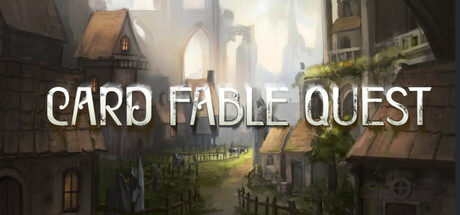
This game uses AI to generate placeholder artwork for the card art.
I'm commissioning talented artists like Screwdy Crow https://www.artstation.com/screwdycrow whose art is featured in the screenshots, to gradually replace the AI generated work.
All character images except for the hero classes were created in Daz Studio, and icons were made in Photoshop using Creative Commons assets. Most older backgrounds were later touched up with an AI tool. The story, dialogues, quests, gameplay and balancing were written and crafted by the developer over years of work.
Some artwork and images in the game were created with the assistance of artificial intelligence (AI) tools. All AI-generated content has been reviewed and adapted by our team to ensure originality and quality. Our goal is to provide a unique visual experience that combines human creativity with technology.
This game used generative AI tools in a limited way during development to assist with some image asset creation (e.g., concept/reference and promotional/UI-related imagery) and code drafting/refactoring. All outputs were reviewed, edited or rewritten, and tested by the development team before being included in the product. The game does not connect to external AI services and does not generate new text, images, or audio in real time during gameplay. All content has been reviewed to avoid copyright or rights infringement.
Our game uses AI-generated images as a starting point for background art and concept designs.
These AI-generated images are then heavily edited and refined manually by our artists to ensure unique and high-quality assets.
AI is not used during live gameplay, and all final game assets are reviewed and modified by human artists before implementation.
Our small indie team has responsibly used generative AI tools to accelerate our development while maintaining full creative control.
We used MidJourney to generate base visual assets, which were then carefully edited, customized, and rendered by our artists to match the game’s artistic direction. These AI-generated elements are part of the final visual content, but were not used “as-is” and underwent human refinement.
For localization, we used AI-based tools to assist with proofreading and translation consistency, ensuring clearer communication across languages.
No AI systems are used during gameplay or in real-time content generation. All interactive and gameplay logic was developed by our team.
We fully comply with Steam’s policies regarding AI use, and all assets were created and integrated within the scope of ethical and legal use.
Transparency and player trust are at the heart of our approach.
Some image assets in the game of lesser importance (character portraits, item icons) are made using a process that includes AI image generation. This will be replaced with original artwork in the final product.
This game includes an experiment about the perception of human-made and AI art in a multimedia context. To that purpose some of the graphic, music and text assets of the game are generated with the help of AI, while others are human-made. The player is asked at the end of the game to guess which parts were made by AI and which were not.
Voiceovers, some marketing content, and a few textures were partially generated in AI and then used with artist created art assets or real-photography.
Museums of History uses AI technology to enhance the visual quality of menu background images. These backgrounds showcase beautifully rendered scenes from the game environment, offering players an engaging preview of the historical settings they’ll explore.
By using AI to refine and generate these visuals, we ensure stunning and immersive artwork that sets the tone for the game, while maintaining a focus on historical accuracy and aesthetic appeal.
Use of AI for color enhancement, lighting, and character posing, combined with Adobe suite programs for the final touch.
Applied to the various banners for the Steam store.
Used to create additional concept art which inspired our artists
Used to help create an initial draft the narrative of the game.
Used to create various code snippets and check the quality of the games code base.
This game uses AI to generate placeholder artwork for the card art.
I'm commissioning talented artists like Screwdy Crow https://www.artstation.com/screwdycrow whose art is featured in the screenshots, to gradually replace the AI generated work.
All character images except for the hero classes were created in Daz Studio, and icons were made in Photoshop using Creative Commons assets. Most older backgrounds were later touched up with an AI tool. The story, dialogues, quests, gameplay and balancing were written and crafted by the developer over years of work.
Some artwork and images in the game were created with the assistance of artificial intelligence (AI) tools. All AI-generated content has been reviewed and adapted by our team to ensure originality and quality. Our goal is to provide a unique visual experience that combines human creativity with technology.
This game used generative AI tools in a limited way during development to assist with some image asset creation (e.g., concept/reference and promotional/UI-related imagery) and code drafting/refactoring. All outputs were reviewed, edited or rewritten, and tested by the development team before being included in the product. The game does not connect to external AI services and does not generate new text, images, or audio in real time during gameplay. All content has been reviewed to avoid copyright or rights infringement.
Our game uses AI-generated images as a starting point for background art and concept designs.
These AI-generated images are then heavily edited and refined manually by our artists to ensure unique and high-quality assets.
AI is not used during live gameplay, and all final game assets are reviewed and modified by human artists before implementation.
Our small indie team has responsibly used generative AI tools to accelerate our development while maintaining full creative control.
We used MidJourney to generate base visual assets, which were then carefully edited, customized, and rendered by our artists to match the game’s artistic direction. These AI-generated elements are part of the final visual content, but were not used “as-is” and underwent human refinement.
For localization, we used AI-based tools to assist with proofreading and translation consistency, ensuring clearer communication across languages.
No AI systems are used during gameplay or in real-time content generation. All interactive and gameplay logic was developed by our team.
We fully comply with Steam’s policies regarding AI use, and all assets were created and integrated within the scope of ethical and legal use.
Transparency and player trust are at the heart of our approach.
Some image assets in the game of lesser importance (character portraits, item icons) are made using a process that includes AI image generation. This will be replaced with original artwork in the final product.
This game includes an experiment about the perception of human-made and AI art in a multimedia context. To that purpose some of the graphic, music and text assets of the game are generated with the help of AI, while others are human-made. The player is asked at the end of the game to guess which parts were made by AI and which were not.
Voiceovers, some marketing content, and a few textures were partially generated in AI and then used with artist created art assets or real-photography.
Museums of History uses AI technology to enhance the visual quality of menu background images. These backgrounds showcase beautifully rendered scenes from the game environment, offering players an engaging preview of the historical settings they’ll explore.
By using AI to refine and generate these visuals, we ensure stunning and immersive artwork that sets the tone for the game, while maintaining a focus on historical accuracy and aesthetic appeal.
Use of AI for color enhancement, lighting, and character posing, combined with Adobe suite programs for the final touch.
Applied to the various banners for the Steam store.
Used to create additional concept art which inspired our artists
Used to help create an initial draft the narrative of the game.
Used to create various code snippets and check the quality of the games code base.