Public Steam disclosure research25,497 disclosures tracked
Where do games disclose AI use?
Search developers’ Steam disclosures, compare classified AI use across
games, and follow recorded changes.
This index adds cross-game classifications and statistics to
statements published on individual store pages.
Groups reflect automatic analysis of public disclosures; mature records are excluded. These counts do not measure AI use across all of Steam.
Missing or unclear statements cannot establish whether a game uses AI.
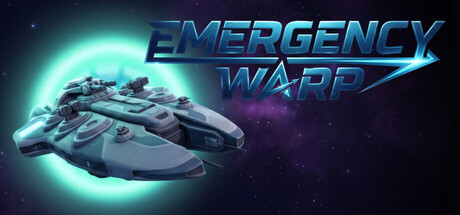
Some promotional artwork for this game (such as the store capsule image)
was created with the help of generative AI tools and then edited by hand.
All in-game content — 3D models, animations, sound effects, interface and
code — was created without generative AI. The game does not use AI during
gameplay and does not connect to any external AI service.
Generative AI was used to create some content, including certain images, music, text and translations, as well as some store and promotional materials. AI-assisted content was created in advance; the game does not generate AI content or connect to external AI services during gameplay.
Generative AI tools were utilized to generate base assets for various 3D models and musical tracks. All AI-generated content was subsequently edited, refined, and integrated manually to match the vision of the game.
Generative AI tools were used during development to create portions of the game's visual artwork, sound effects, music, and localized text, as well as promotional artwork for the Steam store page. This includes pre-rendered background illustrations, promotional capsule images, audio assets, and AI-generated translations.
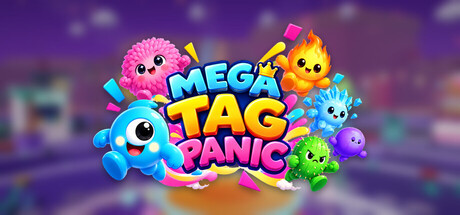
AI was used for three things only: the first draft of the character models, the two main-menu music tracks, and the game and studio logos. No AI runs while you play.
Everything you actually play was designed, built and balanced by the developer: the growing-tagger rule and the charged slap at the heart of the game; 6 game modes; 12 maps that each play by their own rules — a rolling ship, a flooding water tower, an arena that collapses ring by ring, lava that launches you skyward; 10 characters with 10 distinct powers, tuned one by one; bots with three difficulty levels that make the game fully playable solo; 2–10 player online play; a level and shop progression; match photos, match history and replays; and a 15-language localization. The character models were then hand-edited, rigged, height-matched and animated by the developer. The trailer and all screenshots are real gameplay. Sound effects and fonts come from CC0 / open-licensed sources.
This game contains some images, videos, audio, text, and 3D assets created using generative AI. Generative AI is not used to generate content or code in real time during gameplay.
Artwork: created with generative AI, pre-rendered, hand-curated and edited.
Code and design: 100% human-written, built on a match-3 framework I've developed and shipped five games with since 2012.
Runtime: no AI is used while the game is running.
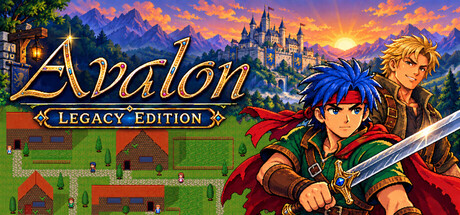
The original 1998 version of Avalon was created entirely by hand, including its graphics, music, story, gameplay, game engine and even its custom music software. Avalon: Legacy Edition retains many of these original assets. Generative AI was used to create or refine much of the updated visual, audio and written content. No content is generated live during gameplay.
This game uses AI-assisted content created during development:
- Some card art and story silhouette assets were created with AI image generation tools
- Some background music was created with AI music generation tools
The game contains no runtime AI-generated content. All AI-assisted assets have been manually reviewed, selected, and edited.
All visual assets, music tracks, and programming code in this game have been created with the assistance of generative AI tools. No AI-generated content is produced in real-time during gameplay; all such elements are pre-generated and finalized in the game build. We are committed to transparency and clearly disclose our use of AI in development to ensure players are fully informed.
Some of the images used in the game were created with generative AI tools. However, all questions, answer choices, facts, and other written content were created and edited by humans.
Generative AI tools were used in parts of the developer's workflow: some texture source images (such as water splash sprites and certain ground materials) originate from AI image tools, and the dragon character's base mesh was initially created with AI assistance. All of this content was then extensively hand-edited, sculpted, rigged and integrated by the developer. Some music tracks were generated with Suno (licensed under a paid subscription). The world itself, the environment models and the game's art direction are hand-made. The game does not generate any content at runtime.
Some of the pre-made content in this game (such as artwork, audio and/or text) was created with the help of generative AI tools and was reviewed and edited by the developer. No AI content is generated during gameplay.
Generative AI tools were used during development to assist with draft text, localization, concept references, and asset iteration. All final content included in the game has been reviewed and edited by the developer. The game does not generate AI content during gameplay.
We use generative AI for player-facing content: in-game art (sprites, UI, backgrounds) and marketing (Steam capsules, store images). Some store-page translations may also be AI-assisted. We select, review, and place everything ourselves — nothing is generated while the game is running. Gameplay, timing, and controls are designed by us. AI coding tools are used internally only and do not create runtime game content.
AI was used during development to create some of the game's visual artwork and graphical assets. The AI-generated assets are pre-generated and included as static content in the game. No AI content is generated during gameplay, and the game does not connect to or use an AI service at runtime.
Generative AI was used during development to assist with the creation and refinement of some visual assets. All AI-assisted content was selected, reviewed, edited, and integrated by the development team. The game does not use generative AI in real time during gameplay.
Generative AI was used during development to create certain pre-generated visual assets and character textures included in the game, as well as to assist with translation into certain languages (French, German, and Spanish). These assets are created during development and are integrated into the game; there is no real-time AI content generation during gameplay.
We used AI as a “support tool” in the creation of in-store visuals and certain in-game UI elements. We use AI solely as a support tool. We never leave the entire process to AI for any task.
Some images were created with AI image generation: the crew portraits, loading-screen image, and the current store capsule artwork and logo (commissioned artwork will replace the capsule). The game's code was written with AI coding assistants under the developer's direction; ships, weapons and effects are drawn procedurally by that code. All in-game text is written by the developer.
Card and key art generated with AI tools to a studio style guide, then hand-composited in Photoshop; all text, UI, code and music are original or purchased assets.
The core gameplay mechanics, 3D models, scene designs, and overall project were developed entirely by us. Generative AI tools were utilized for editing select promotional store page visuals and as assisting coding tools during the development process.
Some in-game assets were created with the assistance of generative AI tools during development. All AI-assisted content has been reviewed, edited, and curated by our team before being included in the game. The game does not use generative AI at runtime — no content is generated while you play.
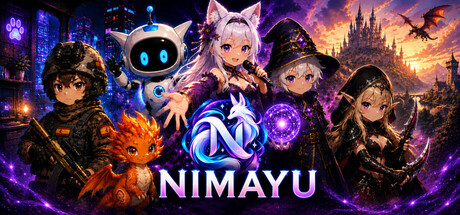
Some visual assets and artwork included in Nimayu and its Steam store materials were created with the assistance of generative AI tools and subsequently selected, edited, and integrated during development. Nimayu does not generate AI content during gameplay.
Visual Arts: Generative AI tools were used solely to create early-concept drafts and visual inspiration for certain art assets. All final in-game graphics, UI, and pixel art were manually redesigned, drawn, and polished by human artists.
Localization: Generative AI tools were used to assist with the initial translation of supported non-primary languages. While we have conducted basic checks, these translations may still contain errors or awkward phrasing. We warmly welcome community feedback to help us improve localization over time!
Some shipped artwork, visual effects, interface assets, and audio were created or modified with generative AI tools during development. All such content is pre-generated, selected and reviewed by the development team, and included as fixed game assets. The game does not generate AI content while running.
Generative AI was used to assist in creating some store promotional images with manual post-compositing. Generative AI was also used to produce part of the 2D assets within the game, and to assist with translation and localization for portions of the game text. All AI-assisted content has been reviewed, edited and refined by our development team.
Generative AI tools assisted in producing some background artwork, music and sound effects, models, and narrative content. The developer reviewed and edited these materials before integrating them into the game. No AI content is generated during gameplay.
Pre-generated generative AI was used in the development of game code, visual assets, character portraits, promotional artwork, and portions of text and localization.
The tower and building art began as 3D models made with AI tools and inside Blender. I edited many of them by hand, then turned them into pixel art with our own pipeline. The characters are drawn by hand in Aseprite. Some in-game text and the translations were written with AI assistance.
All graphics in the game are hand-pixelled. The soundtrack was created with generative AI. Some images for the Steam store and library were expanded using AI to fit the required aspect ratios. No content is generated by AI during gameplay.
Generative AI was used to assist with English texts, localizations, and some pre-generated 3D character models, with all content manually reviewed and edited by the developer.
Generative AI tools assisted with pre-generated artwork, including Steam store capsules and library images, and some localization text. The game does not generate AI content during play or connect to external AI services.
Some promotional artwork for this game (such as the store capsule image)
was created with the help of generative AI tools and then edited by hand.
All in-game content — 3D models, animations, sound effects, interface and
code — was created without generative AI. The game does not use AI during
gameplay and does not connect to any external AI service.
Generative AI was used to create some content, including certain images, music, text and translations, as well as some store and promotional materials. AI-assisted content was created in advance; the game does not generate AI content or connect to external AI services during gameplay.
Generative AI tools were utilized to generate base assets for various 3D models and musical tracks. All AI-generated content was subsequently edited, refined, and integrated manually to match the vision of the game.
Generative AI tools were used during development to create portions of the game's visual artwork, sound effects, music, and localized text, as well as promotional artwork for the Steam store page. This includes pre-rendered background illustrations, promotional capsule images, audio assets, and AI-generated translations.
AI was used for three things only: the first draft of the character models, the two main-menu music tracks, and the game and studio logos. No AI runs while you play.
Everything you actually play was designed, built and balanced by the developer: the growing-tagger rule and the charged slap at the heart of the game; 6 game modes; 12 maps that each play by their own rules — a rolling ship, a flooding water tower, an arena that collapses ring by ring, lava that launches you skyward; 10 characters with 10 distinct powers, tuned one by one; bots with three difficulty levels that make the game fully playable solo; 2–10 player online play; a level and shop progression; match photos, match history and replays; and a 15-language localization. The character models were then hand-edited, rigged, height-matched and animated by the developer. The trailer and all screenshots are real gameplay. Sound effects and fonts come from CC0 / open-licensed sources.
This game contains some images, videos, audio, text, and 3D assets created using generative AI. Generative AI is not used to generate content or code in real time during gameplay.
Artwork: created with generative AI, pre-rendered, hand-curated and edited.
Code and design: 100% human-written, built on a match-3 framework I've developed and shipped five games with since 2012.
Runtime: no AI is used while the game is running.
The original 1998 version of Avalon was created entirely by hand, including its graphics, music, story, gameplay, game engine and even its custom music software. Avalon: Legacy Edition retains many of these original assets. Generative AI was used to create or refine much of the updated visual, audio and written content. No content is generated live during gameplay.
This game uses AI-assisted content created during development:
- Some card art and story silhouette assets were created with AI image generation tools
- Some background music was created with AI music generation tools
The game contains no runtime AI-generated content. All AI-assisted assets have been manually reviewed, selected, and edited.
All visual assets, music tracks, and programming code in this game have been created with the assistance of generative AI tools. No AI-generated content is produced in real-time during gameplay; all such elements are pre-generated and finalized in the game build. We are committed to transparency and clearly disclose our use of AI in development to ensure players are fully informed.
Some of the images used in the game were created with generative AI tools. However, all questions, answer choices, facts, and other written content were created and edited by humans.
Generative AI tools were used in parts of the developer's workflow: some texture source images (such as water splash sprites and certain ground materials) originate from AI image tools, and the dragon character's base mesh was initially created with AI assistance. All of this content was then extensively hand-edited, sculpted, rigged and integrated by the developer. Some music tracks were generated with Suno (licensed under a paid subscription). The world itself, the environment models and the game's art direction are hand-made. The game does not generate any content at runtime.
Some of the pre-made content in this game (such as artwork, audio and/or text) was created with the help of generative AI tools and was reviewed and edited by the developer. No AI content is generated during gameplay.
Generative AI tools were used during development to assist with draft text, localization, concept references, and asset iteration. All final content included in the game has been reviewed and edited by the developer. The game does not generate AI content during gameplay.
We use generative AI for player-facing content: in-game art (sprites, UI, backgrounds) and marketing (Steam capsules, store images). Some store-page translations may also be AI-assisted. We select, review, and place everything ourselves — nothing is generated while the game is running. Gameplay, timing, and controls are designed by us. AI coding tools are used internally only and do not create runtime game content.
AI was used during development to create some of the game's visual artwork and graphical assets. The AI-generated assets are pre-generated and included as static content in the game. No AI content is generated during gameplay, and the game does not connect to or use an AI service at runtime.
Generative AI was used during development to assist with the creation and refinement of some visual assets. All AI-assisted content was selected, reviewed, edited, and integrated by the development team. The game does not use generative AI in real time during gameplay.
Generative AI was used during development to create certain pre-generated visual assets and character textures included in the game, as well as to assist with translation into certain languages (French, German, and Spanish). These assets are created during development and are integrated into the game; there is no real-time AI content generation during gameplay.
We used AI as a “support tool” in the creation of in-store visuals and certain in-game UI elements. We use AI solely as a support tool. We never leave the entire process to AI for any task.
Some images were created with AI image generation: the crew portraits, loading-screen image, and the current store capsule artwork and logo (commissioned artwork will replace the capsule). The game's code was written with AI coding assistants under the developer's direction; ships, weapons and effects are drawn procedurally by that code. All in-game text is written by the developer.
Card and key art generated with AI tools to a studio style guide, then hand-composited in Photoshop; all text, UI, code and music are original or purchased assets.
The core gameplay mechanics, 3D models, scene designs, and overall project were developed entirely by us. Generative AI tools were utilized for editing select promotional store page visuals and as assisting coding tools during the development process.
Some in-game assets were created with the assistance of generative AI tools during development. All AI-assisted content has been reviewed, edited, and curated by our team before being included in the game. The game does not use generative AI at runtime — no content is generated while you play.
Some visual assets and artwork included in Nimayu and its Steam store materials were created with the assistance of generative AI tools and subsequently selected, edited, and integrated during development. Nimayu does not generate AI content during gameplay.
Visual Arts: Generative AI tools were used solely to create early-concept drafts and visual inspiration for certain art assets. All final in-game graphics, UI, and pixel art were manually redesigned, drawn, and polished by human artists.
Localization: Generative AI tools were used to assist with the initial translation of supported non-primary languages. While we have conducted basic checks, these translations may still contain errors or awkward phrasing. We warmly welcome community feedback to help us improve localization over time!
Some shipped artwork, visual effects, interface assets, and audio were created or modified with generative AI tools during development. All such content is pre-generated, selected and reviewed by the development team, and included as fixed game assets. The game does not generate AI content while running.
Generative AI was used to assist in creating some store promotional images with manual post-compositing. Generative AI was also used to produce part of the 2D assets within the game, and to assist with translation and localization for portions of the game text. All AI-assisted content has been reviewed, edited and refined by our development team.
Generative AI tools assisted in producing some background artwork, music and sound effects, models, and narrative content. The developer reviewed and edited these materials before integrating them into the game. No AI content is generated during gameplay.
Pre-generated generative AI was used in the development of game code, visual assets, character portraits, promotional artwork, and portions of text and localization.
The tower and building art began as 3D models made with AI tools and inside Blender. I edited many of them by hand, then turned them into pixel art with our own pipeline. The characters are drawn by hand in Aseprite. Some in-game text and the translations were written with AI assistance.
All graphics in the game are hand-pixelled. The soundtrack was created with generative AI. Some images for the Steam store and library were expanded using AI to fit the required aspect ratios. No content is generated by AI during gameplay.
Generative AI was used to assist with English texts, localizations, and some pre-generated 3D character models, with all content manually reviewed and edited by the developer.
Generative AI tools assisted with pre-generated artwork, including Steam store capsules and library images, and some localization text. The game does not generate AI content during play or connect to external AI services.