Public Steam disclosure research25,512 disclosures tracked
Where do games disclose AI use?
Search developers’ Steam disclosures, compare classified AI use across
games, and follow recorded changes.
This index adds cross-game classifications and statistics to
statements published on individual store pages.
Groups reflect automatic analysis of public disclosures; mature records are excluded. These counts do not measure AI use across all of Steam.
Missing or unclear statements cannot establish whether a game uses AI.
Pre-generated content only. The game contains no runtime AI and makes no
network calls.
AI tools were used during development for:
- 3D character model: generated with Meshy, then adjusted and integrated
by the developer.
- In-game illustrations: 17 tutorial cutscene images.
- In-game text: quest titles and descriptions, character dialogue, tutorial
explanations and UI status text. Drafted with an AI assistant, then
reviewed and edited by the developer.
- 16x16 pixel icons: generated procedurally from code.
- Store page description and its English translation.
Not AI generated: the room and environment art is a purchased Unity Asset
Store package.
Some of the in-game background images and the store Capsule image art assets in this game were created using pre-rendered generative AI tools. These assets were then reviewed, refined, and integrated by our development team to fit the game's artistic vision
AI tools were primarily used as assistance during the coding and development process. Additionally, AI was used to a very limited extent for a small number of 2D visual assets within the game.
Parts of this game's 2D artwork (event panels, backgrounds, UI elements) were created using generative AI tools and were then curated, corrected and finished by our artist. Some music and ambience tracks were produced with AI assistance and manually edited. Event texts were drafted with LLM assistance and fully reviewed, edited and approved by the developers. The game contains NO live/runtime AI generation: all content is pre-generated and human-reviewed before shipping. No third-party copyrighted material and no real persons' likenesses were used in prompts.
Generative AI was used during development to create selected 2D visual assets, including menu and loading-screen artwork, interface icons and patterns, and the game's wordmark. AI tools also assist with store-page writing. This content is prepared in advance; the game does not generate AI content or connect to an AI service during gameplay.
Some artistic assets in this game (including scene materials, item icons, visual effects, etc.) are created with the assistance of generative AI technology. All AI-generated content has been manually screened, adjusted, and reviewed for compliance by the development team to meet relevant regulations and platform policies.
This game used generative AI-assisted content in some pre-rendered assets, such as visual effects, UI elements, background or promotional artwork, and marketing/community materials. No live generative AI system is used during gameplay, and the game does not generate new player-facing content dynamically while the player is playing.
The final release will contain no AI-generated content. All assets are either sourced from asset packs or built using Unity's native tools.
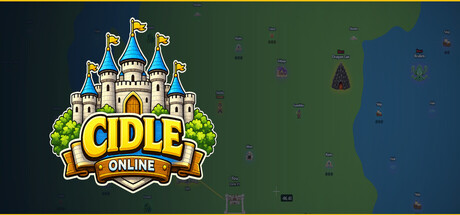
Some of the 2D art in Cidle Online was created with the help of generative AI
image tools. This includes parts of the sprite work for buildings, points of
interest and item icons, as well as some store page artwork. Every generated
image was reviewed, edited and adjusted by hand before it went into the game,
and assets are checked so they do not reproduce existing works.
All of this art is produced during development. Nothing is generated by AI
while you play, and the game does not send any of your data to an AI service.
AI tools assist with programming, translation, and creating selected visual assets and marketing materials. All AI-assisted content is reviewed and edited by the developer before inclusion.
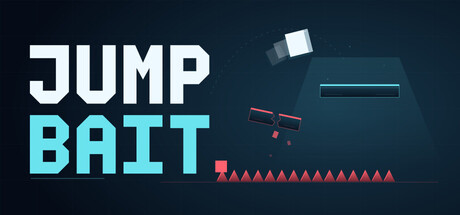
Jump Bait was created using generative AI, including its code, visual assets, music, and written content. AI-generated content was created during development. The game does not generate AI content or connect to third-party AI services during gameplay.
We have used AI for generating the Achievement Icons and ingredients icons which were then edited to keep a consistent art style. AI mockups were used for inspiration along side many UI from different games. All UI graphics, logos and 3D models in game are either manually created, purchased or dowloaded from asset store.
Gemini was used to create two backgrounds that I later blurred and two non-blurred backgrounds for the game's menus.
I'm a one-person developer. That means I do everything; and some of it I'm just bad at. I use AI as a tool to cover the gaps: the tasks I hate, the stuff I'd waste hours on just to replace later. The tools don't make the art. Every idea and decision, everything that made it into this game came from me.
This game and store contains 2D artwork pieces created with the assistance of generative AI. These images are used as static artwork in story-driven cutscenes to help illustrate and convey the game's narrative.
No AI-generated content is created during gameplay, all other game content was created without generative AI.
Some 3D character models and a few environment assets in this game were created with the help of generative AI tools, then manually edited, rigged and refined by the developer. Some promotional images were also produced with AI assistance. All AI-generated content was reviewed to ensure it does not infringe third-party rights.
Some visual game assets were created with the assistance of generative AI during development, including background images and artwork for the rocket and enemies. These assets were selected, adapted, and reviewed by the developer for use in the game. The game does not use generative AI to generate content during gameplay.
Some of the images on our store page were created by artificial intelligence and edits were made on the images. and some images in the game were made by artificial intelligence.
Some visual and audio assets were created with generative AI tools and then reviewed and edited by the developer: the city background scenes, the store trailers (including the animated cinematic and its character), the music tracks and ambient loops, and store/marketing images such as capsules and the icon. All gameplay, game design, code, UI, and text were written by the developer. No AI-generated content is created at runtime.
Some content was pre-generated with AI tools during development and reviewed by the developer before shipping: the store key art and capsule images, a number of surface textures used as decorative materials in the environments, and the narration, which is synthesized offline from the developer's original script with the Piper text-to-speech engine (a public-domain-derived voice). No content is generated by AI during gameplay, and the game does not connect to any external AI service. World layouts, equipment, mission logic, writing and code are project-authored.
Some artwork, character voice lines and store promotional assets were created with generative AI during development and are supplied as fixed, pre-generated content. The game does not generate AI content during play or connect to external AI services.
Generative AI tools assisted in creating pixel-art visuals, interface and narrative text, and Steam marketing artwork. This material is prepared in advance and integrated into the game and store page. The game does not generate content while running.
Some visual assets used in the game and/or its promotional materials were created with the assistance of generative AI tools and were reviewed and edited by the developer before use.
Generative AI was used during development to create officer portraits, illustrations, backgrounds and other graphical assets, translations, and background music. This content was generated in advance; no AI content is generated during gameplay.
Generative AI tools were used during development. Some 3D models of characters and environments, some pre-rendered cutscenes, the main theme song, marketing videos and the translations were created with the help of AI tools, then edited and assembled by the developer. Gameplay design, code and in-game animations were made by the developer. No content is generated by AI during gameplay.
Some of the game's artwork — item and skill icons, character portraits, and the store capsule illustrations — was created with the help of generative AI tools, then reviewed, selected, and edited by hand. Localization drafts were machine-translated and then reviewed and corrected. No AI content is generated while you play: all content ships with the game.
Generative AI tools were used during development to create and revise pre-generated illustrations, narrative text, localization and promotional artwork. Content is prepared before play; the game does not generate AI content at runtime or connect to an external AI service during play.
Generative AI tools were used during development to assist in creating some visual assets, audio, and other game content. All AI-assisted content included in the final game was reviewed and selected by the developer.
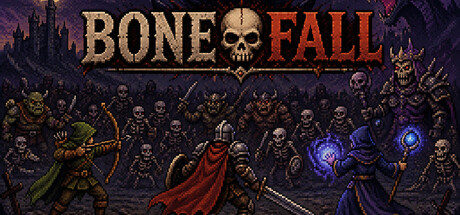
Some art in Bonefall was made with generative AI tools and then cut, edited and fitted into the game by hand: the opening cinematic, the title-screen key art, the store and marketing art, and parts of the environment (the graveyard floor and scenery, the boss pillars). The Russian, Korean and Simplified Chinese translations were drafted with AI assistance. The heroes and monsters are human-made open-licensed pixel art (the Liberated Pixel Cup collection, credited in the game), and the sound effects are CC0 recordings. Nothing is generated while you play.
Generative AI tools are used during development to assist with feature development, programming, technical implementation, debugging, and testing. AI-generated artwork may also be used temporarily for certain Steam store and library promotional assets, including capsule art, library art, and icons, for the initial demo and store setup. These temporary promotional assets are intended to be replaced with human-created artwork. All AI-assisted work is directed, reviewed, and validated by the developer. The game’s in-game visual assets, UI, audio, music, and voice performances are licensed or human-created and are not AI-generated. No generative AI is used during gameplay.
Generative AI tools were used to create illustrations, brief pre-rendered animated sequences, and some store and promotional artwork under the author's direction, selection, and editing. AI tools were also used to assist with translation and language editing. The original novel and its story were written by Takahiro Yonemura. No content is generated by AI while the application is running.
This game uses generative AI-assisted content in some pre-rendered assets, such as visual effects, UI elements, background or promotional artwork, marketing/community materials, and localization. No live generative AI system is used during gameplay, and the game does not generate new player-facing content dynamically while the player is playing.
I've used AI for a lot of things in this project. The code, 3D models, textures, 3D animations, music and more. I know a lot of people don't anything to do with AI so I want to be up front. This is a small pet project, I'm able to create a lot more of my vision than I could without AI. I do not dismiss the reasons people have for rejecting AI.
Visual assets and translations were created with the assistance of generative AI tools.
All assets and translations were reviewed, edited, and incorporated by the developer to align with the game’s established art direction.
Generative AI tools were used during the development of GIGA BRAIN TACTICS to assist with the creation of certain visual and audio assets, as well as during the game development process.
All AI-assisted content is reviewed, refined, and integrated by the developers to ensure consistency with the game's visual style and quality standards.
Pre-generated content only. The game contains no runtime AI and makes no
network calls.
AI tools were used during development for:
- 3D character model: generated with Meshy, then adjusted and integrated
by the developer.
- In-game illustrations: 17 tutorial cutscene images.
- In-game text: quest titles and descriptions, character dialogue, tutorial
explanations and UI status text. Drafted with an AI assistant, then
reviewed and edited by the developer.
- 16x16 pixel icons: generated procedurally from code.
- Store page description and its English translation.
Not AI generated: the room and environment art is a purchased Unity Asset
Store package.
Some of the in-game background images and the store Capsule image art assets in this game were created using pre-rendered generative AI tools. These assets were then reviewed, refined, and integrated by our development team to fit the game's artistic vision
AI tools were primarily used as assistance during the coding and development process. Additionally, AI was used to a very limited extent for a small number of 2D visual assets within the game.
Parts of this game's 2D artwork (event panels, backgrounds, UI elements) were created using generative AI tools and were then curated, corrected and finished by our artist. Some music and ambience tracks were produced with AI assistance and manually edited. Event texts were drafted with LLM assistance and fully reviewed, edited and approved by the developers. The game contains NO live/runtime AI generation: all content is pre-generated and human-reviewed before shipping. No third-party copyrighted material and no real persons' likenesses were used in prompts.
Generative AI was used during development to create selected 2D visual assets, including menu and loading-screen artwork, interface icons and patterns, and the game's wordmark. AI tools also assist with store-page writing. This content is prepared in advance; the game does not generate AI content or connect to an AI service during gameplay.
Some artistic assets in this game (including scene materials, item icons, visual effects, etc.) are created with the assistance of generative AI technology. All AI-generated content has been manually screened, adjusted, and reviewed for compliance by the development team to meet relevant regulations and platform policies.
This game used generative AI-assisted content in some pre-rendered assets, such as visual effects, UI elements, background or promotional artwork, and marketing/community materials. No live generative AI system is used during gameplay, and the game does not generate new player-facing content dynamically while the player is playing.
The final release will contain no AI-generated content. All assets are either sourced from asset packs or built using Unity's native tools.
Some of the 2D art in Cidle Online was created with the help of generative AI
image tools. This includes parts of the sprite work for buildings, points of
interest and item icons, as well as some store page artwork. Every generated
image was reviewed, edited and adjusted by hand before it went into the game,
and assets are checked so they do not reproduce existing works.
All of this art is produced during development. Nothing is generated by AI
while you play, and the game does not send any of your data to an AI service.
AI tools assist with programming, translation, and creating selected visual assets and marketing materials. All AI-assisted content is reviewed and edited by the developer before inclusion.
Jump Bait was created using generative AI, including its code, visual assets, music, and written content. AI-generated content was created during development. The game does not generate AI content or connect to third-party AI services during gameplay.
We have used AI for generating the Achievement Icons and ingredients icons which were then edited to keep a consistent art style. AI mockups were used for inspiration along side many UI from different games. All UI graphics, logos and 3D models in game are either manually created, purchased or dowloaded from asset store.
Gemini was used to create two backgrounds that I later blurred and two non-blurred backgrounds for the game's menus.
I'm a one-person developer. That means I do everything; and some of it I'm just bad at. I use AI as a tool to cover the gaps: the tasks I hate, the stuff I'd waste hours on just to replace later. The tools don't make the art. Every idea and decision, everything that made it into this game came from me.
This game and store contains 2D artwork pieces created with the assistance of generative AI. These images are used as static artwork in story-driven cutscenes to help illustrate and convey the game's narrative.
No AI-generated content is created during gameplay, all other game content was created without generative AI.
Some 3D character models and a few environment assets in this game were created with the help of generative AI tools, then manually edited, rigged and refined by the developer. Some promotional images were also produced with AI assistance. All AI-generated content was reviewed to ensure it does not infringe third-party rights.
Some visual game assets were created with the assistance of generative AI during development, including background images and artwork for the rocket and enemies. These assets were selected, adapted, and reviewed by the developer for use in the game. The game does not use generative AI to generate content during gameplay.
Some of the images on our store page were created by artificial intelligence and edits were made on the images. and some images in the game were made by artificial intelligence.
Some visual and audio assets were created with generative AI tools and then reviewed and edited by the developer: the city background scenes, the store trailers (including the animated cinematic and its character), the music tracks and ambient loops, and store/marketing images such as capsules and the icon. All gameplay, game design, code, UI, and text were written by the developer. No AI-generated content is created at runtime.
Some content was pre-generated with AI tools during development and reviewed by the developer before shipping: the store key art and capsule images, a number of surface textures used as decorative materials in the environments, and the narration, which is synthesized offline from the developer's original script with the Piper text-to-speech engine (a public-domain-derived voice). No content is generated by AI during gameplay, and the game does not connect to any external AI service. World layouts, equipment, mission logic, writing and code are project-authored.
Some artwork, character voice lines and store promotional assets were created with generative AI during development and are supplied as fixed, pre-generated content. The game does not generate AI content during play or connect to external AI services.
Generative AI tools assisted in creating pixel-art visuals, interface and narrative text, and Steam marketing artwork. This material is prepared in advance and integrated into the game and store page. The game does not generate content while running.
Some visual assets used in the game and/or its promotional materials were created with the assistance of generative AI tools and were reviewed and edited by the developer before use.
Generative AI was used during development to create officer portraits, illustrations, backgrounds and other graphical assets, translations, and background music. This content was generated in advance; no AI content is generated during gameplay.
Generative AI tools were used during development. Some 3D models of characters and environments, some pre-rendered cutscenes, the main theme song, marketing videos and the translations were created with the help of AI tools, then edited and assembled by the developer. Gameplay design, code and in-game animations were made by the developer. No content is generated by AI during gameplay.
Some of the game's artwork — item and skill icons, character portraits, and the store capsule illustrations — was created with the help of generative AI tools, then reviewed, selected, and edited by hand. Localization drafts were machine-translated and then reviewed and corrected. No AI content is generated while you play: all content ships with the game.
Generative AI tools were used during development to create and revise pre-generated illustrations, narrative text, localization and promotional artwork. Content is prepared before play; the game does not generate AI content at runtime or connect to an external AI service during play.
Generative AI tools were used during development to assist in creating some visual assets, audio, and other game content. All AI-assisted content included in the final game was reviewed and selected by the developer.
Some art in Bonefall was made with generative AI tools and then cut, edited and fitted into the game by hand: the opening cinematic, the title-screen key art, the store and marketing art, and parts of the environment (the graveyard floor and scenery, the boss pillars). The Russian, Korean and Simplified Chinese translations were drafted with AI assistance. The heroes and monsters are human-made open-licensed pixel art (the Liberated Pixel Cup collection, credited in the game), and the sound effects are CC0 recordings. Nothing is generated while you play.
Generative AI tools are used during development to assist with feature development, programming, technical implementation, debugging, and testing. AI-generated artwork may also be used temporarily for certain Steam store and library promotional assets, including capsule art, library art, and icons, for the initial demo and store setup. These temporary promotional assets are intended to be replaced with human-created artwork. All AI-assisted work is directed, reviewed, and validated by the developer. The game’s in-game visual assets, UI, audio, music, and voice performances are licensed or human-created and are not AI-generated. No generative AI is used during gameplay.
Generative AI tools were used to create illustrations, brief pre-rendered animated sequences, and some store and promotional artwork under the author's direction, selection, and editing. AI tools were also used to assist with translation and language editing. The original novel and its story were written by Takahiro Yonemura. No content is generated by AI while the application is running.
This game uses generative AI-assisted content in some pre-rendered assets, such as visual effects, UI elements, background or promotional artwork, marketing/community materials, and localization. No live generative AI system is used during gameplay, and the game does not generate new player-facing content dynamically while the player is playing.
I've used AI for a lot of things in this project. The code, 3D models, textures, 3D animations, music and more. I know a lot of people don't anything to do with AI so I want to be up front. This is a small pet project, I'm able to create a lot more of my vision than I could without AI. I do not dismiss the reasons people have for rejecting AI.
Visual assets and translations were created with the assistance of generative AI tools.
All assets and translations were reviewed, edited, and incorporated by the developer to align with the game’s established art direction.
Generative AI tools were used during the development of GIGA BRAIN TACTICS to assist with the creation of certain visual and audio assets, as well as during the game development process.
All AI-assisted content is reviewed, refined, and integrated by the developers to ensure consistency with the game's visual style and quality standards.