Public Steam disclosure research25,512 disclosures tracked
Where do games disclose AI use?
Search developers’ Steam disclosures, compare classified AI use across
games, and follow recorded changes.
This index adds cross-game classifications and statistics to
statements published on individual store pages.
Groups reflect automatic analysis of public disclosures; mature records are excluded. These counts do not measure AI use across all of Steam.
Missing or unclear statements cannot establish whether a game uses AI.
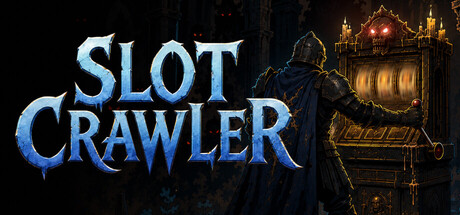
AI tools were used during the development of Slot Crawler to assist in creating select visual assets and promotional materials. Every AI-assisted element was reviewed, refined, and integrated by the developer to ensure consistency with the game’s artistic direction and quality standards.
Generative AI tools were used during development to assist with the creation and refinement of some pre-generated 2D artwork, UI illustrations, icons, promotional images, and selected audio assets. All AI-assisted outputs were reviewed, edited, and integrated by the developer. The game does not generate content with AI at runtime, and no player input is sent to an AI service.
Generative AI tools assisted with interface translations and the preparation of store descriptions and visual assets. Orymessa does not generate content with AI during use and does not connect to an AI service.
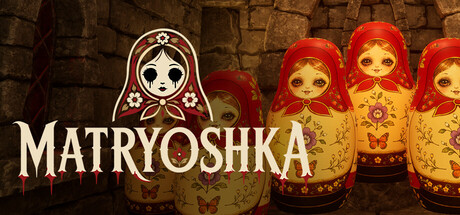
The background, as well as the mesh and base textures for the Matryoshka dolls, were created entirely by hand.
Some of the Matryoshka patterns and the fang meshes were generated using AI, then however directed and revised by humans.
AI tools were also used to assist with language localization.
Generative AI tools were used during development to help create some visual assets, including environment textures, branding and promotional artwork, as well as store copy and localization. These materials are selected, reviewed and integrated by the developer. Gameplay screenshots are captured from the game. No generative AI content is created during play, and the game does not connect to external AI services.
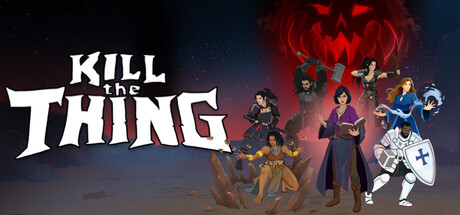
Almost all of the art in the game has been created by Alexandr Elichev, the artist of the original Gloomhaven board game. A few missing art assets for summoned creatures for characters for this game were generated with AI. We hope to be able to replace these with official art as time progresses (and when I have a stable job to be able to pay for this).
AI tools were used in a limited capacity to support coding, early prototyping, and the creation of a small number of icons. All AI-assisted elements were reviewed and refined by us.
Some art assets, sound effects and texts of this game are produced with the assistance of generative AI. No real‑time AI‑generated content will be created during gameplay.
AI generation tools were used to construct raw background components and draft initial concept layers. All final assets, character sprites, and visual interfaces were manually fixed, edited, and assembled by human artists.
Generative AI tools assisted development of the game’s geometric artwork, music compositions, in-game text, and store and marketing materials. These are prepared during development and included in the game or its promotional assets. Graphics are drawn and music is synthesized locally from fixed content definitions; the game does not generate content with AI during gameplay or connect to external AI services.
This demo uses generative AI tools to create most of the character art, illustrations, and visual assets. All AI-generated content has been reviewed and edited by the development team to ensure quality and compliance with Steam policies. No illegal or infringing material is included.
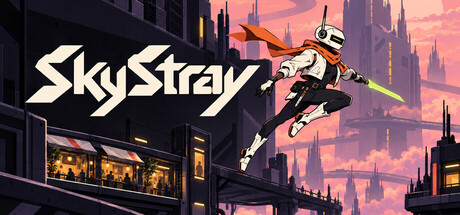
Generative AI is used during development to create artwork, animation, music, sound effects and some text, including store artwork and descriptions. Content is selected, edited and integrated before release. SkyStray does not generate AI content during gameplay or connect to external AI services while you play.
The game’s core artwork and content were created by people. Generative AI use was limited to select elements of UI images and icons, Steam capsule image retouching, map and calendar textures within buildings, and localization translations.
Spritesheets, translations, most of the music, and a handful of images are currently AI-generated. I hope to replace them all with human-made by the 1.0 release.
Generative AI tools were used during development to create some artwork, music and sound effects, and to prepare store and promotional artwork based on gameplay captures. These assets are prepared in advance. The game does not generate AI content during gameplay or connect to external AI services.
Artificial intelligence was used to create the game logo, assist with the game's translation into multiple languages, assist in writing and translating the game's description, and help estimate the system requirements.
Generative AI tools were used during development to help produce some of the game's sprite art and to assist with translations for some of the supported languages. All AI-assisted content was reviewed and edited by the developer before being included in the game.
AI tools were used during development to help create pre-generated content including pixel artwork, character and boss sprites, some written narrative and interface text, and original synthesized music and sound arrangements. These assets are included in the installed game. Gameplay does not generate content through an AI service at runtime.
Some store-page and marketing artwork (capsule images, key art) was created with the help of generative AI tools. Some in-game sprite/visual assets were also produced or upscaled with AI-assisted tools as part of the HD remaster. All AI-assisted content is reviewed, edited and curated by the developer. The game does not use any live or real-time generative AI during gameplay, no AI content is generated on the fly for players.
Generative AI tools were used during the development process to assist in creating pre-rendered visual assets, including character portraits and certain user interface (UI) icons.
Art assets in this game - the fish, environments, UI icons, achievement icons
and store page artwork - were created with the help of generative AI tools.
Every asset was then hand-picked, edited, resized and colour-corrected before
being brought into the game, and all of it was checked against a fixed art
direction and a locked colour palette.
Some of the code was written with AI assistance. All of it was reviewed by the
developer and is covered by automated tests.
The game itself never generates anything while you play, and never connects to
an AI service. Everything you see ships with the build and is the same for
every player.
Some icons, UI elements and text were created with the help of AI tools during development, then reviewed and edited by hand. Nothing is generated while you play.
Some art assets and marketing images were created or assisted with generative AI during development, then curated and edited for the final game. The game does not generate AI content in real time during play.
Generative AI tools were used during development to assist with the creation of visual assets (backgrounds, character art, and UI elements), draft narrative ideas, and compose the background music. All generated visual and text materials were curated, manually edited, and refined by the developer.
Some in-game models and music were created with generative AI. Our original cover illustrations and title lettering are handmade; selected store-art adaptations and the app icon used AI tools. Optional chat uses a lightweight AI model running entirely on your computer to answer small everyday questions. You can turn chat off at any time.
Generative AI was used during development to assist in creating some pre-generated visual assets and marketing materials. All AI-assisted content was reviewed, selected, and adjusted by the developer before being included in the game or on its Steam store page. The game does not use generative AI to create content during gameplay.
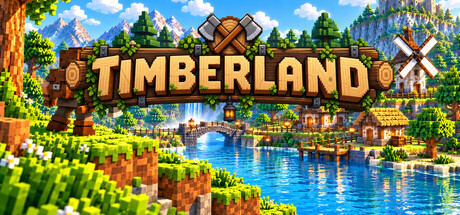
The store page images for Timberland — the key art, capsules, logo and icon — were created with generative AI tools and then edited by hand. The screenshots are real gameplay, unretouched.
Part of the code was also written with the help of an AI assistant. Game design, world generation, mechanics and the remaining textures are the developer's own work.
AI tools were used during the development of Slot Crawler to assist in creating select visual assets and promotional materials. Every AI-assisted element was reviewed, refined, and integrated by the developer to ensure consistency with the game’s artistic direction and quality standards.
Generative AI tools were used during development to assist with the creation and refinement of some pre-generated 2D artwork, UI illustrations, icons, promotional images, and selected audio assets. All AI-assisted outputs were reviewed, edited, and integrated by the developer. The game does not generate content with AI at runtime, and no player input is sent to an AI service.
Generative AI tools assisted with interface translations and the preparation of store descriptions and visual assets. Orymessa does not generate content with AI during use and does not connect to an AI service.
The background, as well as the mesh and base textures for the Matryoshka dolls, were created entirely by hand.
Some of the Matryoshka patterns and the fang meshes were generated using AI, then however directed and revised by humans.
AI tools were also used to assist with language localization.
Generative AI tools were used during development to help create some visual assets, including environment textures, branding and promotional artwork, as well as store copy and localization. These materials are selected, reviewed and integrated by the developer. Gameplay screenshots are captured from the game. No generative AI content is created during play, and the game does not connect to external AI services.
Almost all of the art in the game has been created by Alexandr Elichev, the artist of the original Gloomhaven board game. A few missing art assets for summoned creatures for characters for this game were generated with AI. We hope to be able to replace these with official art as time progresses (and when I have a stable job to be able to pay for this).
AI tools were used in a limited capacity to support coding, early prototyping, and the creation of a small number of icons. All AI-assisted elements were reviewed and refined by us.
Some art assets, sound effects and texts of this game are produced with the assistance of generative AI. No real‑time AI‑generated content will be created during gameplay.
AI generation tools were used to construct raw background components and draft initial concept layers. All final assets, character sprites, and visual interfaces were manually fixed, edited, and assembled by human artists.
Generative AI tools assisted development of the game’s geometric artwork, music compositions, in-game text, and store and marketing materials. These are prepared during development and included in the game or its promotional assets. Graphics are drawn and music is synthesized locally from fixed content definitions; the game does not generate content with AI during gameplay or connect to external AI services.
This demo uses generative AI tools to create most of the character art, illustrations, and visual assets. All AI-generated content has been reviewed and edited by the development team to ensure quality and compliance with Steam policies. No illegal or infringing material is included.
Generative AI is used during development to create artwork, animation, music, sound effects and some text, including store artwork and descriptions. Content is selected, edited and integrated before release. SkyStray does not generate AI content during gameplay or connect to external AI services while you play.
The game’s core artwork and content were created by people. Generative AI use was limited to select elements of UI images and icons, Steam capsule image retouching, map and calendar textures within buildings, and localization translations.
Spritesheets, translations, most of the music, and a handful of images are currently AI-generated. I hope to replace them all with human-made by the 1.0 release.
Generative AI tools were used during development to create some artwork, music and sound effects, and to prepare store and promotional artwork based on gameplay captures. These assets are prepared in advance. The game does not generate AI content during gameplay or connect to external AI services.
Artificial intelligence was used to create the game logo, assist with the game's translation into multiple languages, assist in writing and translating the game's description, and help estimate the system requirements.
Generative AI tools were used during development to help produce some of the game's sprite art and to assist with translations for some of the supported languages. All AI-assisted content was reviewed and edited by the developer before being included in the game.
AI tools were used during development to help create pre-generated content including pixel artwork, character and boss sprites, some written narrative and interface text, and original synthesized music and sound arrangements. These assets are included in the installed game. Gameplay does not generate content through an AI service at runtime.
Some store-page and marketing artwork (capsule images, key art) was created with the help of generative AI tools. Some in-game sprite/visual assets were also produced or upscaled with AI-assisted tools as part of the HD remaster. All AI-assisted content is reviewed, edited and curated by the developer. The game does not use any live or real-time generative AI during gameplay, no AI content is generated on the fly for players.
Generative AI tools were used during the development process to assist in creating pre-rendered visual assets, including character portraits and certain user interface (UI) icons.
Art assets in this game - the fish, environments, UI icons, achievement icons
and store page artwork - were created with the help of generative AI tools.
Every asset was then hand-picked, edited, resized and colour-corrected before
being brought into the game, and all of it was checked against a fixed art
direction and a locked colour palette.
Some of the code was written with AI assistance. All of it was reviewed by the
developer and is covered by automated tests.
The game itself never generates anything while you play, and never connects to
an AI service. Everything you see ships with the build and is the same for
every player.
Some icons, UI elements and text were created with the help of AI tools during development, then reviewed and edited by hand. Nothing is generated while you play.
Some art assets and marketing images were created or assisted with generative AI during development, then curated and edited for the final game. The game does not generate AI content in real time during play.
Generative AI tools were used during development to assist with the creation of visual assets (backgrounds, character art, and UI elements), draft narrative ideas, and compose the background music. All generated visual and text materials were curated, manually edited, and refined by the developer.
Some in-game models and music were created with generative AI. Our original cover illustrations and title lettering are handmade; selected store-art adaptations and the app icon used AI tools. Optional chat uses a lightweight AI model running entirely on your computer to answer small everyday questions. You can turn chat off at any time.
Generative AI was used during development to assist in creating some pre-generated visual assets and marketing materials. All AI-assisted content was reviewed, selected, and adjusted by the developer before being included in the game or on its Steam store page. The game does not use generative AI to create content during gameplay.
The store page images for Timberland — the key art, capsules, logo and icon — were created with generative AI tools and then edited by hand. The screenshots are real gameplay, unretouched.
Part of the code was also written with the help of an AI assistant. Game design, world generation, mechanics and the remaining textures are the developer's own work.