Public Steam disclosure research25,706 disclosures tracked
Where do games disclose AI use?
Search developers’ Steam disclosures, compare classified AI use across
games, and follow recorded changes.
This index adds cross-game classifications and statistics to
statements published on individual store pages.
Groups reflect automatic analysis of public disclosures; mature records are excluded. These counts do not measure AI use across all of Steam.
Missing or unclear statements cannot establish whether a game uses AI.
Generative AI-assisted tools were used in the creation and development of some 3D models, audio, and visual content in the game. All such content was generated in advance during the development process and added to the game as pre-made assets. No content is generated in real time using generative AI during gameplay.
The character selection screen uses some art that has been created with the assistance of AI.
The character art display on the store page has been partially created with the assistance of AI.
This game includes content created with the help of AI during development.
Images (34): backgrounds, the logo and in-game objects were created using OpenAI's image generation (gpt-image), then edited by the developer.
34 of the 66 sprites in the shipping build originate this way.
UI elements and one texture (13) and sound effects (21): these were designed by AI (Claude) and implemented as the developer's own program code. They are not the output of an image or audio generation model; the shapes and waveforms are produced by deterministic processing.
The game does not generate any content with AI at runtime.
Music is licensed from a purchased royalty-free library and involves no
AI. Stage design is the developer's own work.
This game uses generative AI as a production tool. Character, enemy, boss, UI, and background art were created with image-generation models and then assembled, keyed, and edited by the team. Background music and in-game voice and narration (including Classical Latin lines in Purgatory) were also generated with AI and curated for the game.
Gameplay, design, writing, and programming are human-authored. The game does not generate new text, images, or audio while you play. Some store and marketing images were produced with the same tools.
Coquí Crusader was made with AI-assisted tools under the developer's direction.
The coquí mascot logo and the background music were AI-generated. AI coding assistance was used to build the game and to help write its in-game and store text, all reviewed by the developer.
Every design decision was made by the developer: the mechanics, the progression and balance, and the Puerto Rican setting — the ten zones based on real landmarks, the folklore creatures from Taíno legend, and the Spanish localization.
No content is generated during gameplay, and the game never connects to any external AI service.
Some Steam store and library artwork (capsules, hero, broadcast panels, and similar marketing images) was created with generative AI, then selected and cropped by the developer.
A few 3D props were blocked out with an AI modeling tool and then adjusted by hand for the game.
The game itself does not use generative AI while you play. Halley, the story, fishing, and locations are human-authored. Worlds and water use traditional game systems, not live AI generation.
We are team of two with a design and development background. We have a combined decades experience shipping production-quality code and art. We use AI along with our other tools, like Blender, Substance, etc. to help us build our vision. We use AI in the early stage of concept development and prototyping, coding assistance, but everything that makes it in-game is hand-crafted and authored by us. The music is played by hand real instruments. All screen captures are 100% in-game with no alterations.
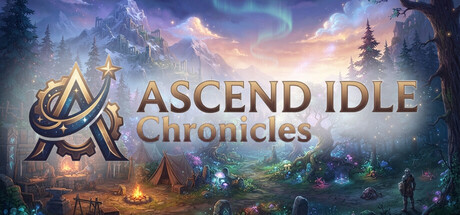
Some of the promotional artwork, store page banners, and/or trailer visuals for Ascend Idle: Chronicles were created with the assistance of Generative AI tools. The core game code and design were developed entirely by hand as a solo project.
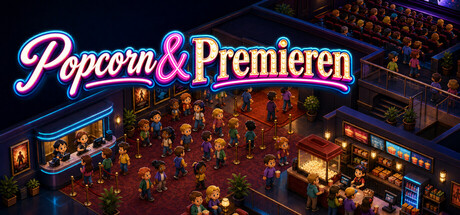
Generative AI was used during development to create pre-generated artwork (including fictional film posters and marketing images), narration, and some text and translations. These are fixed assets shipped with the game. No generative AI runs during gameplay, and no player input is sent to an external AI service.
Generative AI was used to create some of the illustrations featured on collectible cards. The card layouts and designs were manually created and edited.
I'm a solo developer, and I'd rather be upfront about where AI tools were used.
The character base meshes and some of their textures were generated with AI.
Every one of them was then brought into Blender and worked over by hand. Cleaned up, edited, re-textured and animated before it went anywhere near the game.
They're all rendered with a toon shader I wrote myself.
Everything else is made by hand.
The tavern, the props and the whole environment are hand modeled.
Other than that, everything else in the game was made by me.
Generative AI tools were used during part of the development process.
Generative AI was used for some 3D models and image assets. AI-generated assets were reviewed and adjusted by the developer before being included in the game.
No content is generated by AI while the game is running.
Select visual artwork used in Comic Shop Tycoon, including some in-game comic and product artwork as well as Steam promotional artwork, was created using generative AI tools. All AI-generated content is pre-generated and fixed. The game does not generate AI content during gameplay or connect to external AI services while running.
A moonlighting project from a husband and father of two, where late evenings and early mornings were made a little easier by generative AI tooling. The game's art, the pilot voice-over, and the music all started as AI-generated assets that I then reviewed, edited, and shaped into the game. The direction and the decisions are mine; nothing is generated while you play. Always open to constructive feedback.
Generative AI is used in a supplementary capacity, at two points. First, as a drafting step for some of the game's 2D illustrations: every such asset is then rebuilt through our own production pipeline — reduced to a strict 1-bit black-and-white format, curated, and animated frame by frame with in-house tools — so that it matches our art direction. Second, the game is written in French, and its translations into the eight other supported languages are AI-assisted. No generative AI runs in the game itself: all content ships fixed with the build.
This game uses pre-generated images created with Google Gemini for the character illustrations (6 images) and the title screen background. Character voices were pre-generated using VOICEPEAK (AHS Co., Ltd.), a commercial-use AI voice synthesis product. The background music was composed by human musicians and licensed for use. No AI generation occurs while the game is running.
AI-enabled tools were used during development to assist with asset creation. Some visual and audio assets in the finished game incorporate AI-assisted or AI-generated source material. For more information, visit https://jetgrave.com/ai-use/
Some game art was created with the assistance of generative AI. Examples of where generative AI was used would be as follows, Creature art, Logo, Music, Game systems.
Some pre-rendered 2D art was created with the assistance of generative AI tools: the playable characters' animation frames, world backgrounds and tile art were generated from the developer's original character and world designs, then hand-edited, aligned and baked into final game assets by the developer. A small number of sound effects were also created with AI audio tools and then mixed by hand. The store page capsule images are composed from the same AI-assisted paintings plus hand-set typography. All AI-assisted content is pre-rendered, was reviewed by the developer before shipping, and no content is generated by AI at runtime.
Some of the 2D artwork in this game — character portraits, monster illustrations, board tiles, backgrounds and store art — was created with the help of generative AI image tools, then reviewed, edited and assembled by the developer. All generated assets were checked before shipping. The game does not generate any content live during play: everything is pre-rendered and included in the build. Game design, rules, code, text and level layout were authored by the developer.
### Use of Generative Artificial Intelligence
During the development of this game, I used generative artificial intelligence tools to assist me with various aspects of its creation.
AI was mainly used to create and/or improve certain visual elements of the game, including images and PNG files used in different graphical elements.
It also assisted me in creating the game’s trailer, as well as with certain scripts and technical elements that were particularly complex to implement. In these situations, AI was used as an assistance tool to help me develop, adapt, and finalize certain elements.
The use of artificial intelligence does not mean that the game was entirely created by AI. The game’s design, artistic direction, gameplay, development, and final integration of the different elements were carried out and supervised by me.
I want to be transparent with players regarding the use of these technologies in the creation of the game.
Generative AI tools were used during development to help create some content, including the English localization, music and sound effects, the 3D-rendered block art pipeline, and parts of the store/marketing materials. All AI-assisted content was reviewed and refined by the developer. No content is generated by AI at runtime.
Generative AI was used to assist with some artwork, writing, localization, and game development. All AI-assisted content was reviewed, edited, and refined by the developer before being included. The game does not use live generative AI to create content during gameplay.
This game uses content created or assisted by generative AI. Generative AI was used to help create and edit some visual assets, music/sound materials, and scripts. All final content was reviewed, selected, and adjusted by the developer before being included in the game.
I’m a solo developer doing my first-ever coding project. With no prior coding experience, I relied heavily on tons of tutorials to write the code and used AI to assist when troubleshooting some bugs. I also used AI to generate some of the project's visual content and images but mainly tried to use actual human work. It's been a massive learning experience, so thanks for your time, and I hope you can enjoy my project :)
Some assets in Magician Alisa were created with the assistance of generative AI tools: visual artwork and music. All AI-generated assets were selected, curated and edited by the developer.
Some visual artwork used in the game and promotional materials was created with generative AI tools and then selected, edited, and integrated by the developer. No generative AI content is created during gameplay.
Some visual assets were partially created with the help of generative AI. It was used as a reference for a few alpha brushes, clothing patterns, and some card designs. No output was used as-is — everything was heavily modified and finished by hand. All other content in the game was created entirely by the developer.
Generative AI tools were used during development to assist with the creation of some visual assets, written content, and localization used in the game and related store materials. All AI-assisted content was reviewed and, where necessary, edited by the developer before release. The game does not generate AI content during gameplay and does not rely on external AI services while being played.
Some small props and interface icons in this game began as AI-generated meshes and textures (text-to-3D / image-to-3D), which were then reworked by hand, retopologised, re-scaled, colour-graded and assembled before shipping. All other art comes from licensed asset packs and hand kitbashing. Nothing is generated live: no AI runs during play, and no player input is sent to an AI service.
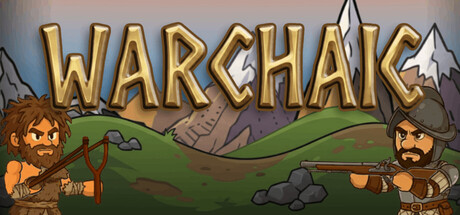
Generative AI was used to assist in the creation of some visual assets, UI elements, sound effects, and music featured in Warchaic. Software development was handled by our development team, while animations and visual effects (VFX) were either created by our team or sourced from licensed asset packages.
This game uses generative AI tools during development for some pre-rendered assets, including store capsules and key art, character sprites, backgrounds, CGs, and certain audio. AI-assisted assets are selected and edited before inclusion. Story and game systems are human-authored.
AI-based tools were used solely as a supportive aid for creating select pre-rendered in-game assets and text, with all final content thoroughly reviewed and refined by the development team. The game contains no live-generated AI content during gameplay.
Generative AI tools were used during development to assist with the localization of some in-game text and the creation of certain visual assets. All AI-assisted content was reviewed and edited by the developer before being included in the game.
Generative AI-assisted tools were used in the creation and development of some 3D models, audio, and visual content in the game. All such content was generated in advance during the development process and added to the game as pre-made assets. No content is generated in real time using generative AI during gameplay.
The character selection screen uses some art that has been created with the assistance of AI.
The character art display on the store page has been partially created with the assistance of AI.
This game includes content created with the help of AI during development.
Images (34): backgrounds, the logo and in-game objects were created using OpenAI's image generation (gpt-image), then edited by the developer.
34 of the 66 sprites in the shipping build originate this way.
UI elements and one texture (13) and sound effects (21): these were designed by AI (Claude) and implemented as the developer's own program code. They are not the output of an image or audio generation model; the shapes and waveforms are produced by deterministic processing.
The game does not generate any content with AI at runtime.
Music is licensed from a purchased royalty-free library and involves no
AI. Stage design is the developer's own work.
This game uses generative AI as a production tool. Character, enemy, boss, UI, and background art were created with image-generation models and then assembled, keyed, and edited by the team. Background music and in-game voice and narration (including Classical Latin lines in Purgatory) were also generated with AI and curated for the game.
Gameplay, design, writing, and programming are human-authored. The game does not generate new text, images, or audio while you play. Some store and marketing images were produced with the same tools.
Coquí Crusader was made with AI-assisted tools under the developer's direction.
The coquí mascot logo and the background music were AI-generated. AI coding assistance was used to build the game and to help write its in-game and store text, all reviewed by the developer.
Every design decision was made by the developer: the mechanics, the progression and balance, and the Puerto Rican setting — the ten zones based on real landmarks, the folklore creatures from Taíno legend, and the Spanish localization.
No content is generated during gameplay, and the game never connects to any external AI service.
Some Steam store and library artwork (capsules, hero, broadcast panels, and similar marketing images) was created with generative AI, then selected and cropped by the developer.
A few 3D props were blocked out with an AI modeling tool and then adjusted by hand for the game.
The game itself does not use generative AI while you play. Halley, the story, fishing, and locations are human-authored. Worlds and water use traditional game systems, not live AI generation.
We are team of two with a design and development background. We have a combined decades experience shipping production-quality code and art. We use AI along with our other tools, like Blender, Substance, etc. to help us build our vision. We use AI in the early stage of concept development and prototyping, coding assistance, but everything that makes it in-game is hand-crafted and authored by us. The music is played by hand real instruments. All screen captures are 100% in-game with no alterations.
Some of the promotional artwork, store page banners, and/or trailer visuals for Ascend Idle: Chronicles were created with the assistance of Generative AI tools. The core game code and design were developed entirely by hand as a solo project.
Generative AI was used during development to create pre-generated artwork (including fictional film posters and marketing images), narration, and some text and translations. These are fixed assets shipped with the game. No generative AI runs during gameplay, and no player input is sent to an external AI service.
Generative AI was used to create some of the illustrations featured on collectible cards. The card layouts and designs were manually created and edited.
I'm a solo developer, and I'd rather be upfront about where AI tools were used.
The character base meshes and some of their textures were generated with AI.
Every one of them was then brought into Blender and worked over by hand. Cleaned up, edited, re-textured and animated before it went anywhere near the game.
They're all rendered with a toon shader I wrote myself.
Everything else is made by hand.
The tavern, the props and the whole environment are hand modeled.
Other than that, everything else in the game was made by me.
Generative AI tools were used during part of the development process.
Generative AI was used for some 3D models and image assets. AI-generated assets were reviewed and adjusted by the developer before being included in the game.
No content is generated by AI while the game is running.
Select visual artwork used in Comic Shop Tycoon, including some in-game comic and product artwork as well as Steam promotional artwork, was created using generative AI tools. All AI-generated content is pre-generated and fixed. The game does not generate AI content during gameplay or connect to external AI services while running.
A moonlighting project from a husband and father of two, where late evenings and early mornings were made a little easier by generative AI tooling. The game's art, the pilot voice-over, and the music all started as AI-generated assets that I then reviewed, edited, and shaped into the game. The direction and the decisions are mine; nothing is generated while you play. Always open to constructive feedback.
Generative AI is used in a supplementary capacity, at two points. First, as a drafting step for some of the game's 2D illustrations: every such asset is then rebuilt through our own production pipeline — reduced to a strict 1-bit black-and-white format, curated, and animated frame by frame with in-house tools — so that it matches our art direction. Second, the game is written in French, and its translations into the eight other supported languages are AI-assisted. No generative AI runs in the game itself: all content ships fixed with the build.
This game uses pre-generated images created with Google Gemini for the character illustrations (6 images) and the title screen background. Character voices were pre-generated using VOICEPEAK (AHS Co., Ltd.), a commercial-use AI voice synthesis product. The background music was composed by human musicians and licensed for use. No AI generation occurs while the game is running.
AI-enabled tools were used during development to assist with asset creation. Some visual and audio assets in the finished game incorporate AI-assisted or AI-generated source material. For more information, visit https://jetgrave.com/ai-use/
Some game art was created with the assistance of generative AI. Examples of where generative AI was used would be as follows, Creature art, Logo, Music, Game systems.
Some pre-rendered 2D art was created with the assistance of generative AI tools: the playable characters' animation frames, world backgrounds and tile art were generated from the developer's original character and world designs, then hand-edited, aligned and baked into final game assets by the developer. A small number of sound effects were also created with AI audio tools and then mixed by hand. The store page capsule images are composed from the same AI-assisted paintings plus hand-set typography. All AI-assisted content is pre-rendered, was reviewed by the developer before shipping, and no content is generated by AI at runtime.
Some of the 2D artwork in this game — character portraits, monster illustrations, board tiles, backgrounds and store art — was created with the help of generative AI image tools, then reviewed, edited and assembled by the developer. All generated assets were checked before shipping. The game does not generate any content live during play: everything is pre-rendered and included in the build. Game design, rules, code, text and level layout were authored by the developer.
### Use of Generative Artificial Intelligence
During the development of this game, I used generative artificial intelligence tools to assist me with various aspects of its creation.
AI was mainly used to create and/or improve certain visual elements of the game, including images and PNG files used in different graphical elements.
It also assisted me in creating the game’s trailer, as well as with certain scripts and technical elements that were particularly complex to implement. In these situations, AI was used as an assistance tool to help me develop, adapt, and finalize certain elements.
The use of artificial intelligence does not mean that the game was entirely created by AI. The game’s design, artistic direction, gameplay, development, and final integration of the different elements were carried out and supervised by me.
I want to be transparent with players regarding the use of these technologies in the creation of the game.
Generative AI tools were used during development to help create some content, including the English localization, music and sound effects, the 3D-rendered block art pipeline, and parts of the store/marketing materials. All AI-assisted content was reviewed and refined by the developer. No content is generated by AI at runtime.
Generative AI was used to assist with some artwork, writing, localization, and game development. All AI-assisted content was reviewed, edited, and refined by the developer before being included. The game does not use live generative AI to create content during gameplay.
This game uses content created or assisted by generative AI. Generative AI was used to help create and edit some visual assets, music/sound materials, and scripts. All final content was reviewed, selected, and adjusted by the developer before being included in the game.
I’m a solo developer doing my first-ever coding project. With no prior coding experience, I relied heavily on tons of tutorials to write the code and used AI to assist when troubleshooting some bugs. I also used AI to generate some of the project's visual content and images but mainly tried to use actual human work. It's been a massive learning experience, so thanks for your time, and I hope you can enjoy my project :)
Some assets in Magician Alisa were created with the assistance of generative AI tools: visual artwork and music. All AI-generated assets were selected, curated and edited by the developer.
Some visual artwork used in the game and promotional materials was created with generative AI tools and then selected, edited, and integrated by the developer. No generative AI content is created during gameplay.
Some visual assets were partially created with the help of generative AI. It was used as a reference for a few alpha brushes, clothing patterns, and some card designs. No output was used as-is — everything was heavily modified and finished by hand. All other content in the game was created entirely by the developer.
Generative AI tools were used during development to assist with the creation of some visual assets, written content, and localization used in the game and related store materials. All AI-assisted content was reviewed and, where necessary, edited by the developer before release. The game does not generate AI content during gameplay and does not rely on external AI services while being played.
Some small props and interface icons in this game began as AI-generated meshes and textures (text-to-3D / image-to-3D), which were then reworked by hand, retopologised, re-scaled, colour-graded and assembled before shipping. All other art comes from licensed asset packs and hand kitbashing. Nothing is generated live: no AI runs during play, and no player input is sent to an AI service.
Generative AI was used to assist in the creation of some visual assets, UI elements, sound effects, and music featured in Warchaic. Software development was handled by our development team, while animations and visual effects (VFX) were either created by our team or sourced from licensed asset packages.
This game uses generative AI tools during development for some pre-rendered assets, including store capsules and key art, character sprites, backgrounds, CGs, and certain audio. AI-assisted assets are selected and edited before inclusion. Story and game systems are human-authored.
AI-based tools were used solely as a supportive aid for creating select pre-rendered in-game assets and text, with all final content thoroughly reviewed and refined by the development team. The game contains no live-generated AI content during gameplay.
Generative AI tools were used during development to assist with the localization of some in-game text and the creation of certain visual assets. All AI-assisted content was reviewed and edited by the developer before being included in the game.